ART WIKI32.963 in sala
MappaCollezioneArtistiMuseiMostreRivista
Accedi

ART WIKI

Dove è appeso il capolavoro, e quando si può entrare.

Collezioni: Art Institute of Chicago, Cleveland Museum of Art, Ermitage, Galleria Tret'jakov, Getty Museum, Harvard Art Museums, Hirshhorn Museum and Sculpture Garden, Metropolitan Museum of Art, Minneapolis Institute of Art, Museo del Louvre, Museo Puškin delle belle arti, Museo russo, Museum of Modern Art, National Gallery of Art, National Museum of Asian Art, National Portrait Gallery, Rijksmuseum, Smithsonian American Art Museum, Statens Museum for Kunst, Victoria and Albert Museum, Villa Getty, Whitney Museum of American Art, Catalogo statale del fondo museale russo (274 musei), Europeana (19 musei), Wikidata (6 musei), Paris Musées (12 musei) e Joconde, la banca dati dei musei del Ministero della Cultura francese (495 musei). Le immagini appartengono ai titolari dei diritti.

Sezioni

  • Mappa
  • Ricerca
  • Collezione
  • Capolavori
  • Esposte ora
  • Artisti

Altro

  • Musei e gallerie
  • Mostre
  • Rivista
  • Da dove vengono i dati
  • Privacy e cookie
HomeMappaCatalogo
  1. Collezione/
  2. Victoria and Albert Museum/
  3. Durga Mahishasuramardini
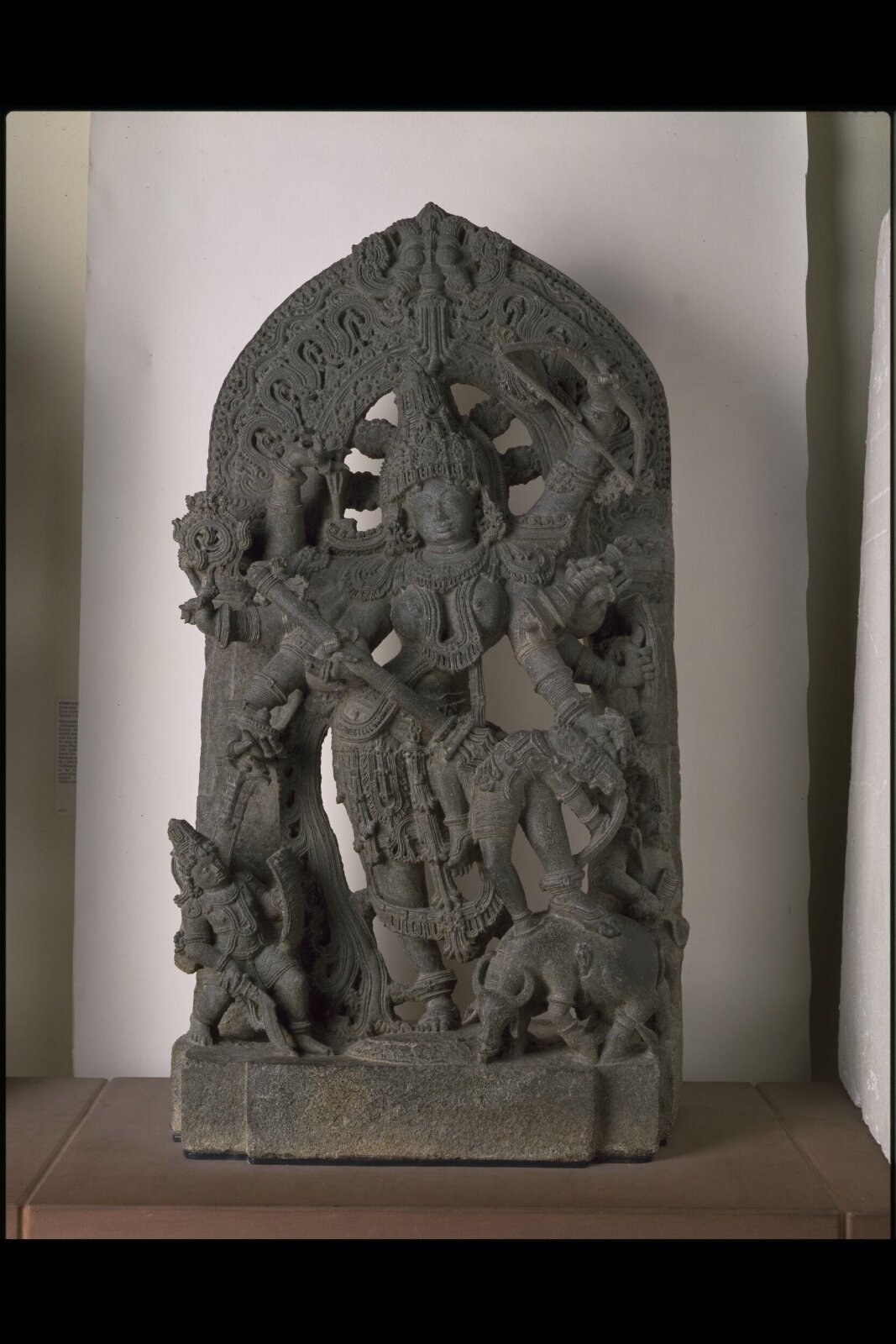
Durga Mahishasuramardini, mid-13th century

Durga Mahishasuramardini

mid-13th century · Figure group · 147 × 82 cm

Sulla scultura

The goddess Durga, the sakti or female energy of Shiva, in her ferocious form as the slayer of the buffalo demon Mahisa. Durga is represented in her eight-armed aspect, wielding the sacred weapons used against the forces of evil. The demon is seen emerging from his buffalo guise as Durga’s trisula (trident) pierces his body. The goddess is eight-armed and holds the supernatural weapons of the gods, notably the bana, chakra, khadga and trisula in her right arms and the dhanus, ghanta and khetaka in her upper left hands, pressing Mahisa's head with the remaining hand. The demon is pierced by Durga's trident as he emerges from the dying buffalo form. Two other demons (asuras) are shown - one is pierced by an arrow and the other receives a thrust from Durga's sword. The goddess wears elaborate ornaments including a ratna mukuta, karas, yajna pavita, katibandha, makara kindalas and rings, bracelets, armlets and anklets. Behind the group is makara torana with kirttimukha at the top.

Continua a leggere

The Hoysalas established their capital at Halebid early in the 11th century and endowed many major temples in southern Karnataka. Their flamboyant sculptural style derived from the late Calyuka traditions and flourished throughout the 12th and 13th centuries. This sculpture was presented to the seventh Viscount Powerscourt whilst in Karnataka in 1861. The precise provenance of this sculpture is not recorded but close parallels can be seen in the sculptures at Sadasiva Temple, Nuggihalli, southeast of Halebid.

Victoria and Albert Museum

Scheda

Numero di inventario
IS.77-1965

Sotto lo stesso tetto: Victoria and Albert Museum

Pagina del museo

Sullo stesso tema · Hindu

Tutte le opere sul tema

Si può ammirare?

Al momento non riceve

Victoria and Albert Museum

Londra, Regno Unito

Appartiene alla collezione, ma al momento non è esposta.

Verificato
12 giorni fa
Ultimo cambio di stato
25 set 2026
Fonte
Il museo
Sulla mappaPagina del museo

Che cosa raffigura

Hindu

In catalogo

SculturaPietraHoysala styleKarnataka

Fonti

  • Victoria and Albert Museum
  • Immagine: Victoria and Albert Museum — © Victoria and Albert Museum, London
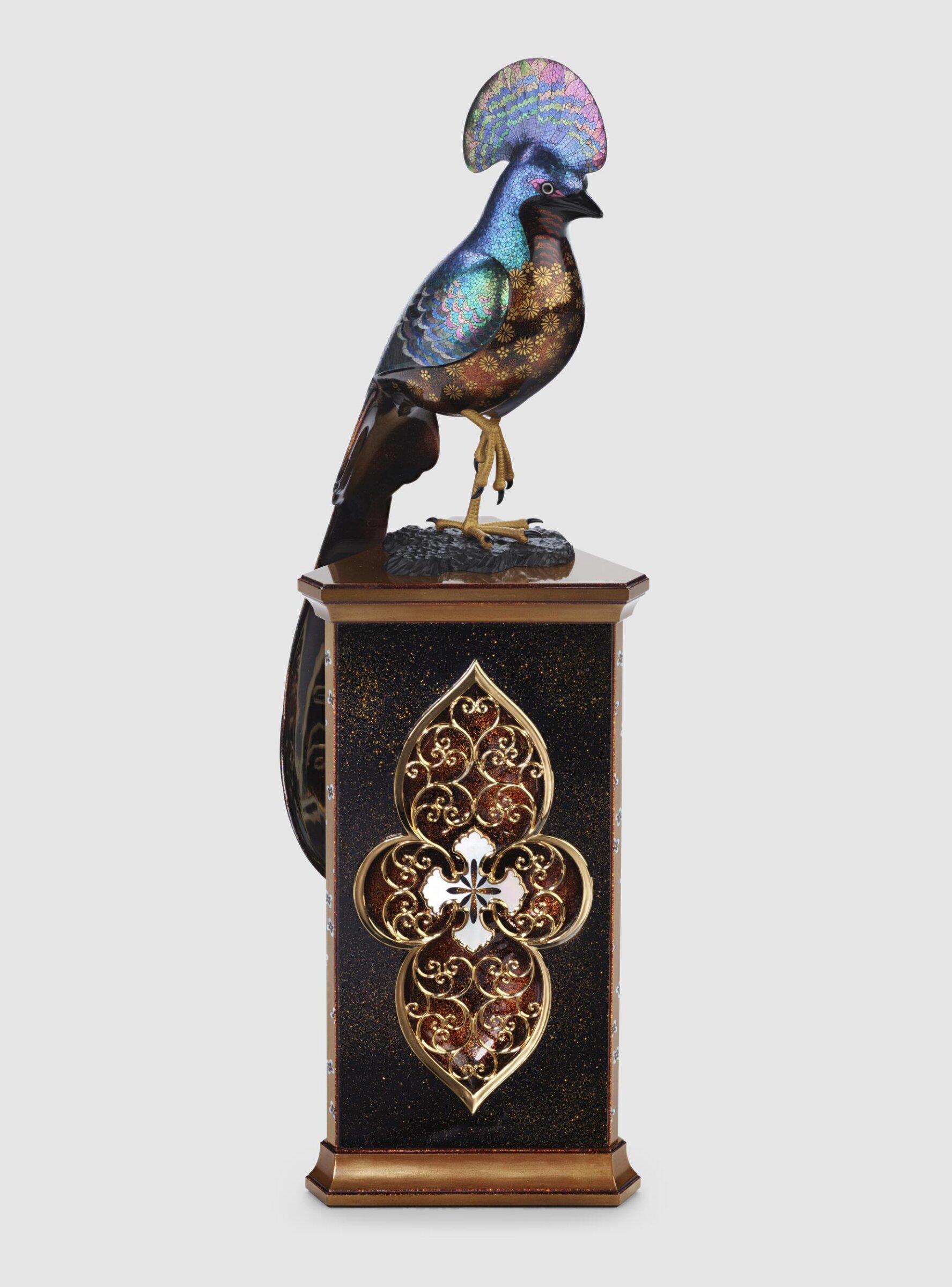
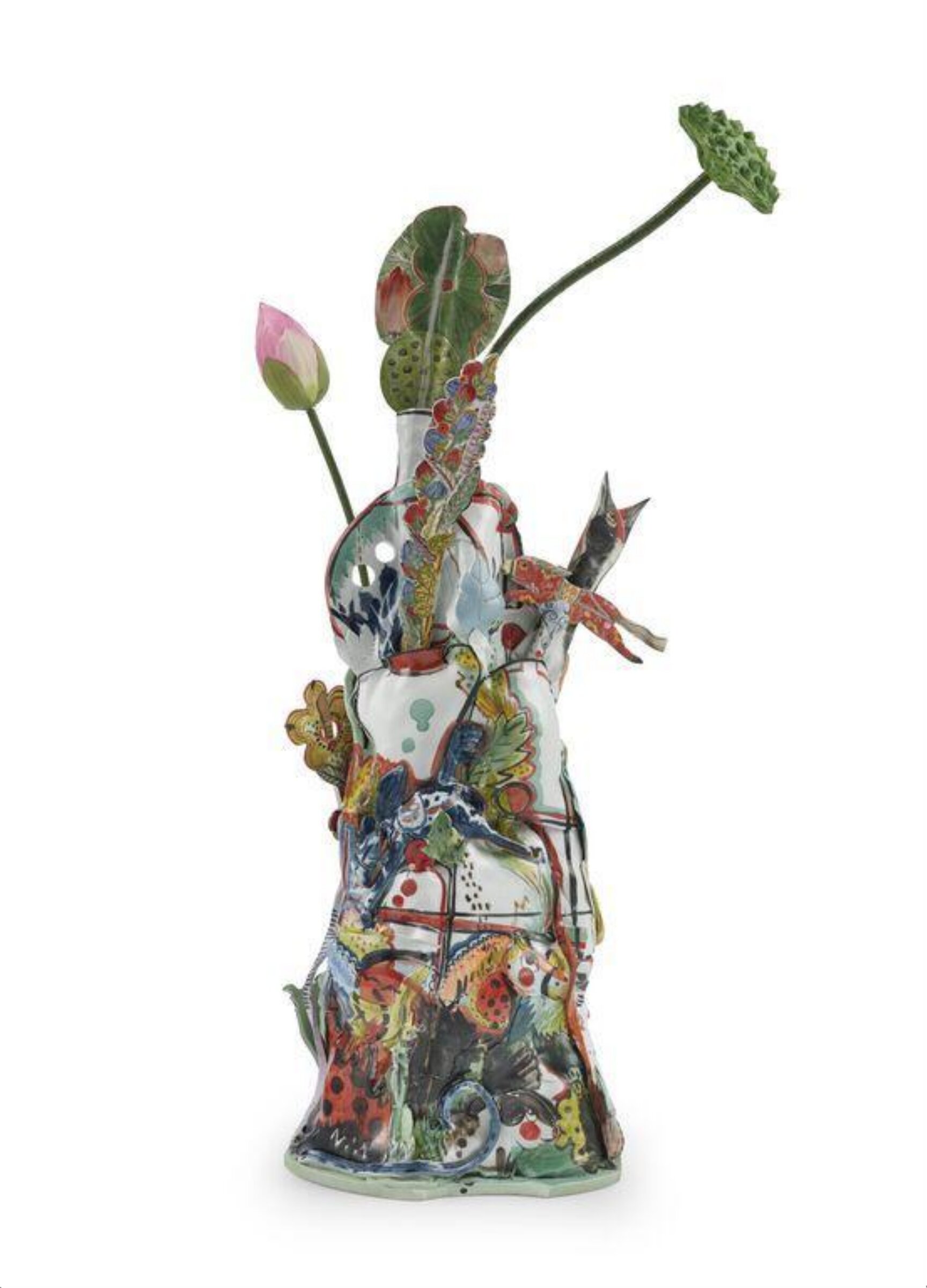
Bird of Paradise, Hashimoto Chitaka, 2026

Hashimoto Chitaka

Bird of Paradise, 2026

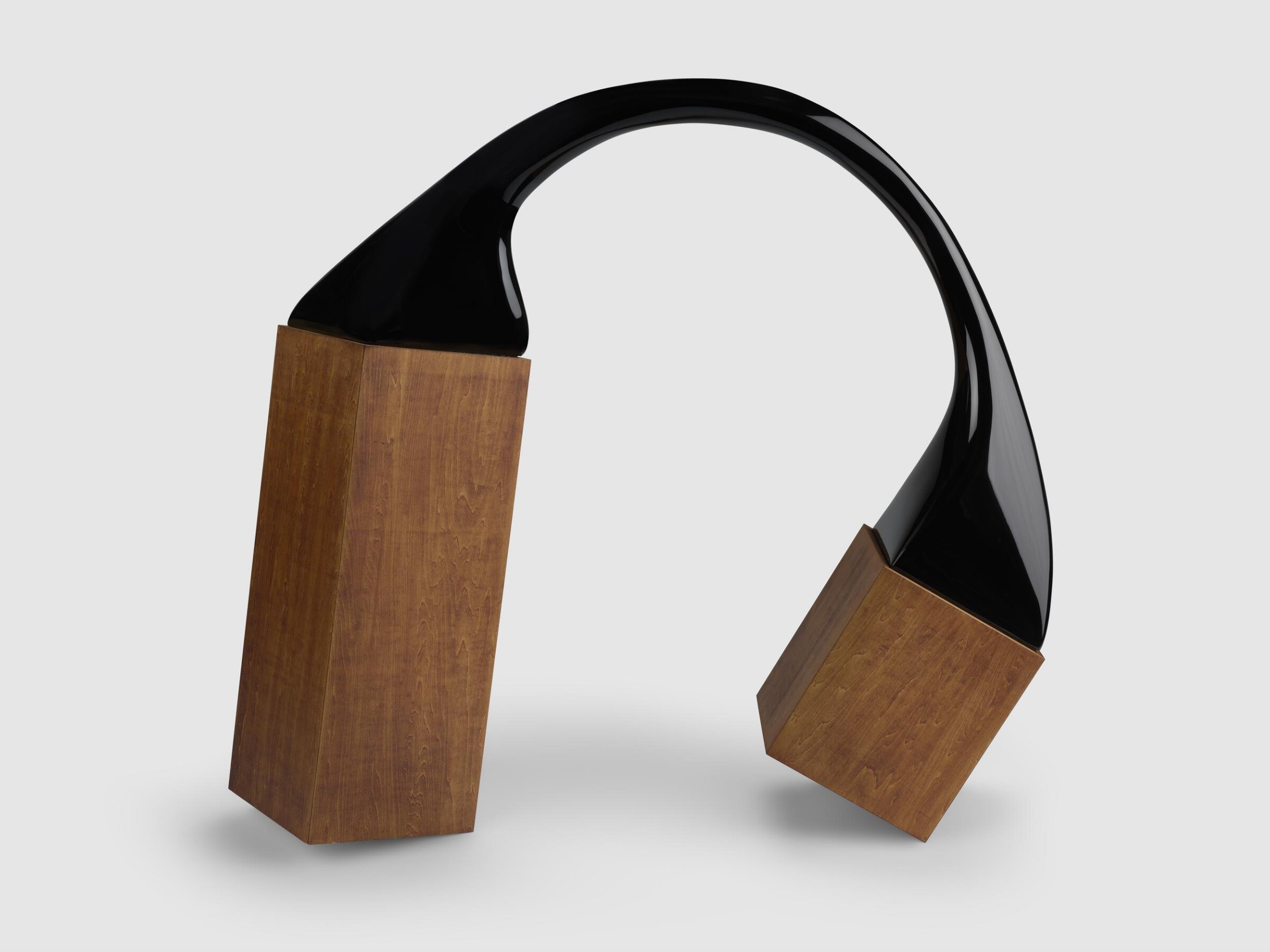
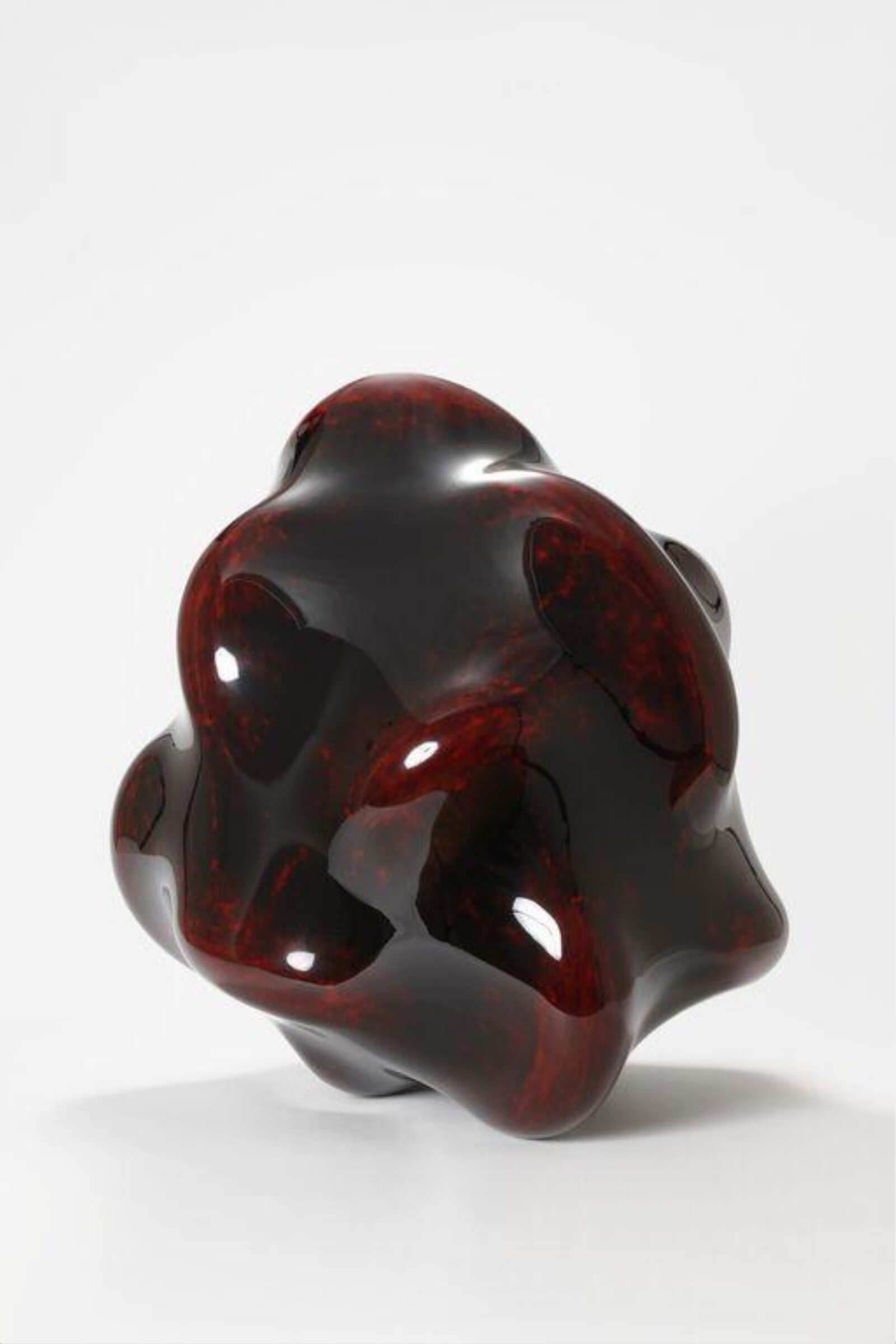
Torsion 2, Taruma Shoko, 2025

Taruma Shoko

Torsion 2, 2025

Fu, Someya Satoshi, 2025

Someya Satoshi

Fu, 2025

Bow Before the Curtain Falls, 2024

Bow Before the Curtain Falls, 2024

Summer, 2024

Summer, 2024

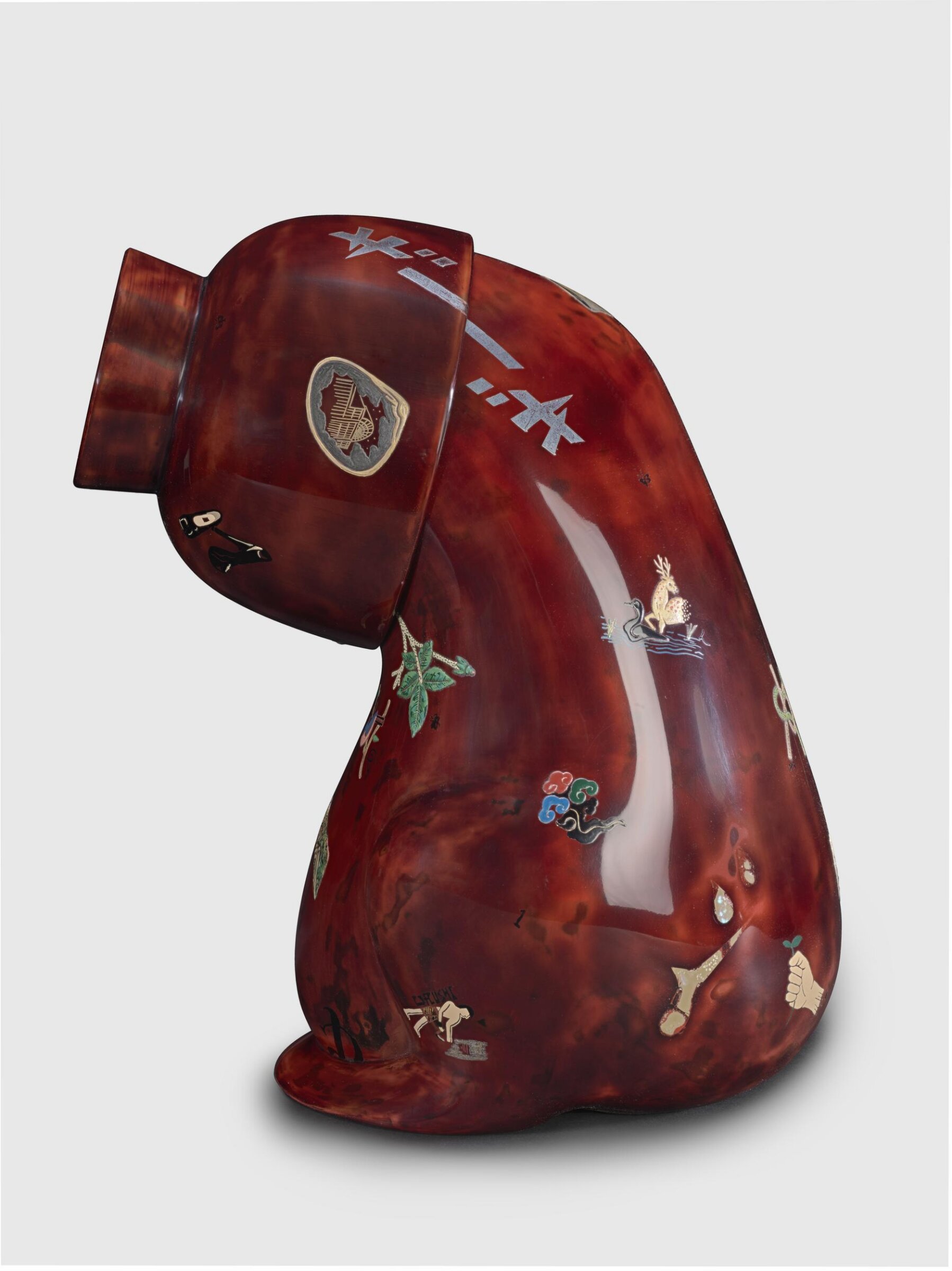
Red Flow, Ishizuka Genta, 2024

Ishizuka Genta

Red Flow, 2024

3D replica of Michelangelo's Prisoner (4117-1854), Factum Arte, 2024

Factum Arte

3D replica of Michelangelo's Prisoner (4117-1854), 2024

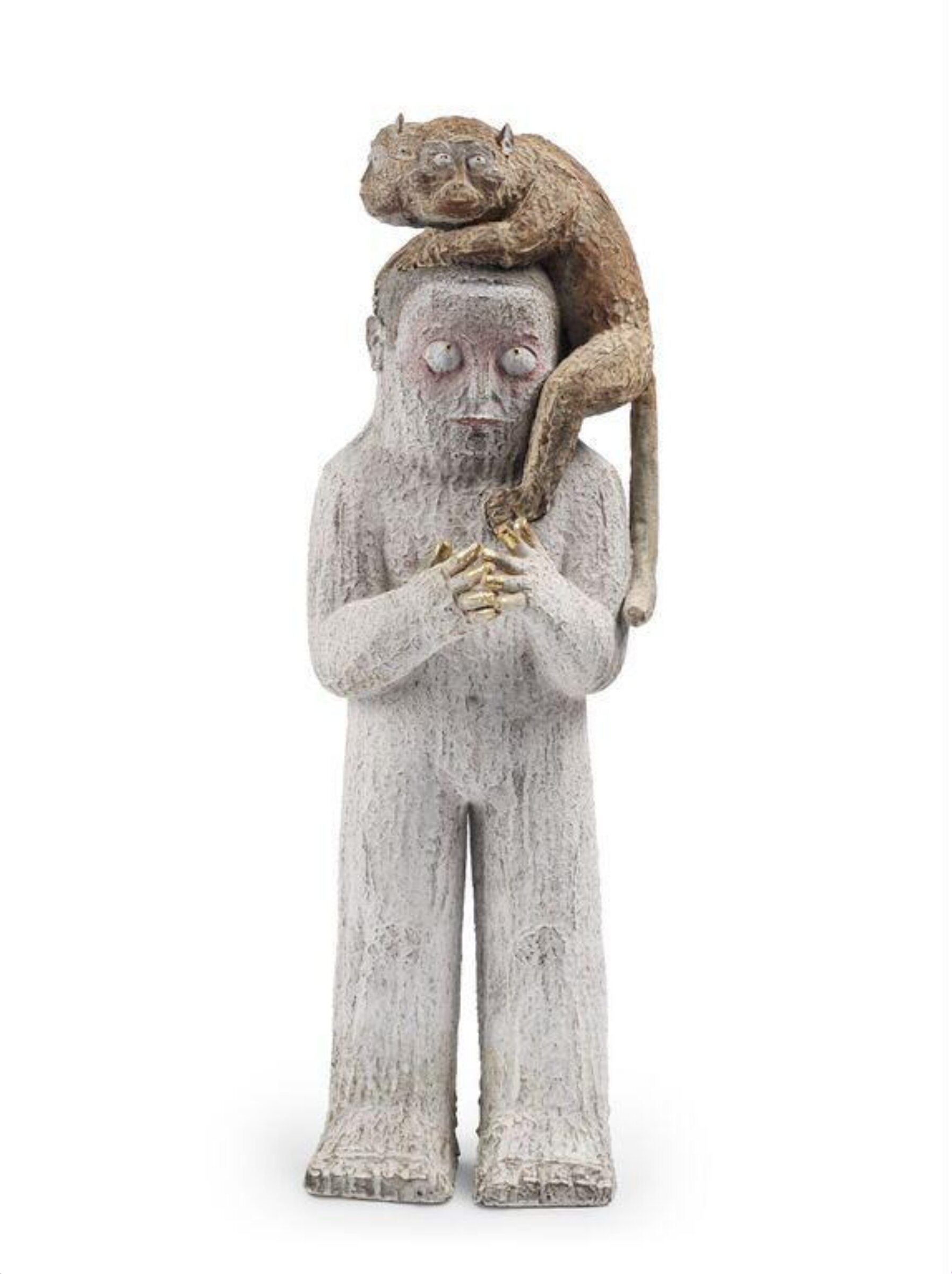
Sculpture, ‘Co-Existence – the Man and the Monkey’, Zhao Lin, 2024

Zhao Lin

Sculpture, ‘Co-Existence – the Man and the Monkey’, 2024

Shiva as Lord of the Dance (Nataraja), India, Chola period, about 10th/11th century

India

Shiva as Lord of the Dance (Nataraja), Chola period, about 10th/11th century

Art Institute of Chicago

Karttikeya, Commander of the Divine Army, Seated on a Peacock, India, Ganga Period, about 12th century

India

Karttikeya, Commander of the Divine Army, Seated on a Peacock, Ganga Period, about 12th century

Art Institute of Chicago

Goddess Durga Slaying the Buffalo Demon (Mahishasuramardini), Cambodia, Angkor period, 10th century

Cambodia

Goddess Durga Slaying the Buffalo Demon (Mahishasuramardini), Angkor period, 10th century

Non esposta · Art Institute of Chicago

Boar Incarnation of God Vishnu (Varaha) Lifting the Earth Goddess Bhudevi, India, 11th century

India

Boar Incarnation of God Vishnu (Varaha) Lifting the Earth Goddess Bhudevi, 11th century

Non esposta · Art Institute of Chicago

God Vishnu's Mount, Garuda, Kneeling with Hands in Gesture of Adoration (Anjalimudra), Nepal, 14th century

Nepal

God Vishnu's Mount, Garuda, Kneeling with Hands in Gesture of Adoration (Anjalimudra), 14th century

Non esposta · Art Institute of Chicago

Four-Armed Dancing God Ganesha with His Rat Mount, Nepal, 16th/17th century

Nepal

Four-Armed Dancing God Ganesha with His Rat Mount, 16th/17th century

Art Institute of Chicago

Goddess Durga Slaying the Buffalo Demon, India or Pakistan, 9th century

India or Pakistan

Goddess Durga Slaying the Buffalo Demon, 9th century

Non esposta · Art Institute of Chicago

Dancing God Shiva (Natesha), India, 10th/11th century

India

Dancing God Shiva (Natesha), 10th/11th century

Non esposta · Art Institute of Chicago