ART WIKI32.979 in sala
MappaCollezioneArtistiMuseiMostreRivista
Accedi

ART WIKI

Dove è appeso il capolavoro, e quando si può entrare.

Collezioni: Art Institute of Chicago, Cleveland Museum of Art, Ermitage, Galleria Tret'jakov, Getty Museum, Harvard Art Museums, Hirshhorn Museum and Sculpture Garden, Metropolitan Museum of Art, Minneapolis Institute of Art, Museo del Louvre, Museo Puškin delle belle arti, Museo russo, Museum of Modern Art, National Gallery of Art, National Museum of Asian Art, National Portrait Gallery, Rijksmuseum, Smithsonian American Art Museum, Statens Museum for Kunst, Victoria and Albert Museum, Villa Getty, Whitney Museum of American Art, Catalogo statale del fondo museale russo (274 musei), Europeana (19 musei), Wikidata (6 musei), Paris Musées (12 musei) e Joconde, la banca dati dei musei del Ministero della Cultura francese (495 musei). Le immagini appartengono ai titolari dei diritti.

Sezioni

  • Mappa
  • Ricerca
  • Collezione
  • Capolavori
  • Esposte ora
  • Artisti

Altro

  • Musei e gallerie
  • Mostre
  • Rivista
  • Da dove vengono i dati
  • Privacy e cookie
HomeMappaCatalogo
  1. Collezione/
  2. Museum of Modern Art/
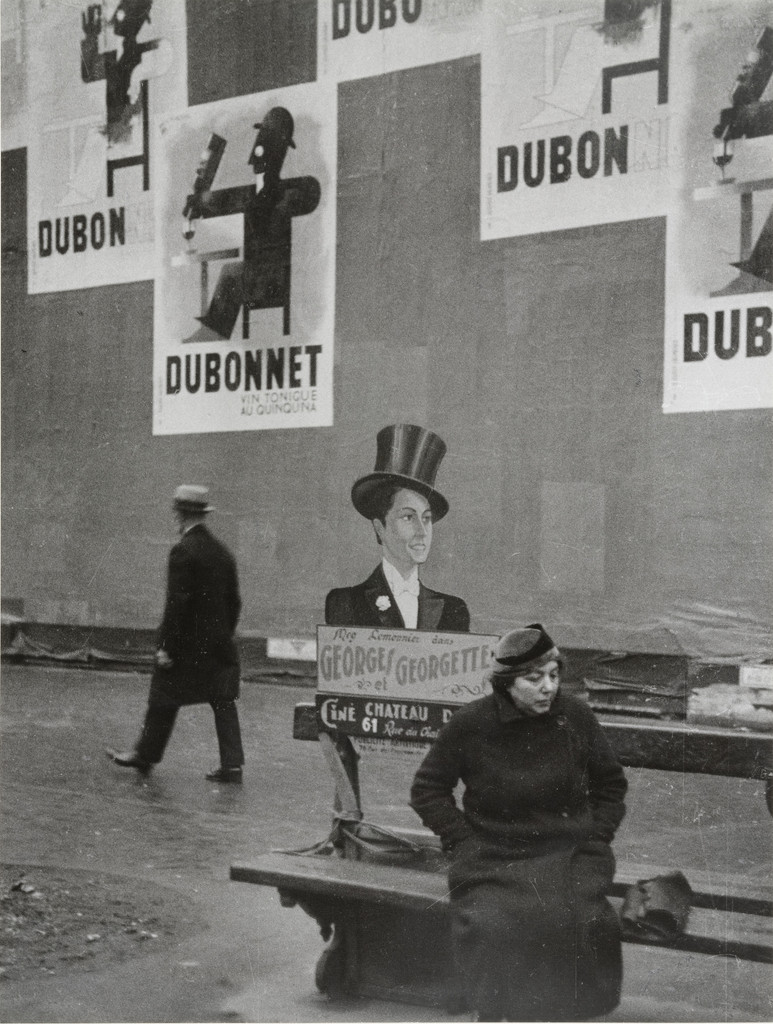
  3. Dubo, Dubon, Dubonnet, Paris
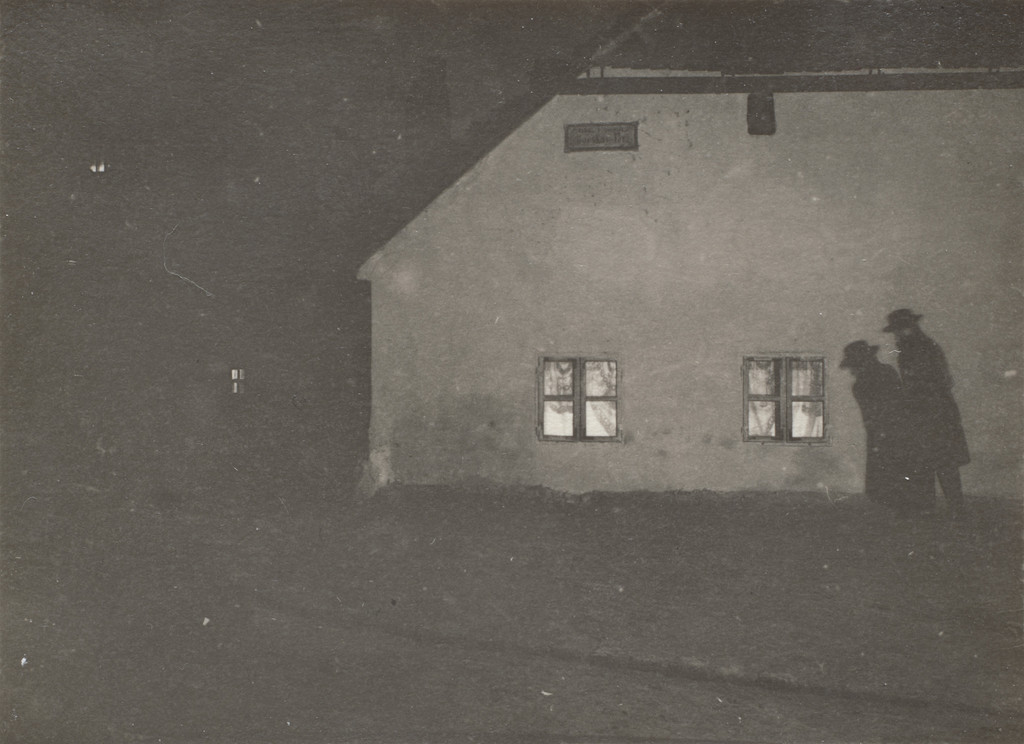
Dubo, Dubon, Dubonnet, Paris, André Kertész, 1934
André Kertész, ritrattoAndré KertészStati Uniti, 1894–1985

Dubo, Dubon, Dubonnet, Paris

1934 · Photograph

Si può ammirare?

Al momento non riceve

Museum of Modern Art

New York, Stati Uniti

Appartiene alla collezione, ma al momento non è esposta.

Verificato
9 giorni fa
Ultimo cambio di stato
5 ott 2026
Fonte
Il museo
Sulla mappaPagina del museo

Scheda

1934 · a 40 anni
18941985
Numero di inventario
991.1969

In catalogo

FotografieStampa ai sali d’argentoModernismoXX secolo

Andirivieni

  1. Al momento non esposta

    Museum of Modern Art · 5 ott 2026 — oggi · Verificato

  2. Esposta · MoMA, Floor 5, 517

    Museum of Modern Art · Verificato

Fonti

  • Museum of Modern Art
  • Immagine: Museum of Modern Art — © the artist or rights holder

Nel frattempo, nella vita di André Kertész

Tutta la vita
  1. 1925–1936

    The circle of Hungarian émigrés and portraits of friends

    In Paris he is among numerous Hungarian artists, including François Kollar, Robert Capa, Emeric Fehér, Brassaï and Julia Bathory, as well as Man Ray, Germaine Krull and Lucien Aigner, who also emigrated there, and becomes involved with the Dada movement; visiting his sculptor friends, he is fascinated by Cubism. He makes photo portraits of the painters Piet Mondrian and Marc Chagall, the writer Colette and the film-maker Sergei Eisenstein.

  2. early 1930s

    Cartier-Bresson: “We all owe him a great deal”

    Henri Cartier-Bresson says of Kertész that they all owe him a great deal; he later comes to be considered the father of photojournalism, and other photographers cite him as an inspiration.

  3. 1932

    Exhibition at the Julien Levy Gallery in New York

    At the Julien Levy Gallery in New York the price of his proofs is set at US$20, a large sum of money during the Great Depression.

  4. 17 June 1933

    Marries Elizabeth

    Despite his mother’s death earlier that year, Kertész marries Elizabeth; he is said to have spent less time with his artist friends in favour of his new wife.

  5. 1933–1937

    Books: “Enfants”, “Paris”, “Nos amies les bêtes”

    His first personal book of photographs, Enfants, is published in 1933, and he publishes regularly in the following years: Paris (1934), dedicated to his brothers Imre and Jenő, Nos Amies les bêtes (“Our Friends the Animals”, 1936) and Les Cathédrales du vin (“The Cathedrals of Wine”, 1937).

  6. 15 October 1936

    Emigrates to New York

    Magazines emphasise political stories and stop publishing Kertész for his apolitical subjects; with commissions dropping and persecution of Jews increasing, he and Elizabeth decide to move, which may have saved his life, as four years later France would fall under Nazi occupation. They board the SS Washington and arrive in New York on 15 October 1936, living at the Beaux Arts Hotel in Greenwich Village; deprived of his artist friends, struggling with English and among Americans who reject having their photos taken on the street, he goes through a period he later calls the “absolute tragedy”.
Altre opere di André Kertész

Tutte le opere
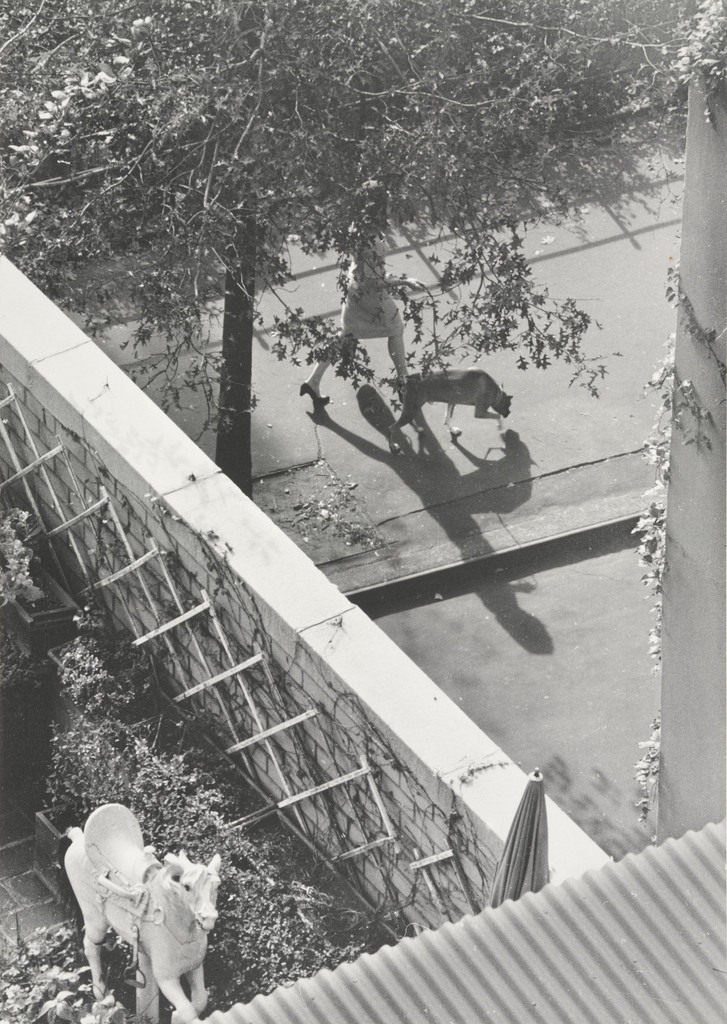
Promenade, André Kertész, 1962

Promenade

1962 · Museum of Modern Art

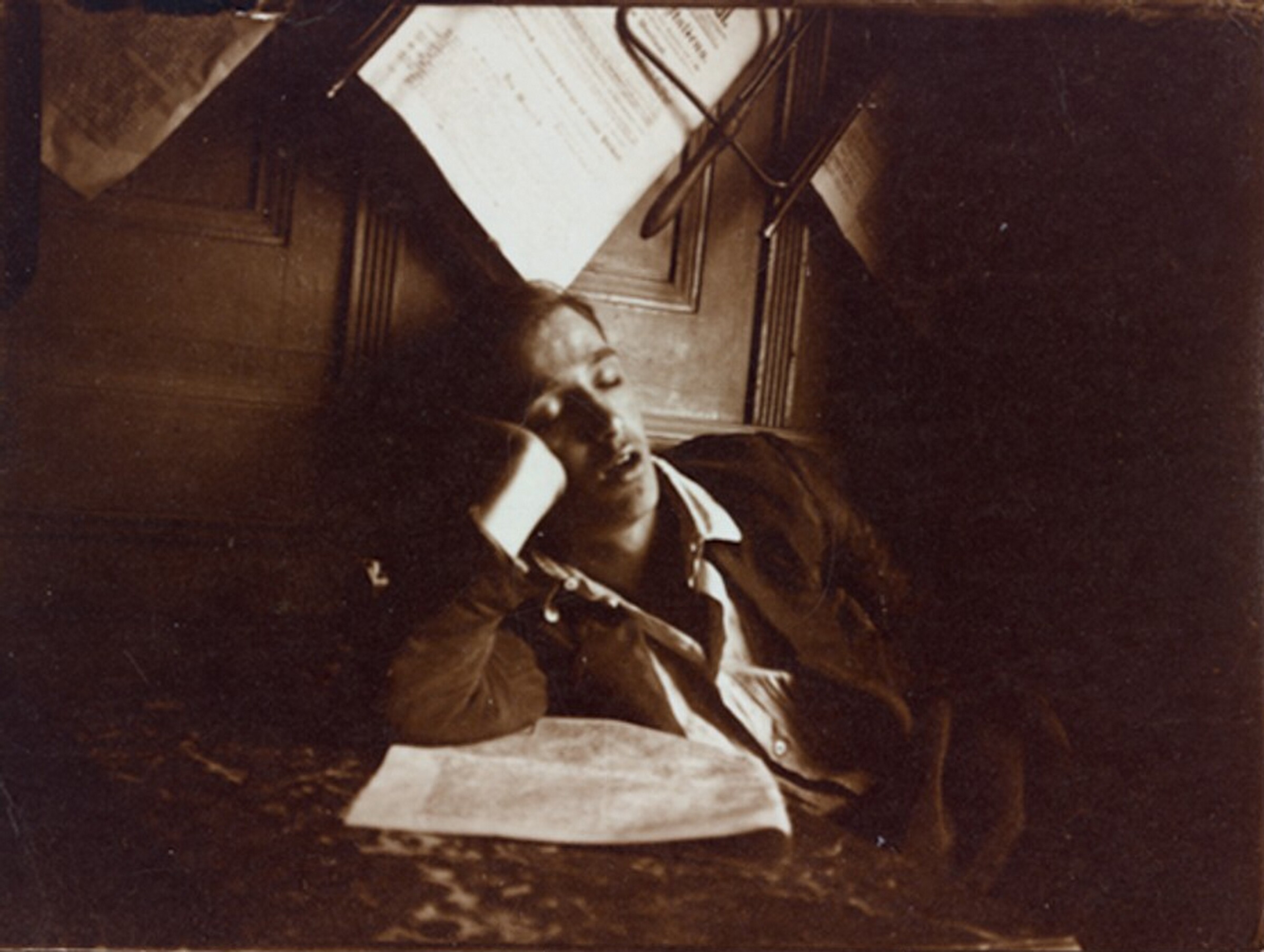
Sleeping Boy, André Kertész, 1912

Sleeping Boy

1912 · Non esposta · National Gallery of Art

Bocskay-tér, Budapest, André Kertész, 1914

Bocskay-tér, Budapest

1914 · Non esposta · Museum of Modern Art

Self-Portrait at Front, André Kertész, c. 1915-1916

Self-Portrait at Front

c. 1915-1916 · Non esposta · National Gallery of Art

The Fairy Tale, André Kertész, 1915

The Fairy Tale

1915 · Non esposta · National Gallery of Art

Self-Portrait, André Kertész, 1915

Self-Portrait

1915 · Non esposta · National Gallery of Art

Self-Portrait, Wounded, with Officer, André Kertész, January 1916

Self-Portrait, Wounded, with Officer

January 1916 · Non esposta · National Gallery of Art

Esztergom Cathedral, André Kertész, 1917

Esztergom Cathedral

1917 · Non esposta · National Gallery of Art

Sotto lo stesso tetto: Museum of Modern Art

Pagina del museo
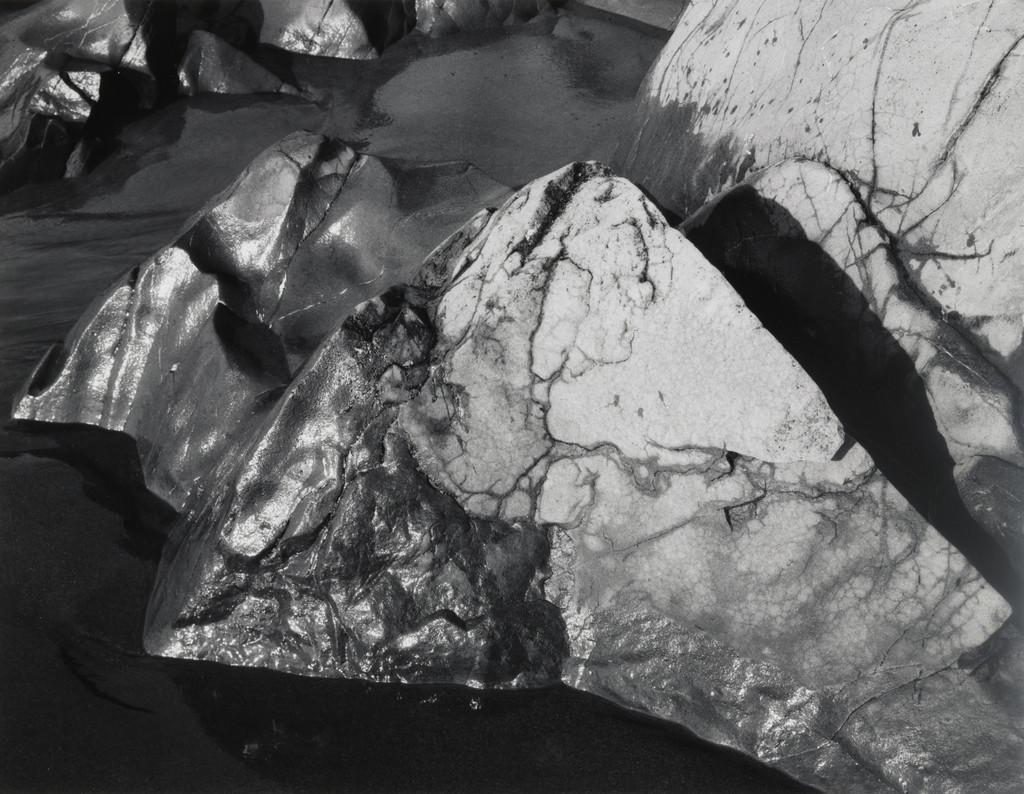
Rock, Bakers Beach, San Francisco, California, Ansel Adams, c. 1931

Ansel Adams

Rock, Bakers Beach, San Francisco, California, c. 1931

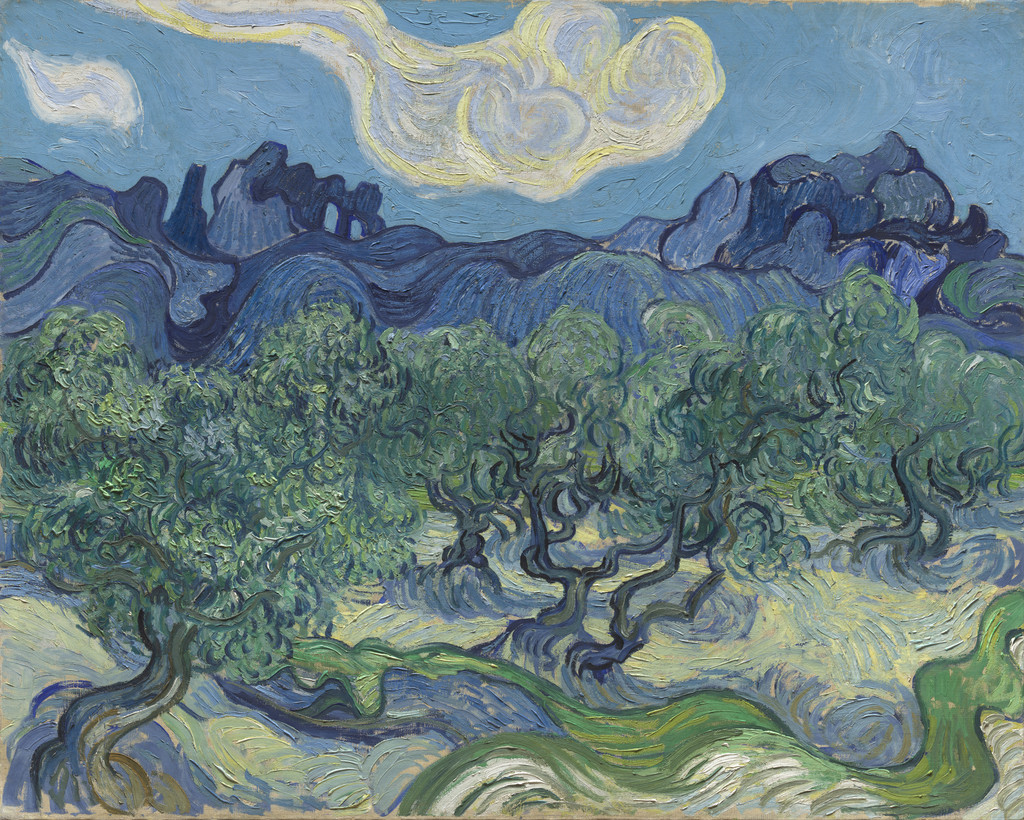
The Olive Trees, Vincent van Gogh, Saint Rémy, June-July 1889

Vincent van Gogh

The Olive Trees, Saint Rémy, June-July 1889

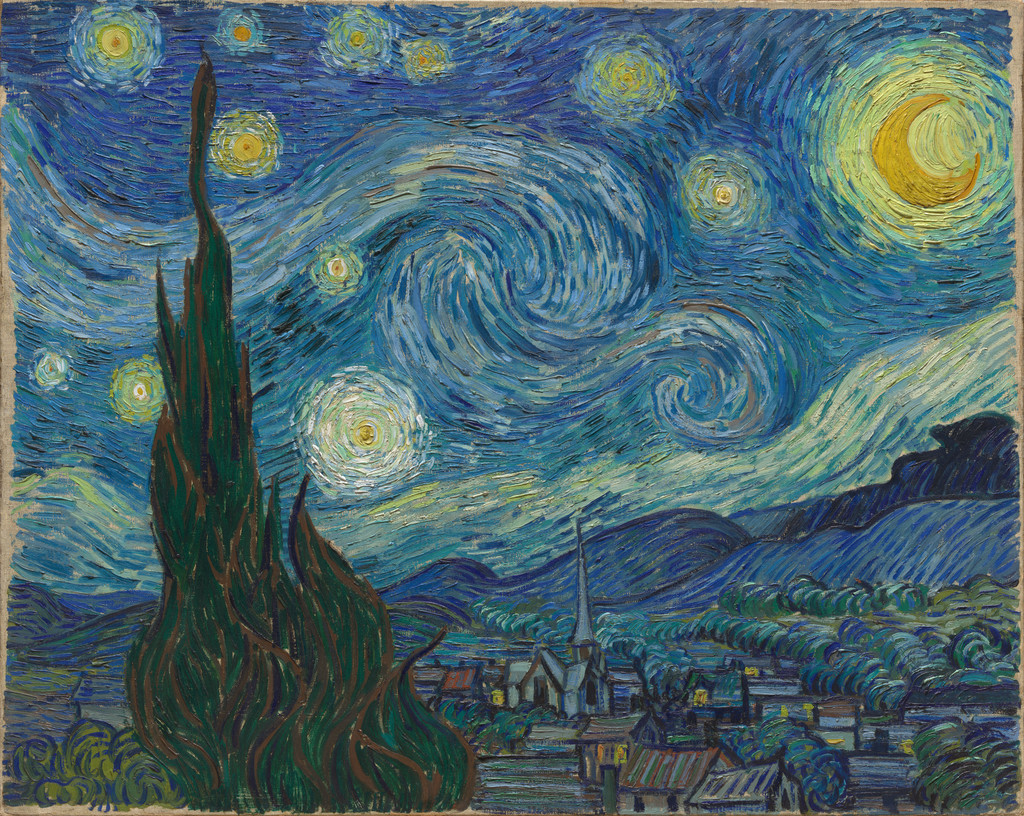
The Starry Night, Vincent van Gogh, Saint Rémy, June 1889

Vincent van Gogh

Notte stellata, Saint Rémy, June 1889

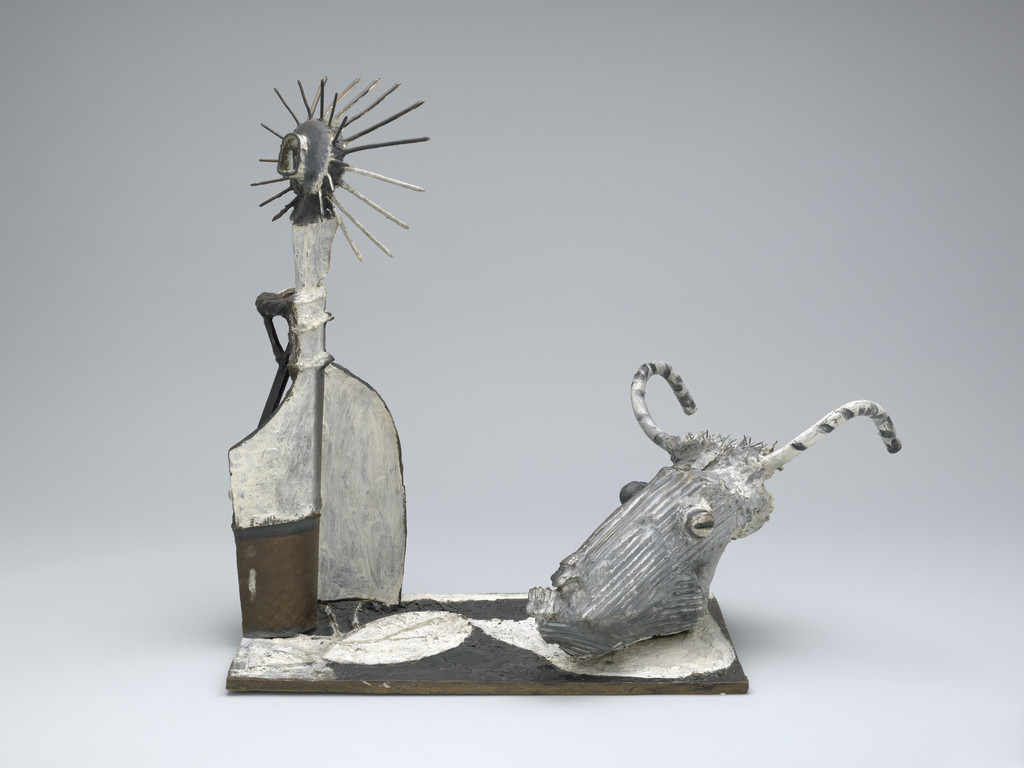
Goat Skull and Bottle, Pablo Picasso, Vallauris, 1951 (cast 1954)

Pablo Picasso

Goat Skull and Bottle, Vallauris, 1951 (cast 1954)

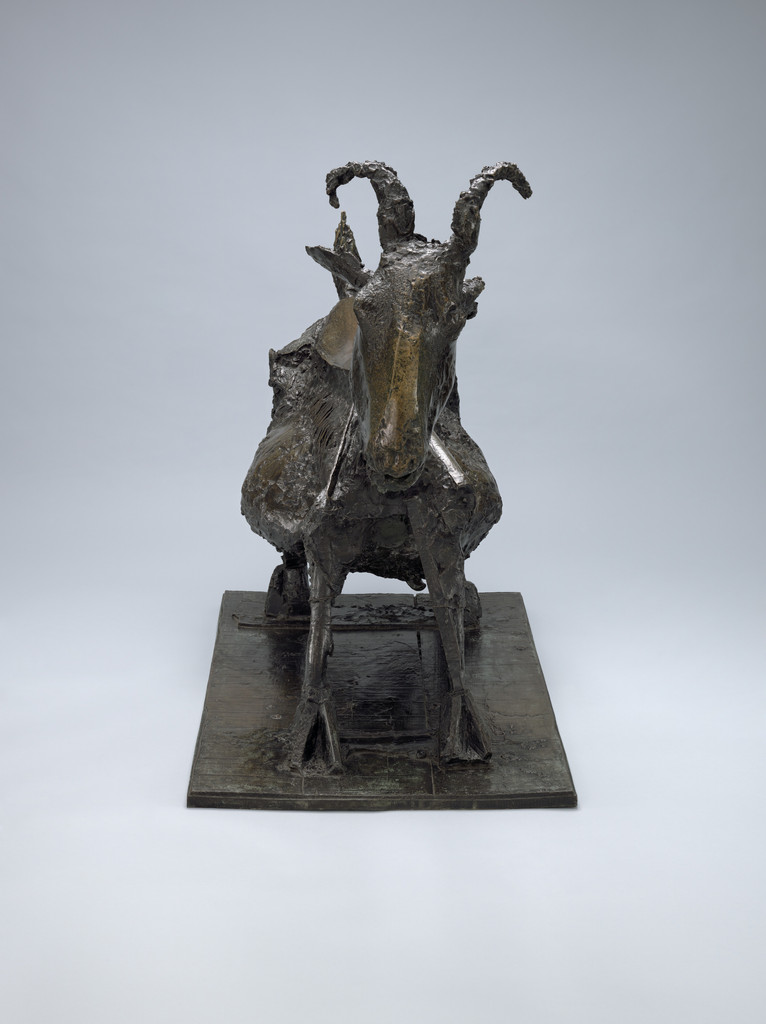
She-Goat, Pablo Picasso, Vallauris, 1950 (cast 1952)

Pablo Picasso

She-Goat, Vallauris, 1950 (cast 1952)

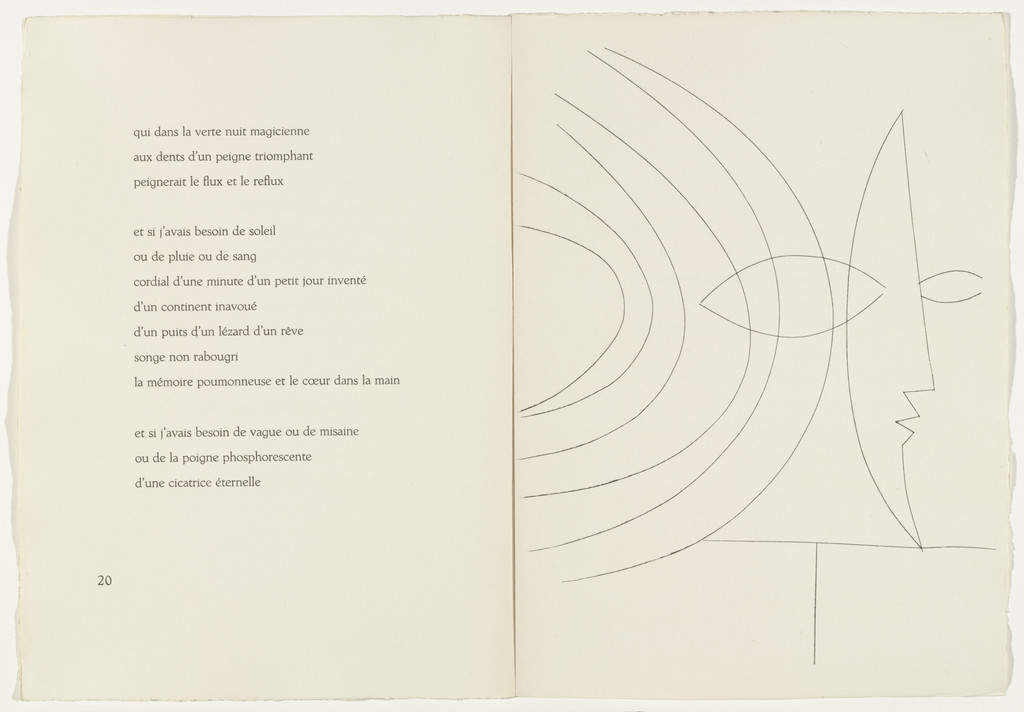
Face in Profile (plate, page 21) from Corps perdu, Pablo Picasso, 1949, published 1950

Pablo Picasso

Face in Profile (plate, page 21) from Corps perdu, 1949, published 1950

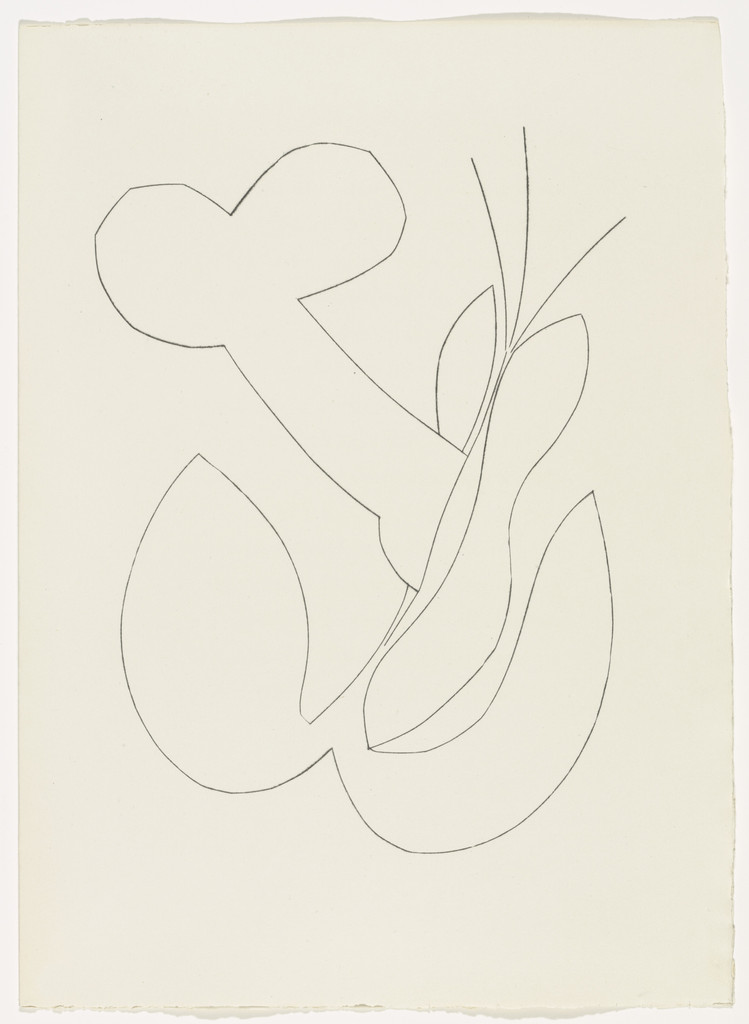
Coupling (plate, page 17) from Corps perdu, Pablo Picasso, 1949, published 1950

Pablo Picasso

Coupling (plate, page 17) from Corps perdu, 1949, published 1950

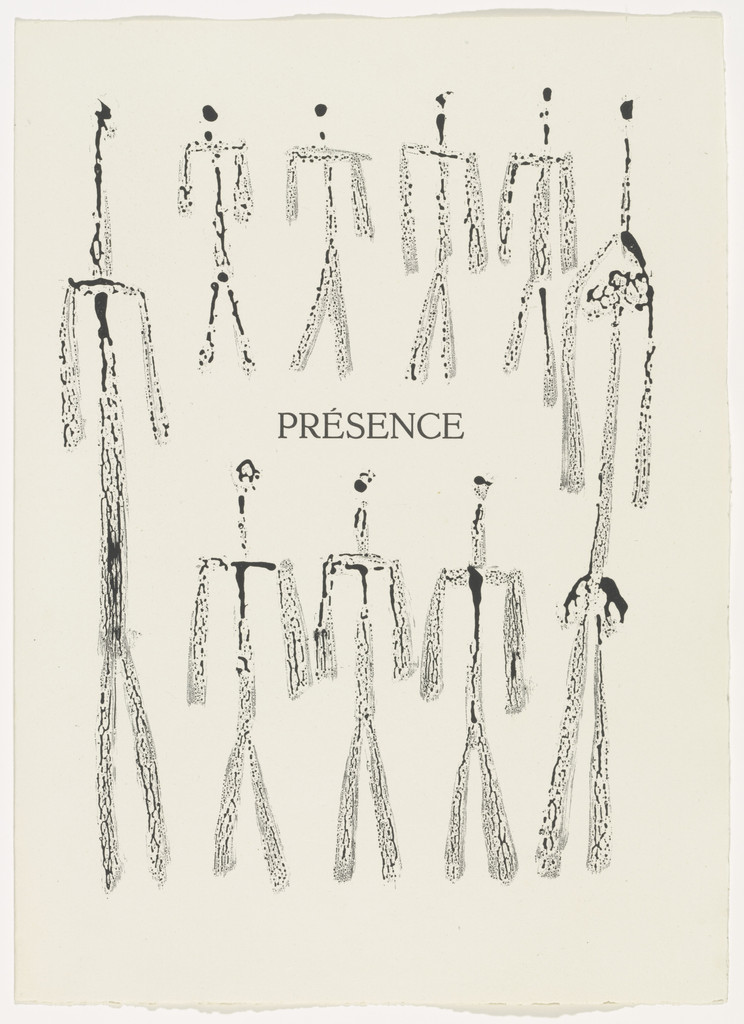
"Présence" (chapter title, page 13) from Corps perdu, Pablo Picasso, 1949, published 1950

Pablo Picasso

"Présence" (chapter title, page 13) from Corps perdu, 1949, published 1950