ART WIKI32.963 in sala
MappaCollezioneArtistiMuseiMostreRivista
Accedi

ART WIKI

Dove è appeso il capolavoro, e quando si può entrare.

Collezioni: Art Institute of Chicago, Cleveland Museum of Art, Ermitage, Galleria Tret'jakov, Getty Museum, Harvard Art Museums, Hirshhorn Museum and Sculpture Garden, Metropolitan Museum of Art, Minneapolis Institute of Art, Museo del Louvre, Museo Puškin delle belle arti, Museo russo, Museum of Modern Art, National Gallery of Art, National Museum of Asian Art, National Portrait Gallery, Rijksmuseum, Smithsonian American Art Museum, Statens Museum for Kunst, Victoria and Albert Museum, Villa Getty, Whitney Museum of American Art, Catalogo statale del fondo museale russo (274 musei), Europeana (19 musei), Wikidata (6 musei), Paris Musées (12 musei) e Joconde, la banca dati dei musei del Ministero della Cultura francese (495 musei). Le immagini appartengono ai titolari dei diritti.

Sezioni

  • Mappa
  • Ricerca
  • Collezione
  • Capolavori
  • Esposte ora
  • Artisti

Altro

  • Musei e gallerie
  • Mostre
  • Rivista
  • Da dove vengono i dati
  • Privacy e cookie
HomeMappaCatalogo
  1. Collezione/
  2. Victoria and Albert Museum/
  3. Drawing
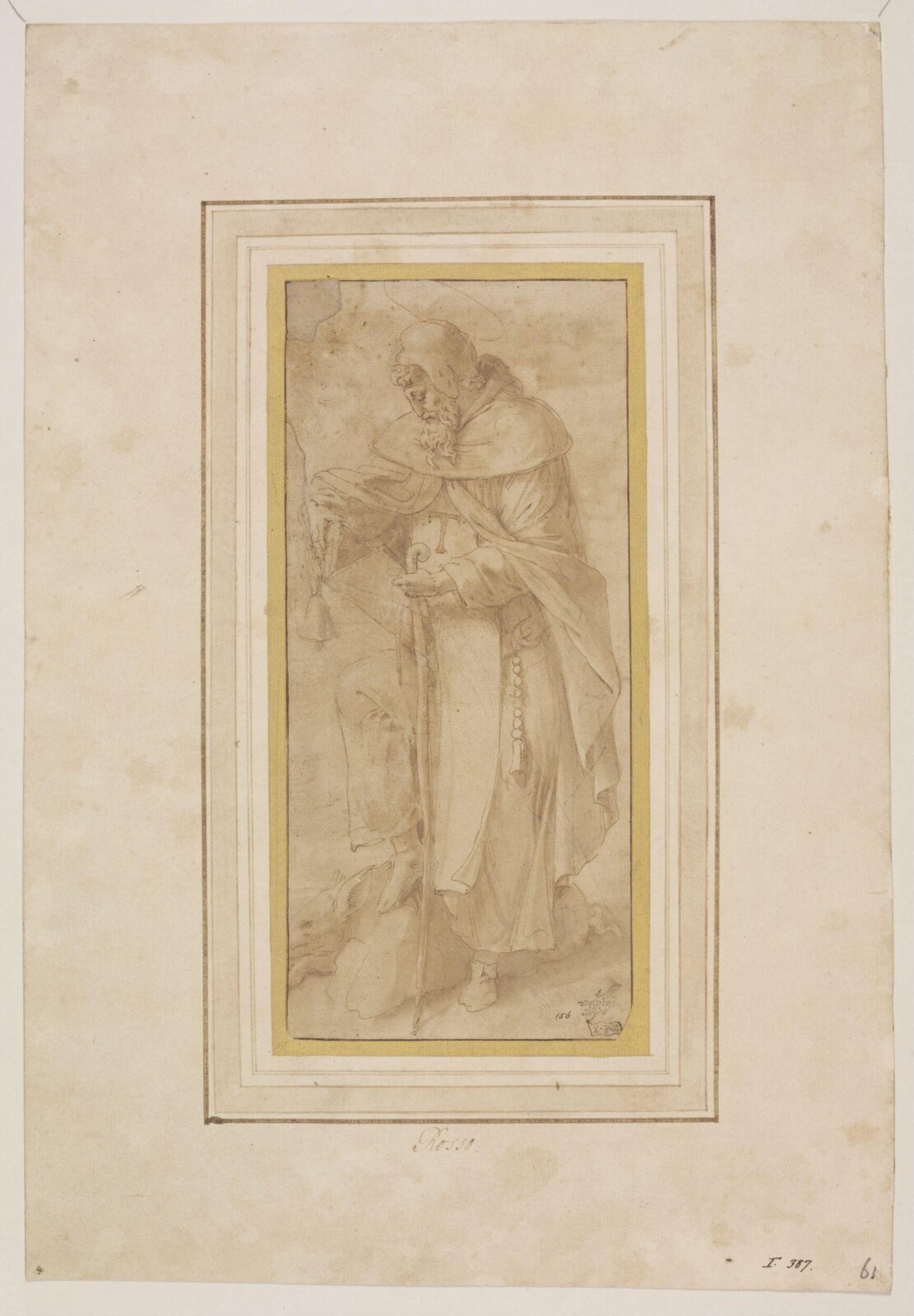
Drawing, Rosso Fiorentino, ca. 1510-1540
Rosso Fiorentino, ritrattoRosso FiorentinoItalia, 1494–1540

Drawing

ca. 1510-1540 · Drawing · 21.1 × 9.4 cm

Si può ammirare?

Al momento non riceve

Victoria and Albert Museum

Londra, Regno Unito

Appartiene alla collezione, ma al momento non è esposta.

Verificato
12 giorni fa
Ultimo cambio di stato
25 set 2026
Fonte
Il museo
Sulla mappaPagina del museo

Scheda

ca. 1510-1540
14941540
Numero di inventario
DYCE.156

Che cosa raffigura

UomoStaffBells (idiophones)Anthony of Padua (Saint)

In catalogo

Disegni e acquerelliPennaRinascimentoXVI secoloScuola fiorentinaItalia

Fonti

  • Victoria and Albert Museum
  • Immagine: Victoria and Albert Museum — © Victoria and Albert Museum, London

Nel frattempo, nella vita di Rosso Fiorentino

Tutta la vita
  1. 26 February 1516

    Joins the painters' guild of Florence

    Having completed his apprenticeship in the studio of Andrea del Sarto, where he trained alongside Jacopo Pontormo, Giovan Battista di Jacopo becomes a member of the painters' guild of Florence on 26 February 1516. According to Vasari, the nickname “Rosso”, “the Red”, came from the color of his hair.

  2. late 1523

    Moves to Rome

    In late 1523 Rosso moves to Rome, where he works until 1527. The works of Michelangelo, Raphael and other Renaissance artists make a strong impression on him and realign his artistic style.

  3. 1527

    The Sack of Rome: loses his workshop and patrons

    After the terrible Sack of Rome by the troops of Charles V (Sacco di Roma), Rosso, like many others, loses his workshop, his property and his patrons.

  4. 1531

    Moves to France, to the court of Francis I

    In 1531 Rosso moves to France, becomes court painter to Francis I and never leaves the country again; there he is known as “Maître Roux”, the Red Master. Other accounts say he had already secured his court position in 1530.

  5. 1540

    Imprisoned for slander

    In 1540 Rosso is imprisoned for slander and probably died there of natural causes. Vasari claimed that the artist killed himself, but there is no evidence for it.

  6. 14 novembre 1540

    Died
Altre opere di Rosso Fiorentino

Tutte le opere
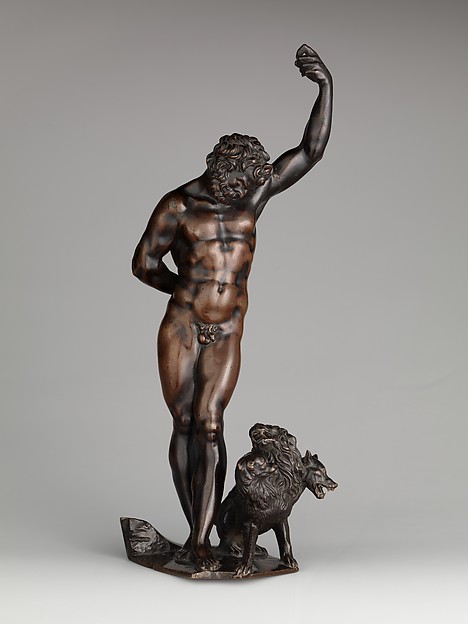
Pluto and Cerberus, Giovanni Battista di Jacopo, early 17th century

Pluto and Cerberus

early 17th century · Metropolitan Museum of Art

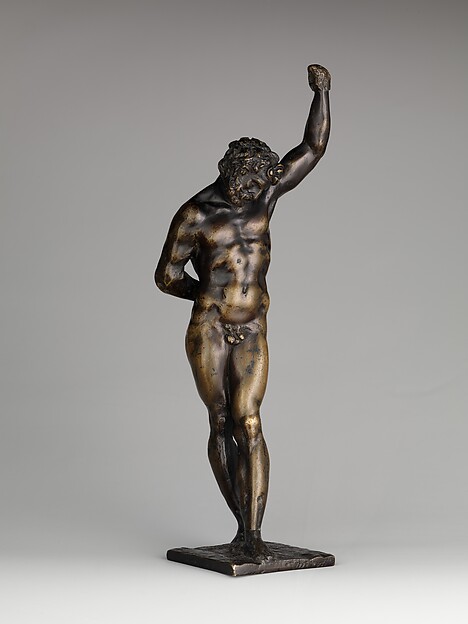
Pluto, Giovanni Battista di Jacopo, mid-17th century

Pluto

mid-17th century · Metropolitan Museum of Art

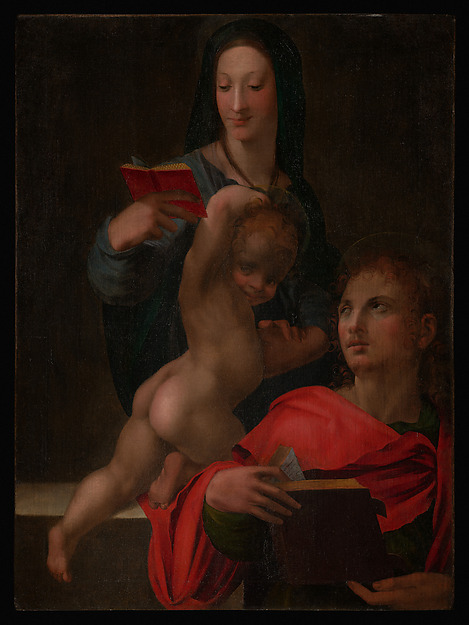
Madonna and Child with Saint John the Evangelist, Rosso Fiorentino, 1512/13

Madonna and Child with Saint John the Evangelist

1512/13 · Metropolitan Museum of Art

Madonna and Child with Cherubs, Rosso Fiorentino, 1517

Madonna and Child with Cherubs

1517 · Ermitage

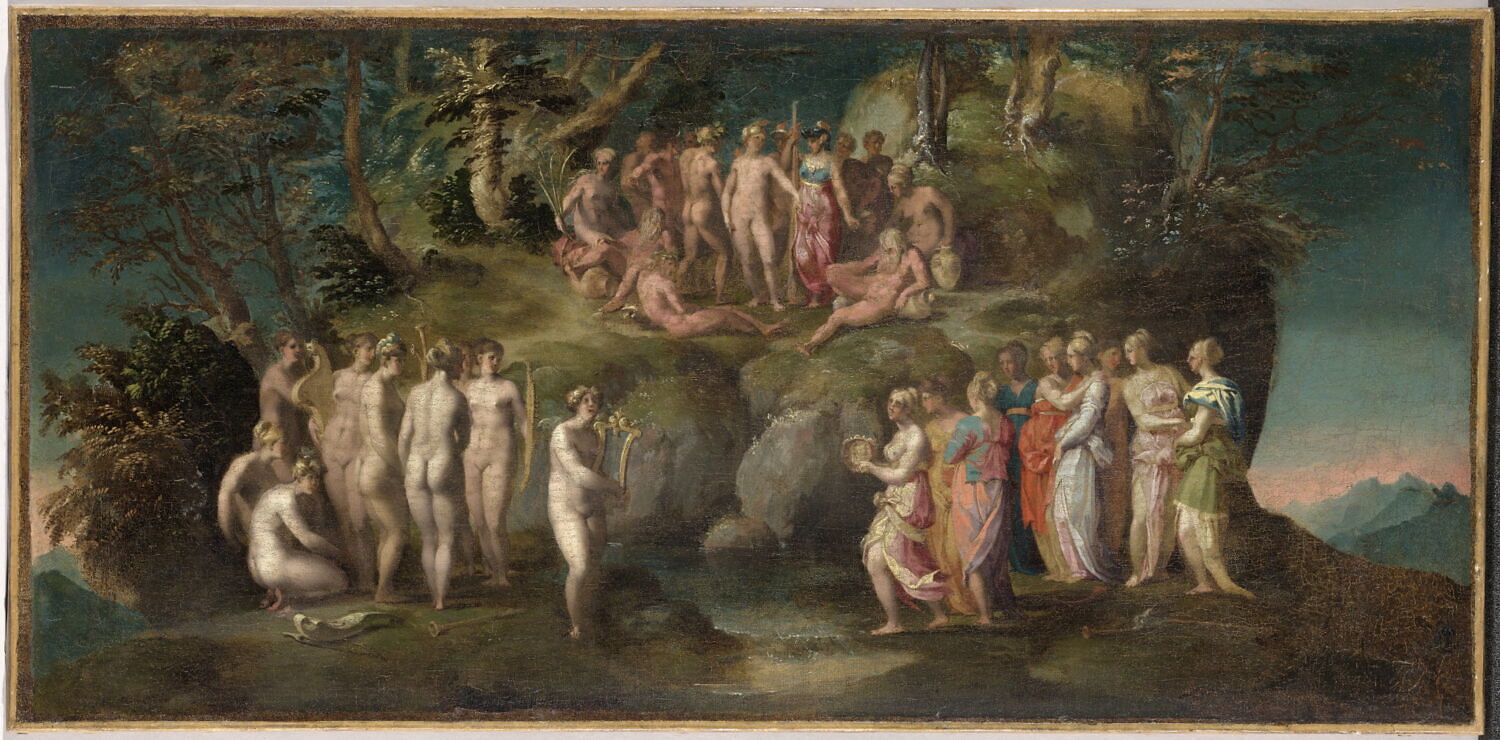
Le Défi des Piérides, Rosso Fiorentino, 1e tiers du XVIe siècle (vers 1523 - 1527)

Le Défi des Piérides

1e tiers du XVIe siècle (vers 1523 - 1527) · Museo del Louvre

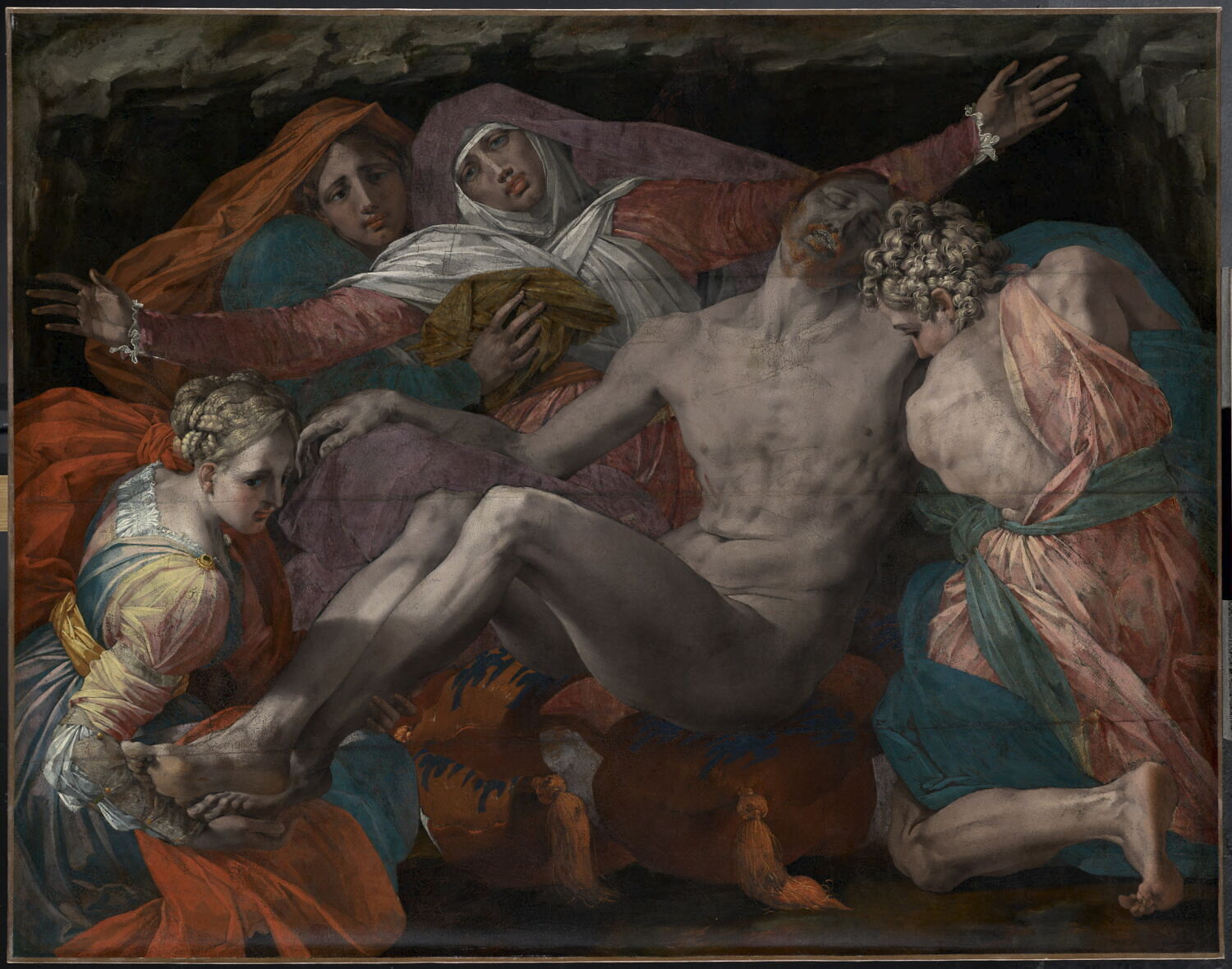
Pietà, Rosso Fiorentino, 2e quart du XVIe siècle (vers 1530 - 1540)

Pietà

2e quart du XVIe siècle (vers 1530 - 1540) · Museo del Louvre

The Conquest of Ignorance, René Boyvin after Rosso Fiorentino, 1560s

The Conquest of Ignorance

1560s · Non esposta · National Gallery of Art

Portrait of a Man, Rosso Fiorentino, early 1520s

Portrait of a Man

early 1520s · Non esposta · National Gallery of Art

Sotto lo stesso tetto: Victoria and Albert Museum

Pagina del museo
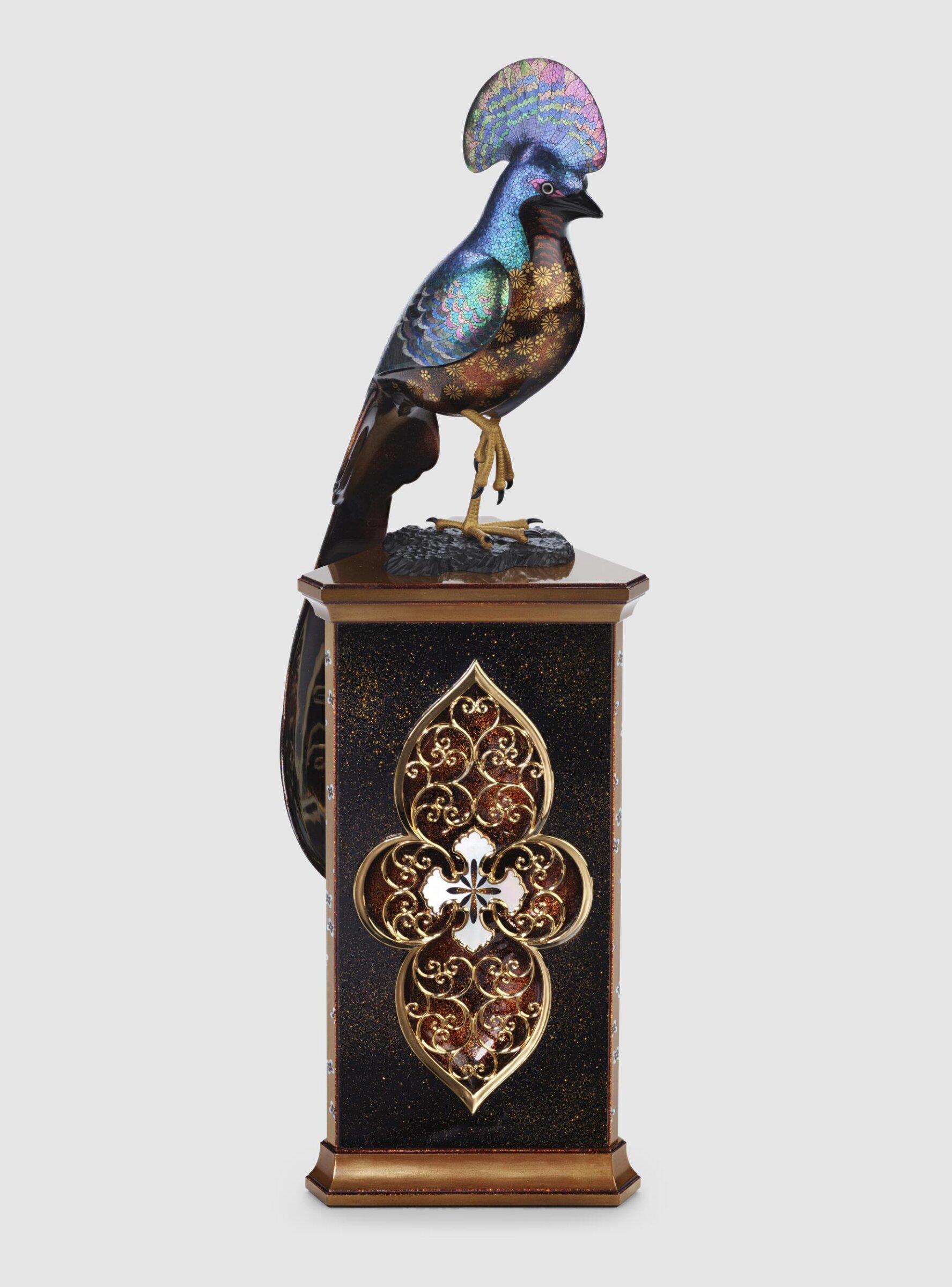
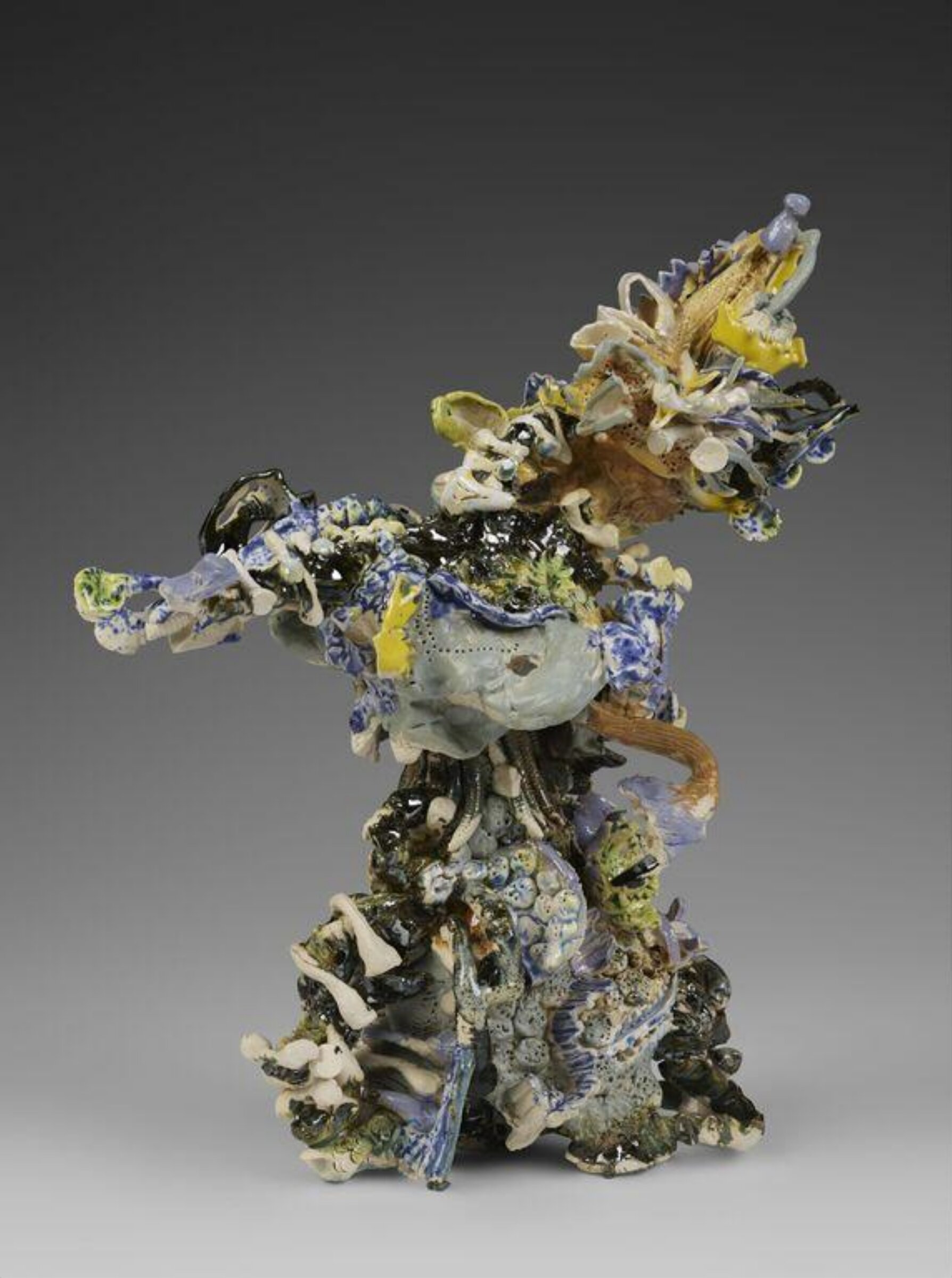
Bird of Paradise, Hashimoto Chitaka, 2026

Hashimoto Chitaka

Bird of Paradise, 2026

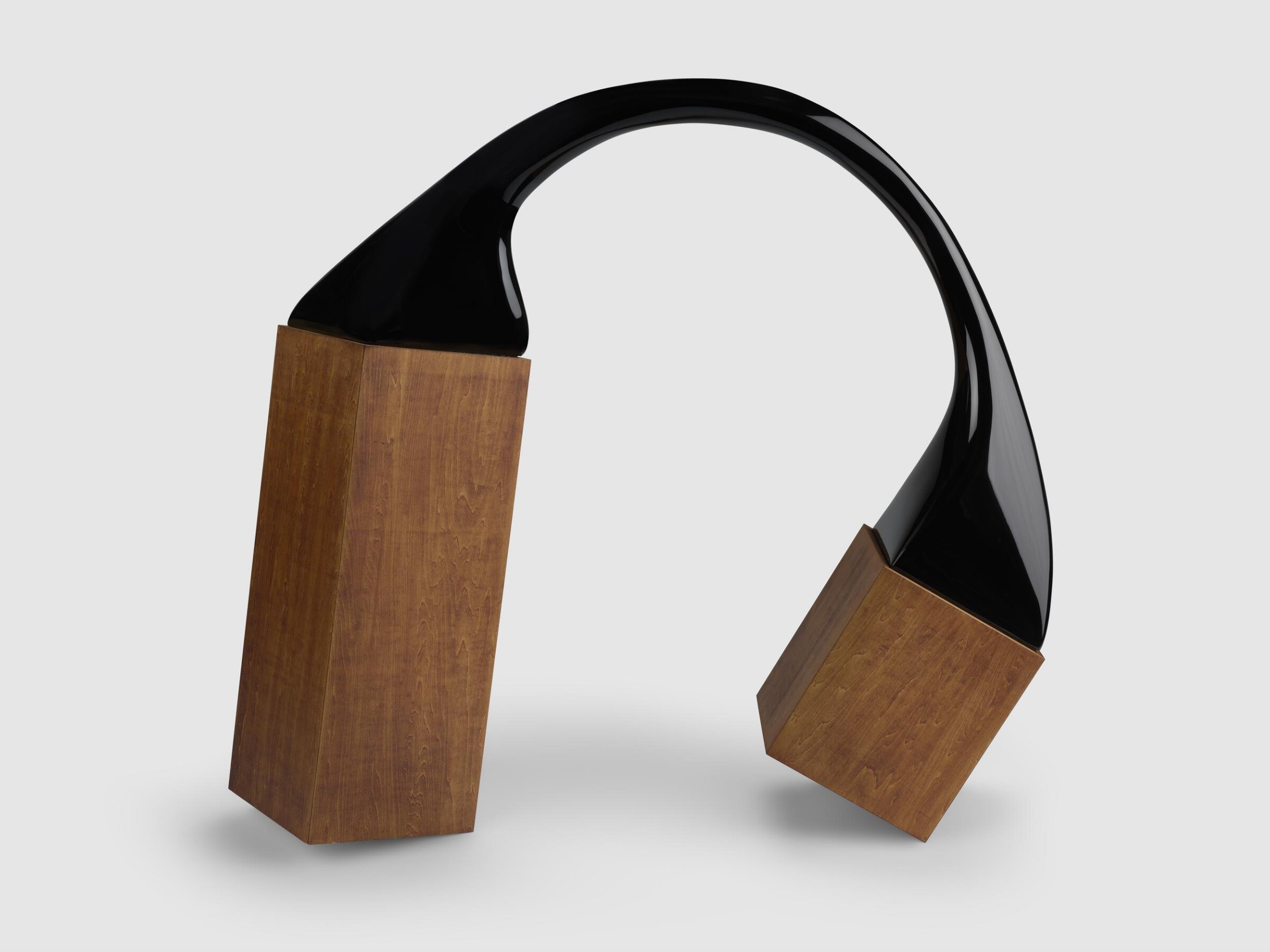
Torsion 2, Taruma Shoko, 2025

Taruma Shoko

Torsion 2, 2025

Fu, Someya Satoshi, 2025

Someya Satoshi

Fu, 2025

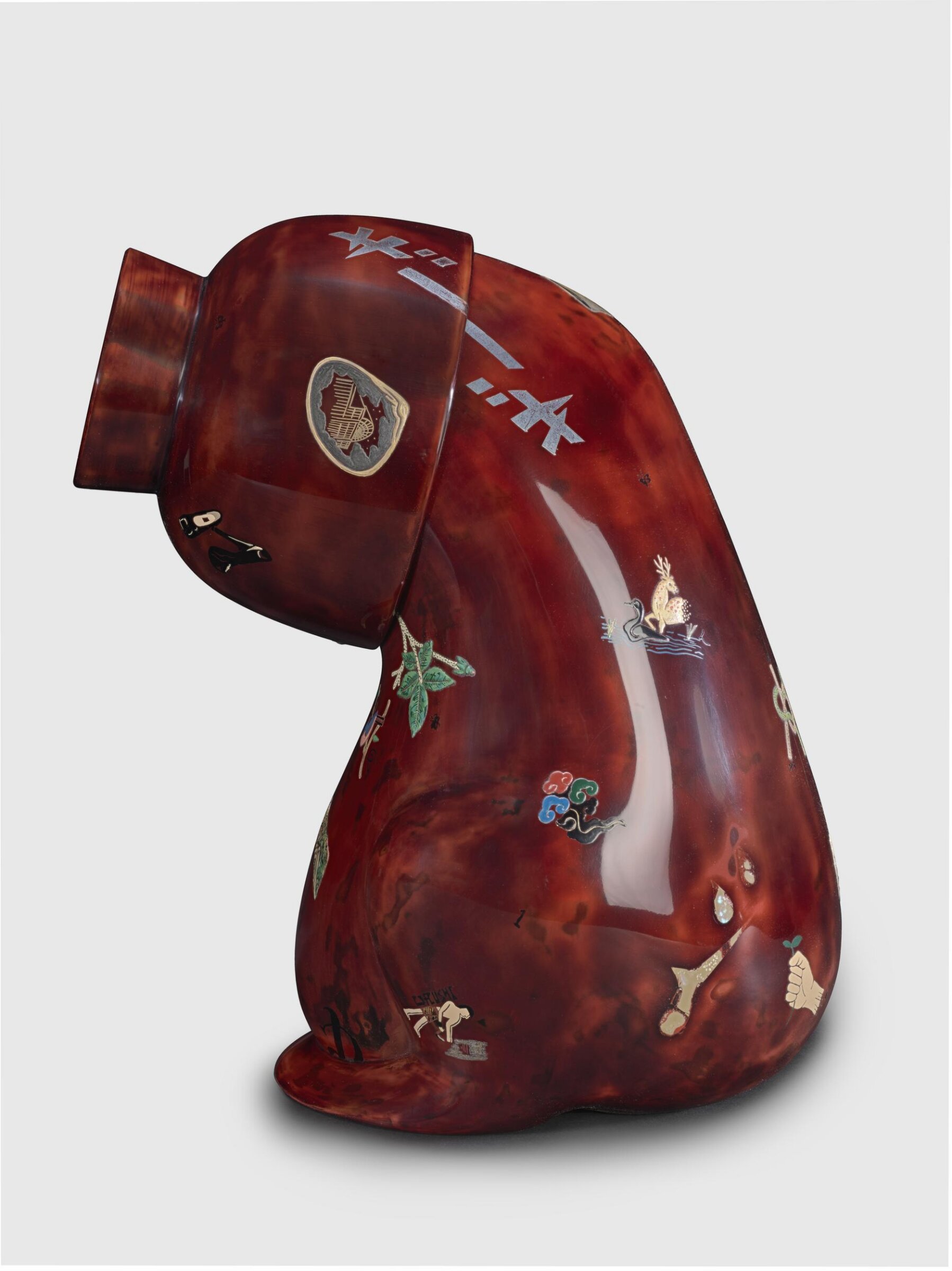
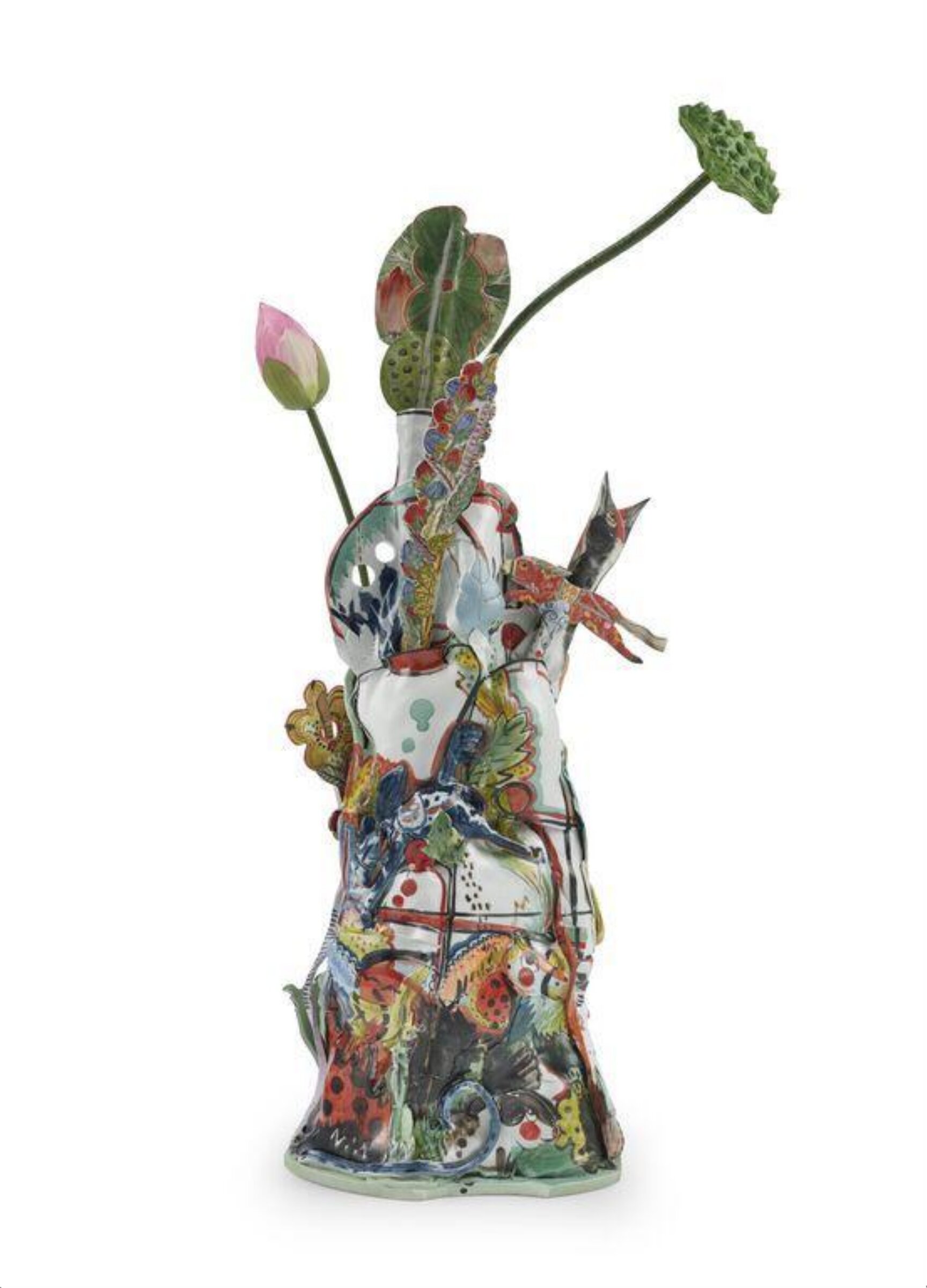
Bow Before the Curtain Falls, 2024

Bow Before the Curtain Falls, 2024

Summer, 2024

Summer, 2024

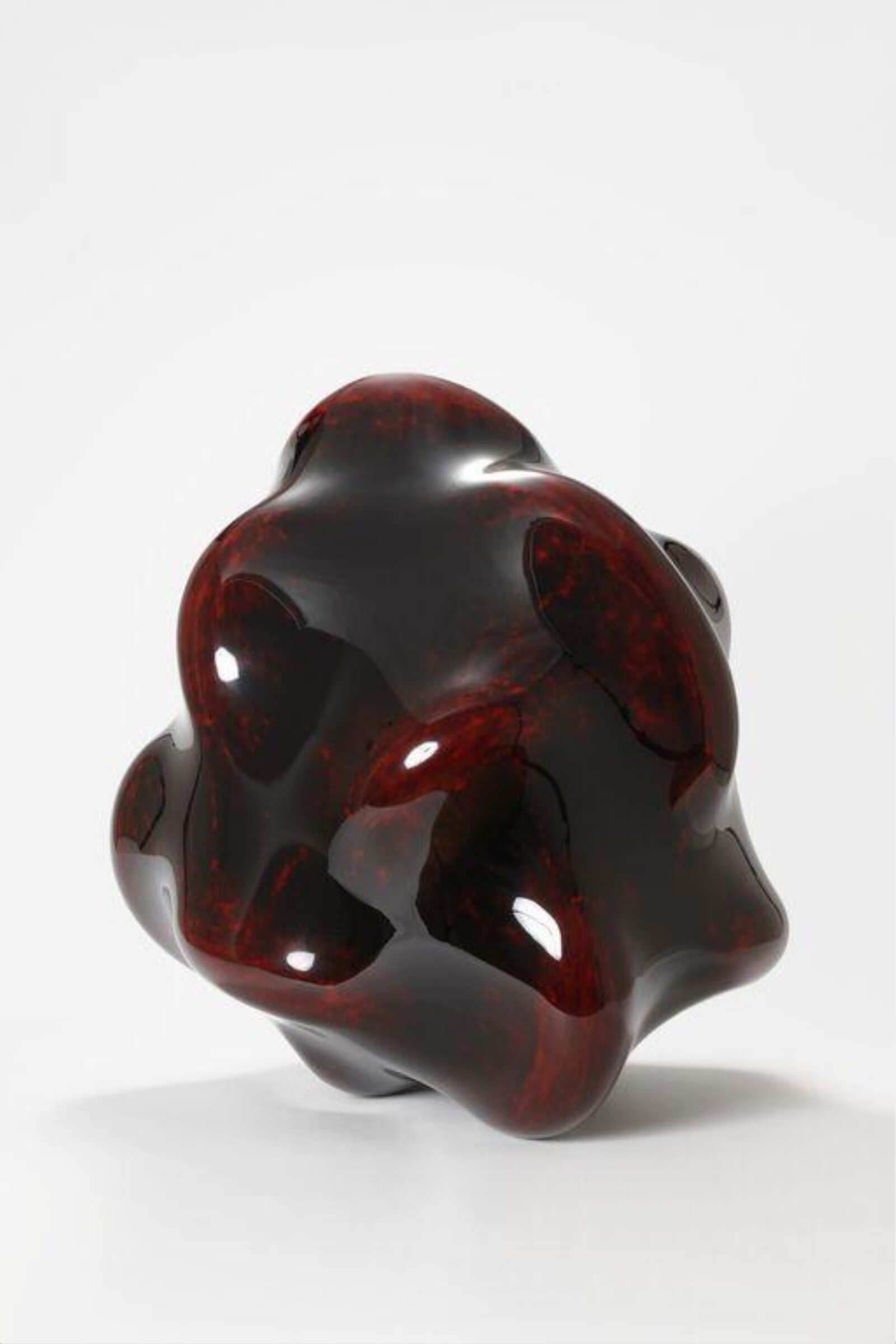
Red Flow, Ishizuka Genta, 2024

Ishizuka Genta

Red Flow, 2024

3D replica of Michelangelo's Prisoner (4117-1854), Factum Arte, 2024

Factum Arte

3D replica of Michelangelo's Prisoner (4117-1854), 2024

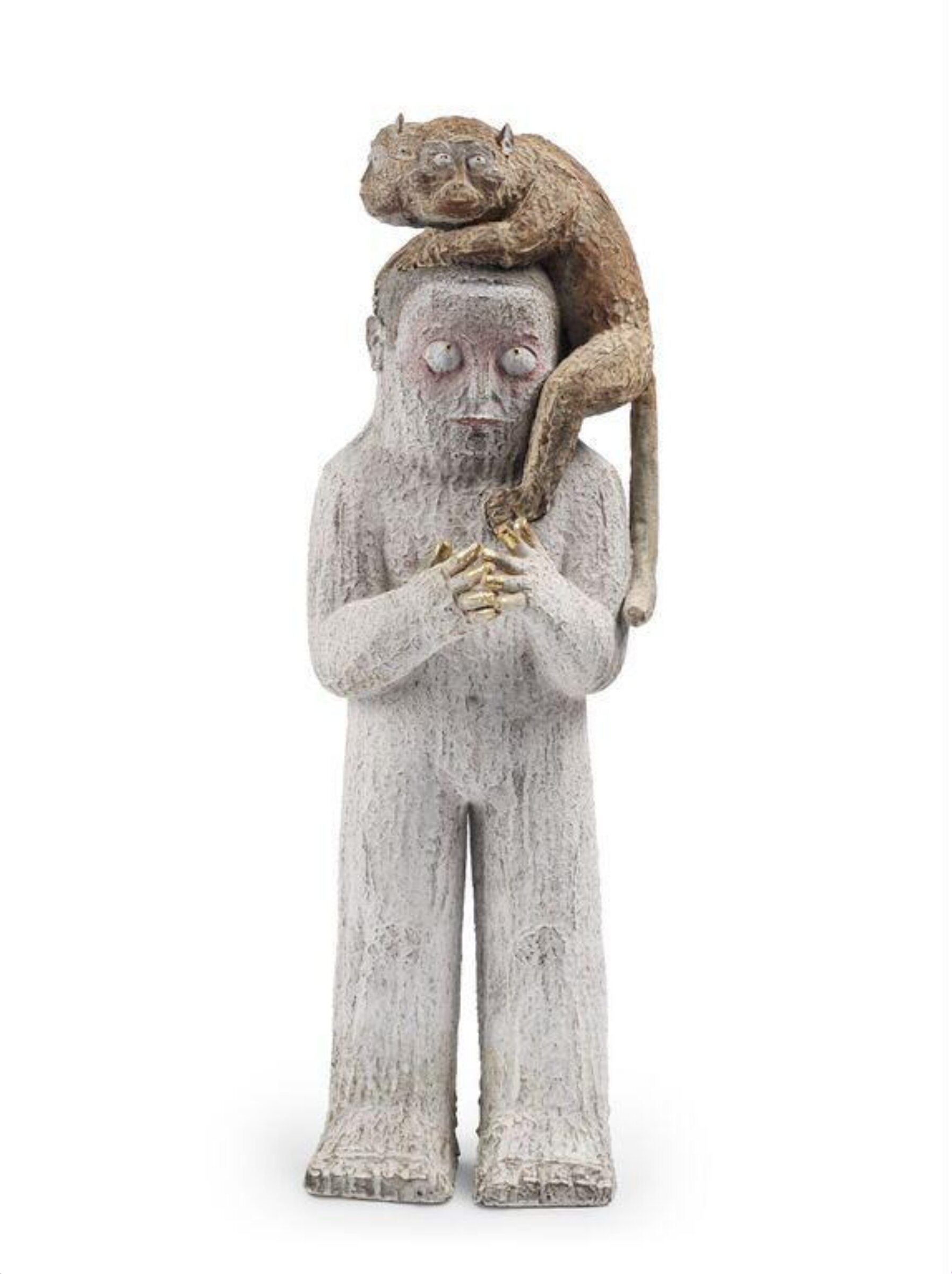
Sculpture, ‘Co-Existence – the Man and the Monkey’, Zhao Lin, 2024

Zhao Lin

Sculpture, ‘Co-Existence – the Man and the Monkey’, 2024

Sullo stesso tema · Uomo

Tutte le opere sul tema
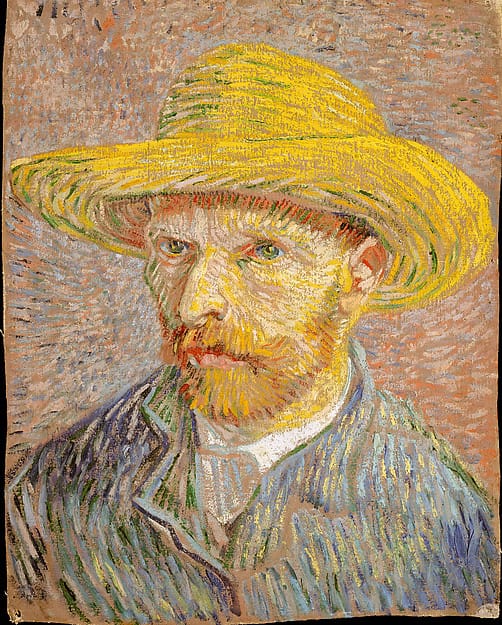
Self-Portrait with a Straw Hat (obverse: The Potato Peeler), Vincent van Gogh, 1887

Vincent van Gogh

Self-Portrait with a Straw Hat (obverse: The Potato Peeler), 1887

Metropolitan Museum of Art

Garden at Sainte-Adresse, Claude Monet, 1867

Claude Monet

La terrazza a Sainte-Adresse, 1867

Metropolitan Museum of Art

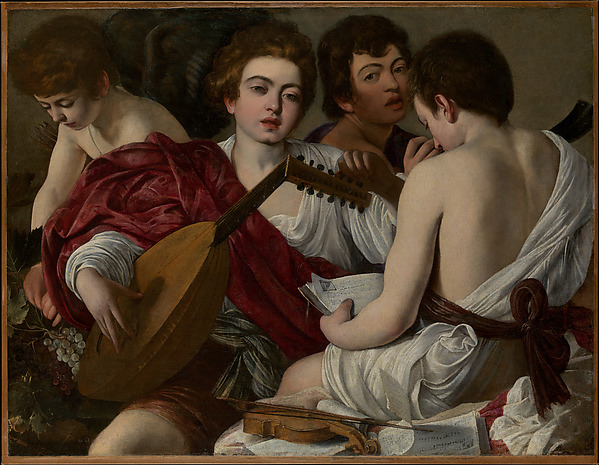
The Musicians, Caravaggio, 1597

Caravaggio

I Musici, 1597

Metropolitan Museum of Art

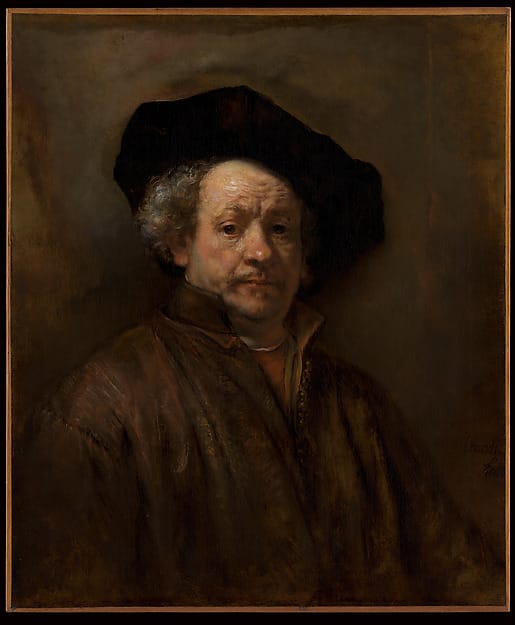
Self-Portrait, Rembrandt van Rijn, 1660

Rembrandt van Rijn

Self-Portrait, 1660

Metropolitan Museum of Art

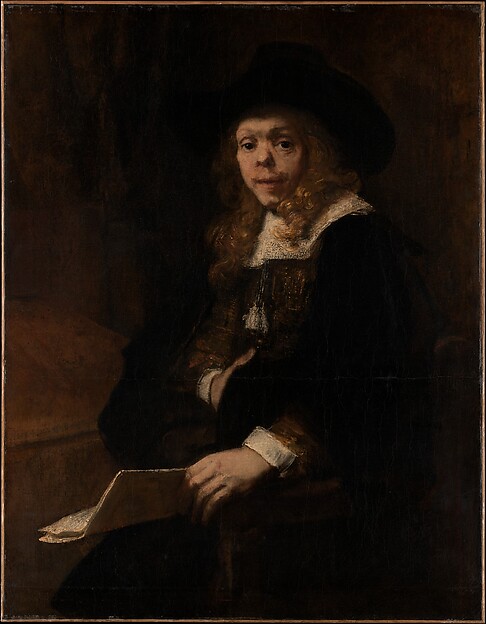
Portrait of Gerard de Lairesse, Rembrandt van Rijn, 1665–67

Rembrandt van Rijn

Portrait of Gerard de Lairesse, 1665–67

Metropolitan Museum of Art

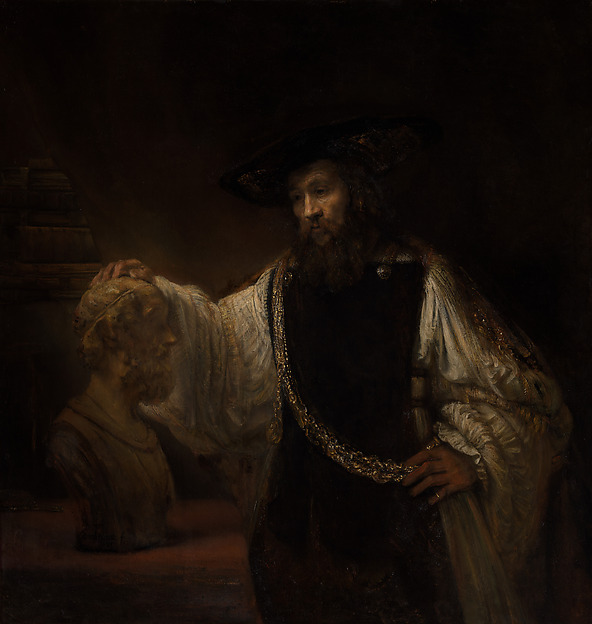
Aristotle with a Bust of Homer, Rembrandt, 1653

Rembrandt van Rijn

Aristotele contempla il busto di Omero, 1653

Metropolitan Museum of Art

Young Sailor II, Henri Matisse, 1906

Henri Matisse

Young Sailor II, 1906

Metropolitan Museum of Art

Rubens, Helena Fourment (1614–1673), and Their Son Frans (1633–1678), Peter Paul Rubens, ca. 1635

Peter Paul Rubens

Rubens, Helena Fourment (1614–1673), and Their Son Frans (1633–1678), ca. 1635

Metropolitan Museum of Art