ART WIKI32.963 in sala
MappaCollezioneArtistiMuseiMostreRivista
Accedi

ART WIKI

Dove è appeso il capolavoro, e quando si può entrare.

Collezioni: Art Institute of Chicago, Cleveland Museum of Art, Ermitage, Galleria Tret'jakov, Getty Museum, Harvard Art Museums, Hirshhorn Museum and Sculpture Garden, Metropolitan Museum of Art, Minneapolis Institute of Art, Museo del Louvre, Museo Puškin delle belle arti, Museo russo, Museum of Modern Art, National Gallery of Art, National Museum of Asian Art, National Portrait Gallery, Rijksmuseum, Smithsonian American Art Museum, Statens Museum for Kunst, Victoria and Albert Museum, Villa Getty, Whitney Museum of American Art, Catalogo statale del fondo museale russo (274 musei), Europeana (19 musei), Wikidata (6 musei), Paris Musées (12 musei) e Joconde, la banca dati dei musei del Ministero della Cultura francese (495 musei). Le immagini appartengono ai titolari dei diritti.

Sezioni

  • Mappa
  • Ricerca
  • Collezione
  • Capolavori
  • Esposte ora
  • Artisti

Altro

  • Musei e gallerie
  • Mostre
  • Rivista
  • Da dove vengono i dati
  • Privacy e cookie
HomeMappaCatalogo
  1. Collezione/
  2. Herzog Anton Ulrich-Museum/
  3. Die Königin Semiramis
Die Königin Semiramis, Guercino, 1620–1677
GGuercinoItalia, 1591–1666

Die Königin Semiramis

1620–1677 · Print

Si può ammirare?

Non si sa

Herzog Anton Ulrich-Museum

Braunschweig, Germania

Il proprietario è noto; non si sa se oggi sia esposta.

Ultimo cambio di stato
27 set 2026
Fonte
Il museo
Sulla mappaPagina del museo

Scheda

Altre opere di Guercino

Tutte le opere

Dalla collezione: Herzog Anton Ulrich-Museum

Pagina del museo

Sullo stesso tema · Krone (als Symbol der obersten Gewalt)

Tutte le opere sul tema

Che cosa raffigura

Krone (als Symbol der obersten Gewalt)Kamm, Bürste und andere Utensilien für die HaarpflegeSemiramis wird zu den Waffen gerufen, während sie ihre Haare frisiertSie reitet mit ungepflegten Haaren auf das SchlachtfeldDonnaKöniginBoteSemiramis (Königin)

In catalogo

StampeBaroccoXVII secolo

Fonti

  • Herzog Anton Ulrich-Museum
  • Immagine: Herzog Anton Ulrich-Museum — CC BY-NC-SA 4.0
The Entombment, Guercino, 1656

The Entombment

1656 · Art Institute of Chicago

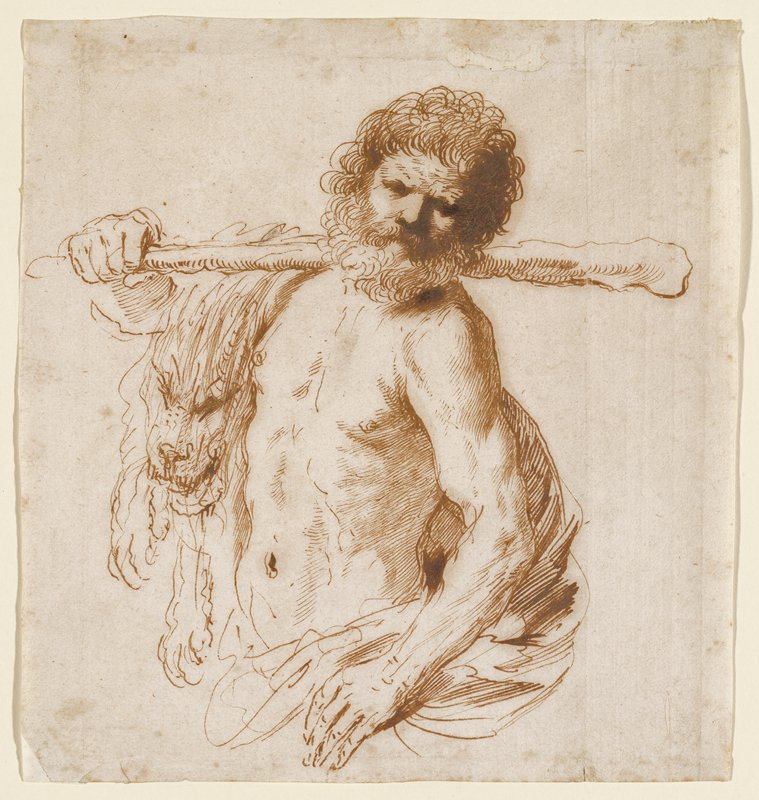
Hercules, Guercino, 1641–42

Hercules

1641–42 · Non esposta · Minneapolis Institute of Art

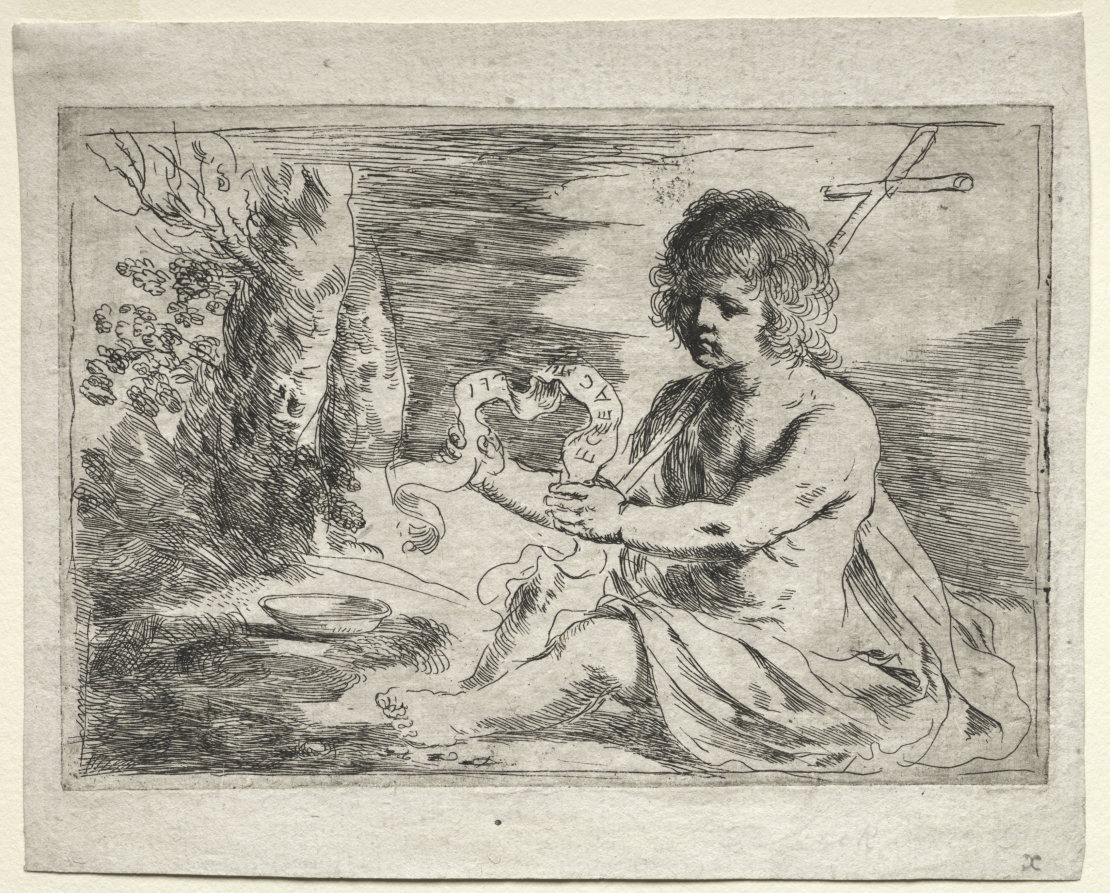
St. John the Baptist, Guercino, 1650s

St. John the Baptist

1650s · Non esposta · Cleveland Museum of Art

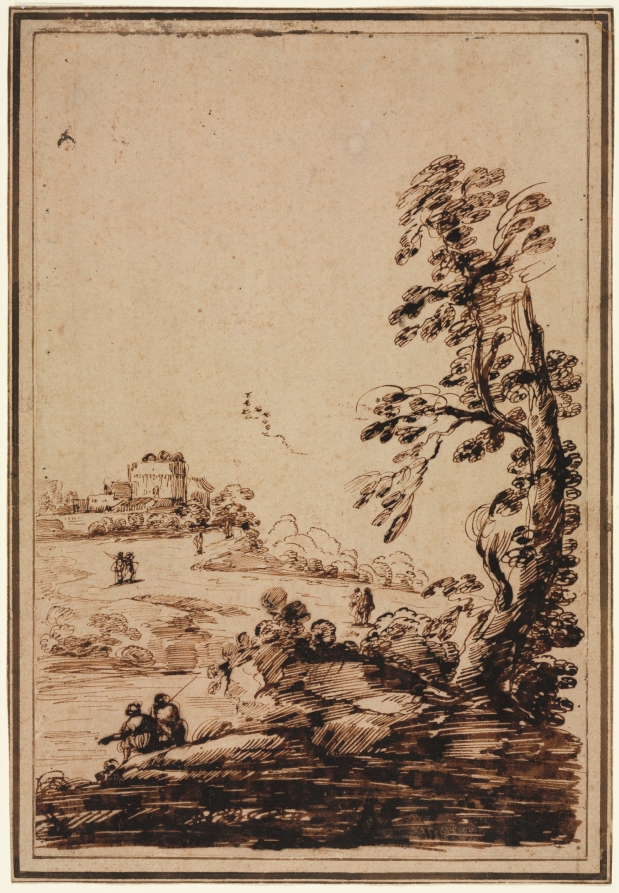
Landscape with Small Group of Buildings, Guercino, second half 1700s

Landscape with Small Group of Buildings

second half 1700s · Non esposta · Cleveland Museum of Art

Two Groups of Figures in a Landscape, Guercino, n.d.

Two Groups of Figures in a Landscape

n.d. · Non esposta · Art Institute of Chicago

Head of a Peasant in Profile to the Left, Guercino, c. mid–1630s

Head of a Peasant in Profile to the Left

c. mid–1630s · Non esposta · Art Institute of Chicago

Virgin and Child, Guercino, n.d.

Virgin and Child

n.d. · Non esposta · Art Institute of Chicago

Two Young Women, One Wearing Turban, in Conversation, Guercino, n.d.

Two Young Women, One Wearing Turban, in Conversation

n.d. · Non esposta · Art Institute of Chicago

Portrait d'Adolphe de Vignacourt Grand Maître de Malthe, Caravaggio, 1704–1755

Caravaggio

Portrait d'Adolphe de Vignacourt Grand Maître de Malthe, 1704–1755

Ecce Homo, Caravaggio, 1674–1684

Caravaggio

Ecce Homo, 1674–1684

Heiliger Hieronymus, Caravaggio

Caravaggio

Heiliger Hieronymus

Bildnis eines Mannes, Rembrandt, 1839–1850

Rembrandt van Rijn

Bildnis eines Mannes, 1839–1850

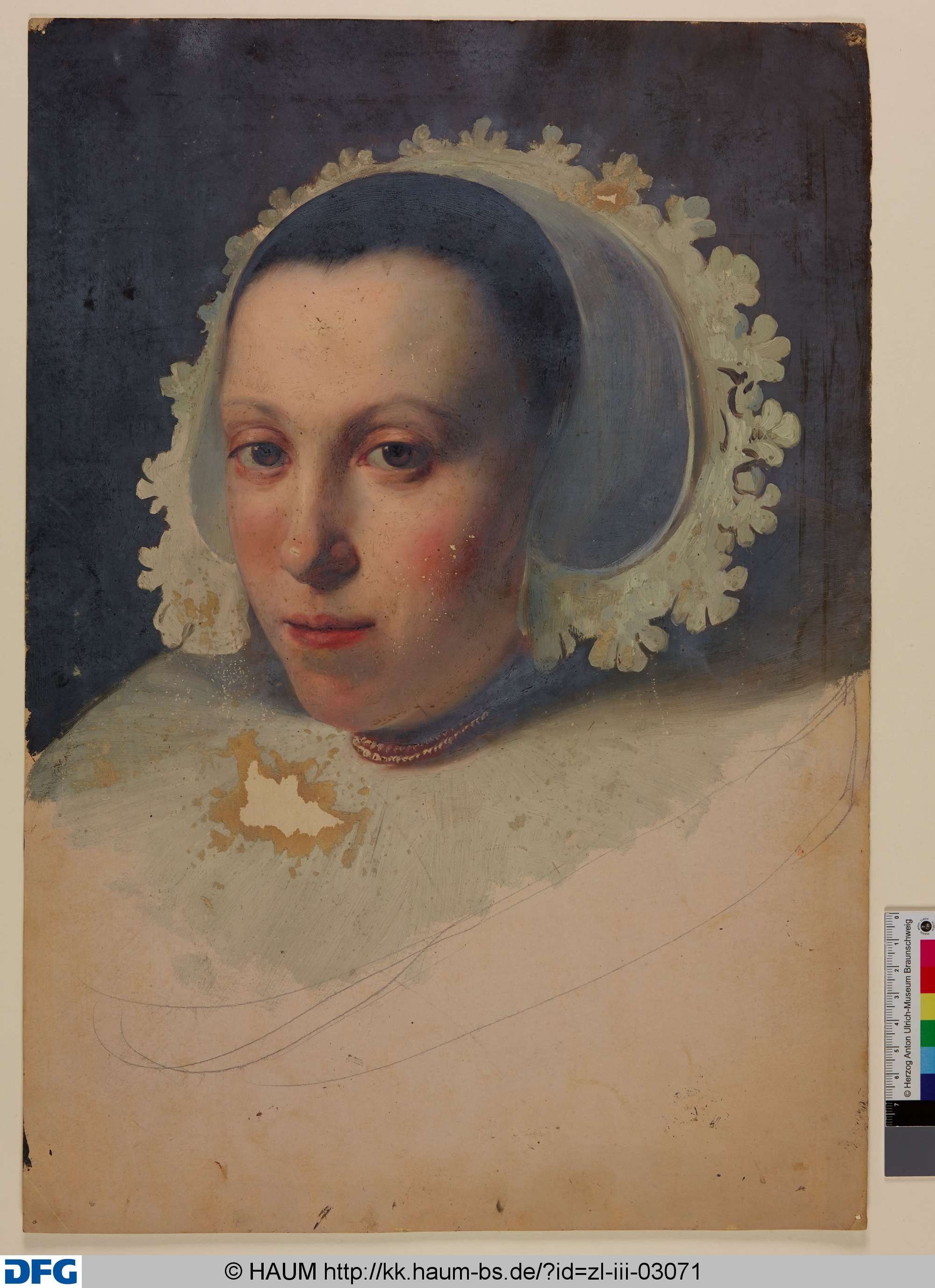
Bildnis einer Frau, Rembrandt, 1839–1850

Rembrandt van Rijn

Bildnis einer Frau, 1839–1850

Tobias und seine Frau, Rembrandt, 1773

Rembrandt van Rijn

Tobias und seine Frau, 1773

Tobias und seine Frau, Rembrandt, 1773

Rembrandt van Rijn

Tobias und seine Frau, 1773

Lot mit seinen Töchtern, Rembrandt, 1771

Rembrandt van Rijn

Lot mit seinen Töchtern, 1771

Das Wappen Maximilians I. als römischer König, Albrecht Dürer, 1491–1519

Albrecht Dürer

Das Wappen Maximilians I. als römischer König, 1491–1519

Herzog Anton Ulrich-Museum

Maria mit dem Kind und drei Heiligen, Anthony van Dyck, 1674–1684

Anthony van Dyck

Maria mit dem Kind und drei Heiligen, 1674–1684

Herzog Anton Ulrich-Museum

Titelblatt, Wenceslaus Hollar, 1627–1677

Wenceslaus Hollar

Titelblatt, 1627–1677

Herzog Anton Ulrich-Museum

Allegorie auf den Prinzen Wilhelm von Nassau-Oranien, Wenceslaus Hollar, 1641

Wenceslaus Hollar

Allegorie auf den Prinzen Wilhelm von Nassau-Oranien, 1641

Herzog Anton Ulrich-Museum

Das englische Wappen (Zierleiste), Wenceslaus Hollar, 1627–1677

Wenceslaus Hollar

Das englische Wappen (Zierleiste), 1627–1677

Herzog Anton Ulrich-Museum

Verachtung des Reichtums, Wenceslaus Hollar, 1627–1677

Wenceslaus Hollar

Verachtung des Reichtums, 1627–1677

Herzog Anton Ulrich-Museum

[Juda; Judah; Gen. 49, 8-12], Karel van Mander the Elder, 1589–1591

Karel van Mander the Elder

[Juda; Judah; Gen. 49, 8-12], 1589–1591

Herzog Anton Ulrich-Museum

Das Kunst- und Lehrbüchlein, Titelblatt, Jost Amman, 1578

Jost Amman

Das Kunst- und Lehrbüchlein, Titelblatt, 1578

Herzog Anton Ulrich-Museum