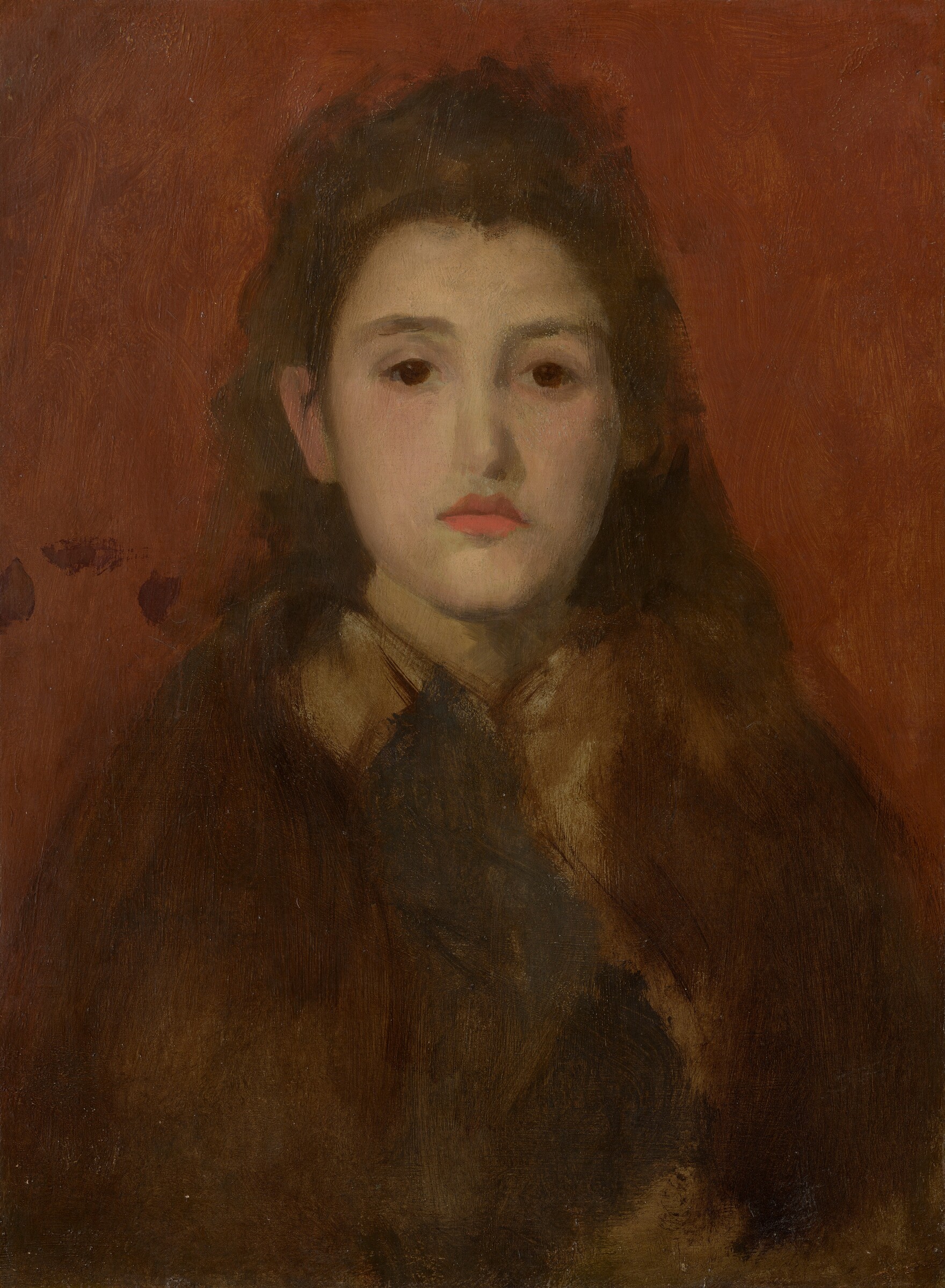
James Abbott McNeill WhistlerStati Uniti, 1834–1903
De smidse
Si può vedere?
Non si sa
Dove si trova «De smidse» oggi? Collezione: Rijksmuseum, Amsterdam. Non si sa.

Amsterdam, Paesi Bassi
Il proprietario è noto; non si sa se oggi sia esposta.
- Fonte
- Il museo
Sull’opera
Con le parole del museo — in olandese
Interieur van een smidse. Rechts een man aan het werk op een aambeeld.
Rijksmuseum
Scheda
- Numero di inventario
- RP-P-1940-234
Che cosa raffigura
In catalogo
Fonti
- Rijksmuseum
- Immagine: Rijksmuseum — public domain
Nella vita di James Abbott McNeill Whistler
Tutta la vita1877
Libel Suit Against Ruskin
In 1877 Whistler sued the critic John Ruskin, who had condemned his "Nocturne in Black and Gold: The Falling Rocket," demanding 1,000 pounds in damages. Because of the criticism, his works fell out of favour.
25 – 26 November 1878
The Trial of Whistler v. Ruskin
On 25–26 November 1878 the suit was heard in the High Court. The jury returned a verdict in Whistler's favour but awarded damages of one farthing, and costs were split between the parties.
8 May 1879
Bankruptcy
Legal costs and debts from the construction of the White House on Tite Street forced Whistler to declare bankruptcy on 8 May 1879; his collection, possessions, and house went to auction.
1879
Trip to Venice
After the trial, Whistler accepted a commission for twelve etchings and arrived in Venice in September 1879. The three-month trip stretched to fourteen months: over 50 etchings, nocturnes, and more than 100 pastels.
January 1881
Mother's Death; the Name McNeill
In January 1881 the artist's mother, Anna Whistler, died. In her honour he adopted her maiden name, "McNeill," as his middle name.
February 1885
The "Ten O'Clock" Lecture
In February 1885 Whistler delivered his "Ten O'Clock" lecture — the principal statement of his "art for art's sake" credo, opposed to the Victorian view of art's moral function.