
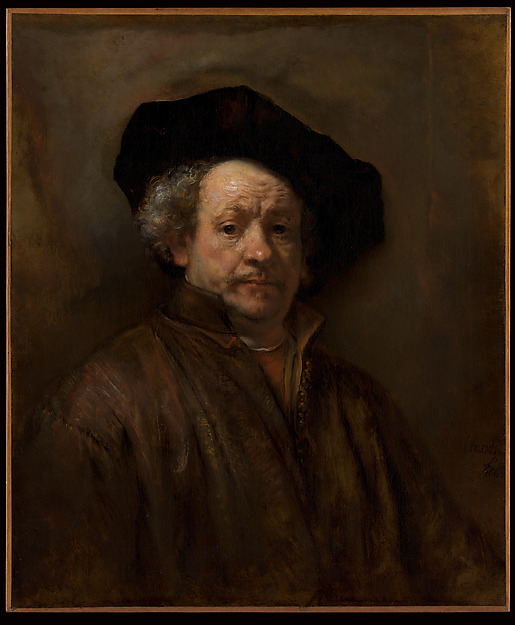
 Rembrandt van RijnPaesi Bassi, 1606–1669
Separation of David and Jonathan
Si può vedere?
Sì, esposta ora
Dove si trova «Separation of David and Jonathan» oggi? Ermitage, Sala 254, San Pietroburgo. Sì, esposta ora. Verificato 29 agosto 2026.

San Pietroburgo, Russia
Chiuso· apre alle 12:00
Esposta al pubblico.
- Verificato
- Ultimo cambio di stato
- Fonte
- Il museo
Sul dipinto
David and Jonathan is a painting by the Dutch painter Rembrandt, made in 1642, now in the collection of the Hermitage Museum in Saint Petersburg, Russia. Painted on oak, it is one of the works, together with the Hellenistic sculpture acquired in 1850, The Venus de Taurida, with which the Hermitage began their collection in 1882.
Leggi
The subject is taken from the First Book of Samuel (20: 35–42). David was a close friend of Jonathan, the son of King Saul. Saul suspected David of aspiring to the throne of Israel. Saul thus planned to kill David, but when Jonathan learned of his father's intention, he warned David of the danger. Jonathan advised him to run away, though David took shelter by the stone Ezel, where their last meeting took place. Jerusalem is portrayed gleaming in the left background, with a quiver of arrows at David's feet being interpreted as those weapons given David by Jonathan after the victory over Goliath (1 Samuel 18:1-4).
Rembrandt portrays Jonathan holding David to his chest as the latter weeps uncontrollably: "And Jonathan made David swear again by his love for him, for he loved him as he loved his own soul." (1 Samuel 20:17) The young David cannot contain his grief. Jonathan, more mature in years, keeps back the tears, although his face expresses deep sorrow. Themes of love and suffering lie at the heart of the biblical story captured in the painting. Rembrandt painted the picture soon after the death of his beloved wife Saskia, and perhaps its subject is associated with his own feelings.
The Hermitage contains other works by Rembrandt such as Flora (1634), The Descent of the Cross (1634), The Sacrifice of Isaac (1635), The Holy Family with Angels (1645), and The Return of the Prodigal Son (1668–1669).
Con le parole del museo — in russo
После смерти жены Рембрандт продолжал какое-то время жить на широкую ногу, собирая в своем доме в Амстердаме коллекцию старинных предметов. Однако судебный процесс истощил финансовое благополучие художника, и 1640-е годы уже не были временем процветания. Работы, написанные в этот период, отличаются исповедальным характером. О сюжете картины «Прощание Давида и Ионафана» говорится в Библии: «И целовали они друг друга, и плакали оба, но Давид плакал более». Это прощание двух сердечных друзей: царевича Ионафана и юного героя Давида, победителя Голиафа, которого задумал убить царь Саул, ревновавший к его славе. Рискуя жизнью, Ионафан предупреждает друга об опасности. Они расстаются навсегда и словно предчувствуют это. Слились в объятии их фигуры. Розовые, серебристо-зелёные, золотистые, дымчато-серые цвета образуют чарующе красивую гамму и воплощают трепетность человеческих чувств.
Leggi
Застывшие рельефные мазки краски подобны россыпи драгоценных камней. Нежность и печаль, свет и мгла наполняют эту картину Рембрандта. Художник вложил в неё много личного, сокровенного, неслучайно придав собственные черты Ионафану, прижимающему к груди отрока Давида. Эта работа была приобретена в Амстердаме в 1716 году для Петра Великого и стала первым произведением голландского мастера, привезенным в Россию.
Ermitage
Scheda
- Numero di inventario
- ГЭ-713
In catalogo
Fonti
- Ermitage
- Immagine: Ermitage — Museum open access
Nella vita di Rembrandt van Rijn
Tutta la vita1631–1669 · Luogo di lavoro
Amsterdam
1635–1640
Pupil: Leendert van Beijeren
1639–1658 · Residenza
Rembrandt House Museum
1641
Birth of His Son Titus
In 1641 Rembrandt and Saskia's son Titus was born — the only one of their four children to survive infancy.
22 settembre 1641
Son born: Titus van Rijn
1642
Death of Saskia
Saskia died in 1642, probably of tuberculosis, a year after Titus's birth. Rembrandt's drawings of her on her sickbed are among his most deeply felt works.


