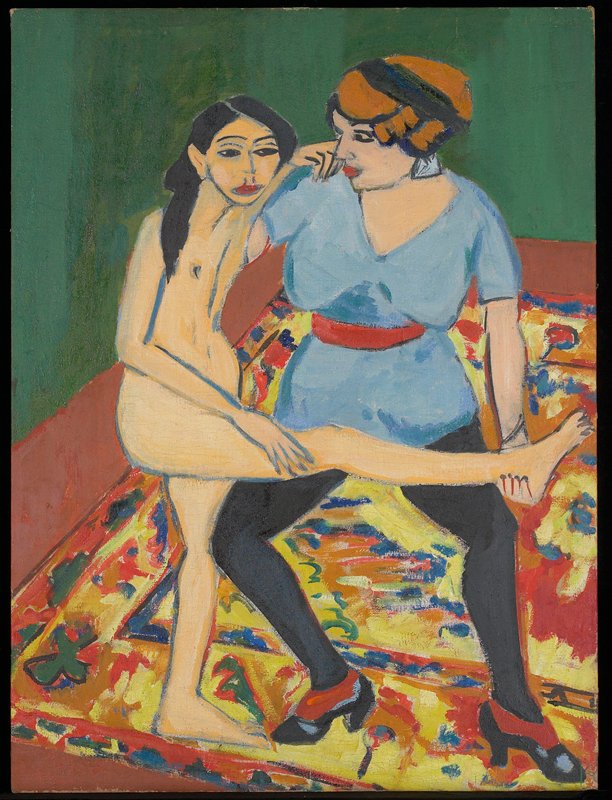
 Ernst Ludwig KirchnerGermania, 1880–1938
Dance Training
Si può ammirare?
Sì, riceve visite

Minneapolis Institute of Art
SalaG371Minneapolis, Stati Uniti
Esposta al pubblico. Chi lo garantisce è indicato qui sotto.
- Verificato
- l’altro ieri
- Ultimo cambio di stato
- 25 set 2026
- Fonte
- I dati di collezione del museo stesso
About the painting
The many nudes in Kirchner's works reflect his interest in sexual freedom and the contemporary cults of nudity and athleticism. He also frequently used the dance atelier to symbolize his own studio, a communal workshop for members of The Bridge (Die Brücke). By combining nude figures with studio settings, Kirchner evoked the frank spontaneity and bohemian sensuality so admired by all the Brücke painters.
Minneapolis Institute of Art
Scheda
- Numero di inventario
- 80.27
In catalogo
Fonti
- Minneapolis Institute of Art: the museum's own open data · acquisita 5 giorni fa
- Immagine: Minneapolis Institute of Art — © Minneapolis Institute of Art
Nel frattempo, nella vita di Ernst Ludwig Kirchner
Tutta la vitaOctober 1911
Moves to Berlin
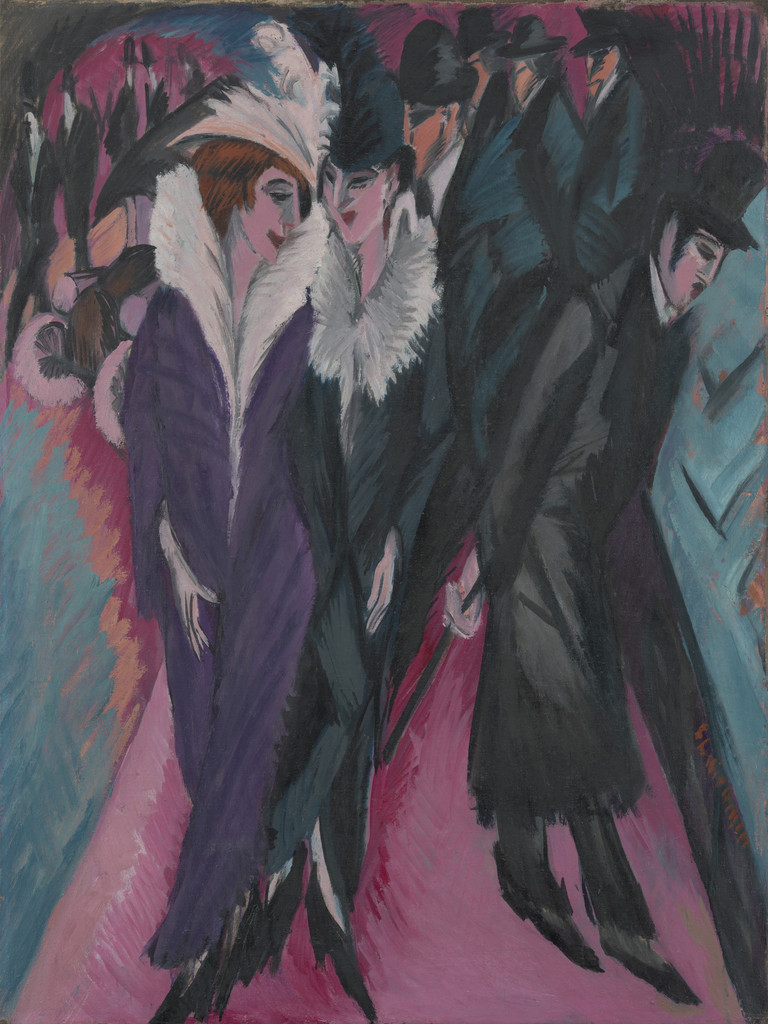
In October 1911 Kirchner moved to Berlin; new themes entered his painting — life in the big city, its streets and architecture, the human types characteristic of the capital.
1913
The “Brücke Chronicle” and the break-up of the group
In 1913 Kirchner wrote the “Chronicle of the Brücke group,” in which, his comrades felt, he overstated his own role in its creation; a quarrel followed, Kirchner left the Brücke and the group fell apart.
1913
First solo exhibition in Essen
In 1913 the Folkwang Museum in Essen held Kirchner’s first solo exhibition, which established his individual identity beyond the group.
September 1914
Volunteers for the First World War
In September 1914, at the outbreak of the First World War, Kirchner volunteered for military service.
July 1915
Driver training in Halle and discharge
In July 1915 Kirchner was sent to Halle an der Saale to train as a driver in the reserve unit of the 75th Mansfeld Field Artillery Regiment; after a mental breakdown his riding instructor, Professor Hans Fehr, arranged for Kirchner’s discharge from service.
summer 1917
The Reusch Hut on the Stafelalp
Resenting Dr. Spengler’s constant watch and doing all he could to deceive him, Kirchner moved to the Reusch Hut on the Stafelalp in the summer of 1917; Erna Schilling stayed in Berlin, looking after the apartment and studio and keeping up commercial and personal contacts in Germany.
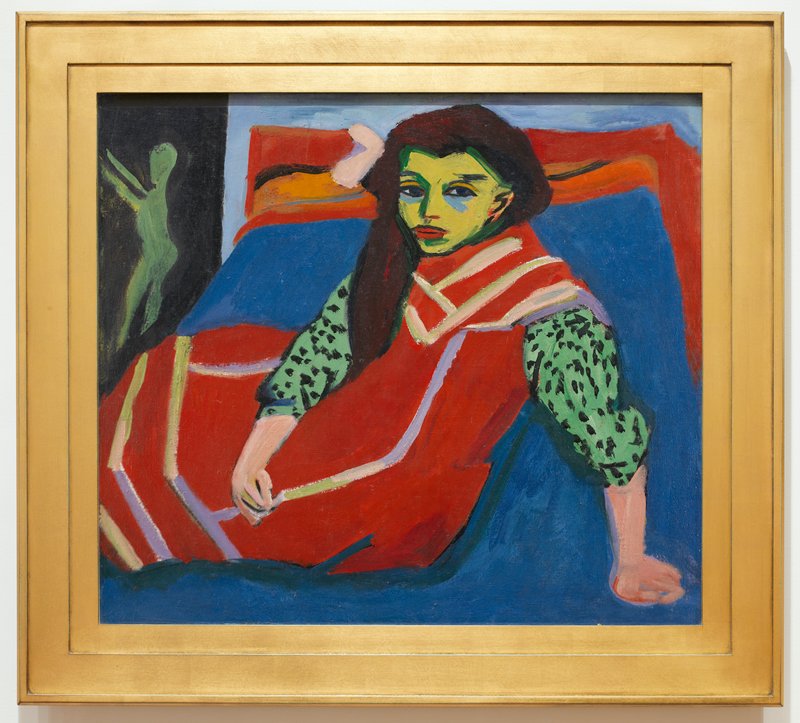
![Dance Hall Bellevue [obverse], Ernst Ludwig Kirchner, 1909/1910](https://api.nga.gov/iiif/634157b6-d0fd-4a63-b93b-0dc1eb6c03d3/full/!2400,2400/0/default.jpg)

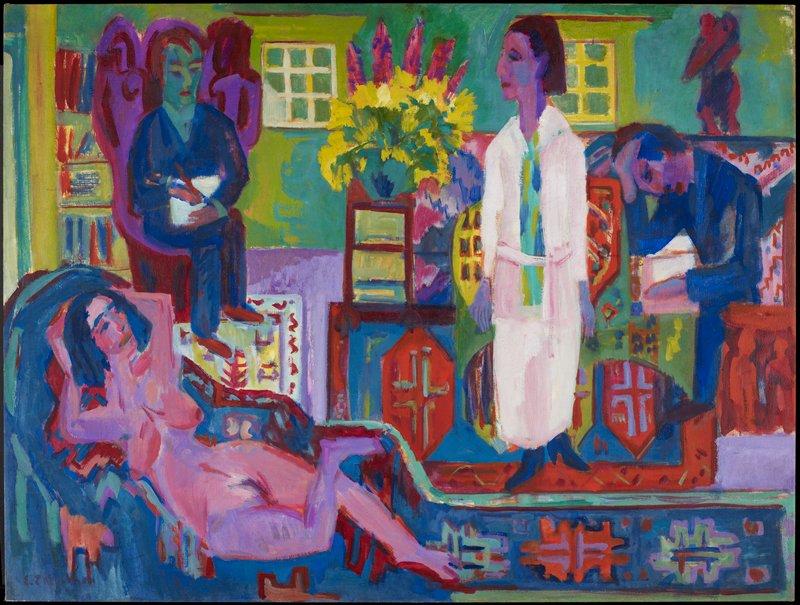
![Dancing Couple in the Snow [reverse], Ernst Ludwig Kirchner, 1928-1929](https://api.nga.gov/iiif/02d6ebca-0992-4be5-9e1e-06749ec65449/full/!2400,2400/0/default.jpg)