ART WIKI32.979 in sala
MappaCollezioneArtistiMuseiMostreRivista
Accedi

ART WIKI

Dove è appeso il capolavoro, e quando si può entrare.

Collezioni: Art Institute of Chicago, Cleveland Museum of Art, Ermitage, Galleria Tret'jakov, Getty Museum, Harvard Art Museums, Hirshhorn Museum and Sculpture Garden, Metropolitan Museum of Art, Minneapolis Institute of Art, Museo del Louvre, Museo Puškin delle belle arti, Museo russo, Museum of Modern Art, National Gallery of Art, National Museum of Asian Art, National Portrait Gallery, Rijksmuseum, Smithsonian American Art Museum, Statens Museum for Kunst, Victoria and Albert Museum, Villa Getty, Whitney Museum of American Art, Catalogo statale del fondo museale russo (274 musei), Europeana (19 musei), Wikidata (6 musei), Paris Musées (12 musei) e Joconde, la banca dati dei musei del Ministero della Cultura francese (495 musei). Le immagini appartengono ai titolari dei diritti.

Sezioni

  • Mappa
  • Ricerca
  • Collezione
  • Capolavori
  • Esposte ora
  • Artisti

Altro

  • Musei e gallerie
  • Mostre
  • Rivista
  • Da dove vengono i dati
  • Privacy e cookie
HomeMappaCatalogo
  1. Collezione/
  2. Minneapolis Institute of Art/
  3. City Glow
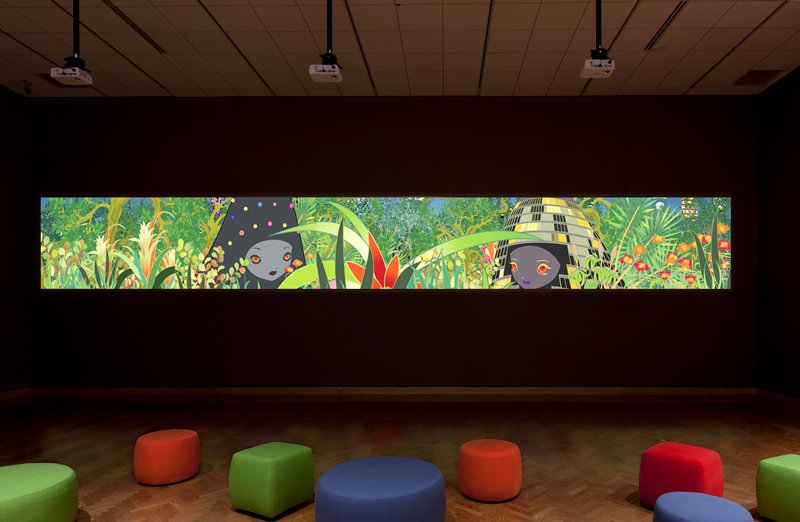
City Glow, Chiho Aoshima, 2005
CChiho AoshimaGiappone

City Glow

2005 · Time-based Media, Digital Art

Si può ammirare?

Al momento non riceve

Minneapolis Institute of Art

Minneapolis, Stati Uniti

Appartiene alla collezione, ma al momento non è esposta.

Verificato
3 giorni fa
Ultimo cambio di stato
25 set 2026
Fonte
Il museo
Sulla mappaPagina del museo

Sull’opera

In 2005, the Japanese artist Chiho Aoshima collaborated with the New Zealand-based animator Bruce Ferguson to create City Glow, her first animation. Aoshima is a member of Takashi Murakami's Superflat movement, and her meticulously rendered imagery derives from the linear style prevalent in manga (comics) and anime (video animation) and, more distantly, in traditional Japanese painting and woodblock prints. In City Glow, Aoshima visualizes a cyclical narrative in which twenty-four hours elapse within the film's seven-minute time frame. Anthropomorphic skyscrapers sway in the background while plants grow and blossom luxuriantly in the foreground. Aquatic bubbles and fairies further hint that this is no ordinary place. Aoshima transcends the cult of cute in Japanese popular culture by juxtaposing her paradisiacal futurist garden against an ominous night.

Continua a leggere

Amid eerily glowing trees, she pictures a graveyard occupied by the spirits of baleful beauties. This netherworld is dominated by a terrible three-eyed goddess from whose mouth escapes a swarm of fluttering moths. Just when this dire vision threatens to overwhelm, Aoshima offers a Disney-like reprieve wherein winged nymphsa butterfly pulls back the curtain on a fantasy-affirming rainbow.

Minneapolis Institute of Art

Scheda

Numero di inventario
2011.83

In catalogo

Arte contemporaneaXXI secoloGiappone

Fonti

  • Minneapolis Institute of Art
  • Immagine: Minneapolis Institute of Art — © Chiho Aoshima / Kaikai Kiki
Sotto lo stesso tetto: Minneapolis Institute of Art

Pagina del museo
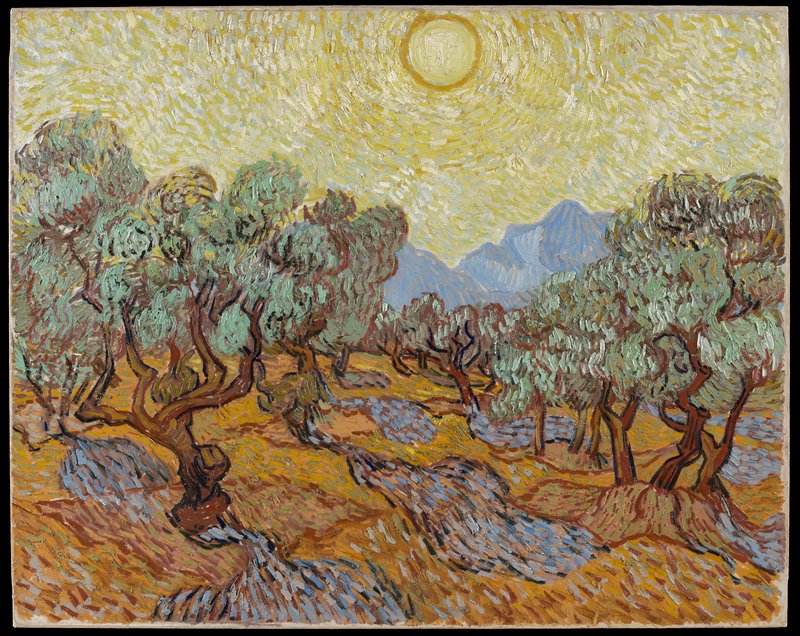
Olive Trees, Vincent van Gogh, 1889

Vincent van Gogh

Olive Trees, 1889

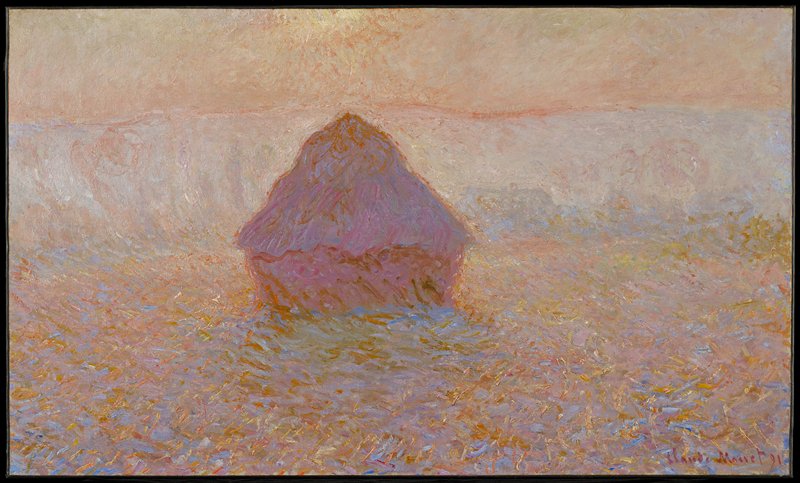
Grainstack, Sun in the Mist, Claude Monet, 1891

Claude Monet

Grainstack, Sun in the Mist, 1891

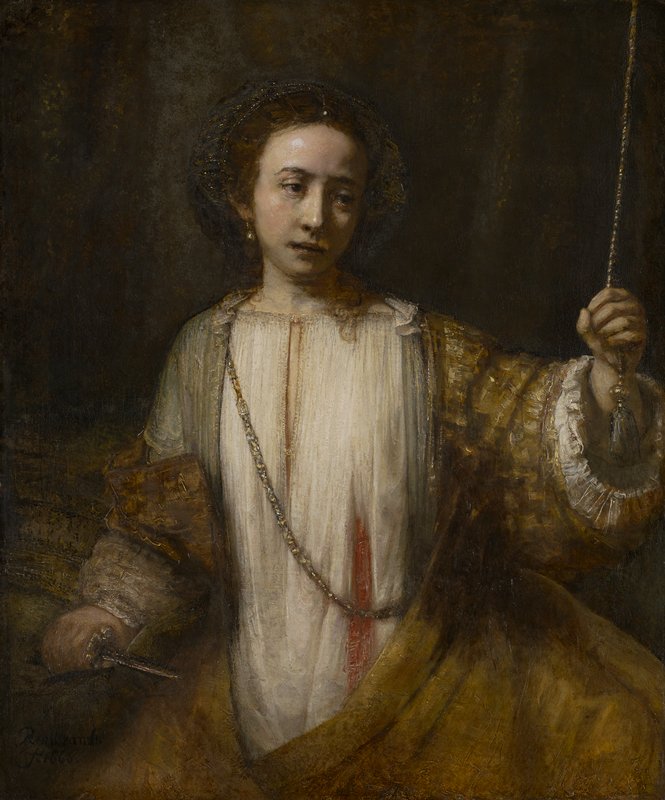
Lucretia, Rembrandt van Rijn, 1666

Rembrandt van Rijn

Lucretia, 1666

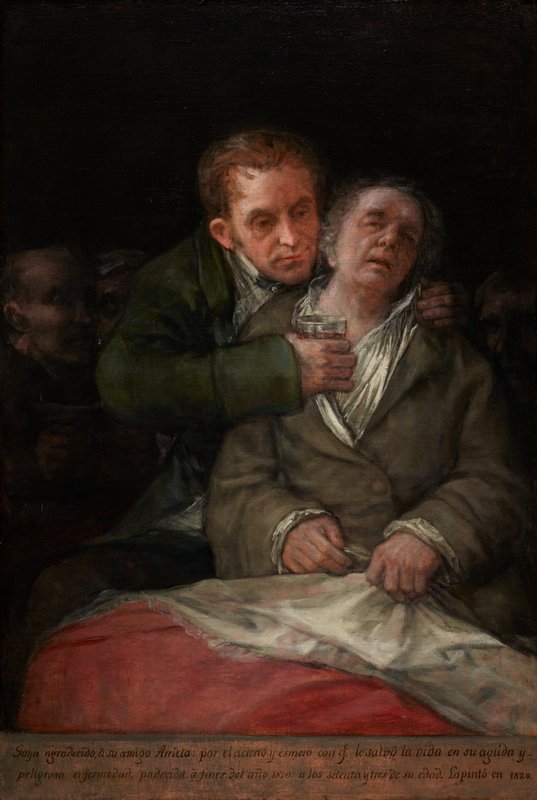
Self-Portrait with Dr. Arrieta, Francisco José de Goya y Lucientes, 1820

Francisco de Goya

Goya curato dal dottor Arrieta, 1820

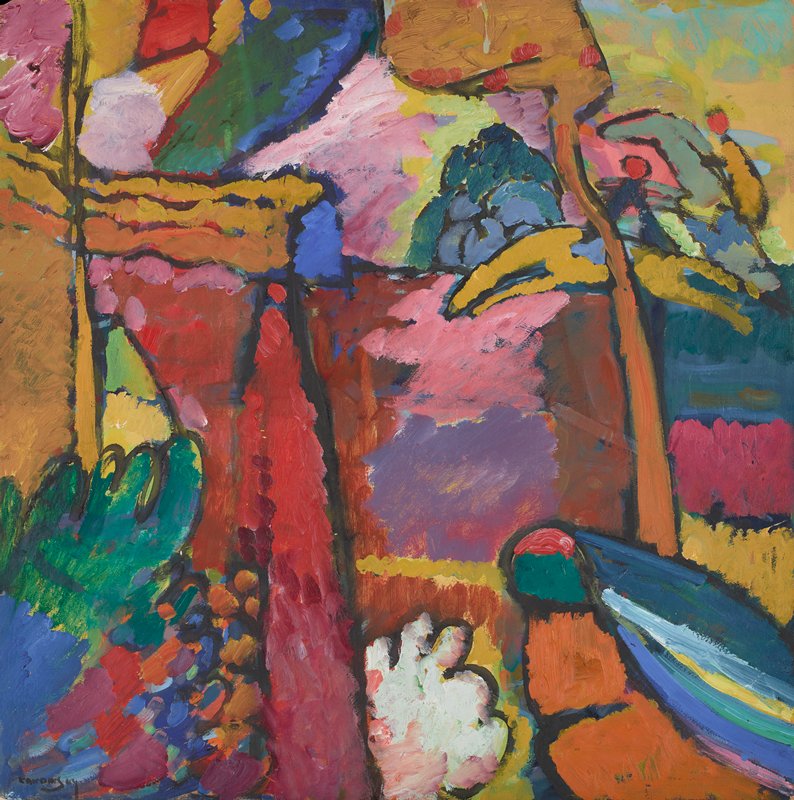
Study for Improvisation V, Vassily Kandinsky, 1910

Vasily Kandinsky

Study for Improvisation V, 1910

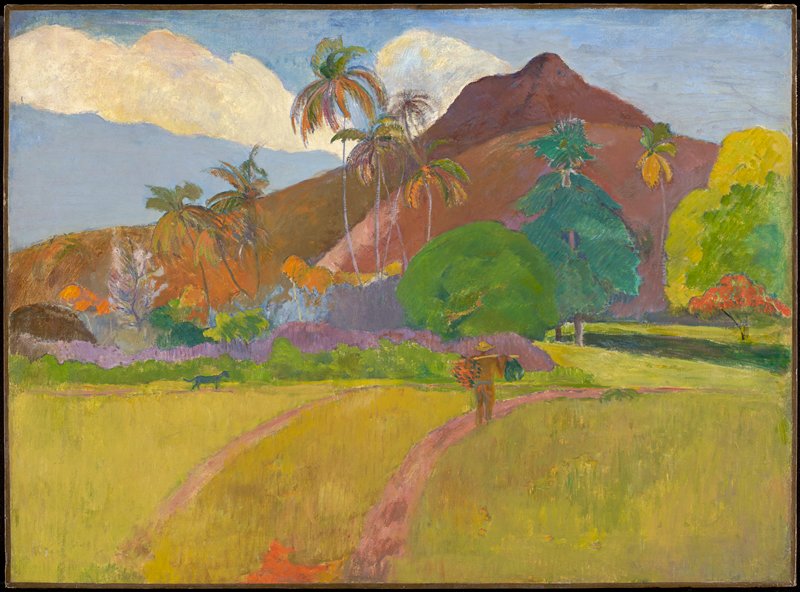
Tahitian Landscape, Paul Gauguin, 1891

Paul Gauguin

Tahitian Landscape, 1891

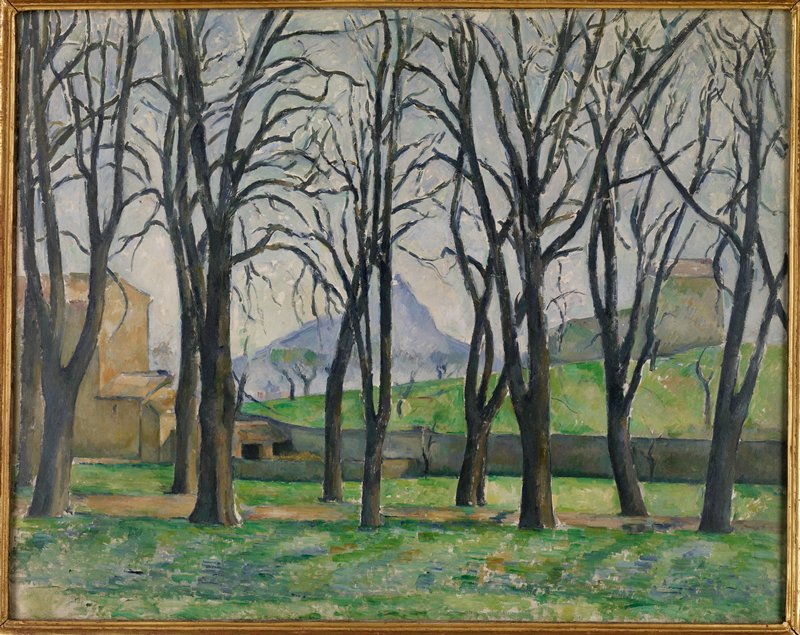
Chestnut Trees at Jas de Bouffan, Paul Cézanne, c. 1885–86

Paul Cézanne

Chestnut Trees at Jas de Bouffan, c. 1885–86

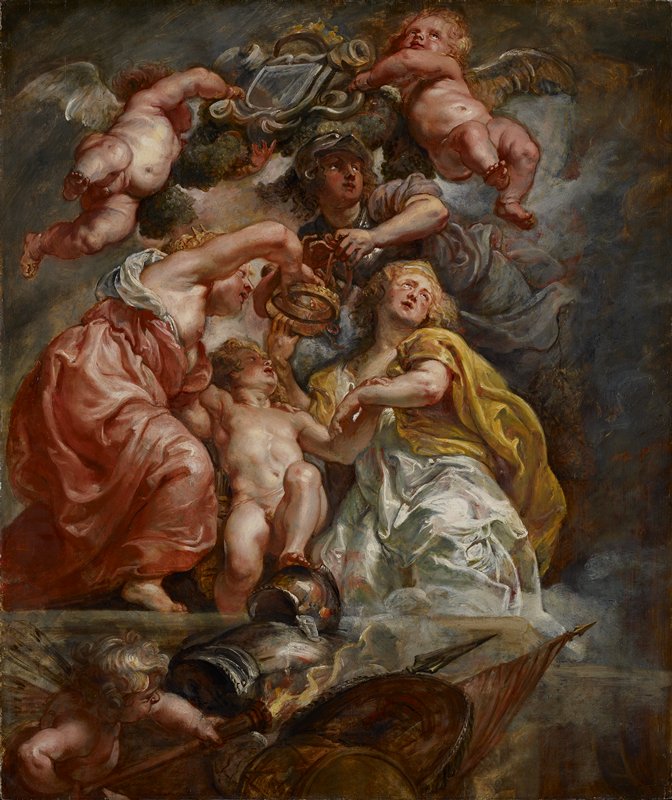
The Union of England and Scotland (Charles I as the Prince of Wales), Peter Paul Rubens, 1633–34

Peter Paul Rubens

The Union of England and Scotland (Charles I as the Prince of Wales), 1633–34