ART WIKI32.963 in sala
MappaCollezioneArtistiMuseiMostreRivista
Accedi

ART WIKI

Dove è appeso il capolavoro, e quando si può entrare.

Collezioni: Art Institute of Chicago, Cleveland Museum of Art, Ermitage, Galleria Tret'jakov, Getty Museum, Harvard Art Museums, Hirshhorn Museum and Sculpture Garden, Metropolitan Museum of Art, Minneapolis Institute of Art, Museo del Louvre, Museo Puškin delle belle arti, Museo russo, Museum of Modern Art, National Gallery of Art, National Museum of Asian Art, National Portrait Gallery, Rijksmuseum, Smithsonian American Art Museum, Statens Museum for Kunst, Victoria and Albert Museum, Villa Getty, Whitney Museum of American Art, Catalogo statale del fondo museale russo (274 musei), Europeana (19 musei), Wikidata (6 musei), Paris Musées (12 musei) e Joconde, la banca dati dei musei del Ministero della Cultura francese (495 musei). Le immagini appartengono ai titolari dei diritti.

Sezioni

  • Mappa
  • Ricerca
  • Collezione
  • Capolavori
  • Esposte ora
  • Artisti

Altro

  • Musei e gallerie
  • Mostre
  • Rivista
  • Da dove vengono i dati
  • Privacy e cookie
HomeMappaCatalogo
  1. Collezione/
  2. Minneapolis Institute of Art/
  3. Citwamo Ca Mangu (Throne)
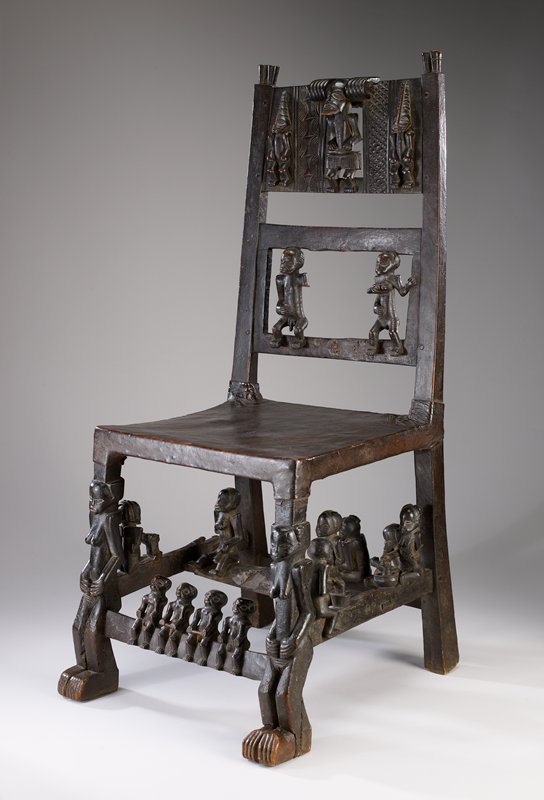
Citwamo Ca Mangu (Throne), Moxico School, 20th century
MMoxico SchoolAngola

Citwamo Ca Mangu (Throne)

20th century · Sculpture · 92.7 × 43.5 cm

Sulla scultura

As in all cultures, African rulers often express their status by sitting on a special stool, chair, or throne that is an recognized mark of their rank and leadership. Chokwe thrones are modeled on European chairs that arrived in Africa from Spain and Portugal after trade was established in the late 1490s. While the basic form is European, Chokwe sculptors immediately changed its decoration, covering every available surface with themed ornamentation reinforcing the power, status and responsibilities of the local ruler. The central figure on the throne back represents a masked Cihongo dancer. Cihongo is associated with courtly wealth and might, and was danced solely by the chief or his son. The front legs are in the form of female figures, symbolizing the importance of women in supporting a matrilineal society. Tiny figures on the rungs and stretcher enact narrative scenes of community life, a sign of the ruler's concern for his people's well-being.

Minneapolis Institute of Art

Scheda

Numero di inventario
87.65

Nella stessa sala · G250, Minneapolis Institute of Art

Pagina del museo

Si può ammirare?

Sì, riceve visite

Minneapolis Institute of Art

Minneapolis, Stati Uniti

SalaG250

Esposta al pubblico. Chi lo garantisce è indicato qui sotto.

Verificato
3 giorni fa
Ultimo cambio di stato
25 set 2026
Fonte
Il museo
Sulla mappaPagina del museo

In catalogo

SculturaLegnoMoxicoChokwe

Fonti

  • Minneapolis Institute of Art
  • Immagine: Minneapolis Institute of Art — Copyright of the artist, artist's estate, or assignees
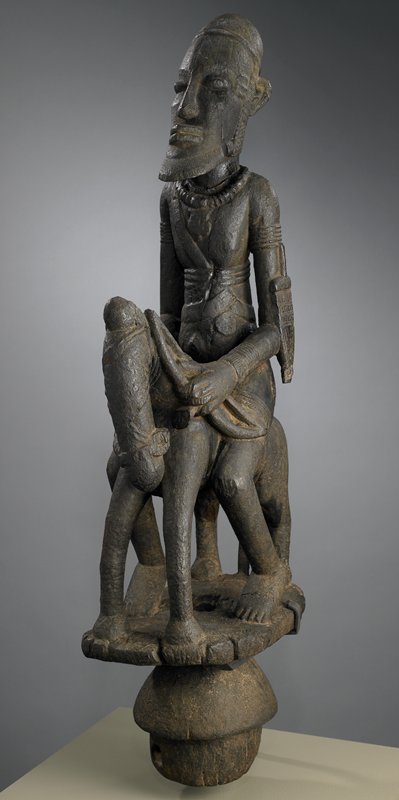
Equestrian figure, about 1450

Equestrian figure, about 1450

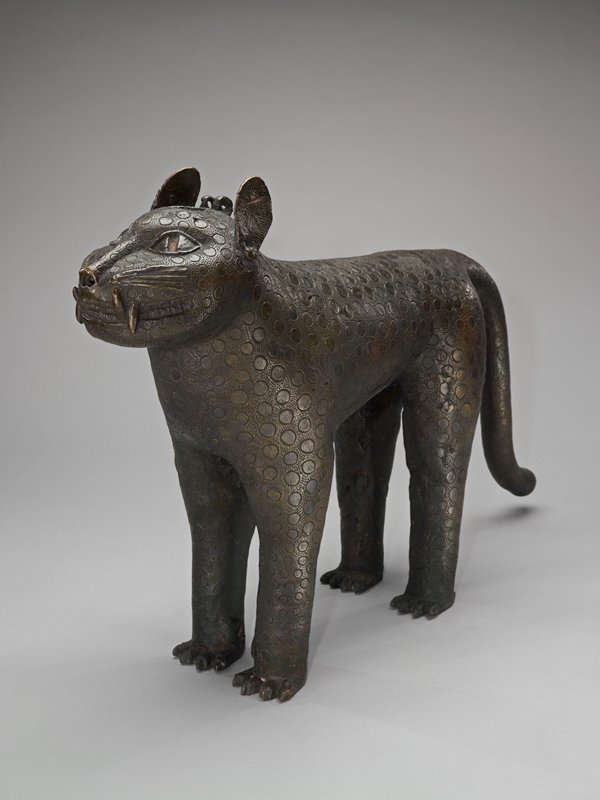
Water pitcher, 18th century

Water pitcher, 18th century

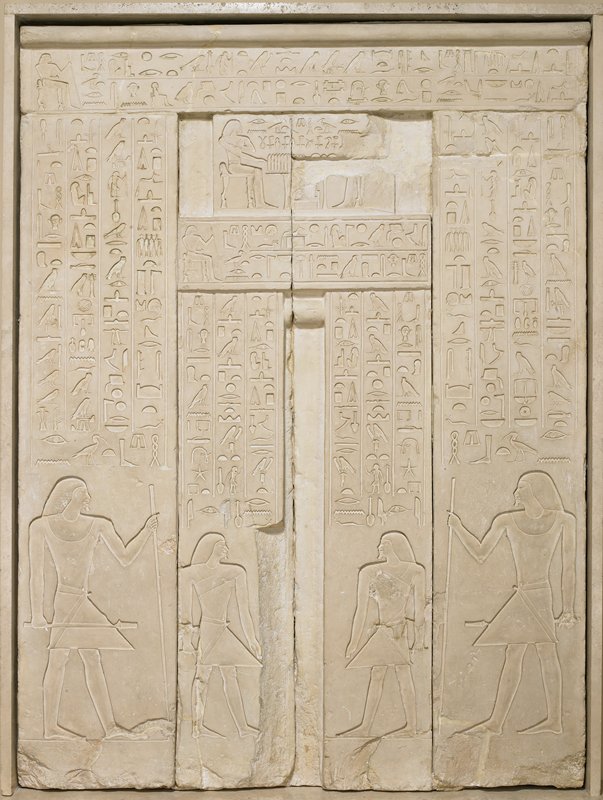
False door, about 2400 BCE

False door, about 2400 BCE

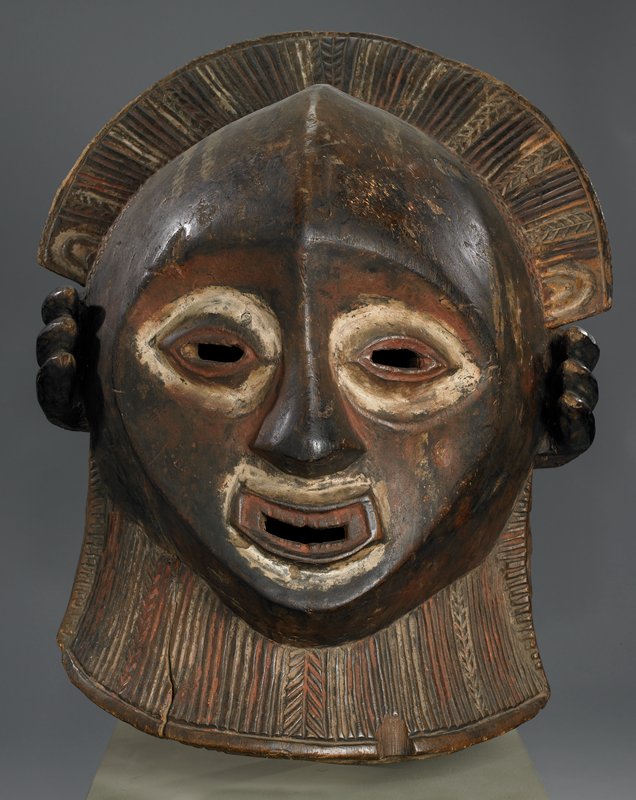
Helmet mask, 19th century

Helmet mask, 19th century

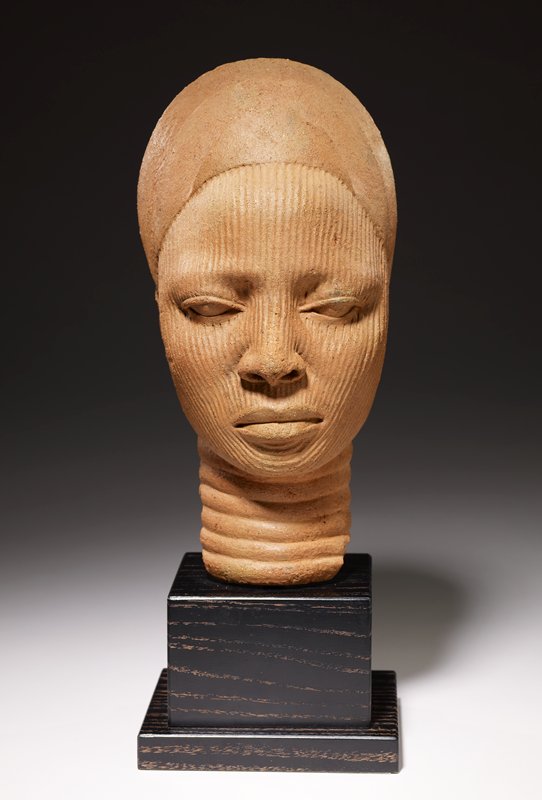
Shrine head, 12th-14th century

Shrine head, 12th-14th century

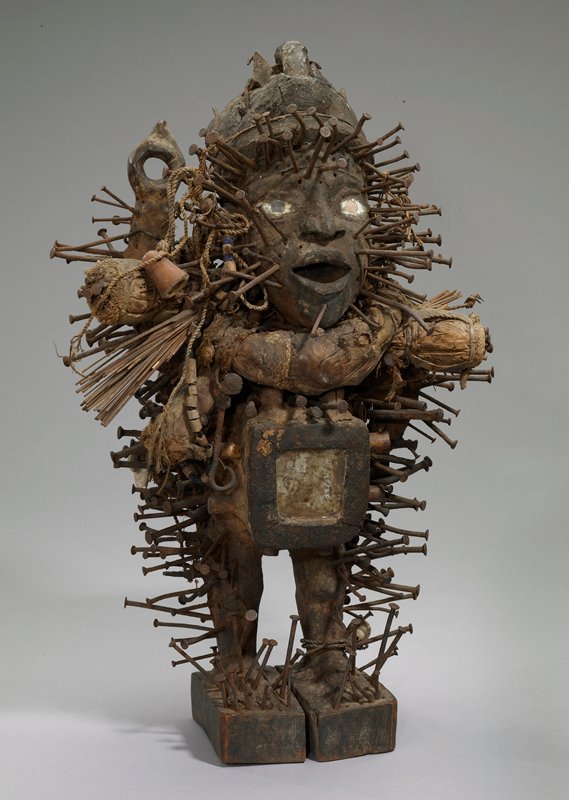
Power figure, early 20th century

Power figure, early 20th century

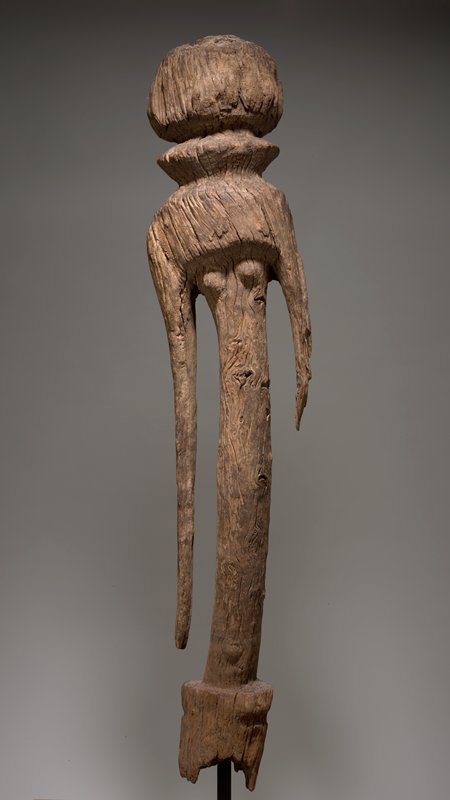
Figure, 1900–50

Figure, 1900–50

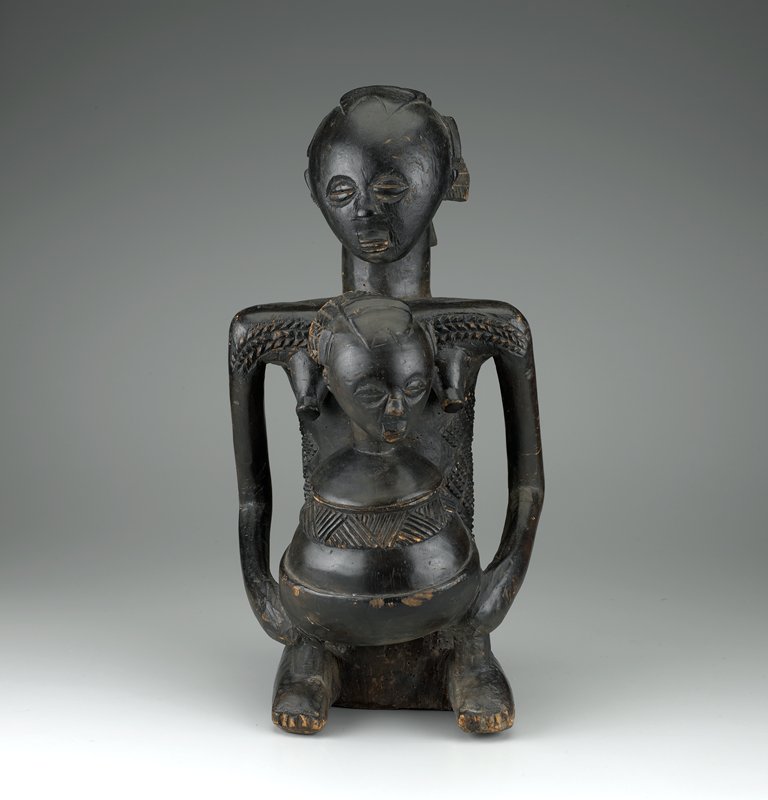
Figure, c. 1900

Figure, c. 1900