ART WIKI32.963 in sala
MappaCollezioneArtistiMuseiMostreRivista
Accedi

ART WIKI

Dove è appeso il capolavoro, e quando si può entrare.

Collezioni: Art Institute of Chicago, Cleveland Museum of Art, Ermitage, Galleria Tret'jakov, Getty Museum, Harvard Art Museums, Hirshhorn Museum and Sculpture Garden, Metropolitan Museum of Art, Minneapolis Institute of Art, Museo del Louvre, Museo Puškin delle belle arti, Museo russo, Museum of Modern Art, National Gallery of Art, National Museum of Asian Art, National Portrait Gallery, Rijksmuseum, Smithsonian American Art Museum, Statens Museum for Kunst, Victoria and Albert Museum, Villa Getty, Whitney Museum of American Art, Catalogo statale del fondo museale russo (274 musei), Europeana (19 musei), Wikidata (6 musei), Paris Musées (12 musei) e Joconde, la banca dati dei musei del Ministero della Cultura francese (495 musei). Le immagini appartengono ai titolari dei diritti.

Sezioni

  • Mappa
  • Ricerca
  • Collezione
  • Capolavori
  • Esposte ora
  • Artisti

Altro

  • Musei e gallerie
  • Mostre
  • Rivista
  • Da dove vengono i dati
  • Privacy e cookie
HomeMappaCatalogo
  1. Collezione/
  2. Minneapolis Institute of Art/
  3. Chrysanthemum
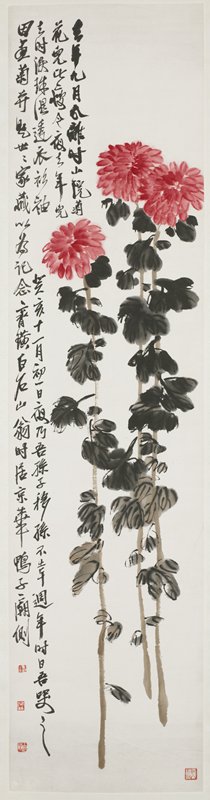
Chrysanthemum, Qi Baishi, 20th century
Qi Baishi, ritrattoQi BaishiCina, 1864–1957

Chrysanthemum

20th century · Painting · 137.32 × 33.97 cm

Si può ammirare?

Al momento non riceve

Minneapolis Institute of Art

Minneapolis, Stati Uniti

Appartiene alla collezione, ma al momento non è esposta.

Verificato
3 giorni fa
Ultimo cambio di stato
25 set 2026
Fonte
Il museo
Sulla mappaPagina del museo

Sul dipinto

In China, flowers and birds were ubiquitous motifs in art. The endurance and resonance of these motifs arose not only from their natural beauty, but also through their cultural associations. The blossoms of chrysanthemum flowers embody purity. Among the last blooms of autumn, they were often regarded as a symbol of a scholarly recluse. Together with the orchid, the plum blossom, and bamboo they comprised a grouping known as the Four Gentlemen. The flower is a favored motif among literati artists. Qi Baishi, one of the greatest Chinese painters in modern history, executed the flowers in mogu or boneless style and the leaves and blossoms are rendered without outline. The mixture of pure ink and red pigment translates the chrysanthemum's aesthetic of lofty elegance into a chaste and royal image.

Continua a leggere

Jennifer Steinkamp, a contemporary American installation artist, created a similar floral image using different media and conveying different ideas. Hurdy Gurdy Man (Chrysanthemums) (2006) is a computer-animated projection in which Steinkamp has set a traditional still-life subject into motion. A group of delicate, pastel-hued chrysanthemums seems to bob and sway to the Donovan song for which the piece is named. Their movement is mesmerizing, but also vaguely unsettling. The flowers in this work are based on her research of Chinese images of flowers at the Huntington Library in Los Angeles.

Minneapolis Institute of Art

Scheda

Numero di inventario
99.53.1

In catalogo

DipintiInchiostroPittura cineseCina

Fonti

  • Minneapolis Institute of Art
  • Immagine: Minneapolis Institute of Art — public domain
Altre opere di Qi Baishi

Tutte le opere
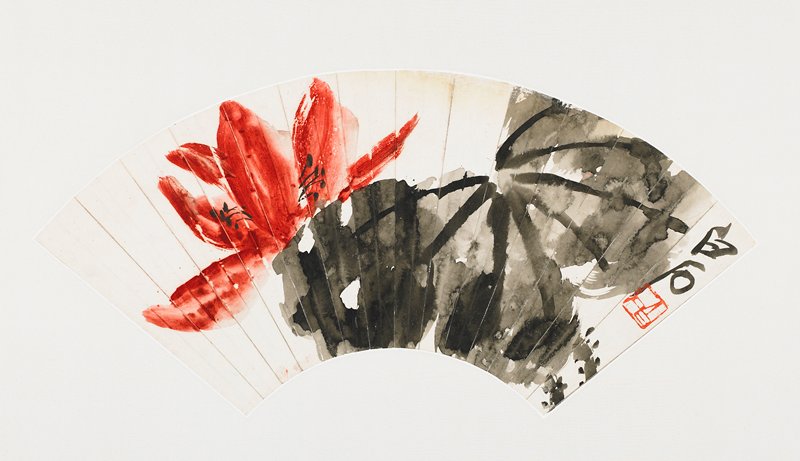
Lotus, Qi Baishi, early 20th century

Lotus

early 20th century · Minneapolis Institute of Art

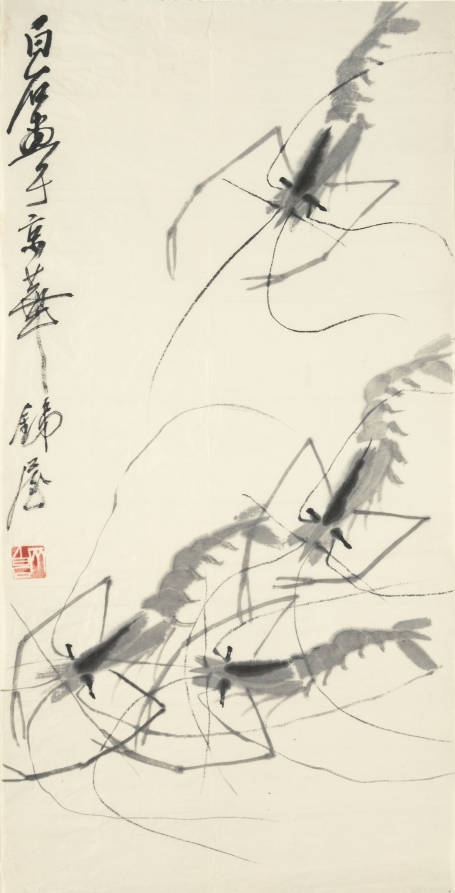
Shrimps, Qi Baishi, 1924

Shrimps

1924 · Non esposta · Ermitage

Briefpapier met een tak met lychees, Qi Baishi, c. 1950 - 1951

Briefpapier met een tak met lychees

c. 1950 - 1951 · Rijksmuseum

Corn and Insects, Qi Baishi, 20th century

Corn and Insects

20th century · Non esposta · Art Institute of Chicago

Crabs, Qi Baishi, 20th century

Crabs

20th century · Non esposta · Art Institute of Chicago

Lotus, Qi Baishi, 20th century

Lotus

20th century · Non esposta · Art Institute of Chicago

Shrimps, Qi Baishi, first half of the 1900s

Shrimps

first half of the 1900s · Non esposta · Cleveland Museum of Art

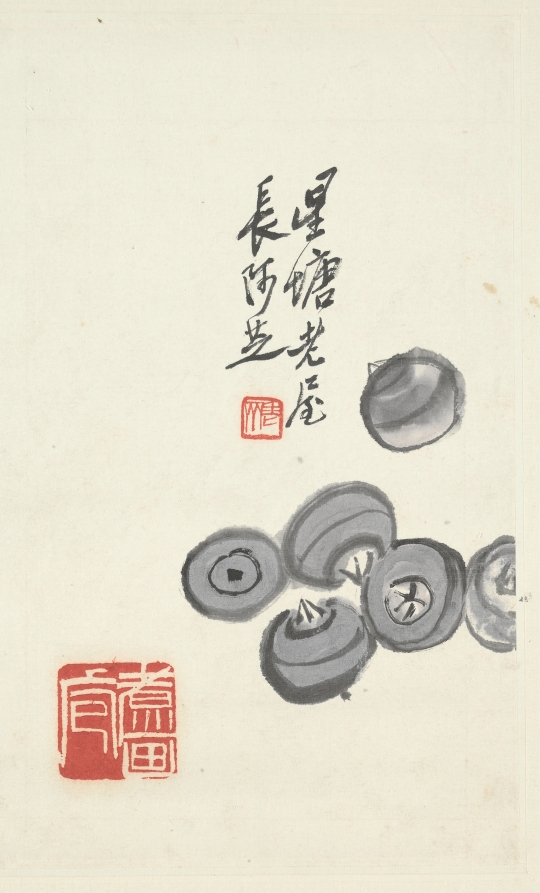
Water Chestnuts, Qi Baishi, first half of the 1900s

Water Chestnuts

first half of the 1900s · Non esposta · Cleveland Museum of Art

Sotto lo stesso tetto: Minneapolis Institute of Art

Pagina del museo
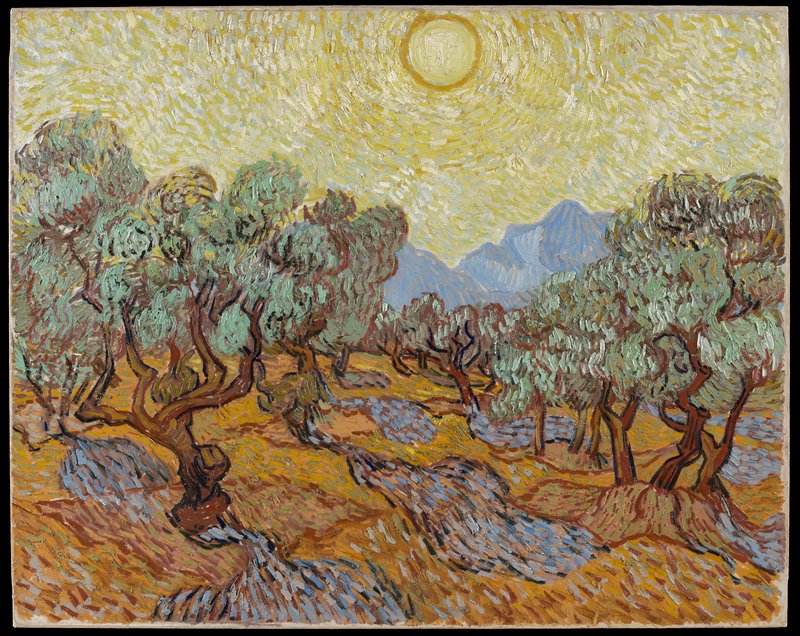
Olive Trees, Vincent van Gogh, 1889

Vincent van Gogh

Olive Trees, 1889

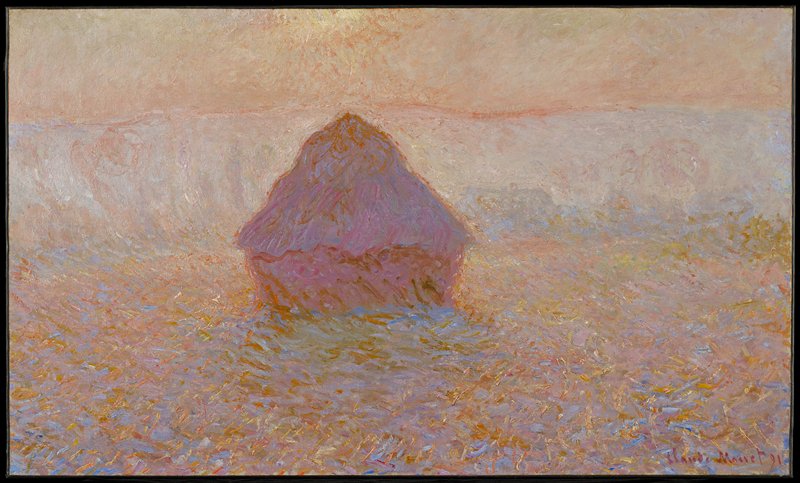
Grainstack, Sun in the Mist, Claude Monet, 1891

Claude Monet

Grainstack, Sun in the Mist, 1891

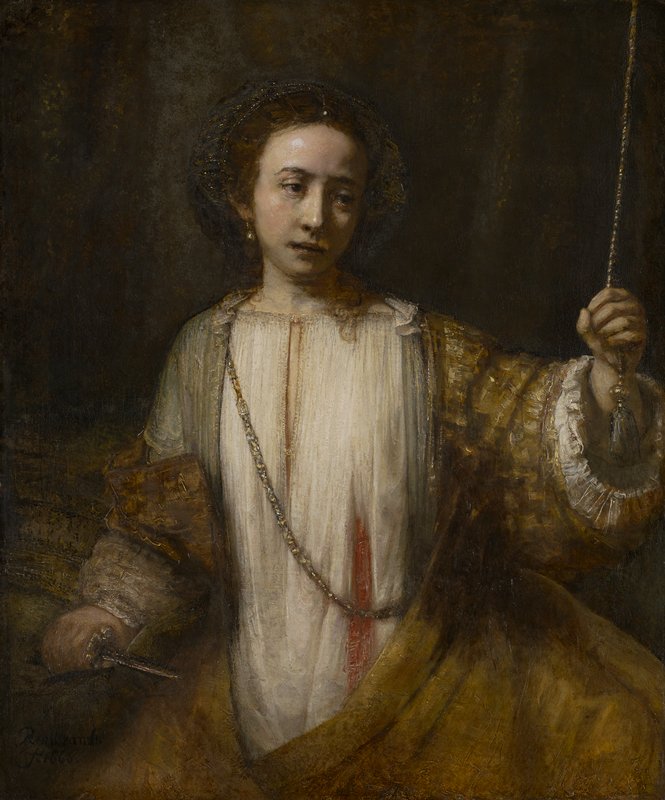
Lucretia, Rembrandt van Rijn, 1666

Rembrandt van Rijn

Lucretia, 1666

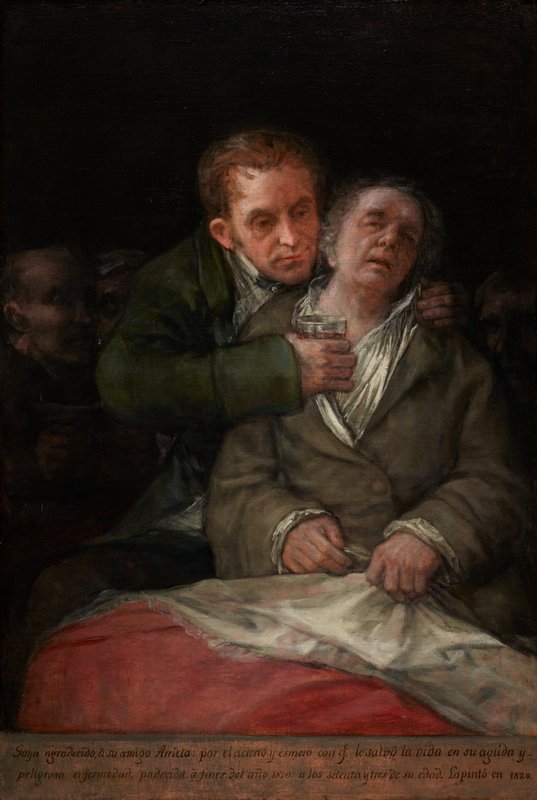
Self-Portrait with Dr. Arrieta, Francisco José de Goya y Lucientes, 1820

Francisco de Goya

Goya curato dal dottor Arrieta, 1820

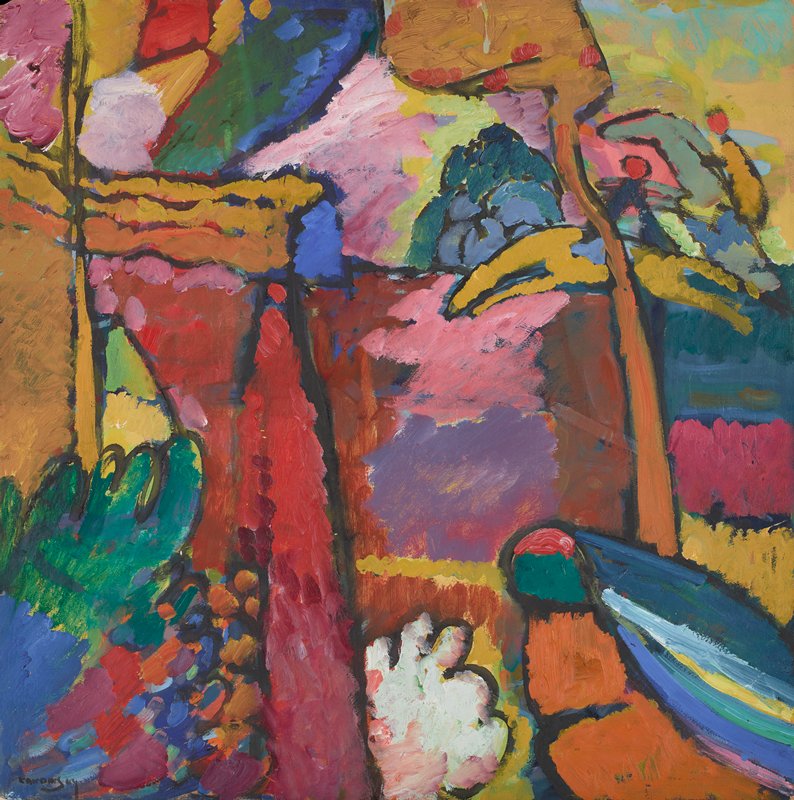
Study for Improvisation V, Vassily Kandinsky, 1910

Vasily Kandinsky

Study for Improvisation V, 1910

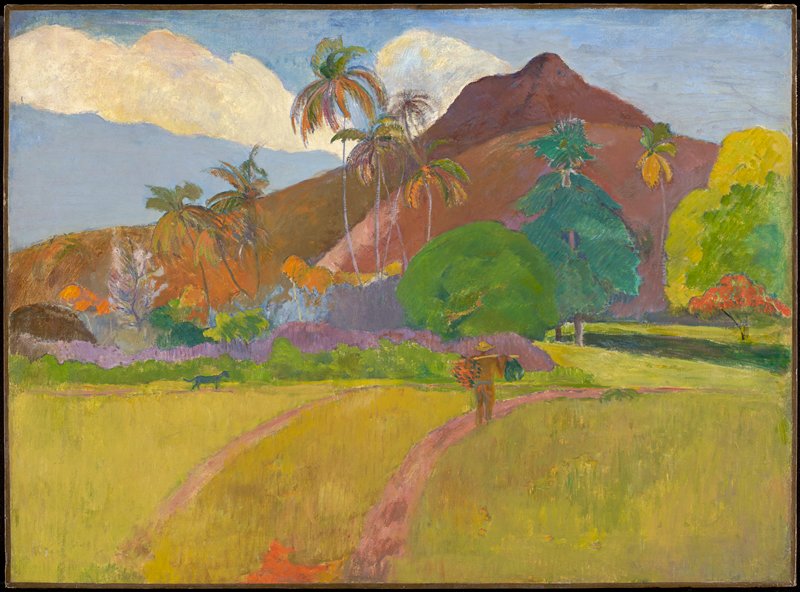
Tahitian Landscape, Paul Gauguin, 1891

Paul Gauguin

Tahitian Landscape, 1891

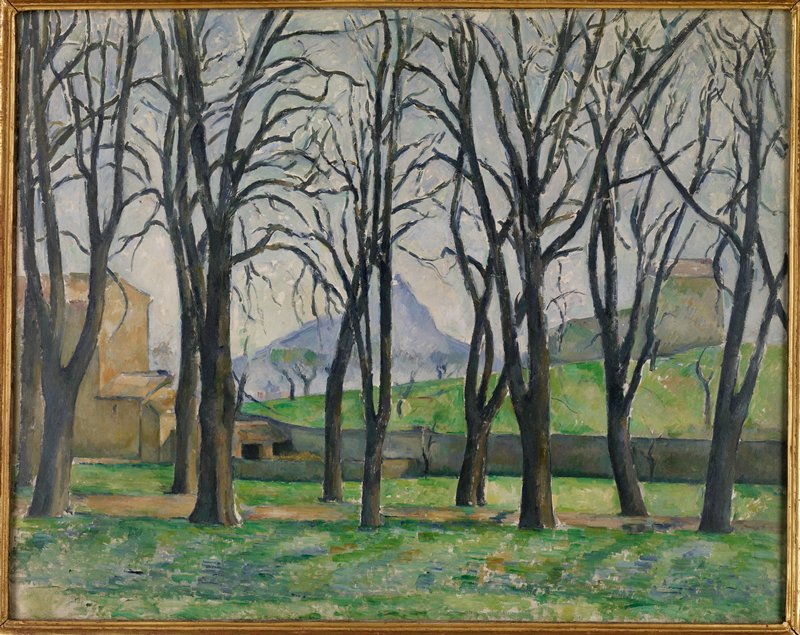
Chestnut Trees at Jas de Bouffan, Paul Cézanne, c. 1885–86

Paul Cézanne

Chestnut Trees at Jas de Bouffan, c. 1885–86

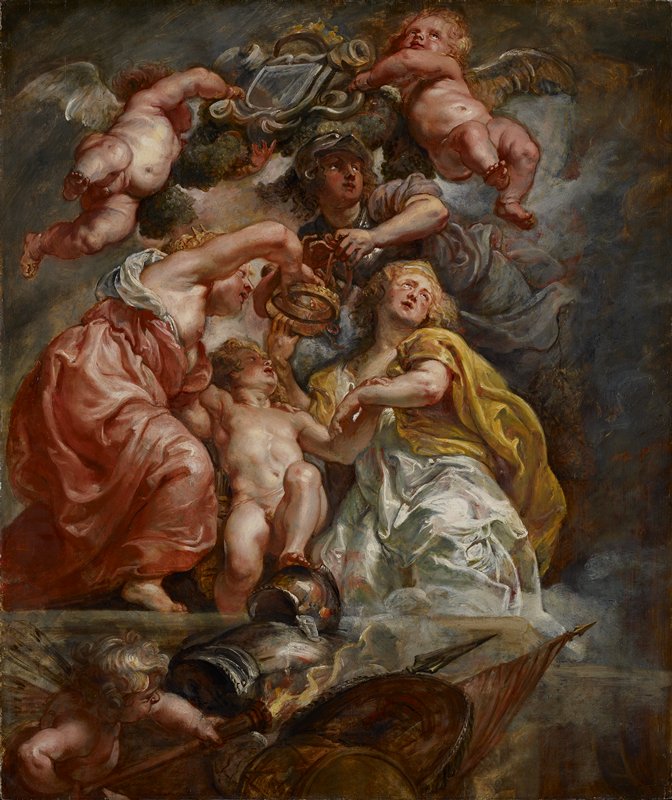
The Union of England and Scotland (Charles I as the Prince of Wales), Peter Paul Rubens, 1633–34

Peter Paul Rubens

The Union of England and Scotland (Charles I as the Prince of Wales), 1633–34