
 Gustave DoréFrancia, 1832–1883
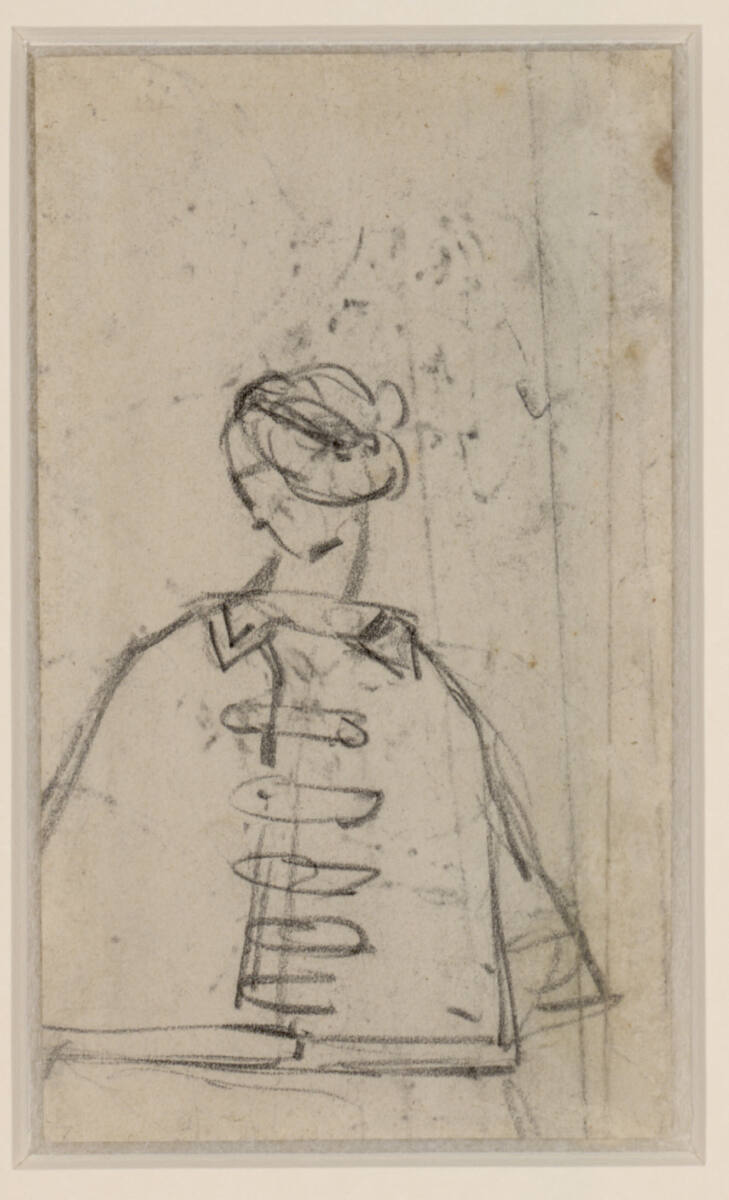
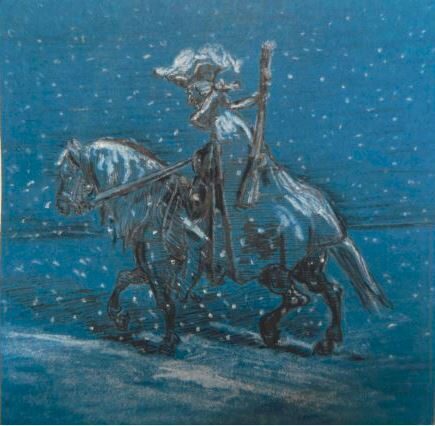
Christian Martyrs
Si può ammirare?
Al momento non riceve

National Gallery of Art
Washington, Stati Uniti
Appartiene alla collezione, ma al momento non è esposta.
- Verificato
- Ultimo cambio di stato
- Fonte
- I dati di collezione del museo stesso
Scheda
- Numero di inventario
- 1991.150.19
What it shows
In catalogo
Fonti
- National Gallery of Art: the museum's own open data · acquisita 7 giorni fa
- Immagine: National Gallery of Art — Museum open access
Nel frattempo, nella vita di Gustave Doré
Tutta la vita1860s
“Don Quixote” illustrated by Doré
In the 1860s Doré illustrates a French edition of Cervantes's “Don Quixote”; his depictions of the knight and his squire, Sancho Panza, become so famous that they influence subsequent readers', artists' and stage and film directors' ideas of the physical “look” of the two characters.
1860s
Dante, Perrault and Baron Munchausen
The 1860s bring Doré's illustrations to Dante's “Inferno” and “Paradiso”, to Charles Perrault's fairy tales and to the adventures of Baron Munchausen.
1867
A major exhibition in London and the Doré Gallery
In 1867 a major exhibition of Doré's work is held in London; it leads to the foundation of the Doré Gallery in Bond Street.
1869
A contract for “London: A Pilgrimage”: £10,000 a year
In 1869 Blanchard Jerrold suggests that he and Doré work together on a comprehensive portrait of London, modelled on “The Microcosm of London” by Rudolph Ackermann, William Pyne and Thomas Rowlandson. Doré signs a five-year contract with the publishers Grant & Co: he is to stay in London for three months a year and receives the vast sum of £10,000 a year for the project.
1872
“London: A Pilgrimage” appears with 180 engravings
The book, a commercial success, is disliked by some British critics because it appears to focus on the poverty of parts of London: The Art Journal accuses Doré of “inventing rather than copying”, and the Westminster Review claims that he sets down the commonest, the vulgarest external features. The financial success brings Doré commissions from other British publishers, and the engravings impress Vincent van Gogh, who paints a version of the Prisoners' Round in 1890.
1873
A trip to Scotland: schooling in watercolour
According to the Musée de Grenoble, Doré develops his expertise as a watercolourist during a trip to Scotland in 1873.




![Ginevra de' Benci [obverse], Leonardo da Vinci, c. 1474/1478](https://api.nga.gov/iiif/8f29e3c9-a289-4d53-abf0-31a66e9e98fa/full/!2400,2400/0/default.jpg)
![Wreath of Laurel, Palm, and Juniper with a Scroll inscribed Virtutem Forma Decorat [reverse], Leonardo da Vinci, c. 1474/1478](https://api.nga.gov/iiif/ff62e8d0-45c4-498f-ad36-6358de827e04/full/!2400,2400/0/default.jpg)


