ART WIKI32.979 in sala
MappaCollezioneArtistiMuseiMostreRivista
Accedi

ART WIKI

Dove è appeso il capolavoro, e quando si può entrare.

Collezioni: Art Institute of Chicago, Cleveland Museum of Art, Ermitage, Galleria Tret'jakov, Getty Museum, Harvard Art Museums, Hirshhorn Museum and Sculpture Garden, Metropolitan Museum of Art, Minneapolis Institute of Art, Museo del Louvre, Museo Puškin delle belle arti, Museo russo, Museum of Modern Art, National Gallery of Art, National Museum of Asian Art, National Portrait Gallery, Rijksmuseum, Smithsonian American Art Museum, Statens Museum for Kunst, Victoria and Albert Museum, Villa Getty, Whitney Museum of American Art, Catalogo statale del fondo museale russo (274 musei), Europeana (19 musei), Wikidata (6 musei), Paris Musées (12 musei) e Joconde, la banca dati dei musei del Ministero della Cultura francese (495 musei). Le immagini appartengono ai titolari dei diritti.

Sezioni

  • Mappa
  • Ricerca
  • Collezione
  • Capolavori
  • Esposte ora
  • Artisti

Altro

  • Musei e gallerie
  • Mostre
  • Rivista
  • Da dove vengono i dati
  • Privacy e cookie
HomeMappaCatalogo
  1. Collezione/
  2. Minneapolis Institute of Art/
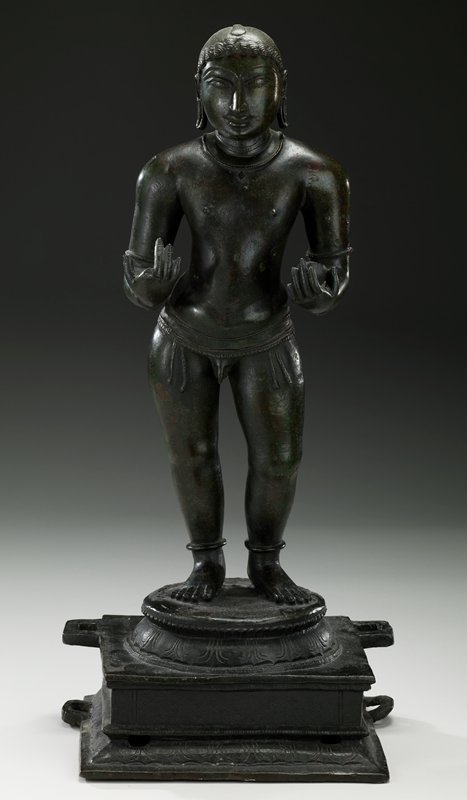
  3. Child Shaiva Saint Sambandar
Child Shaiva Saint Sambandar, 15th century

Child Shaiva Saint Sambandar

15th century · Sculpture · 53.34 × 22.86 cm

Sulla scultura

Sambandar was one of 63 saints who lived between the sixth and ninth centuries, and composed hymns extolling Shiva. As models for the devotee, they became holy persons in their own rite. Sambandar was the youngest saint, and he is depicted as a minimally adorned, standing infant, whose right index finger would have pointed upwards. It is said that he was left alone in a temple and began to cry from hunger. In response, the goddess Uma emerged from an image of herself on the temple ceiling and gave him a cup of milk, which is seen in the sculpture's left hand. Overcome with joy, Sambandar began to sing in praise of Shiva and Uma, all the while pointing to her image.

Minneapolis Institute of Art

Scheda

Numero di inventario
59.6

Nella stessa sala · G211, Minneapolis Institute of Art

Pagina del museo

Si può ammirare?

Sì, riceve visite

Minneapolis Institute of Art

Minneapolis, Stati Uniti

SalaG211

Esposta al pubblico. Chi lo garantisce è indicato qui sotto.

Verificato
3 giorni fa
Ultimo cambio di stato
25 set 2026
Fonte
Il museo
Sulla mappaPagina del museo

In catalogo

SculturaBronzoRinascimentoXV secoloIndia

Fonti

  • Minneapolis Institute of Art
  • Immagine: Minneapolis Institute of Art — public domain
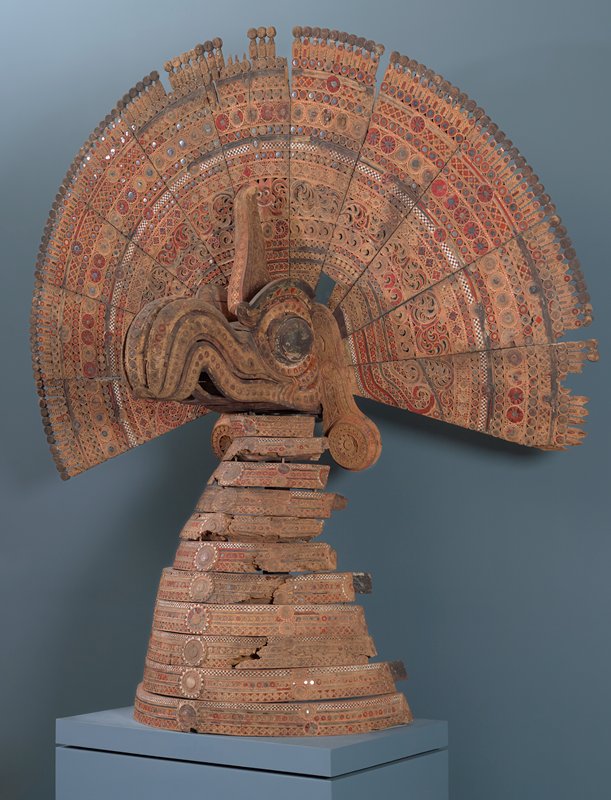
Processional image of a Large Swan (Velya Annam), 19th century

Processional image of a Large Swan (Velya Annam), 19th century

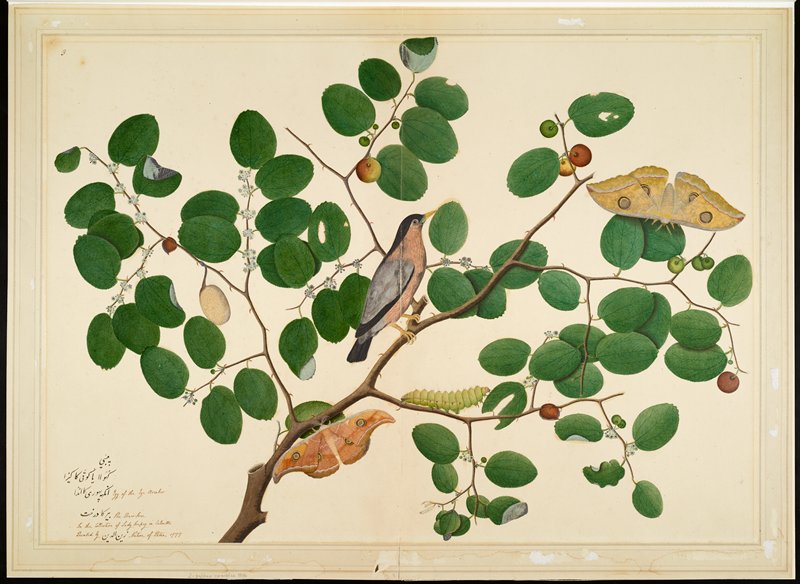
Brahminy Starling with Two Antheraea Moths, Caterpillar, and Cocoon on Indian Jujube Tree, Sheikh Zain al-Din, 1777

Sheikh Zain al-Din

Brahminy Starling with Two Antheraea Moths, Caterpillar, and Cocoon on Indian Jujube Tree, 1777

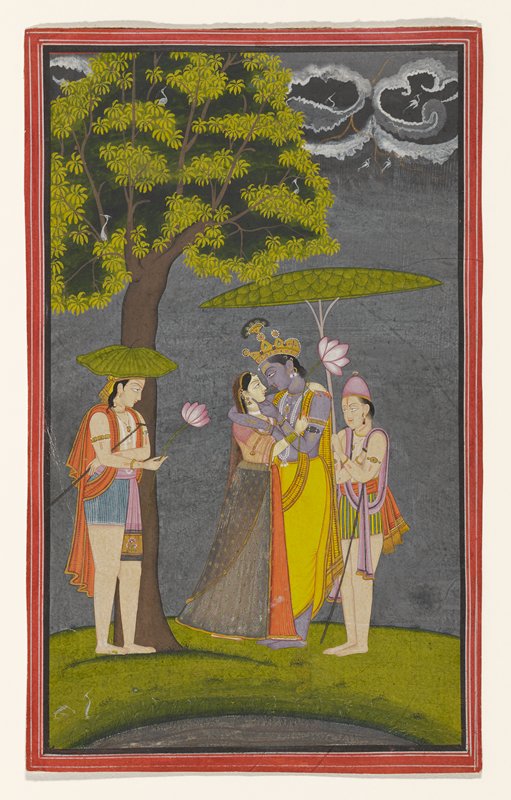
Krishna and Radha Sheltering from the Rain, Nurpur workshop, c. 1760

Nurpur workshop

Krishna and Radha Sheltering from the Rain, c. 1760

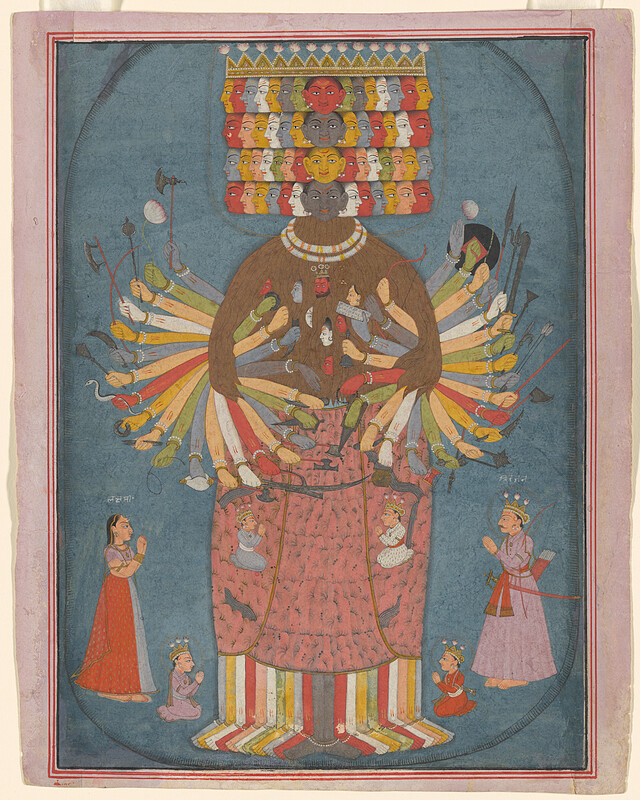
The Cosmic Form of Krishna, c. 1750–75

The Cosmic Form of Krishna, c. 1750–75

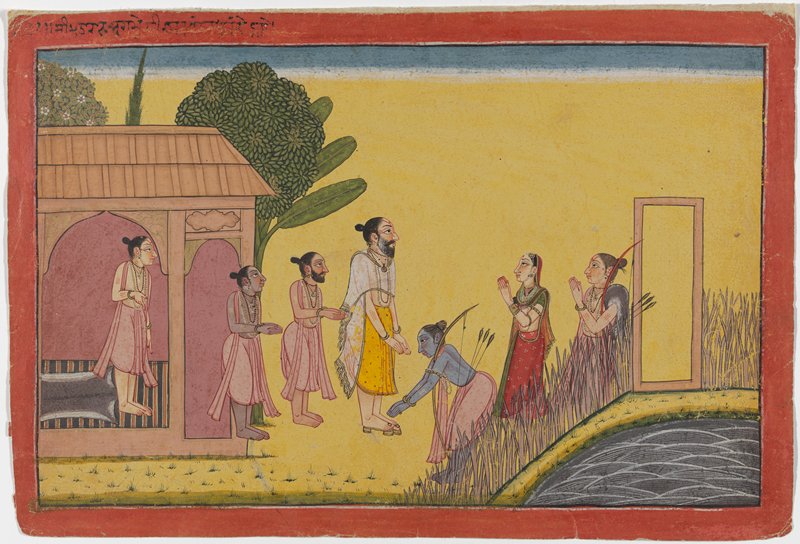
Folio from the Shangri Ramayana (Style IV): Rama, Sita, and Lakshmana Arriving at the Hermitage of Sage Agastya, Kulu or Mandi workshop, c. 1730

Kulu or Mandi workshop

Folio from the Shangri Ramayana (Style IV): Rama, Sita, and Lakshmana Arriving at the Hermitage of Sage Agastya, c. 1730

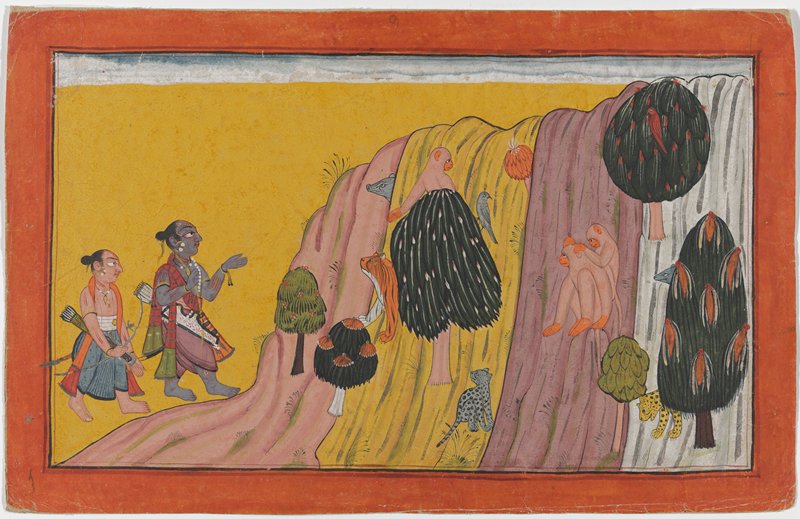
Illustration to the Shangri Ramayana (Style III): Rama and Lakshmana Arriving at the Rishyamukha Hill, Kulu or Mandi workshop, c. 1700

Kulu or Mandi workshop

Illustration to the Shangri Ramayana (Style III): Rama and Lakshmana Arriving at the Rishyamukha Hill, c. 1700

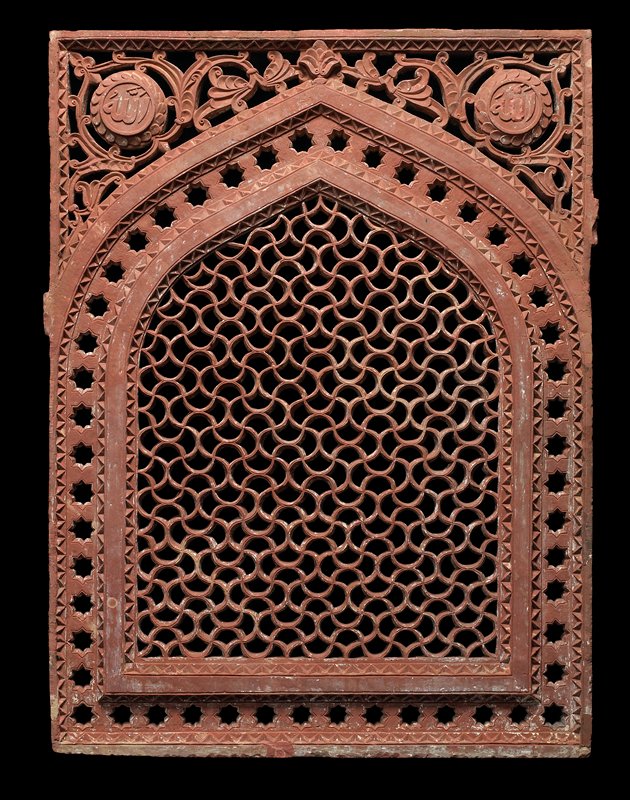
Jali (window screen), c. 1600–20

Jali (window screen), c. 1600–20

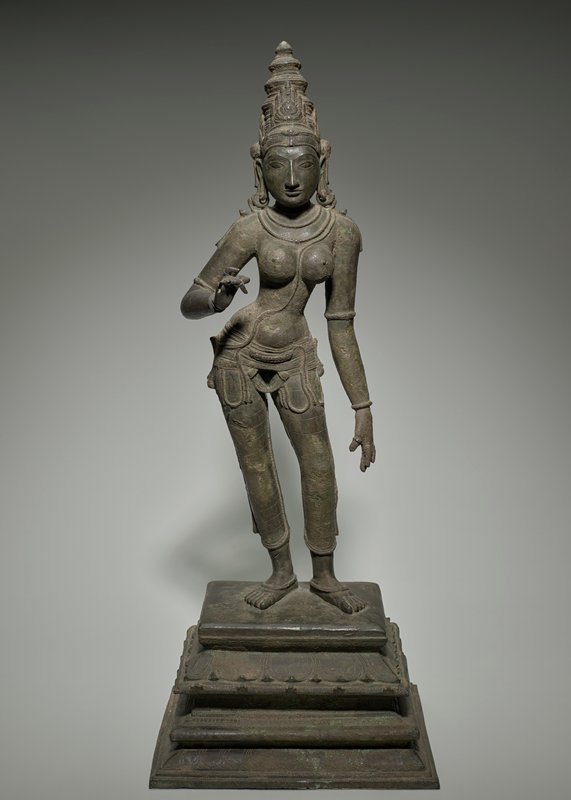
Devi Uma Parameshvari, Great Goddess Uma, 13th century

Devi Uma Parameshvari, Great Goddess Uma, 13th century