 Alfred StevensRegno Unito, 1817–1875
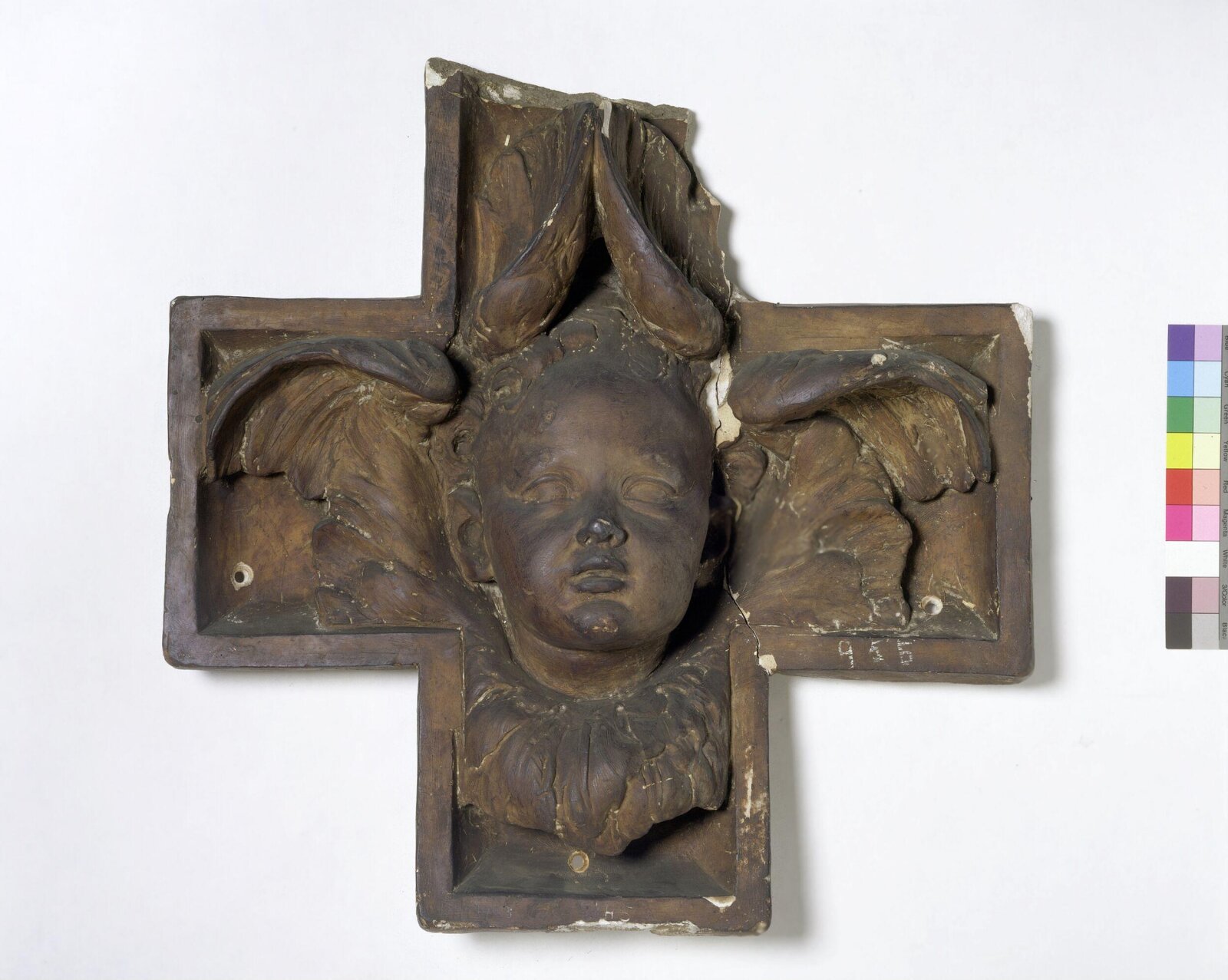
Cherub head
Si può ammirare?
Al momento non riceve

Victoria and Albert Museum
Londra, Regno Unito
Appartiene alla collezione, ma al momento non è esposta.
- Verificato
- Ultimo cambio di stato
- Fonte
- I dati di collezione del museo stesso
About the sculpture
This is the original model by Alfred Stevens for the bronze cherubs in the soffit of the Wellington monument in St. Paul's Cathedral north aisle, where Wellington is buried. It depicts a six-winged cherub within a hollow Greek cross of slightly concave form.
A sculptor, designer and painter, Alfred Stevens (1817/18-1875) rejected contemporary distinctions between fine art and design. From 1850 to 1857 he was chief designer to Hoole & Co., Sheffield, where he produced award-winning designs for metalwork, majolica, terracotta ornaments and chimney-pieces.
Read on
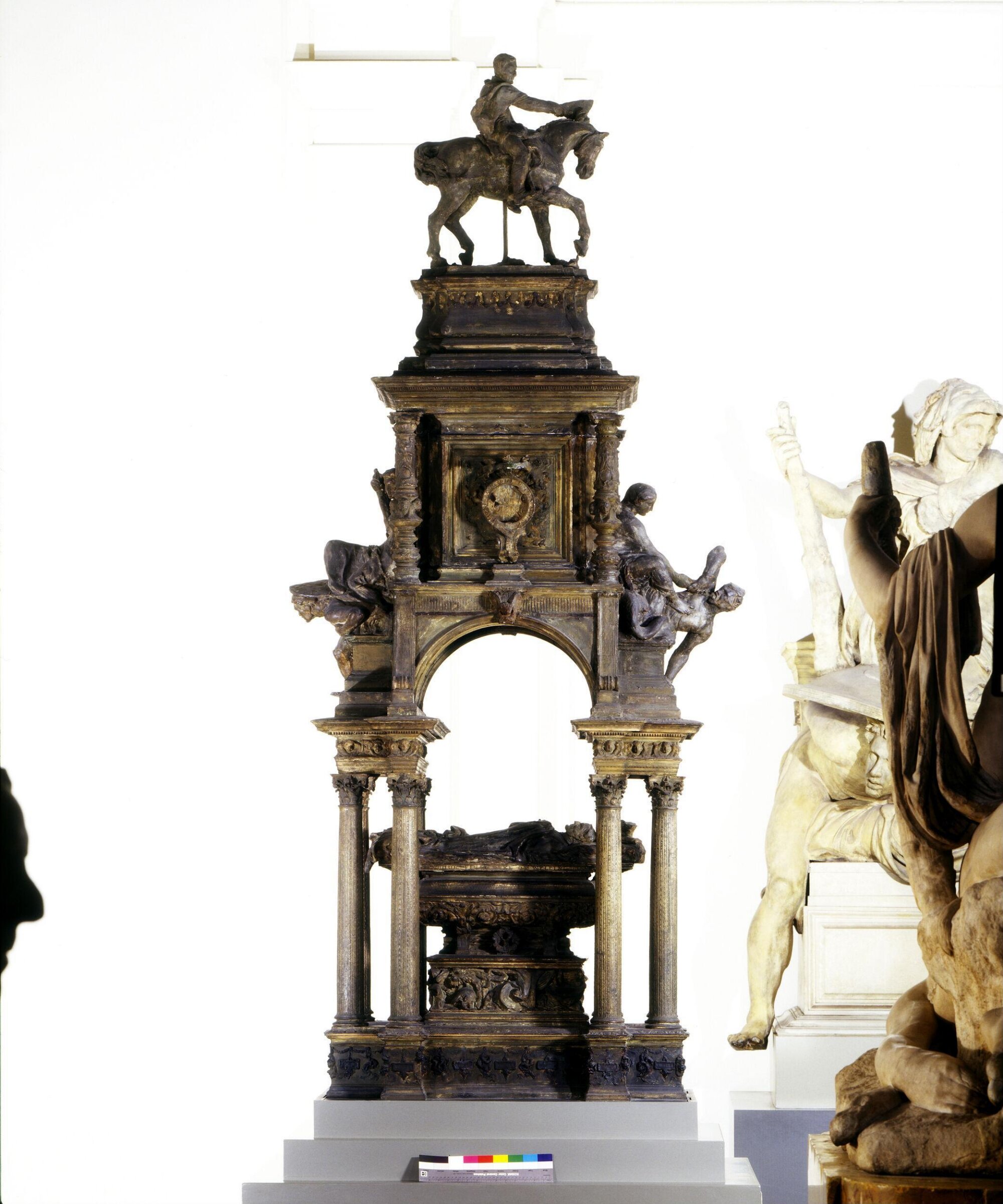
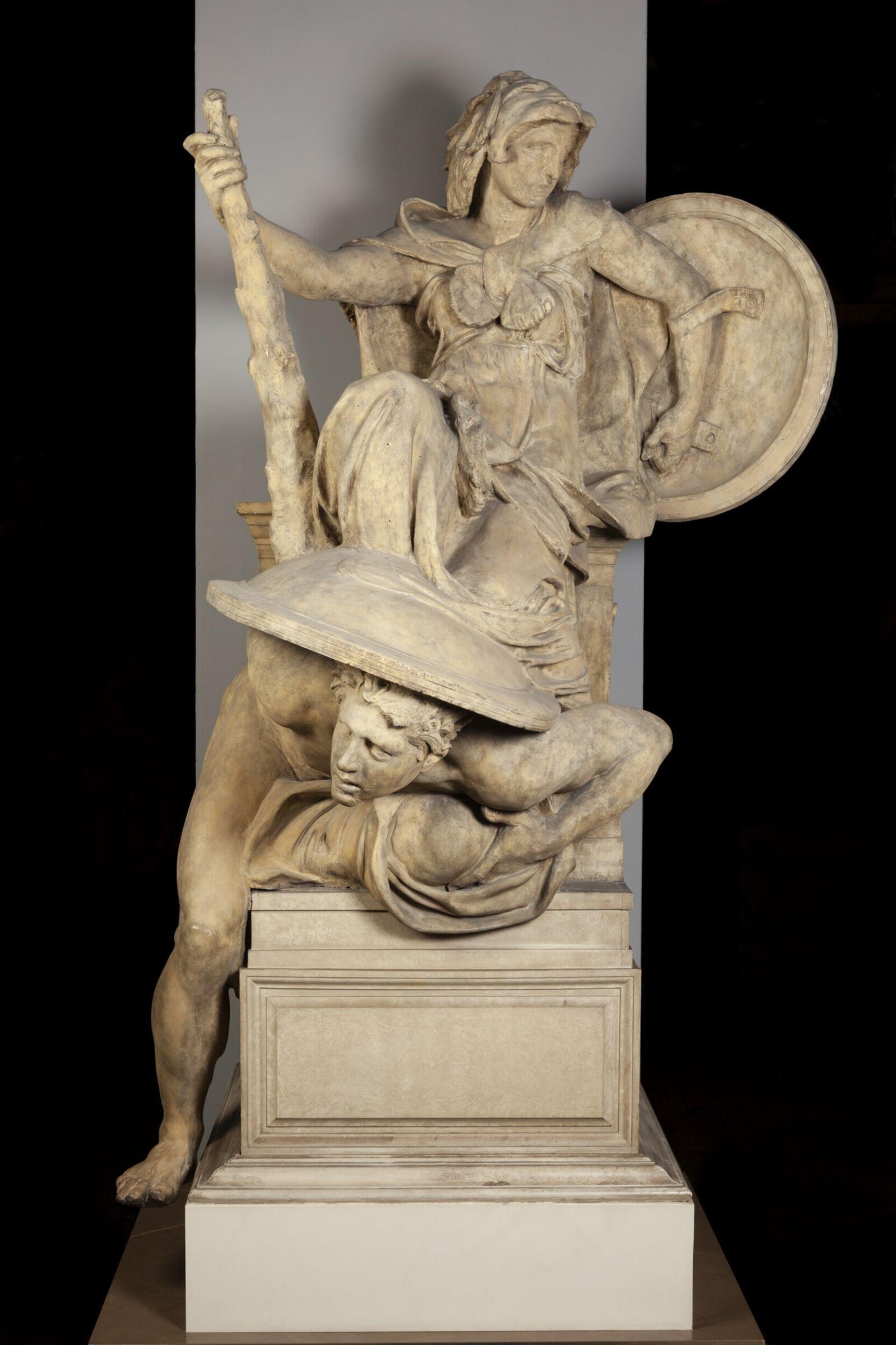
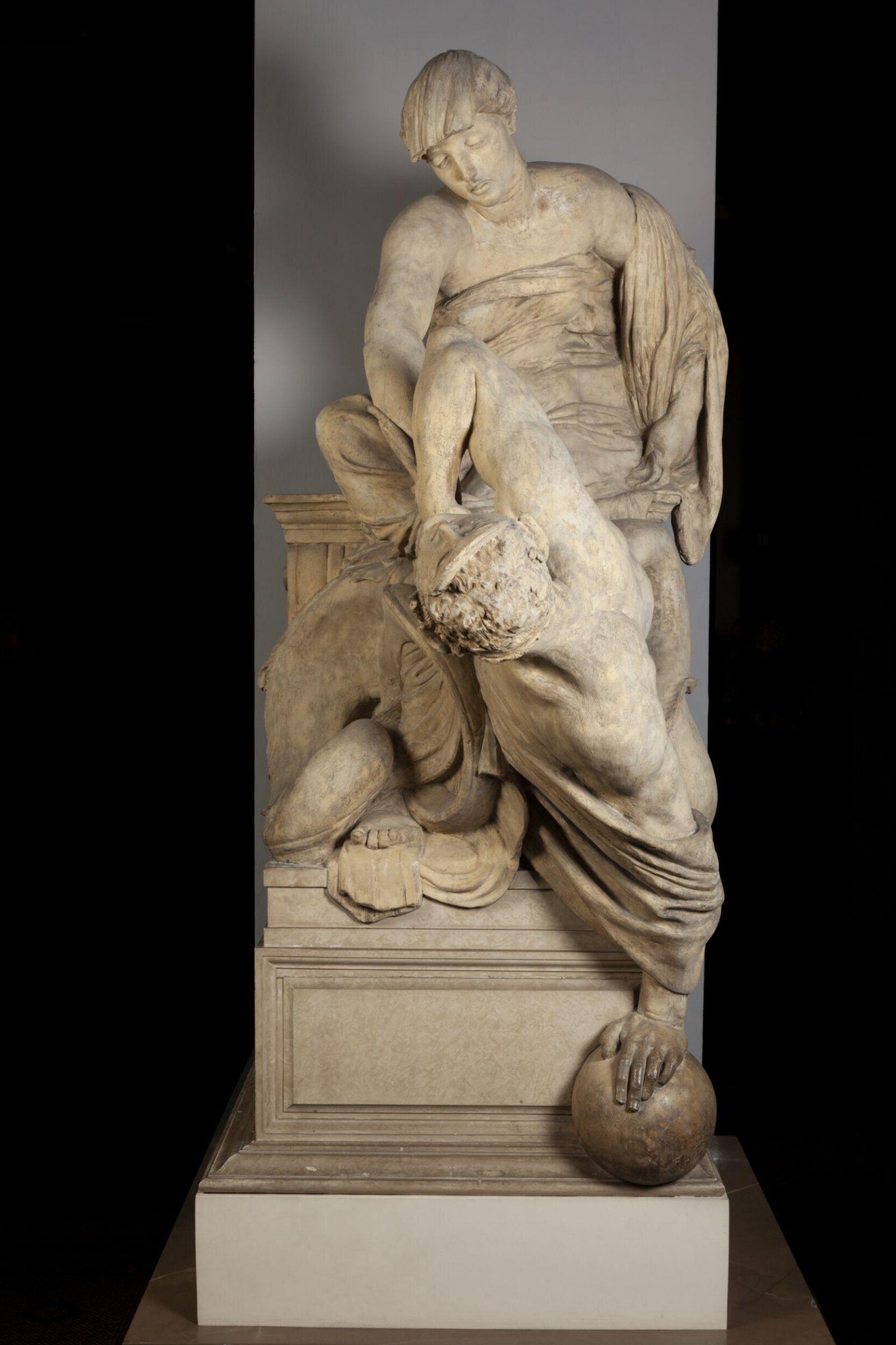
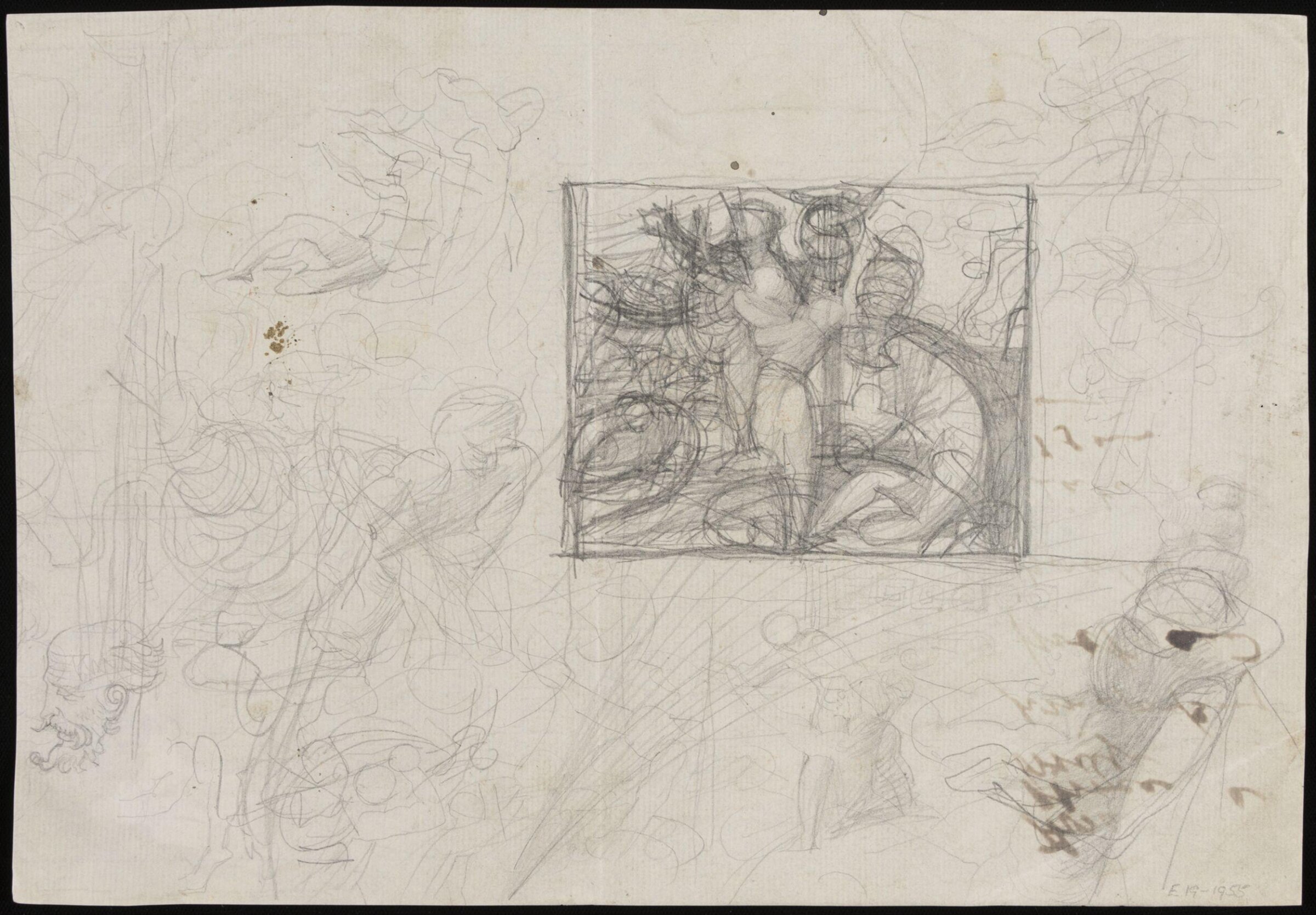
Perhaps his two greatest works were the decorations for the dining-room at Dorchester House, London (about 1856), for which he made countless drawings inspired by the Italian High Renaissance style, in particular the work of Michelangelo and the monument to the Duke of Wellington for St Paul's Cathedral, London, which was completed after his death. The two allegorical groups from this monument made a lasting impact on the New Sculpture movement. The influence of the Italian Renaissance is evident in much of Steven's work, and is perhaps best reflected in the Wellington monument.
Born in Dublin, 1st May 1769, died at Walmer Castle, Kent, 14th September 1852, Arthur Wellesley, later the 1st Duke of Wellington, was Britain's greatest military commander. His brilliant tactics and leadership brought about major victories over the French in the Peninsular War of 1808-1814 and, most famously, at Waterloo on 18 June 1815. The Duke then became a politician (Prime Minister from 1828-1830) and distinguished elder statesman.
Victoria and Albert Museum
Scheda
- Numero di inventario
- 955-1903
What it shows
In catalogo
Fonti
- Victoria and Albert Museum: the museum's own open data · acquisita 11 giorni fa
- Immagine: Victoria and Albert Museum — © Victoria and Albert Museum, London