ART WIKI32.963 in sala
MappaCollezioneArtistiMuseiMostreRivista
Accedi

ART WIKI

Dove è appeso il capolavoro, e quando si può entrare.

Collezioni: Art Institute of Chicago, Cleveland Museum of Art, Ermitage, Galleria Tret'jakov, Getty Museum, Harvard Art Museums, Hirshhorn Museum and Sculpture Garden, Metropolitan Museum of Art, Minneapolis Institute of Art, Museo del Louvre, Museo Puškin delle belle arti, Museo russo, Museum of Modern Art, National Gallery of Art, National Museum of Asian Art, National Portrait Gallery, Rijksmuseum, Smithsonian American Art Museum, Statens Museum for Kunst, Victoria and Albert Museum, Villa Getty, Whitney Museum of American Art, Catalogo statale del fondo museale russo (274 musei), Europeana (19 musei), Wikidata (6 musei), Paris Musées (12 musei) e Joconde, la banca dati dei musei del Ministero della Cultura francese (495 musei). Le immagini appartengono ai titolari dei diritti.

Sezioni

  • Mappa
  • Ricerca
  • Collezione
  • Capolavori
  • Esposte ora
  • Artisti

Altro

  • Musei e gallerie
  • Mostre
  • Rivista
  • Da dove vengono i dati
  • Privacy e cookie
HomeMappaCatalogo
  1. Collezione/
  2. Victoria and Albert Museum/
  3. Brahma, Vishnu and Shiva
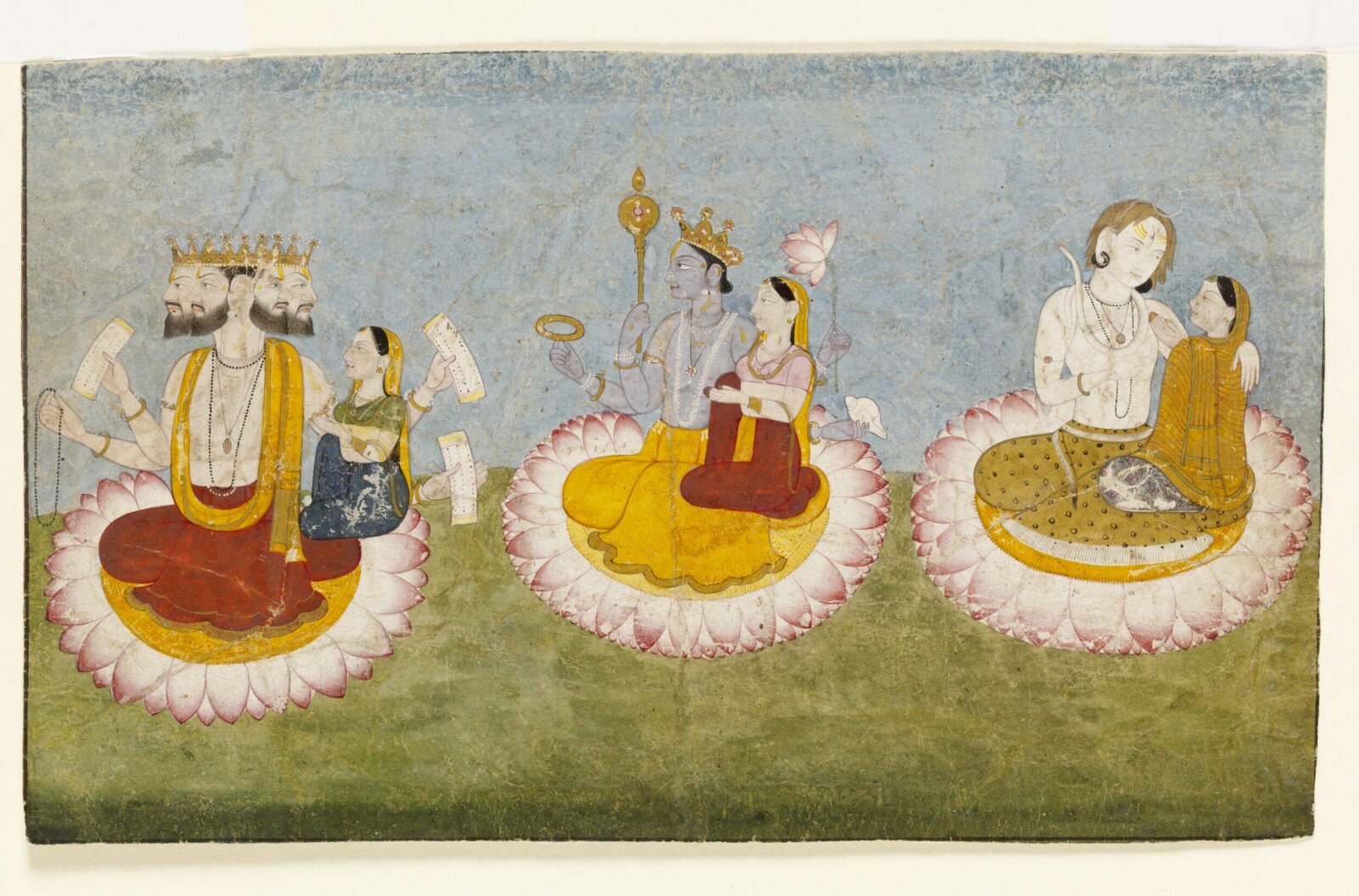
Brahma, Vishnu and Shiva, ca. 1770

Brahma, Vishnu and Shiva

ca. 1770 · Painting · 13.4 × 22.2 cm

Si può ammirare?

Al momento non riceve

Victoria and Albert Museum

Londra, Regno Unito

Appartiene alla collezione, ma al momento non è esposta.

Verificato
12 giorni fa
Ultimo cambio di stato
25 set 2026
Fonte
Il museo
Sulla mappaPagina del museo

Sul dipinto

The three greatest Hindu deities are shown here together with their consorts. They are sometimes regarded as a trinity, who together represent aspects of the supreme godhead. The four-headed Brahma, holding copies of the oldest Indian sacred scriptures, the Vedas, together with his consort Saraswati, symbolises the power of creation. Next to him the blue Vishnu, with his consort Lakshmi, represents the energy that upholds and preserves creation. To their right Shiva, with his wife Parvati, embodies the power of destruction. All three divine couples sit on lotus flowers, which are one of the most ancient Indian symbols of purity and spiritual power. This painting may have been made for the enjoyment of a local nobleman or ruler and was probably the work of local artists in north-west India.

Victoria and Albert Museum

Scheda

Numero di inventario
IS.169-1951

Che cosa raffigura

DeitiesLotusVishnuKrishnaBrahmaSaraswatiLakshmiParvati

In catalogo

DipintiGuazzoRococòNeoclassicismoXVIII secoloPahariGuler

Fonti

  • Victoria and Albert Museum
  • Immagine: Victoria and Albert Museum — © Victoria and Albert Museum, London
Sotto lo stesso tetto: Victoria and Albert Museum

Pagina del museo
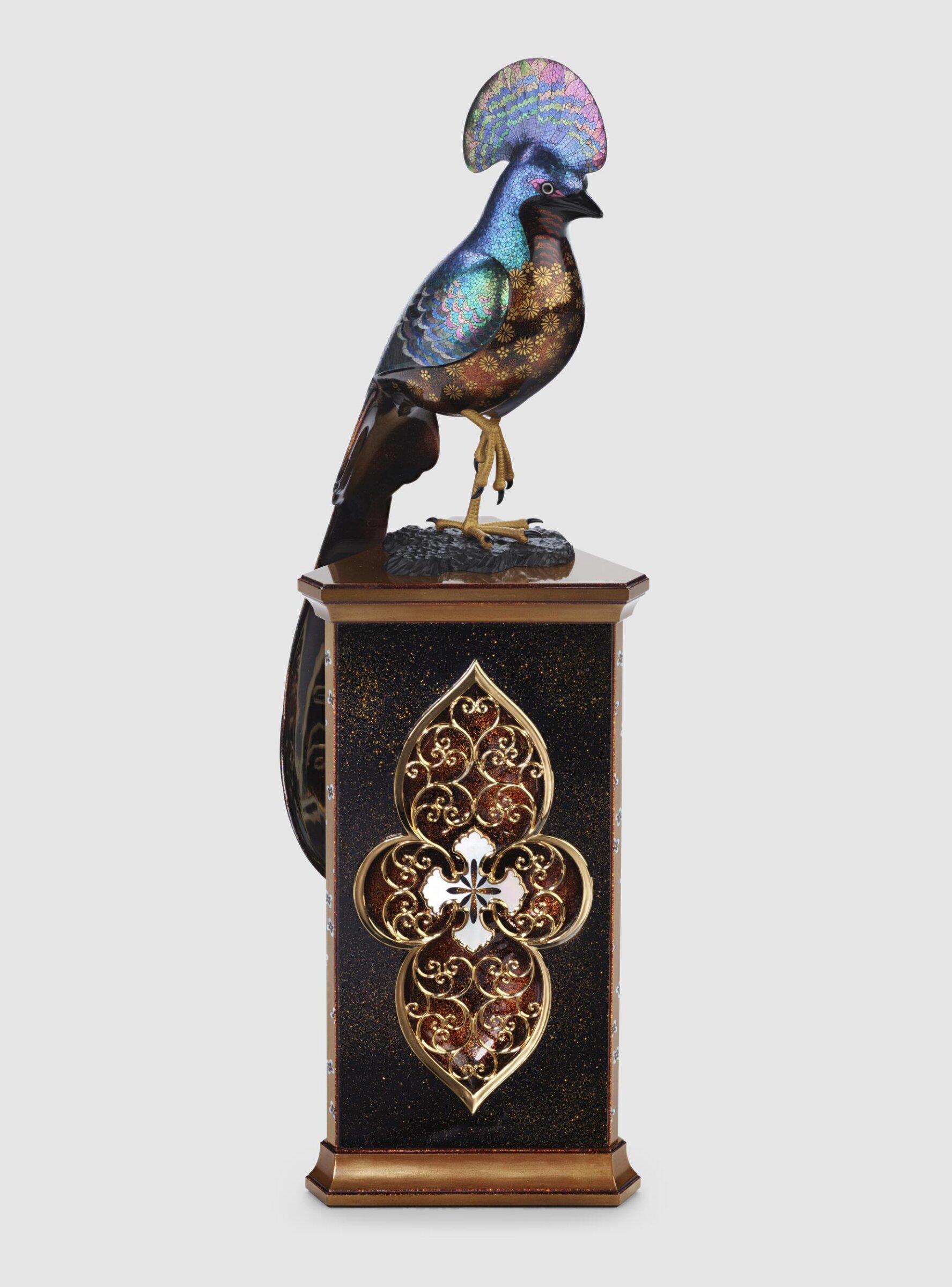
Bird of Paradise, Hashimoto Chitaka, 2026

Hashimoto Chitaka

Bird of Paradise, 2026

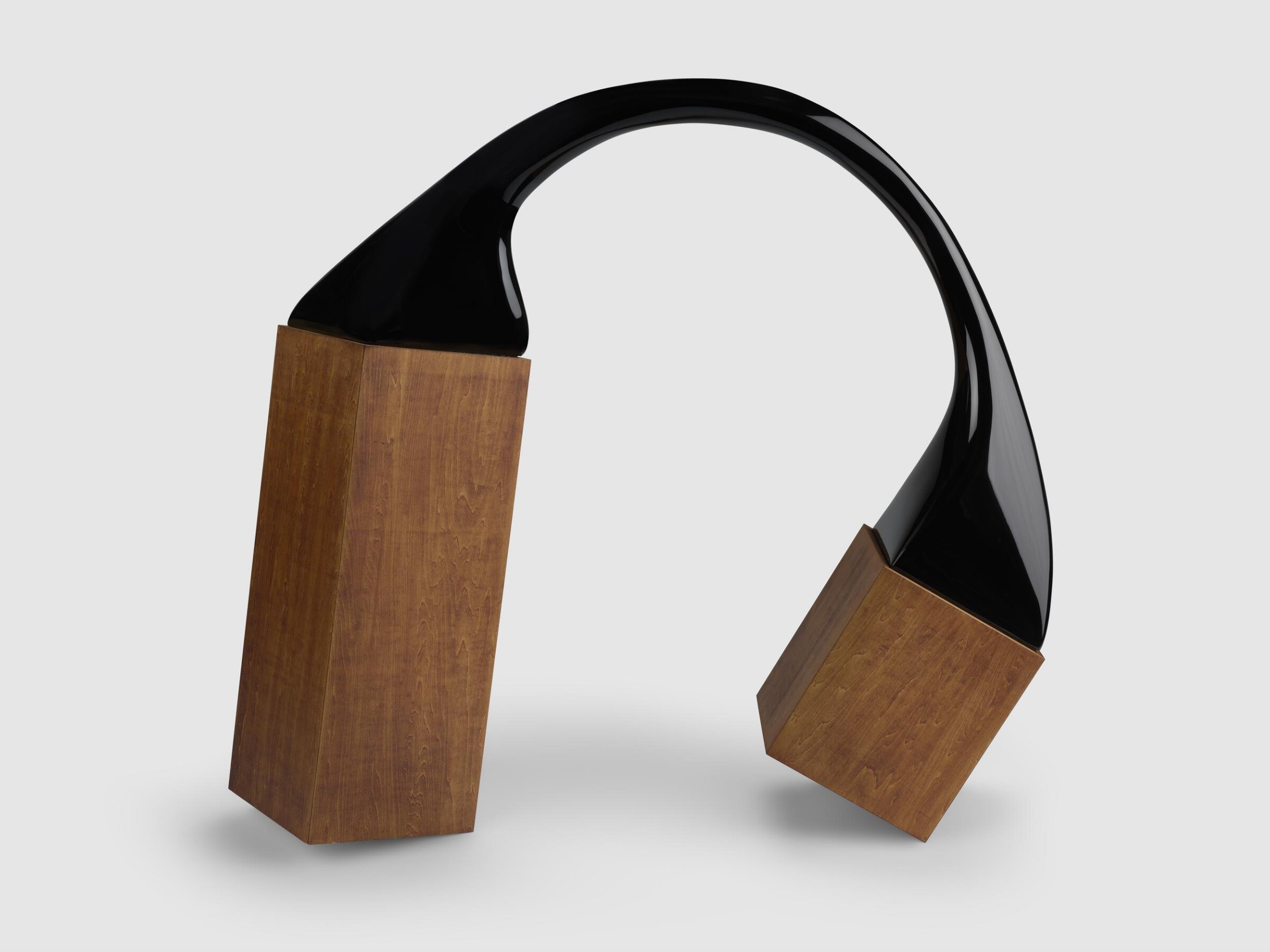
Torsion 2, Taruma Shoko, 2025

Taruma Shoko

Torsion 2, 2025

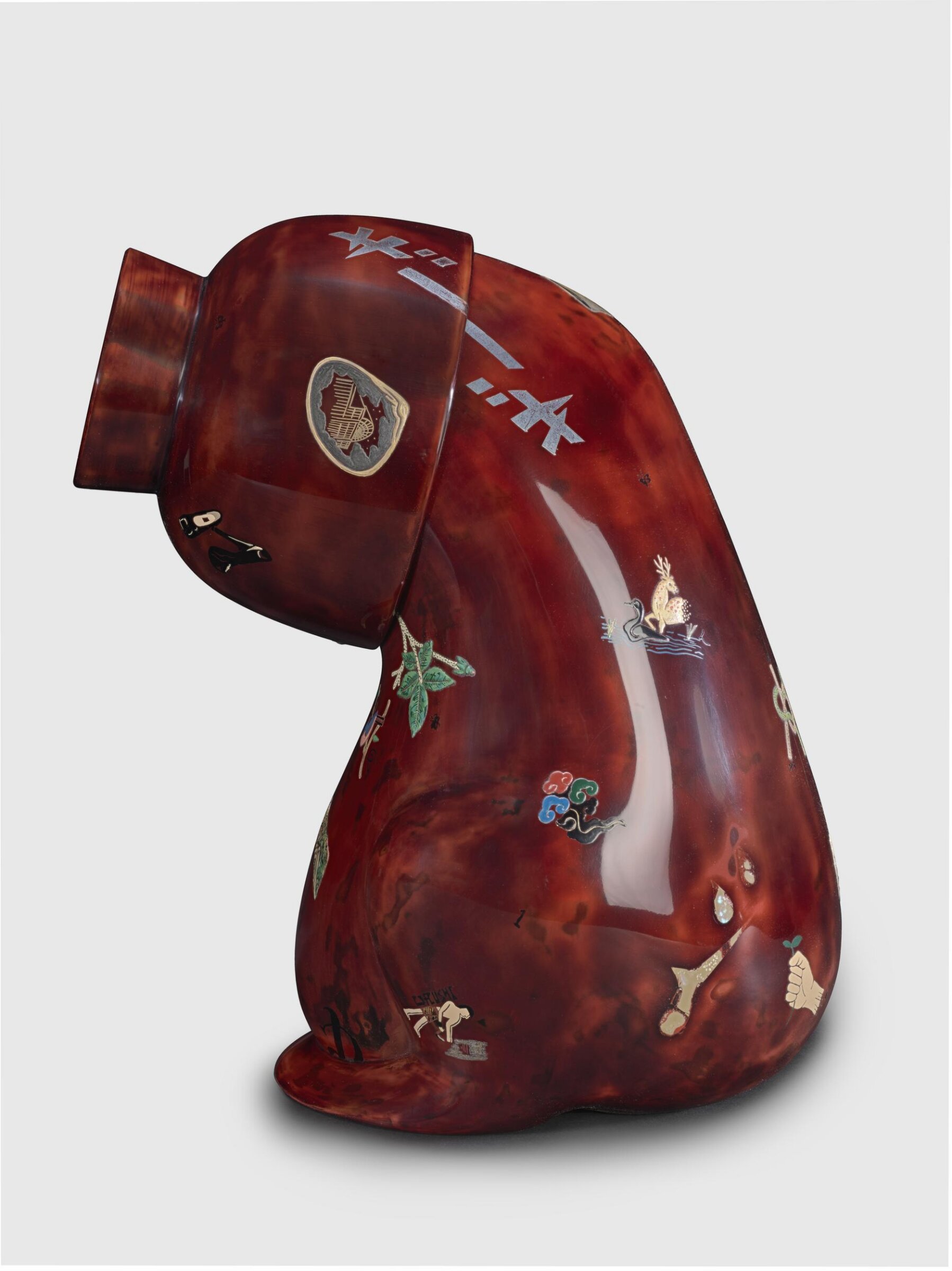
Fu, Someya Satoshi, 2025

Someya Satoshi

Fu, 2025

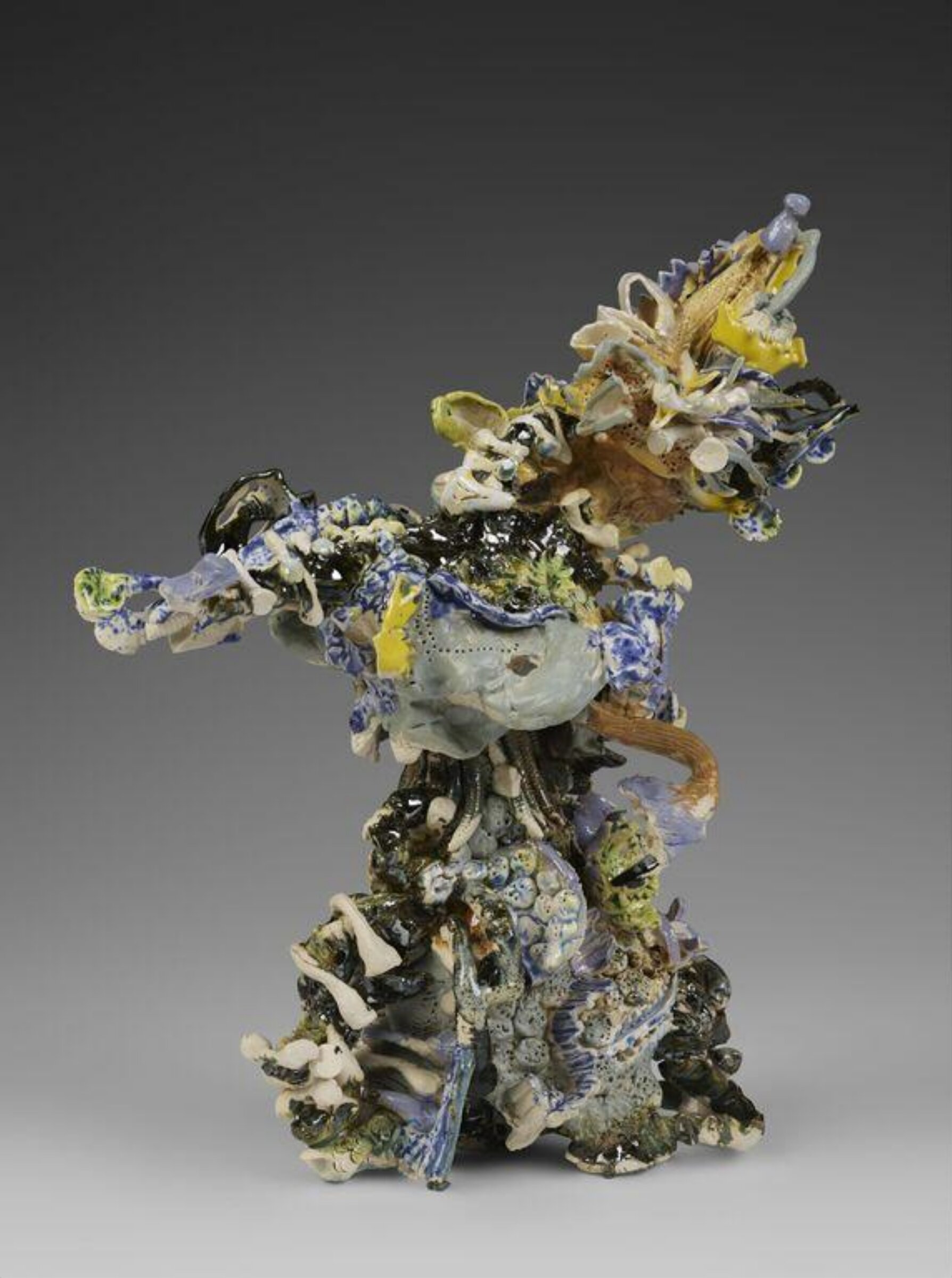
Bow Before the Curtain Falls, 2024

Bow Before the Curtain Falls, 2024

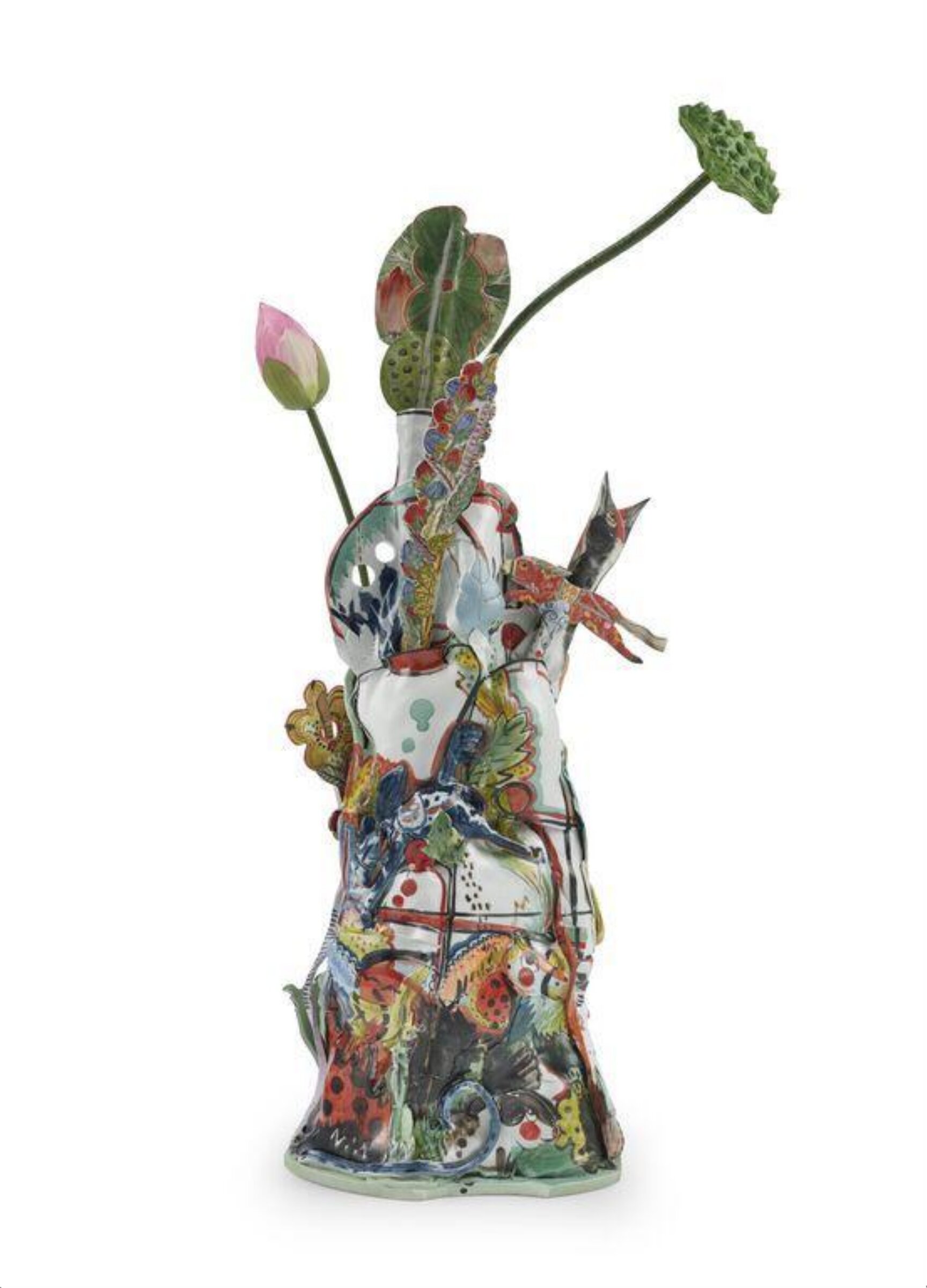
Summer, 2024

Summer, 2024

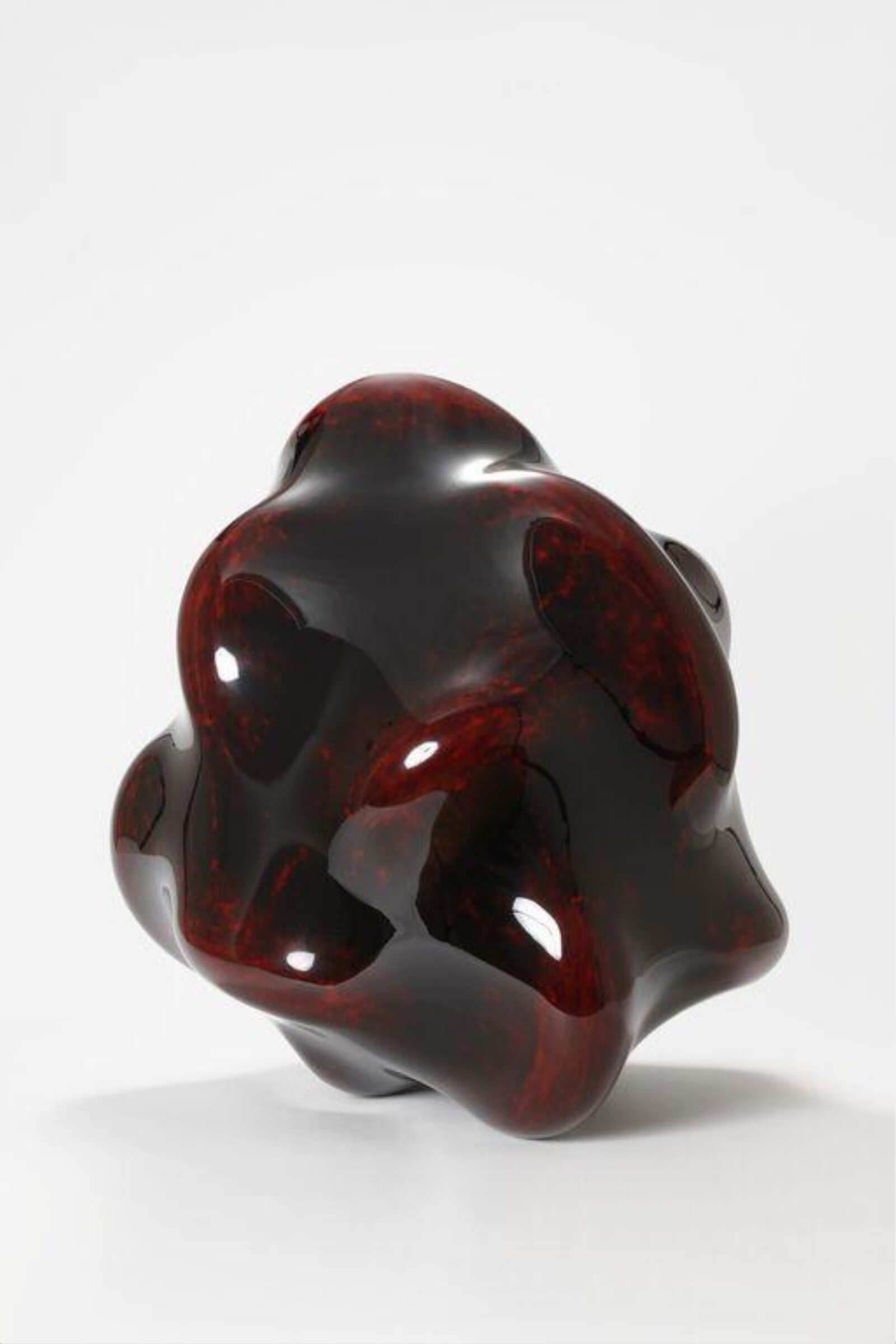
Red Flow, Ishizuka Genta, 2024

Ishizuka Genta

Red Flow, 2024

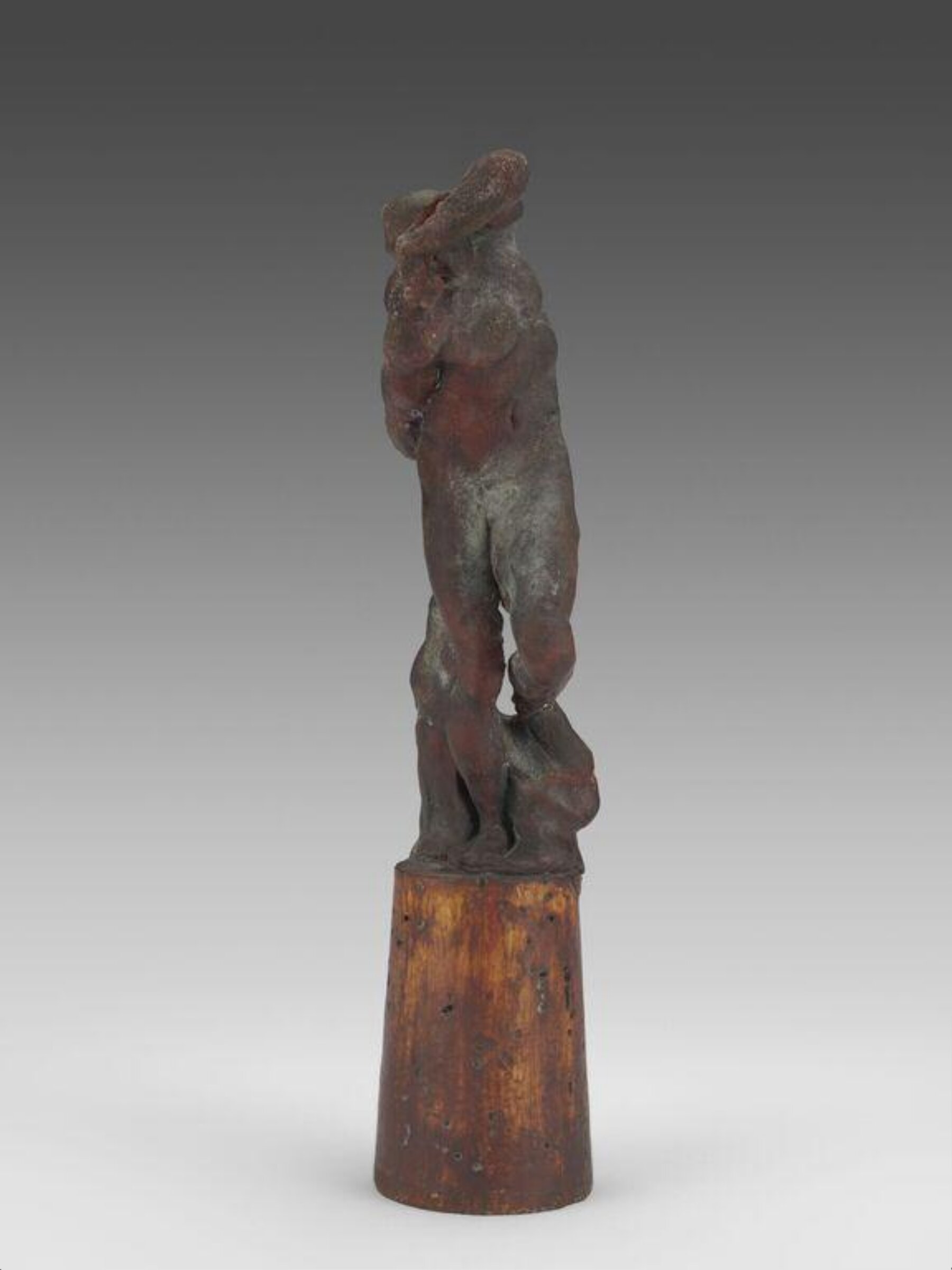
3D replica of Michelangelo's Prisoner (4117-1854), Factum Arte, 2024

Factum Arte

3D replica of Michelangelo's Prisoner (4117-1854), 2024

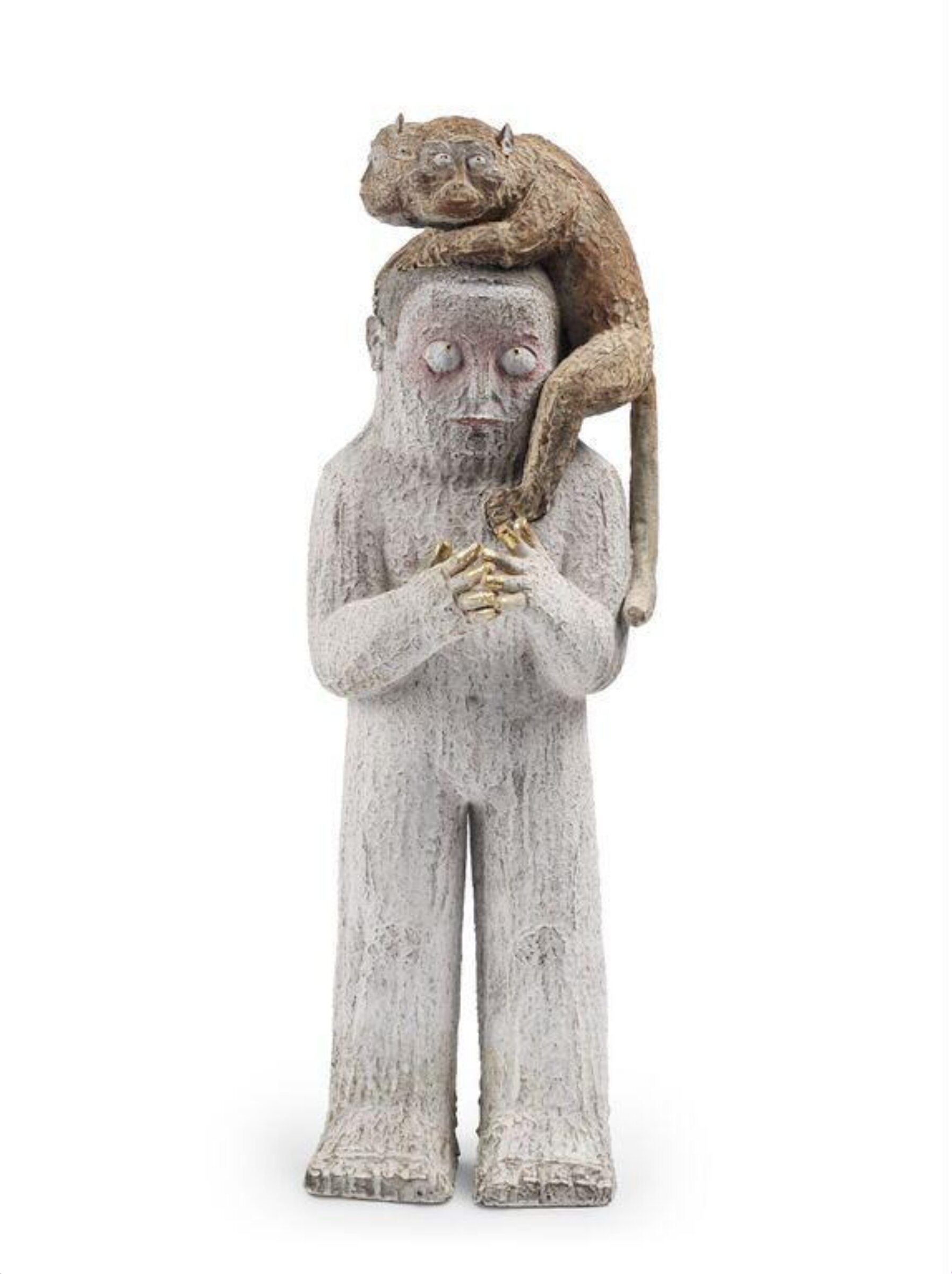
Sculpture, ‘Co-Existence – the Man and the Monkey’, Zhao Lin, 2024

Zhao Lin

Sculpture, ‘Co-Existence – the Man and the Monkey’, 2024