ART WIKI32.963 in sala
MappaCollezioneArtistiMuseiMostreRivista
Accedi

ART WIKI

Dove è appeso il capolavoro, e quando si può entrare.

Collezioni: Art Institute of Chicago, Cleveland Museum of Art, Ermitage, Galleria Tret'jakov, Getty Museum, Harvard Art Museums, Hirshhorn Museum and Sculpture Garden, Metropolitan Museum of Art, Minneapolis Institute of Art, Museo del Louvre, Museo Puškin delle belle arti, Museo russo, Museum of Modern Art, National Gallery of Art, National Museum of Asian Art, National Portrait Gallery, Rijksmuseum, Smithsonian American Art Museum, Statens Museum for Kunst, Victoria and Albert Museum, Villa Getty, Whitney Museum of American Art, Catalogo statale del fondo museale russo (274 musei), Europeana (19 musei), Wikidata (6 musei), Paris Musées (12 musei) e Joconde, la banca dati dei musei del Ministero della Cultura francese (495 musei). Le immagini appartengono ai titolari dei diritti.
Sezioni

  • Mappa
  • Ricerca
  • Collezione
  • Capolavori
  • Esposte ora
  • Artisti

Altro

  • Musei e gallerie
  • Mostre
  • Rivista
  • Da dove vengono i dati
  • Privacy e cookie
HomeMappaCatalogo
  1. Collezione/
  2. Metropolitan Museum of Art/
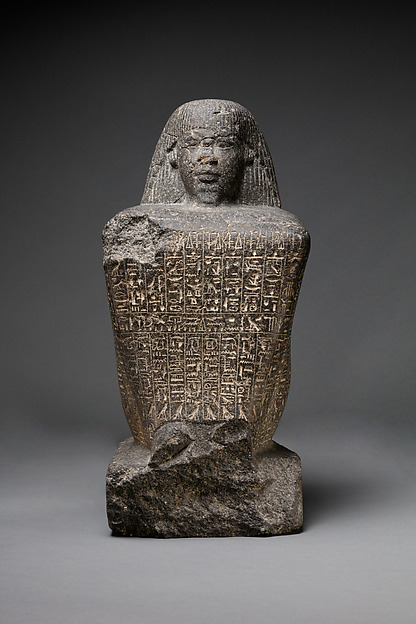
  3. Block statue of Hor
Block statue of Hor, ca. 1550–1300 BCE

Block statue of Hor

ca. 1550–1300 BCE · Block statue, Hor

Si può ammirare?

Sì, riceve visite

Metropolitan Museum of Art

New York, Stati Uniti

Sala117

Esposta al pubblico. Chi lo garantisce è indicato qui sotto.

Verificato
3 giorni fa
Ultimo cambio di stato
28 set 2026
Fonte
Il museo
Sulla mappaPagina del museo

Scheda

Numero di inventario
23.8

Nella stessa sala · Gallery 117, Metropolitan Museum of Art

Pagina del museo

Sullo stesso tema · Uomo

Tutte le opere sul tema

Che cosa raffigura

UomoHieroglyphs

In catalogo

SculturaPietraNew Kingdom

Fonti

  • Metropolitan Museum of Art
  • Immagine: Metropolitan Museum of Art — Open Access (CC0)
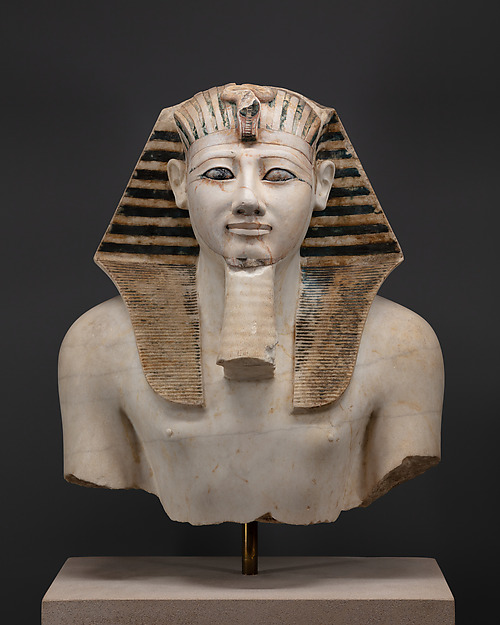
Upper part of a statue of Thutmose III, ca. 1479–1425 BCE

Upper part of a statue of Thutmose III, ca. 1479–1425 BCE

Statue of Kedamun and His Family, ca. 1550–1300 BCE

Statue of Kedamun and His Family, ca. 1550–1300 BCE

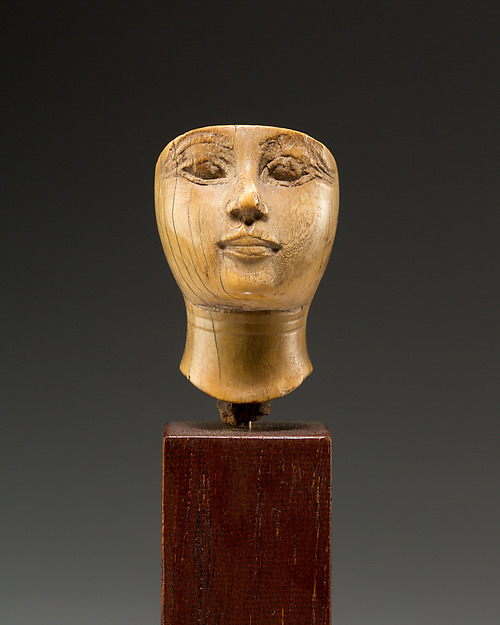
Head of a woman, ca. 1386–1347 BCE

Head of a woman, ca. 1386–1347 BCE

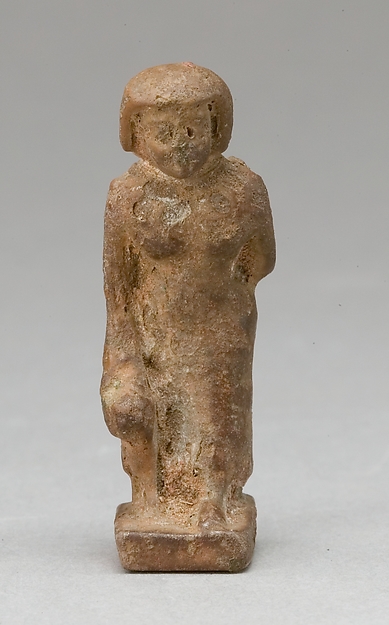
Woman Carrying a Child on Her Back and Leading an Animal, ca. 1550–1450 BCE

Woman Carrying a Child on Her Back and Leading an Animal, ca. 1550–1450 BCE

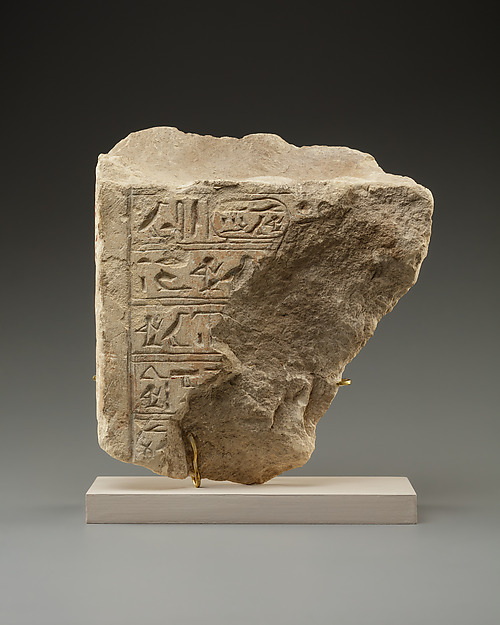
Stela fragment of Sebekemsaf, ca. 1564–1557 B.C.

Stela fragment of Sebekemsaf, ca. 1564–1557 B.C.

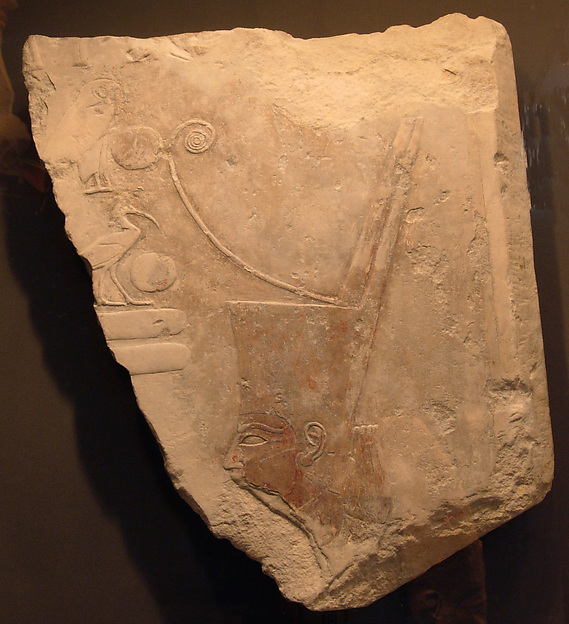
Relief with Head of King Ahmose Wearing the Red Crown, ca. 1550–1525 BCE

Relief with Head of King Ahmose Wearing the Red Crown, ca. 1550–1525 BCE

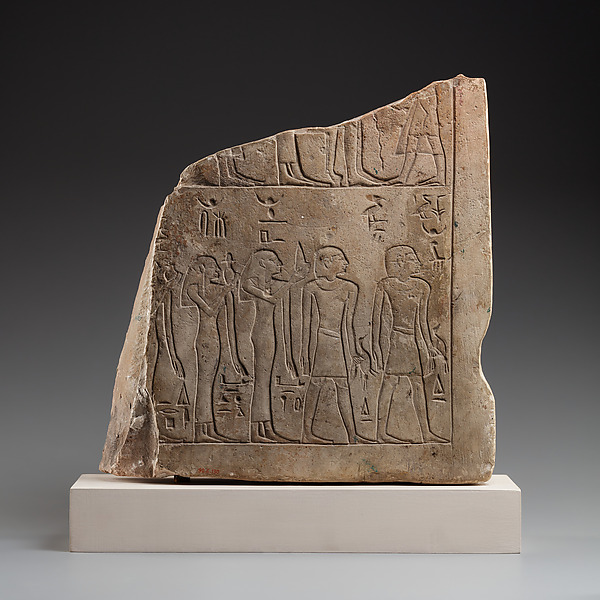
Stela, ca. 1550–1525 BCE

Stela, ca. 1550–1525 BCE

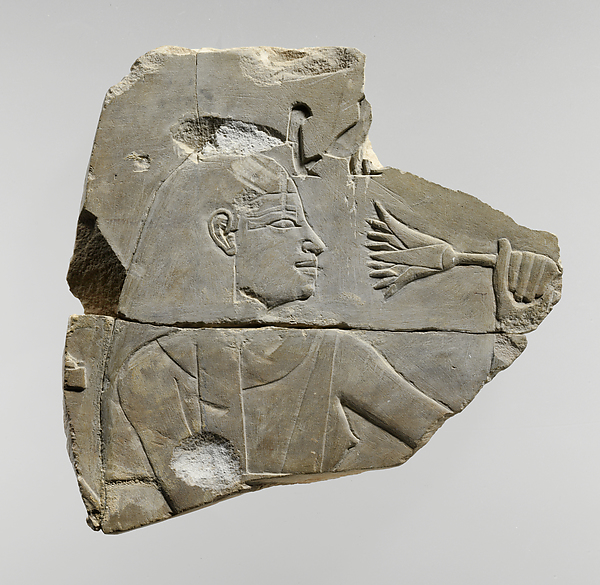
Mesu Smelling a Lotus, ca. 1525–1504 BCE

Mesu Smelling a Lotus, ca. 1525–1504 BCE

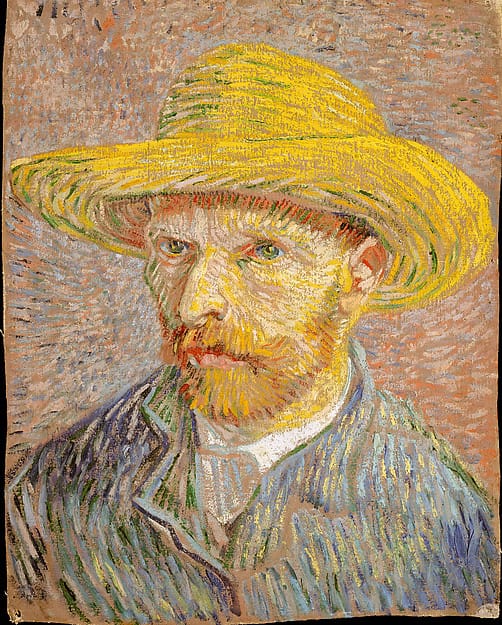
Self-Portrait with a Straw Hat (obverse: The Potato Peeler), Vincent van Gogh, 1887

Vincent van Gogh

Self-Portrait with a Straw Hat (obverse: The Potato Peeler), 1887

Metropolitan Museum of Art

Garden at Sainte-Adresse, Claude Monet, 1867

Claude Monet

La terrazza a Sainte-Adresse, 1867

Metropolitan Museum of Art

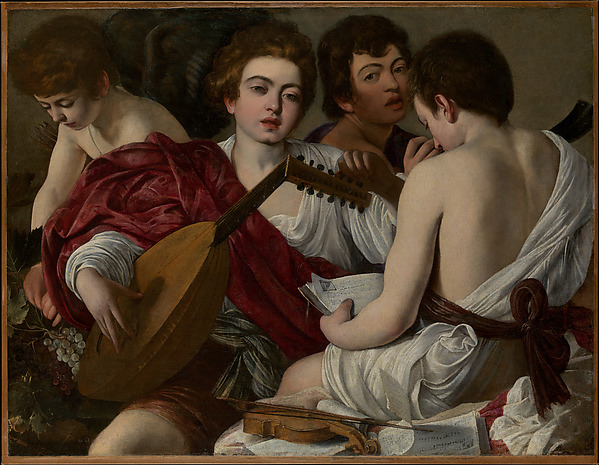
The Musicians, Caravaggio, 1597

Caravaggio

I Musici, 1597

Metropolitan Museum of Art

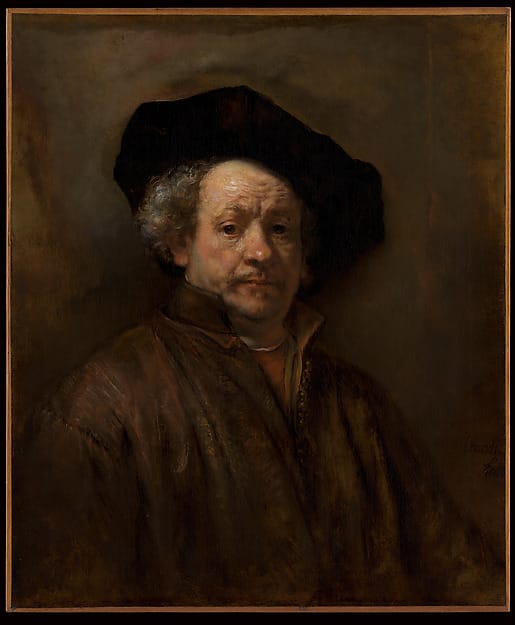
Self-Portrait, Rembrandt van Rijn, 1660

Rembrandt van Rijn

Self-Portrait, 1660

Metropolitan Museum of Art

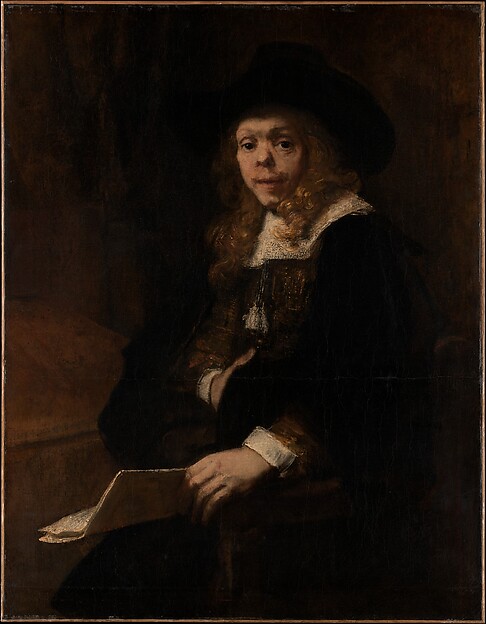
Portrait of Gerard de Lairesse, Rembrandt van Rijn, 1665–67

Rembrandt van Rijn

Portrait of Gerard de Lairesse, 1665–67

Metropolitan Museum of Art

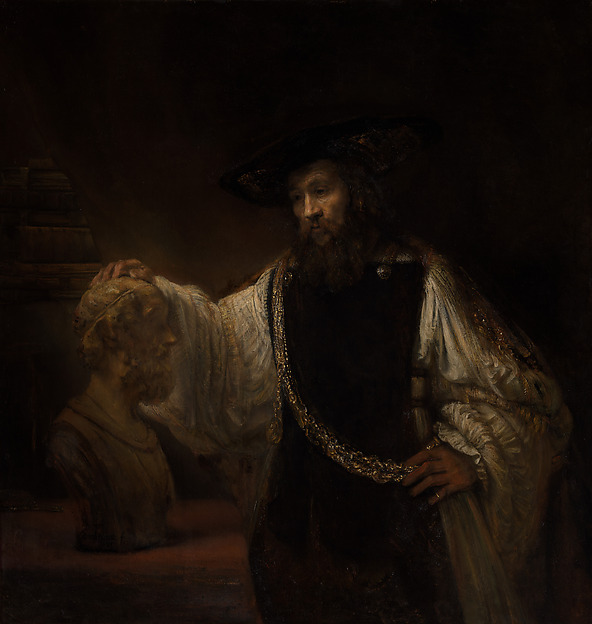
Aristotle with a Bust of Homer, Rembrandt, 1653

Rembrandt van Rijn

Aristotele contempla il busto di Omero, 1653

Metropolitan Museum of Art

Young Sailor II, Henri Matisse, 1906

Henri Matisse

Young Sailor II, 1906

Metropolitan Museum of Art

Rubens, Helena Fourment (1614–1673), and Their Son Frans (1633–1678), Peter Paul Rubens, ca. 1635

Peter Paul Rubens

Rubens, Helena Fourment (1614–1673), and Their Son Frans (1633–1678), ca. 1635

Metropolitan Museum of Art