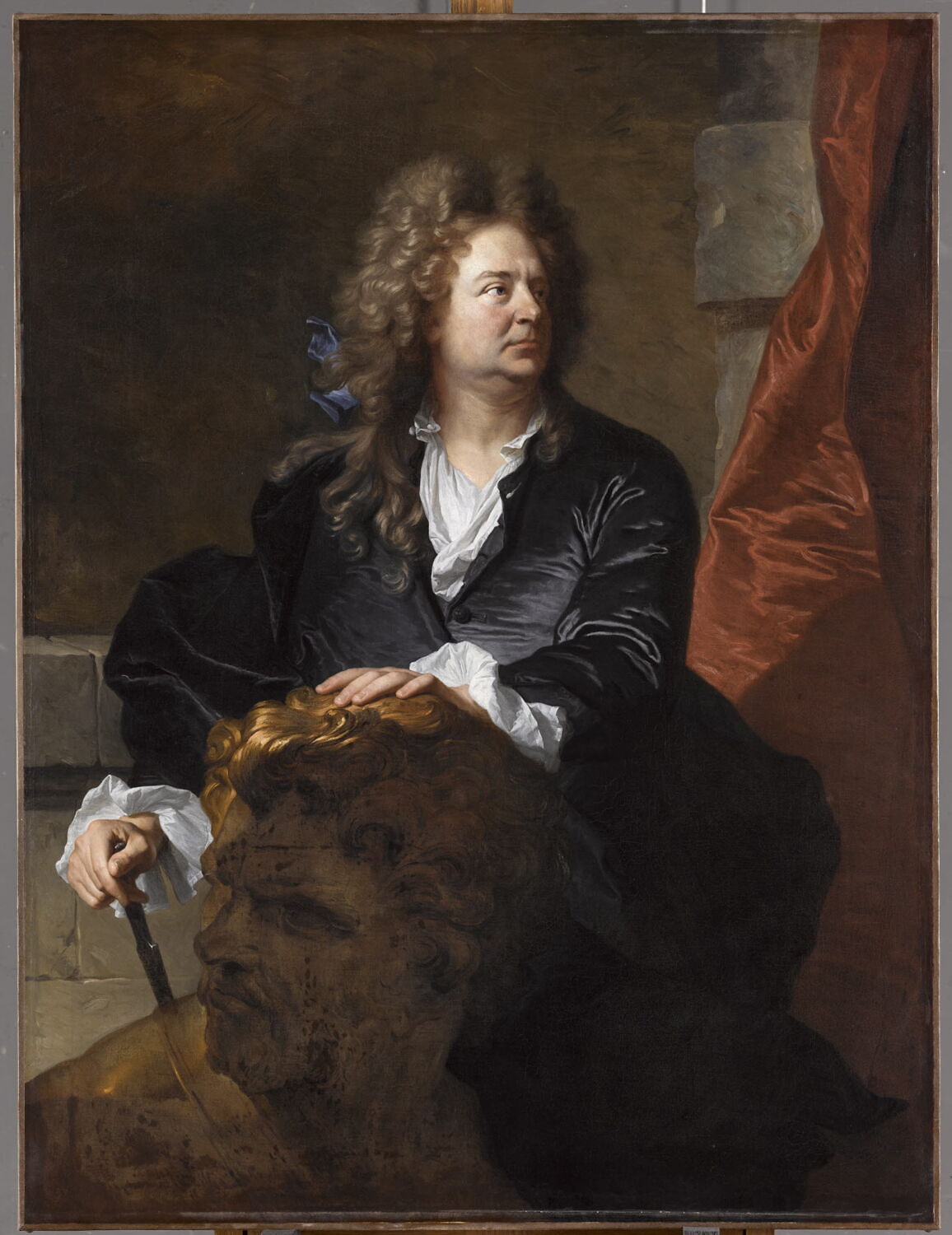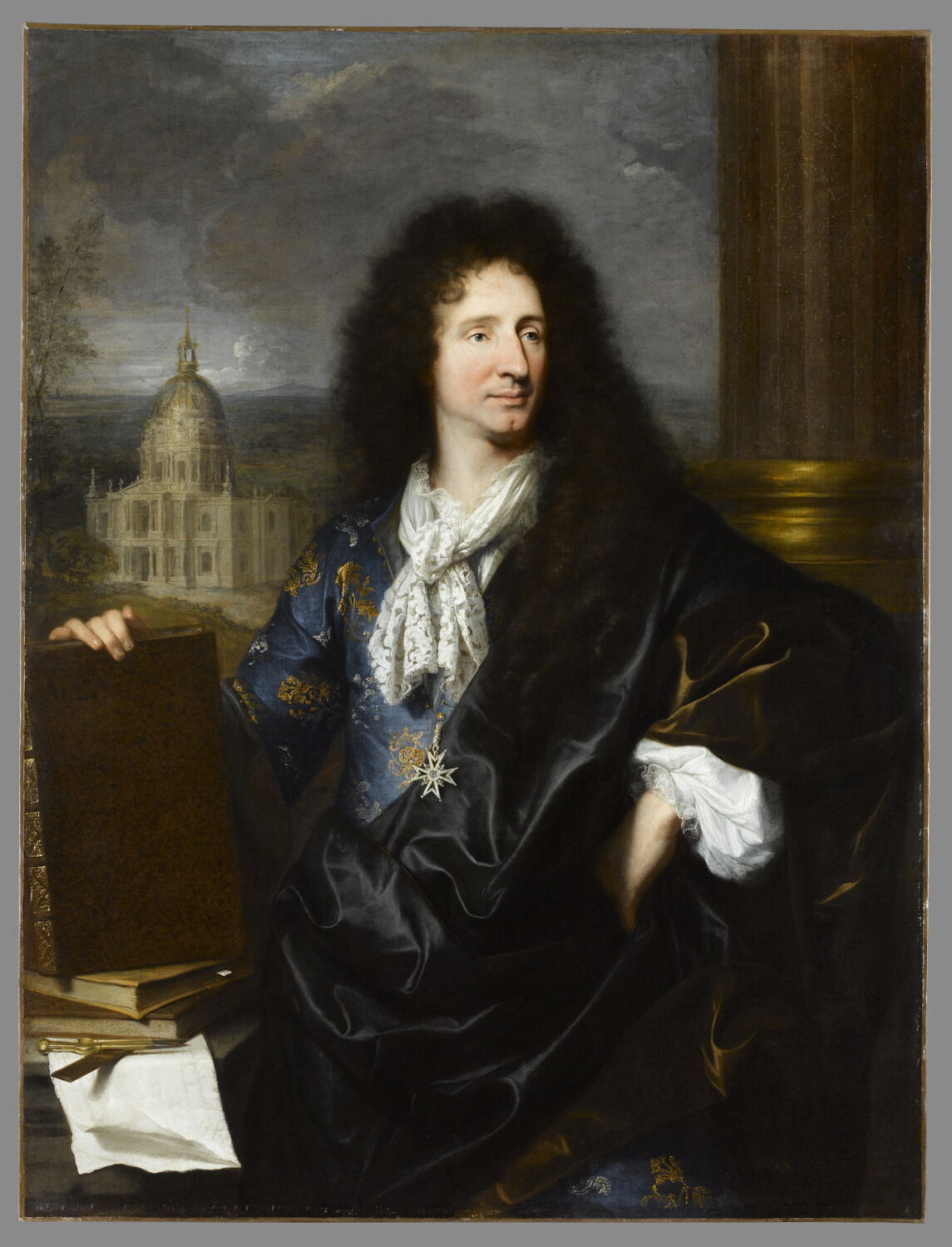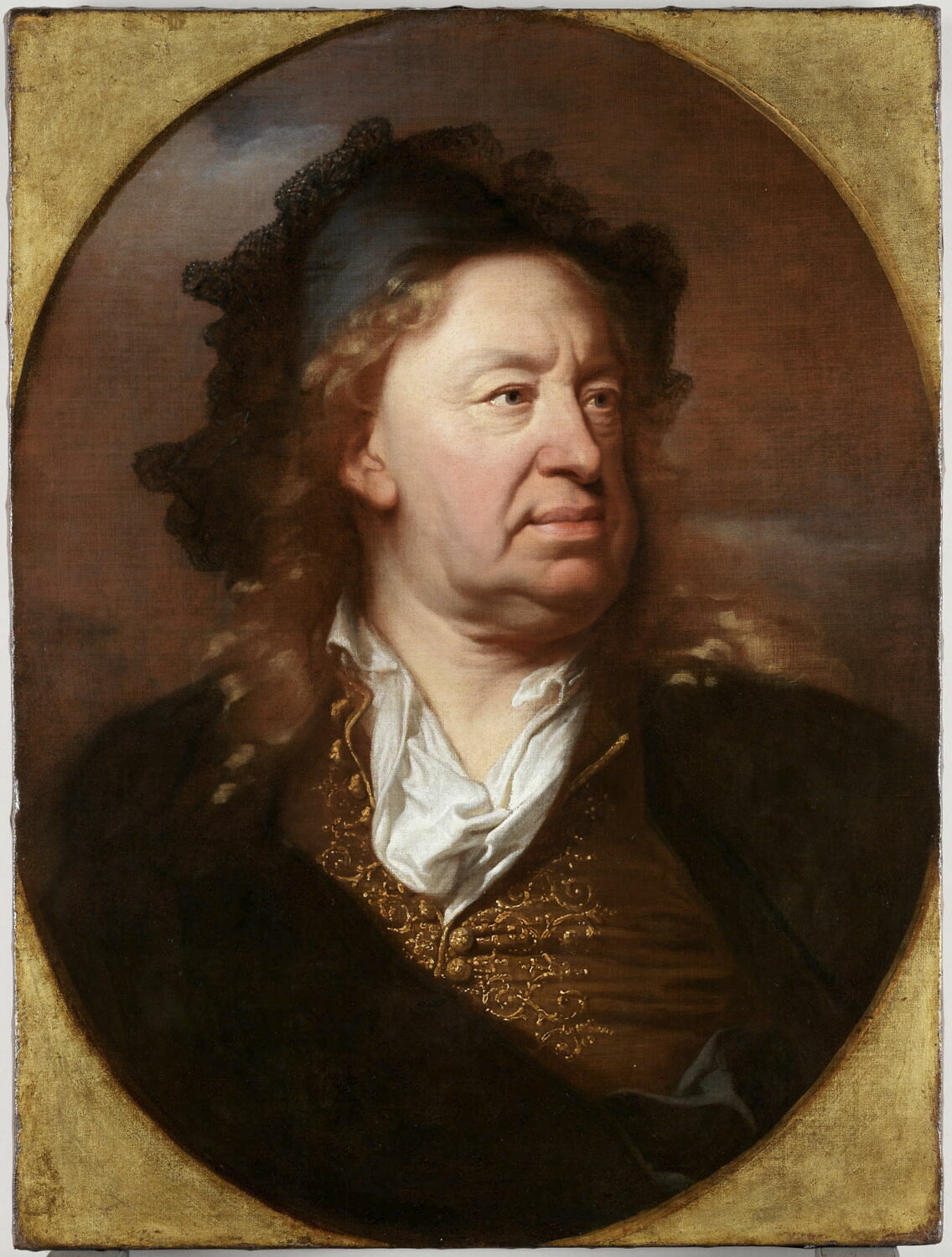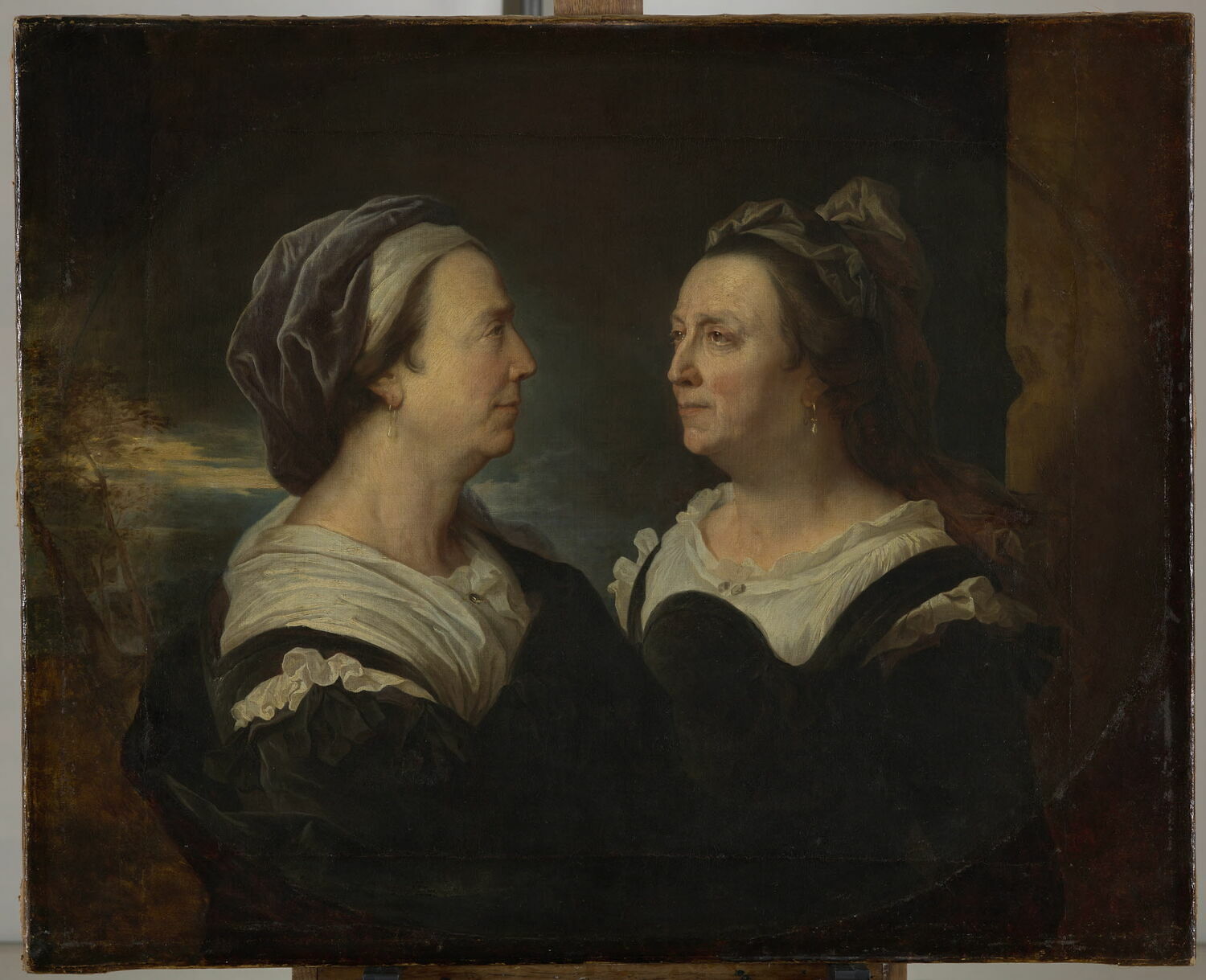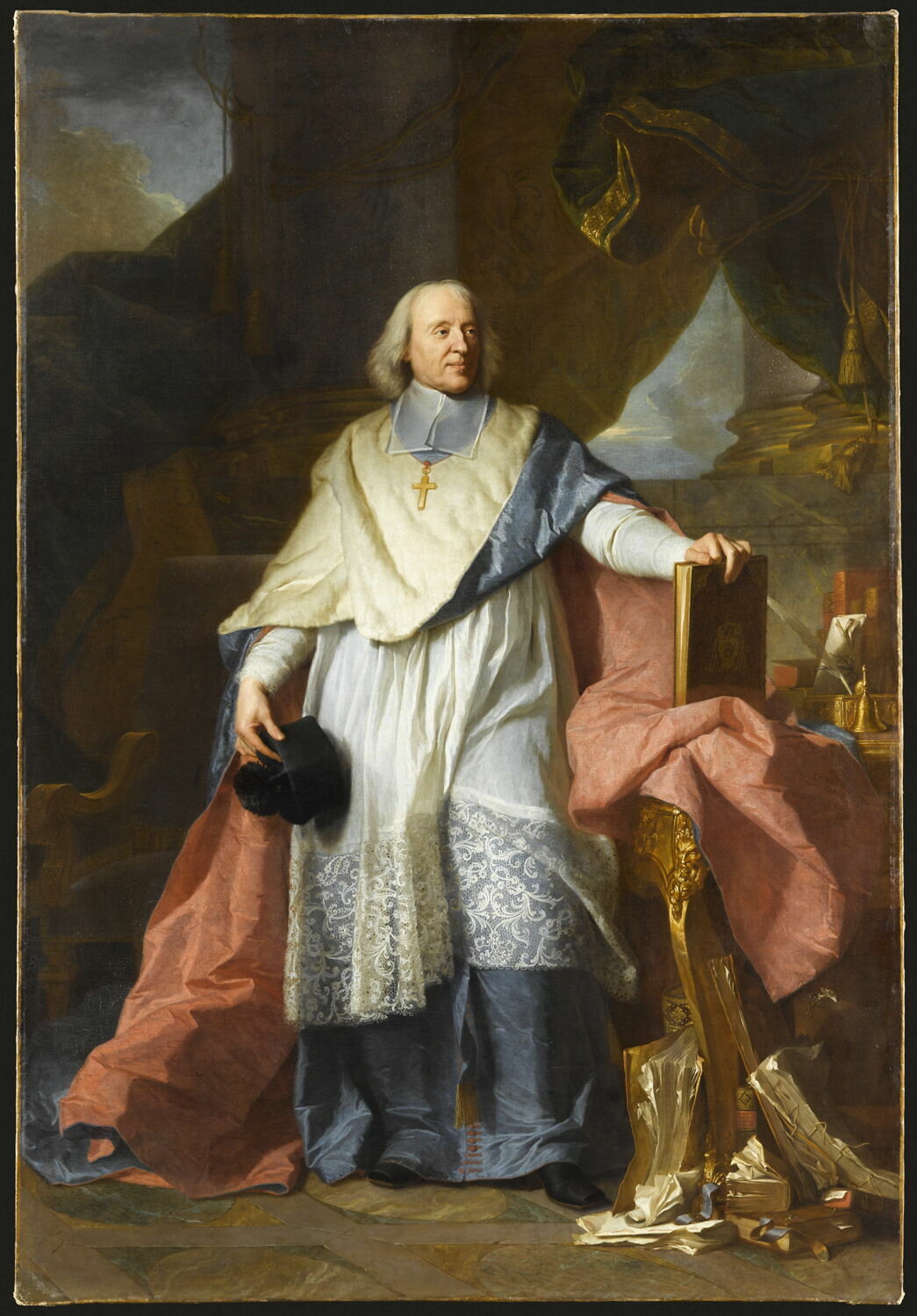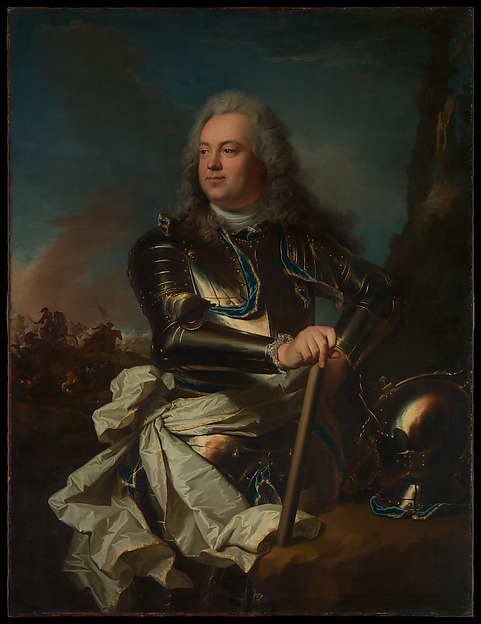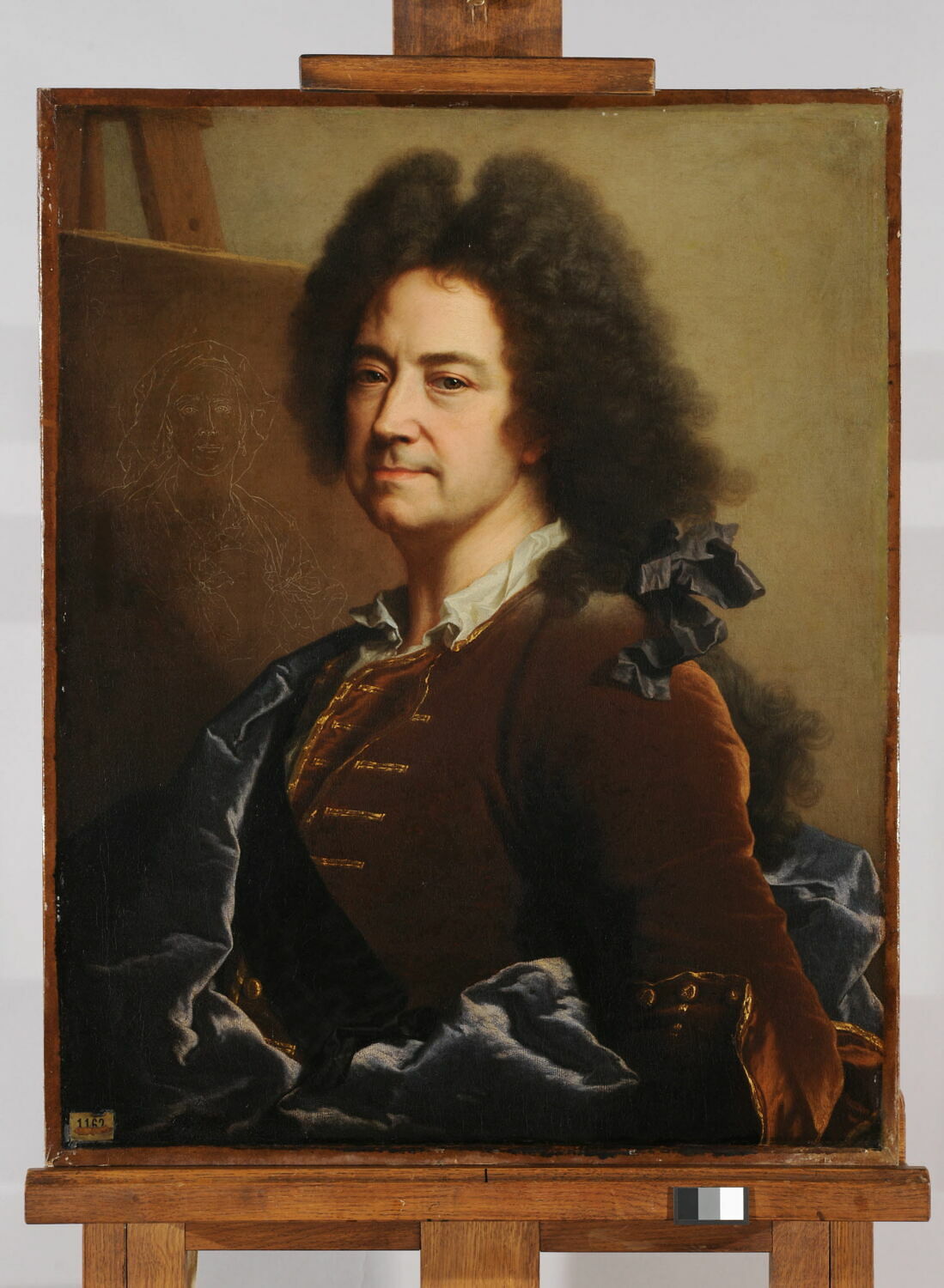
 Hyacinthe RigaudFrancia, 1659–1743
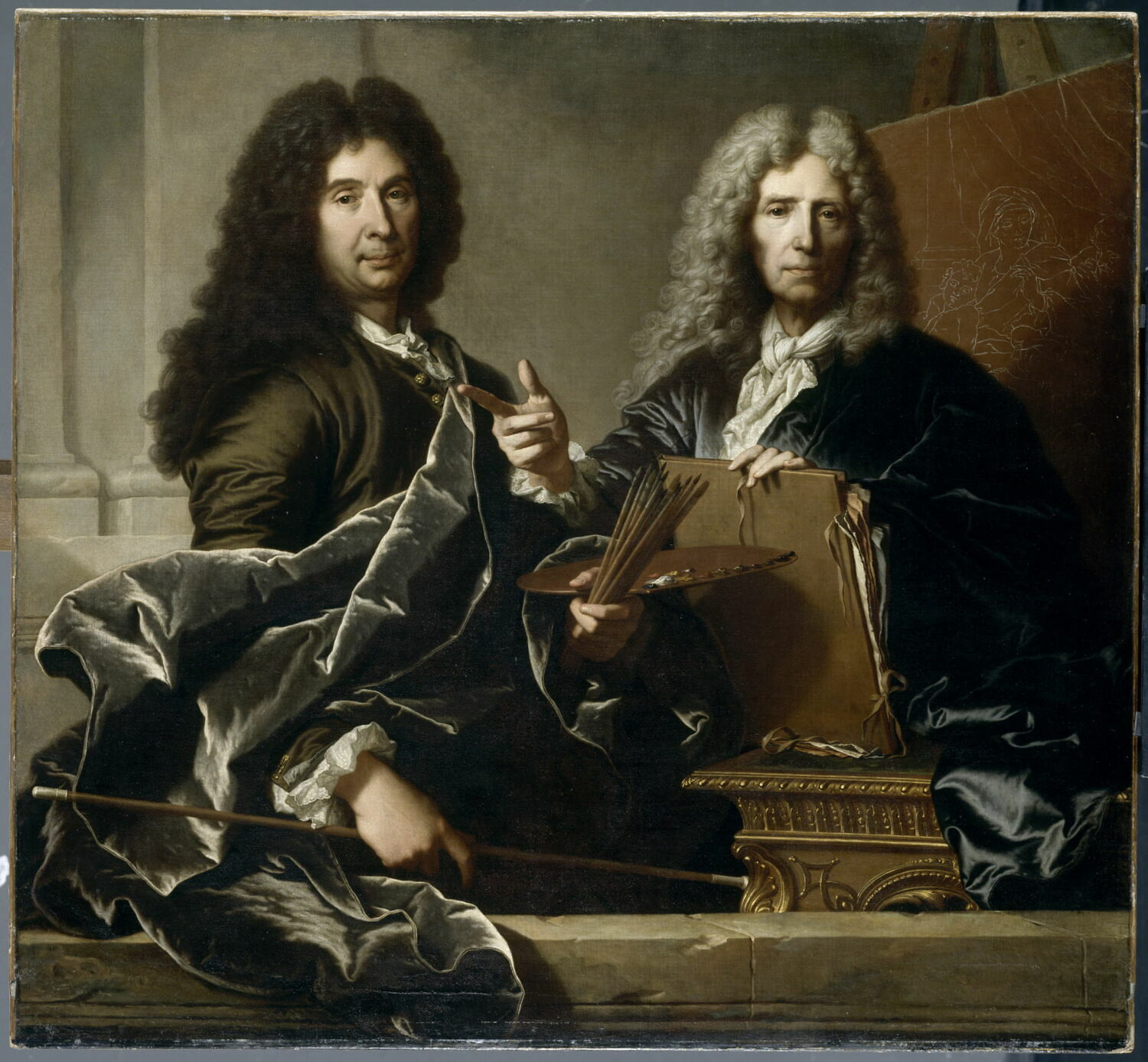
Autoportrait
Si può ammirare?
Non si sa: il museo mantiene il riserbo

Museo del Louvre
Parigi, Francia
Il proprietario è noto. Se oggi sia esposta, il museo non lo dice, e a indovinare non ci hanno insegnato.
- Ultimo cambio di stato
- 26 set 2026
- Fonte
- I dati di collezione del museo stesso
Scheda
- Numero di inventario
- INV 7517
Fonti
- Museo del Louvre: the museum's own open data · acquisita 5 giorni fa
- Immagine: Museo del Louvre — © 2013 GrandPalaisRmn (musée du Louvre) / RMN Agence photo
Nel frattempo, nella vita di Hyacinthe Rigaud
Tutta la vita18 luglio 1659
Born
1671
Sent to Montpellier to study painting
Rigaud trained as a tailor in his father's workshop, but in 1671, after his father's death, he was sent to Montpellier to learn painting under Antoine Ranc.
1681
Moves to Paris
By then Rigaud had built a good reputation among his Lyon clients, from Switzerland to Aix-en-Provence. He came to Paris to perfect his skills and to see the work of the artists of the famous Academy that Louis XIV had founded early in his reign.
1682
Declines the journey to Rome on Le Brun's advice
Having won the Prix de Rome, Rigaud did not go to Rome, on the advice of Charles Le Brun, First Painter to the King. Le Brun admired the young Catalan's work and talked him out of the journey so that he could give himself wholly to portraiture — a more lucrative genre than history painting, which the Academy nonetheless held to be nobler. For the next half-century Rigaud painted almost nothing but portraits and won renown as the “French Van Dyck”.
1688
Commissions from the court of Versailles
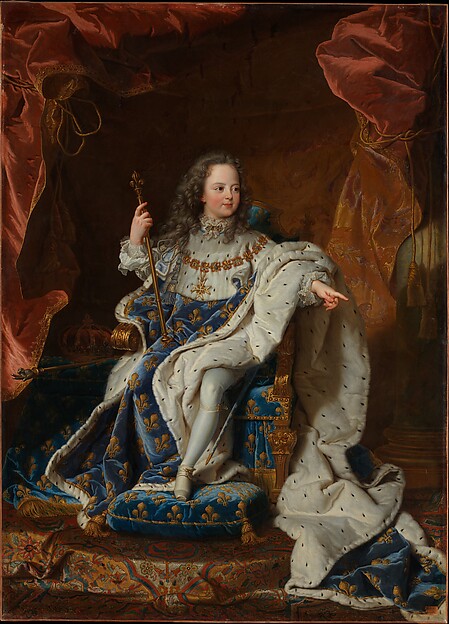
At first sought after by the third estate, from 1688 Rigaud worked on commissions from the court of Versailles. Later the future Louis XV received three formal portraits from him in succession, and for the third the painter asked an unprecedented 15,000 livres.
1700
Elected to the Royal Academy
An associate member of the Academy of Painting and Sculpture since 1684, Rigaud was elected a full academician in 1700 for a portrait of M. de la Chapelle submitted to the committee. Other accounts date this to 1710.