ART WIKI32.963 in sala
MappaCollezioneArtistiMuseiMostreRivista
Accedi

ART WIKI

Dove è appeso il capolavoro, e quando si può entrare.

Collezioni: Art Institute of Chicago, Cleveland Museum of Art, Ermitage, Galleria Tret'jakov, Getty Museum, Harvard Art Museums, Hirshhorn Museum and Sculpture Garden, Metropolitan Museum of Art, Minneapolis Institute of Art, Museo del Louvre, Museo Puškin delle belle arti, Museo russo, Museum of Modern Art, National Gallery of Art, National Museum of Asian Art, National Portrait Gallery, Rijksmuseum, Smithsonian American Art Museum, Statens Museum for Kunst, Victoria and Albert Museum, Villa Getty, Whitney Museum of American Art, Catalogo statale del fondo museale russo (274 musei), Europeana (19 musei), Wikidata (6 musei), Paris Musées (12 musei) e Joconde, la banca dati dei musei del Ministero della Cultura francese (495 musei). Le immagini appartengono ai titolari dei diritti.

Sezioni

  • Mappa
  • Ricerca
  • Collezione
  • Capolavori
  • Esposte ora
  • Artisti

Altro

  • Musei e gallerie
  • Mostre
  • Rivista
  • Da dove vengono i dati
  • Privacy e cookie
HomeMappaCatalogo
  1. Collezione/
  2. Musée des beaux-arts et d'archéologie/
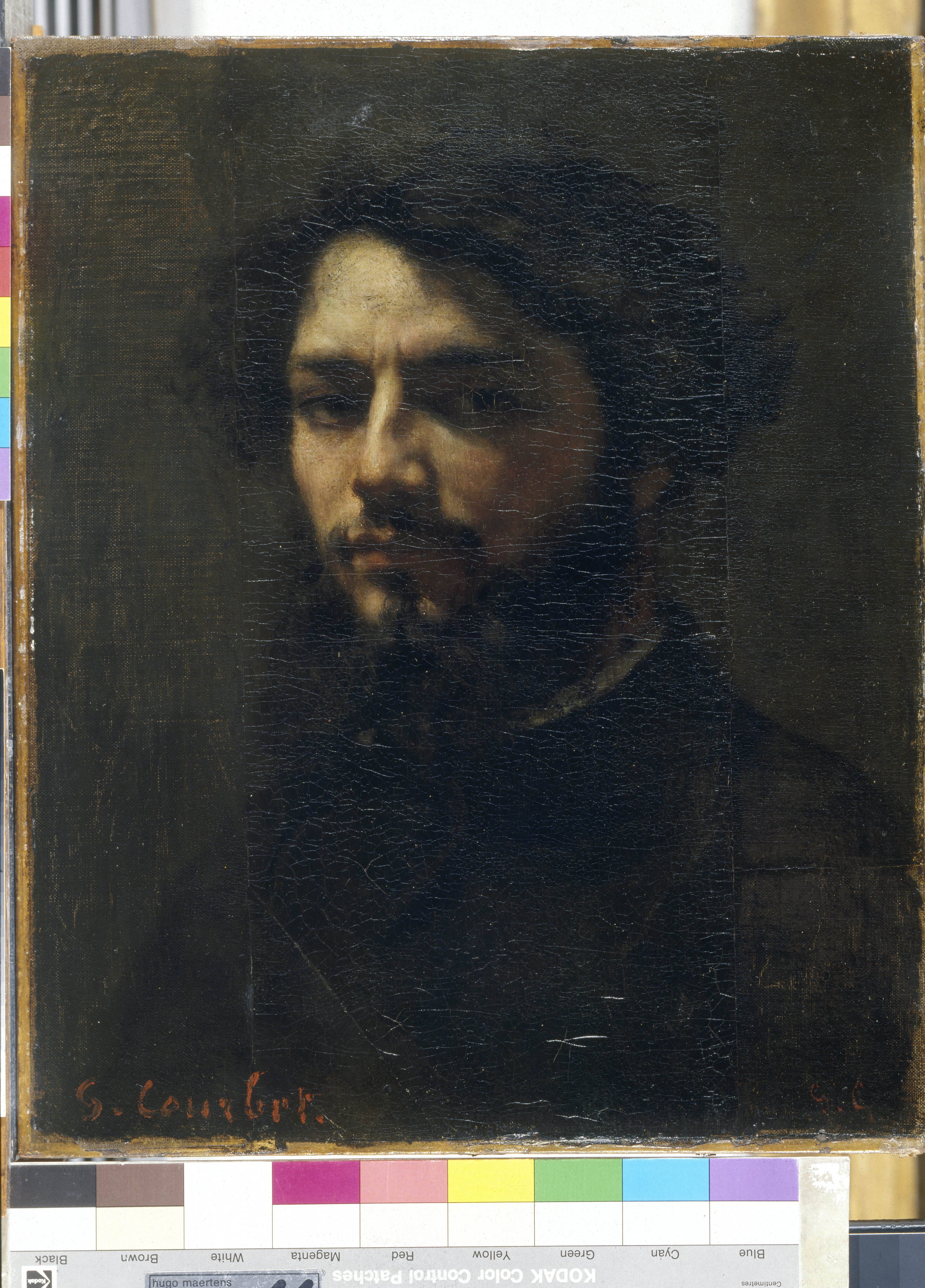
  3. Autoportrait
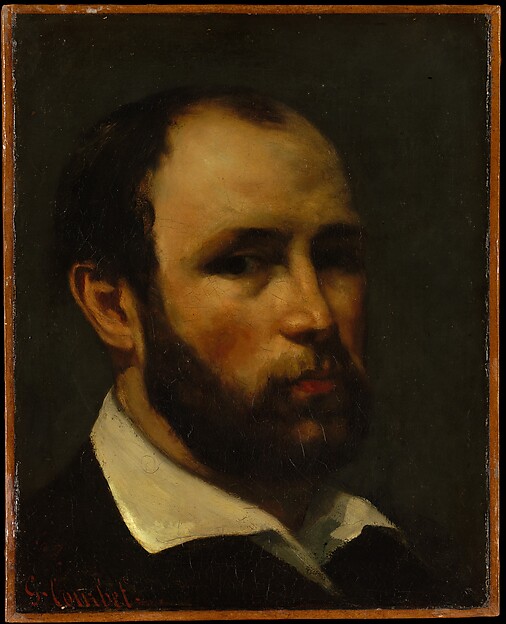
Autoportrait, Gustave Courbet, 1850 vers
Gustave Courbet, ritrattoGustave CourbetFrancia, 1819–1877

Autoportrait

1850 vers · Painting · 50 × 40 cm

Si può ammirare?

Non si sa

MBE
Musée des beaux-arts et d'archéologie

Besançon, Francia

Il proprietario è noto; non si sa se oggi sia esposta.

Ultimo cambio di stato
5 ott 2026
Fonte
Il museo
Sulla mappaPagina del museo

Sul dipinto

Con le parole del museo — in francese

huile sur toile (cinq morceaux de toile assemblés et marouflés sur une autre toile tendue sur le châssis)

MBEMusée des beaux-arts et d'archéologie

Scheda

1850 vers · a 31 anni
18191877
Numero di inventario
883.23.1

Nel frattempo, nella vita di Gustave Courbet

Tutta la vita
  1. 1848

    Salon of 1848: seven paintings accepted, none sold

    In 1848 all seven works Courbet submitted to the jury were shown at the Salon, but he did not manage to sell a single painting.

  2. by 1848

    First supporters among younger critics

    By 1848 Courbet had gained supporters among the younger critics, the Neo-romantics and Realists, notably Champfleury.

  3. September 1848

    The funeral of his grand-uncle at Ornans

    In September 1848 Courbet attended the funeral of his grand-uncle at Ornans. The mourners, the townspeople, later became the models for the huge canvas “A Burial at Ornans”.

  4. 1849

    Gold medal at the Salon of 1849

    Courbet's first Salon success came with “After Dinner at Ornans”, reminiscent of Chardin and Le Nain; it earned him a gold medal and was purchased by the state. The medal exempted his works from jury approval at the Salon until 1857, when the rule changed.

  5. 1850

    A letter to a friend: “the life of a savage”

    In 1850 Courbet wrote to a friend that in so very civilized a society he had to live the life of a savage, to be free even of governments, and to address himself directly to the people, who had his sympathies. He linked his idea of realism in art to political anarchism.

Altre opere di Gustave Courbet

Tutte le opere

Dalla collezione: Musée des beaux-arts et d'archéologie

Pagina del museo

1850–1851

Salon of 1850–1851: “A Burial at Ornans”

At the Salon of 1850–1851 Courbet showed “The Stone Breakers”, “The Peasants of Flagey” and “A Burial at Ornans”: the canvas, about 3 by 6.7 metres, drew both praise and fierce denunciation, with critics accusing him of a deliberate pursuit of ugliness. Courbet became a celebrity, spoken of as a genius, a “terrible socialist” and a “savage”.

Che cosa raffigura

Autoportrait (homme, barbe)

In catalogo

DipintiOlioPittura franceseRealismoXIX secoloFranciaFranche-Comté

Fonti

  • Musée des beaux-arts et d'archéologie
  • Immagine: Musée des beaux-arts et d'archéologie — C. Choffet; Ministère de la Culture (France), base Joconde
Young Ladies of the Village, Gustave Courbet, 1851–52

Young Ladies of the Village

1851–52 · Metropolitan Museum of Art

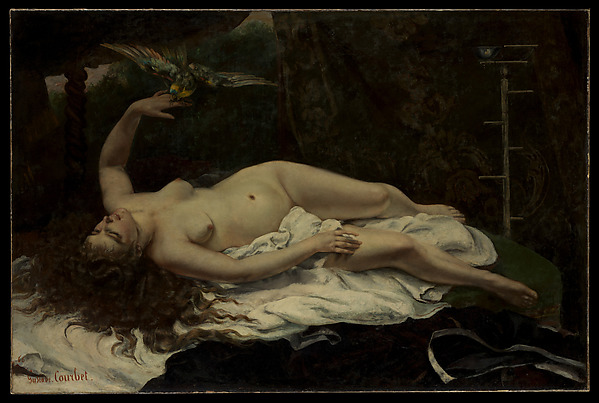
Woman with a Parrot, Gustave Courbet, 1866

Donna con pappagallo

1866 · Metropolitan Museum of Art

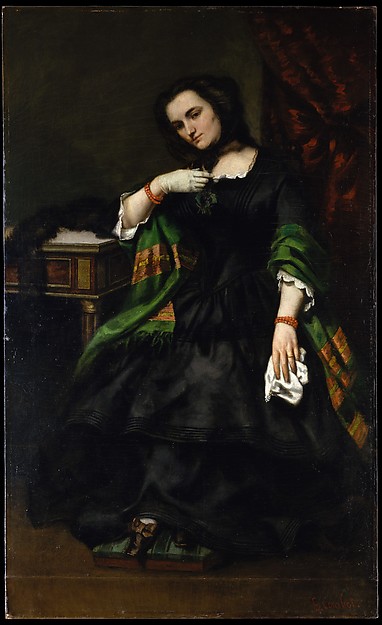
Madame Auguste Cuoq (Mathilde Desportes, 1827–1910), Gustave Courbet, ca. 1852–57

Madame Auguste Cuoq (Mathilde Desportes, 1827–1910)

ca. 1852–57 · Metropolitan Museum of Art

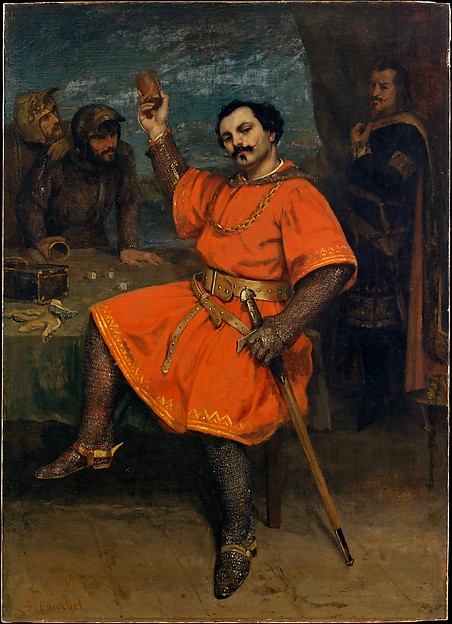
Louis Gueymard (1822–1880) as Robert le Diable, Gustave Courbet, 1857

Louis Gueymard (1822–1880) as Robert le Diable

1857 · Metropolitan Museum of Art

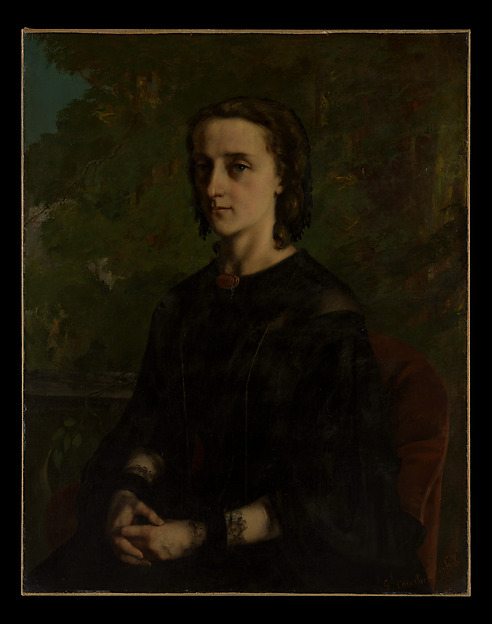
Madame Frederic Breyer (Fanny Hélène Van Bruyssel, 1830–1894), Gustave Courbet, 1858

Madame Frederic Breyer (Fanny Hélène Van Bruyssel, 1830–1894)

1858 · Metropolitan Museum of Art

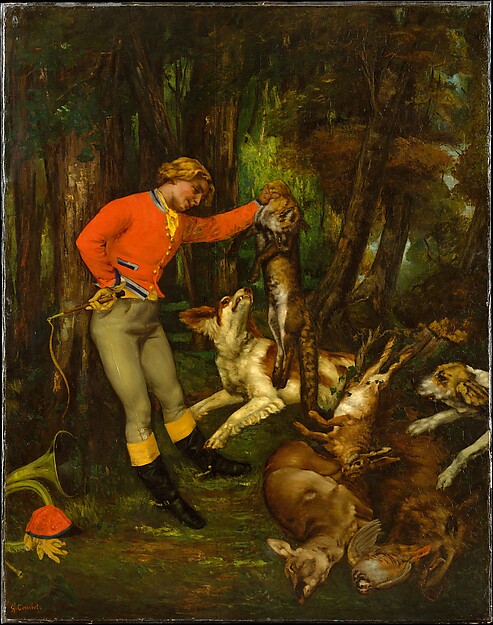
After the Hunt, Gustave Courbet, ca. 1859

After the Hunt

ca. 1859 · Metropolitan Museum of Art

The Source, Gustave Courbet, 1862

Donna alla sorgente

1862 · Metropolitan Museum of Art

Portrait of a Man, Gustave Courbet, probably ca. 1862

Portrait of a Man

probably ca. 1862 · Metropolitan Museum of Art

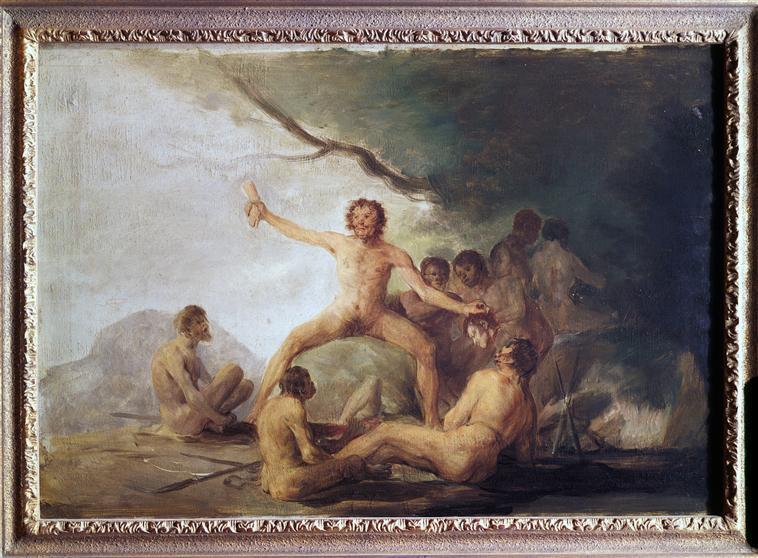
Cannibales, Y LUCIENTES Francisco de Goya, 1800 vers

Francisco de Goya

Cannibales, 1800 vers

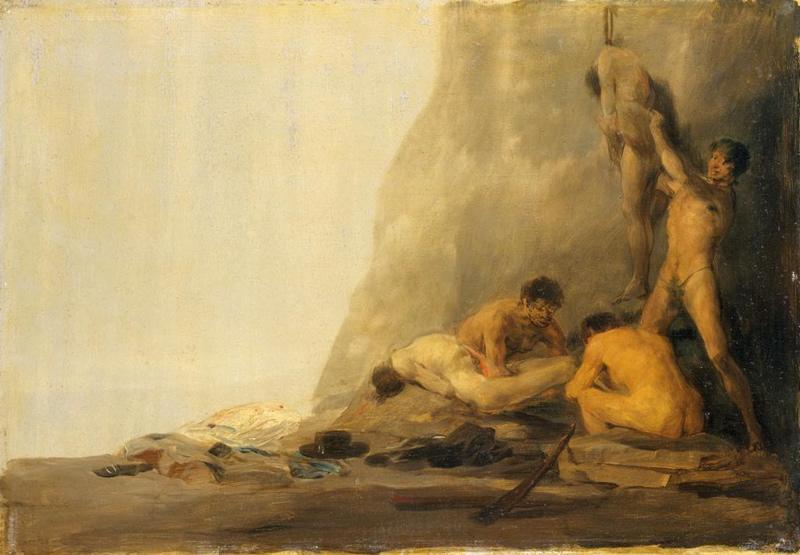
Cannibales dépeçant leurs victimes, Y LUCIENTES Francisco de Goya, 1800 vers

Francisco de Goya

Cannibales dépeçant leurs victimes, 1800 vers

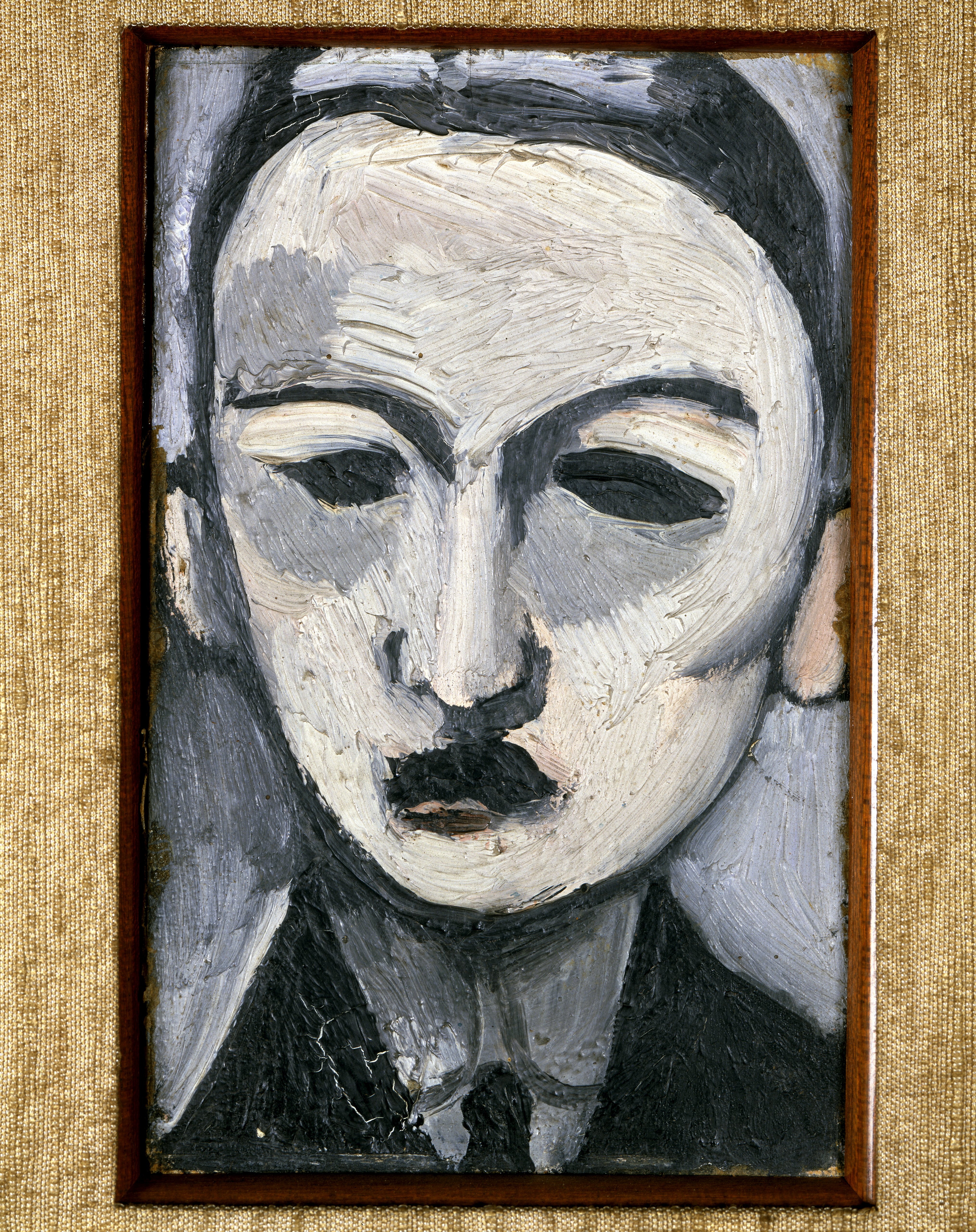
Portrait de George Besson, Henri Matisse, 1918

Henri Matisse

Portrait de George Besson, 1918

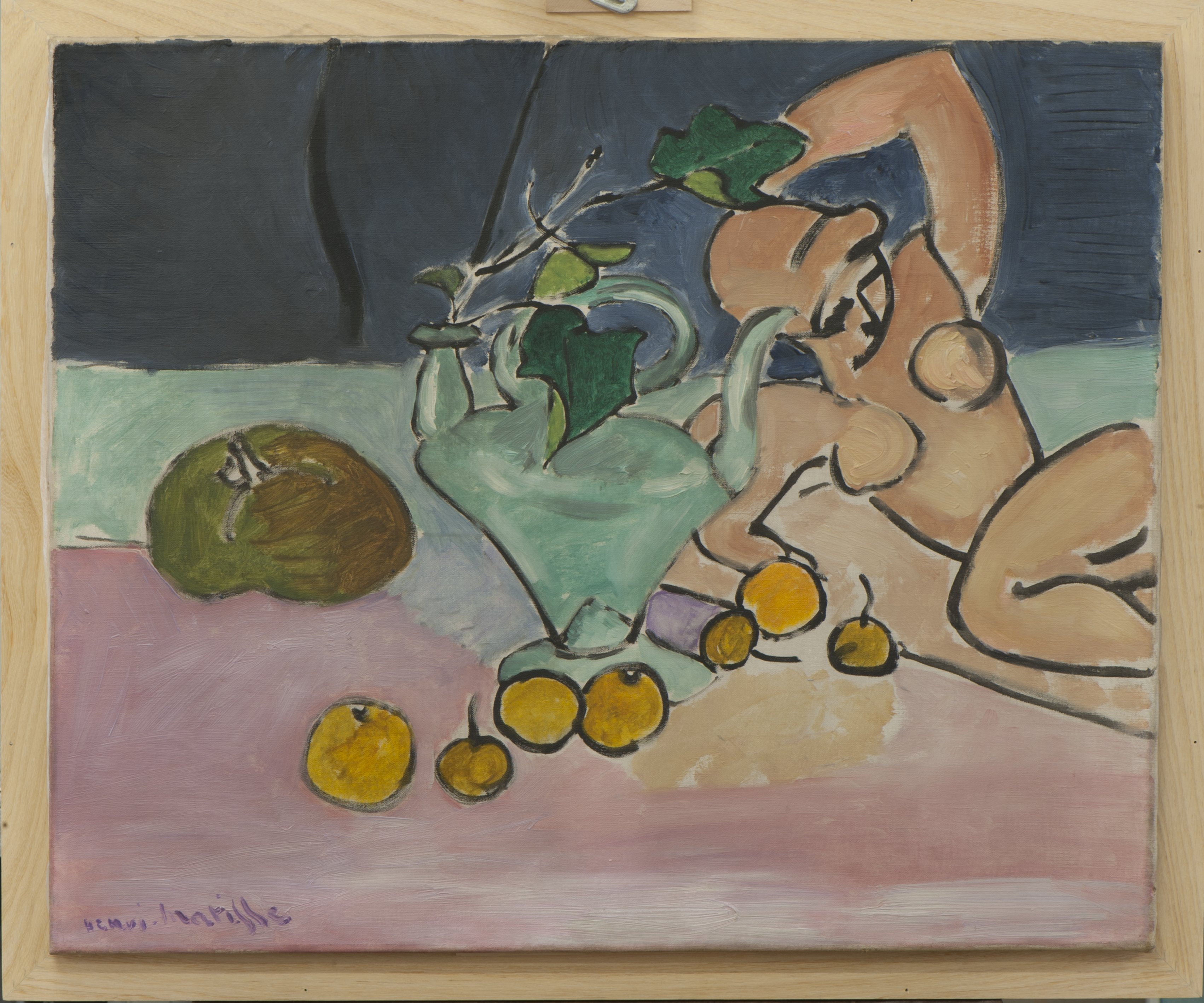
Nature morte au lierre, Henri Matisse, 1916

Henri Matisse

Nature morte au lierre, 1916

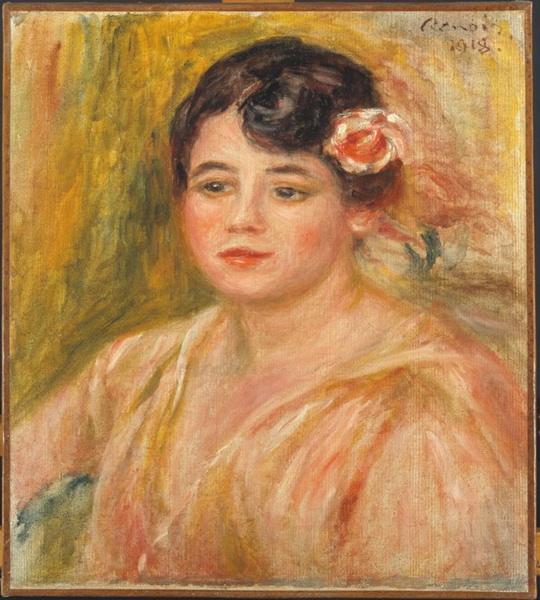
Portrait d'Adèle Besson, Auguste Renoir, 1918

Pierre-Auguste Renoir

Portrait d'Adèle Besson, 1918

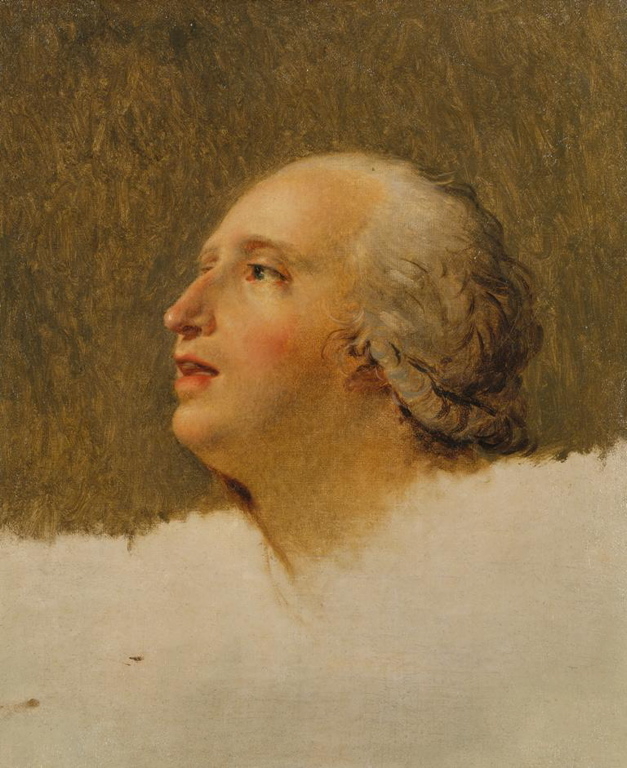
Portrait de Pierre Louis Prieur, de la Marne (1756-1827), David, 1791-1792

Jacques-Louis David

Portrait de Pierre Louis Prieur, de la Marne (1756-1827), 1791-1792

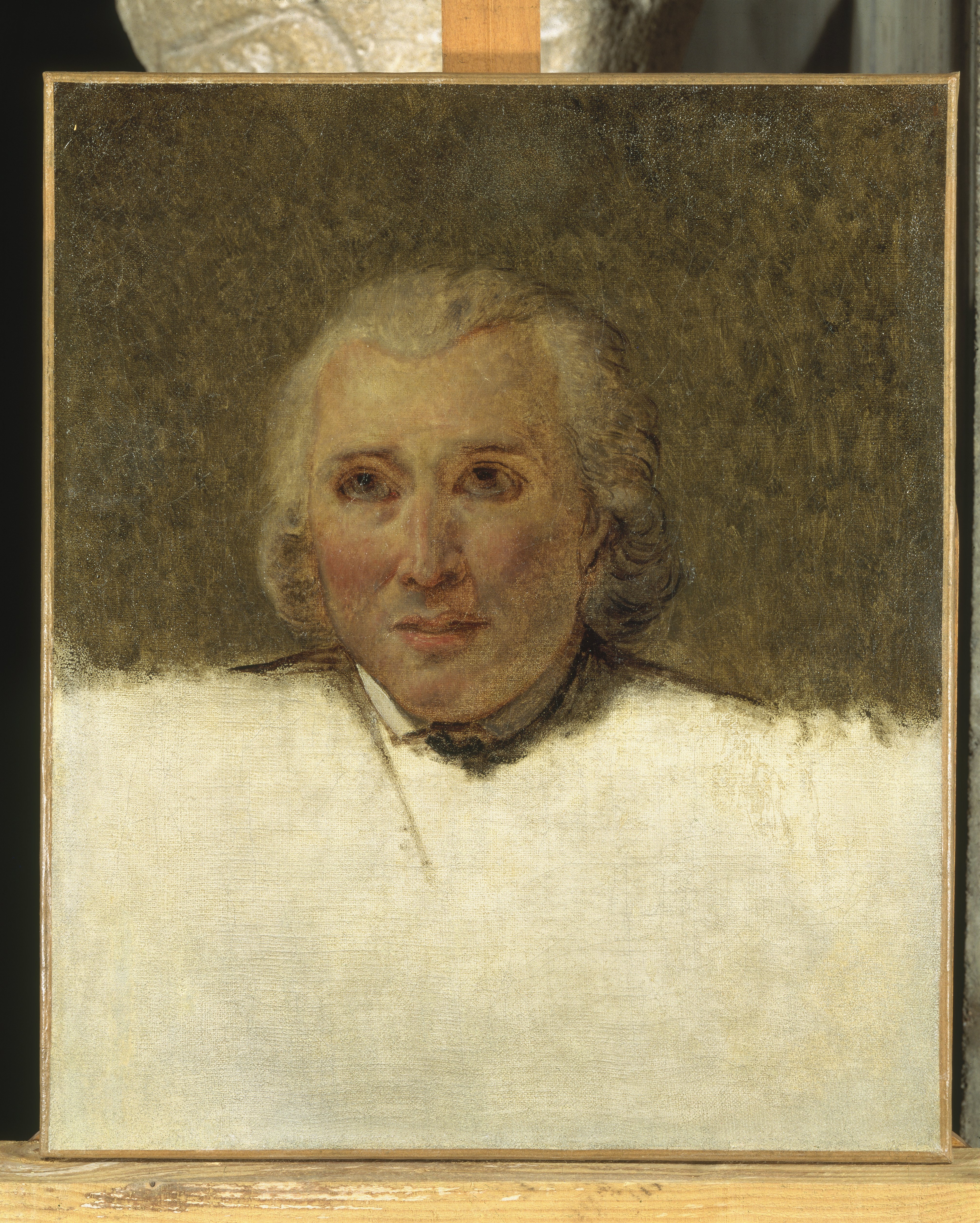
Portrait de l'abbé Henri Grégoire (1750-1831), David, 1791-1792

Jacques-Louis David

Portrait de l'abbé Henri Grégoire (1750-1831), 1791-1792

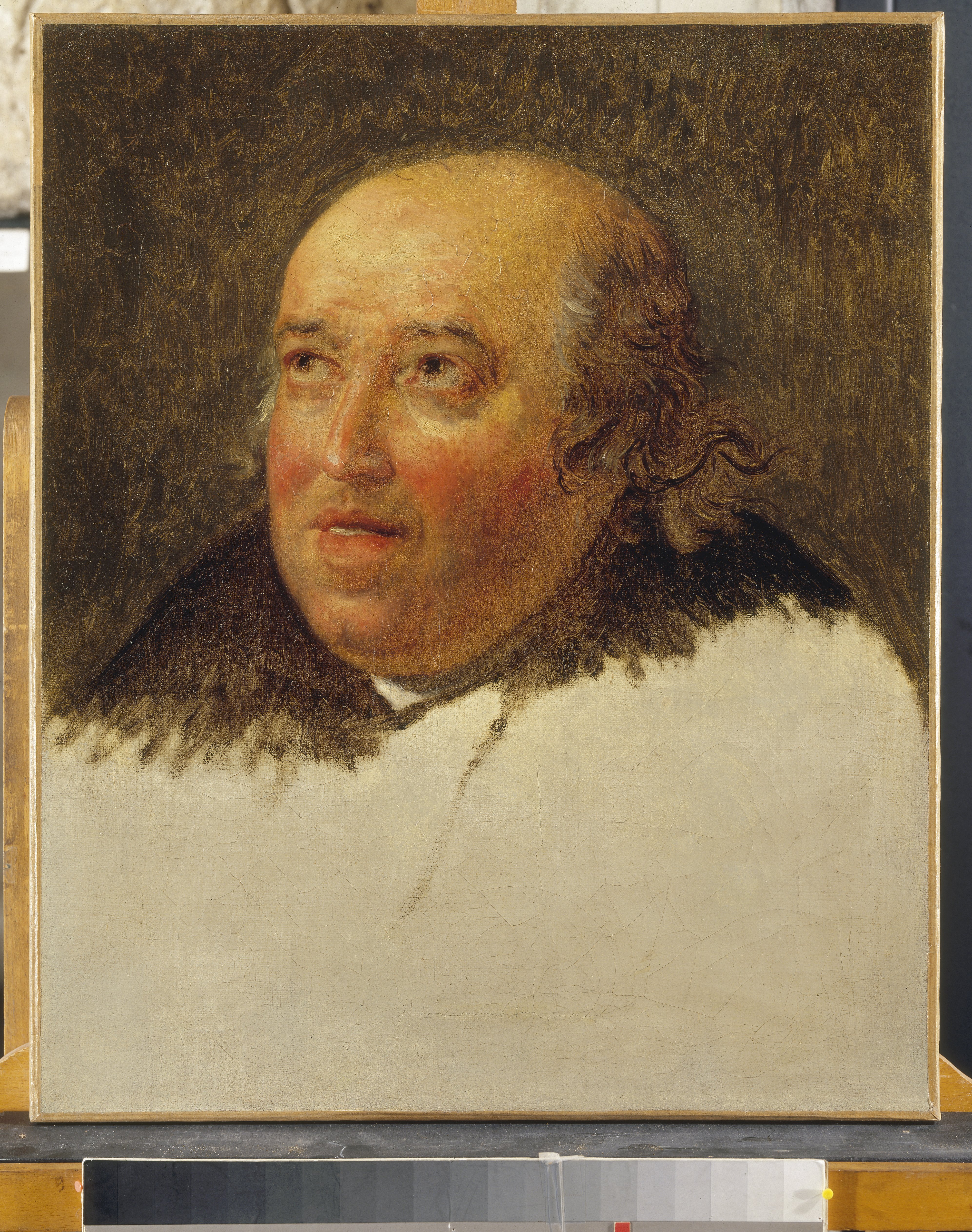
Portrait de Michel Gérard (1737-1815), David, 1791-1792

Jacques-Louis David

Portrait de Michel Gérard (1737-1815), 1791-1792