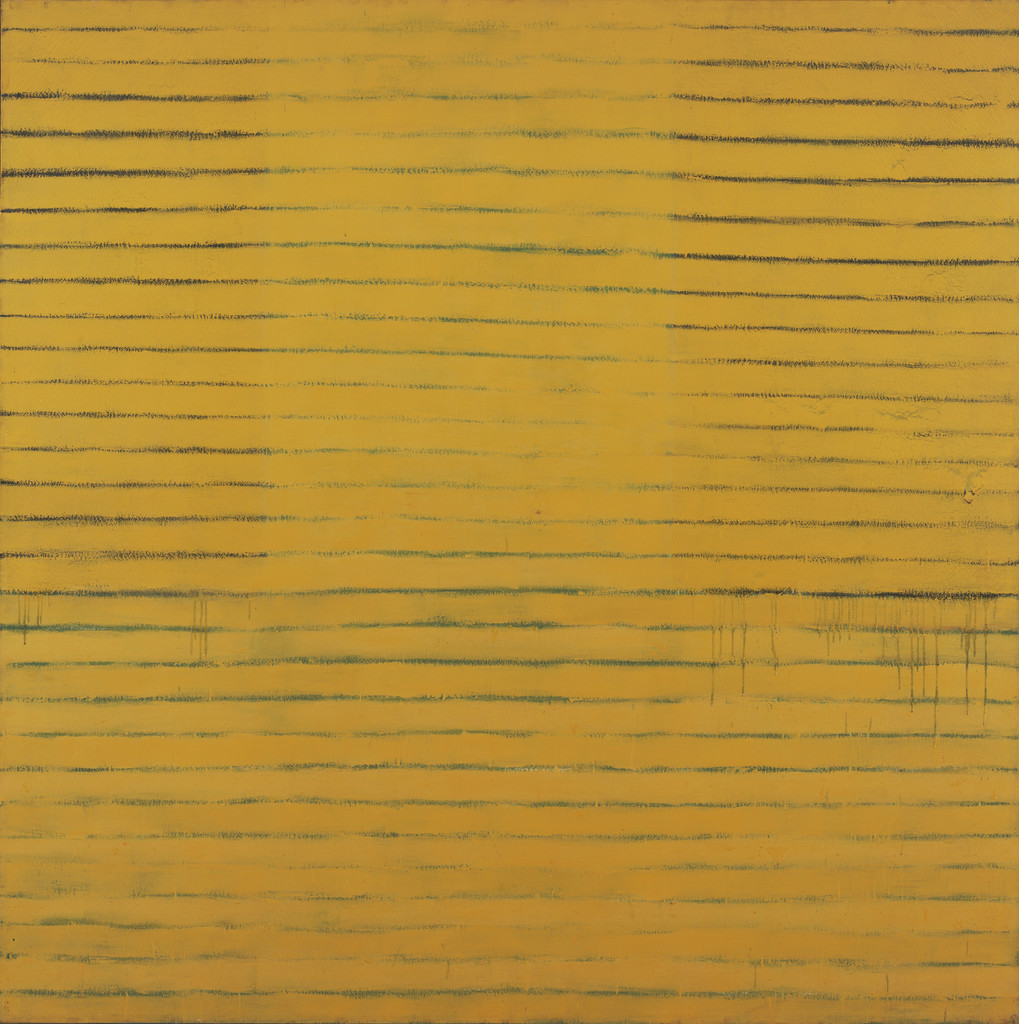
 Frank StellaStati Uniti, 1936–2024
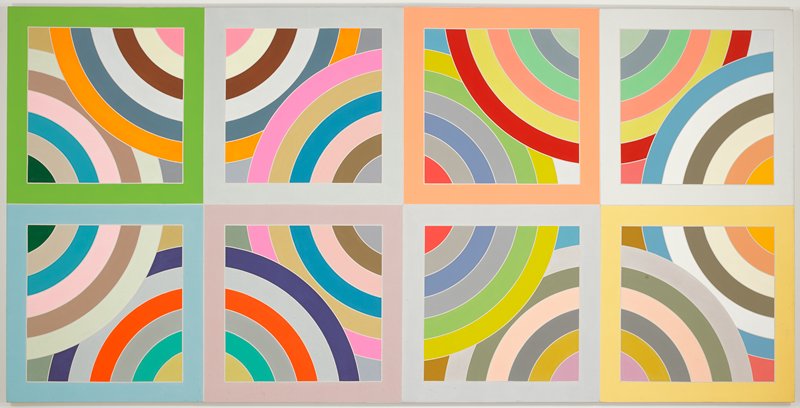
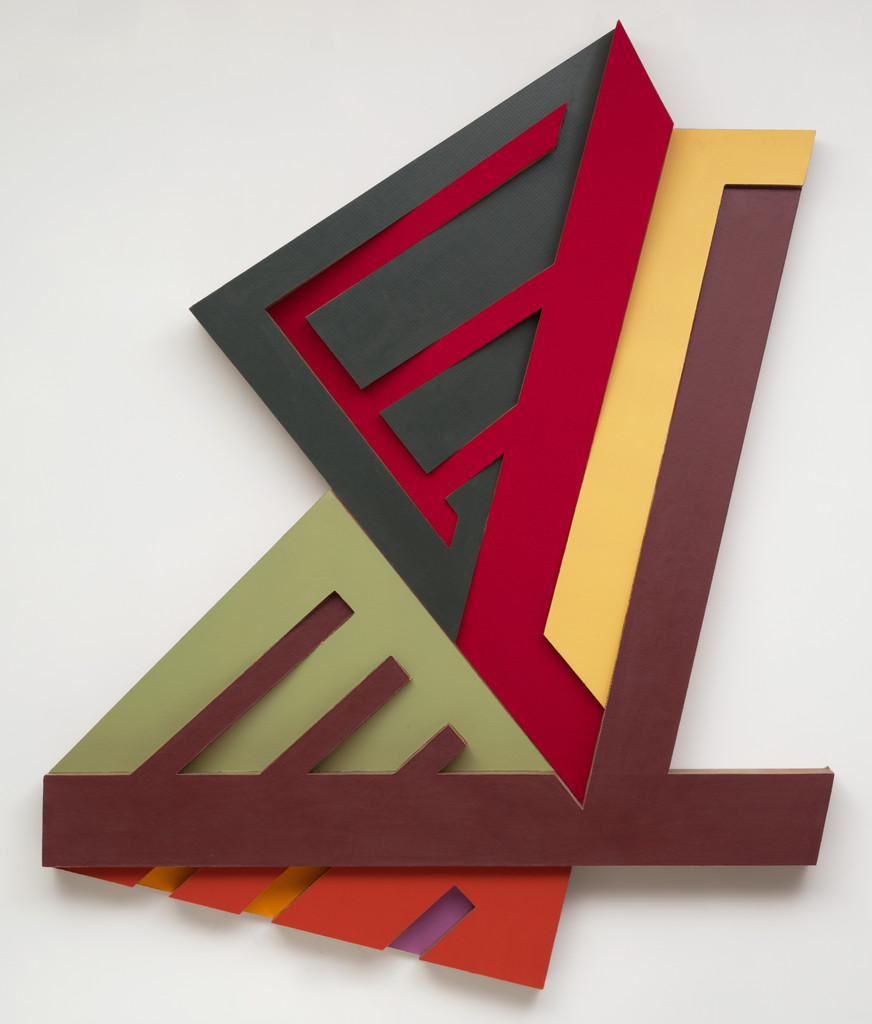
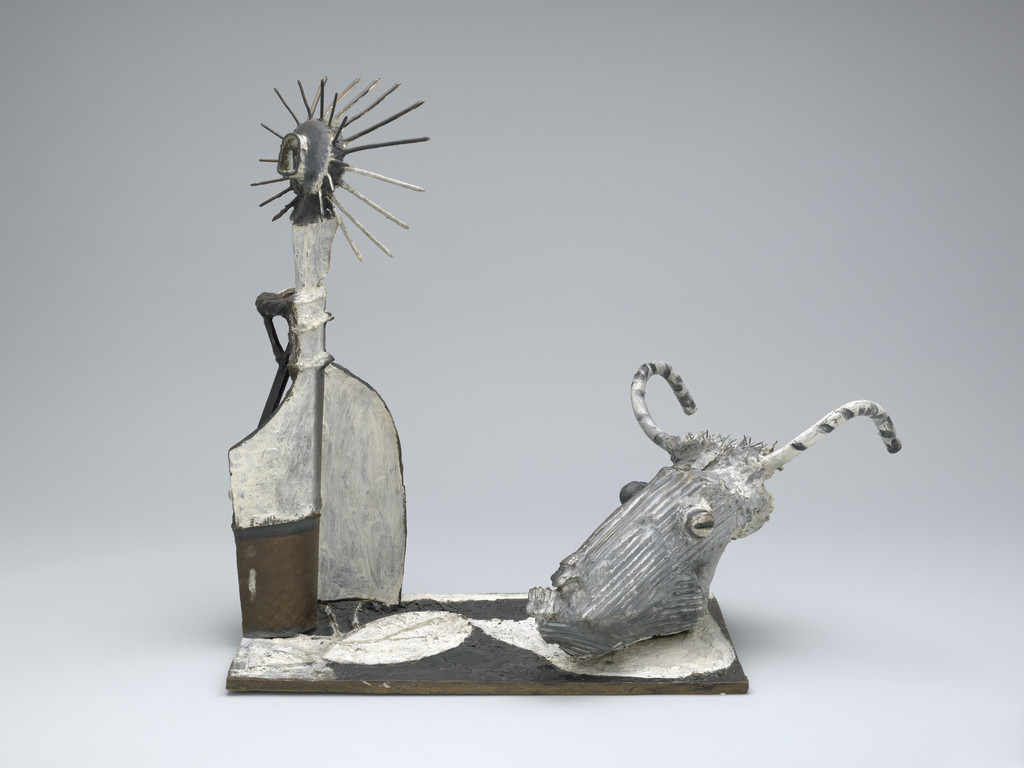
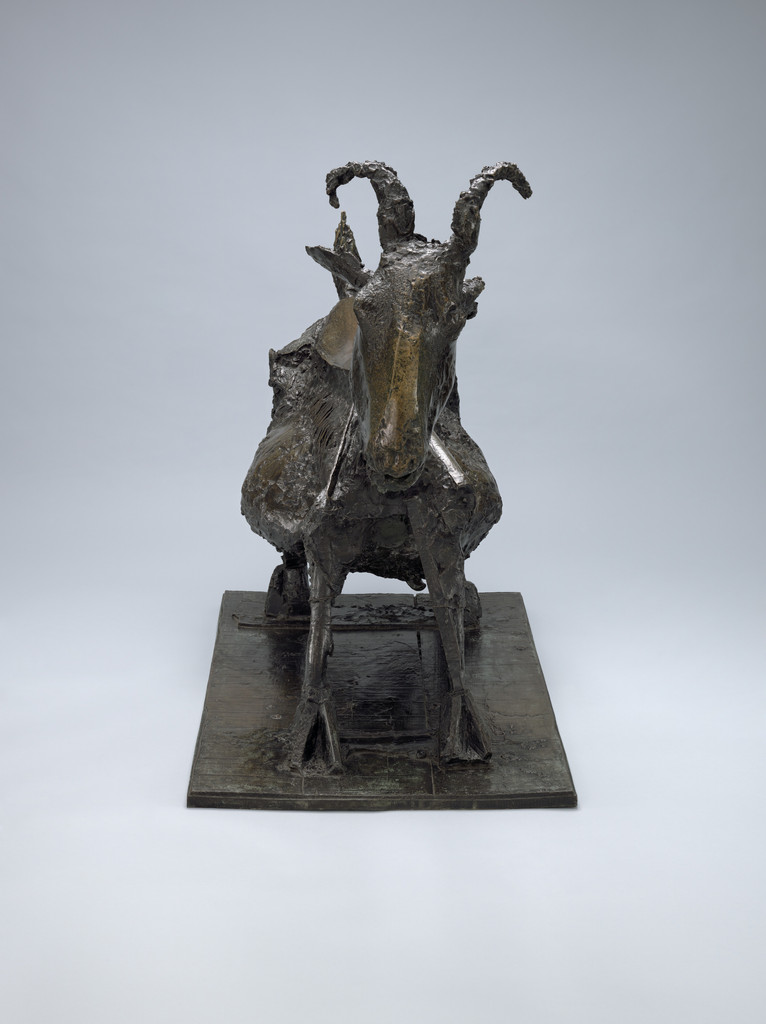
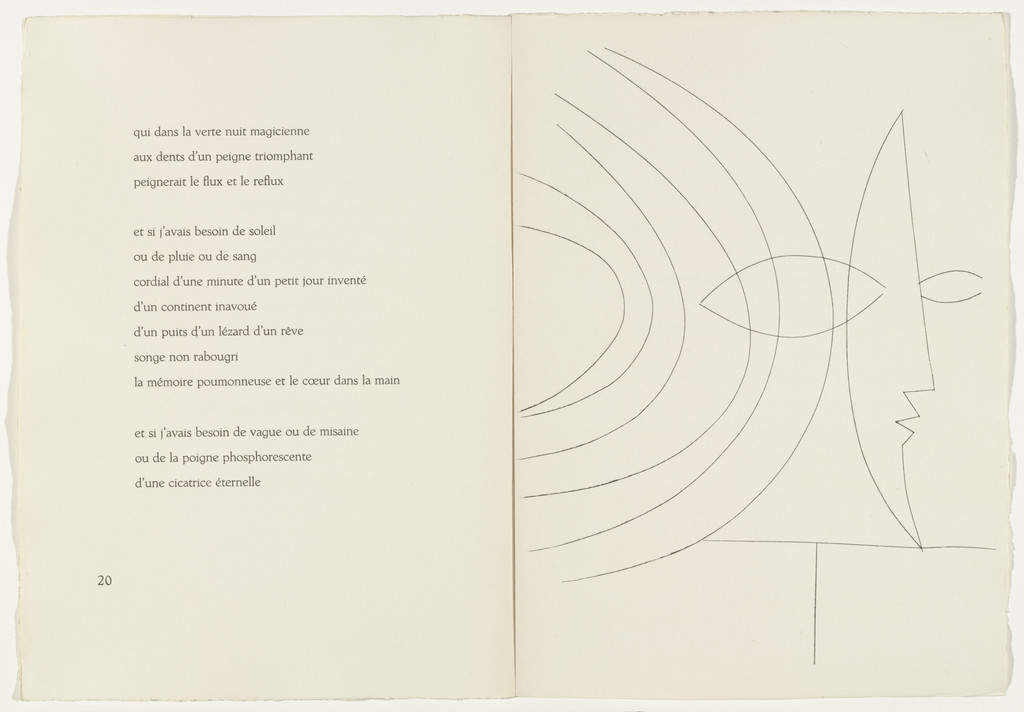
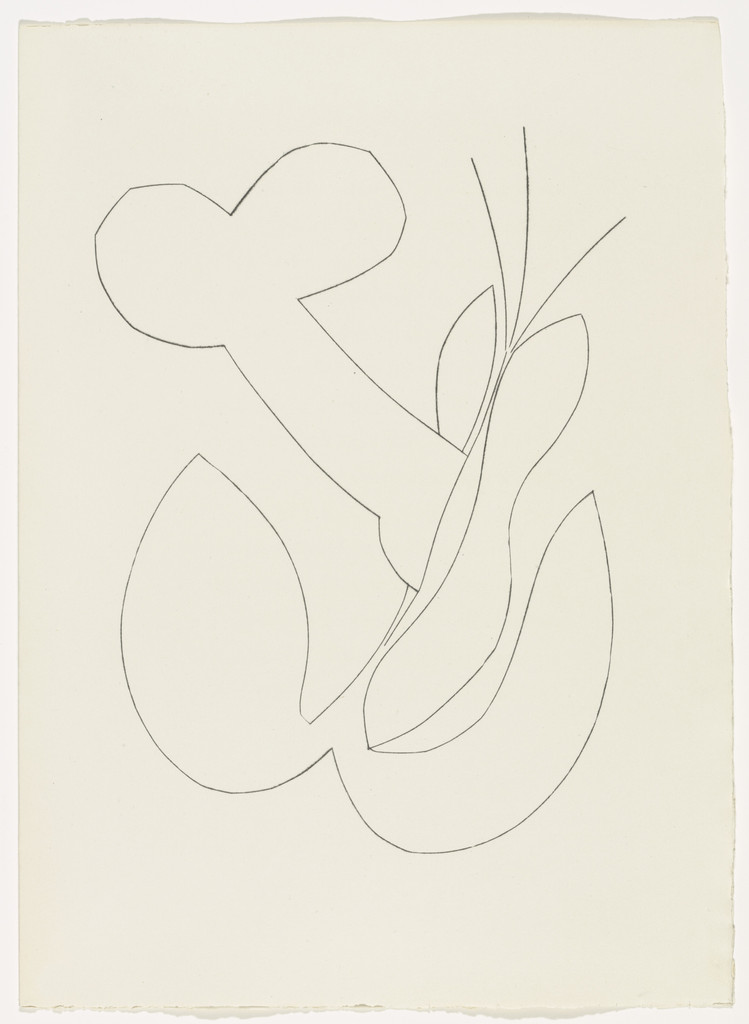
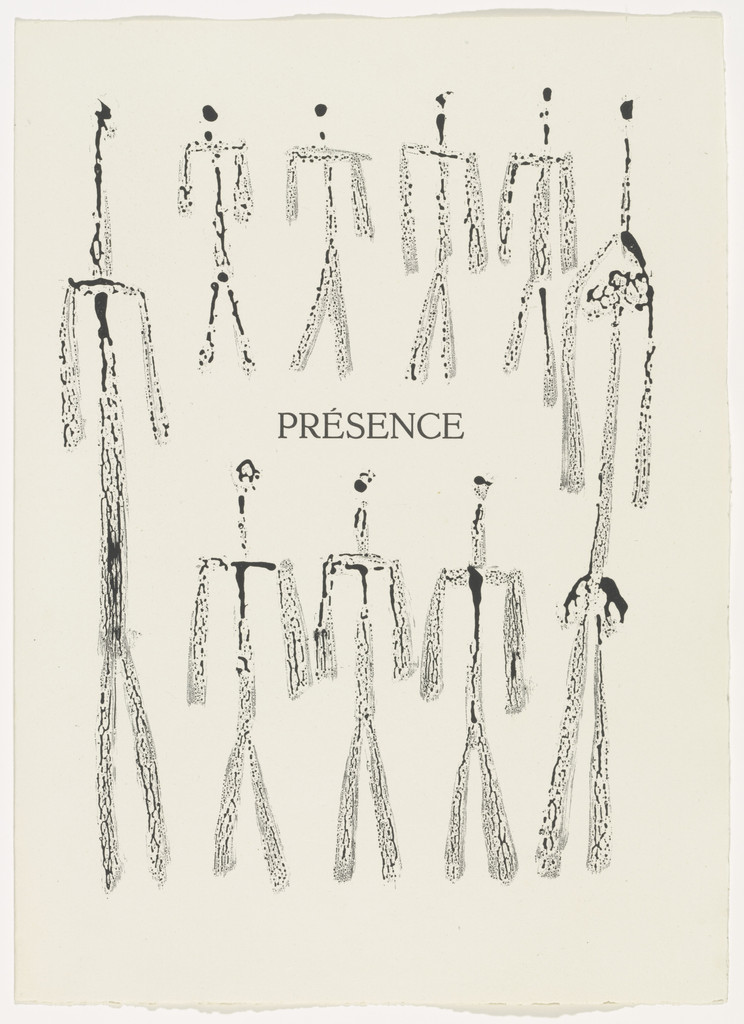
Astoria
Si può ammirare?
Al momento non riceve

Museum of Modern Art
New York, Stati Uniti
Appartiene alla collezione, ma al momento non è esposta.
- Verificato
- 12 giorni fa
- Fonte
- I dati di collezione del museo stesso
Scheda
- Numero di inventario
- 431.1981
Fonti
- Museum of Modern Art: the museum's own open data · acquisita 12 giorni fa
- Immagine: Museum of Modern Art — © the artist or rights holder
Nel frattempo, nella vita di Frank Stella
Tutta la vita1950s
Princeton: Greene and Seitz take him to New York's galleries
Entering Princeton University, where he majors in history, Stella takes art courses; the painter Stephen Greene and the art historian William C. Seitz, professors at the school, introduce him to the New York art scene and take him to exhibitions in the city.
1958
Moves to New York after Princeton
After graduating from the university, where he majored in history and met Darby Bannard and Michael Fried, Stella moves to New York. He is drawn to the flat surfaces of Barnett Newman and Jasper Johns's “target” paintings, and turns against the expressive handling of paint by most Abstract Expressionists.
1959
“Three Young Americans” at Oberlin
Several of his paintings are included in the exhibition Three Young Americans at the Allen Memorial Art Museum at Oberlin College.
1959–1960
“Sixteen Americans” at MoMA
Four of his black pinstripe paintings are shown at the Museum of Modern Art in the exhibition Sixteen Americans, alongside works by Louise Nevelson, Ellsworth Kelly, Jasper Johns and Robert Rauschenberg. Many critics were outraged, but today the works are considered seminal in 20th-century American art.
1960
First show at Leo Castelli's gallery
His first show at the New York gallery of the dealer Leo Castelli brings few sales. Stella shares studio space with Hollis Frampton and Carl Andre, who also attended Phillips Academy, and scrounges a living by renting cold-water flats and painting houses.
1960s
Travels in the Middle East
He visits circular-plan cities in the Middle East and is especially intrigued by the arches and decorative patterns he sees in the architecture and art of Iran; these cities will later give their names to works of the Protractor series.