ART WIKI32.963 in sala
MappaCollezioneArtistiMuseiMostreRivista
Accedi

ART WIKI

Dove è appeso il capolavoro, e quando si può entrare.

Collezioni: Art Institute of Chicago, Cleveland Museum of Art, Ermitage, Galleria Tret'jakov, Getty Museum, Harvard Art Museums, Hirshhorn Museum and Sculpture Garden, Metropolitan Museum of Art, Minneapolis Institute of Art, Museo del Louvre, Museo Puškin delle belle arti, Museo russo, Museum of Modern Art, National Gallery of Art, National Museum of Asian Art, National Portrait Gallery, Rijksmuseum, Smithsonian American Art Museum, Statens Museum for Kunst, Victoria and Albert Museum, Villa Getty, Whitney Museum of American Art, Catalogo statale del fondo museale russo (274 musei), Europeana (19 musei), Wikidata (6 musei), Paris Musées (12 musei) e Joconde, la banca dati dei musei del Ministero della Cultura francese (495 musei). Le immagini appartengono ai titolari dei diritti.

Sezioni

  • Mappa
  • Ricerca
  • Collezione
  • Capolavori
  • Esposte ora
  • Artisti

Altro

  • Musei e gallerie
  • Mostre
  • Rivista
  • Da dove vengono i dati
  • Privacy e cookie
HomeMappaCatalogo
  1. Collezione/
  2. Victoria and Albert Museum/
  3. Arjumand Banu Begum
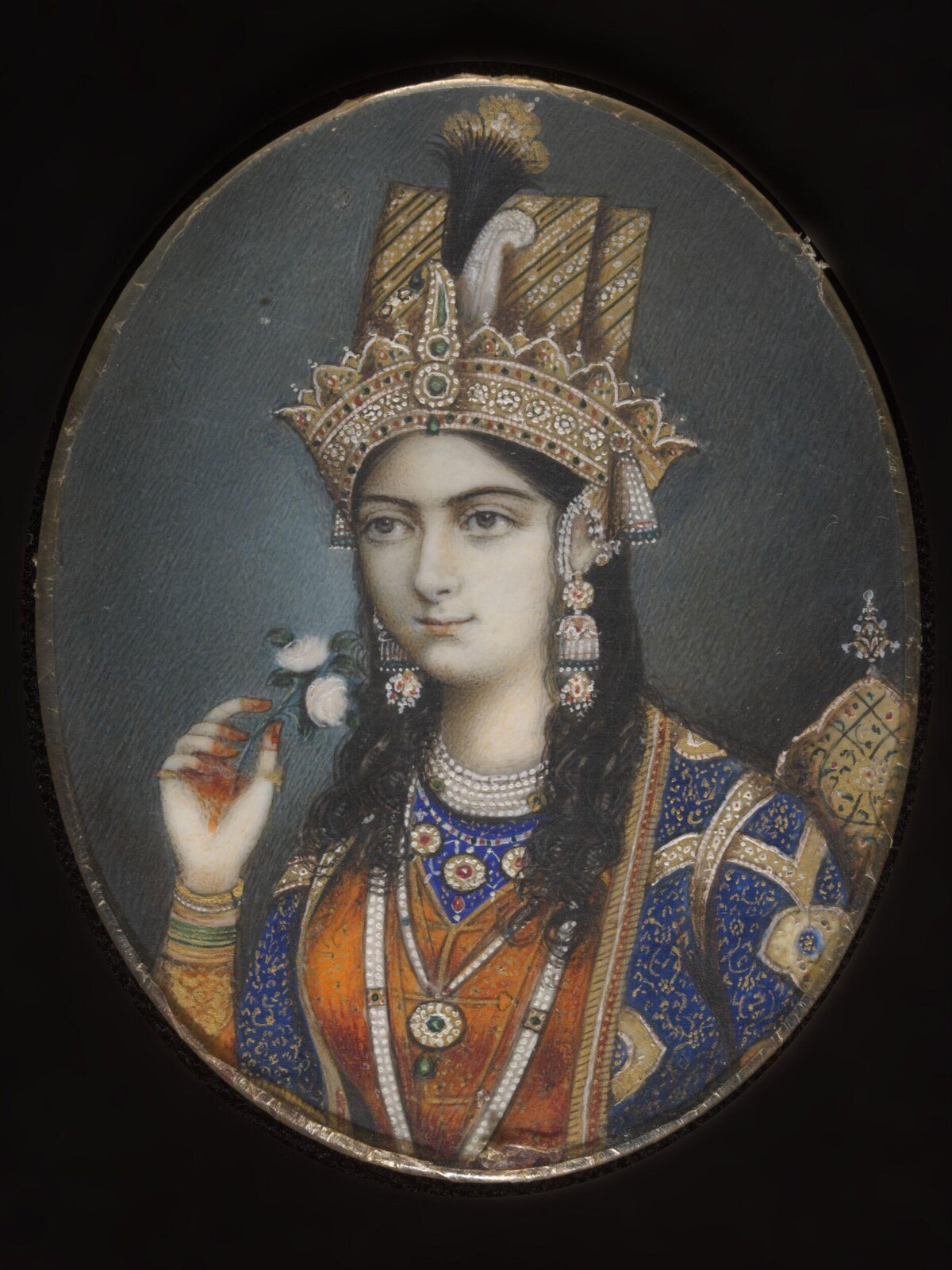
Arjumand Banu Begum, ca. 1820

Arjumand Banu Begum

ca. 1820 · Painting

Si può ammirare?

Al momento non riceve

Victoria and Albert Museum

Londra, Regno Unito

Appartiene alla collezione, ma al momento non è esposta.

Verificato
12 giorni fa
Ultimo cambio di stato
25 set 2026
Fonte
Il museo
Sulla mappaPagina del museo

Sul dipinto

A Company Painting is a picture made by an Indian artist for the British in India. This one is a portrait in watercolour on ivory. An unknown Delhi artist painted it in about 1830. It depicts Arjumand Banu Begum, better known as Mumtaz Mahal ('Elect of the Palace'). She was the favourite wife of the Mughal Emperor Shah Jahan. She died shortly after giving birth to her fourteenth child in 1631. The following year the emperor began work on the mausoleum that would house her body. The result was the world-famous Taj Mahal, situated by the River Jumna at Agra.

Continua a leggere

There are no contemporary portraits of Mumtaz Mahal. This imaginary picture is one of thousands that artists produced to satisfy a huge demand for images of Shah Jahan's favourite. Painting on ivory in India has an ancient history. However, this kind of portrait painting did not develop on a large scale until the 18th century, as a result of British influence. Indian artists soon adjusted to the new technique of stippling (painting with small dots) and watercolour tinting instead of line-drawing and opaque colour. They still practice it today.

Victoria and Albert Museum

Scheda

Numero di inventario
IM.277-1913

Che cosa raffigura

CostumeJewelleryDonnaArjumand Banu Begam (Mumtaz Mahal)

In catalogo

DipintiAcquerelloNeoclassicismoRomanticismoXIX secoloCompanyDelhi

Fonti

  • Victoria and Albert Museum
  • Immagine: Victoria and Albert Museum — © Victoria and Albert Museum, London
Sotto lo stesso tetto: Victoria and Albert Museum

Pagina del museo
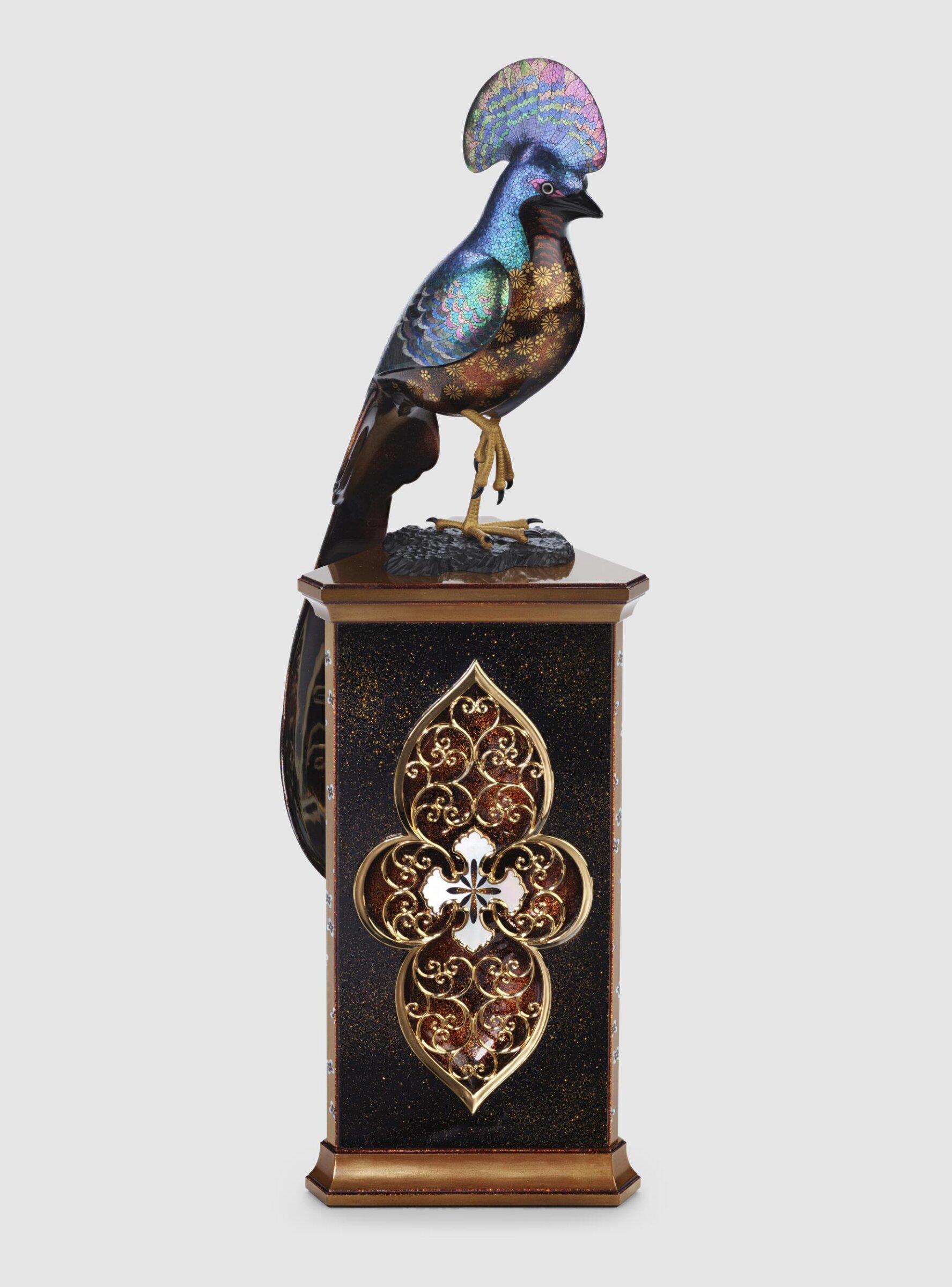
Bird of Paradise, Hashimoto Chitaka, 2026

Hashimoto Chitaka

Bird of Paradise, 2026

Torsion 2, Taruma Shoko, 2025

Taruma Shoko

Torsion 2, 2025

Fu, Someya Satoshi, 2025

Someya Satoshi

Fu, 2025

Bow Before the Curtain Falls, 2024

Bow Before the Curtain Falls, 2024

Summer, 2024

Summer, 2024

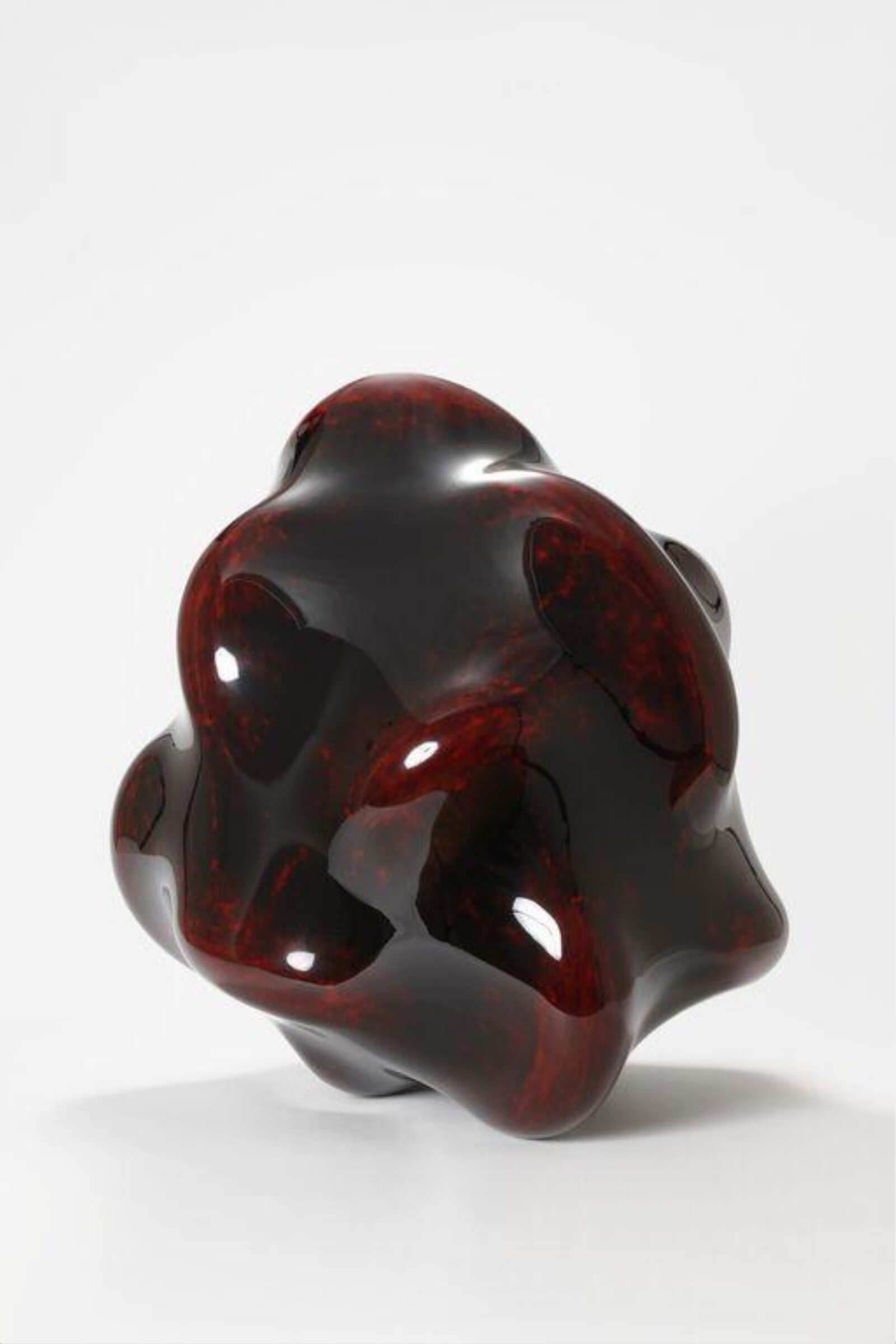
Red Flow, Ishizuka Genta, 2024

Ishizuka Genta

Red Flow, 2024

3D replica of Michelangelo's Prisoner (4117-1854), Factum Arte, 2024

Factum Arte

3D replica of Michelangelo's Prisoner (4117-1854), 2024

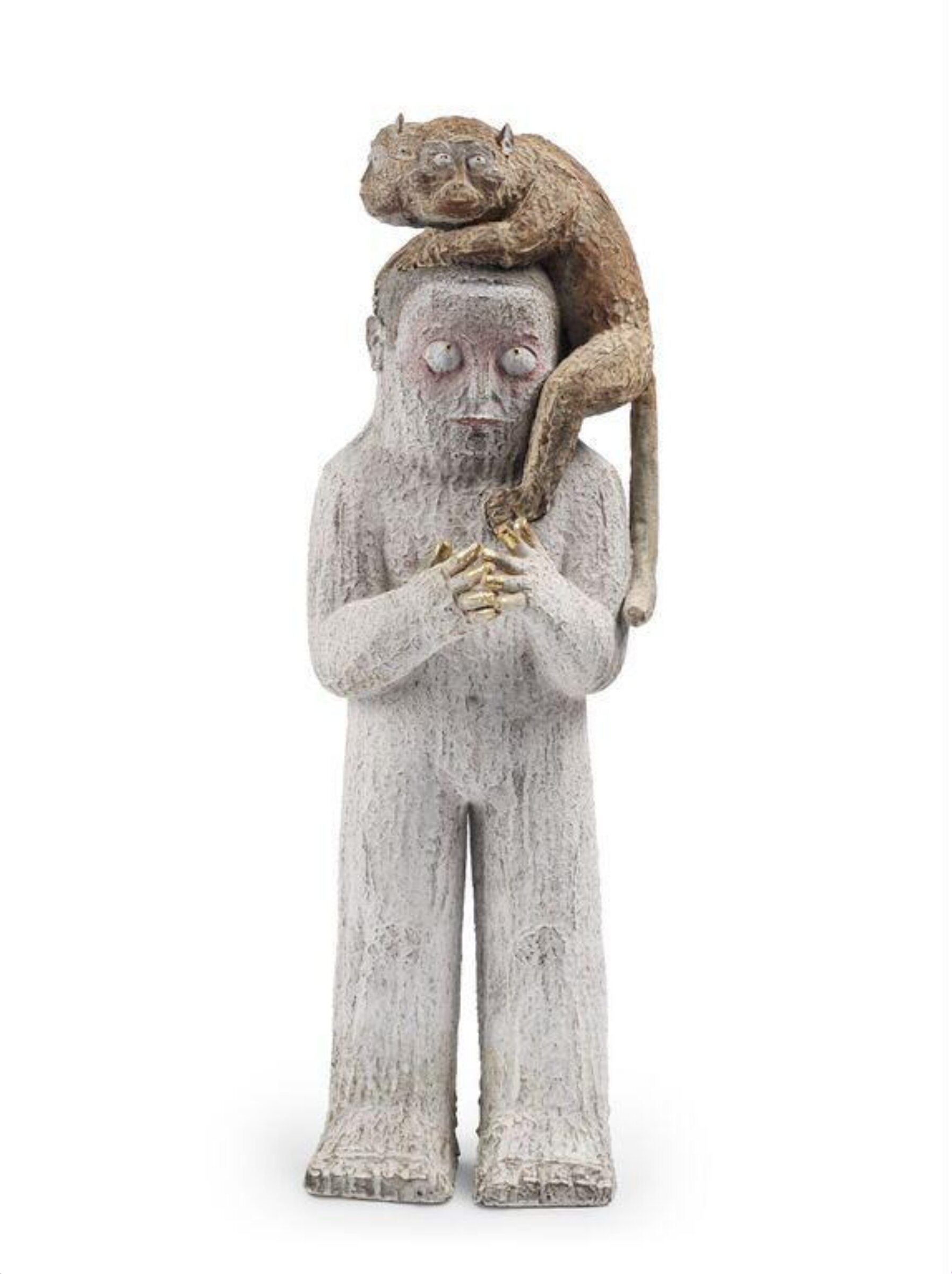
Sculpture, ‘Co-Existence – the Man and the Monkey’, Zhao Lin, 2024

Zhao Lin

Sculpture, ‘Co-Existence – the Man and the Monkey’, 2024