 Mary SullyStati Uniti, 1896–1963
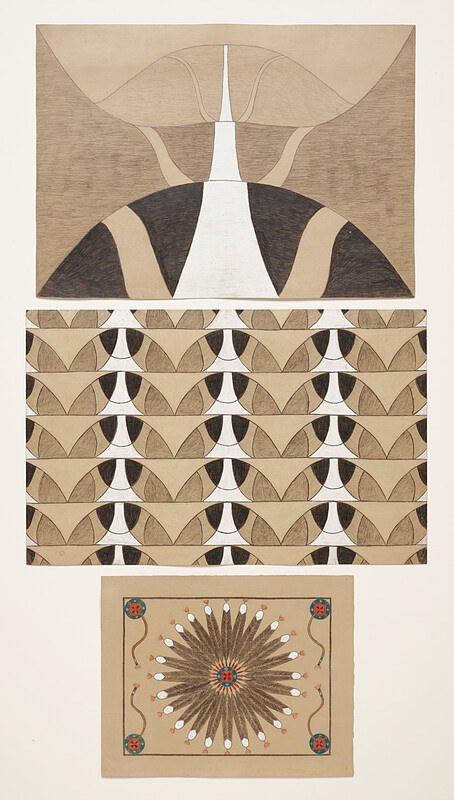
Anton Lang
Si può ammirare?
Al momento non riceve

Minneapolis Institute of Art
Minneapolis, Stati Uniti
Appartiene alla collezione, ma al momento non è esposta.
- Verificato
- 19 ore fa
- Ultimo cambio di stato
- 25 set 2026
- Fonte
- I dati di collezione del museo stesso
Sull’opera
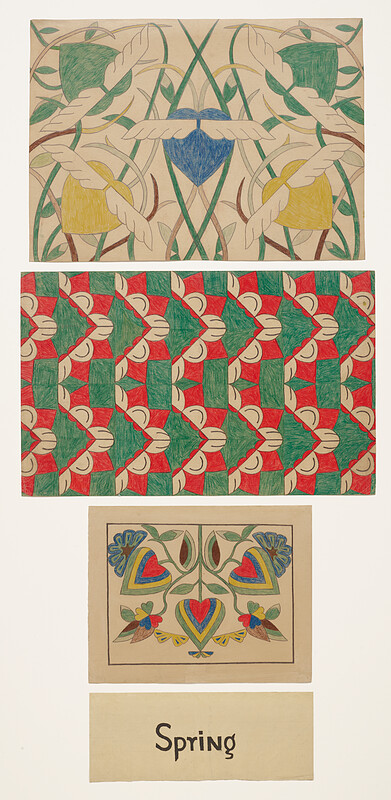
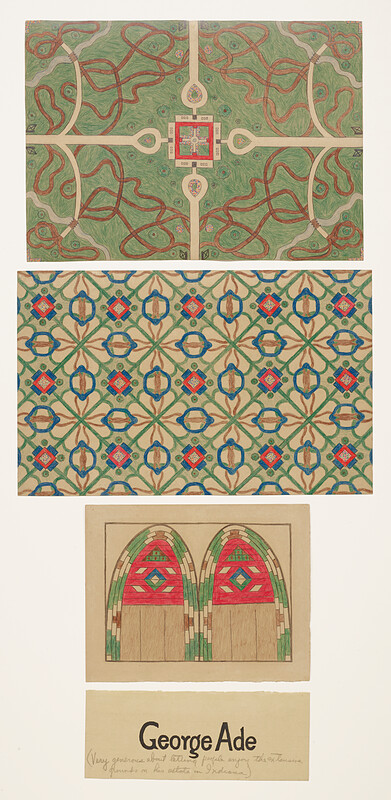
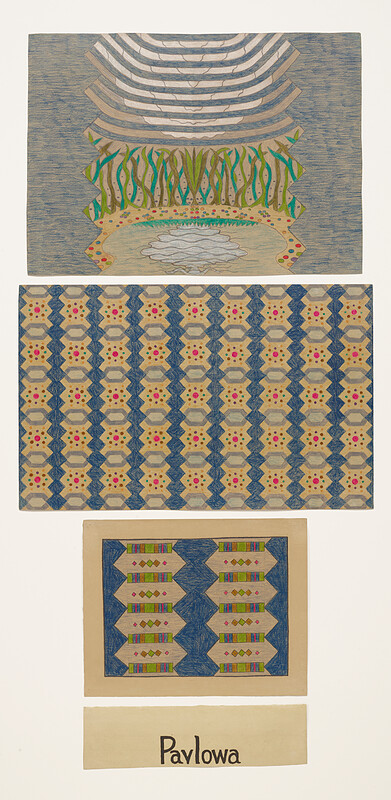
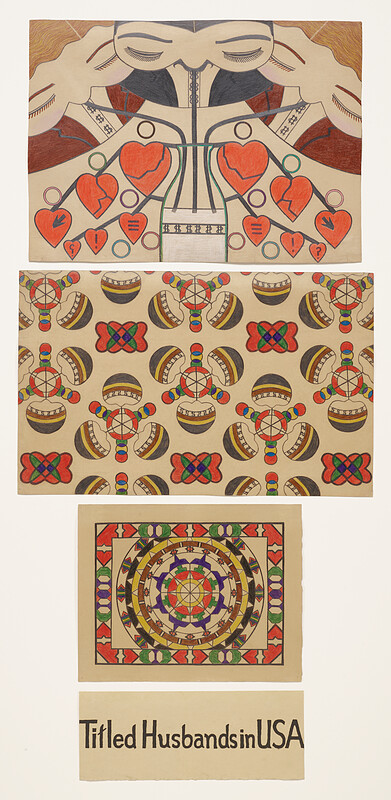
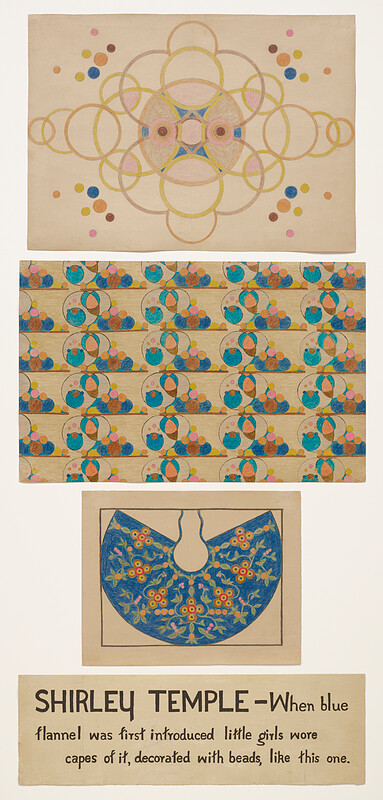
In the early half of the twentieth century, at a moment when modernism, abstraction, Art Nouveau-style designs, and Native American art established a place in fine art museums across America, Sully quietly began to revolutionize Native and American art by intentionally and carefully making connections between these seemingly unrelated genres, and, in doing so, perhaps unintentionally transformed the field of American art. Working without patronage, in near obscurity and largely self-taught, Sully produced over 130 intricately drawn and vividly colored three-panel ‘personality prints’ and several detailed drawings that captured the culture of her Dakota community and other Native nations; scenes she observed while living in New York City; and vignettes of popular culture of the 1920s and ‘30s.
Read on
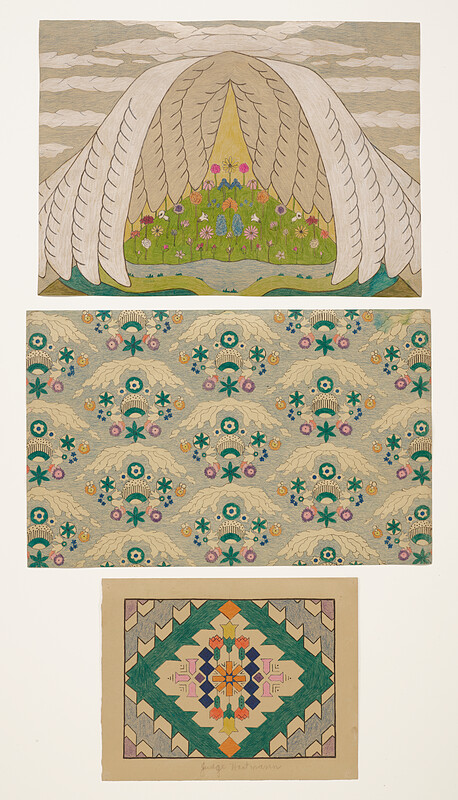
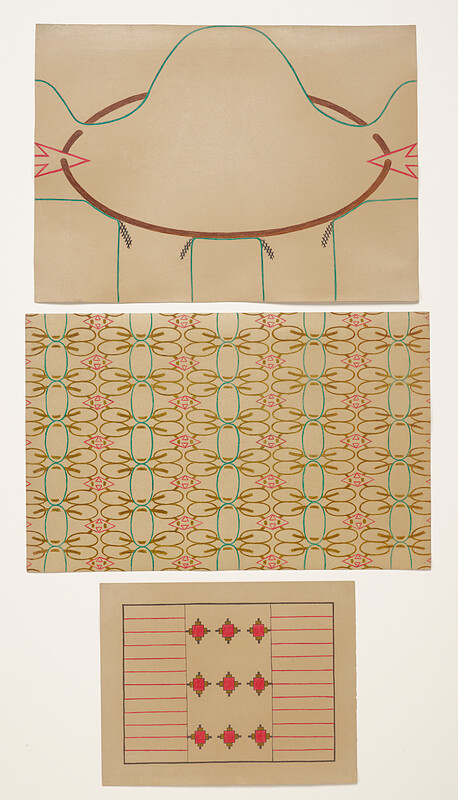
Mary Sully, daughter of an Episcopalian minister and deeply religious throughout her life, was often drawn to portraying individuals linked to spiritual practices and service to God and humankind. In the personality portrait of Anton Lang, an early 20th century theater actor most known for playing Christ, Sully presents a vast, open landscape and the path of a spiritual road. Three outstretched lines appear, along rounded black and white hills, extending towards the top of the panel, perhaps depicting the unknown. On the second panel, vertical lines and half circles activate the page toward movement, perhaps depicting walking down a path toward God. In the bottom panel, a sunburst of feathers designs appear, materials and designs often associated with Dakota spiritual matters.
Minneapolis Institute of Art
Scheda
- Numero di inventario
- 2023.56.5
In catalogo
Fonti
- Minneapolis Institute of Art: the museum's own open data · acquisita 5 giorni fa
- Immagine: Minneapolis Institute of Art — © Minneapolis Institute of Art