ART WIKI33.040 in sala
MappaCollezioneArtistiMuseiMostreRivista
Accedi

ART WIKI

Dove è appeso il capolavoro, e quando si può entrare.

Collezioni: Art Institute of Chicago, Cleveland Museum of Art, Ermitage, Galleria Tret'jakov, Getty Museum, Harvard Art Museums, Hirshhorn Museum and Sculpture Garden, Metropolitan Museum of Art, Minneapolis Institute of Art, Museo del Louvre, Museo Puškin delle belle arti, Museo russo, Museum of Modern Art, National Gallery of Art, National Museum of Asian Art, National Portrait Gallery, Rijksmuseum, Smithsonian American Art Museum, Statens Museum for Kunst, Victoria and Albert Museum, Villa Getty, Whitney Museum of American Art, Catalogo statale del fondo museale russo (274 musei), Europeana (19 musei), Wikidata (6 musei), Paris Musées (12 musei) e Joconde, la banca dati dei musei del Ministero della Cultura francese (495 musei). Le immagini appartengono ai titolari dei diritti.

Sezioni

  • Mappa
  • Ricerca
  • Collezione
  • Capolavori
  • Esposte ora
  • Artisti

Altro

  • Musei e gallerie
  • Mostre
  • Rivista
  • Da dove vengono i dati
  • Privacy e cookie
HomeMappaCatalogo
  1. Collezione/
  2. Cleveland Museum of Art/
  3. Animal-Headed Figure Pendant
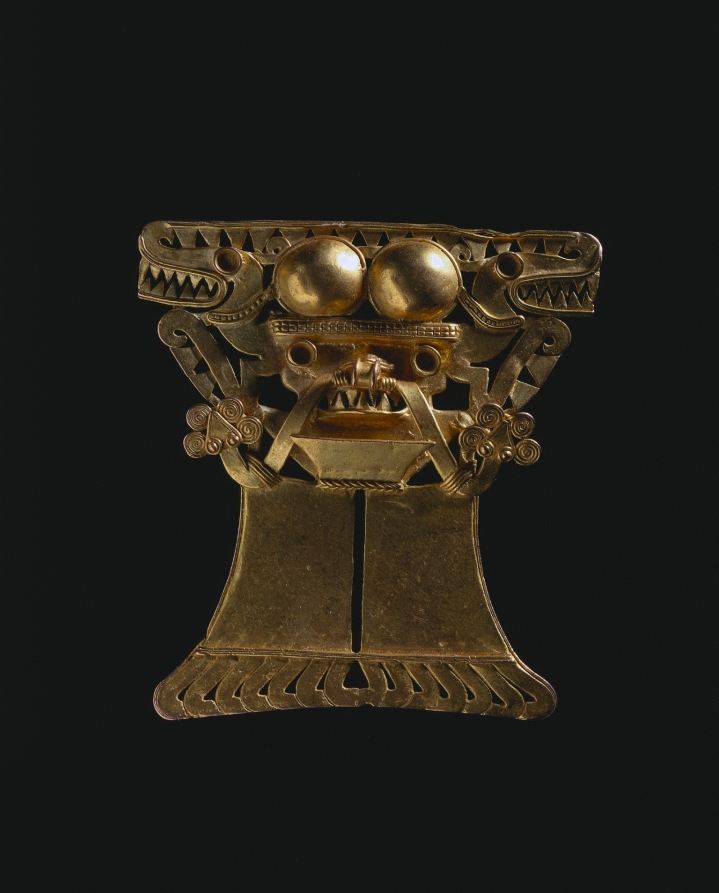
Animal-Headed Figure Pendant, c. 1000–1550

Animal-Headed Figure Pendant

c. 1000–1550 · Metalwork

Si può ammirare?

Sì, riceve visite

Cleveland Museum of Art

Cleveland, Stati Uniti

Sala233 Mesoamerican and Intermediate Region

Esposta al pubblico. Chi lo garantisce è indicato qui sotto.

Verificato
9 giorni fa
Ultimo cambio di stato
19 ago 2026
Fonte
Il museo
Sulla mappaPagina del museo

Sulla scultura

The culture area that extends from southern Central America to northern South America is generally referred to as the Intermediate Region because of its location between the two high culture zones of Mesoamerica and the central Andes. Research to date indicates that the pre-Columbian peoples of the Intermediate Region were organized into small, competitive chiefdoms, rather than large-scale states or empires. Despite political competition and warfare, trade in prestige goods such as jade and gold was common. Gold, obtained through panning and mining, was worked by hammering and lost-wax casting to produce intricate and showy personal ornaments.

Continua a leggere

The pendant represents a supernatural being, perhaps a fantastic crocodilian. It has projecting, tubelike eyes, a snout full of sharp teeth, and snake-headed streamers emanating from the nostrils. The simplified lower body consists of broad, flat legs, with large, curved talons at the ends of the feet. The elaborate headdress includes two central semidomes, flanked by fierce-looking profile crocodilians.

Cleveland Museum of Art

Scheda

Numero di inventario
1998.1

Nella stessa sala · 233 Mesoamerican and Intermediate Region, Cleveland Museum of Art

Pagina del museo

In catalogo

SculturaMetalloPanama, Veraguas or Parita style, c. 1000-1550

Fonti

  • Cleveland Museum of Art
  • Immagine: Cleveland Museum of Art — Museum open access
Front Face of a Stela (Free-standing Stone with Relief), 692

Front Face of a Stela (Free-standing Stone with Relief), 692

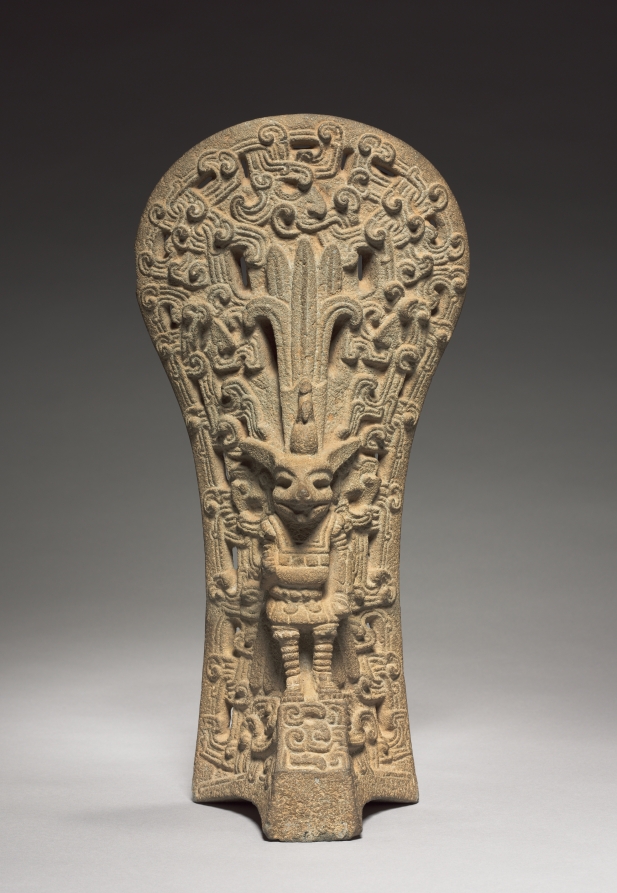
Ballgame Palma, c. 900–1100

Ballgame Palma, c. 900–1100

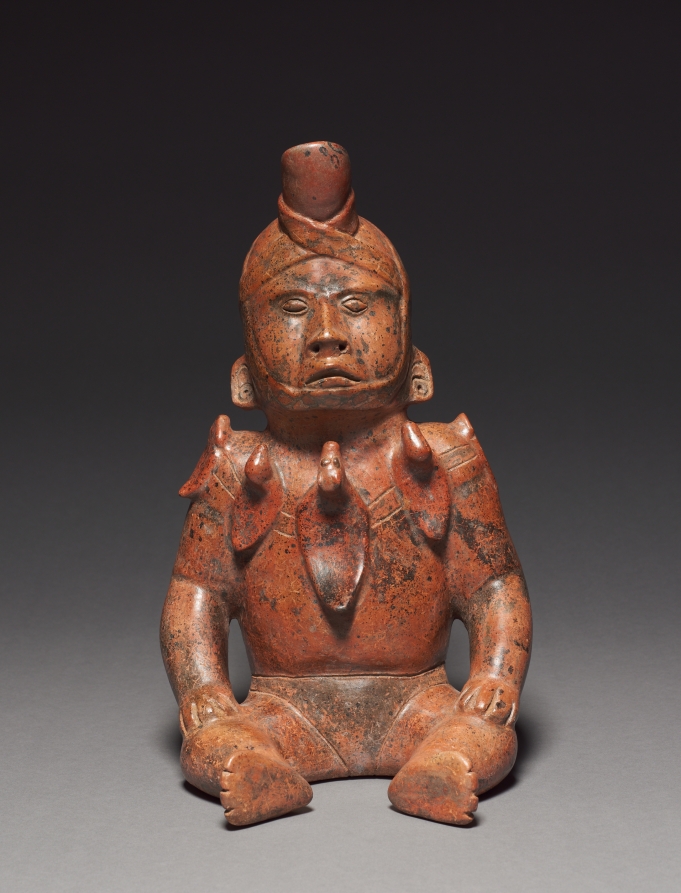
"Horned" Male, 100 BCE–300 CE

"Horned" Male, 100 BCE–300 CE

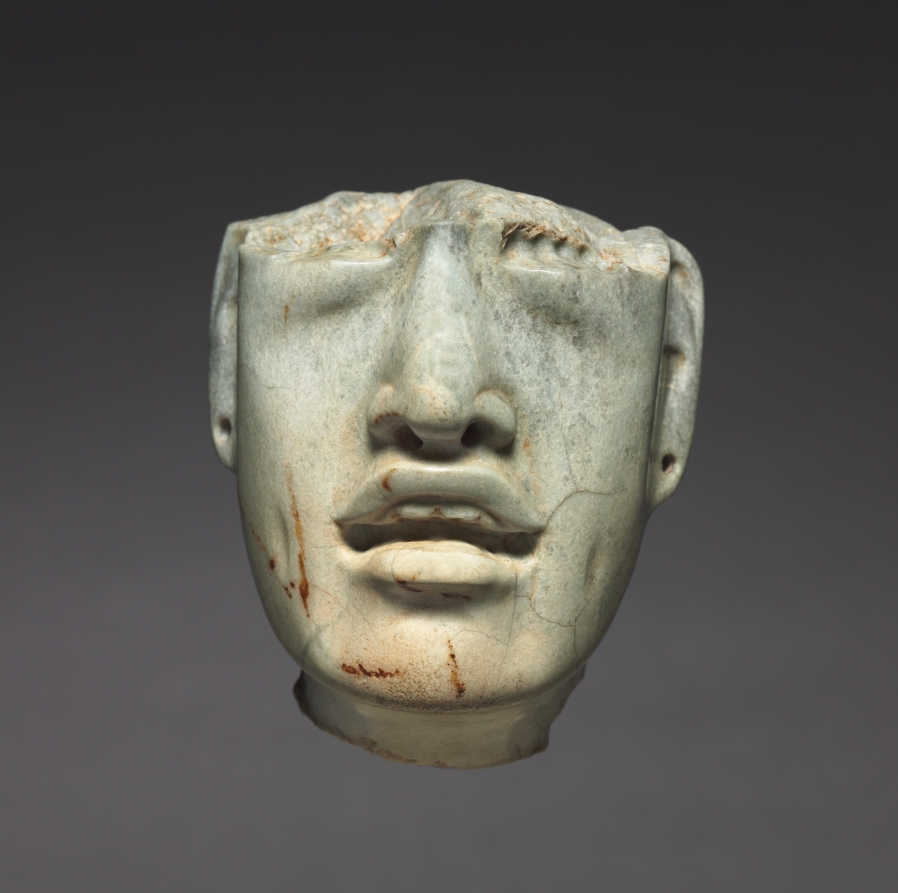
Head Fragment, c. 900–300 BCE

Head Fragment, c. 900–300 BCE

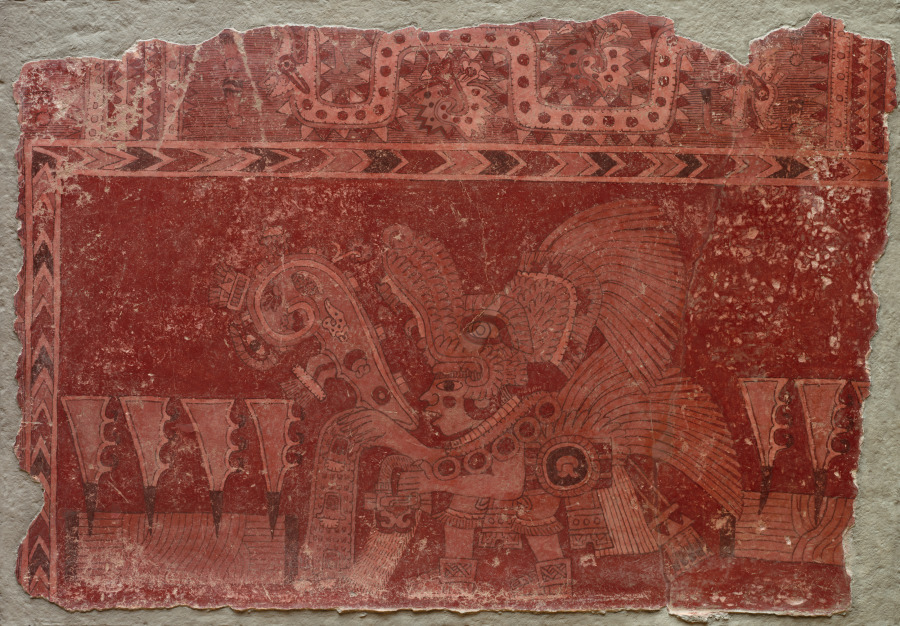
Mural Fragment with Elite Male and Maguey Cactus Leaves, 500–550

Mural Fragment with Elite Male and Maguey Cactus Leaves, 500–550

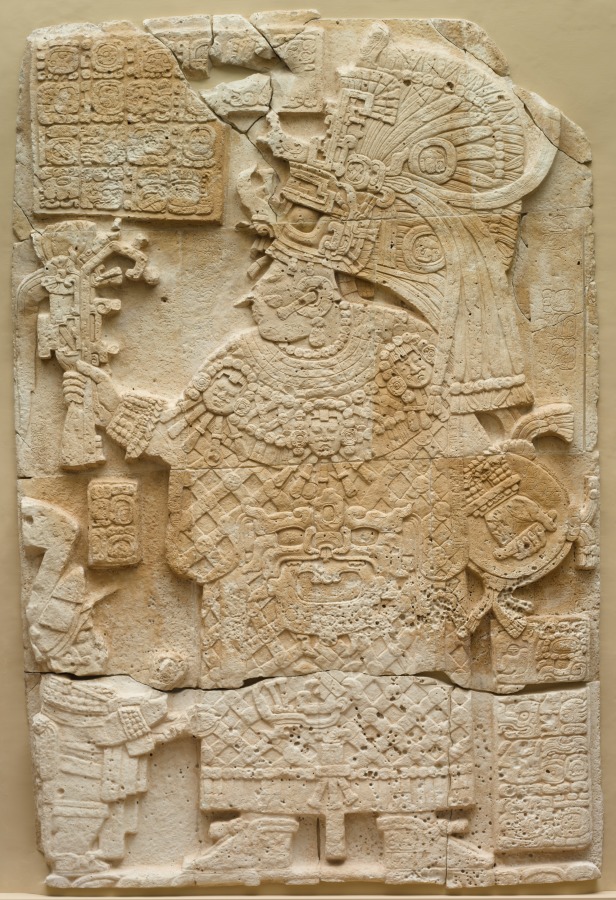
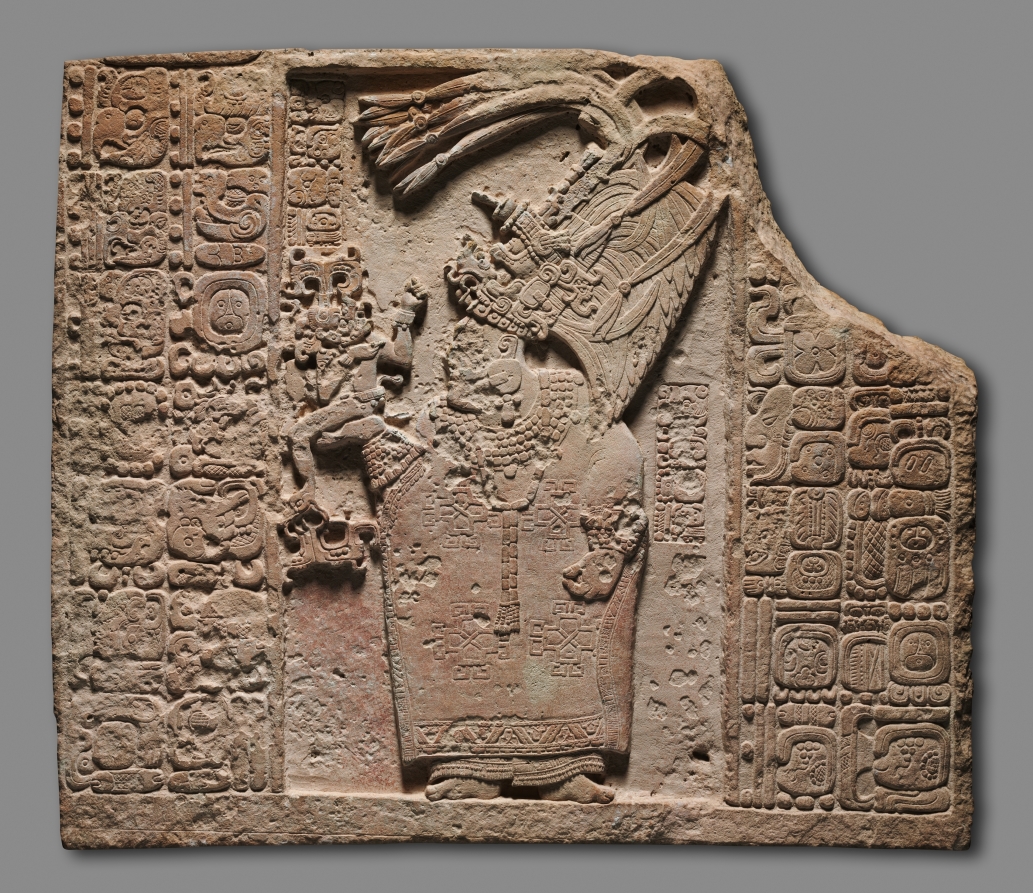
Panel with Royal Woman, K’in Lakam Chahk, c. 795

K’in Lakam Chahk

Panel with Royal Woman, c. 795

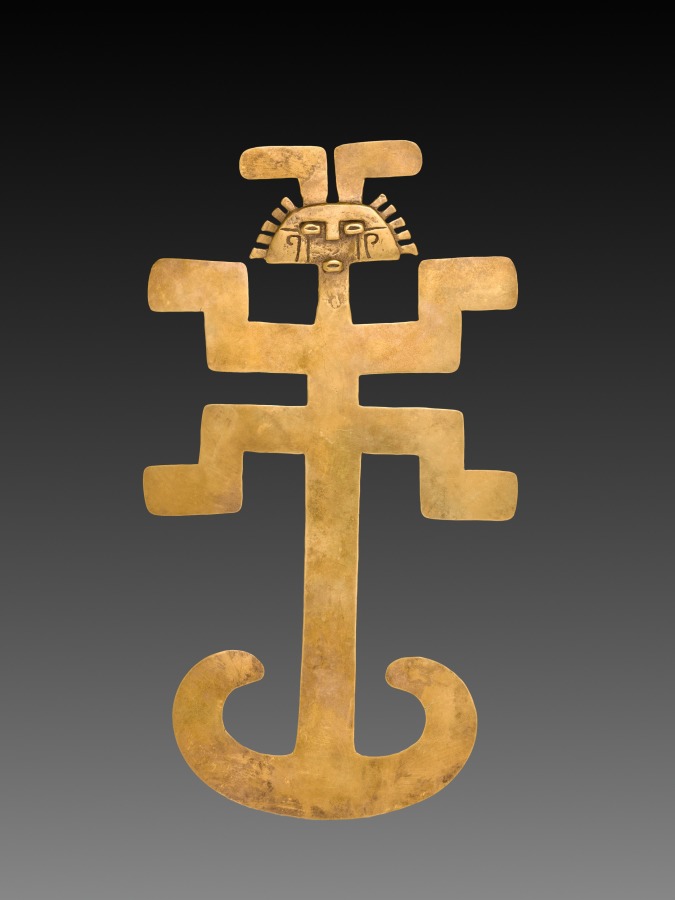
Figural Pendant, 1–800 CE

Figural Pendant, 1–800 CE

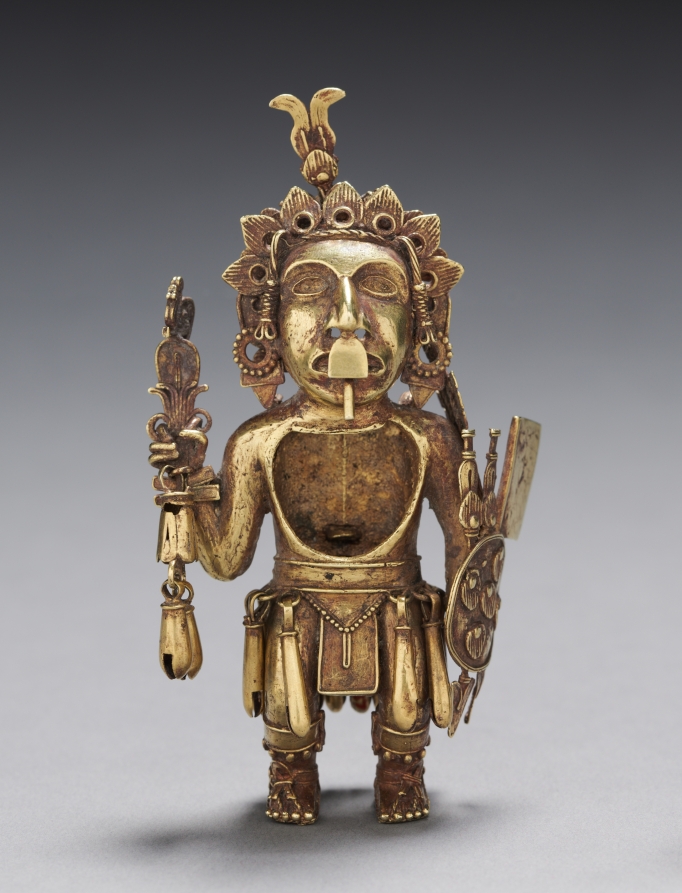
Figure of a Warrior, after 1325 (thermoluminescence date of casting core, 1345–1575)

Figure of a Warrior, after 1325 (thermoluminescence date of casting core, 1345–1575)