Jusepe de RiberaSpagna, 1591–1652
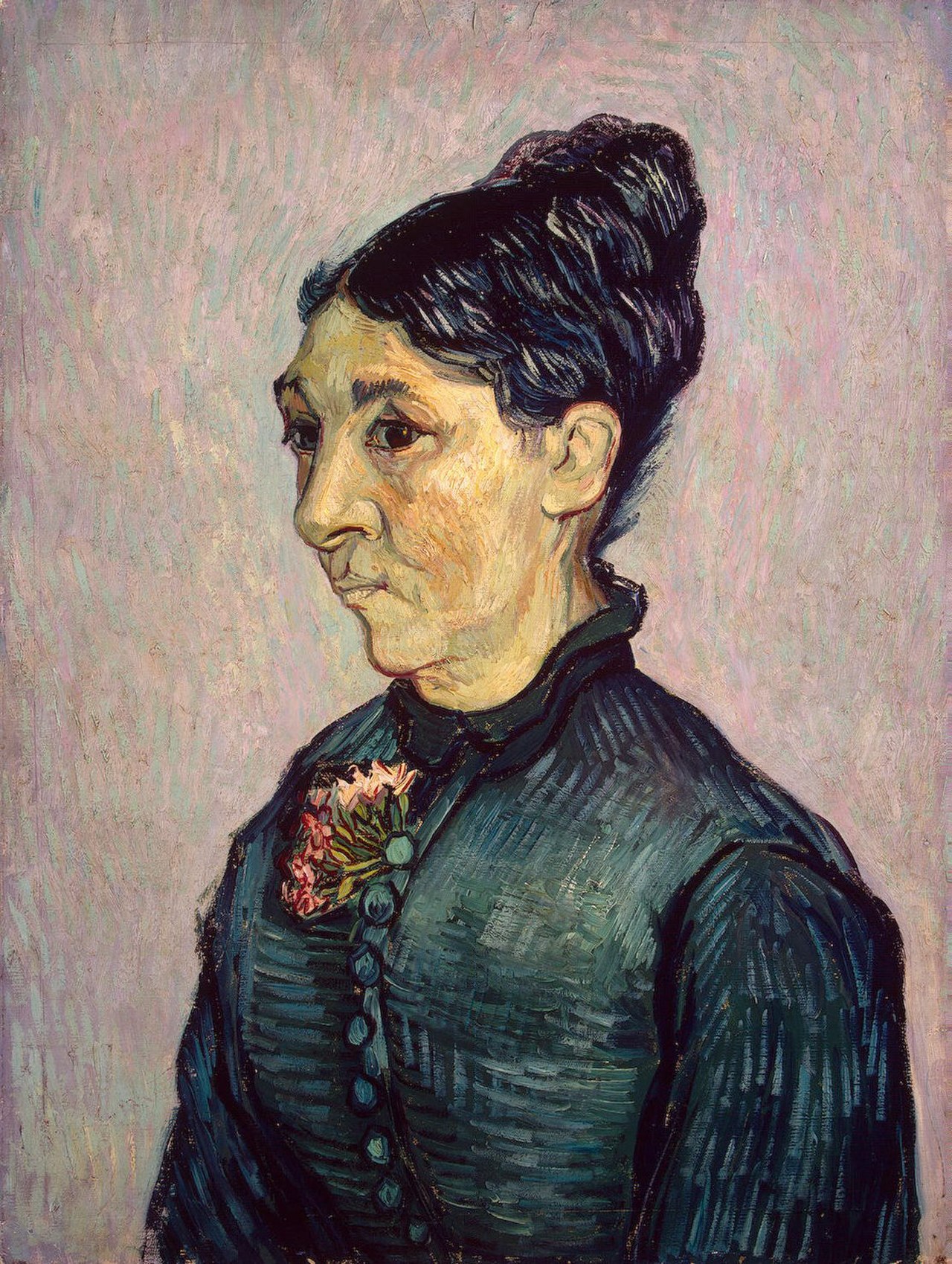
Allegory of History
Si può vedere?
Non esposta al momento
Dove si trova «Allegory of History» oggi? Collezione: Ermitage, San Pietroburgo. Non esposta al momento. Verificato 29 agosto 2026.

San Pietroburgo, Russia
Appartiene alla collezione, ma al momento non è esposta.
- Verificato
- Ultimo cambio di stato
- Fonte
- Il museo
Scheda
- Numero di inventario
- ГЭ-5194
In catalogo
Fonti
- Ermitage
- Immagine: Ermitage — Museum open access
Nella vita di Jusepe de Ribera
Tutta la vitanot after 1613 (possibly from 1606)
Sets out for Italy to study the old masters
Probably no later than 1613, perhaps as early as 1606, Ribera leaves for Italy to study the paintings of the old masters: first north to Cremona, Milan and Parma, then to Rome, where he gets to know the work of Guido Reni and Ludovico Carracci. Other accounts allow that he may have been there as early as 1605–09; he never returns to Spain.
1609–1616 · Luogo di lavoro
Parma
late 1616
The permanent move to Naples
In late 1616 Ribera moves to Naples, then ruled by Spain, for good — according to Mancini, to escape his creditors, since he lived beyond his means despite a high income. Many of his paintings will be taken back to Spain by returning Spaniards, but he himself never goes back.
after 1616
Viceroy Osuna and the signature “español”
Ribera quickly attracts the attention of the Viceroy, Pedro Téllez-Girón, Duke of Osuna, who gives him several major commissions showing the influence of Guido Reni. His Spanish nationality aligns him with the small Spanish governing class of the city, and from this point he signs his work “Jusepe de Ribera, español” — “Spaniard”.
1616
Marrying a Neapolitan painter's daughter
In November 1616 Ribera marries the sixteen-year-old Caterina Azzolino, daughter of the Sicilian-born Neapolitan painter Giovanni Bernardino Azzolino; her father's connections in the Neapolitan art world help establish Ribera at once as a major figure.
1616–1656 · Luogo di lavoro
Naples