Matthew Noble
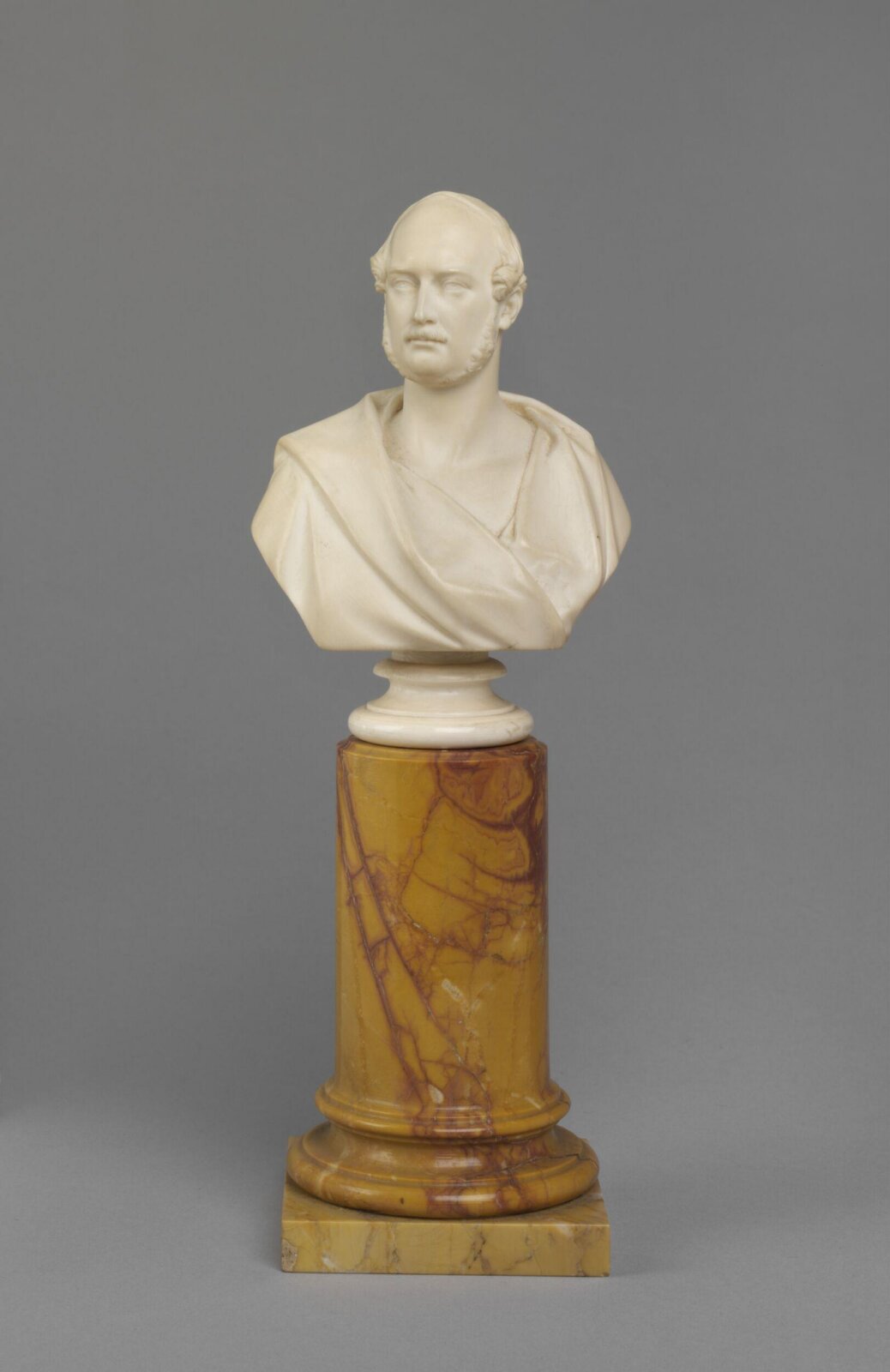
Albert, Prince Consort
Si può ammirare?
Al momento non riceve

Victoria and Albert Museum
Londra, Regno Unito
Appartiene alla collezione, ma al momento non è esposta.
- Verificato
- Ultimo cambio di stato
- Fonte
- I dati di collezione del museo stesso
About the sculpture
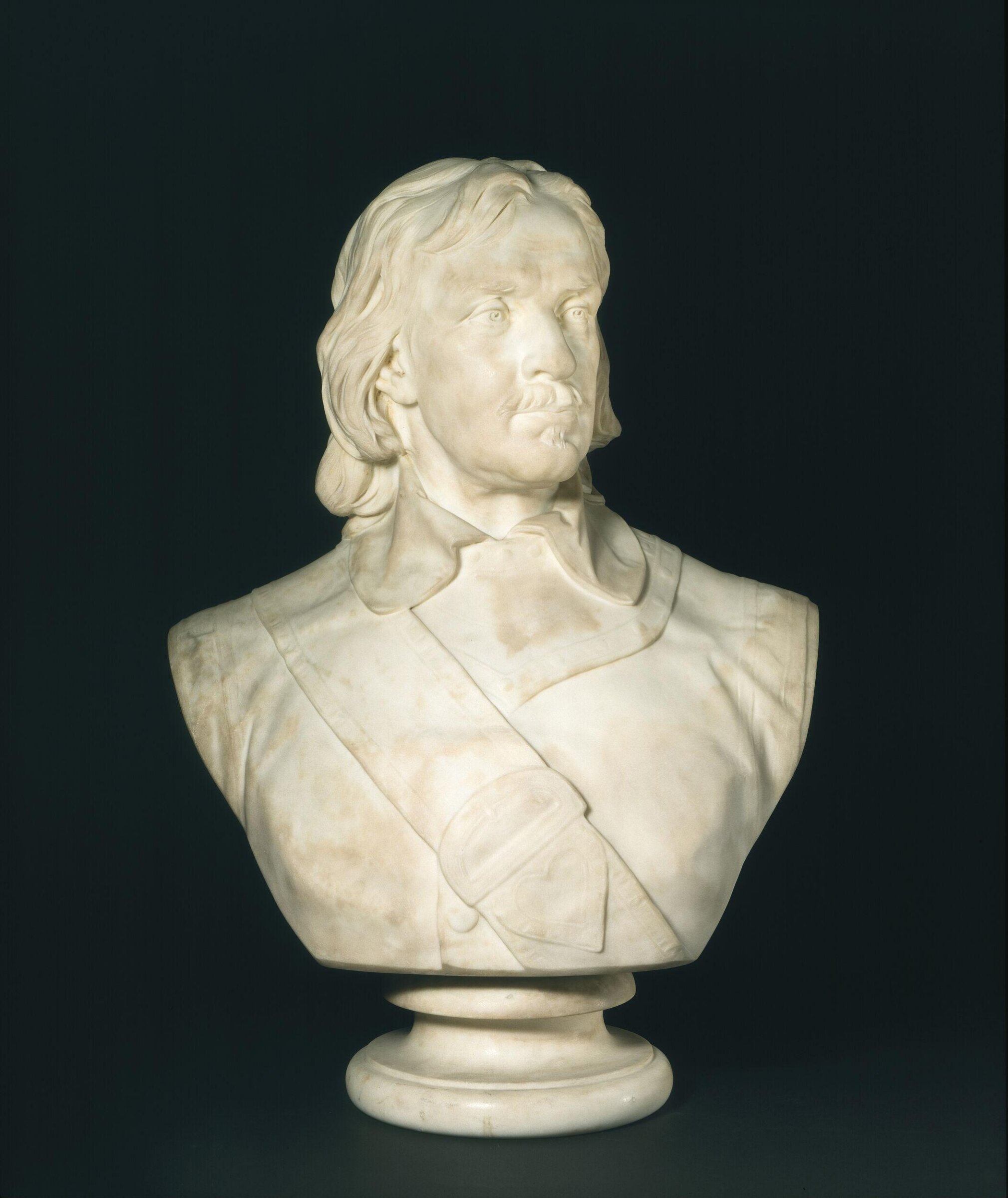
This ivory bust represents Albert, the Prince Consort, wearing classical style drapery and the Star of the Order of the Garter. It is probably made by Matthew Noble in Britain in ca. 1860. Although it is inscribed with Noble's name, the piece resembles reduced ivory busts by Benjamin Cheverton and was conceivably produced by Cheverton after Noble's full size marble portrait.
Noble was initially trained by his father, Robert Noble, but then went to study in London under John Francis (1780-1861). He was essentially sculptor in marble, and exhibited at the Royal Academy from 1845 to 1876, mostly portrait busts. He also executed a few ideal works, a number of public statues, and many funerary monuments.
Read on
Albert of Saxe-Coburg-Gotha married Queen Victoria in 1840 and took on the role of her private secretary and chief confidential adviser. Throughout his life Albert took a keen interest in arts and sciences, planning and managing the Great Exhibition in 1851. The profits of this successful venture enabled the building of the Albert Hall and the museum in South Kensington. Four years after he was given the title of Prince Consort, Albert died of typhoid fever. The Albert Memorial in Kensington Gardens, designed by Sir George Gilbert Scott and completed in 1876, was erected in his memory.
Victoria and Albert Museum
Scheda
- Numero di inventario
- A.221-1969
What it shows
In catalogo
Fonti
- Victoria and Albert Museum: the museum's own open data · acquisita 10 giorni fa
- Immagine: Victoria and Albert Museum — © Victoria and Albert Museum, London