 Alexander CalderStati Uniti, 1898–1976
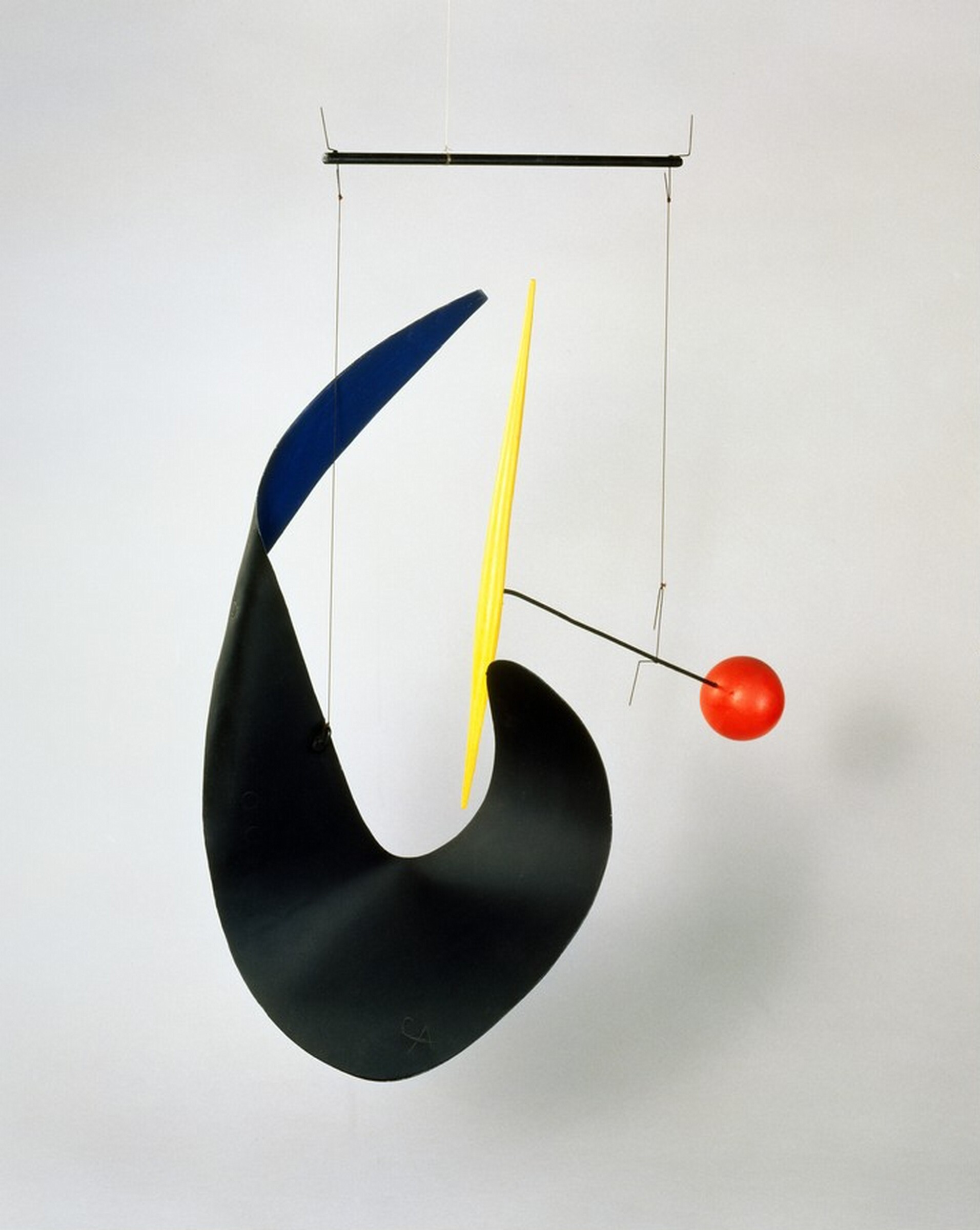
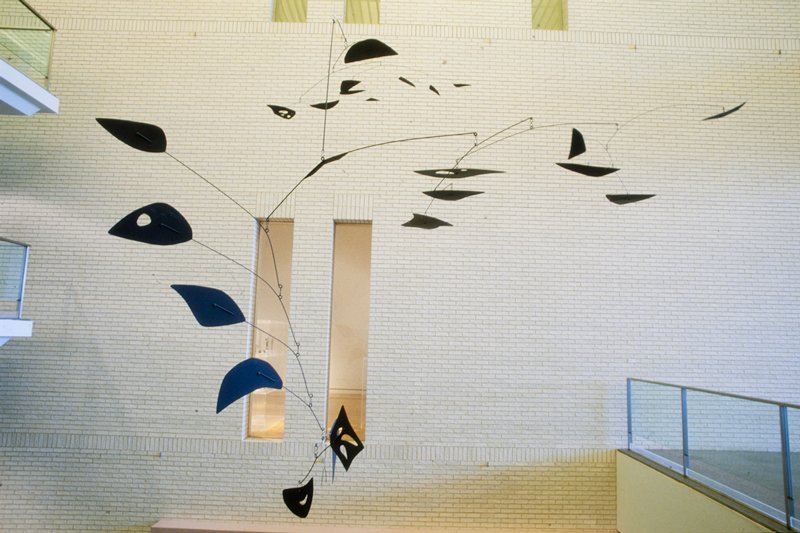
Ahab
Si può ammirare?
Al momento non riceve

Minneapolis Institute of Art
Minneapolis, Stati Uniti
Appartiene alla collezione, ma al momento non è esposta.
- Verificato
- ieri
- Ultimo cambio di stato
- 25 set 2026
- Fonte
- I dati di collezione del museo stesso
About the sculpture
From childhood Alexander Calder enjoyed inventing mechanical toys and gadgets. In Paris during the 1920s and 1930s he encountered a new type of sculpture, pioneered by Picasso and the Russian Constructivists: assemblages of wood, metal, plastic, and cardboard, with space incorporated as part of the design. Calder began building similar abstract pieces in 1930 but gave them a new dimension--motion. Fellow artist Marcel Duchamp christened the moving sculptures mobiles.
One of Calder's largest mobiles, Ahab is composed of three arcs made of steel rods and irregularly shaped disks that suggest natural forms. The title refers to the maniacal sea captain who pursued the white whale in Herman Melville's novel Moby Dick (1851).
Minneapolis Institute of Art
Scheda
- Numero di inventario
- 83.77a-f
In catalogo
Fonti
- Minneapolis Institute of Art: the museum's own open data · acquisita 5 giorni fa
- Immagine: Minneapolis Institute of Art — © 2015 Calder Foundation, New York / Artists Rights Society (ARS), New York
Nel frattempo, nella vita di Alexander Calder
Tutta la vita1952
The Grand Prize of the Venice Biennale
In 1952 Calder wins the Grand Prize of the Venice Biennale. His monumental stabiles soon become part of the architectural ensembles of many cities in Europe and America.
1955
Takes part in documenta I
Calder takes part in the first documenta (1955); he will also exhibit at the second (1959) and the third (1964).
1955
Three months in India with Louisa
In 1955 Calder and Louisa travel through India for three months, where he produces nine sculptures as well as some jewellery.