 Beatrix Potter1866–1943
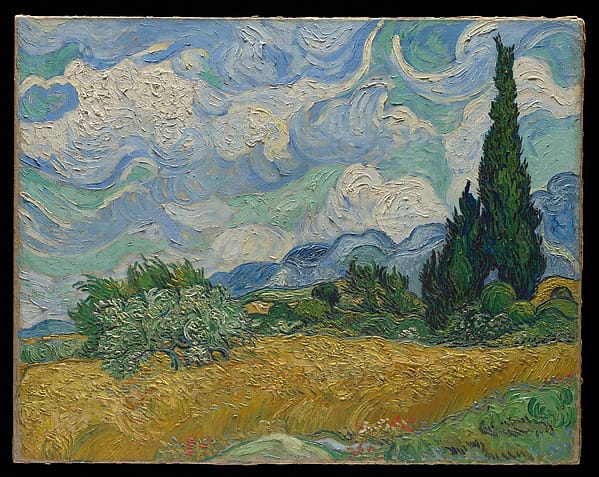
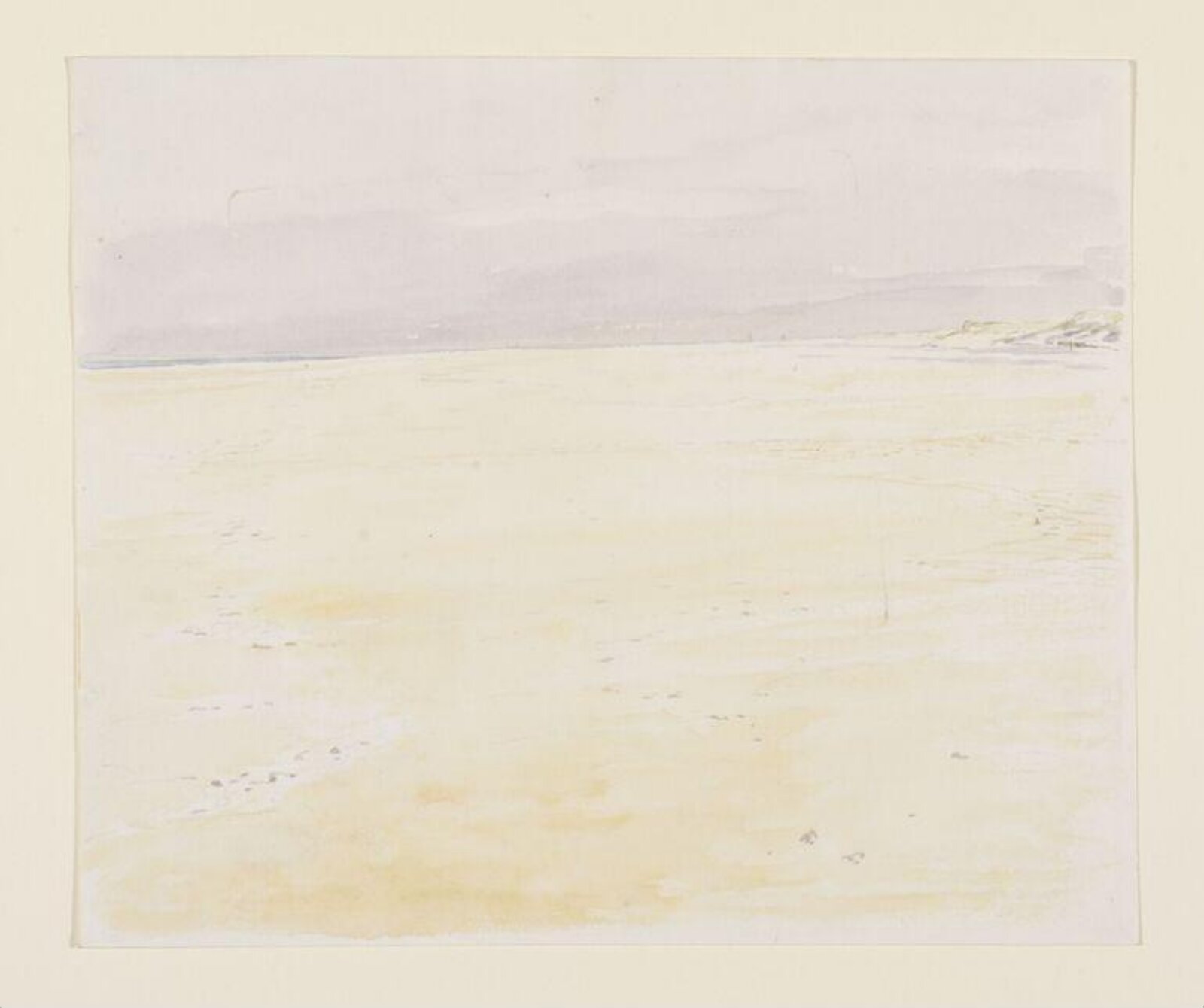
A flat, sandy beach with a purplish sky beyond
Si può ammirare?
Al momento non riceve

Londra, Regno Unito
Appartiene alla collezione, ma al momento non è esposta.
- Verificato
- Ultimo cambio di stato
- Fonte
- Il museo
Sull’opera
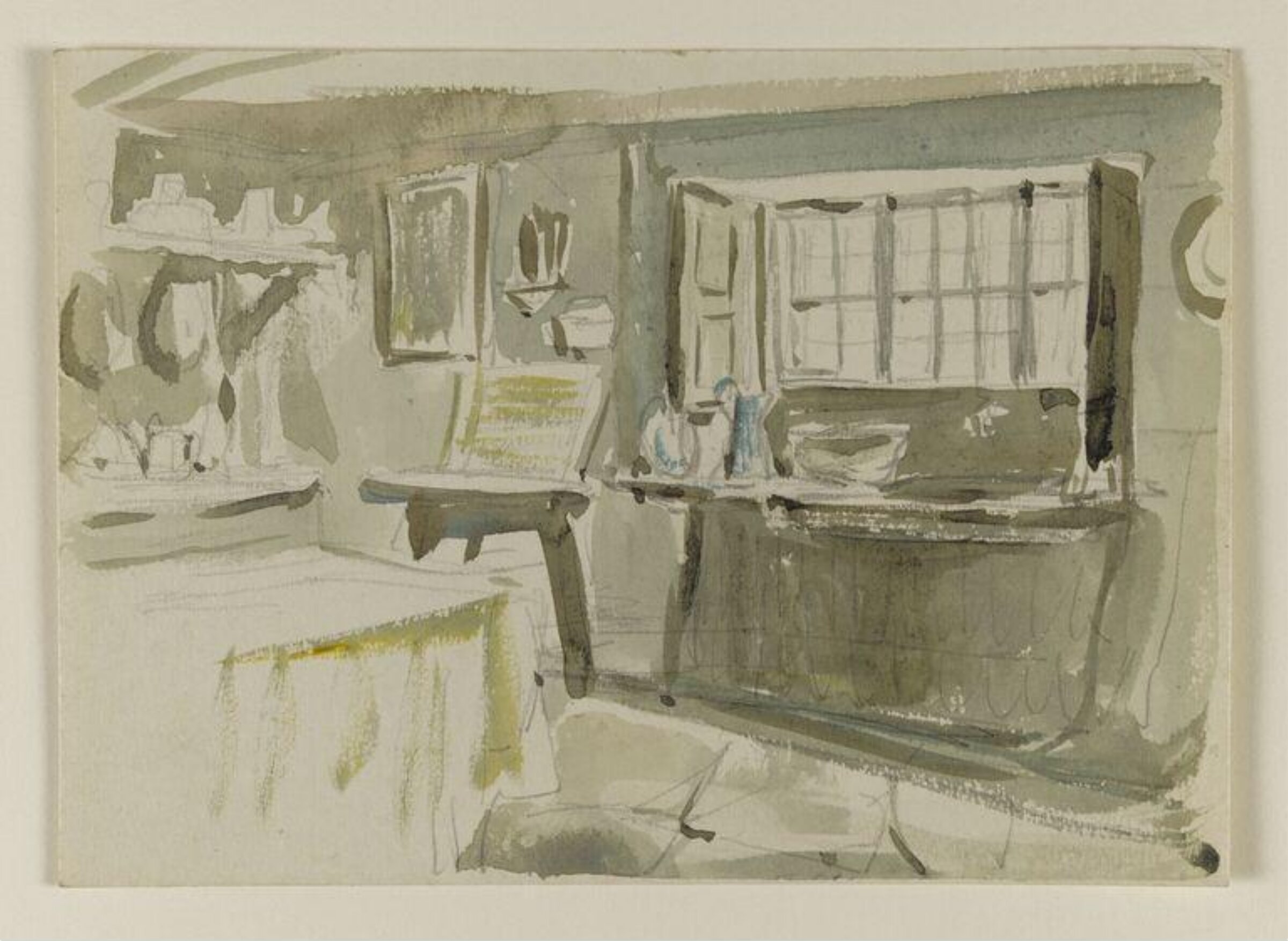
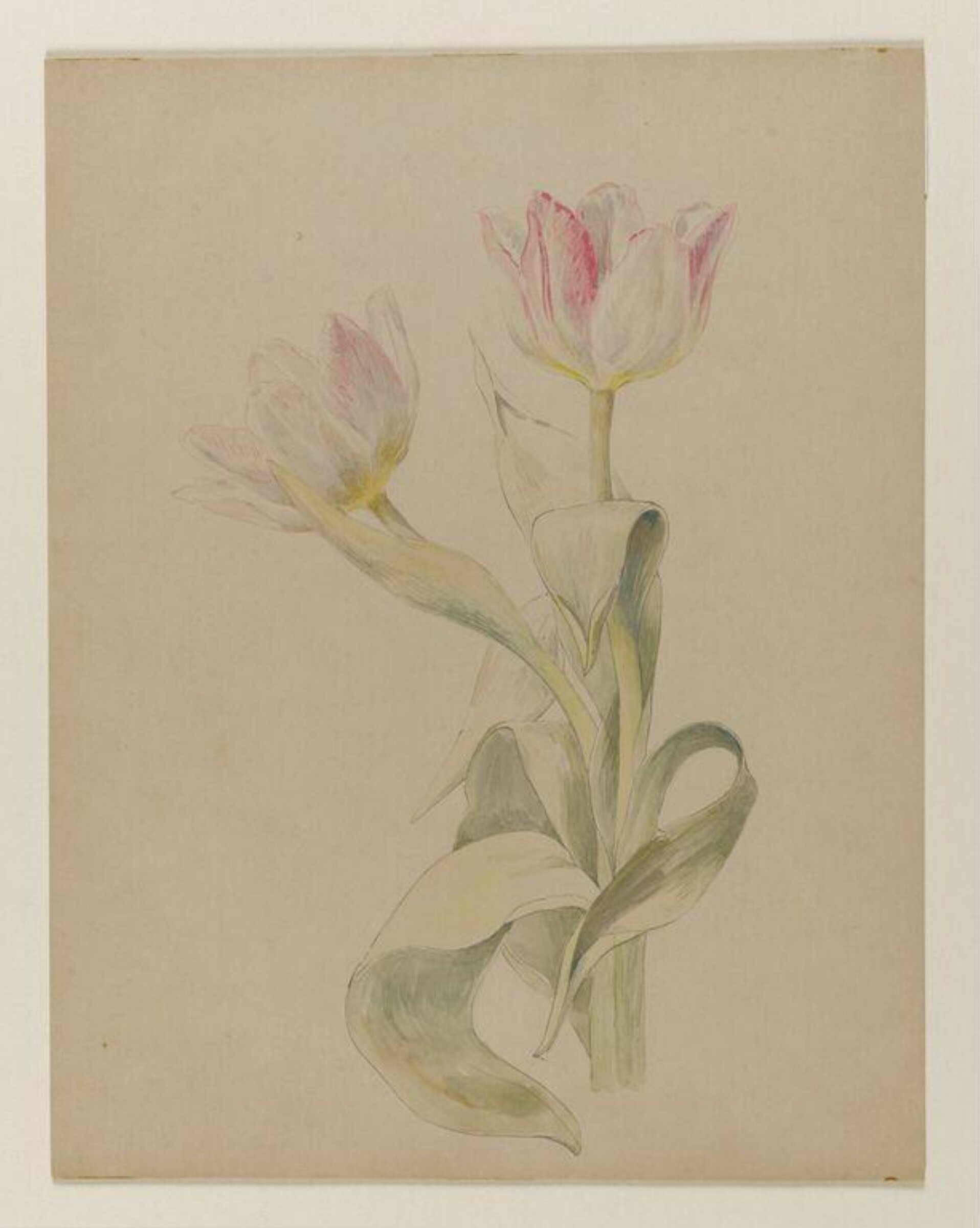
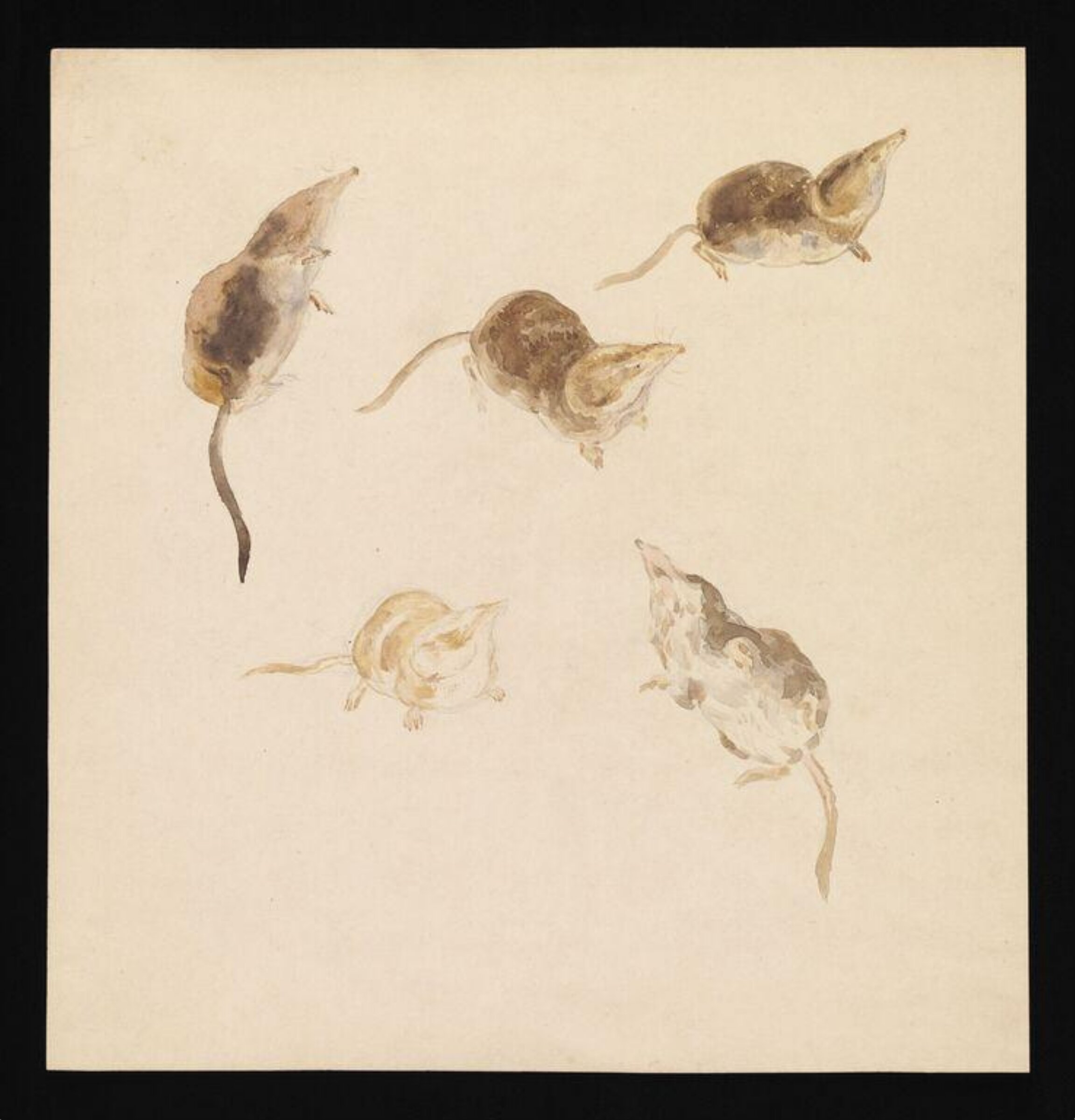
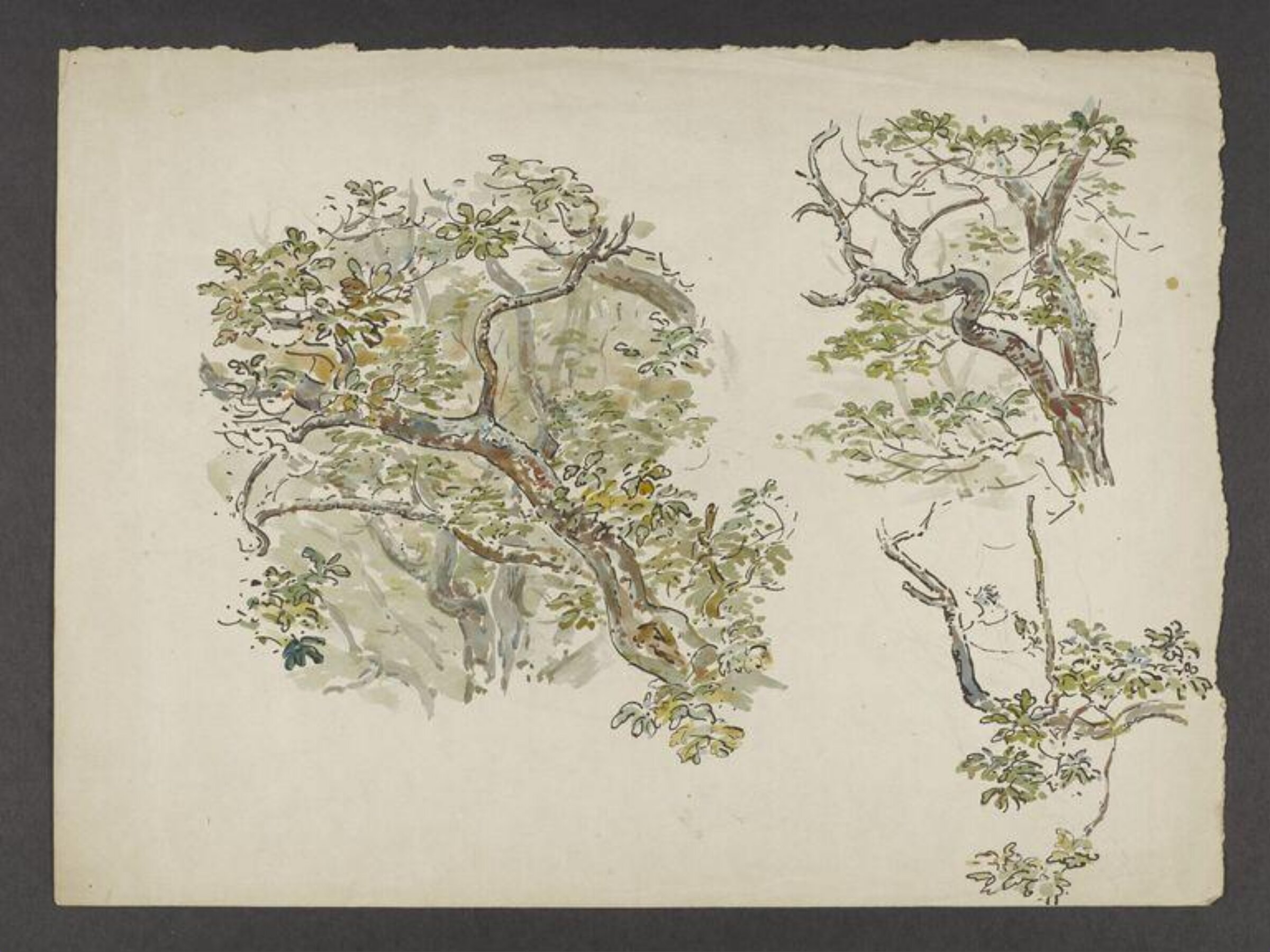
Beatrix Potter (1866-1943) is one of the world's best-loved children's authors and illustrators. She wrote the majority of the twenty-three Original Peter Rabbit Books between 1901 and 1913. The Tale of Peter Rabbit (Frederick Warne, 1902) is her most famous and best-loved tale.
Before Beatrix Potter’s marriage to the Lakeland solicitor William Heelis in 1913, she holidayed regularly with her parents. This watercolour study of a flat, sandy beach with a dark purplish sky surely dates from one of these trips, and it has been suggested that it might have been made while the Potters were staying in Grange-over-Sands in April 1887, where the family suffered ‘fearful’ weather and storms.
Victoria and Albert Museum
Scheda
- Numero di inventario
- BP.336
Che cosa raffigura
In catalogo
Fonti
- Victoria and Albert Museum
- Immagine: Victoria and Albert Museum — © Victoria and Albert Museum, London
Nel frattempo, nella vita di Beatrix Potter
Tutta la vita28 luglio 1866
Birth in London
Helen Beatrix was born at 2 Bolton Gardens in West Brompton, London, into a comfortable Unitarian family: her father, the barrister Rupert Potter, was also a keen amateur photographer, and her paternal grandfather, Edmund Potter, owned the largest calico-printing works in England and sat in Parliament. She was educated by three governesses; she and her younger brother Walter Bertram, born in 1872, had few friends outside their large extended family.
1882
The Lake District and Hardwicke Rawnsley
When Dalguise was no longer available, the Potters spent their first summer in the Lake District in 1882, at Wray Castle near Lake Windermere; sixteen-year-old Beatrix fell in love with its beauty and resolved to live there one day. There she met Hardwicke Rawnsley, the vicar of Wray and later founding secretary of the National Trust, whose views on the countryside left a lasting mark on her.
summer 1892
Charles McIntosh and the fungi
In the summer of 1892, at Dunkeld in Perthshire, Beatrix met Charles McIntosh, a revered naturalist and amateur mycologist: he helped make her illustrations more accurate, taught her taxonomy and supplied her with live specimens to paint in winter. By the 1890s her scientific interests had centred on mycology; she was first drawn to fungi by their colours and their evanescence.
1893
A letter to Noel Moore about four rabbits
In September 1893, on holiday at Eastwood near Dunkeld, Beatrix ran out of things to write to Noel, the often-ill eldest son of her former governess Annie Carter Moore, and told him a story about “four little rabbits whose names were Flopsy, Mopsy, Cottontail, and Peter”. It became one of the most famous children’s letters ever written and the basis of her future career; it was Annie who later suggested that such letters might make good children’s books.
1895–1897
A theory of spore germination, and Kew Gardens
In 1895, curious about how fungi reproduce, Beatrix began microscopic drawings of agaric spores and developed a theory of their germination. Through her uncle, the chemist Sir Henry Roscoe, she consulted botanists at Kew and convinced George Massee of her ability to germinate spores, but William Thiselton-Dyer, the director of Kew, rebuffed her because of her sex and amateur status.
1897
A paper for the Linnean Society
In 1897 Beatrix submitted a paper, “On the Germination of the Spores of the Agaricineae”, to the Linnean Society, but as a woman she could neither attend the meeting nor read it herself — George Massee introduced it. She later withdrew it on realising that some of her samples were contaminated, yet she continued her microscopic studies for several more years.