ART WIKI32.963 in sala
MappaCollezioneArtistiMuseiMostreRivista
Accedi

ART WIKI

Dove è appeso il capolavoro, e quando si può entrare.

Collezioni: Art Institute of Chicago, Cleveland Museum of Art, Ermitage, Galleria Tret'jakov, Getty Museum, Harvard Art Museums, Hirshhorn Museum and Sculpture Garden, Metropolitan Museum of Art, Minneapolis Institute of Art, Museo del Louvre, Museo Puškin delle belle arti, Museo russo, Museum of Modern Art, National Gallery of Art, National Museum of Asian Art, National Portrait Gallery, Rijksmuseum, Smithsonian American Art Museum, Statens Museum for Kunst, Victoria and Albert Museum, Villa Getty, Whitney Museum of American Art, Catalogo statale del fondo museale russo (274 musei), Europeana (19 musei), Wikidata (6 musei), Paris Musées (12 musei) e Joconde, la banca dati dei musei del Ministero della Cultura francese (495 musei). Le immagini appartengono ai titolari dei diritti.

Sezioni

  • Mappa
  • Ricerca
  • Collezione
  • Capolavori
  • Esposte ora
  • Artisti

Altro

  • Musei e gallerie
  • Mostre
  • Rivista
  • Da dove vengono i dati
  • Privacy e cookie
HomeMappaCatalogo
  1. Collezione/
  2. Minneapolis Institute of Art/
  3. .30 Bullet Piercing an Apple
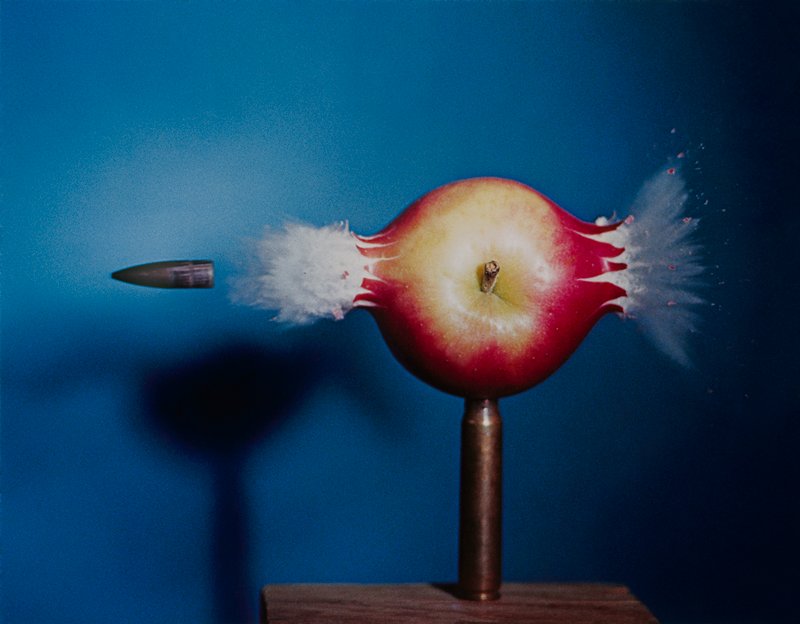
.30 Bullet Piercing an Apple, Harold E. Edgerton, 1964
Harold Eugene Edgerton, ritrattoHarold Eugene EdgertonStati Uniti, 1903–1990

.30 Bullet Piercing an Apple

1964 · Photograph · 35.72 × 45.72 cm

Si può ammirare?

Al momento non riceve

Minneapolis Institute of Art

Minneapolis, Stati Uniti

Appartiene alla collezione, ma al momento non è esposta.

Verificato
l’altro ieri
Ultimo cambio di stato
25 set 2026
Fonte
I dati di collezione del museo stesso
Sulla mappaPagina del museo

Sull’opera

One of Harold Edgerton’s most important contributions to photography was the popularization of the stroboscope. This device uses a flashing light (a strobe) to seemingly slow or stop motion, which is what allowed Edgerton to take this photograph of a bullet just after it exited an apple. If you’ve ever been to a dance with a strobe light, you might notice that the people appear to be moving in slow motion. The same principle is in effect here.

This innovation was to prove crucial in photographing high-speed objects or events and had wide-ranging applications, such has helping to view vocal cords, or studying the stresses on machinery in motion. His body of work is characterized by technical innovation, which allowed him to “freeze time.” Edgerton photographed subjects from milk droplets to nuclear bomb tests, often with surreal and beautiful results.

Minneapolis Institute of Art

Scheda

1964 · a 61 anni
19031990
Numero di inventario
96.149.32.7

In catalogo

FotografieArte del dopoguerraXX secoloStati Uniti

Fonti

  • Minneapolis Institute of Art: i dati aperti del museo · acquisita 8 giorni fa
  • Immagine: Minneapolis Institute of Art — ©The Harold & Esther Edgerton Foundation, 2001, Courtesy of Palm Press, Inc.
Altre opere di Harold Eugene Edgerton

Tutte le opere
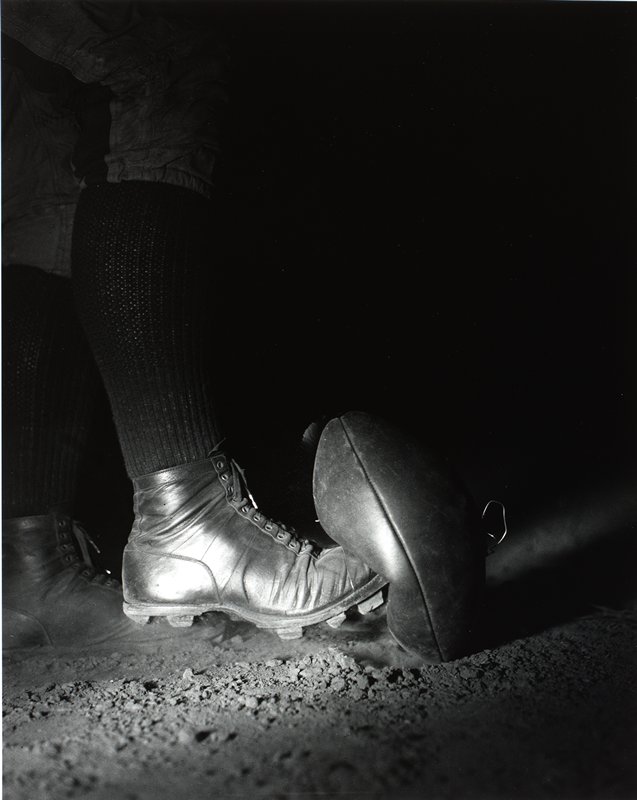
Football Kick, Harold E. Edgerton, 1934

Football Kick

1934 · Minneapolis Institute of Art

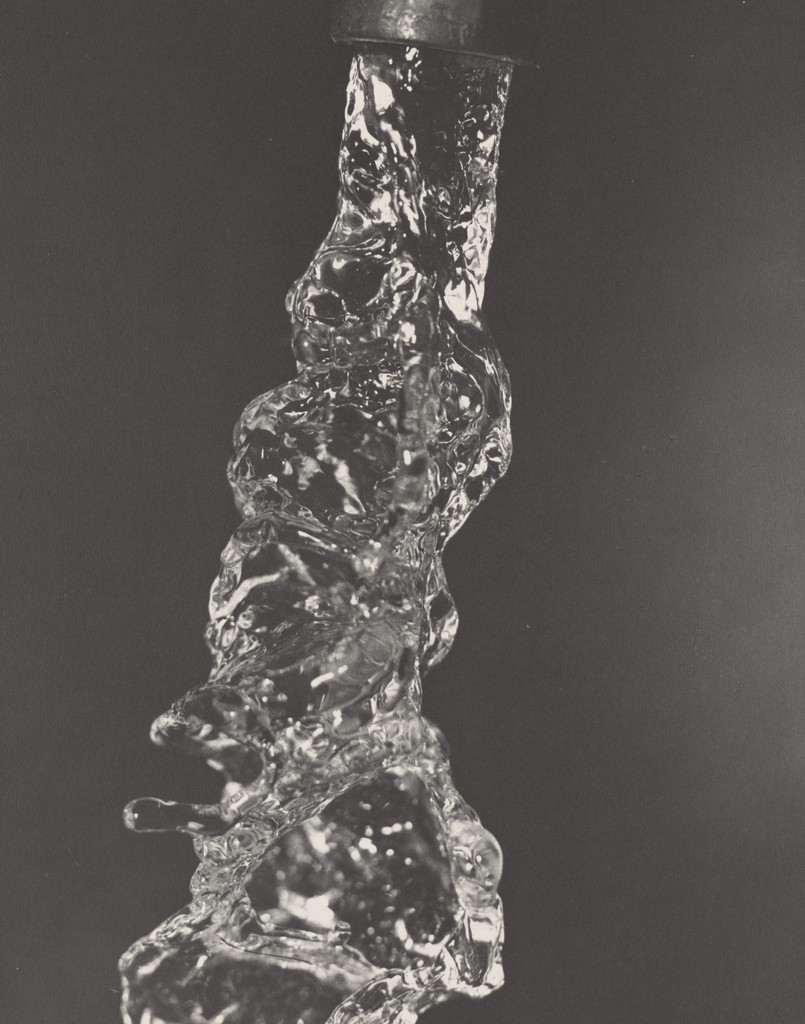
Water from a Faucet, Harold Edgerton, 1932

Water from a Faucet

1932 · Non esposta · National Gallery of Art

Water from a Faucet, Harold Eugene Edgerton, 1932

Water from a Faucet

1932 · Non esposta · Museum of Modern Art

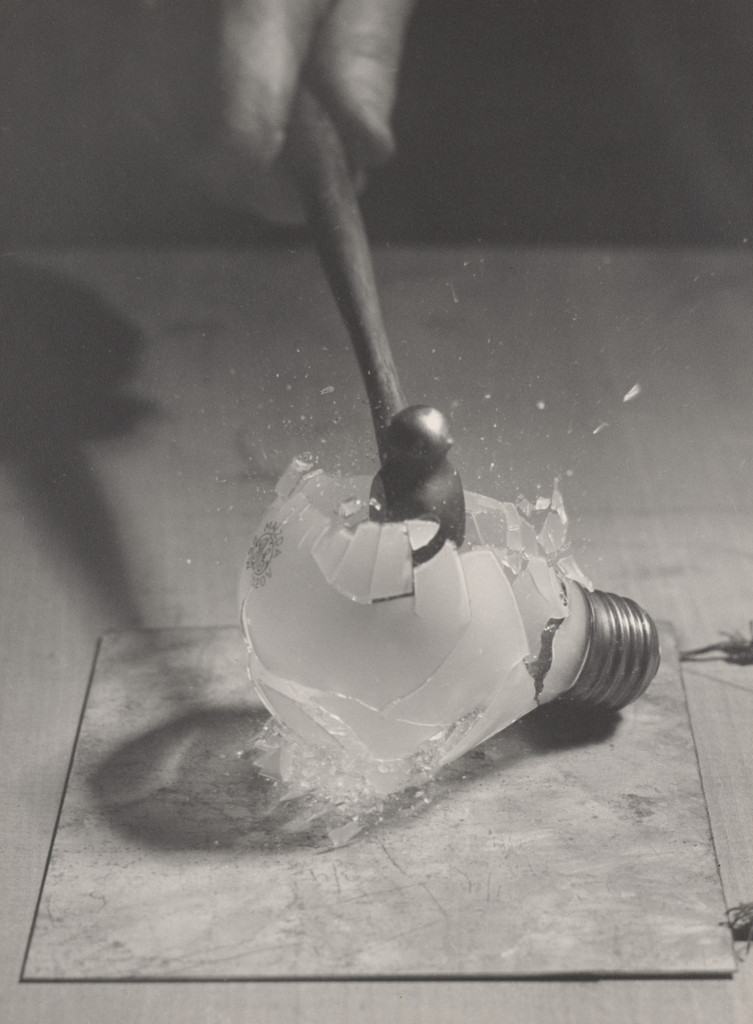
Smash!, Harold Eugene Edgerton, 1933

Smash!

1933 · Non esposta · Museum of Modern Art

This is Coffee, Harold Eugene Edgerton, 1933

This is Coffee

1933 · Non esposta · Museum of Modern Art

Wes Fesler Kicking a Football, Harold Edgerton, 1934

Wes Fesler Kicking a Football

1934 · Non esposta · National Gallery of Art

Bullet Series, Harold Edgerton, c. 1935

Bullet Series

c. 1935 · Non esposta · National Gallery of Art

Teeing Off: Club Impacting Ball on Tee, Harold Edgerton, c. 1935

Teeing Off: Club Impacting Ball on Tee

c. 1935 · Non esposta · National Gallery of Art

Sotto lo stesso tetto: Minneapolis Institute of Art

Pagina del museo
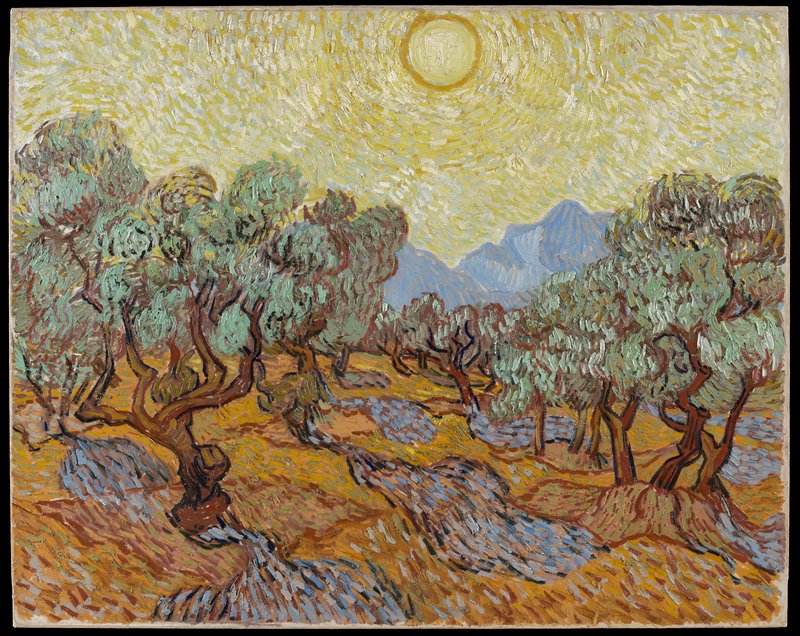
Olive Trees, Vincent van Gogh, 1889

Vincent van Gogh

Olive Trees, 1889

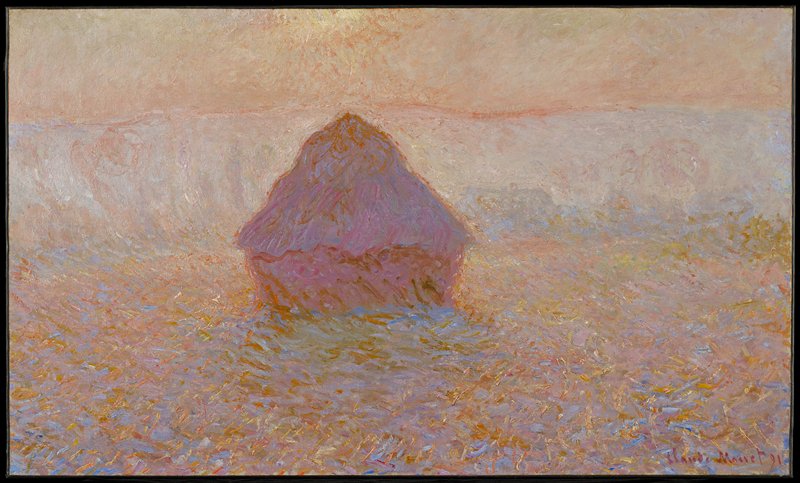
Grainstack, Sun in the Mist, Claude Monet, 1891

Claude Monet

Grainstack, Sun in the Mist, 1891

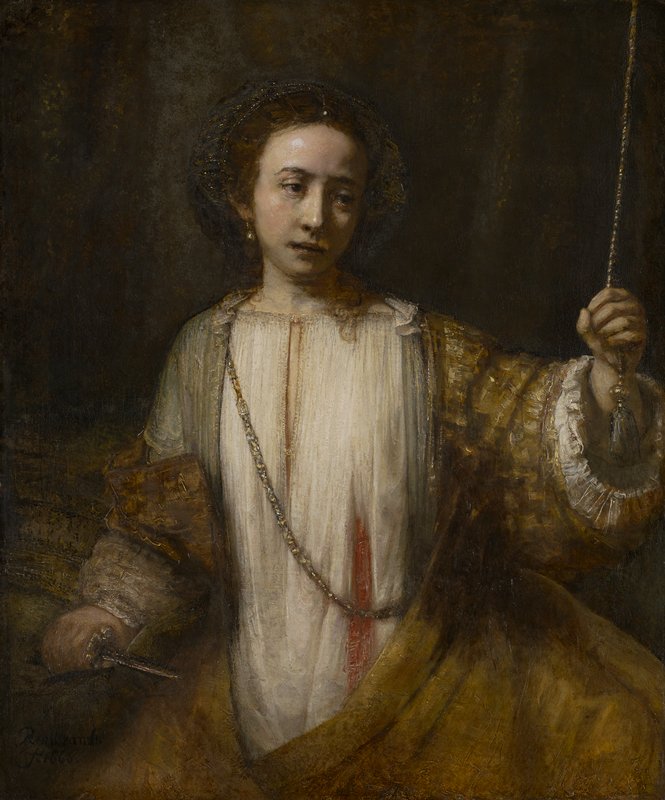
Lucretia, Rembrandt van Rijn, 1666

Rembrandt van Rijn

Lucretia, 1666

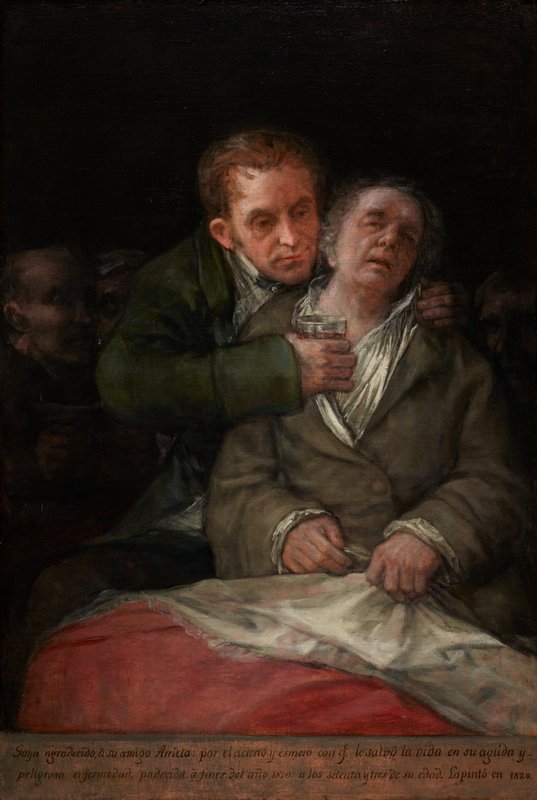
Self-Portrait with Dr. Arrieta, Francisco José de Goya y Lucientes, 1820

Francisco de Goya

Goya curato dal dottor Arrieta, 1820

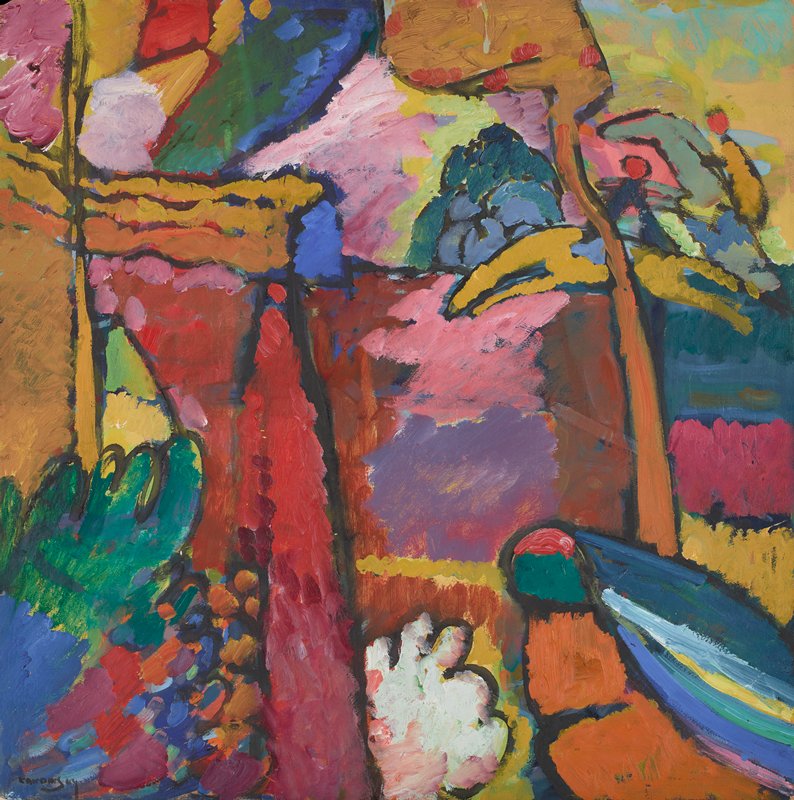
Study for Improvisation V, Vassily Kandinsky, 1910

Vasily Kandinsky

Study for Improvisation V, 1910

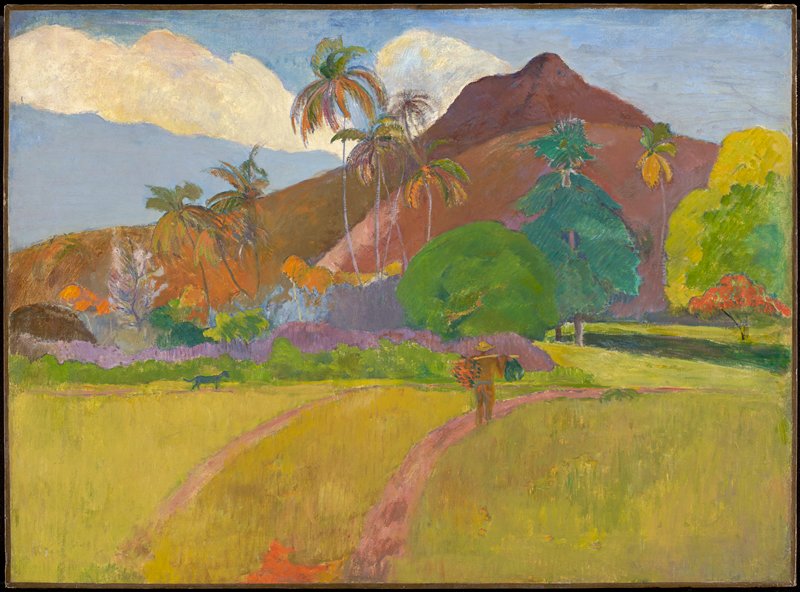
Tahitian Landscape, Paul Gauguin, 1891

Paul Gauguin

Tahitian Landscape, 1891

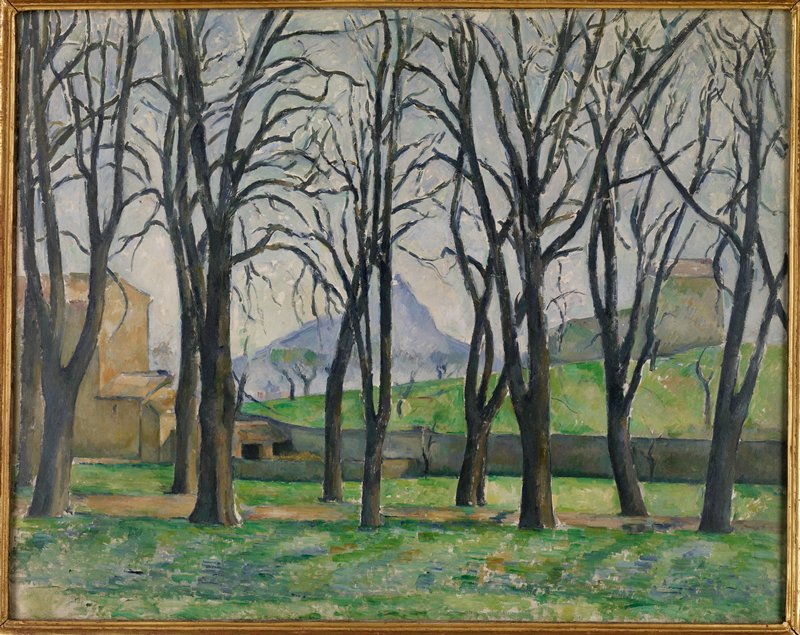
Chestnut Trees at Jas de Bouffan, Paul Cézanne, c. 1885–86

Paul Cézanne

Chestnut Trees at Jas de Bouffan, c. 1885–86

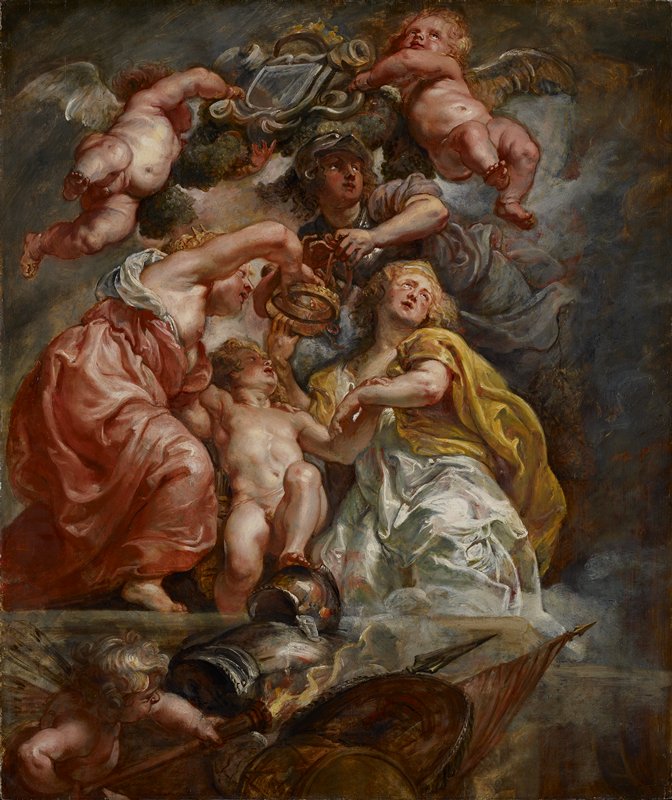
The Union of England and Scotland (Charles I as the Prince of Wales), Peter Paul Rubens, 1633–34

Peter Paul Rubens

The Union of England and Scotland (Charles I as the Prince of Wales), 1633–34