 Giuseppe CesariOlaszország, 1568–1640
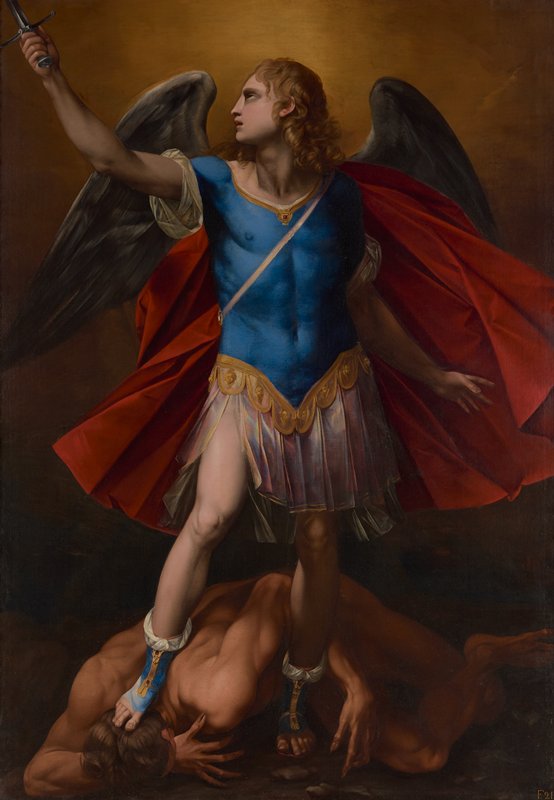
The Archangel Michael
Megnézhető?
Jelenleg nincs kiállítva
Hol van most a(z) „The Archangel Michael”? Gyűjtemény: Minneapolis Institute of Art, Minneapolis. Jelenleg nincs kiállítva. Ellenőrizve 2026. november 2.

Minneapolis, Amerikai Egyesült Államok
A gyűjteményhez tartozik, de jelenleg nincs kiállítva.
- Ellenőrizve
- Ebben az állapotban ettől kezdve
- Forrás
- A múzeum
A festményről
Giuseppe Cesari painted The Archangel Michael around 1624–1626; it is at the Minneapolis Institute of Art in Minneapolis. Michael stands victorious with a jewelled foot on the fallen Lucifer. The picture may have sought favour with Urban VIII, who associated himself with the saint's defence of papal authority. Two weeks after its delivery to the Barberini palace, Cesari received a commission to design a Michael mosaic for Saint Peter's. Detailed wings, clothing and flesh give the figure physical presence. The painting remained in the palace until 1934.
A múzeum szavaival
By the time Urban VIII (Maffeo Barberini) was elected to the papacy in 1623, the establishment painter Cavaliere d’Arpino had worked for a succession of popes for over four decades. He had moved to Rome as a young prodigy and begun working in the Vatican palace at the tender age of 15. Even so, the painter was repeatedly passed over for altarpiece commissions in the newly completed basilica of St. Peter’s during Urban’s reign. Mia’s magnificent painting may have been executed to get in the pope’s good graces. Urban personally identified with the Archangel Michael as defender of the Catholic faith and papal authority during the Counter-Reformation. He chose the saint’s feast day for his papal coronation, and put the Archangel on his papal coins and medals. Two weeks after this painting was delivered to the Barberini family palace, Arpino finally secured a commission for St. Peter’s: he was hired to design a mosaic altarpiece representing the Archangel Michael fighting Lucifer.
Tovább
Here the Archangel is already victorious, his bejeweled foot planted triumphantly upon a prostrate Lucifer. Arpino imbued the saint with extraordinary physical presence, giving considerable descriptive detail to his wings, costume, and flesh, all without sacrificing elegance. The painting remained in the Barberini palace in Rome until 1934, then resided with the pope’s descendants into the 21st century.
Minneapolis Institute of Art
Adatok
- Leltári szám
- 2020.53
A katalógusban
Források
- Minneapolis Institute of Art
- Kép: Minneapolis Institute of Art — public domain