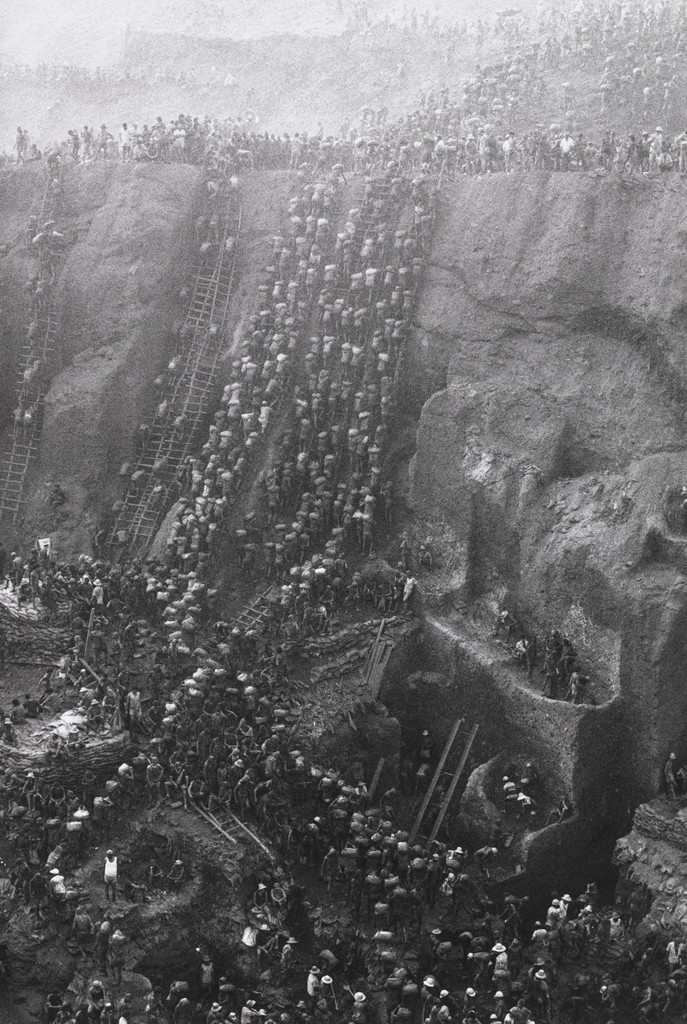
Sebastião SalgadoBrazília, 1944–2025
Rwanda
Megnézhető?
Jelenleg nincs kiállítva
Hol van most a(z) „Rwanda”? Gyűjtemény: J. Paul Getty Museum, Los Angeles. Jelenleg nincs kiállítva. Ellenőrizve 2026. október 7.
Los Angeles, Amerikai Egyesült Államok
A gyűjteményhez tartozik, de jelenleg nincs kiállítva.
- Ellenőrizve
- Ebben az állapotban ettől kezdve
- Forrás
- A múzeum
Adatok
- Leltári szám
- 2009.33.5
A katalógusban
Források
- J. Paul Getty Museum
- Kép: J. Paul Getty Museum — ; In Copyright
Sebastião Salgado életében
A teljes életút1993
Publishes “Workers”
The photobook “Workers: An Archaeology of the Industrial Age” was published by Phaidon; Salgado is particularly known for his documentary photographs of workers in less developed countries. The same year the Royal Photographic Society gave him its Centenary Medal and an Honorary Fellowship.
1994
Founds the Amazonas Images agency with his wife
Salgado left Magnum and, with his wife Lélia Wanick, founded his own agency, Amazonas Images, in Paris to represent his work. The same year he received France's Grand Prix National for photography.
1998
Decides to regrow the forest: Instituto Terra
Returning to Brazil from Rwanda, Salgado found that the forests of his childhood had turned into desert, and with Lélia he founded Instituto Terra: 2.5 million Atlantic Forest trees were planted on 600 hectares, restoring the region's climate and water balance. He gave the land to the people of Brazil as a national park; other accounts put the reserve at 6,900 hectares.
1998
Prince of Asturias Award for the Arts
Salgado received the Prince of Asturias Award in the Arts category.
2000
Publishes “Migrations” and “The Children”
Aperture published “Migrations: Humanity in Transition” and “The Children: Refugees and Migrants”, another of Salgado's long-term projects.
2010
Contracts malaria in New Guinea
On a trip to Indonesian New Guinea Salgado contracted falciparum malaria, which permanently impaired his bone-marrow function.