Oskar KokoschkaAusztria, 1886–1980
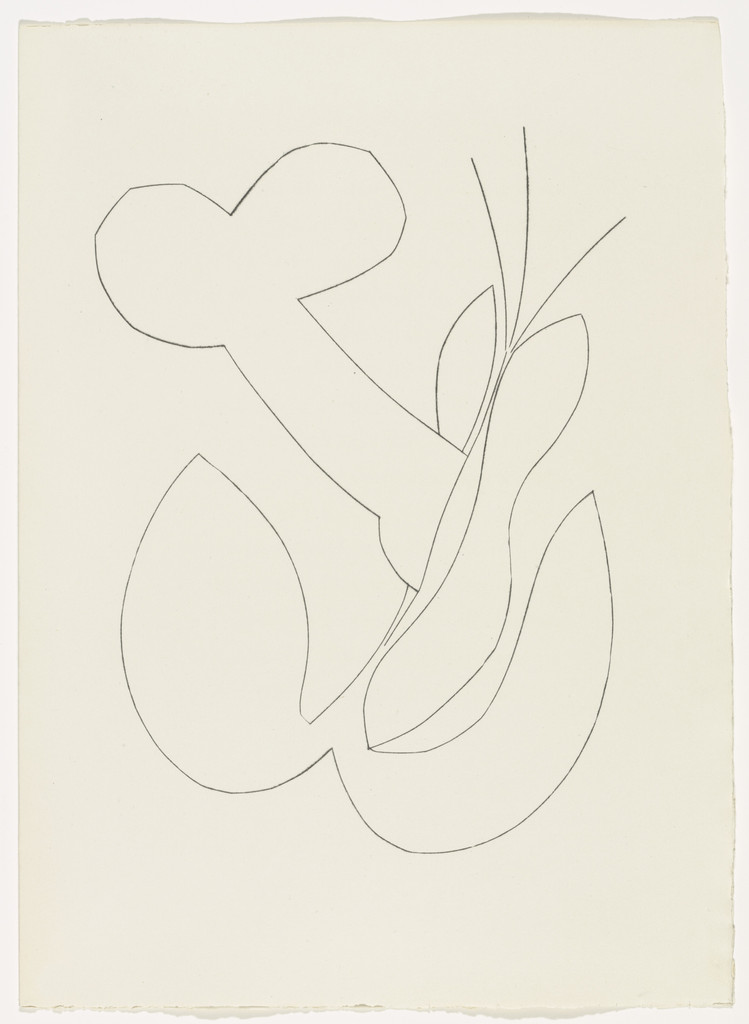
Nude with Back Turned (In den Hüften nach links gedrehter weiblicher Rückenakt) (recto); Untitled (verso)
Megnézhető?
Jelenleg nincs kiállítva
Hol van most a(z) „Nude with Back Turned (In den Hüften nach links gedrehter weiblicher Rückenakt) (recto); Untitled (verso)”? Gyűjtemény: Modern Művészeti Múzeum, New York. Jelenleg nincs kiállítva. Ellenőrizve 2026. október 27.

New York, Amerikai Egyesült Államok
A gyűjteményhez tartozik, de jelenleg nincs kiállítva.
- Ellenőrizve
- Forrás
- A múzeum
Adatok
- Leltári szám
- 549.1954.a-b
A katalógusban
Források
- Modern Művészeti Múzeum
- Kép: Modern Művészeti Múzeum — © the artist or rights holder
Oskar Kokoschka életében
A teljes életút1908
A scandalous debut at the Vienna Kunstschau
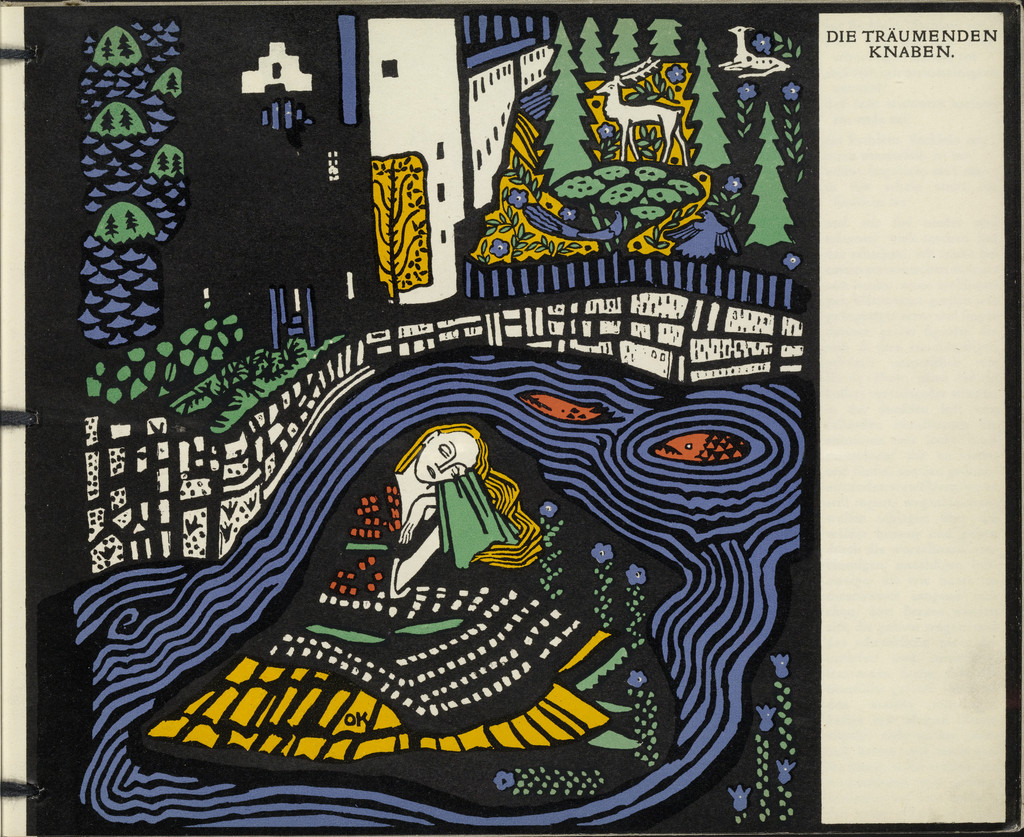
In 1908 Kokoschka was invited to submit works to the first Vienna Kunstschau. Instead of the colour pictures for a children’s book commissioned by Fritz Wärndorfer, director of the Wiener Werkstätte, he showed illustrations to his own poem “Die träumenden Knaben” and a tapestry, “The Dream Bearers” (now lost); the frank adolescent fantasies provoked a backlash from conservative officials and he was expelled from the school, but found his place in the Viennese avant-garde.
1908
The book “Die träumenden Knaben” with lithographs
Kokoschka published the poem, written a year earlier, with the Wiener Werkstätte, with two small black-and-white and eight larger colour lithographs, and dedicated it to Gustav Klimt. Of the five hundred copies only a small proportion were bound and sold; the poem is an autobiographical adolescent fantasy about his love for a Swedish classmate, Lilith.
1909
The scandalous staging of “Murderer, the Hope of Women”
Kokoschka’s play “Murderer, the Hope of Women” was first staged in 1909, and the production on a Viennese stage caused a scandal. The play is often called the first Expressionist drama; Paul Hindemith made an opera of it in 1921.
1909–1914
Adolf Loos: patron and commissioner of portraits
The architect Adolf Loos befriended Kokoschka, introduced him to the Viennese avant-garde and ordered portraits of his clients and friends, agreeing to buy the work if the sitter declined. This left Kokoschka complete artistic freedom; he painted the bulk of his portraiture between 1909 and 1914.
1910
Berlin: Cassirer and Walden
In 1910 Kokoschka moved to Berlin. The art dealer Paul Cassirer saw promise in his work and launched him into the international circle, and the publisher and critic Herwarth Walden, introduced to him by Loos, employed him as an illustrator for his magazine “Der Sturm”; over the next four years Kokoschka travelled back and forth between Vienna and Berlin.
c. 1911 – 1914
The affair with Alma Mahler
Kokoschka’s stormy affair with Alma Mahler, the widow of the composer Gustav Mahler, lasted about two years: she was afraid of being overcome by passion and rejected him, and in 1915 she married Walter Gropius. Kokoschka loved her all his life.