 Peter Paul RubensFlandria, 1577–1640
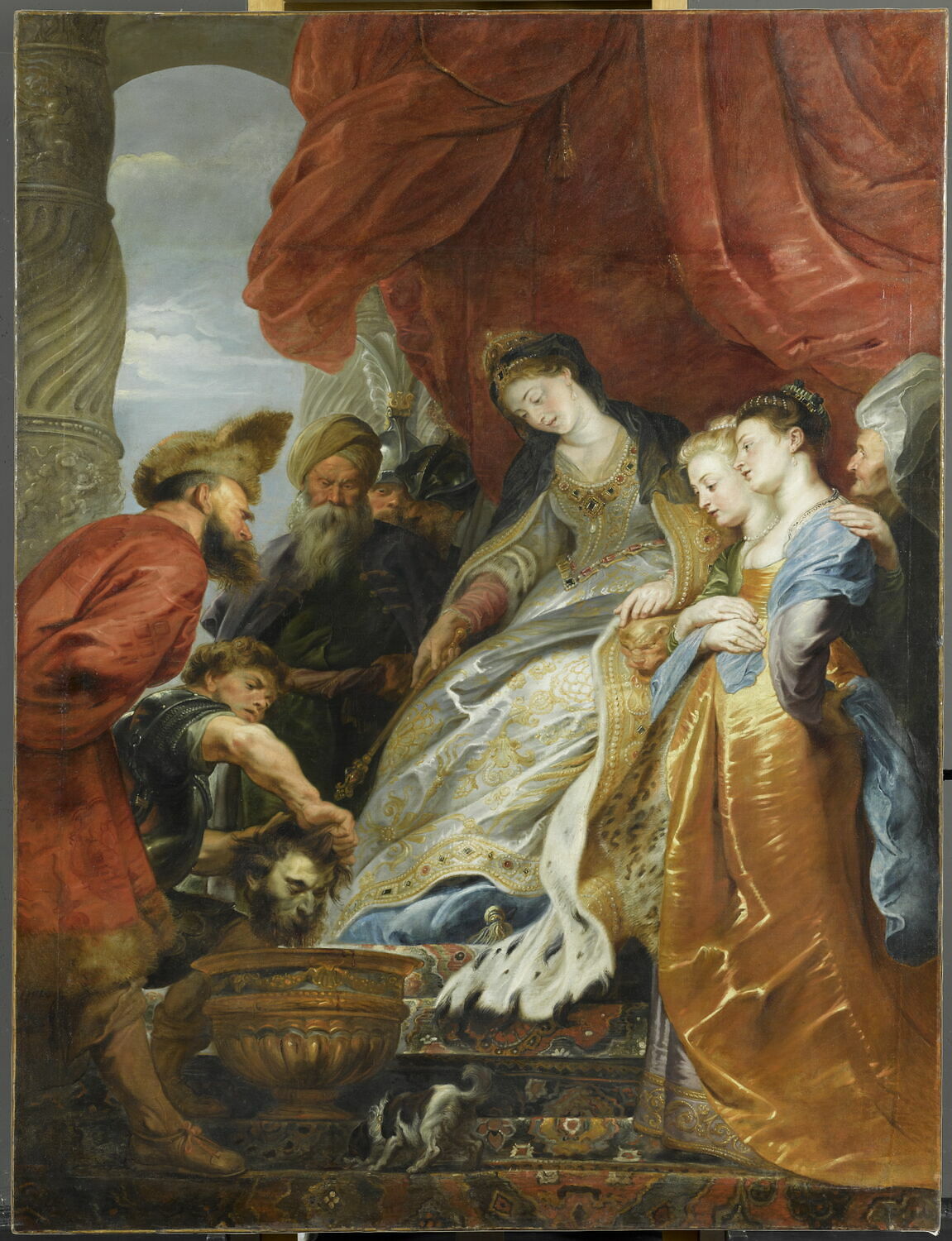
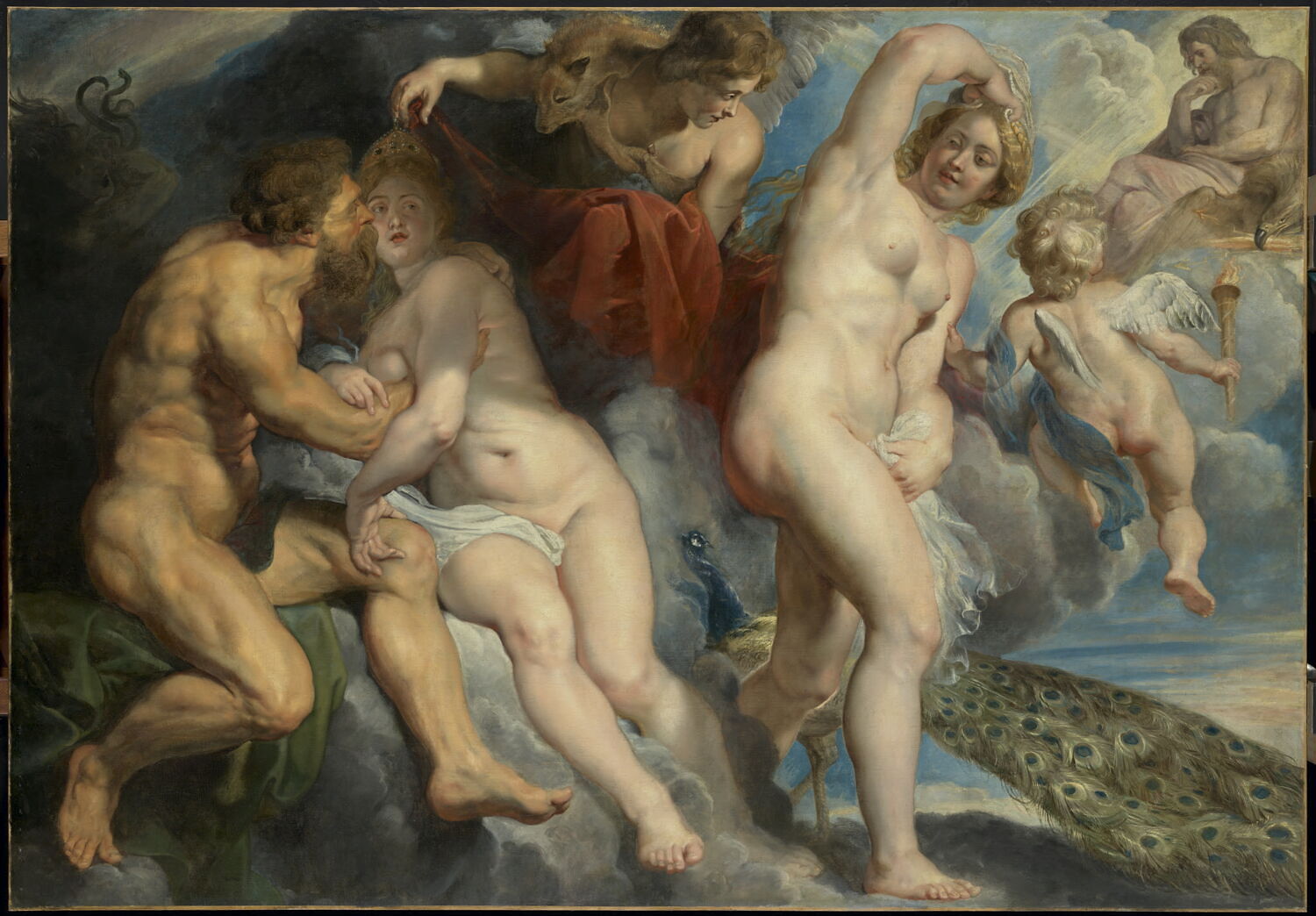
Ixion, roi des Lapithes, trompé par Junon qu'il voulait séduire
Megnézhető?
Igen, most kiállítva
Hol van most a(z) „Ixion, roi des Lapithes, trompé par Junon qu'il voulait séduire”? Louvre, Salle 802, Aile Richelieu, Niveau 2, Párizs. Igen, most kiállítva. Ellenőrizve 2026. november 2.

Most nyitva· 21:00-ig
A közönség számára kiállítva.
- Ellenőrizve
- Ebben az állapotban ettől kezdve
- Forrás
- A múzeum
A festményről
Ixion, King of the Lapiths, Deceived by Juno, Whom He Wished to Seduce is a painting by Peter Paul Rubens, executed c. 1615. It was part of the Duke of Westminster's collection in the 19th century before passing to baron Basile de Schlichting, who left it to the Louvre Museum in 1914.
On the left, it shows Ixion and the fake Juno sent by Jupiter to avenge himself on the seducer. On the right the real Juno, with her peacock moves towards Jupiter.
Adatok
- Leltári szám
- RF 2121
A katalógusban
Források
- Louvre
- Kép: Louvre — © 2025 GrandPalaisRmn (musée du Louvre) / Mathieu Rabeau
Peter Paul Rubens életében
A teljes életút1618. március 23.
Son born: Nicolaas Rubens, Lord of Rameyen
1619–1620
Privileges for Engravings (Copyright)
Rubens obtained "privileges" — an early analogue of copyright — for the reproduction of his engravings: in France for 10 years on 3 July 1619, in Holland for 7 years on 24 February 1620, and also in the territory of the Spanish Netherlands.
1621
Marie de' Medici's Commission for the Luxembourg Palace Cycles
The Queen Mother of France, Marie de' Medici, commissioned from Rubens two large allegorical cycles for the Luxembourg Palace — one on her own life and one on the life of the late Henry IV; the second series was never completed.
1621
Employed by: Marie de' Medici
1622
Paris: Discussing the Cycle and Covert Intelligence Gathering
While in Paris to discuss the Marie de' Medici cycle, Rubens covertly gathered information on the political situation in France, relying on his friendship with Nicolas-Claude Fabri de Peiresc.
1622
Publication of "The Palaces of Genoa"
The two-volume Palazzi di Genova, with 139 engraved plates, was published; Rubens had prepared it with Deodato del Monte as early as 1607 to acquaint the Flemish with Italian architecture.