 Alphonse LegrosFranciaország, 1837–1911
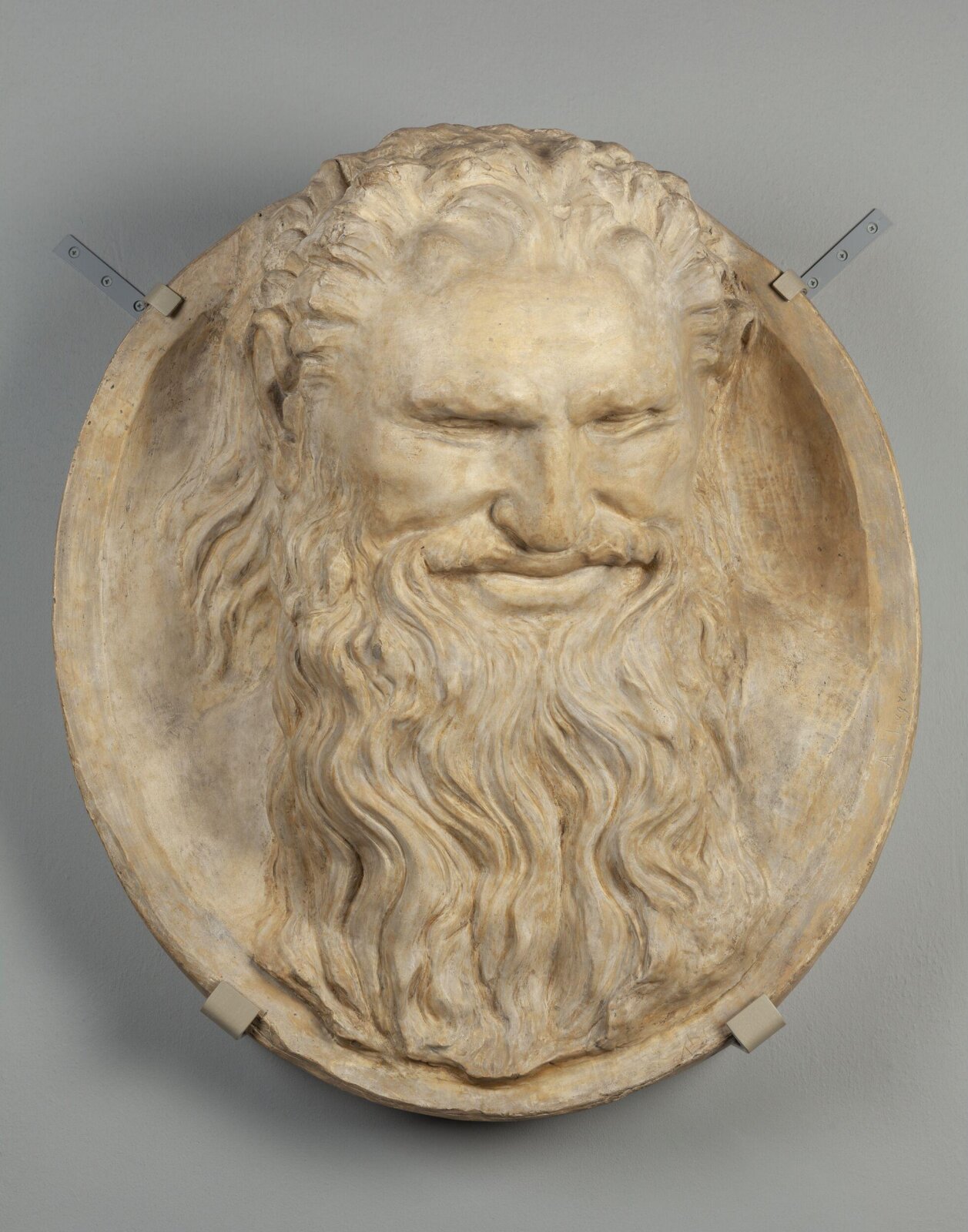
Head of a Satyr
Megnézhető?
Igen, most kiállítva
Hol van most a(z) „Head of a Satyr”? Victoria and Albert Museum, Sculpture, Room 21a, The Dorothy and Michael Hintze Galleries, London. Igen, most kiállítva. Ellenőrizve 2026. november 2.

London, Egyesült Királyság
TeremSculpture, Room 21a, The Dorothy and Michael Hintze Galleries
Most nyitva· 17:45-ig
A közönség számára kiállítva.
- Ellenőrizve
- Ebben az állapotban ettől kezdve
- Forrás
- A múzeum
A szoborról
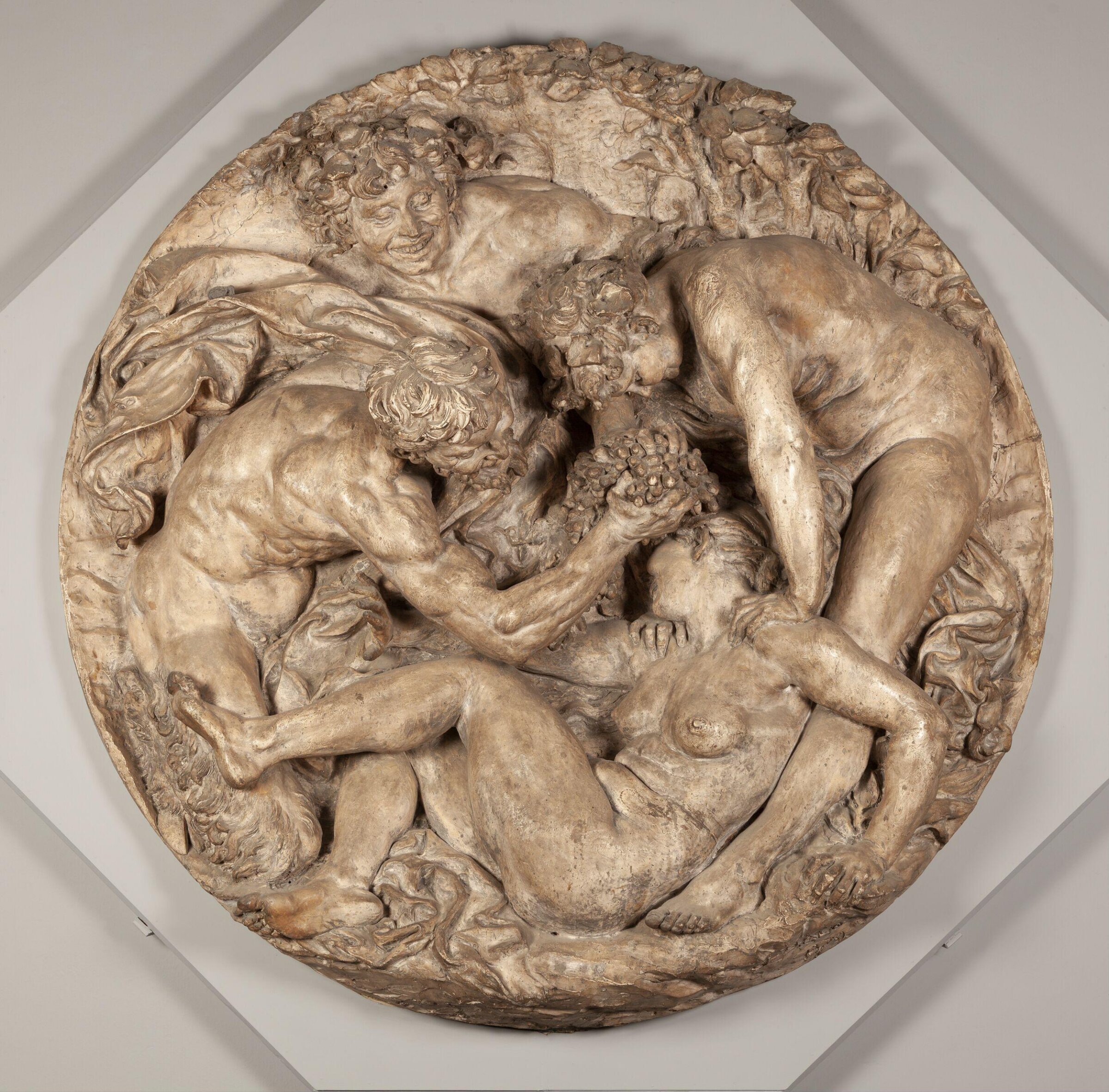
This relief head of a Satyr was made by Alphonse Legros in London at the end of the nineteenth century. It was previously suggested that it may date from about 1885-95. A small group of etchings from the Constantine Alexander Ionides Collection (CA.474, CAI.485 and CAI.822; see also E.1252 and 1253-1931) are likely related to this relief. One of these (CAI.822), inscribed “1883” within the plate suggests that the relief may date from around the mid-1880s. The relief is also probably related to the satyr masks on one of the two fountains executed by Legros for the Duke of Portland at Welbeck Abbey. The fluid and free modelling is not unlike that shown by Legros’s friend Jules Dalou in his Bacchanal roundel relief from 1879 also in the V&A collection (Museum no. 434-1896). Both men had studied under Jean-Baptiste Carpeaux at La Petite Ecole.
Tovább
In 1901, the art critic Marion H. Spielmann wrote that ‘Heads and masks by the Professor [Legros] are fine in style, such as we see in the fountain for the Duke of Portland. […] Free, broad and vigorous, they are the opposite pole asunder from the delicate, poetic, hopeful realism that is the prevailing note in the English sculpture of to-day. They are satyr-like in expression and in feeling, ugly with that kind of ugliness which we sometimes prefer to beauty. […] And so Mr. Legros’ heads, when he pushes them to the limit of exaggerated expression, become almost grotesque – yet decorative and full of spirit and individuality; until to those who understand them they become “objets aimables”’
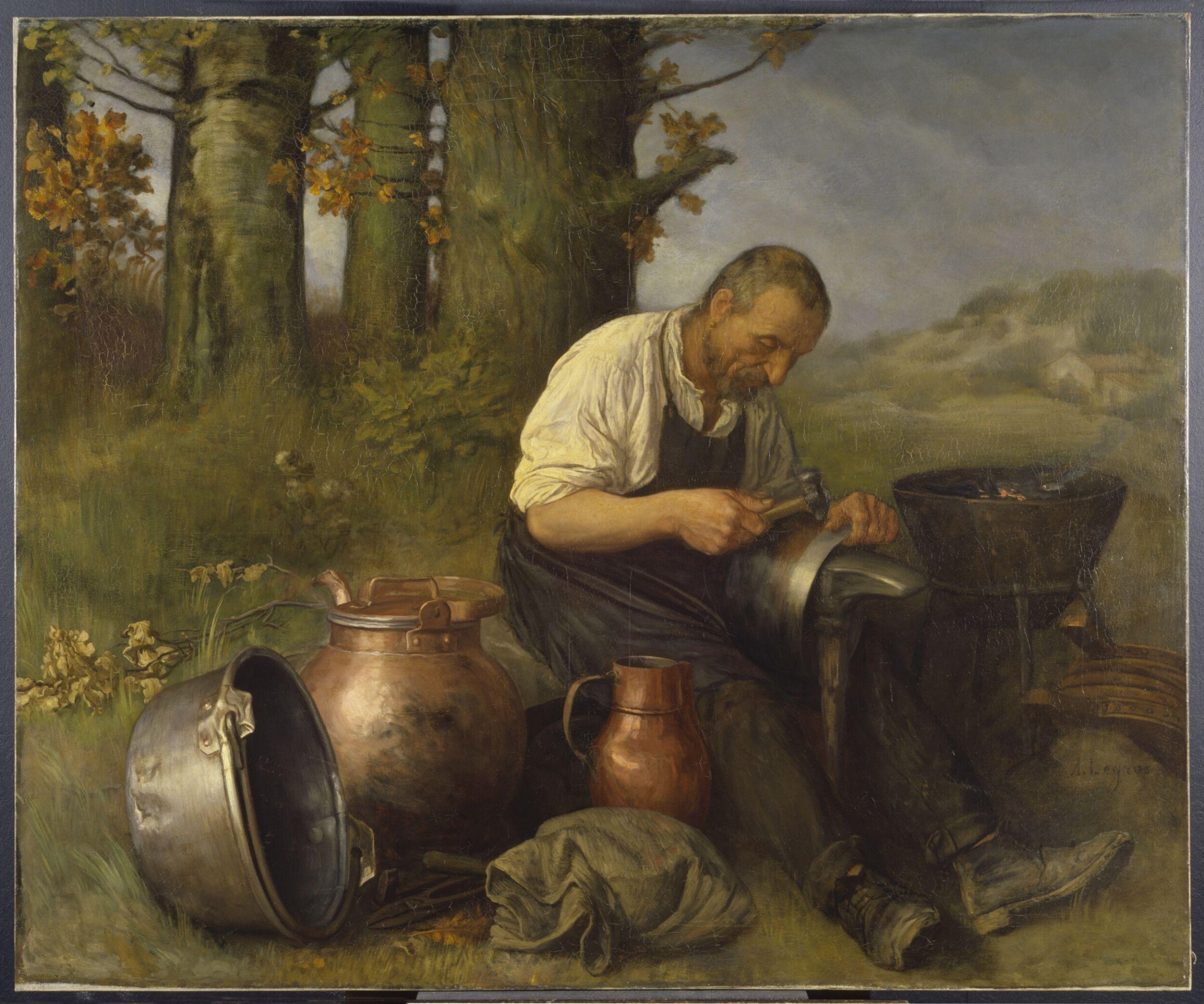
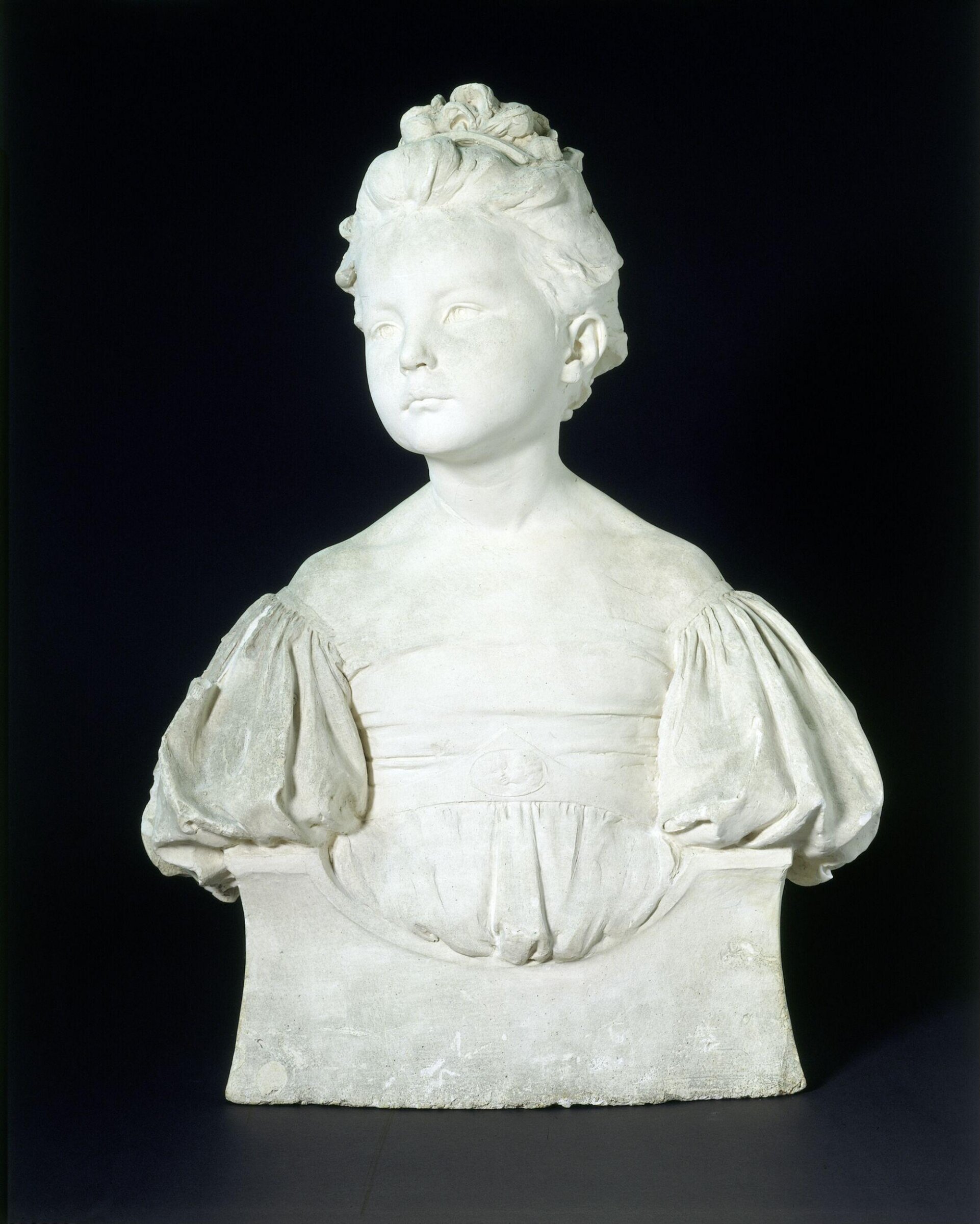
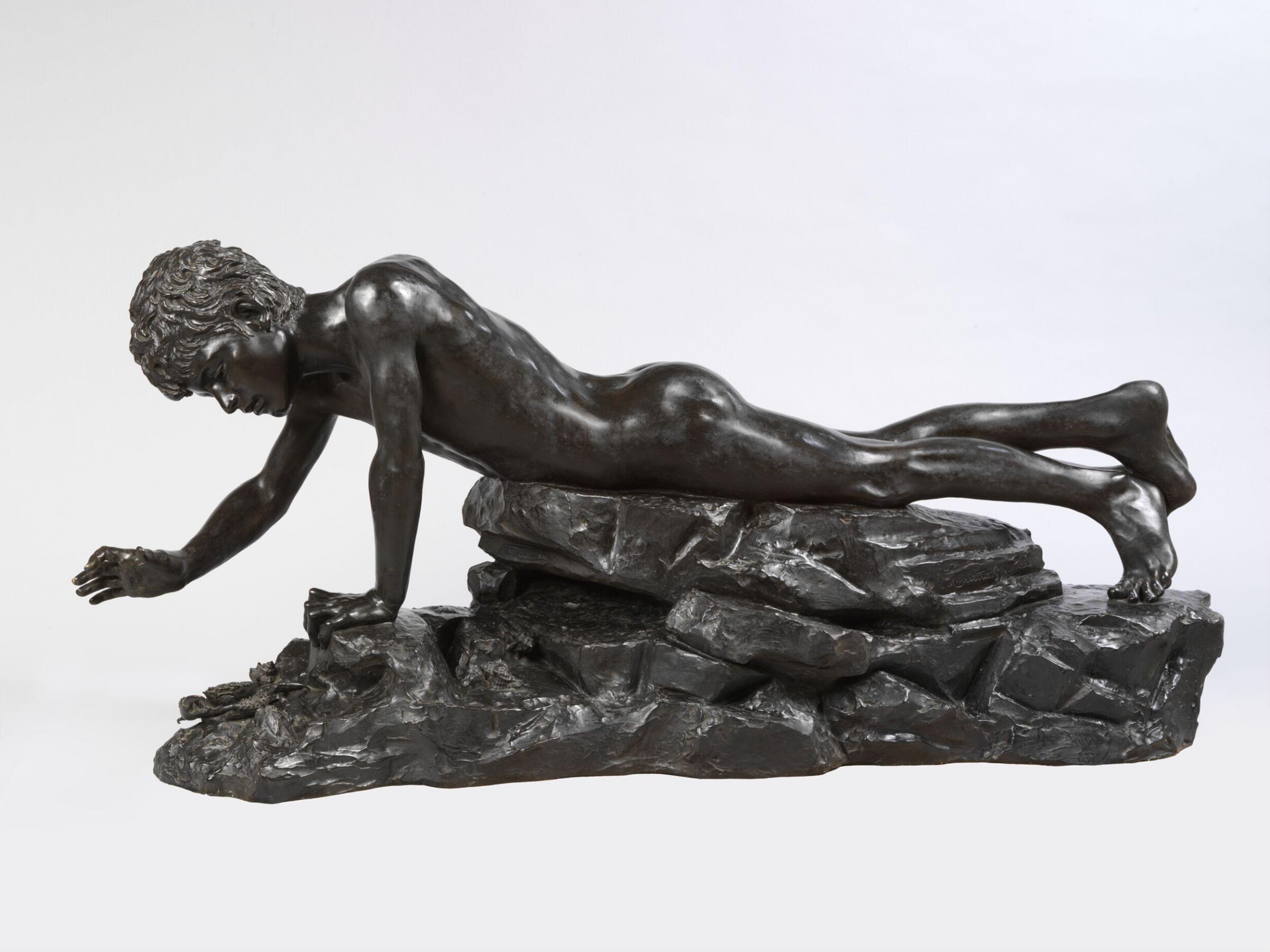
French-born Alphonse Legros (1837-1911) trained at Horace Lecoq de Boisbaudran’s influential ‘Petite Ecole’(or Ecole Gratuite de Dessin, the state school for training in the applied arts) in Paris before a spell at the Ecole des Beaux Arts in 1855-57. Encouraged by his friend James McNeill Whistler, Legros moved to England in 1863, and, although he never learnt to speak English, took British nationality in 1880. In his adopted country, he became an influential figure at the centre of an Anglo-French network of artists, and applied himself to raising the profile of contemporary French art in Britain. Early on, Dante Gabriel Rossetti introduced him to the collector Constantine Alexander Ionides, whose bequest to the V&A in 1901 includes many works by Legros. Ionides and Legros were to develop a keen friendship, with Legros advising his patron on art purchases and nurturing the collector’s taste for French art.
In Britain, Legros played a significant role on art education, introducing French teaching methods (notably Lecoq de Boisbaudran’s ‘memory drawing’ technique) to the National Art Training School in South Kensington where he taught in 1875-81, and at the Slade where he succeeded Edward Poynter as Professor in 1876, a position he held until 1893. At the Slade, Legros introduced printmaking and modelling to the syllabus. Indeed, while best-known as a printmaker and painter (he was a leading light of the French realist school, and an influential figure of the etching revival on both sides of the Channel), his impact on sculpture in Britain was to be significant. He encouraged his close friend and fellow Petite Ecole student, Jules Dalou, to move to London after the fall of the Paris Commune in 1871.
Dalou would remain in Britain until 1879, and during his seven years of exile would have a profound influence on British sculpture through his teaching at South London Technical Art School and National Art Training School. Legros was similarly key in introducing British collectors and audiences to another Petite Ecole alumnus, Auguste Rodin (whose earliest British patron would be Ionides). It was during Rodin’s stay in London in the summer of 1881 that Legros was inspired to take on sculpture, while he himself encouraged Rodin to experiment with dry-point. Rodin would supervise the casting of Legros’s first sculpture, A Sailor’s Wife, and a group of medals in Paris that year. A founder of the Society of Medallists, Legros was largely responsible for the revival of the practice of casting medals in England, particularly through his teaching of the practice to the so-called ‘Slade Girls’. Legros produced few sculptural pieces, but these were well received. At his death in 1911, his friend Thomas Okey wrote that ‘Legros was scarcely less a master of sculpture than of painting’.
Victoria and Albert Museum
Adatok
- Leltári szám
- A.125-1916
Mit ábrázol?
A katalógusban
Források
- Victoria and Albert Museum
- Kép: Victoria and Albert Museum — © Victoria and Albert Museum, London