Maurits Cornelis EscherHollandia, 1898–1972
Doric Columns
Megnézhető?
Jelenleg nincs kiállítva
Hol van most a(z) „Doric Columns”? Gyűjtemény: National Gallery of Art, Washington. Jelenleg nincs kiállítva. Ellenőrizve 2026. november 9.

Washington, Amerikai Egyesült Államok
A gyűjteményhez tartozik, de jelenleg nincs kiállítva.
- Ellenőrizve
- Ebben az állapotban ettől kezdve
- Forrás
- A múzeum
A műről
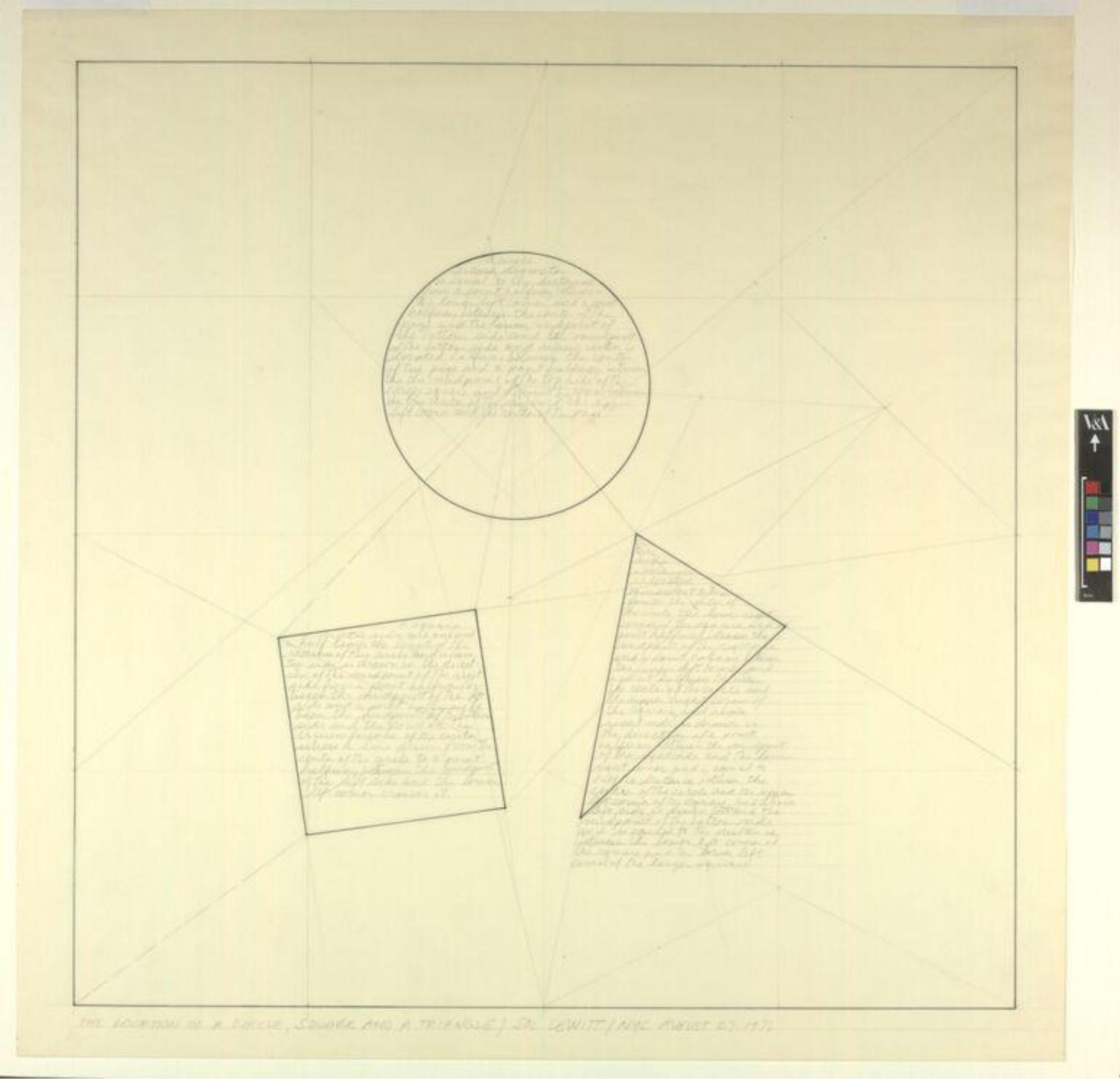
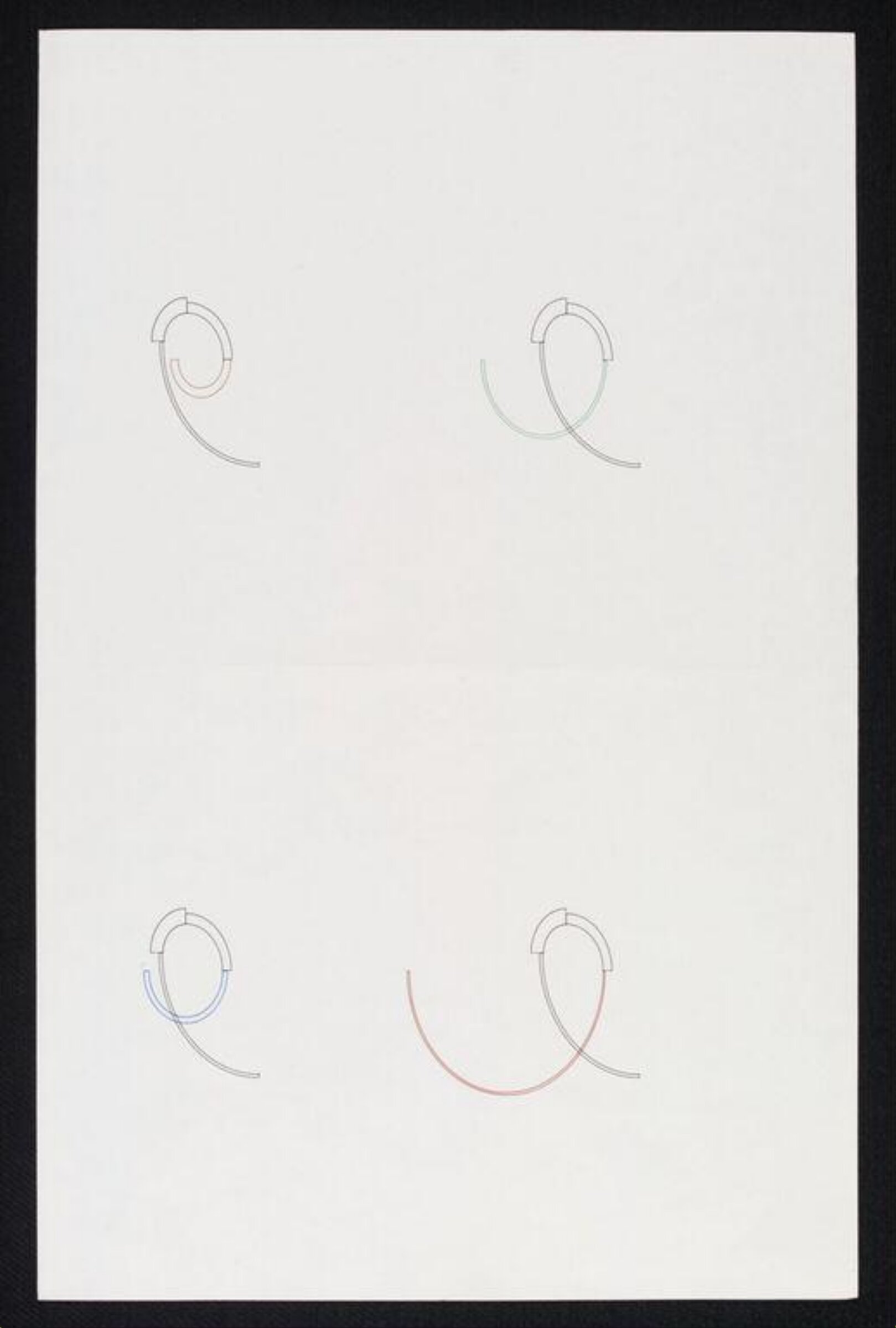
Doric Columns, M. C. Escher’s wood engraving of 1945, is held in Washington by the National Gallery of Art. Fluted column forms intersect an angular grid, their outlines bending away from ordinary architectural proportions. This impression is on Japanese paper. It passed from Michael S. Sachs into the collection in 2016 and bears Escher’s pencil signature.
Adatok
- Leltári szám
- 2016.156.1
Mit ábrázol?
A katalógusban
Források
- National Gallery of Art
- Kép: National Gallery of Art — © the artist or rights holder
Maurits Cornelis Escher életében
A teljes életút1 February 1944 – 1946
The death of his teacher Mesquita
On 1 February 1944 the Nazis arrested Samuel de Mesquita, who was of Jewish origin, with his family and sent them to Auschwitz; almost at once after arrival — presumably on 11 February — he and his wife were killed in the gas chamber. Escher helped to send his teacher’s works to the Stedelijk Museum in Amsterdam, keeping for himself a single sketch bearing the print of a German boot, and in 1946 organised a memorial exhibition there.
c. 1945
The end of the occupation: a diploma and an exhibition of the unyielding
Escher lived through the German occupation in the Netherlands. Before the end of the war he designed a diploma for the Temporary Academy in Eindhoven — an institution in the liberated south-east of the country — and immediately after the war he took part in an exhibition of artists who had refused to collaborate with the Nazi regime.
1946–1951
Mezzotint: a brief experiment
In 1946 Escher became interested in intaglio printing, but it took too much time: until 1951 he made no more than seven mezzotint prints and never returned to intaglio, preferring tonal contrast to linear outline. These few works are considered masterpieces of the technique.