ART WIKI32 963 en salle
CarteCollectionArtistesMuséesExpositionsJournal
Connexion

ART WIKI

Où est accroché le chef-d’œuvre, et quand on vous laisse entrer.

Collections : Art Institute of Chicago, Cleveland Museum of Art, Galerie Tretiakov, Hirshhorn Museum and Sculpture Garden, J. Paul Getty Museum, Metropolitan Museum of Art, Minneapolis Institute of Art, Musée de l'Ermitage, Musée des Beaux-Arts Pouchkine, Musée du Louvre, musée national d'art asiatique, Musée russe, Musées d'Art de Harvard, Museum of Modern Art, National Gallery of Art, National Portrait Gallery, Rijksmuseum Amsterdam, Smithsonian American Art Museum, Statens Museum for Kunst, Victoria and Albert Museum, Villa Getty, Whitney Museum of American Art, Catalogue d’État du fonds muséal de Russie (274 musées), Europeana (19 musées), Wikidata (6 musées), Paris Musées (12 musées) et Joconde, la base des musées du ministère de la Culture (495 musées). Les images appartiennent à leurs ayants droit.

Rubriques

  • Carte
  • Recherche
  • Collection
  • Chefs-d’œuvre
  • Exposées en ce moment
  • Artistes

Et aussi

  • Musées et galeries
  • Expositions
  • Journal
  • D’où viennent les données
  • Confidentialité et cookies
AccueilCarteCatalogue
  1. Collection/
  2. Victoria and Albert Museum/
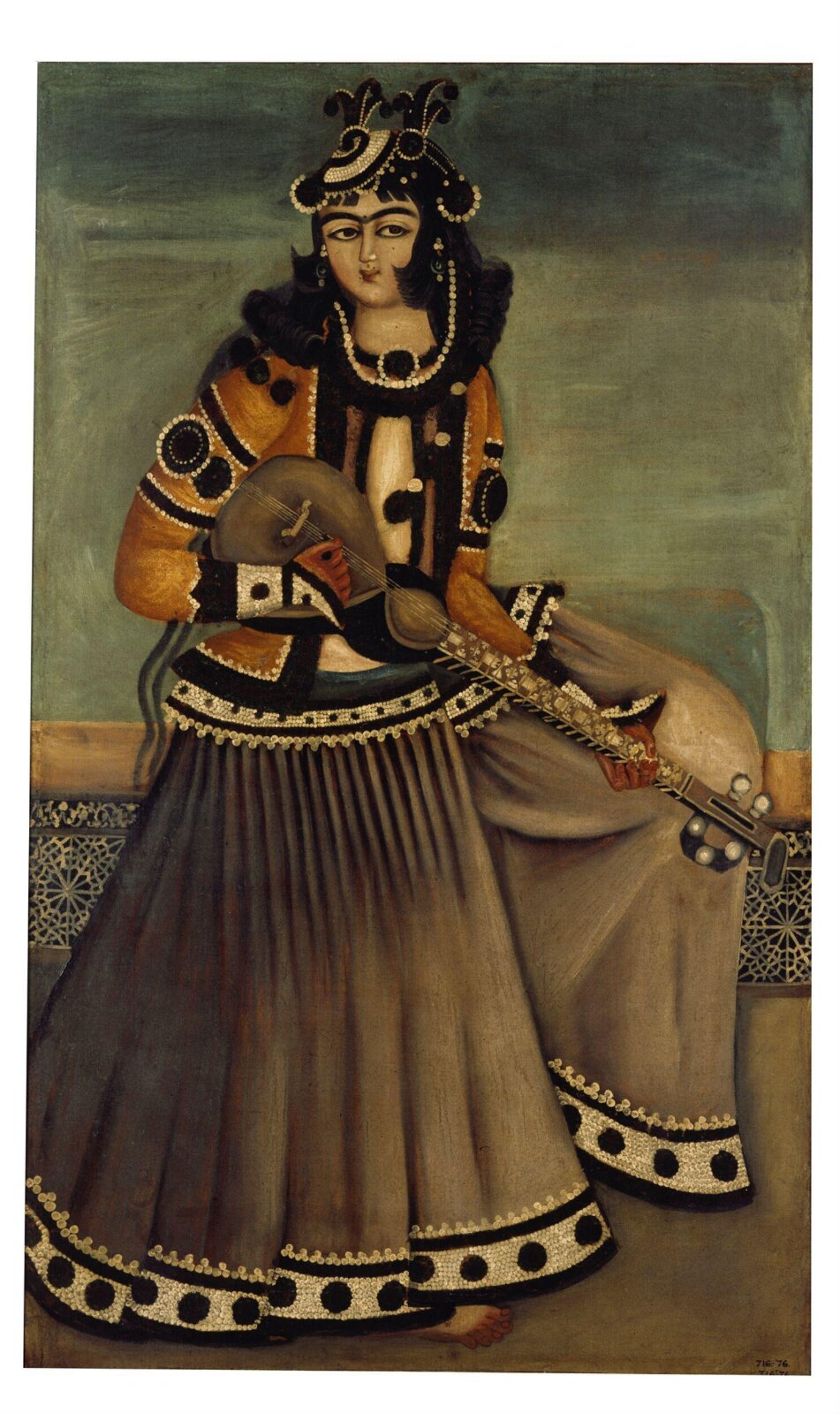
  3. Woman Playing a tar
Woman Playing a tar, 1800-1830

Woman Playing a tar

1800-1830 · Oil painting · 135 × 84 cm

Peut-on la contempler ?

Elle ne reçoit pas en ce moment

Victoria and Albert Museum

Londres, Royaume-Uni

Elle appartient à la collection, mais n’est pas présentée en ce moment.

Vérifié
il y a 12 jours
Dans cet état depuis
25 sept. 2026
Source
Le musée
Sur la cartePage du musée

À propos du tableau

This painting is part of a group purchased by the Victoria and Albert Museum in 1876. At the time, it was described as being, "From the Shah's palace at Tehran."

The painting may well have been removed from a palace erected by Fath 'Ali Shah (reigned 1797-1834). His residences were often decorated with series of oil paintings in this style, which were built into the walls. The individual paintings are usually portraits of a single, large human figure. The shapes of the figures are flattened out, but there is a great deal of decorative detail.

Many of the series painted for Fath 'Ali Shah show imaginary portraits of members of a royal harem. In this case, a woman is shown playing a guitar.

Lire la suite

Painting in oils was introduced to Iran after 1600, when the country had strong commercial links with Europe. Production shrank during the troubled period after the Afghan invasion of Iran in 1722. It burst back into life under the Qajar dynasty, who re-united the country in the 1780s and 1790s. Fath 'Ali Shah was the second ruler of this dynasty, and his patronage led to this revival of oil painting.

Victoria and Albert Museum

Notice

Numéro d’inventaire
716-1876

Au catalogue

PeinturesHuileNéoclassicismeRomantismeXIXe siècleQajarTehran

Sources

  • Victoria and Albert Museum
  • Image : Victoria and Albert Museum — © Victoria and Albert Museum, London
Sous le même toit : Victoria and Albert Museum

Page du musée
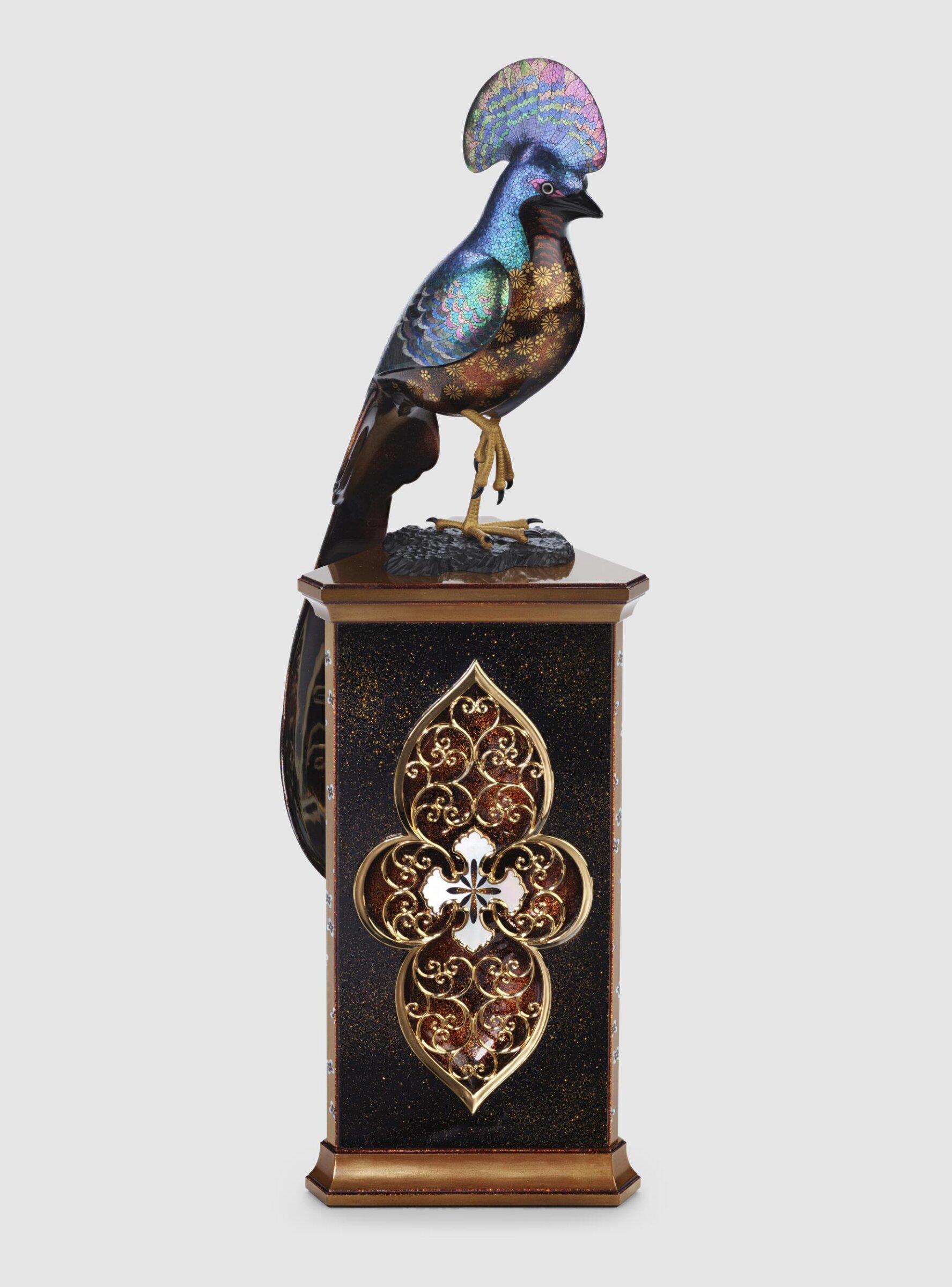
Bird of Paradise, Hashimoto Chitaka, 2026

Hashimoto Chitaka

Bird of Paradise, 2026

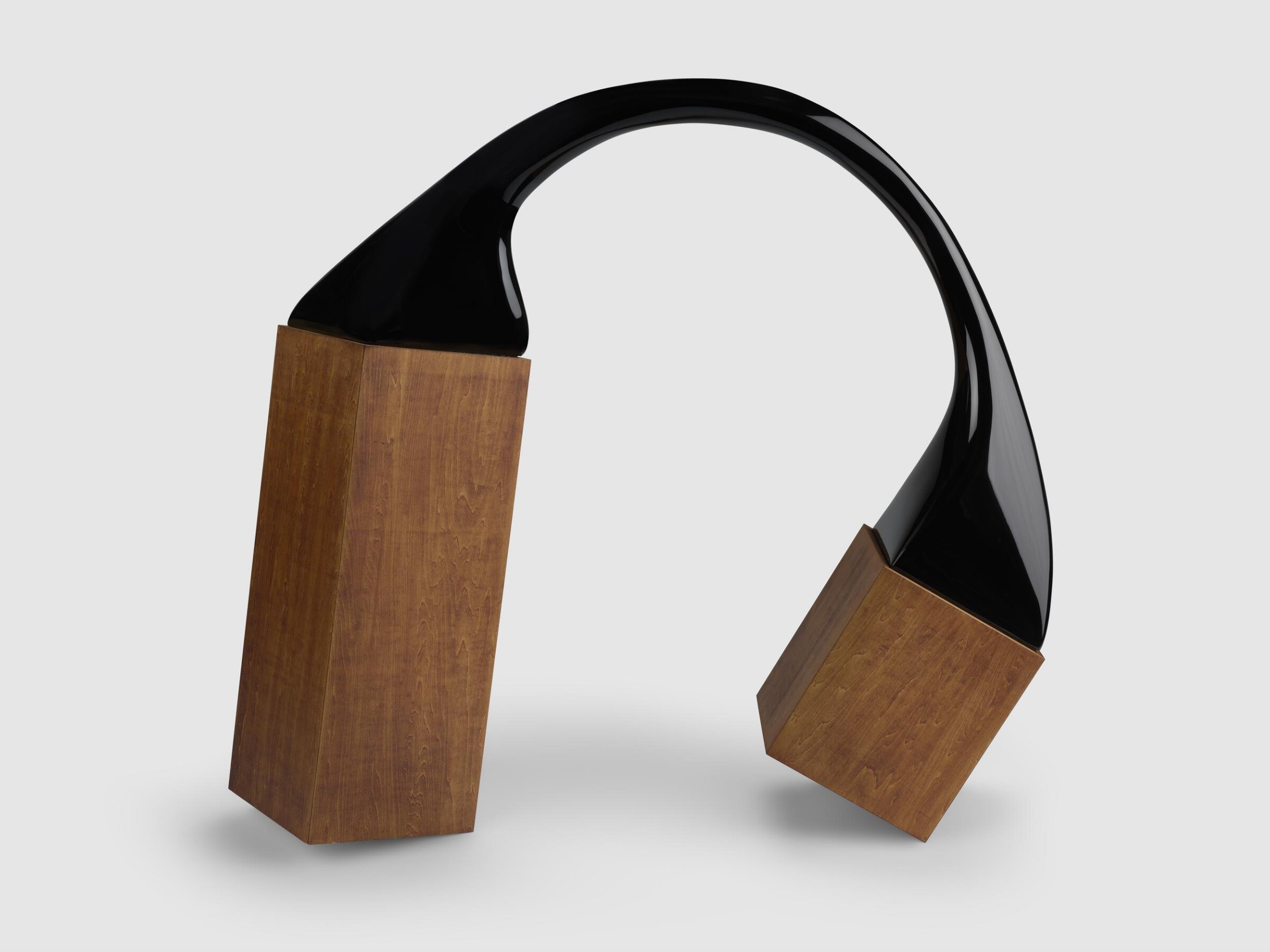
Torsion 2, Taruma Shoko, 2025

Taruma Shoko

Torsion 2, 2025

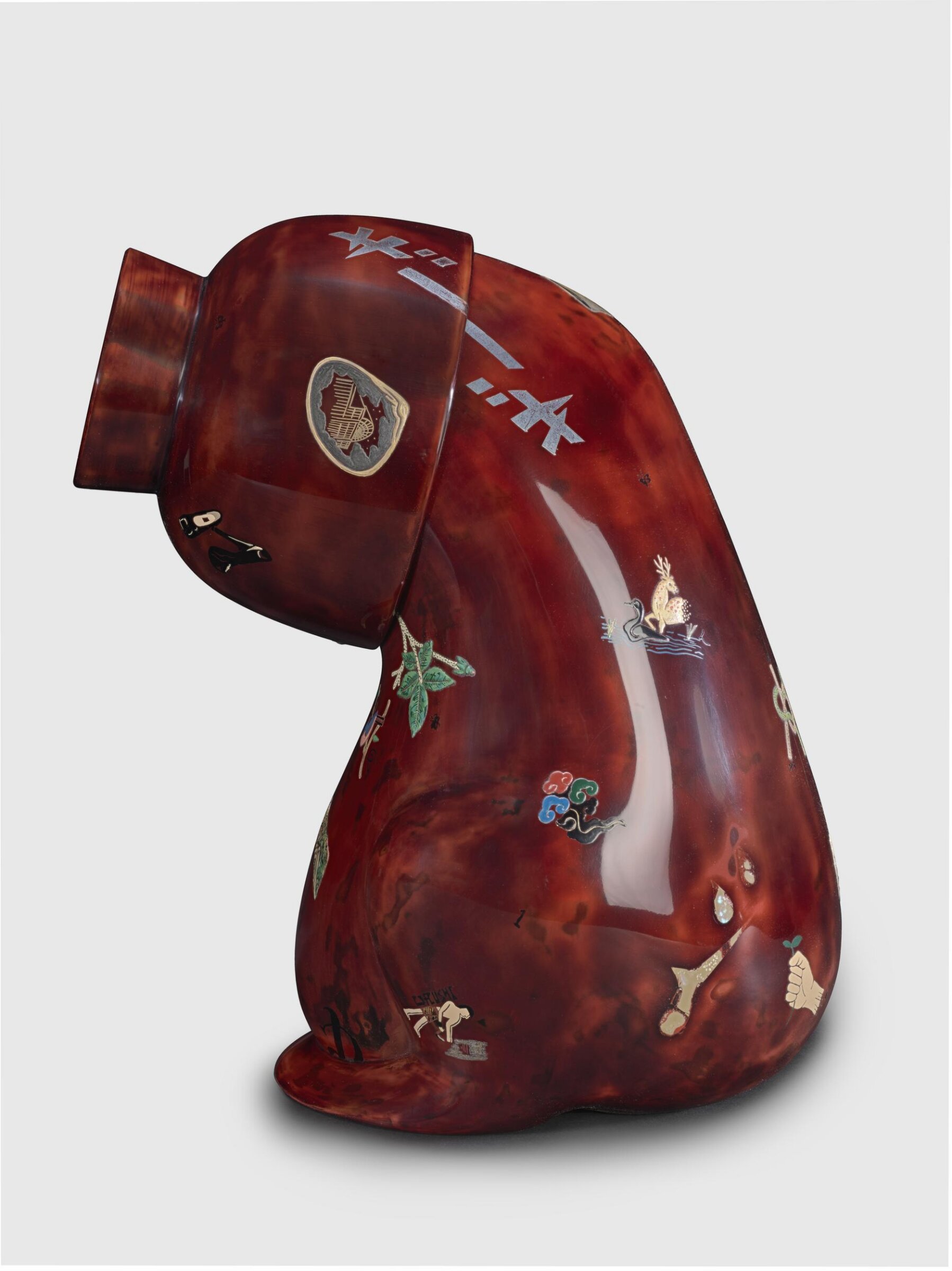
Fu, Someya Satoshi, 2025

Someya Satoshi

Fu, 2025

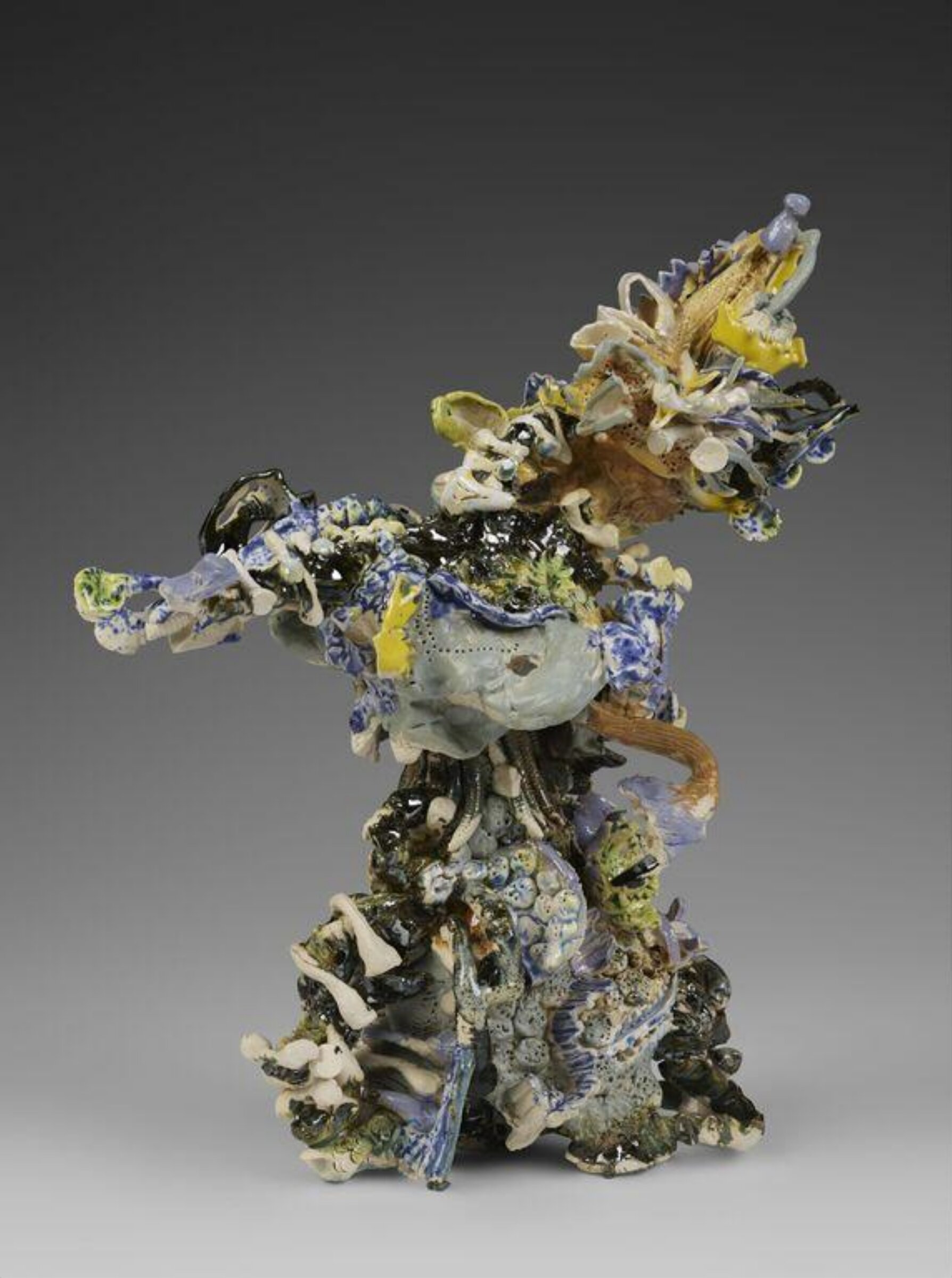
Bow Before the Curtain Falls, 2024

Bow Before the Curtain Falls, 2024

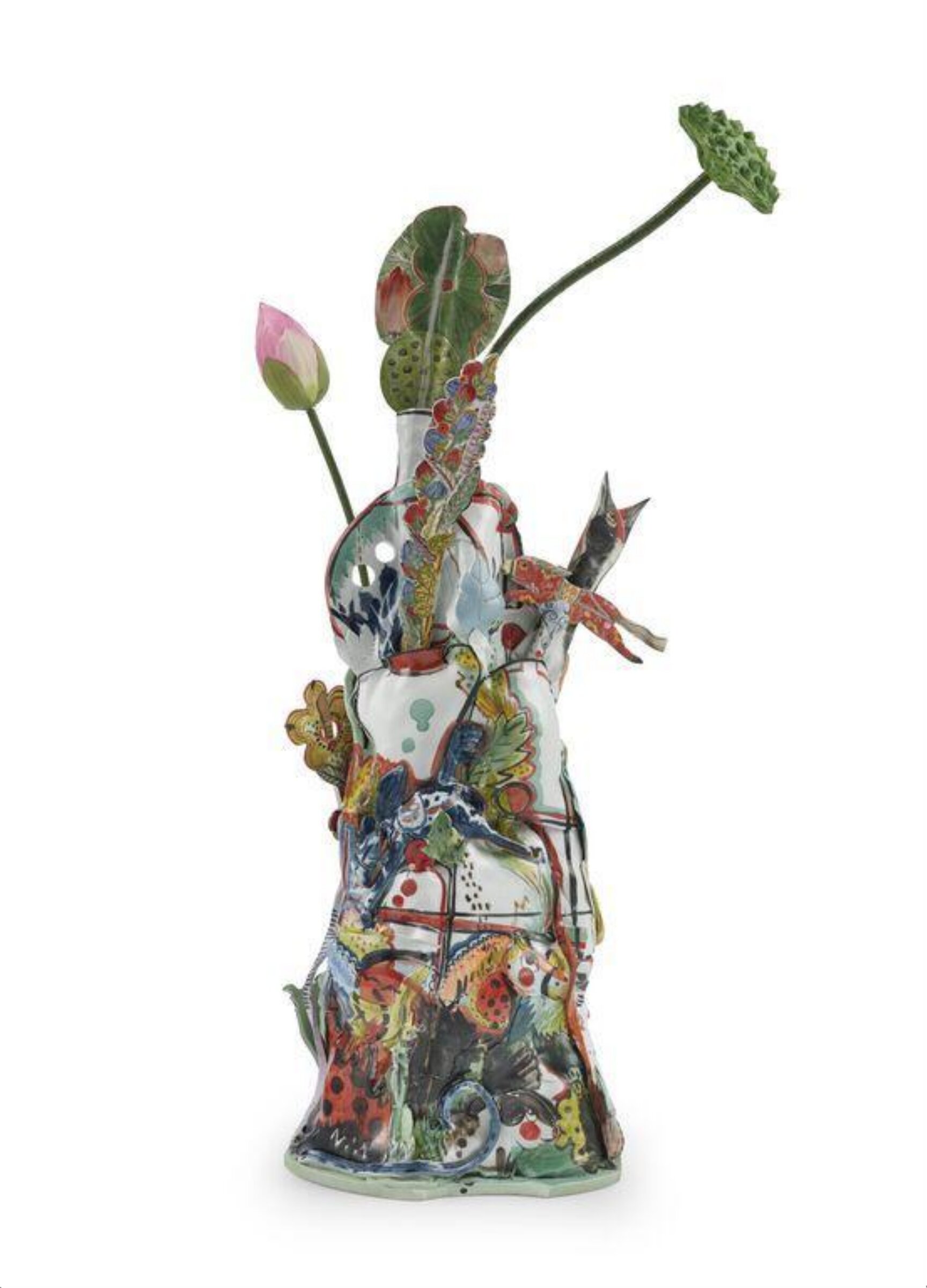
Summer, 2024

Summer, 2024

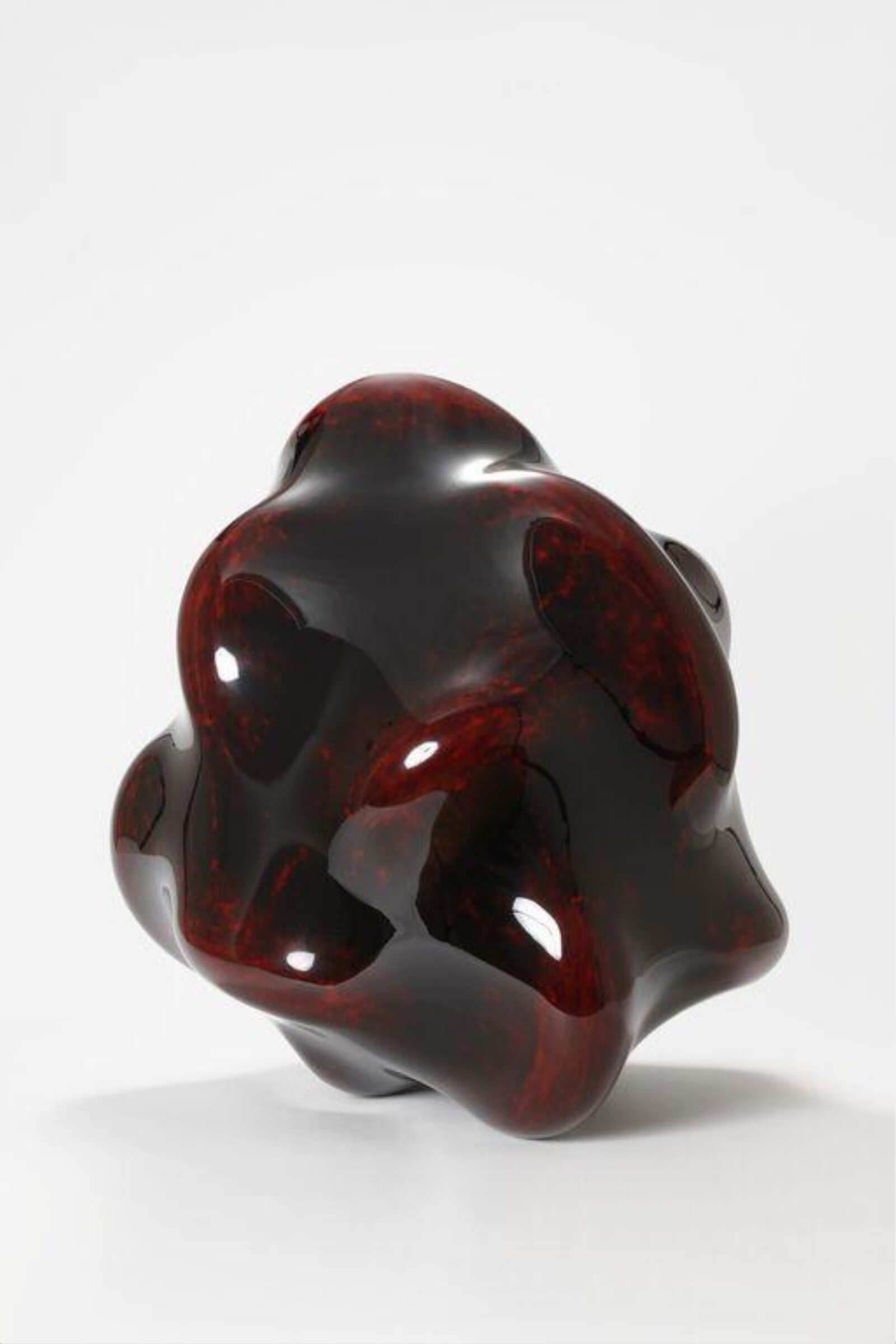
Red Flow, Ishizuka Genta, 2024

Ishizuka Genta

Red Flow, 2024

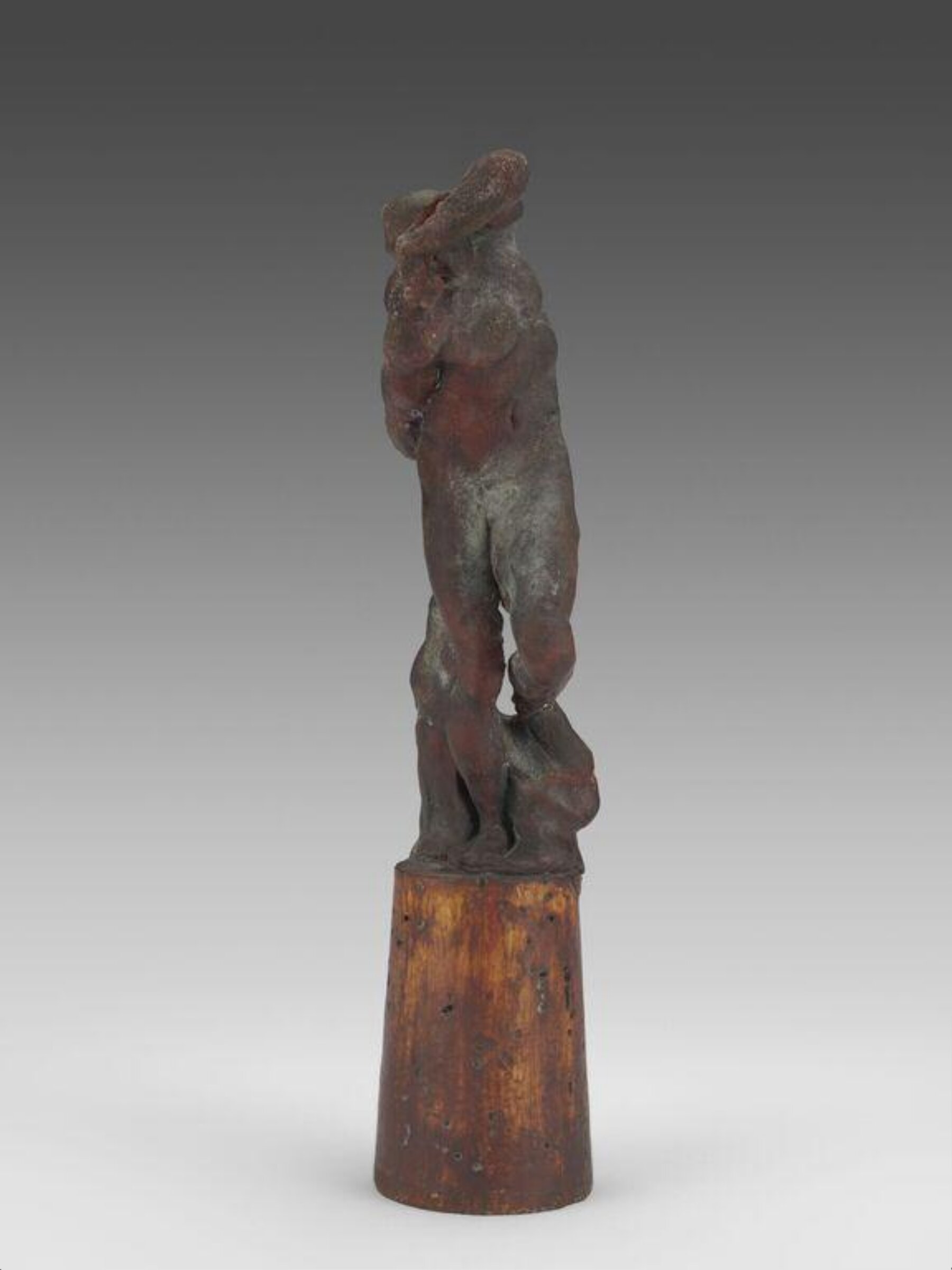
3D replica of Michelangelo's Prisoner (4117-1854), Factum Arte, 2024

Factum Arte

3D replica of Michelangelo's Prisoner (4117-1854), 2024

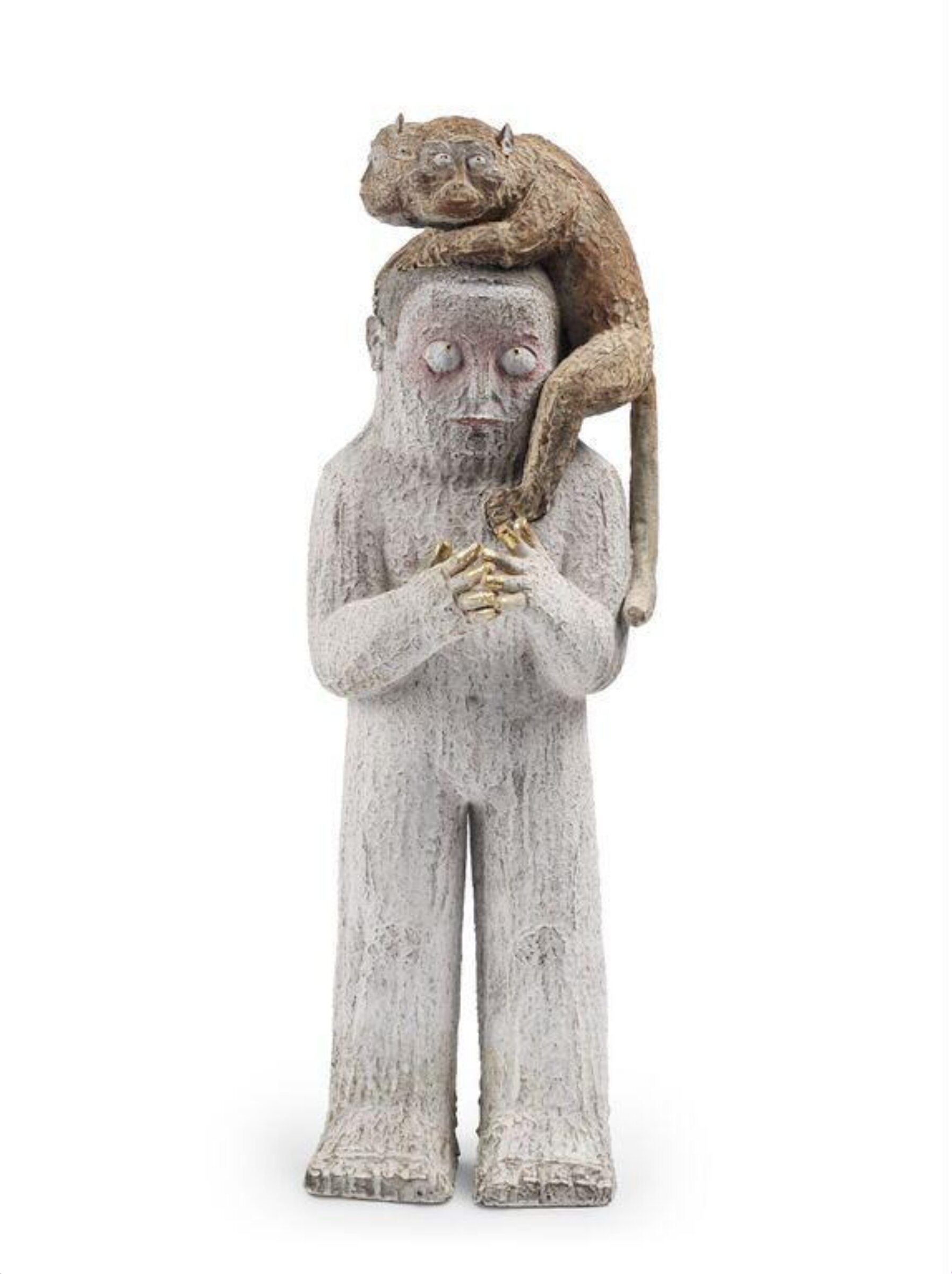
Sculpture, ‘Co-Existence – the Man and the Monkey’, Zhao Lin, 2024

Zhao Lin

Sculpture, ‘Co-Existence – the Man and the Monkey’, 2024