ART WIKI32 963 en salle
CarteCollectionArtistesMuséesExpositionsJournal
Connexion

ART WIKI

Où est accroché le chef-d’œuvre, et quand on vous laisse entrer.

Collections : Art Institute of Chicago, Cleveland Museum of Art, Galerie Tretiakov, Hirshhorn Museum and Sculpture Garden, J. Paul Getty Museum, Metropolitan Museum of Art, Minneapolis Institute of Art, Musée de l'Ermitage, Musée des Beaux-Arts Pouchkine, Musée du Louvre, musée national d'art asiatique, Musée russe, Musées d'Art de Harvard, Museum of Modern Art, National Gallery of Art, National Portrait Gallery, Rijksmuseum Amsterdam, Smithsonian American Art Museum, Statens Museum for Kunst, Victoria and Albert Museum, Villa Getty, Whitney Museum of American Art, Catalogue d’État du fonds muséal de Russie (274 musées), Europeana (19 musées), Wikidata (6 musées), Paris Musées (12 musées) et Joconde, la base des musées du ministère de la Culture (495 musées). Les images appartiennent à leurs ayants droit.

Rubriques

  • Carte
  • Recherche
  • Collection
  • Chefs-d’œuvre
  • Exposées en ce moment
  • Artistes

Et aussi

  • Musées et galeries
  • Expositions
  • Journal
  • D’où viennent les données
  • Confidentialité et cookies
AccueilCarteCatalogue
  1. Collection/
  2. Art Institute of Chicago/
  3. White Negress II
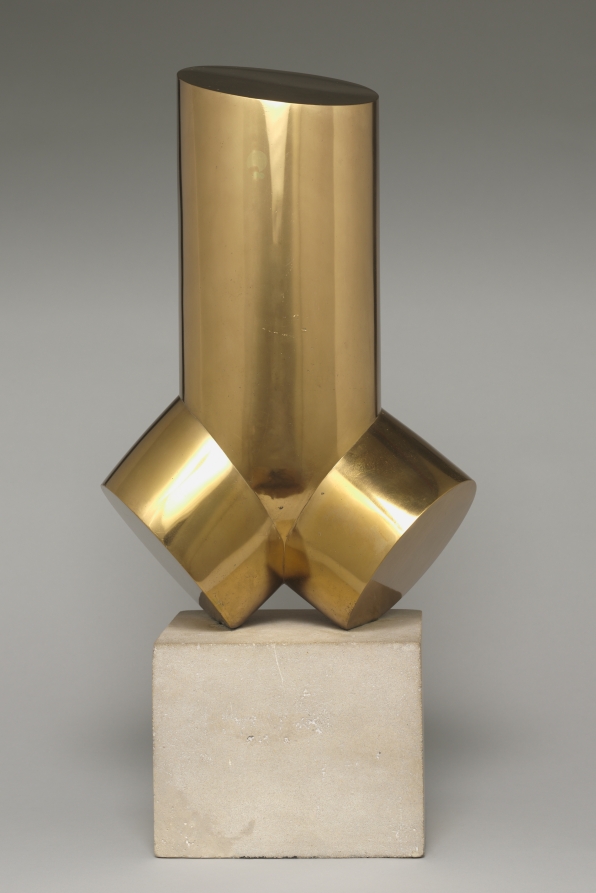
White Negress II, Constantin Brancusi, 1928
Constantin Brancusi, portraitConstantin BrancusiRoumanie, 1876–1957

White Negress II

1928 · Sculpture

Peut-on la contempler ?

Oui, elle reçoit

Art Institute of Chicago

Chicago, États-Unis

Salle395

Présentée au public. Qui s’en porte garant est indiqué ci-dessous.

Vérifié
il y a 3 jours
Dans cet état depuis
19 août 2026
Source
Le musée
Sur la cartePage du musée

À propos de la sculpture

Among sculptors of his generation in Europe, Constantin Brancusi was arguably the most influenced by African art in his choices of materials and forms, but it was not until the middle of his career, in the 1920s and 1930s, that he chose to represent his impression of an African subject in two related series: White Negress and Blond Negress. According to the artist, the impetus for these works was a visit to the 1922 Colonial Exposition—an expansive exhibition demonstrating France’s dominance as a colonial power held in Marseille—where he observed a woman he understood to be of African descent. The anonymous subject, rendered as an elongated volume with just two features, lips and hair, reflected European stereotypes about African physiognomy, and presented the paradox of seeing a black body represented in light-colored materials.

Lire la suite

White in the title refers to the color of the marble, which at once relates to the tradition of marble statuary but also to an ongoing 20th-century fetishism of black bodies. In the blond versions, this same form appears in highly polished, mirror-like bronze.

Art Institute of Chicago · CC BY 4.0

Notice

1928 · à 52 ans
18761957
Numéro d’inventaire
1966.4

Ce qu’elle montre

Abstract figuresFemmeGeometricFigures (representations)

Au catalogue

SculptureMarbreModernismeXXe siècleFrance

Sources

  • Art Institute of Chicago
  • Image : Art Institute of Chicago — © the artist or rights holder

Pendant ce temps, chez Constantin Brancusi

La vie entière
  1. 1926

    Back to the United States: the Wildenstein and Brummer exhibitions

    In 1926 Brâncuși returns to the United States: the Wildenstein Gallery presents his work in a group exhibition and then in a solo exhibition (16 February to 3 March), and on 17 November another exhibition opens at the Brummer Gallery, remaining on view until 15 December.

  2. 1926–1928

    Brancusi v. United States: a bird is a work of art

    During the trip United States customs officials detain a bronze “Bird in Space”, classify it as an article of metal and impose the tariff applied to manufactured objects. The case “Brancusi v. United States” ends in 1928 with the sculpture being accepted as a work of art.

  3. 1927

    Isamu Noguchi as his studio assistant

    In 1927 the Japanese American sculptor Isamu Noguchi works as an assistant in Brâncuși’s studio, sawing and polishing pieces, preparing the studio and keeping the tools sharp. The experience brings him closer to direct carving in stone and wood.

  4. 1929

    A portrait of James Joyce for the Black Sun Press

    In 1929 Harry and Caresse Crosby commission portraits of James Joyce from Brâncuși for the limited edition of “Tales Told of Shem and Shaun”, published by the Black Sun Press. He makes profile and frontal drawings and a composition formed from a spiral and vertical lines, which Caresse selects for the frontispiece: the book calls it “Portrait of the Author”, while Brâncuși uses the title “Symbol of James Joyce”.

Autres œuvres : Constantin Brancusi

Toutes les œuvres
Maiastra, Constantin Brâncuși, c. 1911

Maiastra

c. 1911 · National Gallery of Art

Bird in Space, Constantin Brâncuși, 1925

Bird in Space

1925 · National Gallery of Art

Bird in Space, Constantin Brâncuși, 1927

Bird in Space

1927 · National Gallery of Art

Agnes E. Meyer, Constantin Brâncuși, 1929

Agnes E. Meyer

1929 · National Gallery of Art

Male Torso, Constantin Brancusi, 1917

Male Torso

1917 · Cleveland Museum of Art

Golden Bird, Constantin Brancusi, 1919/20 (base c. 1922)

Golden Bird

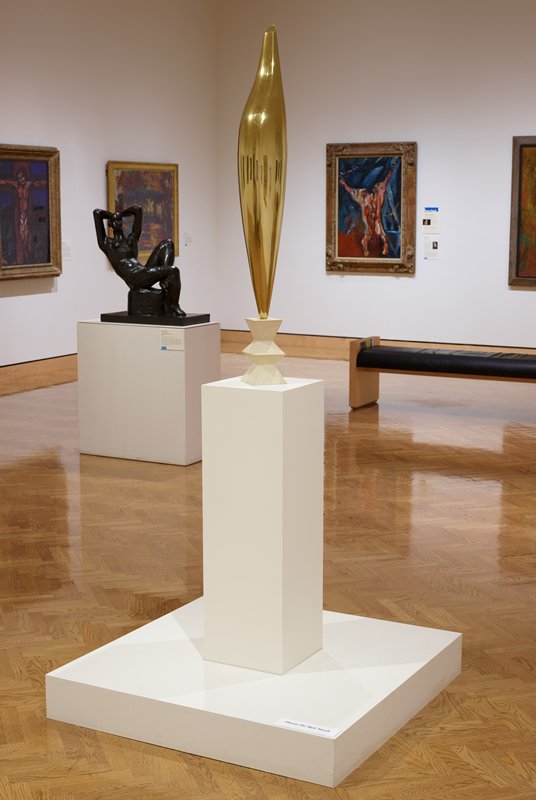
1919/20 (base c. 1922) · Art Institute of Chicago

Golden Bird, Constantin Brancusi, c. 1919

Golden Bird

c. 1919 · Minneapolis Institute of Art

Wisdom, Constantin Brancusi, c. 1908

Wisdom

c. 1908 · Art Institute of Chicago

Sous le même toit : Art Institute of Chicago

Page du musée
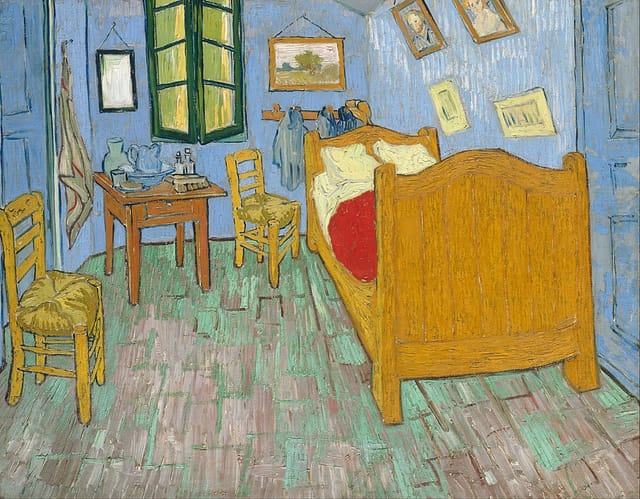
The Bedroom, Vincent van Gogh, 1889

Vincent van Gogh

The Bedroom, 1889

A Sunday on La Grande Jatte — 1884, Georges Seurat, 1884–86, border added 1888–89

Georges Seurat

Un dimanche après-midi à l'Île de la Grande Jatte, 1884–86, border added 1888–89

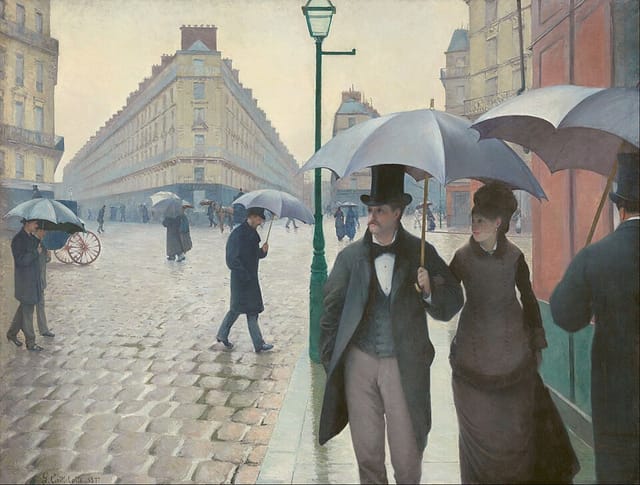
Paris Street; Rainy Day, Gustave Caillebotte, 1877

Gustave Caillebotte

Rue de Paris, temps de pluie, 1877

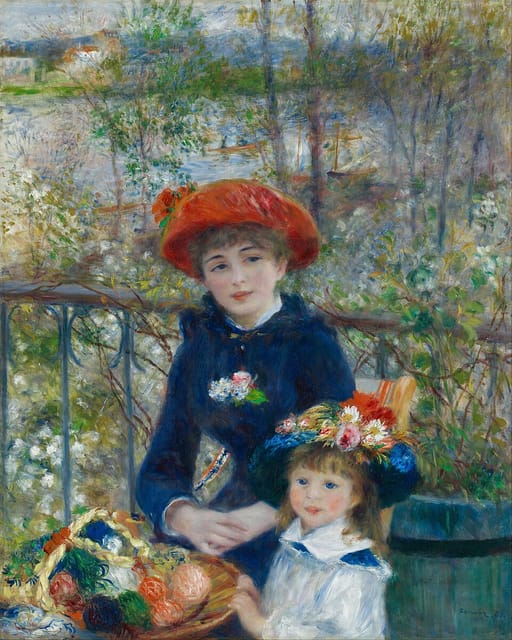
Two Sisters (On the Terrace), Pierre-Auguste Renoir, 1881

Pierre-Auguste Renoir

Les Deux Sœurs, 1881

The Basket of Apples, Paul Cézanne, c. 1893

Paul Cézanne

La Corbeille de pommes, c. 1893

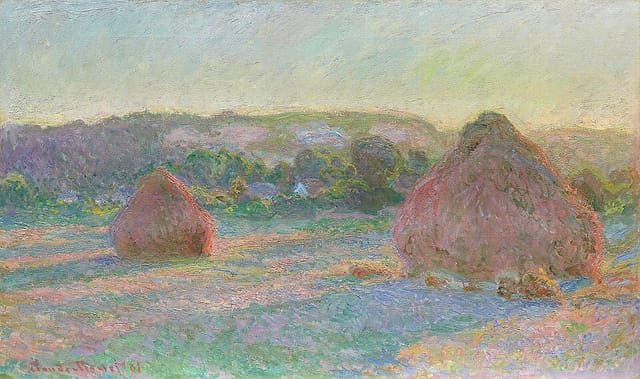
Stacks of Wheat (End of Summer), Claude Monet, 1890–91

Claude Monet

Stacks of Wheat (End of Summer), 1890–91

American Gothic, Grant Wood, 1930

Grant Wood

American Gothic, 1930

Nighthawks, Edward Hopper, 1942

Edward Hopper

Nighthawks, 1942