ART WIKI32 979 en salle
CarteCollectionArtistesMuséesExpositionsJournal
Connexion

ART WIKI

Où est accroché le chef-d’œuvre, et quand on vous laisse entrer.

Collections : Art Institute of Chicago, Cleveland Museum of Art, Galerie Tretiakov, Hirshhorn Museum and Sculpture Garden, J. Paul Getty Museum, Metropolitan Museum of Art, Minneapolis Institute of Art, Musée de l'Ermitage, Musée des Beaux-Arts Pouchkine, Musée du Louvre, musée national d'art asiatique, Musée russe, Musées d'Art de Harvard, Museum of Modern Art, National Gallery of Art, National Portrait Gallery, Rijksmuseum Amsterdam, Smithsonian American Art Museum, Statens Museum for Kunst, Victoria and Albert Museum, Villa Getty, Whitney Museum of American Art, Catalogue d’État du fonds muséal de Russie (274 musées), Europeana (19 musées), Wikidata (6 musées), Paris Musées (12 musées) et Joconde, la base des musées du ministère de la Culture (495 musées). Les images appartiennent à leurs ayants droit.

Rubriques

  • Carte
  • Recherche
  • Collection
  • Chefs-d’œuvre
  • Exposées en ce moment
  • Artistes

Et aussi

  • Musées et galeries
  • Expositions
  • Journal
  • D’où viennent les données
  • Confidentialité et cookies
AccueilCarteCatalogue
  1. Collection/
  2. Whitney Museum of American Art/
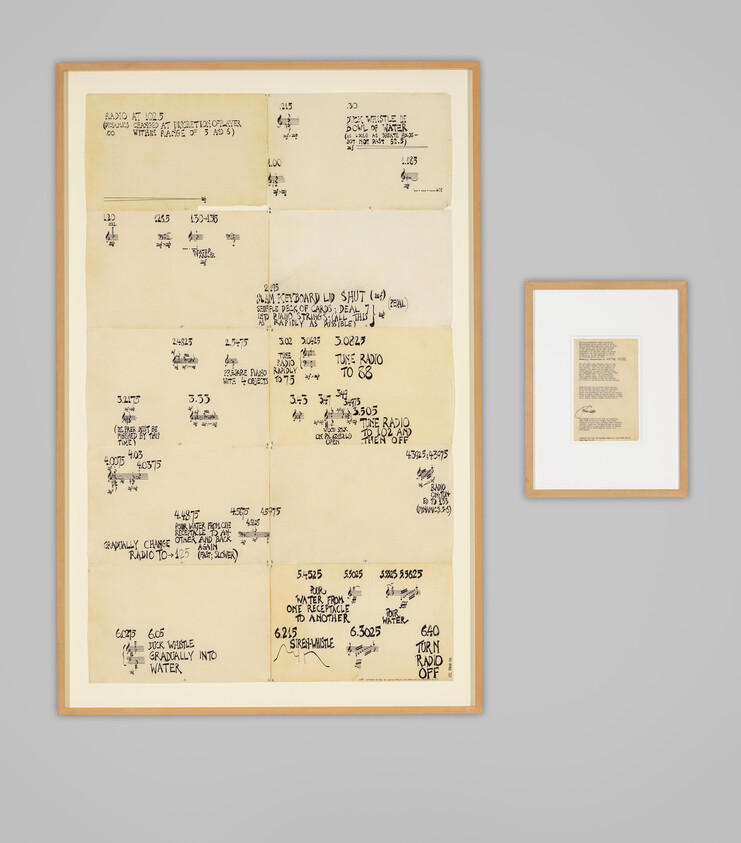
  3. Water Music
Water Music, John Cage, 1952
John Cage, portraitJohn CageÉtats-Unis, 1912–1992

Water Music

1952 · Drawing

Peut-on la contempler ?

Elle ne reçoit pas en ce moment

Whitney Museum of American Art

New York, États-Unis

Elle appartient à la collection, mais n’est pas présentée en ce moment.

Vérifié
il y a 3 jours
Source
Le musée
Sur la cartePage du musée

Notice

1952 · à 40 ans
19121992
Numéro d’inventaire
82.38a-k

Au catalogue

Dessins et aquarellesPlumeArt d’après-guerreXXe siècle

Sources

  • Whitney Museum of American Art
  • Image : Whitney Museum of American Art — © the artist or rights holder

Pendant ce temps, chez John Cage

La vie entière
  1. early 1950

    Feldman in the lobby: the “New York school”

    In early 1950 at a New York Philharmonic concert Cage, overwhelmed by Webern's Symphony, leaves before the Rachmaninoff piece and in the lobby meets Morton Feldman, who is leaving for the same reason. They quickly become friends; some time later Cage, Feldman, Earle Brown, the pianist David Tudor and Cage's pupil Christian Wolff come to be referred to as “the New York school”.

  2. 1950s

    Chance wrecks his reputation

    The adoption of chance procedures has disastrous consequences for Cage's reputation: the press, which used to react favourably to his percussion and prepared-piano music, ignores his new works, and many valuable friendships and connections are lost. Boulez, who used to promote Cage's work in Europe, opposes his particular use of chance, as do other composers who came to prominence in the 1950s, such as Stockhausen.

  3. early 1951

    The “I Ching” from Wolff: music by chance

    In early 1951 Christian Wolff presents Cage with a copy of the I Ching, the first complete English translation, published in 1950 by his father Kurt Wolff's Pantheon Books. For Cage the book becomes a tool for composing by chance, in his words “imitating nature in its manner of operation”; he will use it in practically every work composed after 1951.

  4. summer 1952

    The first “happening” at Black Mountain

    In the summer of 1952 at the avant-garde Black Mountain College in North Carolina, where Cage also taught in 1948 and was in residence in 1953, he organises what has been called the first “happening” in the United States: later titled “Theatre Piece No. 1”, a multi-layered, multi-media event staged the same day he conceived it, with Cunningham and Tudor taking part.

  5. 29 August 1952

    The premiere of “4′33″” in Woodstock

    On 29 August 1952 at a benefit concert in Woodstock David Tudor gives the first performance of “4′33″”: he walks on stage, places the score and a stopwatch on the piano and sits silent, only opening and closing the lid to mark the start and end of each part. The audience is in an uproar; sceptics say anyone could have done it, and Cage agrees: yes, but no one had until now.

  6. from 1953

    Music for Cunningham's dances

    From 1953 Cage is busy composing music for modern dance, particularly Cunningham's dances — his partner adopts chance too, out of fascination with the movement of the human body — while developing new methods of using chance in a series of works he calls “The Ten Thousand Things”.

Autres œuvres : John Cage

Toutes les œuvres
Bassoon Chart for HPSCHD (with Lejaren Hiller), John Cage

Bassoon Chart for HPSCHD (with Lejaren Hiller)

Non exposée · National Gallery of Art

Solo for Violin (Concert for Piano and Orchestra): Sketch, John Cage

Solo for Violin (Concert for Piano and Orchestra): Sketch

Non exposée · National Gallery of Art

Atlas Eclipticalis (Mixer Manipulation), John Cage

Atlas Eclipticalis (Mixer Manipulation)

Non exposée · National Gallery of Art

Solo for Violin (Concert for Piano and Orchestra): Sketch, John Cage

Solo for Violin (Concert for Piano and Orchestra): Sketch

Non exposée · National Gallery of Art

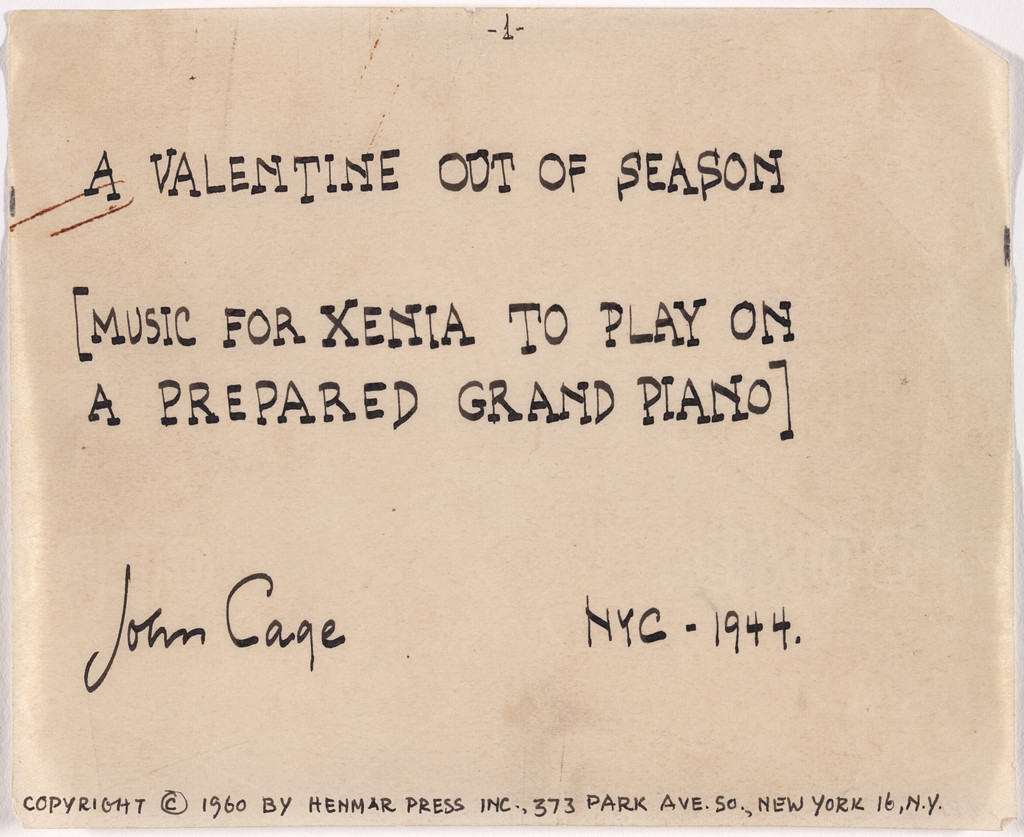
A Valentine out of Season, John Cage, 1944/1960

A Valentine out of Season

1944/1960 · Non exposée · Museum of Modern Art

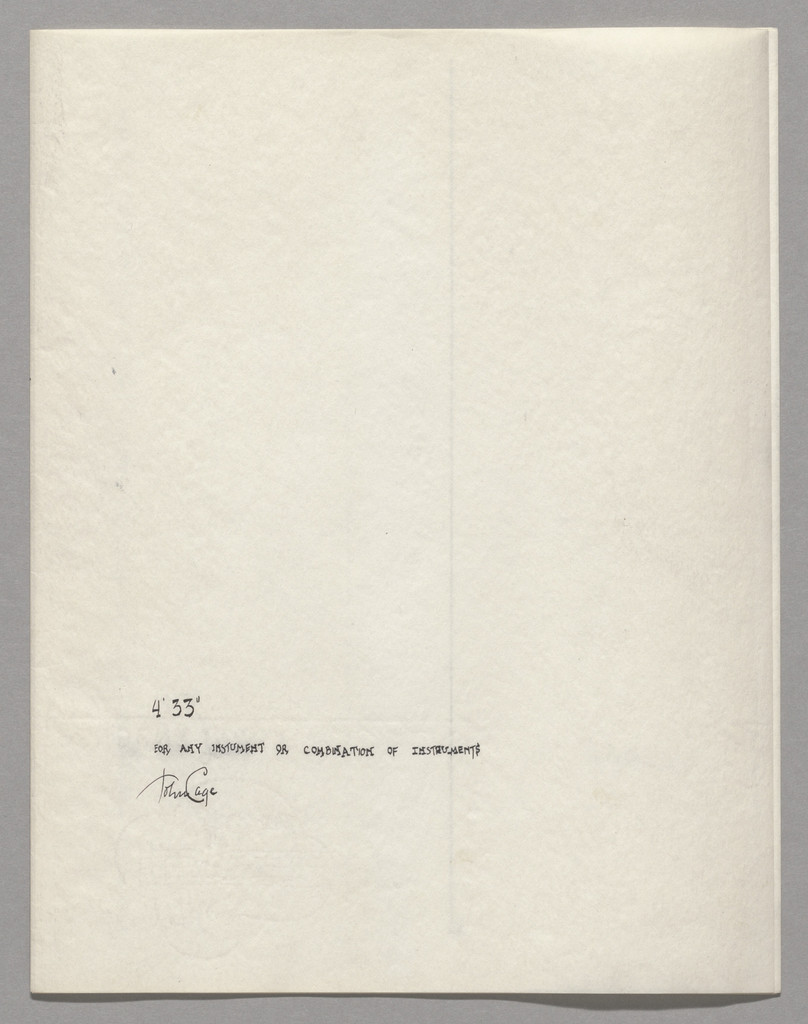
4'33" (In Proportional Notation), John Cage, 1952/1953

4'33" (In Proportional Notation)

1952/1953 · Non exposée · Museum of Modern Art

Solo for Flute (Concert for Piano and Orchestra): Sketch, John Cage, 1957-1958

Solo for Flute (Concert for Piano and Orchestra): Sketch

1957-1958 · Non exposée · National Gallery of Art

Music Walk (Notation Plan), John Cage, c. 1958

Music Walk (Notation Plan)

c. 1958 · Non exposée · National Gallery of Art

Sous le même toit : Whitney Museum of American Art

Page du musée
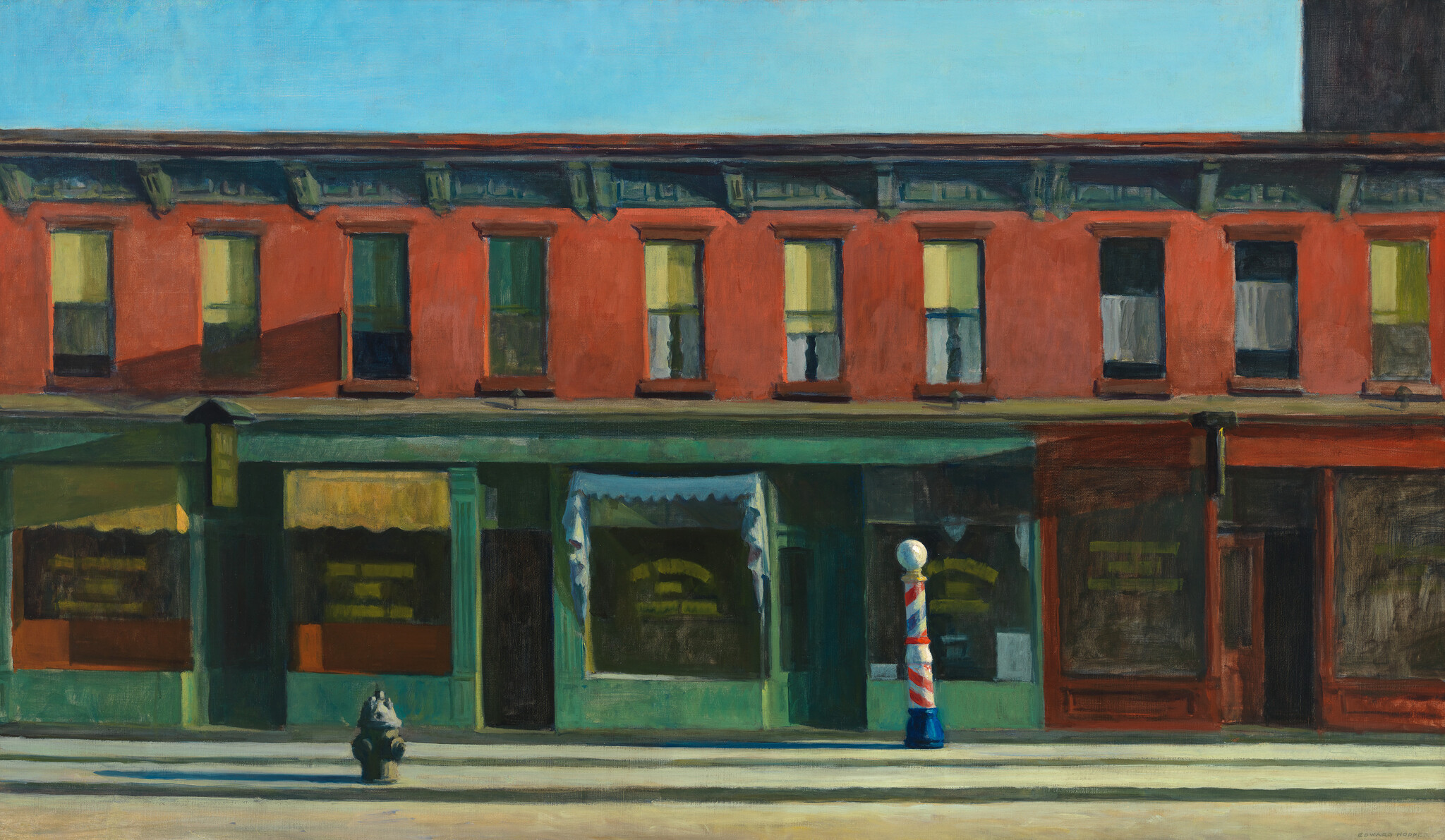
Early Sunday Morning, Edward Hopper, 1930

Edward Hopper

Tôt un dimanche matin, 1930

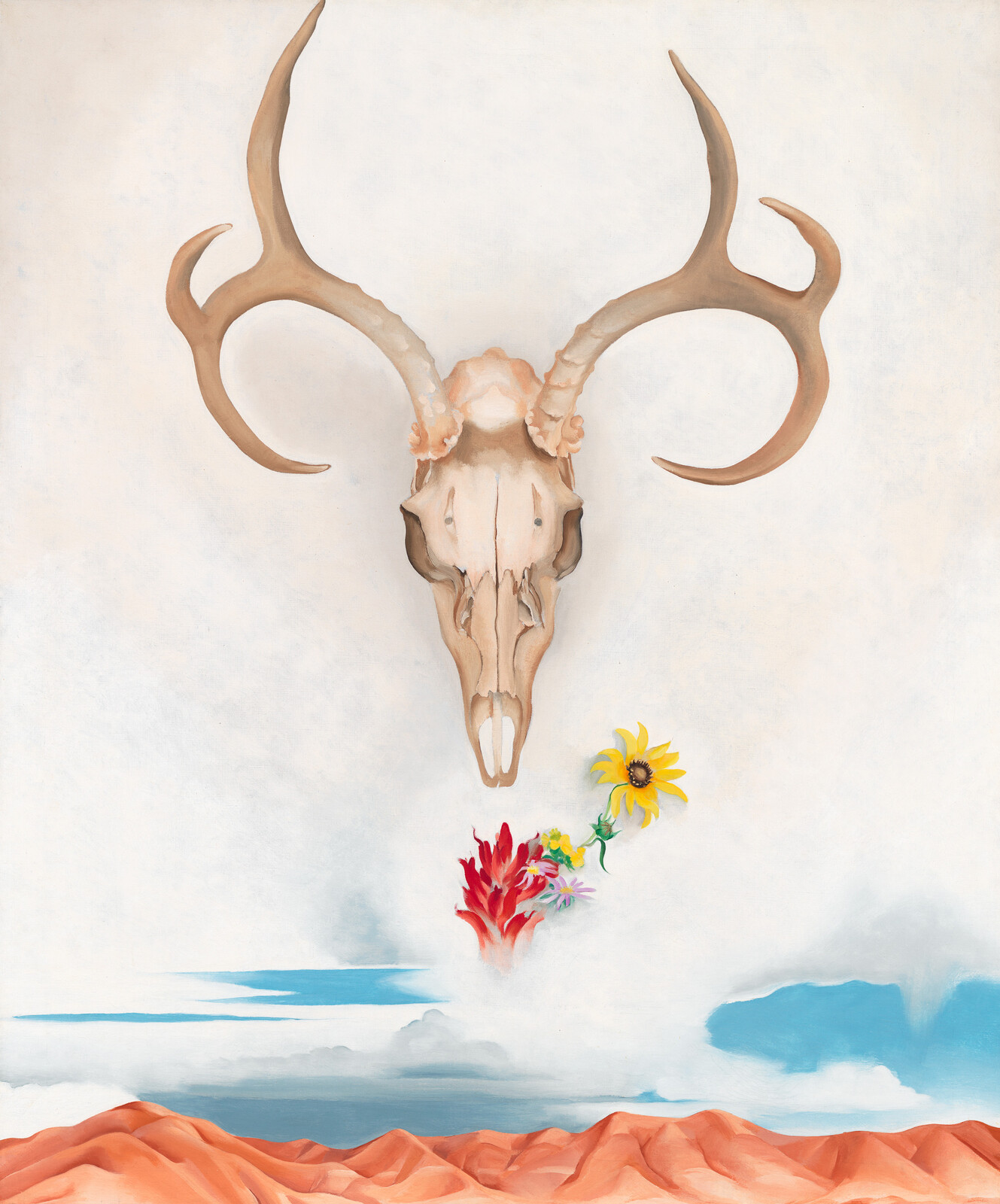
Summer Days, Georgia O'Keeffe, 1936

Georgia O'Keeffe

Summer Days, 1936

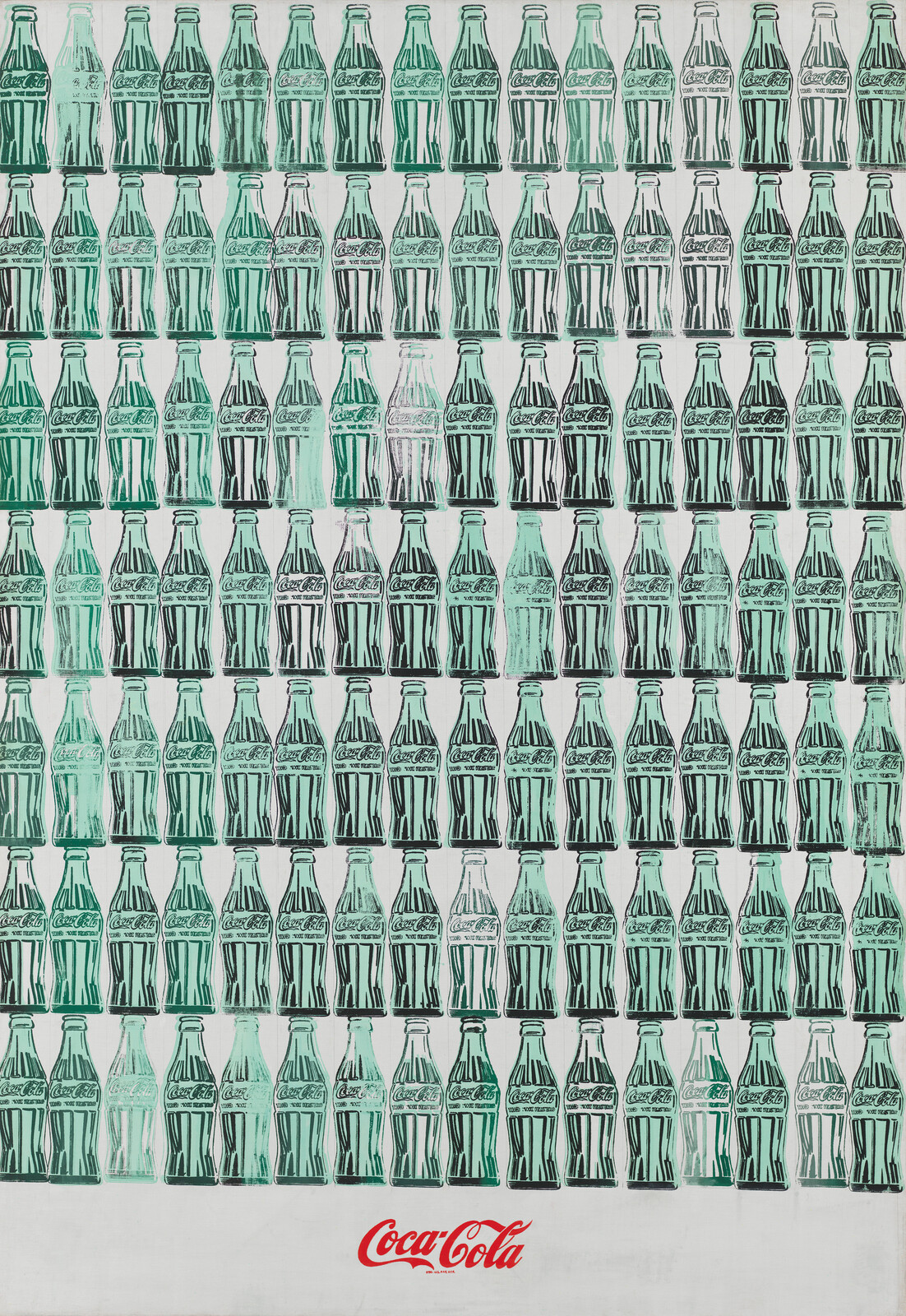
Green Coca-Cola Bottles, Andy Warhol, 1962

Andy Warhol

Green Coca-Cola Bottles, 1962

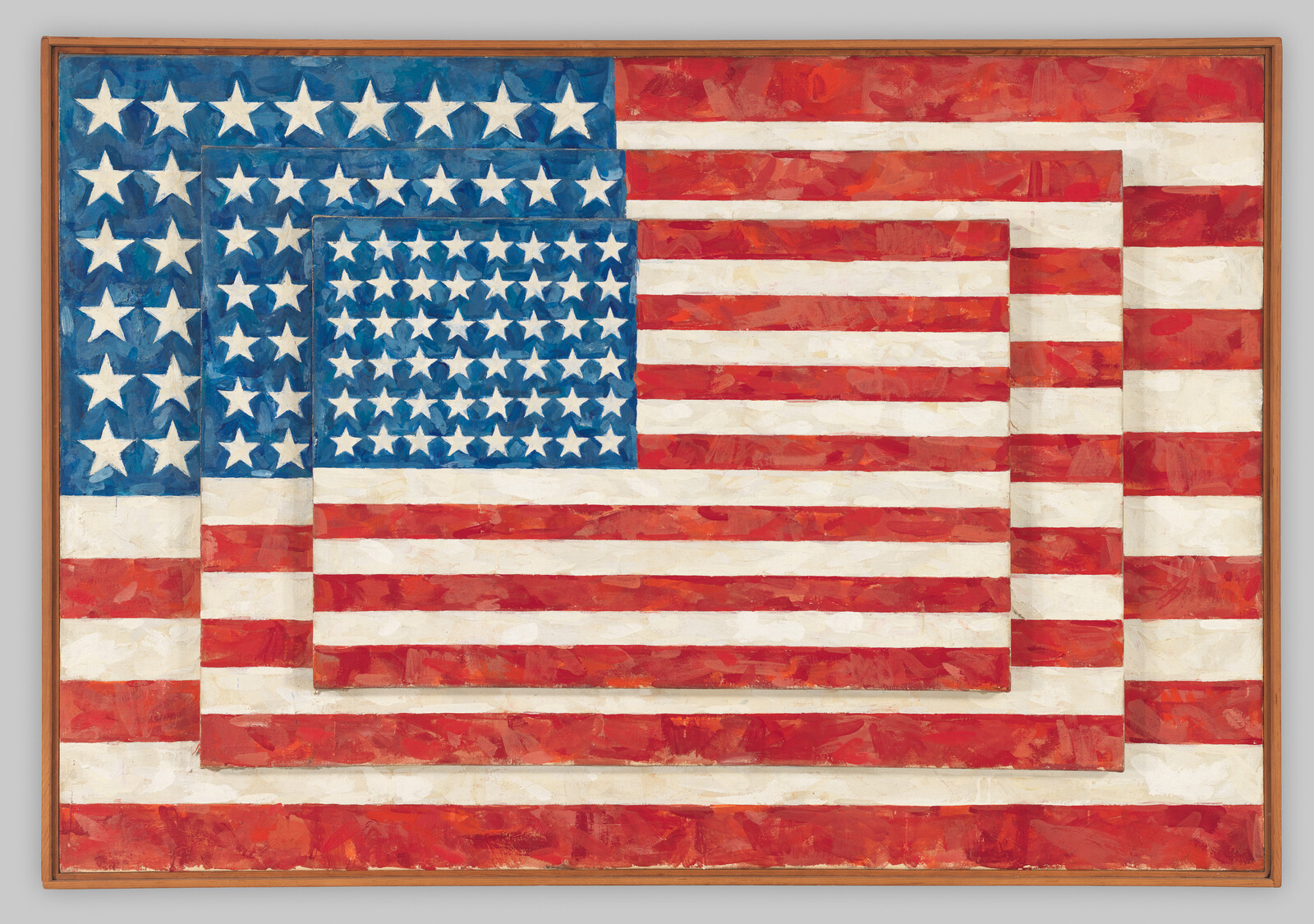
Three Flags, Jasper Johns, 1958

Jasper Johns

Three Flags, 1958

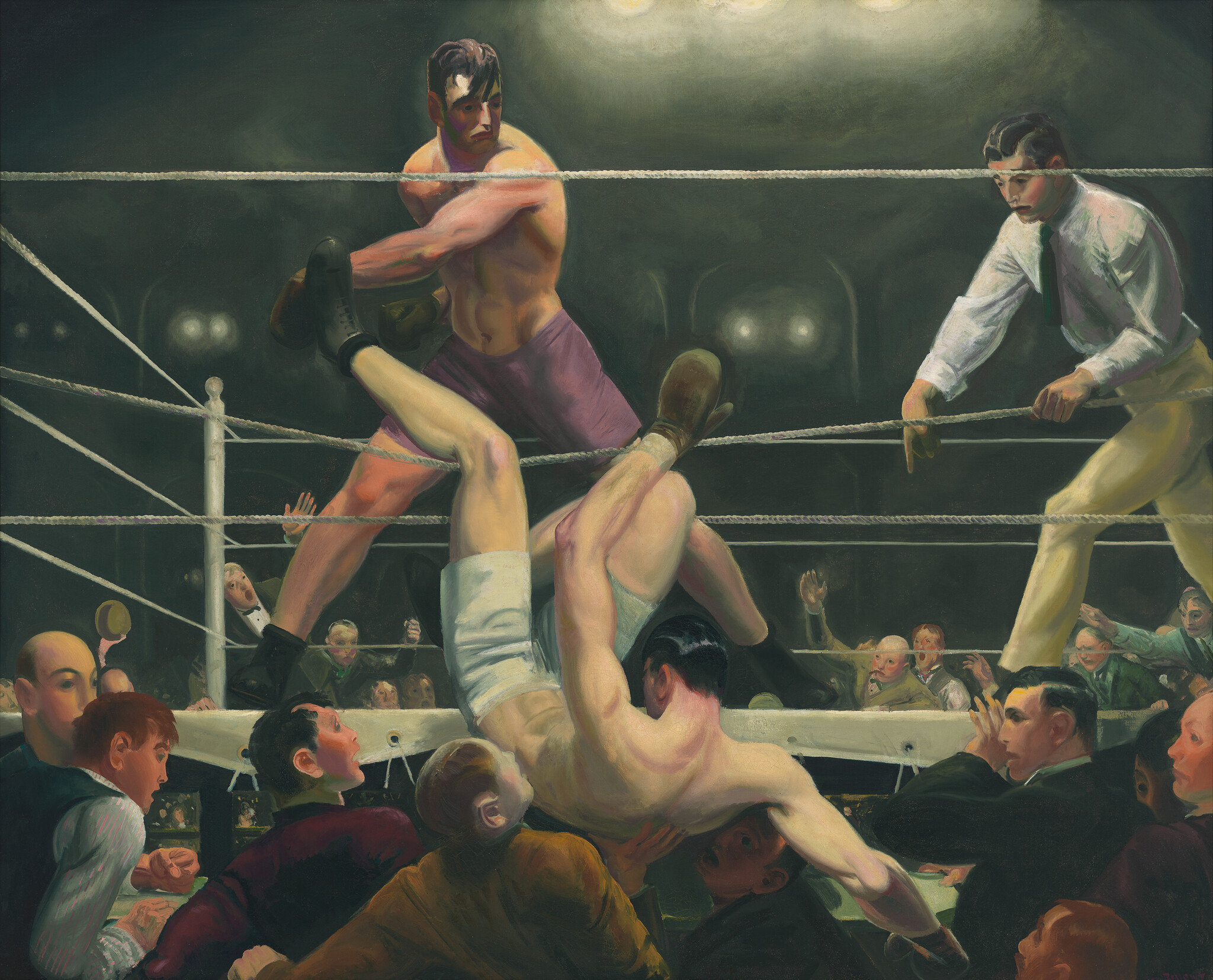
Dempsey and Firpo, George Bellows, 1924

George Bellows

Dempsey and Firpo, 1924

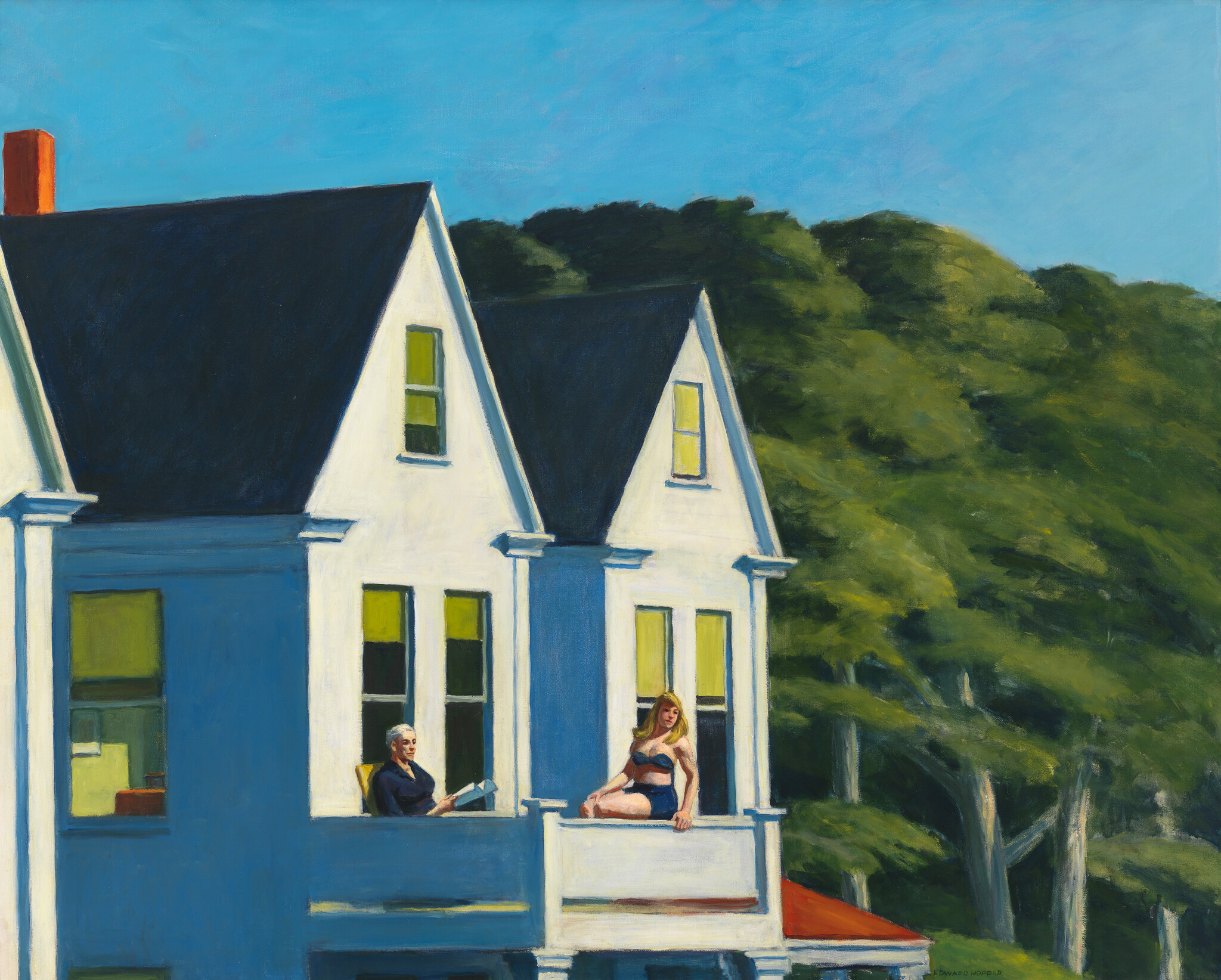
Second Story Sunlight, Edward Hopper, 1960

Edward Hopper

Second Story Sunlight, 1960

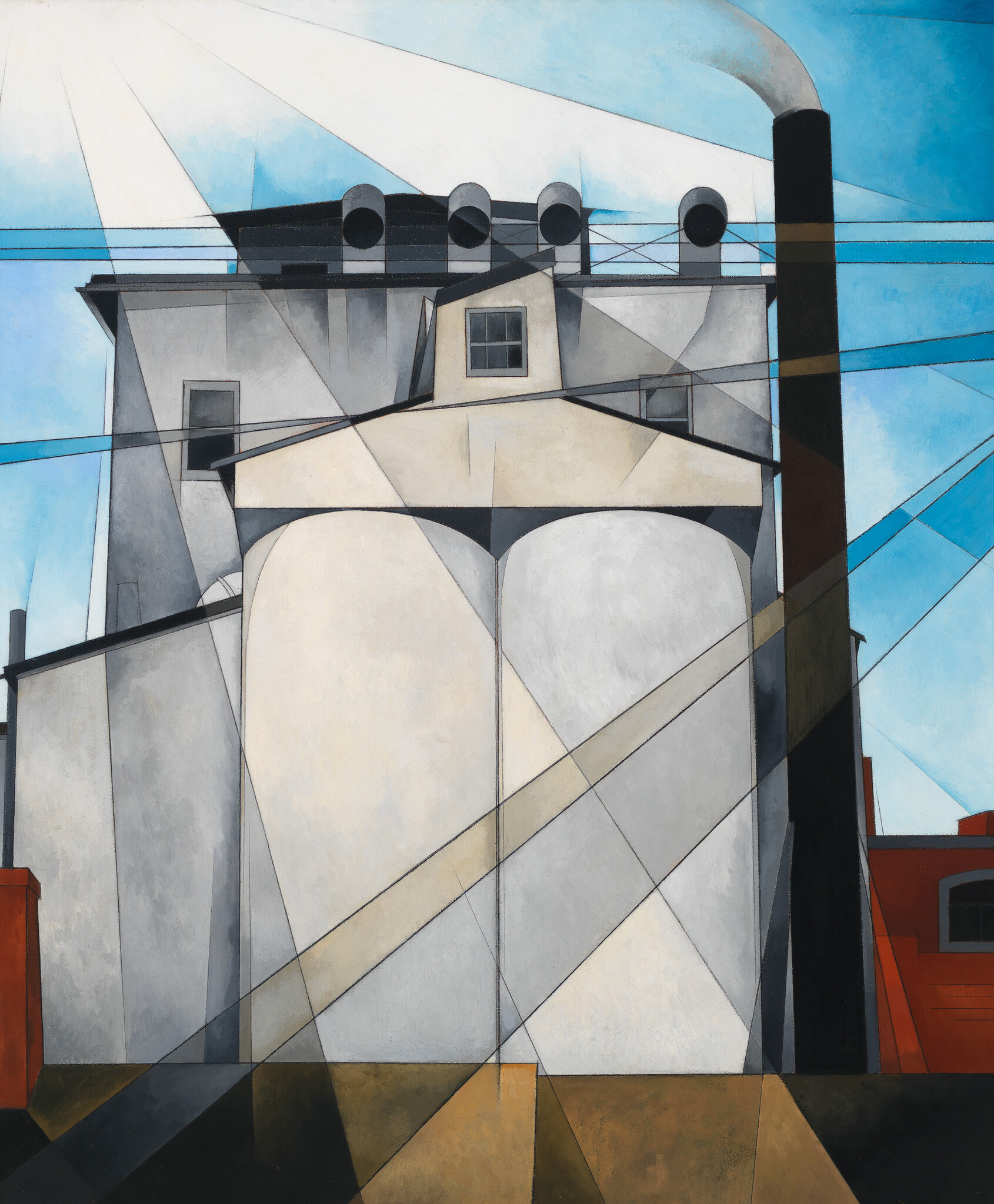
My Egypt, Charles Demuth, 1927

Charles Demuth

My Egypt, 1927

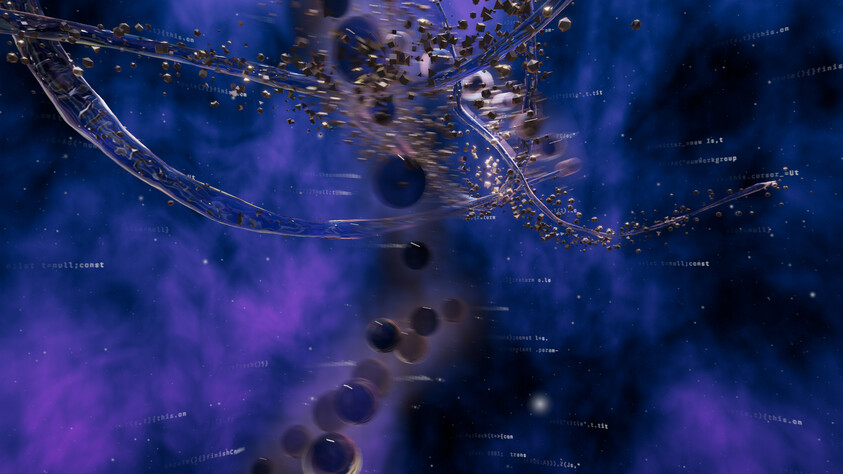
The Thinking Ocean, Memo Akten & Katie Hofstadter, 2026

Memo Akten & Katie Hofstadter

The Thinking Ocean, 2026