Robert RauschenbergÉtats-Unis, 1925–2008
Untitled
Peut-on la contempler ?
Oui, elle reçoit

Art Institute of Chicago
Salle292Chicago, États-Unis
Présentée au public. Qui s’en porte garant est indiqué ci-dessous.
- Vérifié
- avant-hier
- Dans cet état depuis
- 19 août 2026
- Source
- Les données de collection du musée lui-même
About the painting
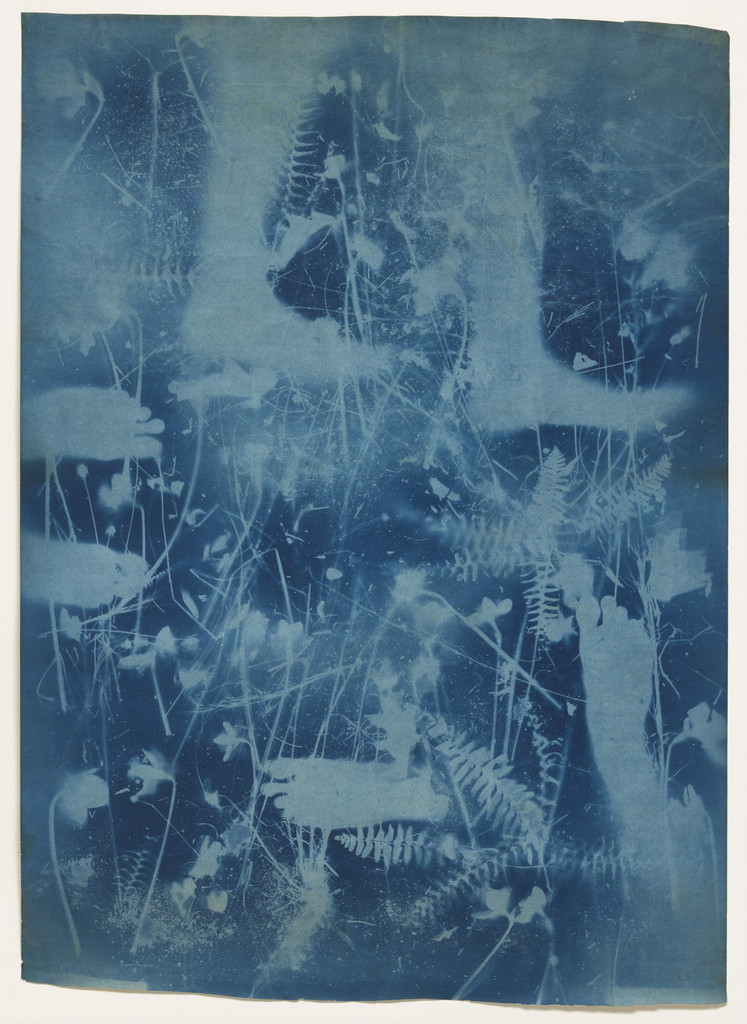
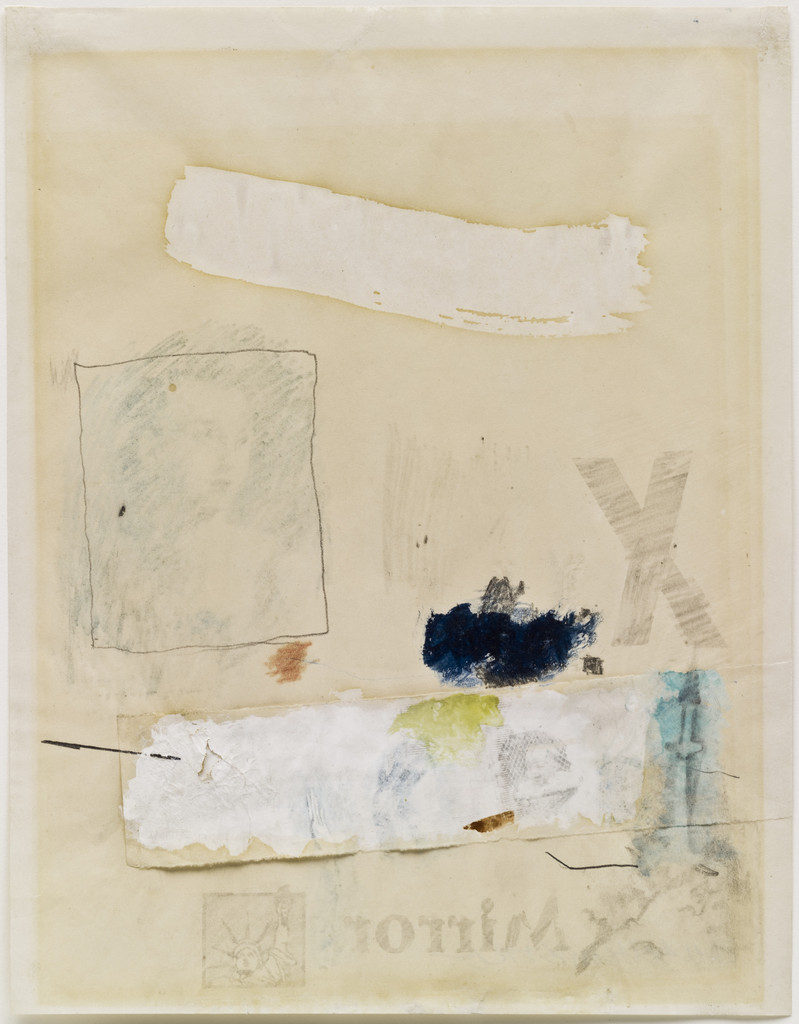
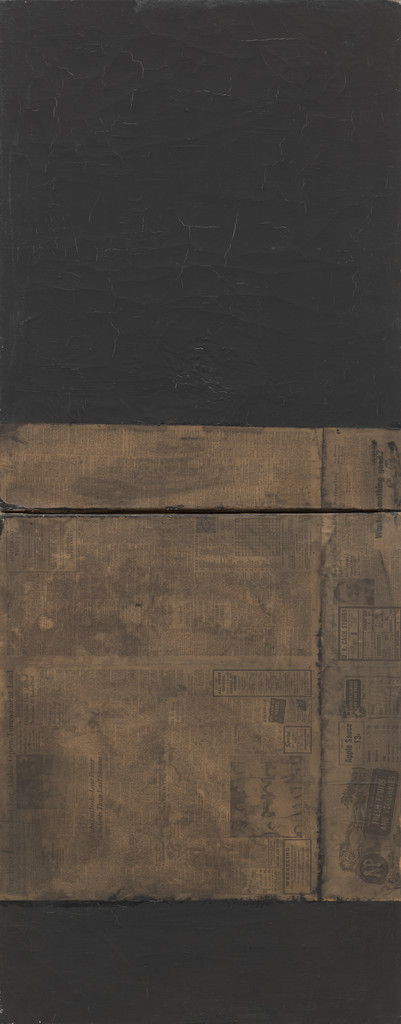
Robert Rauschenberg’s fascination with methods and materials led to numerous experiments that pushed the boundaries of a wide range of media, including painting, sculpture, photography, printmaking, and drawing. Along with fellow artist Jasper Johns, Rauschenberg charted a viable path out of Abstract Expressionism, the predominant artistic practice when he emerged during the 1950s.
Read on
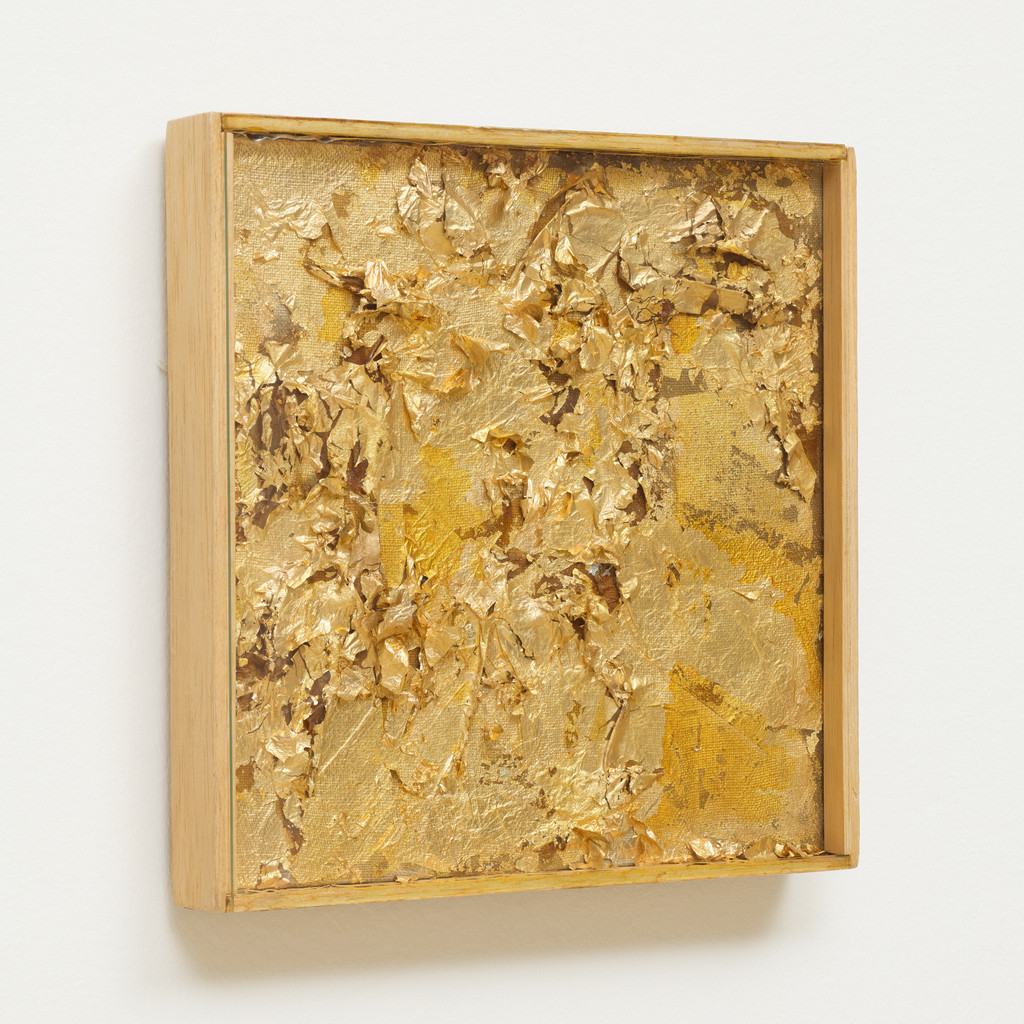
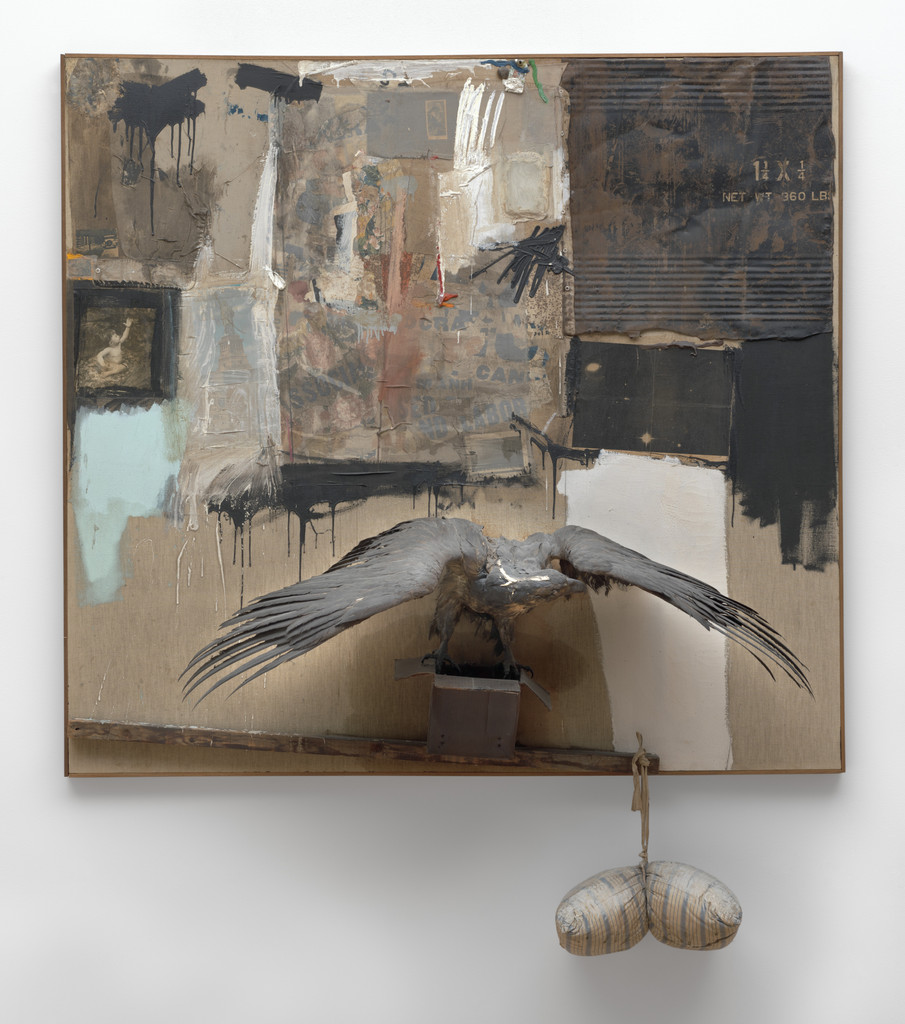
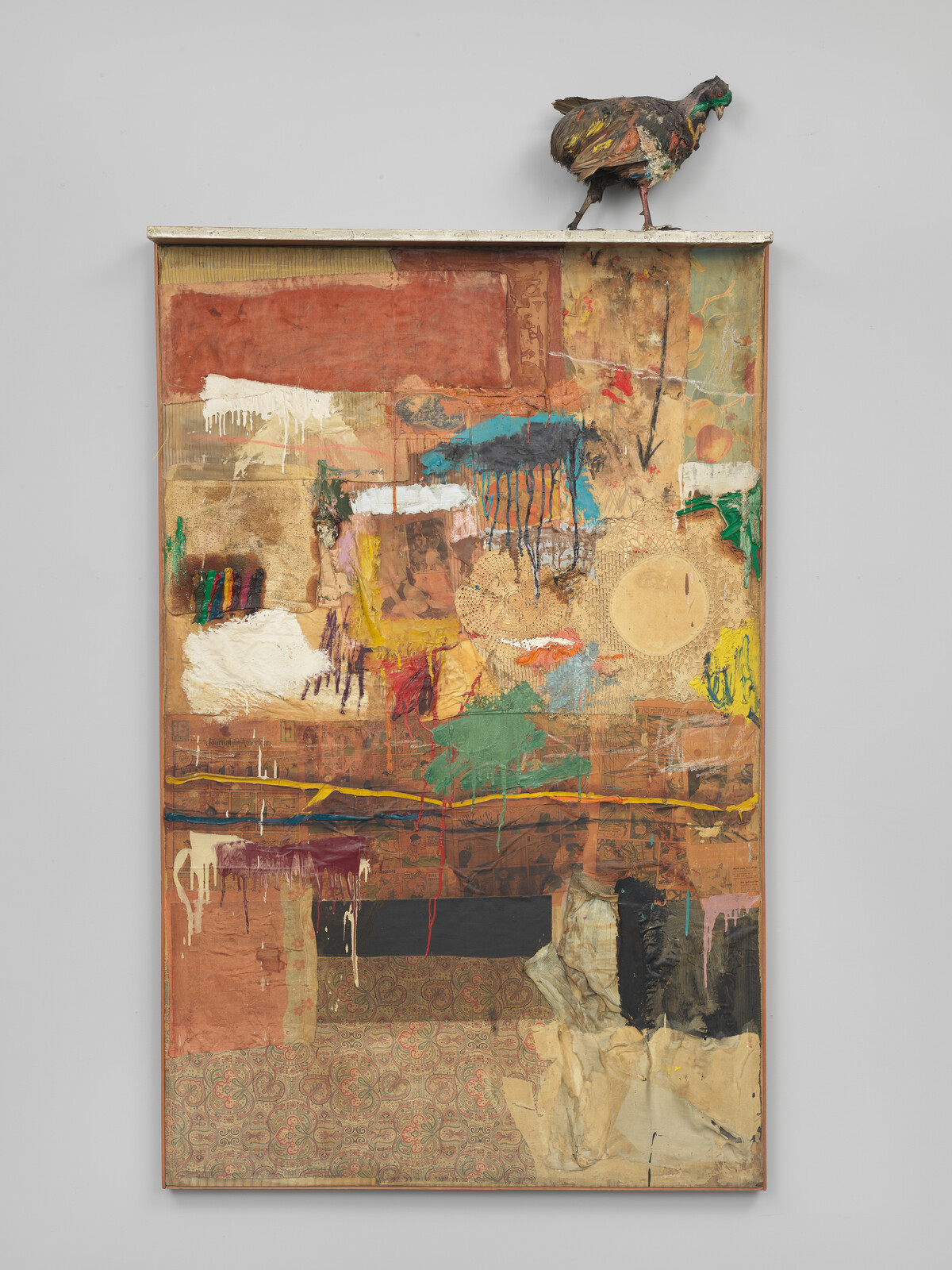
Rauschenberg is best known for the Combine, a painting-sculpture hybrid that integrated humble objects, ephemeral materials, and found images into works that bridge what he called “the gap between art and life.” Untitled is an early work from this seminal series. A sock, a postcard, and an army-flare parachute are among the used and discarded remnants of everyday life held in balance by the expressive brush-strokes and spatters of paint. Echoing this application, the strings of the parachute drip like paint from the canvas, forming a catenary, the curve imposed by the force of gravity on a string suspended freely from two points. With this rupture of the picture plane, the fictive space of the artwork’s surface engages the actual space occupied by the viewer.
Art Institute of ChicagoCC BY 4.0
Notice
- Numéro d’inventaire
- 2015.122
What it shows
Au catalogue
Sources
- Art Institute of Chicago: the museum's own open data · obtenue il y a 6 jours
- Image : Art Institute of Chicago — © the artist or rights holder
Pendant ce temps, chez Robert Rauschenberg
La vie entièreautumn 1952 – spring 1953
Travels in Italy and North Africa with Cy Twombly
From the autumn of 1952 to the spring of 1953 Rauschenberg travelled in Italy and North Africa with his fellow artist and partner Cy Twombly. There he made collages and small sculptures out of found materials, the “Scatole Personali” (Personal Boxes) and “Feticci Personali” (Personal Fetishes).
1953
Joint show with Cy Twombly at the Stable Gallery
Eleanor Ward invited Rauschenberg to a joint exhibition with Cy Twombly at her Stable Gallery in New York; in the autumn of 1953 the gallery also showed his “White Paintings”.
1953
First European exhibition, in Rome
In Italy Rauschenberg was noticed by Irene Brin and Gaspero del Corso, who organised his first European exhibition in their famous gallery in Rome; he also showed in Florence. To his surprise a number of works sold, and many of those that did not he threw into the river Arno, following the suggestion of an art critic who had reviewed his show.
1954
Second solo show, at the Charles Egan Gallery
At his second solo exhibition in New York, at the Charles Egan Gallery, Rauschenberg showed his Red Paintings and his first Combines.
1954–1961
Lives with the artist Jasper Johns
From 1954 to 1961 Rauschenberg lived with his partner, the artist Jasper Johns. They constantly exchanged ideas and took part in each other's work, but never made objects under joint authorship.