ART WIKI32 963 en salle
CarteCollectionArtistesMuséesExpositionsJournal
Connexion

ART WIKI

Où est accroché le chef-d’œuvre, et quand on vous laisse entrer.

Collections : Art Institute of Chicago, Cleveland Museum of Art, Galerie Tretiakov, Hirshhorn Museum and Sculpture Garden, J. Paul Getty Museum, Metropolitan Museum of Art, Minneapolis Institute of Art, Musée de l'Ermitage, Musée des Beaux-Arts Pouchkine, Musée du Louvre, musée national d'art asiatique, Musée russe, Musées d'Art de Harvard, Museum of Modern Art, National Gallery of Art, National Portrait Gallery, Rijksmuseum Amsterdam, Smithsonian American Art Museum, Statens Museum for Kunst, Victoria and Albert Museum, Villa Getty, Whitney Museum of American Art, Catalogue d’État du fonds muséal de Russie (274 musées), Europeana (19 musées), Wikidata (6 musées), Paris Musées (12 musées) et Joconde, la base des musées du ministère de la Culture (495 musées). Les images appartiennent à leurs ayants droit.

Rubriques

  • Carte
  • Recherche
  • Collection
  • Chefs-d’œuvre
  • Exposées en ce moment
  • Artistes

Et aussi

  • Musées et galeries
  • Expositions
  • Journal
  • D’où viennent les données
  • Confidentialité et cookies
AccueilCarteCatalogue
  1. Collection/
  2. Museum of Modern Art/
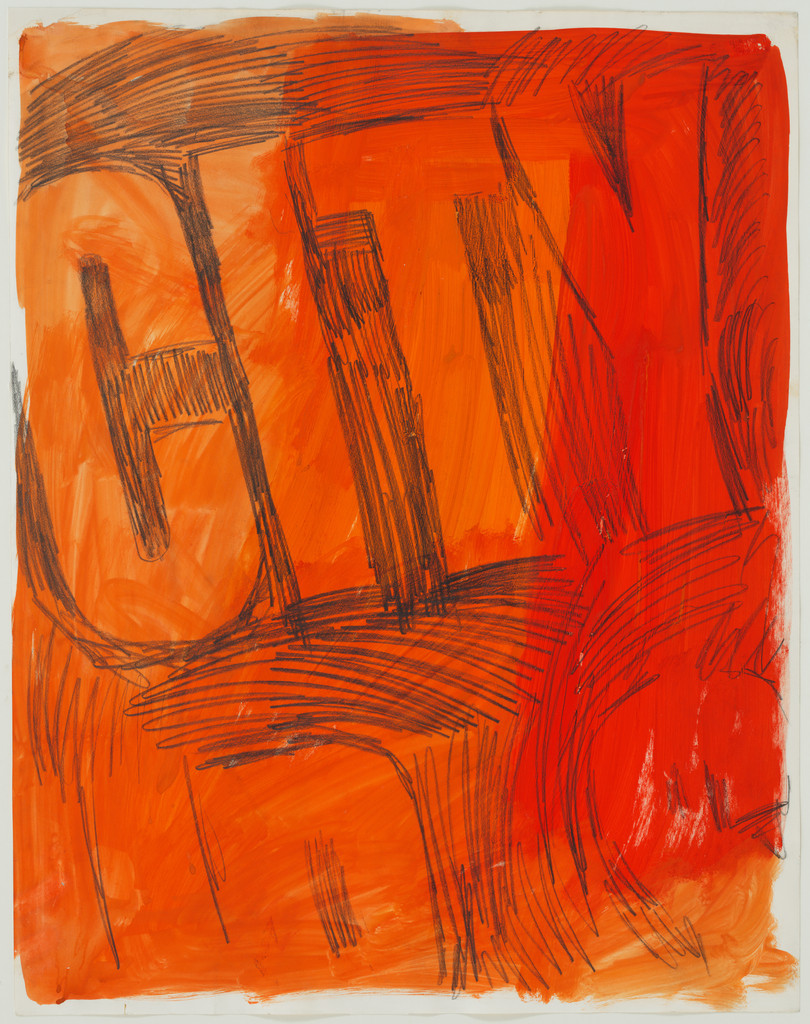
  3. Untitled (City Text)
Untitled (City Text), Andy Warhol, (c. 1962)
Andy Warhol, portraitAndy WarholÉtats-Unis, 1928–1987

Untitled (City Text)

(c. 1962) · Drawing

Peut-on la contempler ?

Elle ne reçoit pas en ce moment

Museum of Modern Art

New York, États-Unis

Elle appartient à la collection, mais n’est pas présentée en ce moment.

Vérifié
il y a 9 jours
Source
Le musée
Sur la cartePage du musée

Notice

(c. 1962)
19281987
Numéro d’inventaire
34.1999

Au catalogue

Dessins et aquarellesGraphiteArt d’après-guerreXXe siècle

Sources

  • Museum of Modern Art
  • Image : Museum of Modern Art — © the artist or rights holder

Pendant ce temps, chez Andy Warhol

La vie entière
  1. December 1961

    The decision to paint money

    After seeing Claes Oldenburg's installation The Store in December 1961, Warhol went home frustrated, feeling his comic-strip paintings were no longer original enough. He accepted Muriel Flatow's tongue-in-cheek advice, given for $50, to paint what he liked most — money — and began painting dollar bills.

  2. 1961–1962

    Mastering silkscreen

    Seeking technical advice, Warhol turned to Floriano Vecchi of Tiber Press, who showed him the basics of silkscreen printing: transferring designs to acetate, preparing screens and pulling ink with a squeegee. The experiments became a turning point and soon led to some of his earliest silkscreen works.

  3. 9 July 1962

    Soup cans at the Ferus Gallery

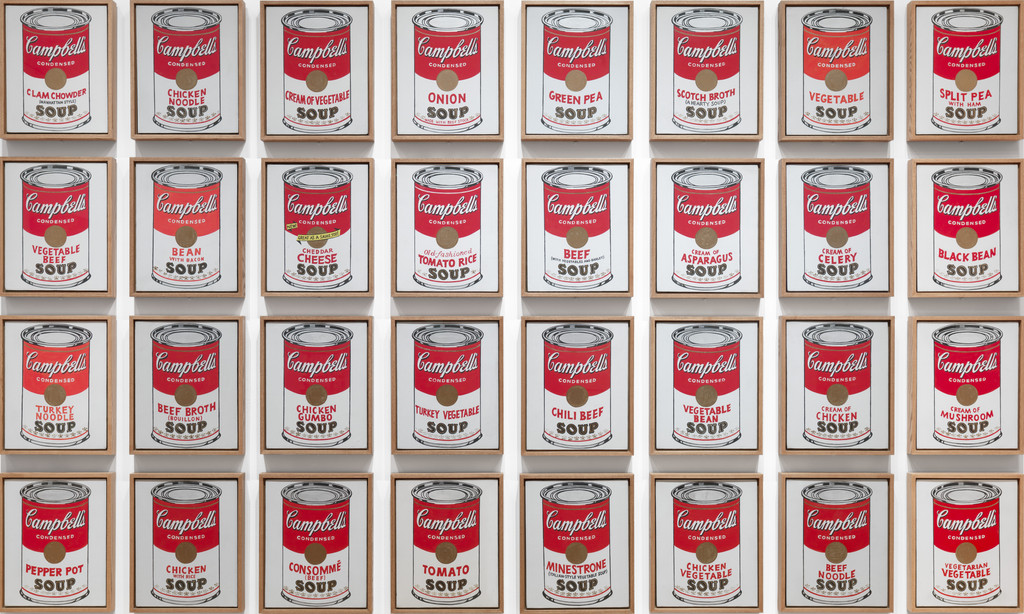
    The Los Angeles dealer Irving Blum, surprised that Warhol had no gallery, offered him a solo show at the Ferus Gallery. Warhol sent 32 canvases, one for each variety of Campbell's soup; the exhibition opened on 9 July 1962 and marked his West Coast debut.

  4. October 1962

    “The New Realists” at the Sidney Janis Gallery

    Invited by the dealer Sidney Janis, Warhol took part in the exhibition The New Realists, showing 200 Soup Cans, Big Campbell's Soup Can 19c (Beef Noodle) and Do It Yourself (Flowers). The show was widely seen as a turning point for the acceptance of Pop art: The New Yorker likened its effect on the New York art world to an “earthquake”.

  5. 6 November 1962

    First solo Pop show in New York

    The filmmaker Emile de Antonio introduced Warhol to Eleanor Ward of the Stable Gallery, who agreed to a show in exchange for a painting of a two-dollar bill; the eighteen new works included Marilyn Monroe Twenty Times and Red Elvis. Michael Fried wrote in Art International that of all the painters working in the service of a popular iconography, Warhol was probably the most single-minded and the most spectacular.

  6. 1964

    The Factory on 47th Street

    By 1964 Warhol had moved his studio to 231 East 47th Street, which became known as the Factory; Billy Name covered it in aluminium foil and silver paint. The poet Gerard Malanga helped him with silkscreens and films, and working with assistants became a lasting feature of his method.

Autres œuvres : Andy Warhol

Toutes les œuvres
A Boy for Meg, Andy Warhol, 1962

A Boy for Meg

1962 · National Gallery of Art

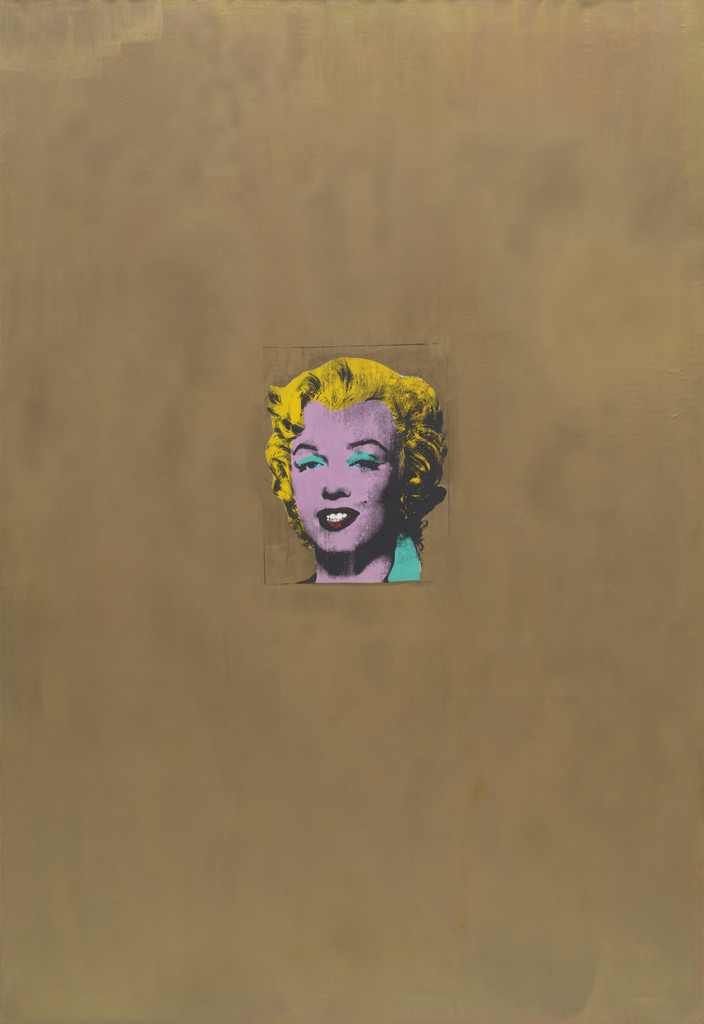
Gold Marilyn Monroe, Andy Warhol, 1962

Gold Marilyn Monroe

1962 · Museum of Modern Art

Campbell's Soup Cans, Andy Warhol, 1962

Campbell's Soup Cans

1962 · Museum of Modern Art

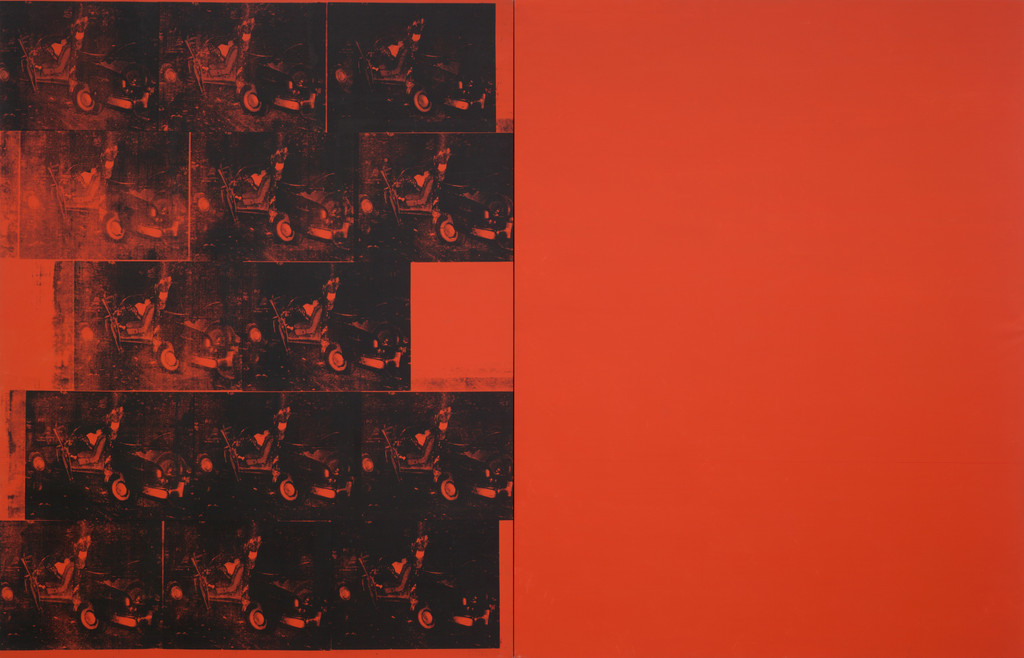
Orange Car Crash Fourteen Times, Andy Warhol, 1963

Orange Car Crash Fourteen Times

1963 · Museum of Modern Art

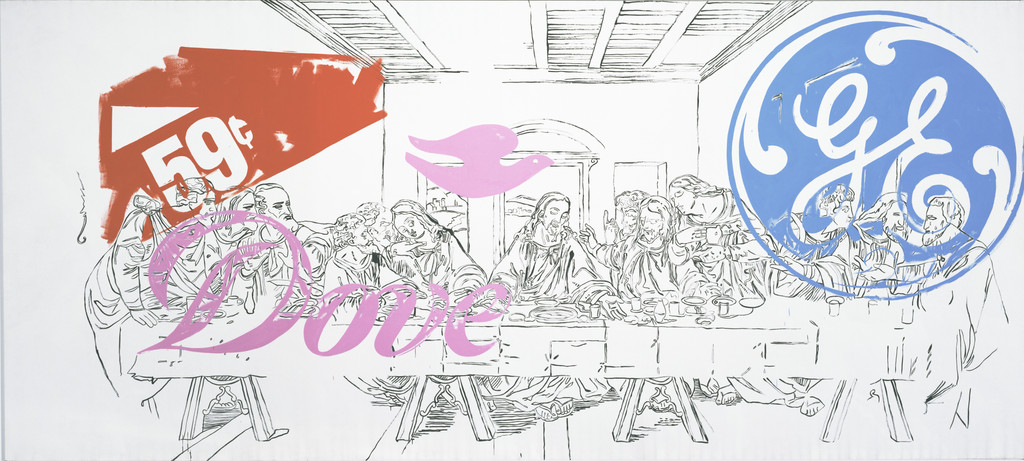
The Last Supper, Andy Warhol, 1986

The Last Supper

1986 · Museum of Modern Art

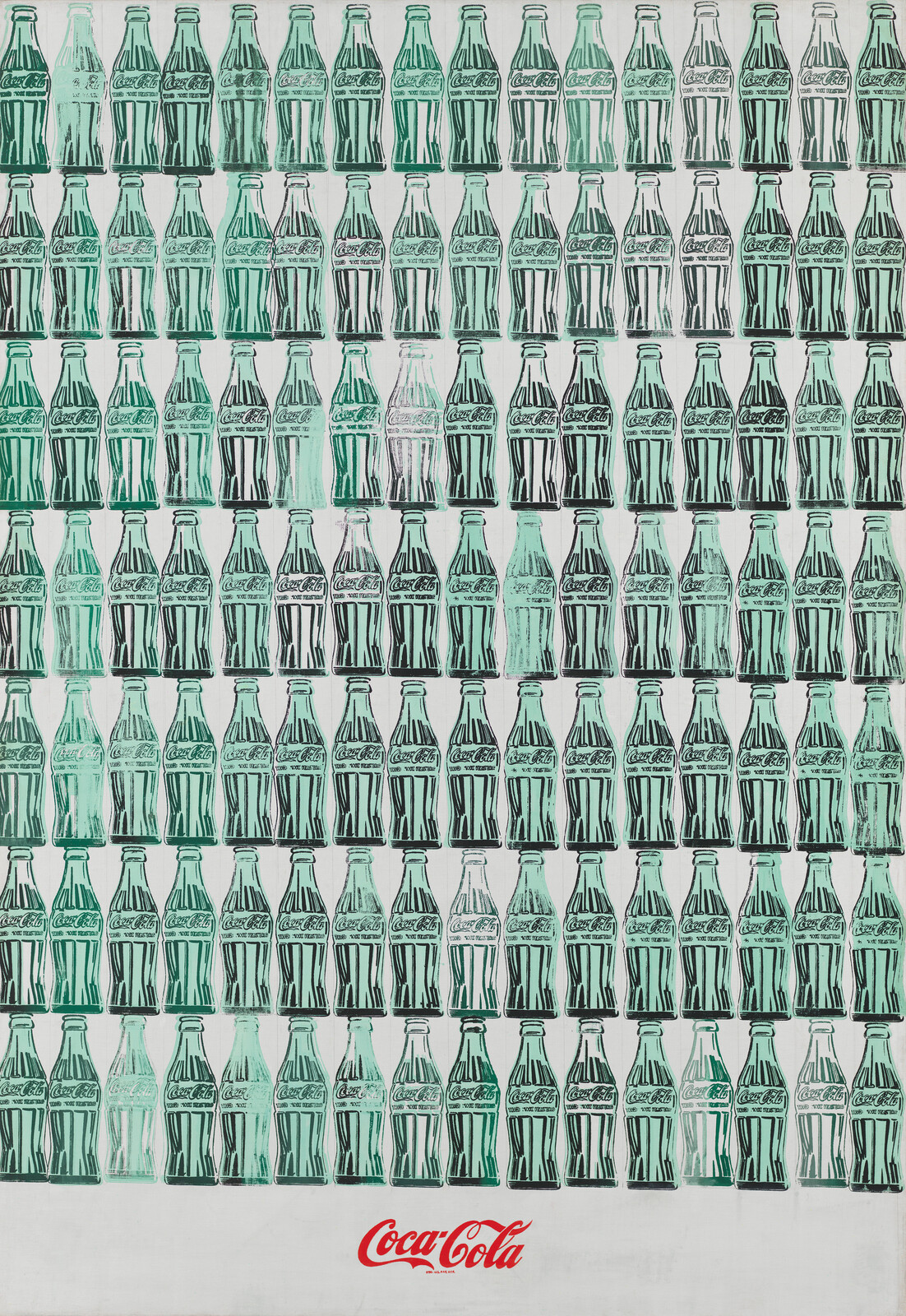
Green Coca-Cola Bottles, Andy Warhol, 1962

Green Coca-Cola Bottles

1962 · Whitney Museum of American Art

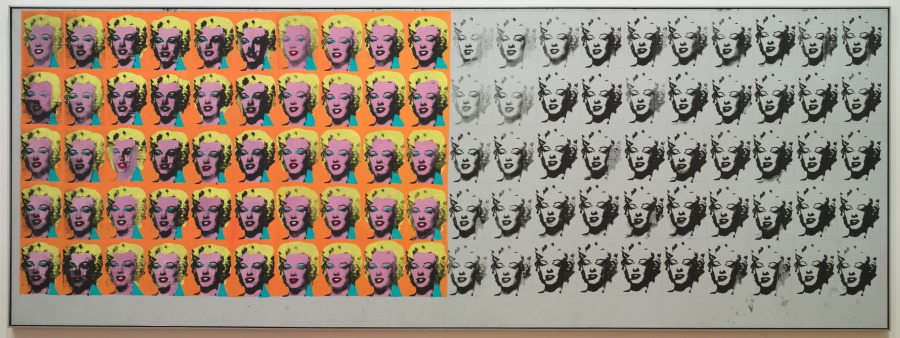
Marilyn x 100, Andy Warhol, 1962

Marilyn x 100

1962 · Cleveland Museum of Art

Liz #3 [Early Colored Liz], Andy Warhol, 1963

Liz #3 [Early Colored Liz]

1963 · Art Institute of Chicago

Sous le même toit : Museum of Modern Art

Page du musée
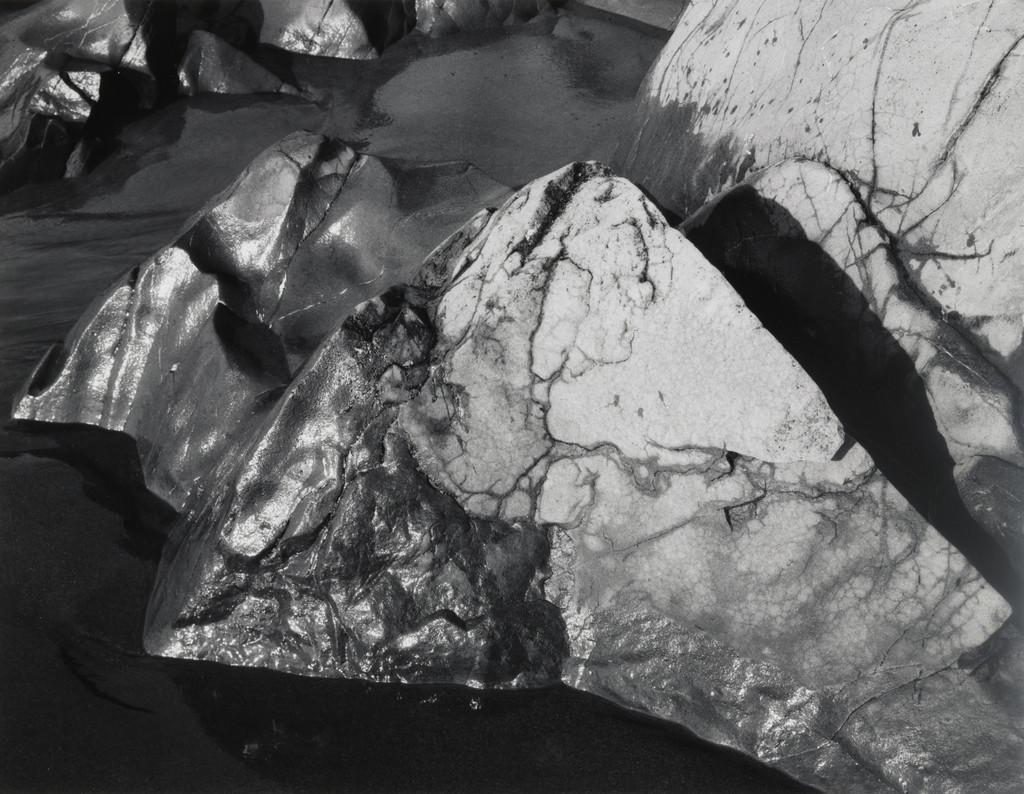
Rock, Bakers Beach, San Francisco, California, Ansel Adams, c. 1931

Ansel Adams

Rock, Bakers Beach, San Francisco, California, c. 1931

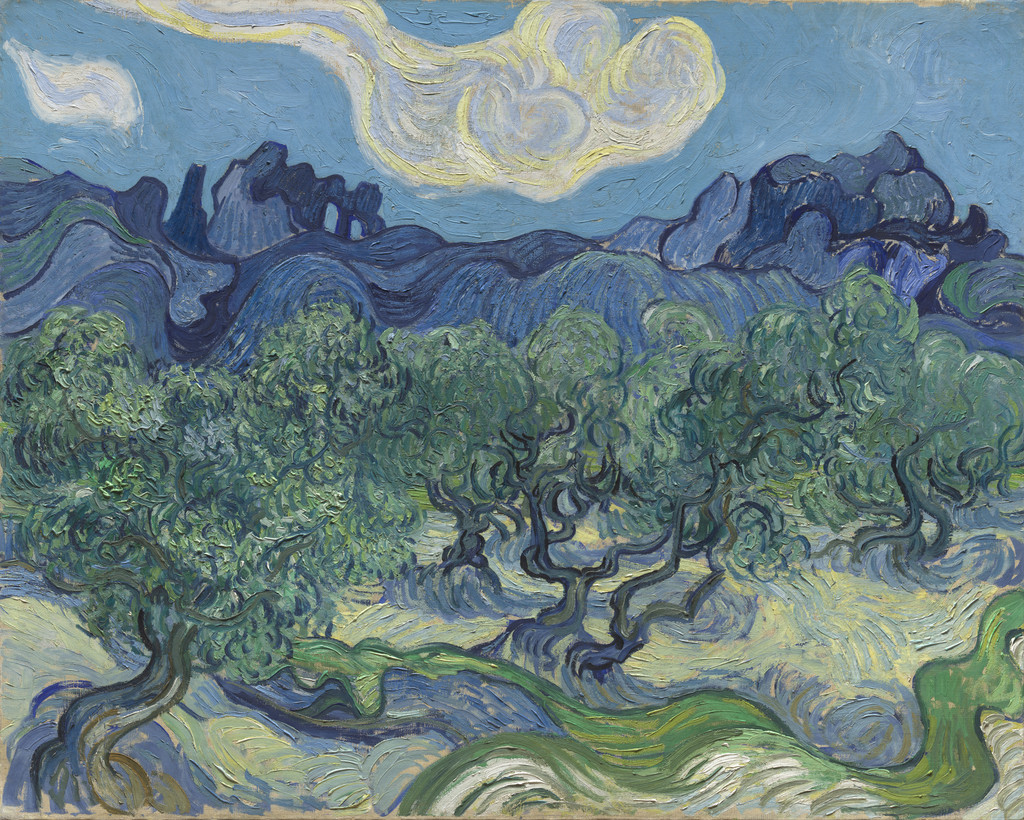
The Olive Trees, Vincent van Gogh, Saint Rémy, June-July 1889

Vincent van Gogh

The Olive Trees, Saint Rémy, June-July 1889

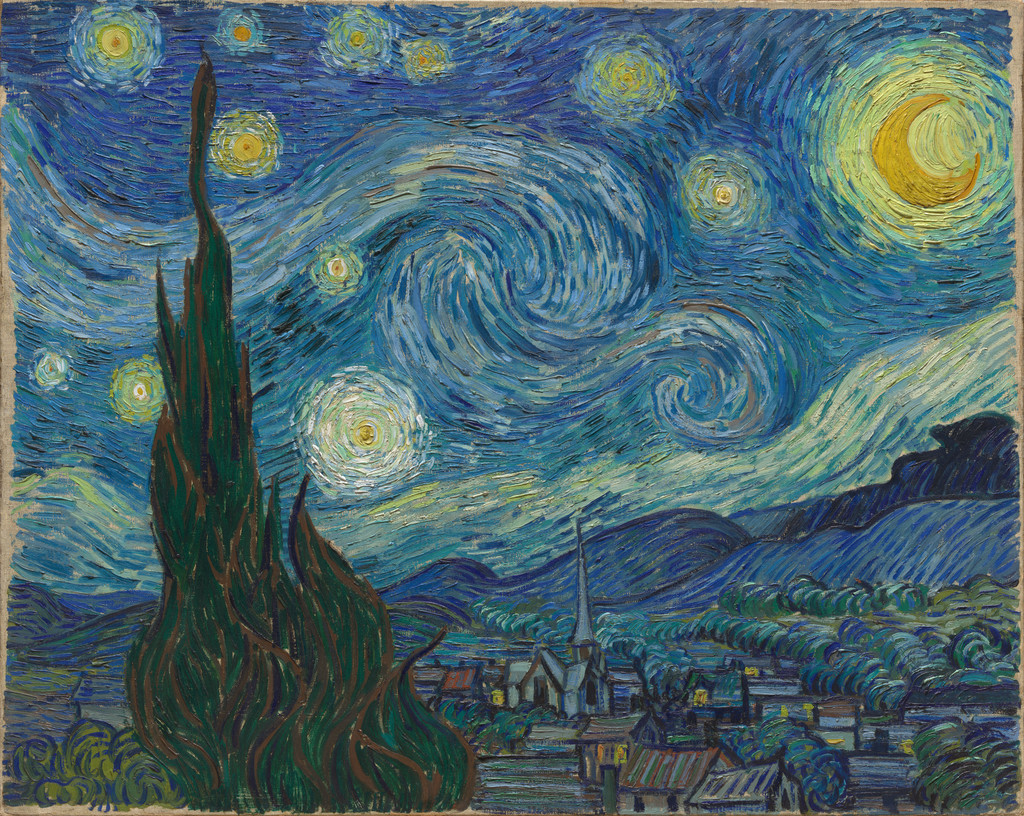
The Starry Night, Vincent van Gogh, Saint Rémy, June 1889

Vincent van Gogh

La Nuit étoilée, Saint Rémy, June 1889

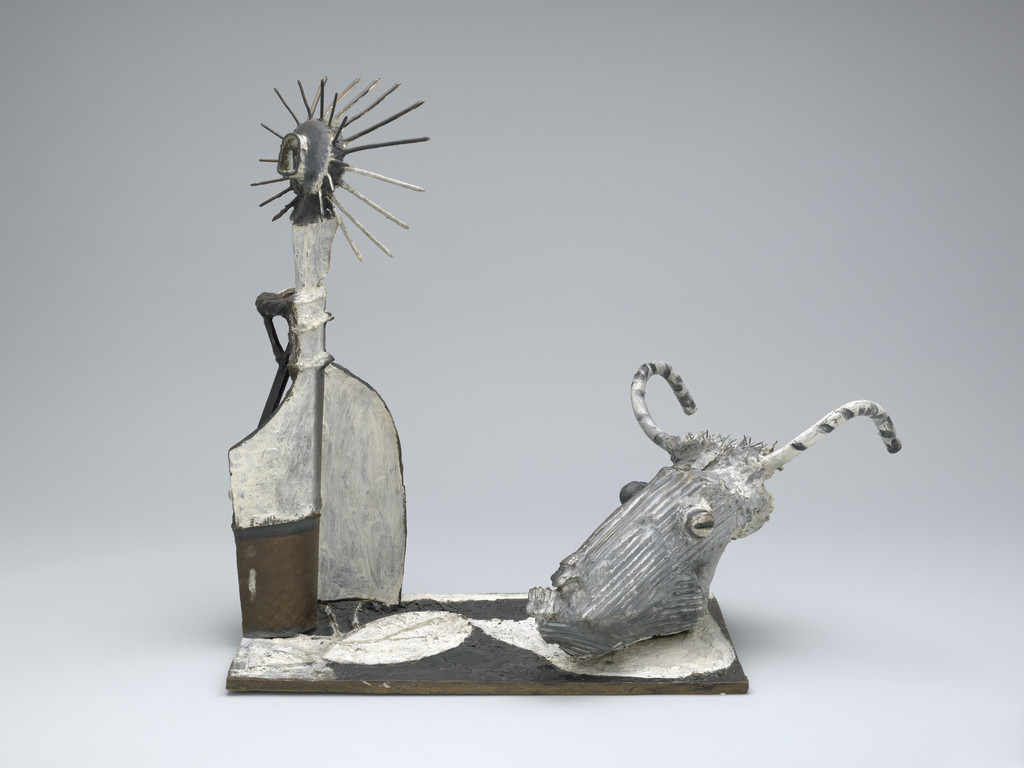
Goat Skull and Bottle, Pablo Picasso, Vallauris, 1951 (cast 1954)

Pablo Picasso

Goat Skull and Bottle, Vallauris, 1951 (cast 1954)

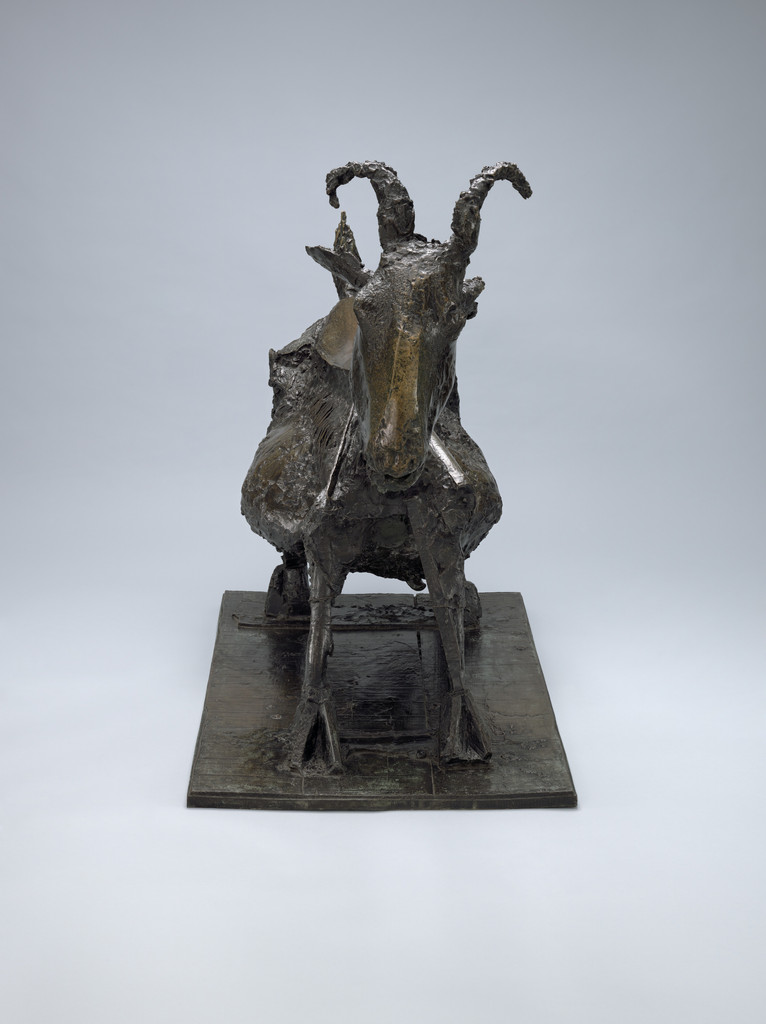
She-Goat, Pablo Picasso, Vallauris, 1950 (cast 1952)

Pablo Picasso

She-Goat, Vallauris, 1950 (cast 1952)

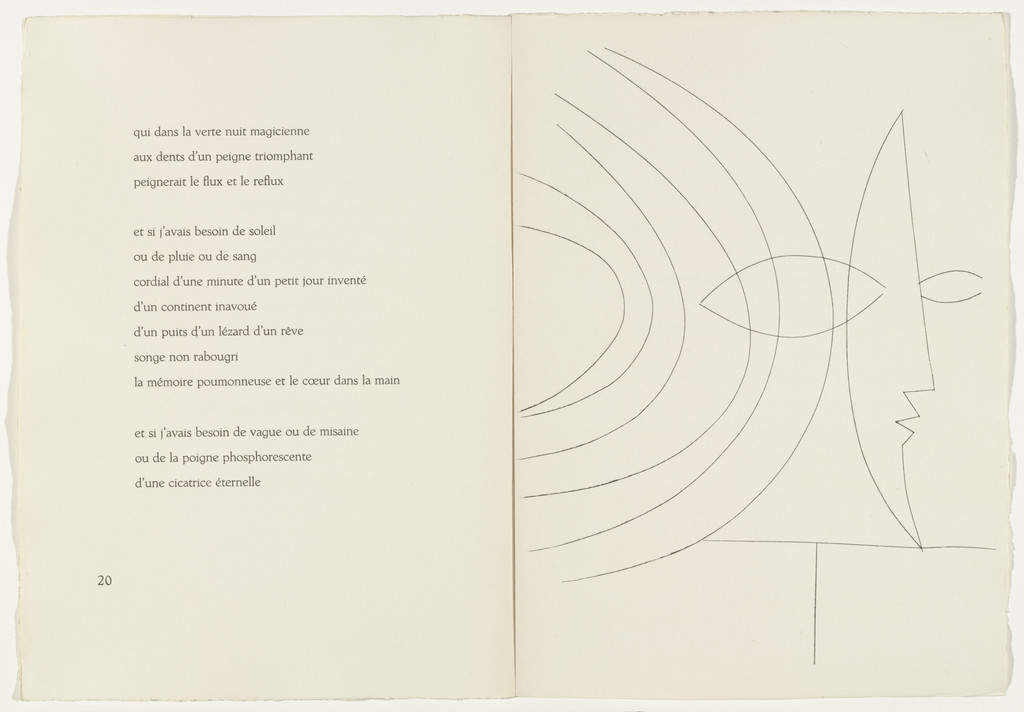
Face in Profile (plate, page 21) from Corps perdu, Pablo Picasso, 1949, published 1950

Pablo Picasso

Face in Profile (plate, page 21) from Corps perdu, 1949, published 1950

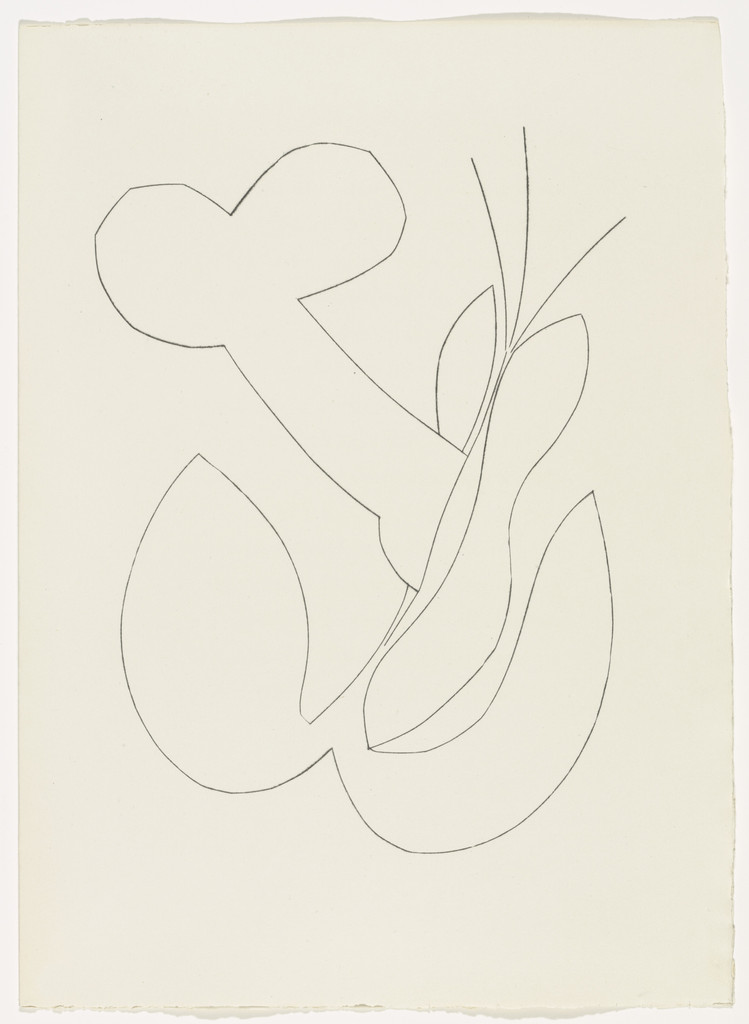
Coupling (plate, page 17) from Corps perdu, Pablo Picasso, 1949, published 1950

Pablo Picasso

Coupling (plate, page 17) from Corps perdu, 1949, published 1950

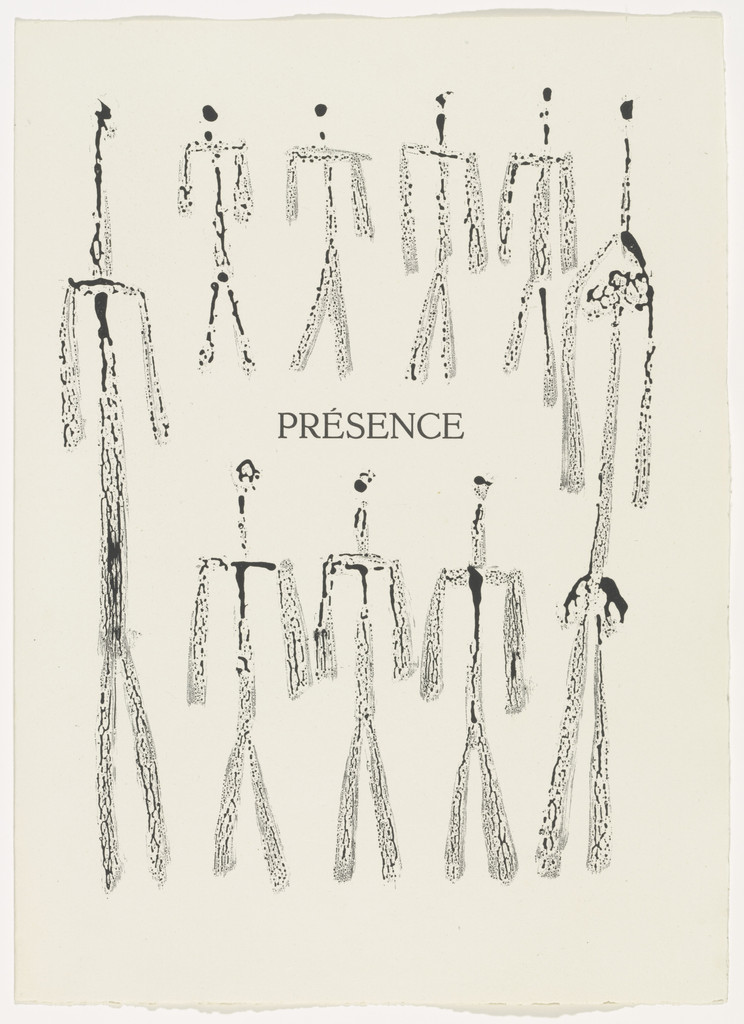
"Présence" (chapter title, page 13) from Corps perdu, Pablo Picasso, 1949, published 1950

Pablo Picasso

"Présence" (chapter title, page 13) from Corps perdu, 1949, published 1950