ART WIKI32 963 en salle
CarteCollectionArtistesMuséesExpositionsJournal
Connexion

ART WIKI

Où est accroché le chef-d’œuvre, et quand on vous laisse entrer.

Collections : Art Institute of Chicago, Cleveland Museum of Art, Galerie Tretiakov, Hirshhorn Museum and Sculpture Garden, J. Paul Getty Museum, Metropolitan Museum of Art, Minneapolis Institute of Art, Musée de l'Ermitage, Musée des Beaux-Arts Pouchkine, Musée du Louvre, musée national d'art asiatique, Musée russe, Musées d'Art de Harvard, Museum of Modern Art, National Gallery of Art, National Portrait Gallery, Rijksmuseum Amsterdam, Smithsonian American Art Museum, Statens Museum for Kunst, Victoria and Albert Museum, Villa Getty, Whitney Museum of American Art, Catalogue d’État du fonds muséal de Russie (274 musées), Europeana (19 musées), Wikidata (6 musées), Paris Musées (12 musées) et Joconde, la base des musées du ministère de la Culture (495 musées). Les images appartiennent à leurs ayants droit.

Rubriques

  • Carte
  • Recherche
  • Collection
  • Chefs-d’œuvre
  • Exposées en ce moment
  • Artistes

Et aussi

  • Musées et galeries
  • Expositions
  • Journal
  • D’où viennent les données
  • Confidentialité et cookies
AccueilCarteCatalogue
  1. Collection/
  2. Art Institute of Chicago/
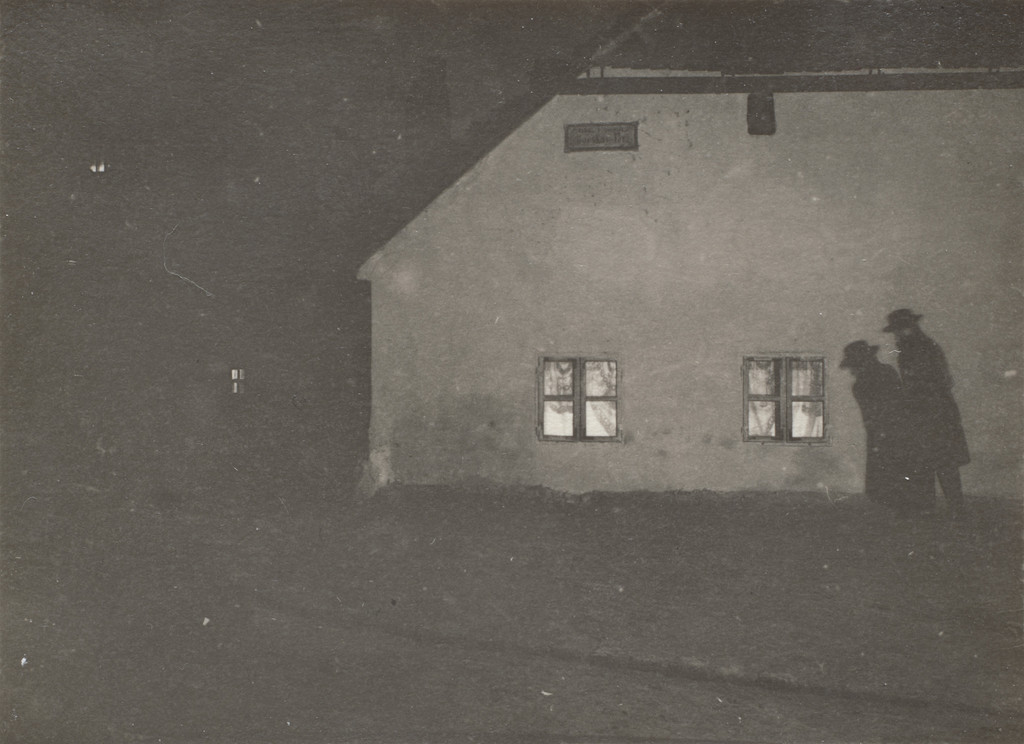
  3. Tiszaszalka, Hungary
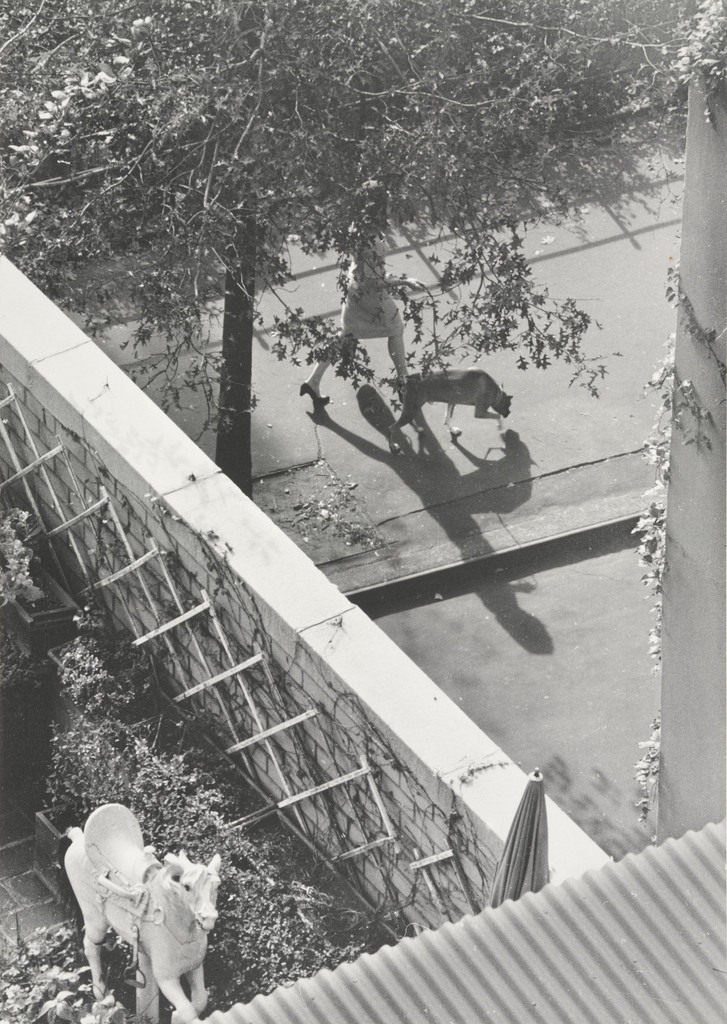
Tiszaszalka, Hungary, André Kertész, September 19, 1924
André Kertész, portraitAndré KertészÉtats-Unis, 1894–1985

Tiszaszalka, Hungary

September 19, 1924 · Photograph

Peut-on la contempler ?

Elle ne reçoit pas en ce moment

Art Institute of Chicago

Chicago, États-Unis

Elle appartient à la collection, mais n’est pas présentée en ce moment.

Vérifié
il y a 3 jours
Dans cet état depuis
19 août 2026
Source
Le musée
Sur la cartePage du musée

Notice

September 19, 1924 · à 30 ans
18941985
Numéro d’inventaire
2022.419

Au catalogue

PhotographiesTirage gélatino-argentiqueModernismeXXe siècle

Sources

  • Art Institute of Chicago
  • Image : Art Institute of Chicago — © the artist or rights holder

Pendant ce temps, chez André Kertész

La vie entière
  1. early 1920s

    Tries farming and beekeeping

    He leaves the exchange to try agricultural work and beekeeping, but the venture is brief given the political turmoil that accompanies the revolution and the coming of communism. Back at the exchange he decides to emigrate to study at one of France’s photographic schools, but his mother dissuades him, and he does not leave for several years.

  2. 1923

    Turns down a silver medal over the bromoil process

    The Hungarian Amateur Photographer’s Association selects one of his photographs for its silver award on condition that he print it by the bromoil process; Kertész dislikes this, turns down the medal and is given a diploma from the association instead.

  3. 26 June 1925

    A photograph on the cover of Érdekes Újság

    The Hungarian news magazine Érdekes Újság uses one of his photographs for its cover, giving him widespread publicity; by that time he is determined to photograph the sights of Paris and join its artistic culture.

  4. September 1925

    Moves to Paris against his family’s wishes

    He leaves for Paris, then the artistic capital of the world, against his family’s wishes, leaving behind his mother, his unofficial fiancée Elizabeth, both brothers and his uncle Hoffmann, who dies shortly afterward; Jenő later emigrates to Argentina. Soon after arriving he changes his first name from Andor to André, which he keeps for the rest of his life; at first he takes commissions from several European magazines, in Germany, France, Italy and Great Britain, and then works for VU, France’s first illustrated magazine.

  5. 1925–1936

    The circle of Hungarian émigrés and portraits of friends

    In Paris he is among numerous Hungarian artists, including François Kollar, Robert Capa, Emeric Fehér, Brassaï and Julia Bathory, as well as Man Ray, Germaine Krull and Lucien Aigner, who also emigrated there, and becomes involved with the Dada movement; visiting his sculptor friends, he is fascinated by Cubism. He makes photo portraits of the painters Piet Mondrian and Marc Chagall, the writer Colette and the film-maker Sergei Eisenstein.
Autres œuvres : André Kertész

Toutes les œuvres
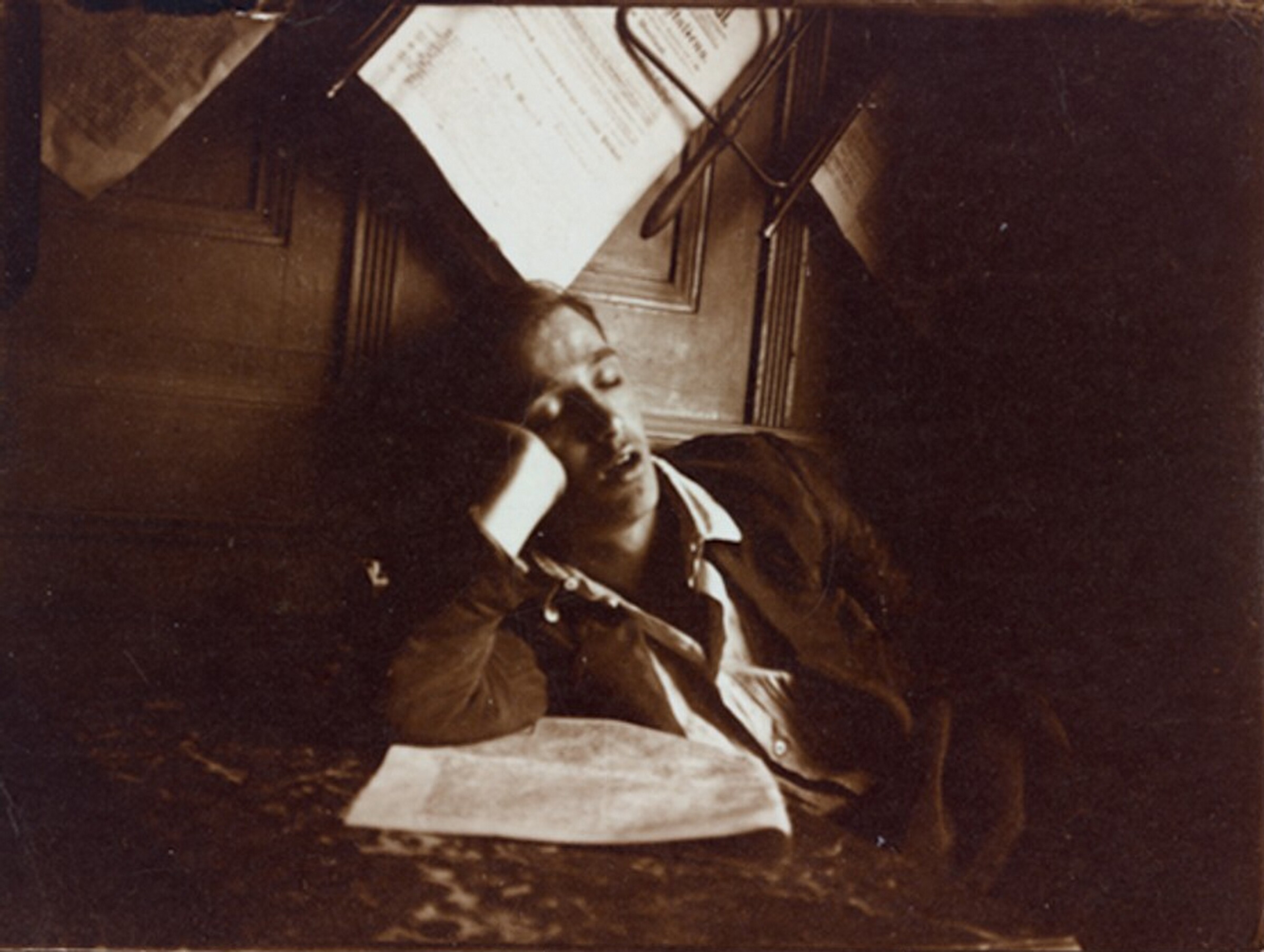
Promenade, André Kertész, 1962

Promenade

1962 · Museum of Modern Art

Riverbank, André Kertész, 1920s

Riverbank

1920s · Non exposée · National Gallery of Art

Street Scene, André Kertész, early 1920s

Street Scene

early 1920s · Non exposée · National Gallery of Art

Self-Portrait as Woman with Unknown Man and Women, André Kertész, early 1920s

Self-Portrait as Woman with Unknown Man and Women

early 1920s · Non exposée · National Gallery of Art

Self-Portrait as Woman, André Kertész, early 1920s

Self-Portrait as Woman

early 1920s · Non exposée · National Gallery of Art

City Park, André Kertész, early 1920s

City Park

early 1920s · Non exposée · National Gallery of Art

Sleeping Boy, André Kertész, 1912

Sleeping Boy

1912 · Non exposée · National Gallery of Art

Bocskay-tér, Budapest, André Kertész, 1914

Bocskay-tér, Budapest

1914 · Non exposée · Museum of Modern Art

Sous le même toit : Art Institute of Chicago

Page du musée
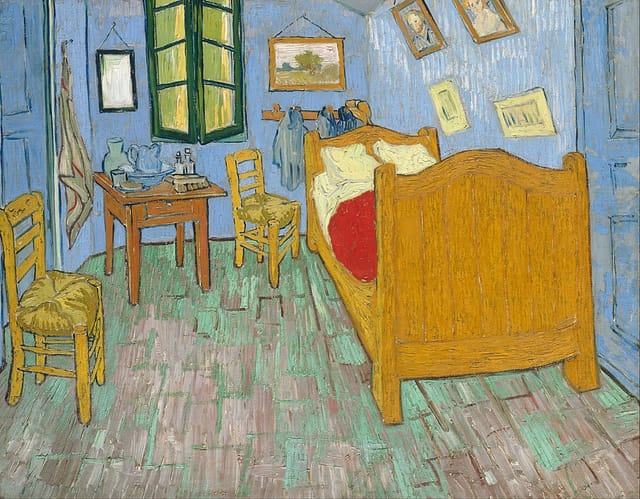
The Bedroom, Vincent van Gogh, 1889

Vincent van Gogh

The Bedroom, 1889

A Sunday on La Grande Jatte — 1884, Georges Seurat, 1884–86, border added 1888–89

Georges Seurat

Un dimanche après-midi à l'Île de la Grande Jatte, 1884–86, border added 1888–89

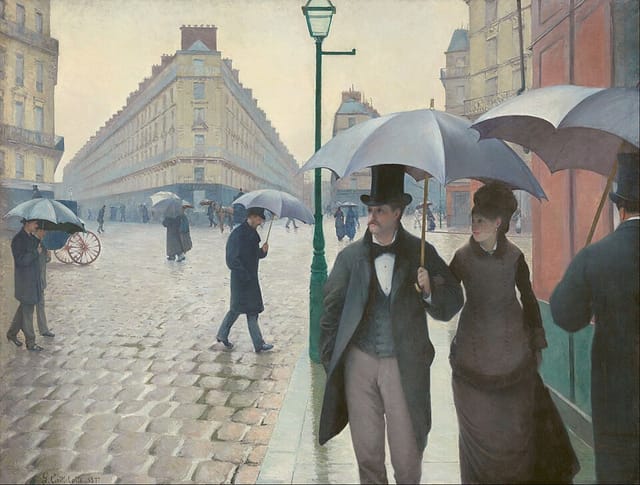
Paris Street; Rainy Day, Gustave Caillebotte, 1877

Gustave Caillebotte

Rue de Paris, temps de pluie, 1877

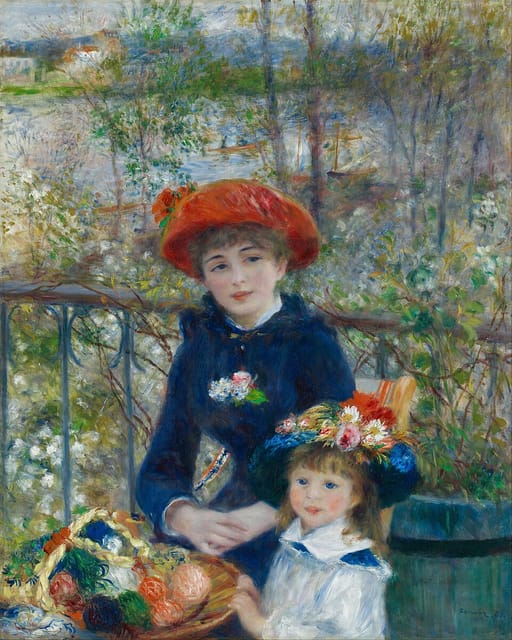
Two Sisters (On the Terrace), Pierre-Auguste Renoir, 1881

Pierre-Auguste Renoir

Les Deux Sœurs, 1881

The Basket of Apples, Paul Cézanne, c. 1893

Paul Cézanne

La Corbeille de pommes, c. 1893

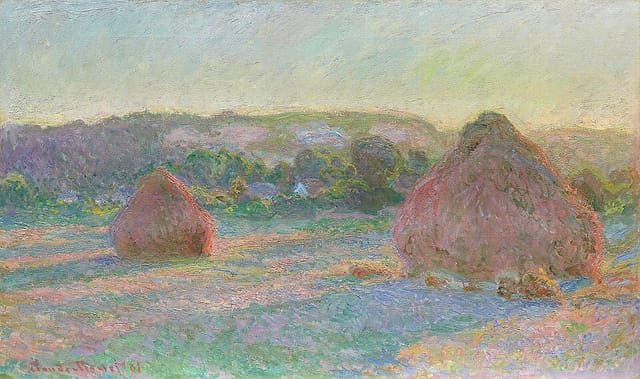
Stacks of Wheat (End of Summer), Claude Monet, 1890–91

Claude Monet

Stacks of Wheat (End of Summer), 1890–91

American Gothic, Grant Wood, 1930

Grant Wood

American Gothic, 1930

Nighthawks, Edward Hopper, 1942

Edward Hopper

Nighthawks, 1942