ART WIKI32 963 en salle
CarteCollectionArtistesMuséesExpositionsJournal
Connexion

ART WIKI

Où est accroché le chef-d’œuvre, et quand on vous laisse entrer.

Collections : Art Institute of Chicago, Cleveland Museum of Art, Galerie Tretiakov, Hirshhorn Museum and Sculpture Garden, J. Paul Getty Museum, Metropolitan Museum of Art, Minneapolis Institute of Art, Musée de l'Ermitage, Musée des Beaux-Arts Pouchkine, Musée du Louvre, musée national d'art asiatique, Musée russe, Musées d'Art de Harvard, Museum of Modern Art, National Gallery of Art, National Portrait Gallery, Rijksmuseum Amsterdam, Smithsonian American Art Museum, Statens Museum for Kunst, Victoria and Albert Museum, Villa Getty, Whitney Museum of American Art, Catalogue d’État du fonds muséal de Russie (274 musées), Europeana (19 musées), Wikidata (6 musées), Paris Musées (12 musées) et Joconde, la base des musées du ministère de la Culture (495 musées). Les images appartiennent à leurs ayants droit.

Rubriques

  • Carte
  • Recherche
  • Collection
  • Chefs-d’œuvre
  • Exposées en ce moment
  • Artistes

Et aussi

  • Musées et galeries
  • Expositions
  • Journal
  • D’où viennent les données
  • Confidentialité et cookies
AccueilCarteCatalogue
  1. Collection/
  2. Victoria and Albert Museum/
  3. The Painter's Two Daughters
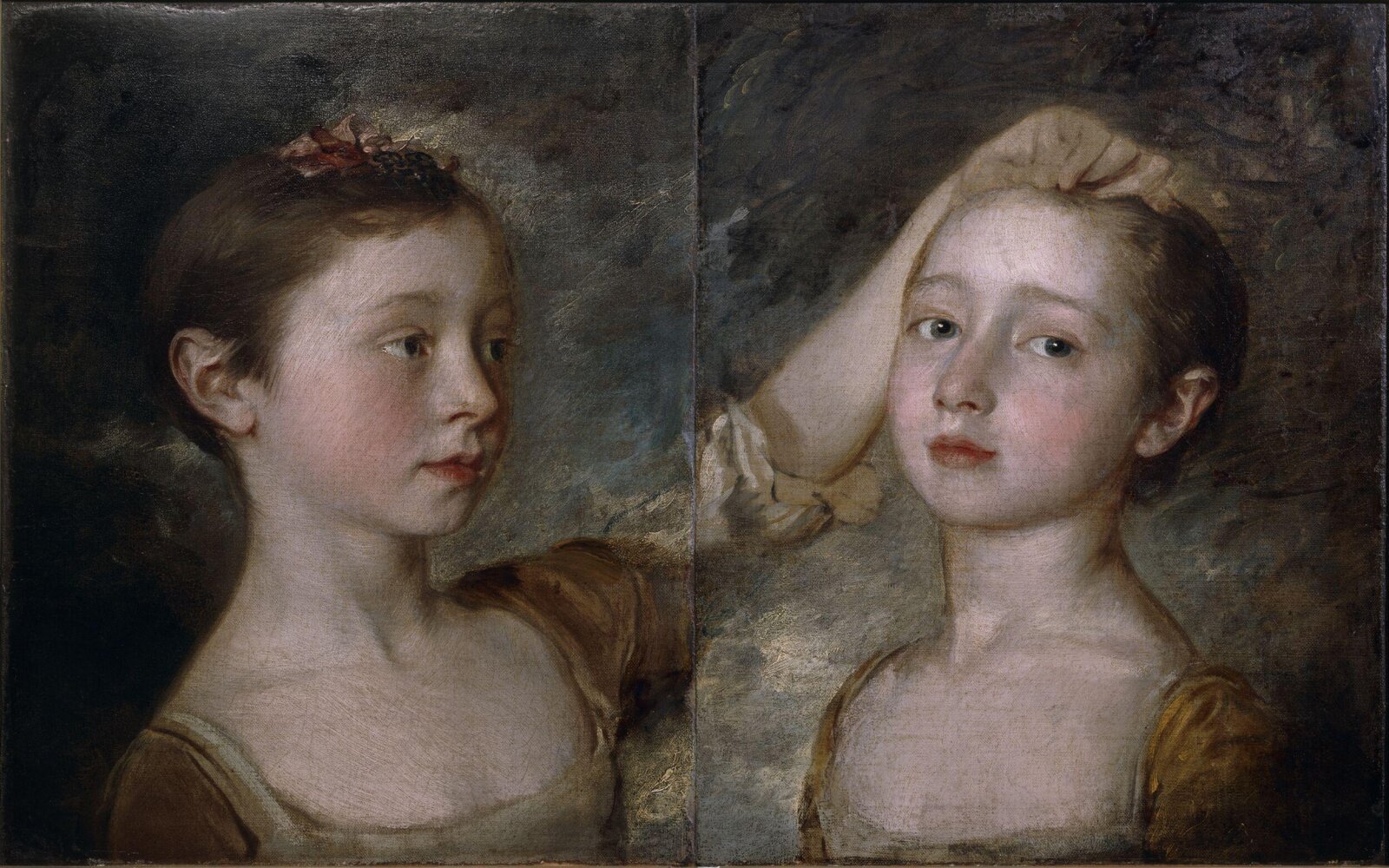
The Painter's Two Daughters, Thomas Gainsborough, ca. 1758

The Painter's Two Daughters

ca. 1758 · Oil painting · 40.6 × 58.4 cm

À propos du tableau

Object Type

A portrait of this kind is reminiscent of the work of one of Gainsborough's most admired artists of the past, Van Dyck, whose portraits of children also had a slightly melancholy sweetness.

Subjects Depicted

The artist painted his daughters several times. Both daughters attended Blacklands School in Chelsea, London, where they learned to draw; Margaret also became an accomplished amateur musician. Mary married the oboe player Johann Christian Fischer in 1780, but they soon separated, and she developed eccentricities which eventually resulted in insanity. After their father's death in 1788, the two sisters lived together.

People

Lire la suite

Thomas Gainsborough was born in Sudbury, Suffolk, in 1727. He moved to London in 1740, studying at the St Martin's Lane Academy and associating with Hubert Gravelot and Francis Hayman. He returned to Suffolk in 1748; then moved to Bath in 1759 and established a successful portrait practice, although he regularly visited London. He exhibited at the Society of Artists and was invited to be a founder member of the Royal Academy in 1768. He also painted pictures in the sentimental manner of Murillo, and landscapes of a 'picturesque' kind.

Victoria and Albert Museum

Notice

Pendant ce temps, chez Thomas Gainsborough

La vie entière
  1. 1750s

    Portraits pay the bills: the example of Hogarth

    Gainsborough's main income comes from portraits; in this genre he tries to follow Hogarth, caring more about likeness than about conveying the sitter's social standing. Around 1753, probably, he receives a flattering commission for a portrait of Admiral Vernon, and he paints many members of his own family — for example a self-portrait of 1754 in a tricorn hat.

  2. c. 1752 – 1759

    The Ipswich Music Club

    In Ipswich Gainsborough becomes a member of the Music Club, where he meets fellow music lovers and professional musicians; later he will paint portraits of some of them, and a group portrait of the club's members.

  3. December 1758

    A commission for portraits of the Earl of Jersey and his son

    In December 1758 Gainsborough receives a commission for portraits of the Earl of Jersey and his son Lord Villiers. The portraits meet with approval and the painter's fame grows.

  4. 1759

    The move to fashionable Bath

    Having made his name as a portraitist in Ipswich, Gainsborough decides to move to the fashionable spa town of Bath, where two of his sisters live. There are so many portrait commissions there that they outstrip what he can handle.

  5. 1759–1774

    Bath: Van Dyck and Rubens in the houses of the local aristocracy

    Of great importance to Gainsborough is his acquaintance with paintings by Anthony van Dyck and Peter Paul Rubens owned by local aristocrats; he copies some of them. The study of the old masters is linked to the appearance in his landscapes of luminous distances that he had not been able to achieve before.

Autres œuvres : Thomas Gainsborough

Toutes les œuvres

Dans la même salle · British Galleries, Room 52, The George Levy Gallery, Victoria and Albert Museum

Page du musée

Sur le même thème · Enfant

Toutes les œuvres sur ce thème
ca. 1758
17271788
Numéro d’inventaire
F.9

Sources

  • Victoria and Albert Museum
  • Image : Victoria and Albert Museum — © Victoria and Albert Museum, London
  • 1760s

    “Sick of portraits”

    In a letter to a friend Gainsborough confesses that he is sick of portraits and longs to take his viola da gamba and walk off to some quiet village to paint landscapes. He has little regard for his gentleman patrons, whose only part worth looking at, he says, is their purse; by now he owns five viols — three by Henry Jaye and two by Barak Norman.

  • Thomas Gainsborough, portraitThomas GainsboroughRoyaume-Uni, 1727–1788

    Peut-on la contempler ?

    Oui, elle reçoit

    Victoria and Albert Museum

    Londres, Royaume-Uni

    SalleBritish Galleries, Room 52, The George Levy Gallery

    Présentée au public. Qui s’en porte garant est indiqué ci-dessous.

    Vérifié
    il y a 12 jours
    Dans cet état depuis
    25 sept. 2026
    Source
    Le musée
    Sur la cartePage du musée
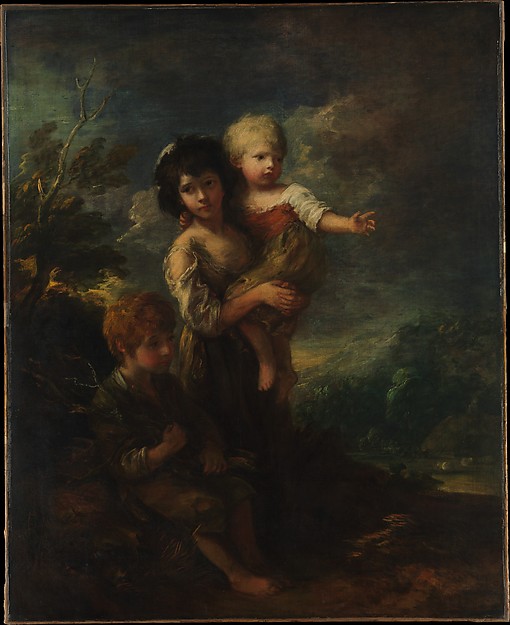
    Cottage Children (The Wood Gatherers), Thomas Gainsborough, 1787

    Cottage Children (The Wood Gatherers)

    1787 · Metropolitan Museum of Art

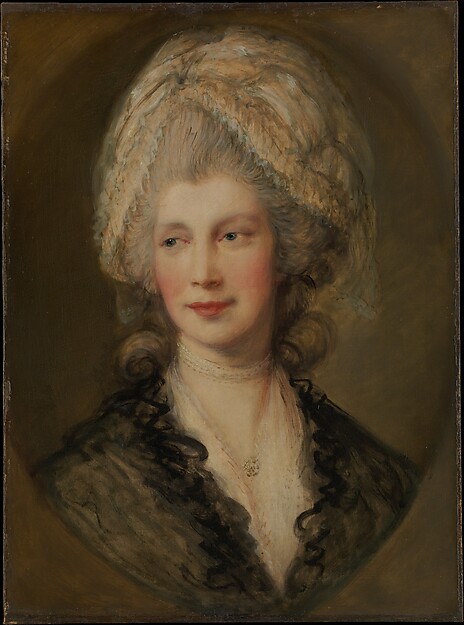
    Queen Charlotte, Thomas Gainsborough

    Queen Charlotte

    Metropolitan Museum of Art

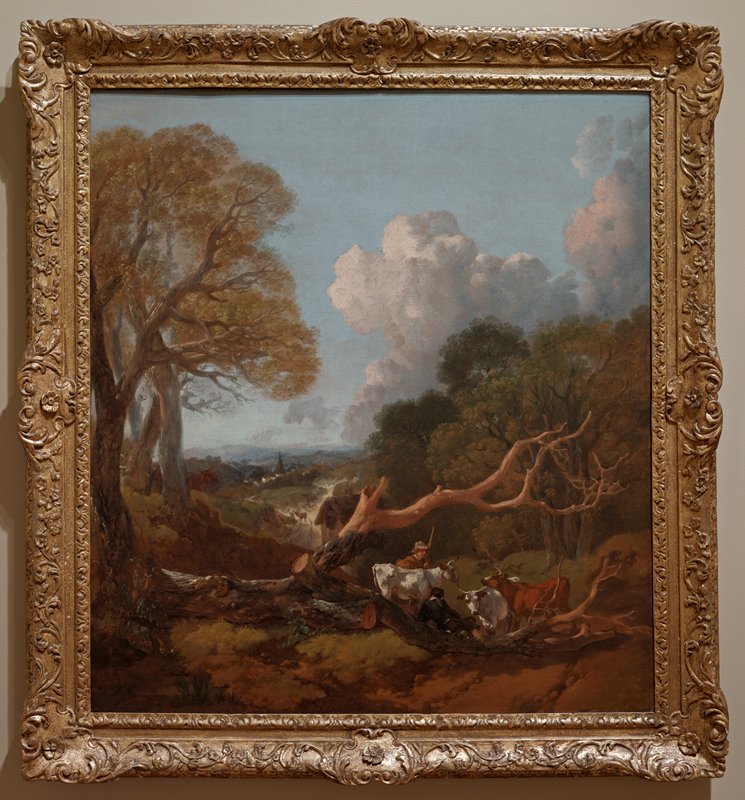
    The Fallen Tree, Thomas Gainsborough, c. 1750–53

    The Fallen Tree

    c. 1750–53 · Minneapolis Institute of Art

    Master John Heathcote, Thomas Gainsborough, c. 1771/1772

    Master John Heathcote

    c. 1771/1772 · National Gallery of Art

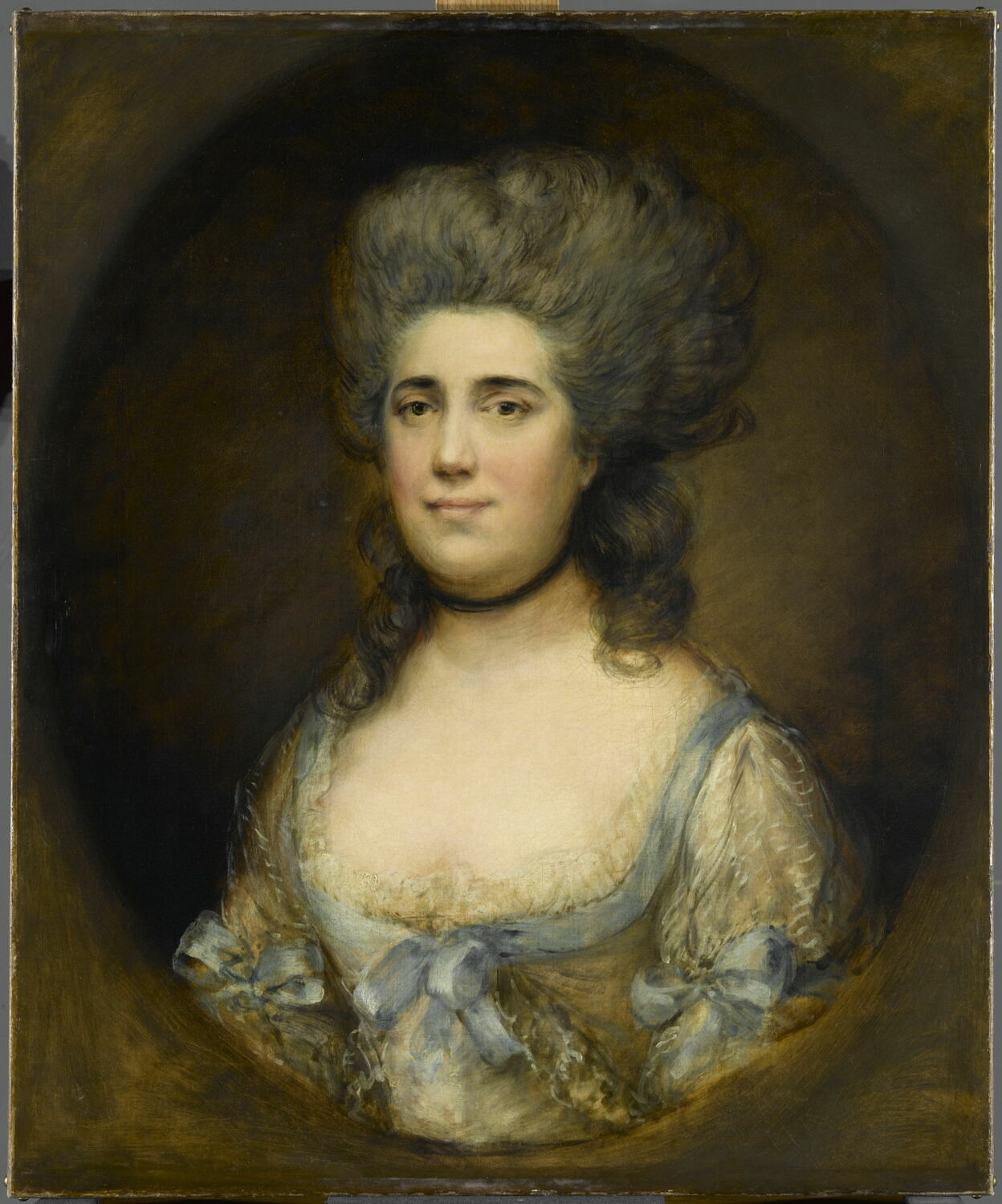
    Portrait de Miss Elizabeth Ann Gosset, Gainsborough, Thomas, 3e tiers du XVIIIe siècle (avant 1772)

    Portrait de Miss Elizabeth Ann Gosset

    3e tiers du XVIIIe siècle (avant 1772) · Musée du Louvre

    The Hon. Mrs. Thomas Graham, Thomas Gainsborough, c. 1775/1777

    The Hon. Mrs. Thomas Graham

    c. 1775/1777 · National Gallery of Art

    Portrait of Anne, Countess of Chesterfield, Thomas Gainsborough, 1777–1778

    Portrait of Anne, Countess of Chesterfield

    1777–1778 · J. Paul Getty Museum

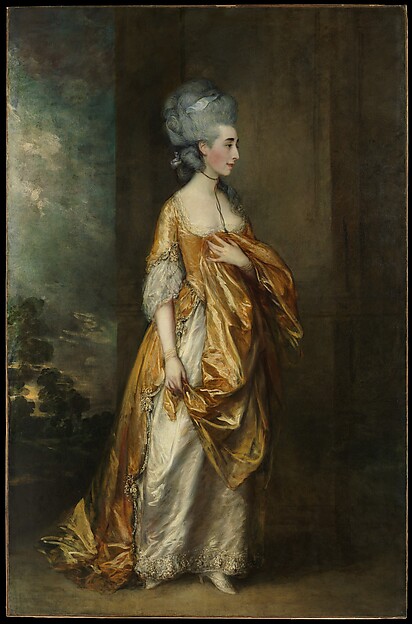
    Mrs. Grace Dalrymple Elliott (1754?–1823), Thomas Gainsborough, 1778

    Mrs. Grace Dalrymple Elliott (1754?–1823)

    1778 · Metropolitan Museum of Art

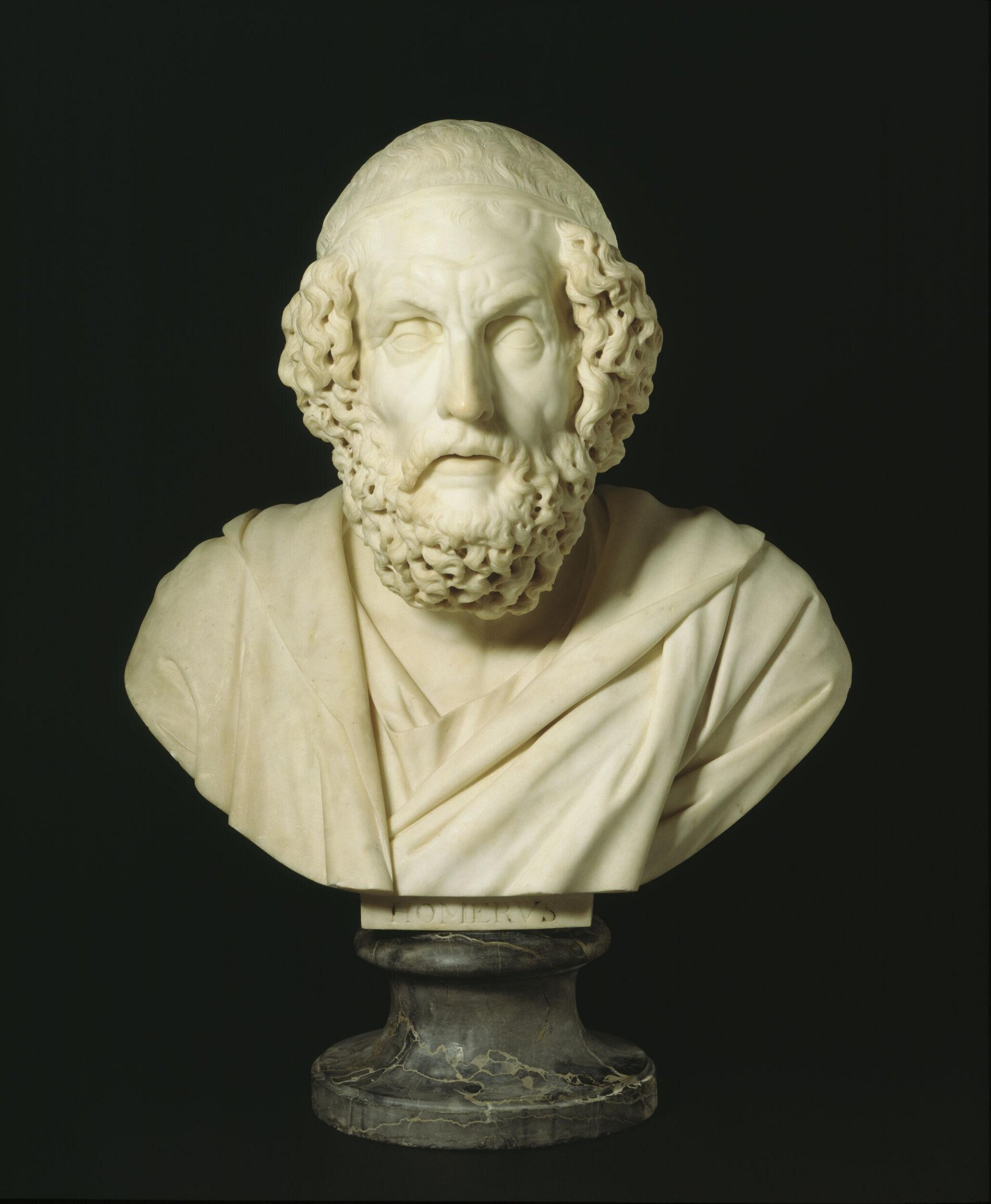
    Homer, Francis Harwood, 1764

    Francis Harwood

    Homer, 1764

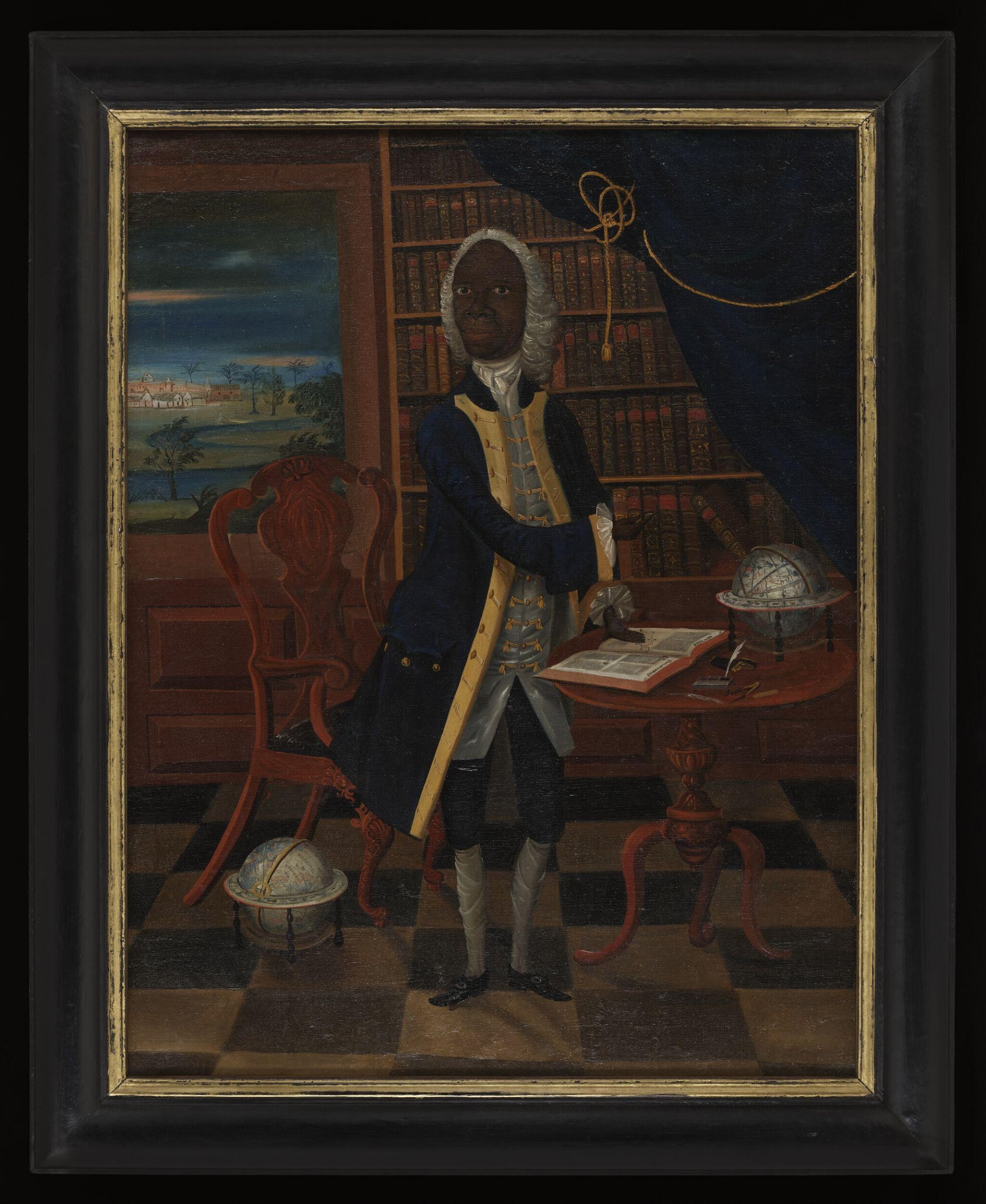
    Francis Williams, the Scholar of Jamaica, ca. 1760

    Francis Williams, the Scholar of Jamaica, ca. 1760

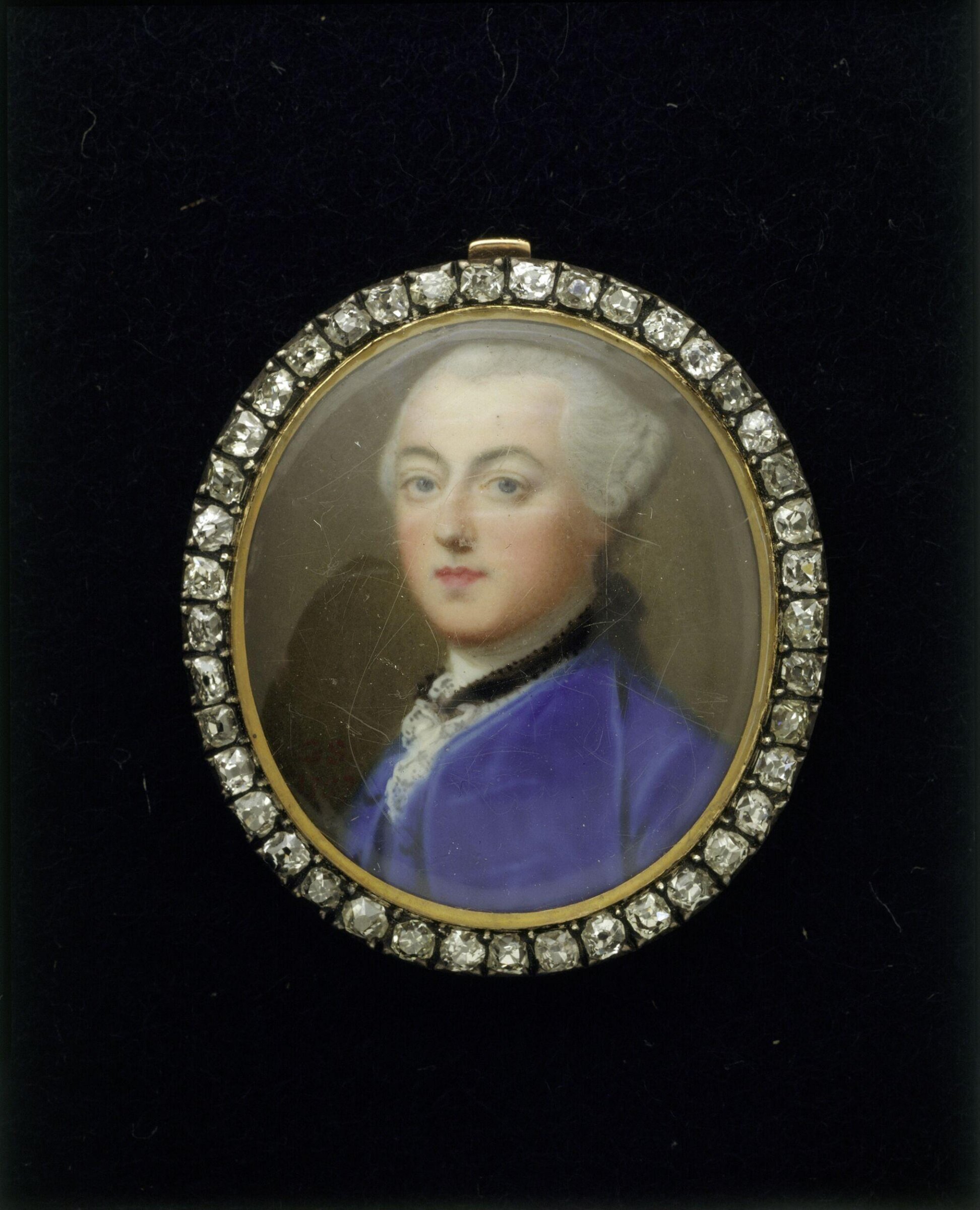
    Enamel portrait miniature of an unknown man, Gervase Spencer, 1757

    Gervase Spencer

    Enamel portrait miniature of an unknown man, 1757

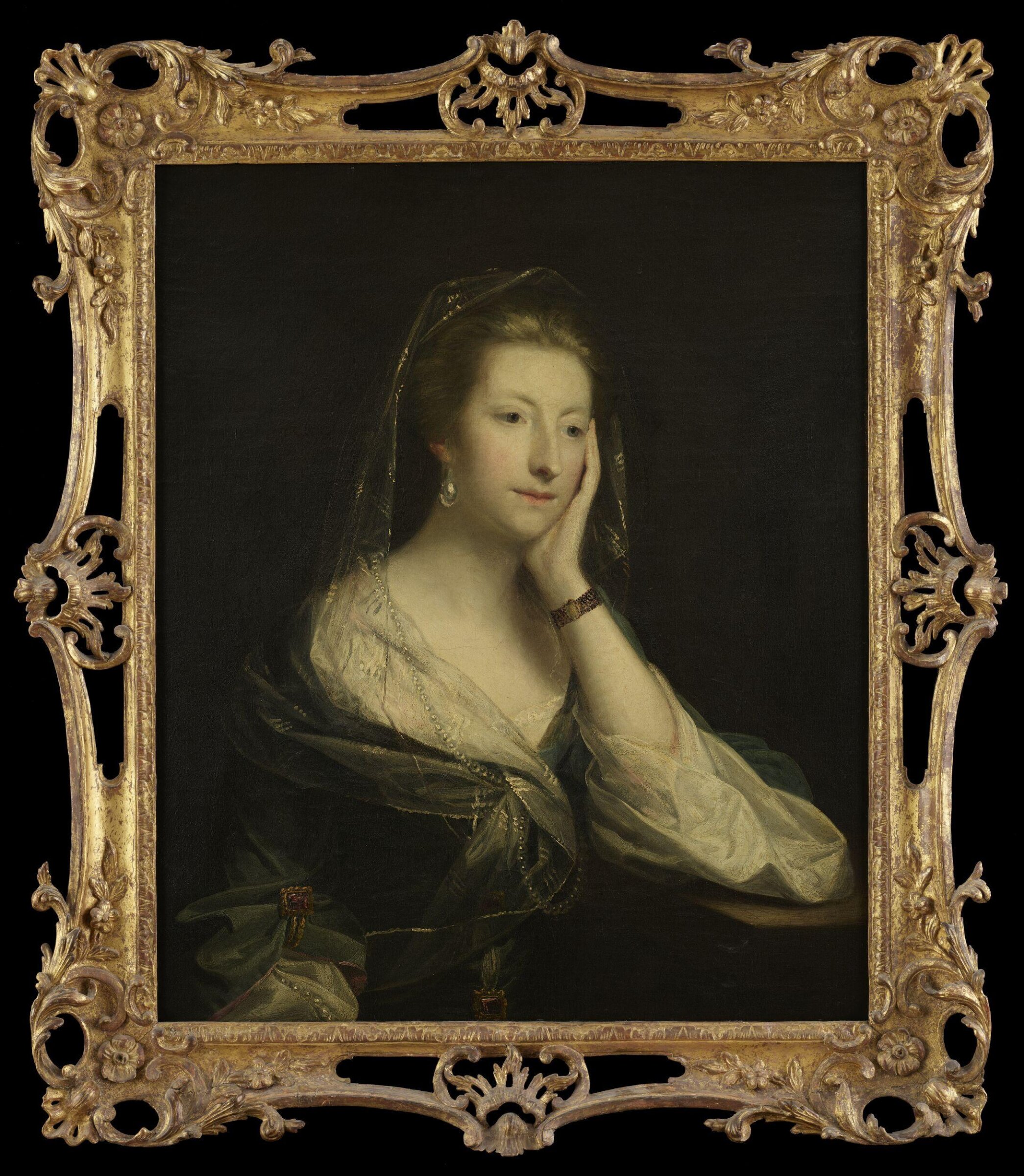
    Mary Barnardiston, Joshua Reynolds, ca. 1755

    Joshua Reynolds

    Mary Barnardiston, ca. 1755

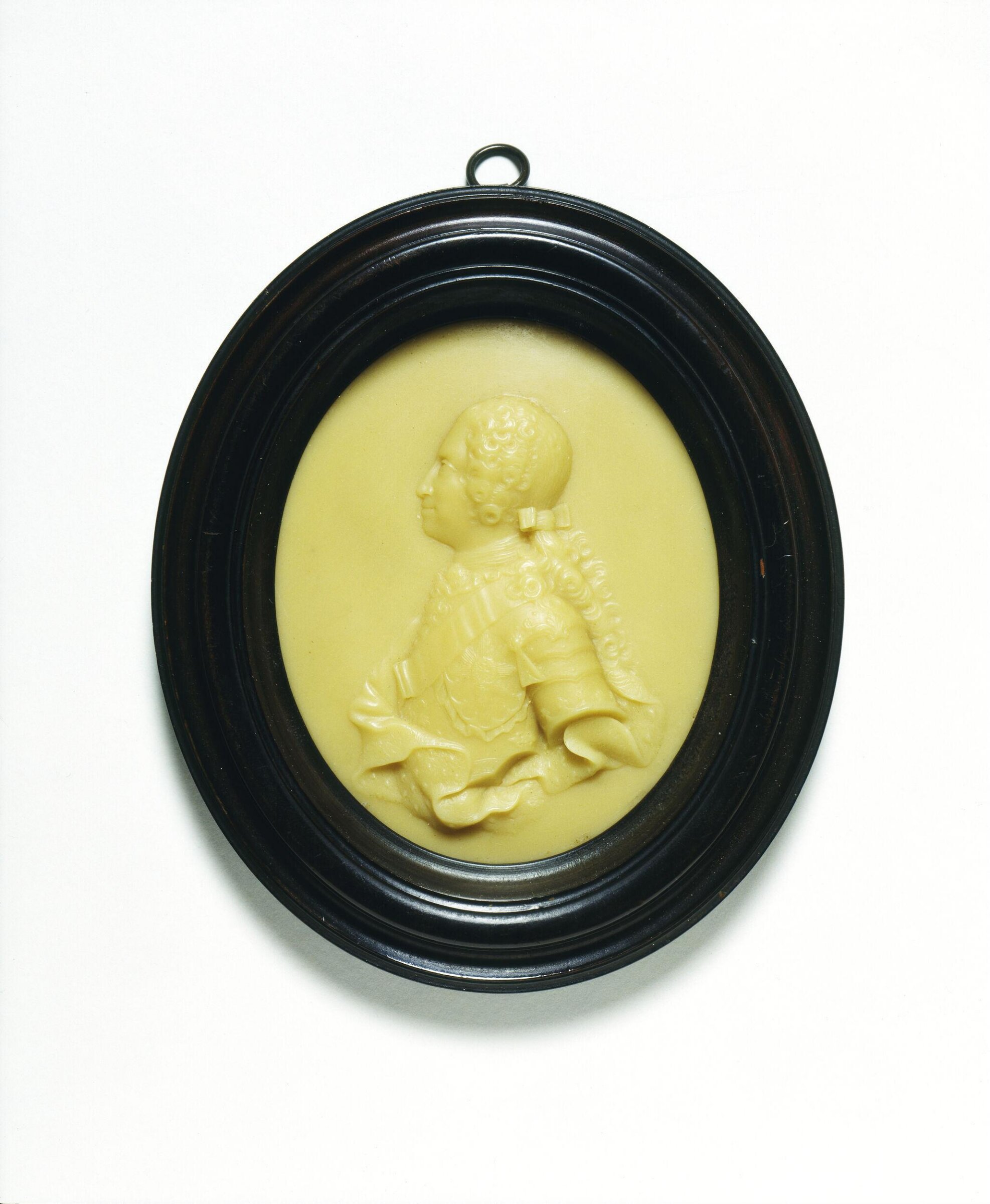
    Frederick, Prince of Wales, Isaac Gosset, 1750-1760

    Isaac Gosset

    Frederick, Prince of Wales, 1750-1760

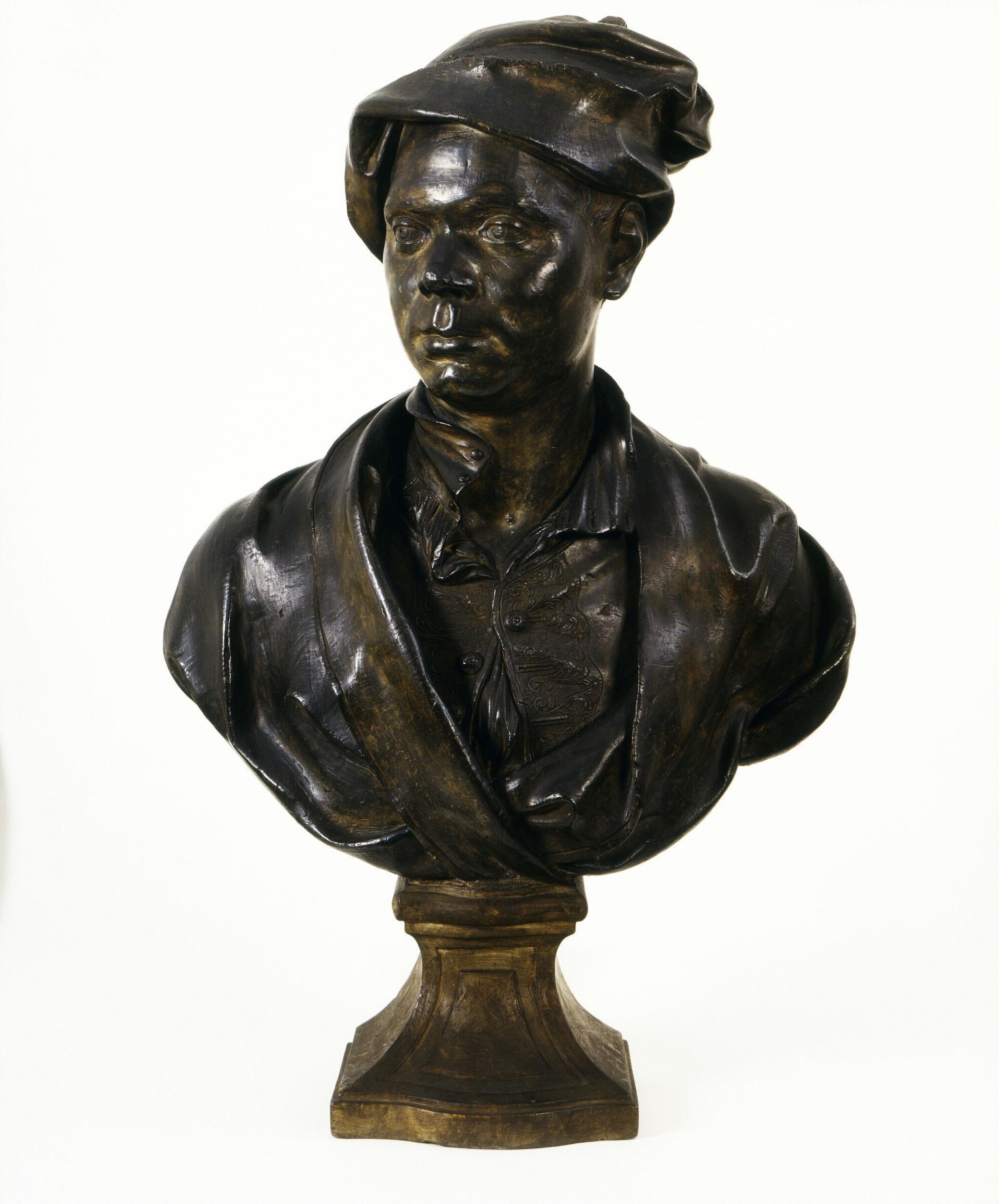
    Portrait of a man, perhaps William Hogarth, possibly John Cheere, ca. 1750

    possibly John Cheere

    Portrait of a man, perhaps William Hogarth, ca. 1750

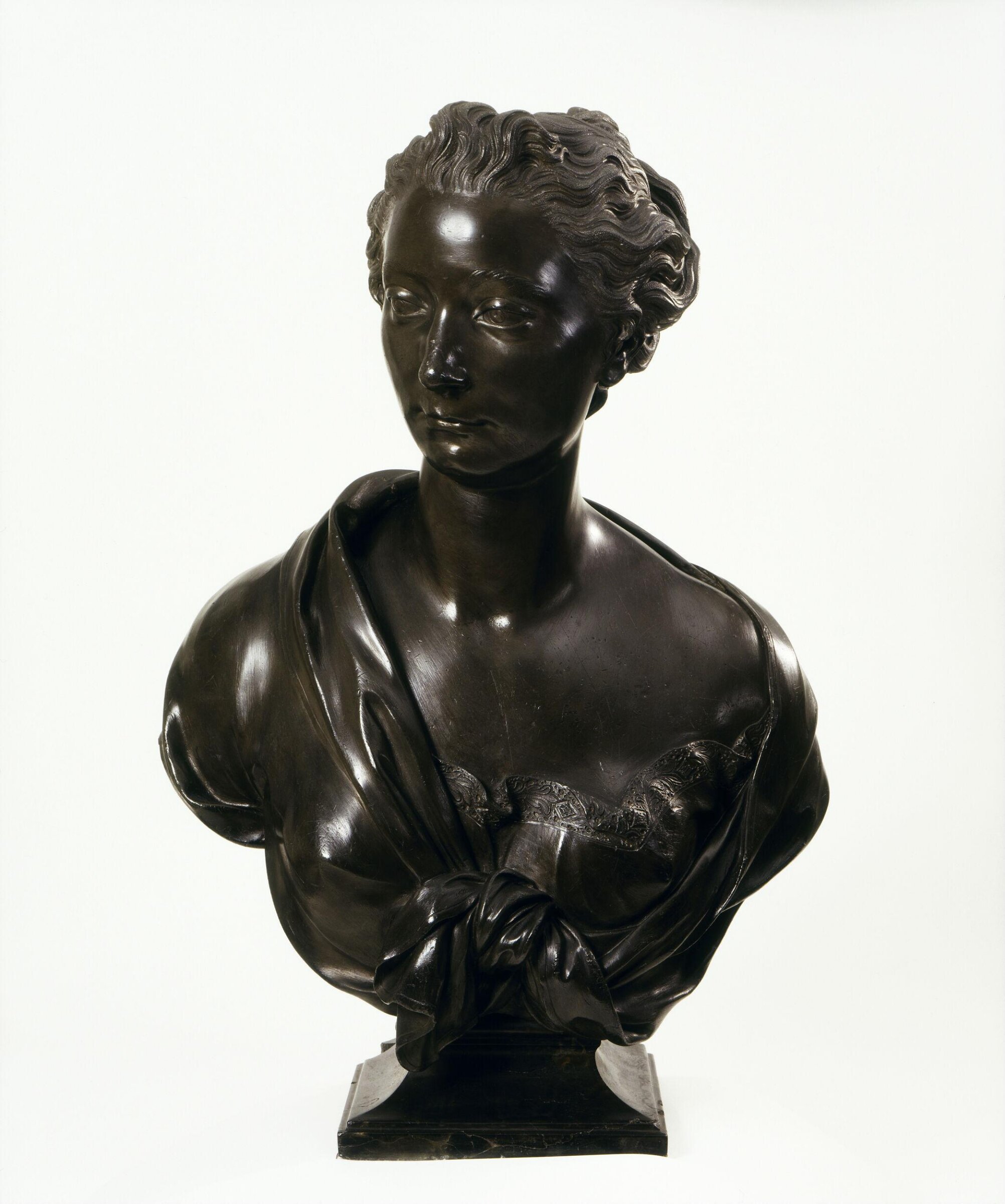
    Mary Salmon, probably John Cheere, ca. 1750

    probably John Cheere

    Mary Salmon, ca. 1750

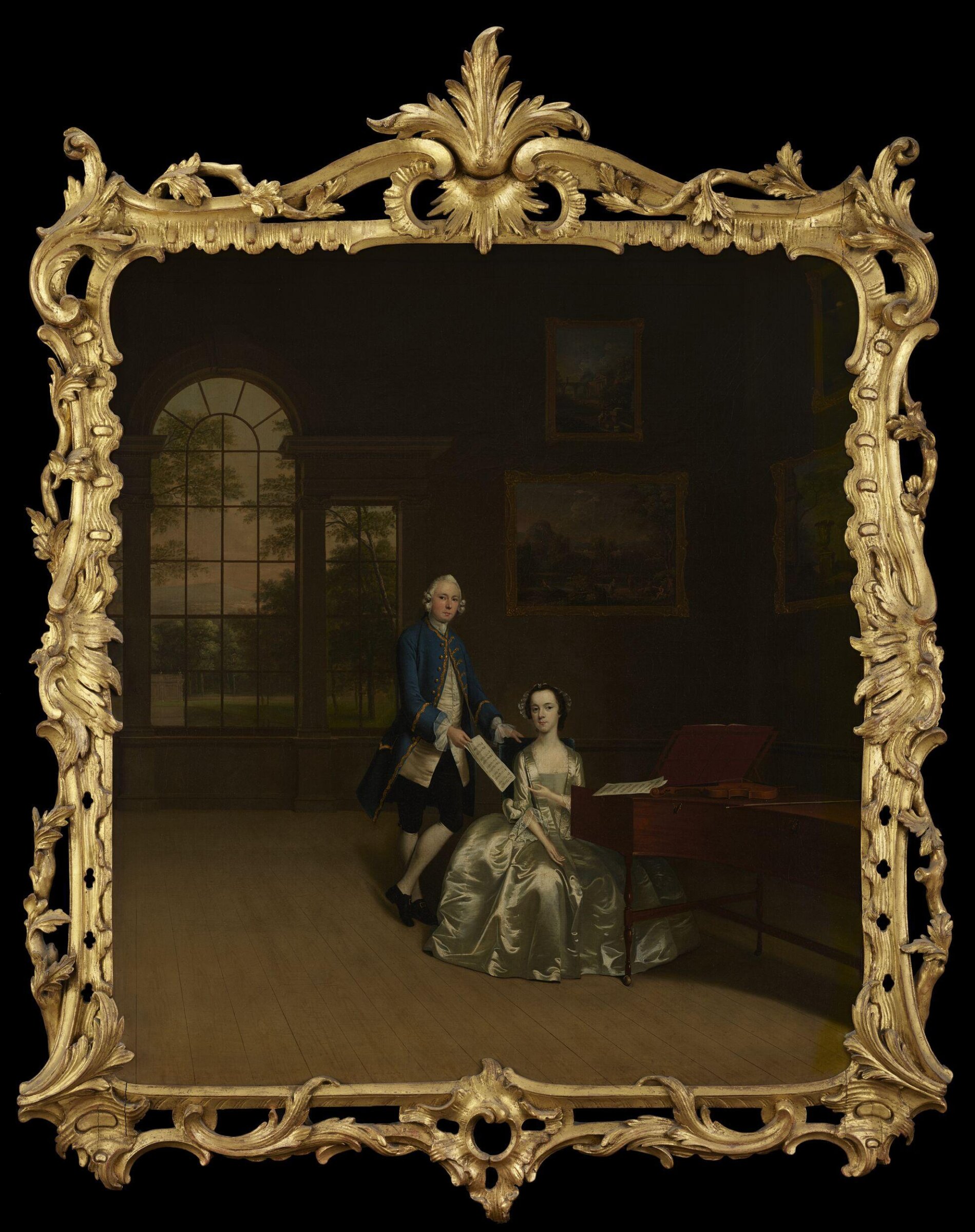
    The Duet, Arthur Devis, 1749

    Arthur Devis

    The Duet, 1749

    Trailer Camp Children, Richmond, California, Ansel Adams, 1944, printed 1981

    Ansel Adams

    Trailer Camp Children, Richmond, California, 1944, printed 1981

    Non exposée · National Gallery of Art

    A Sunday on La Grande Jatte — 1884, Georges Seurat, 1884–86, border added 1888–89

    Georges Seurat

    Un dimanche après-midi à l'Île de la Grande Jatte, 1884–86, border added 1888–89

    Art Institute of Chicago

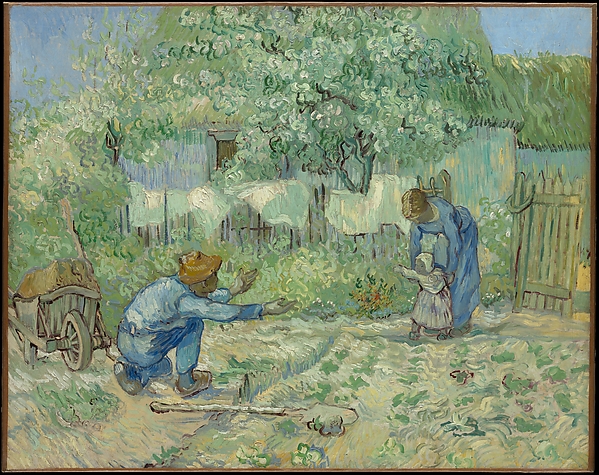
    First Steps, after Millet, Vincent van Gogh, 1890

    Vincent van Gogh

    First Steps, after Millet, 1890

    Metropolitan Museum of Art

    Le gourmet, Pablo Picasso, 1901

    Pablo Picasso

    Le gourmet, 1901

    National Gallery of Art

    The Poor (Les pauvres), Pablo Picasso, 1905, published 1913

    Pablo Picasso

    The Poor (Les pauvres), 1905, published 1913

    Non exposée · National Gallery of Art

    Winged Bull Watched by Four Children (Taureau ailé contemplé par quatre enfants), Pablo Picasso, 1934

    Pablo Picasso

    Winged Bull Watched by Four Children (Taureau ailé contemplé par quatre enfants), 1934

    Non exposée · National Gallery of Art

    Study for "A Sunday on La Grande Jatte", Georges Seurat, 1884

    Georges Seurat

    Study for "A Sunday on La Grande Jatte", 1884

    Metropolitan Museum of Art

    Medici Madonna, Michelangelo, 1524–1534

    Michelangelo

    Medici Madonna, 1524–1534

    Skulpturensammlung

    Ce qu’elle montre

    EnfantGainsborough, MaryGainsborough, Margaret

    Au catalogue

    PeinturesHuilePeinture britanniqueRococoXVIIIe siècleBritish School