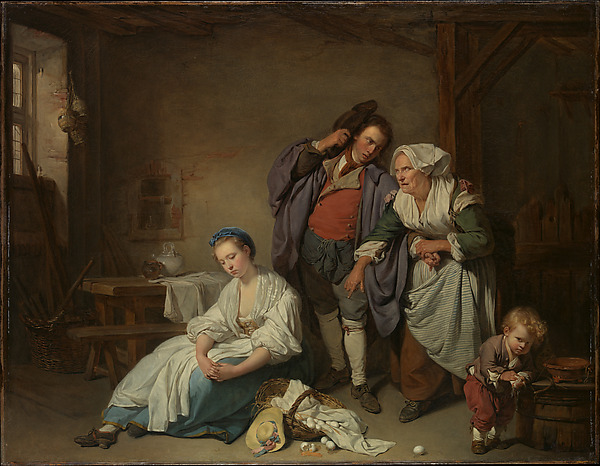
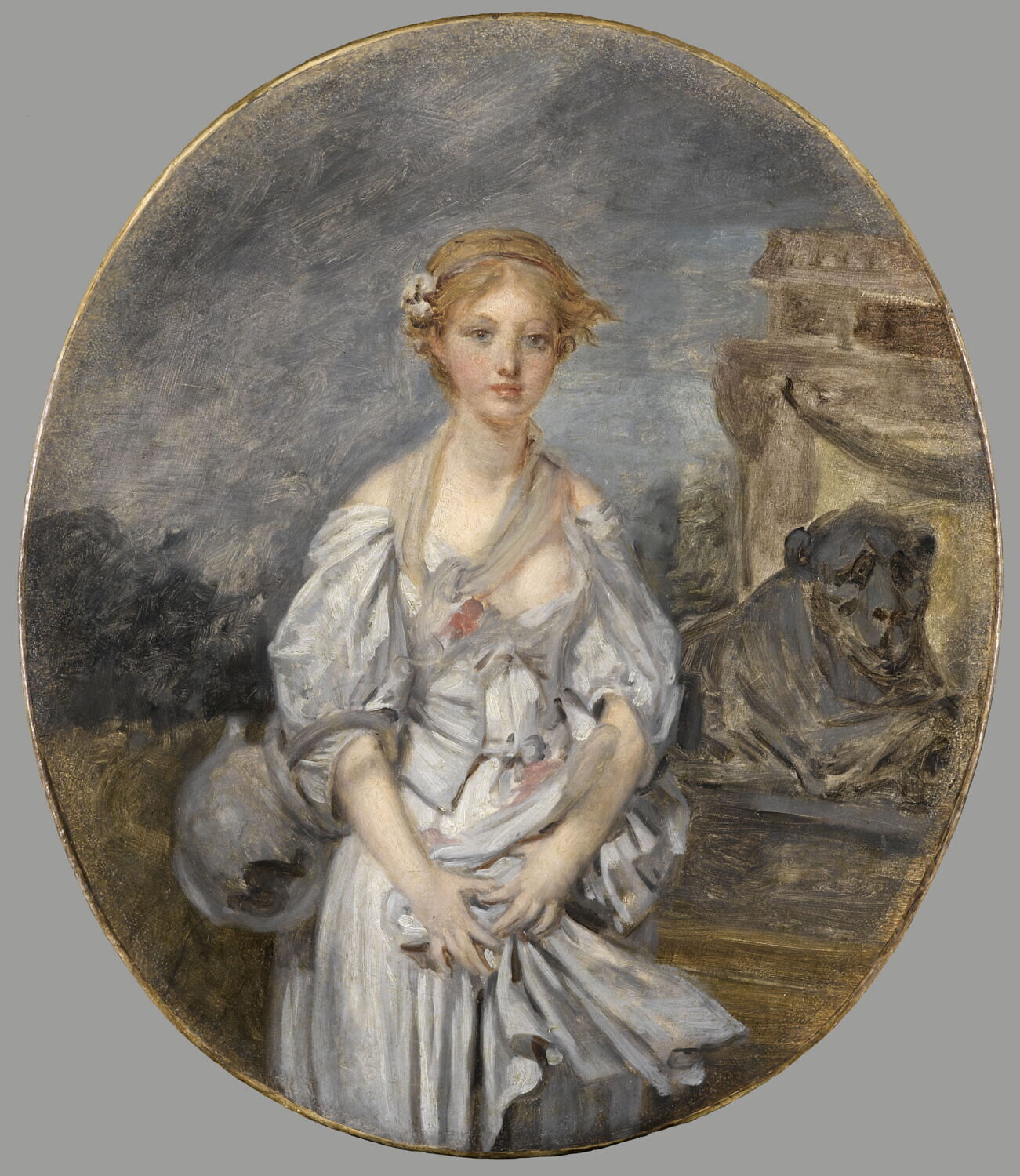
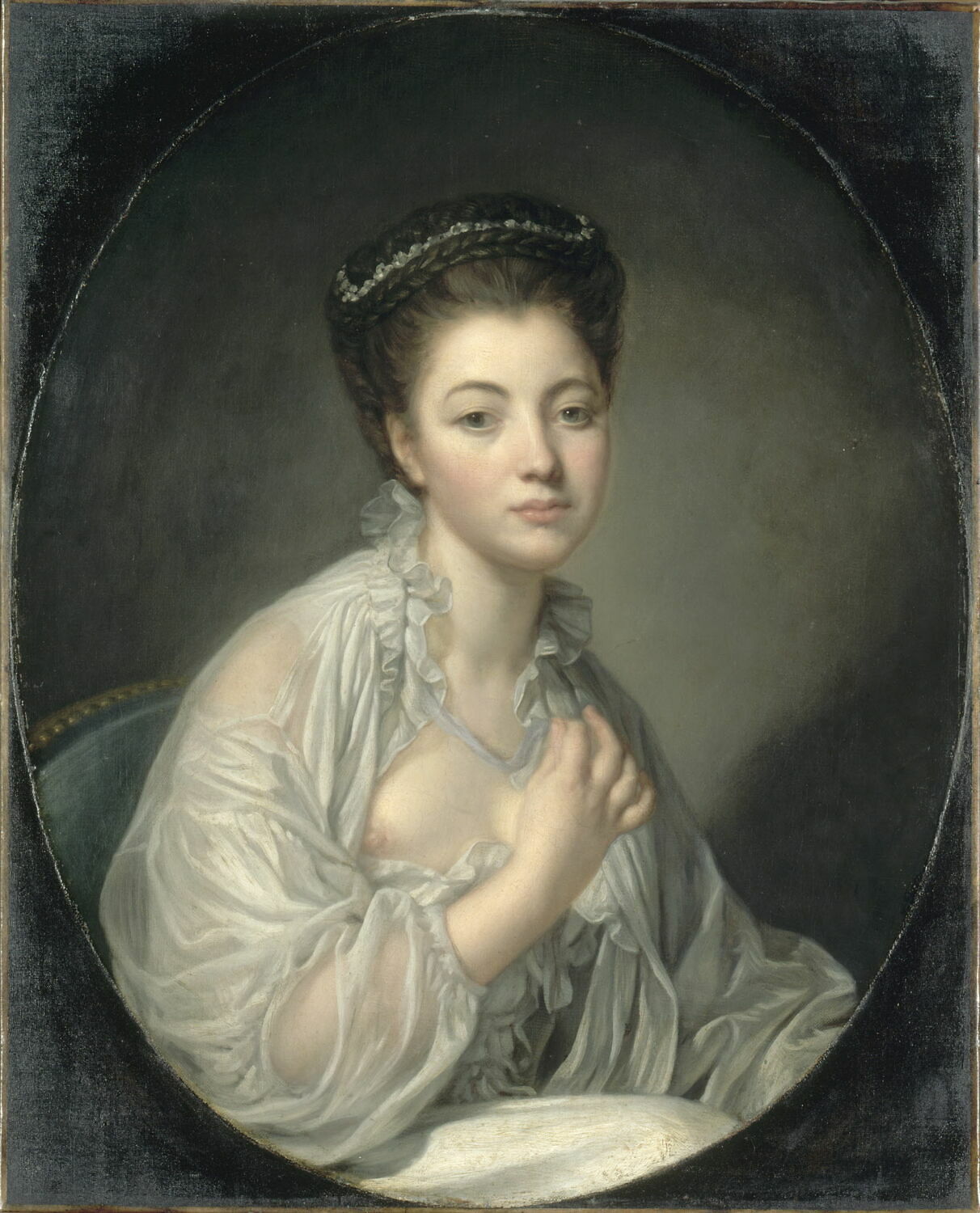
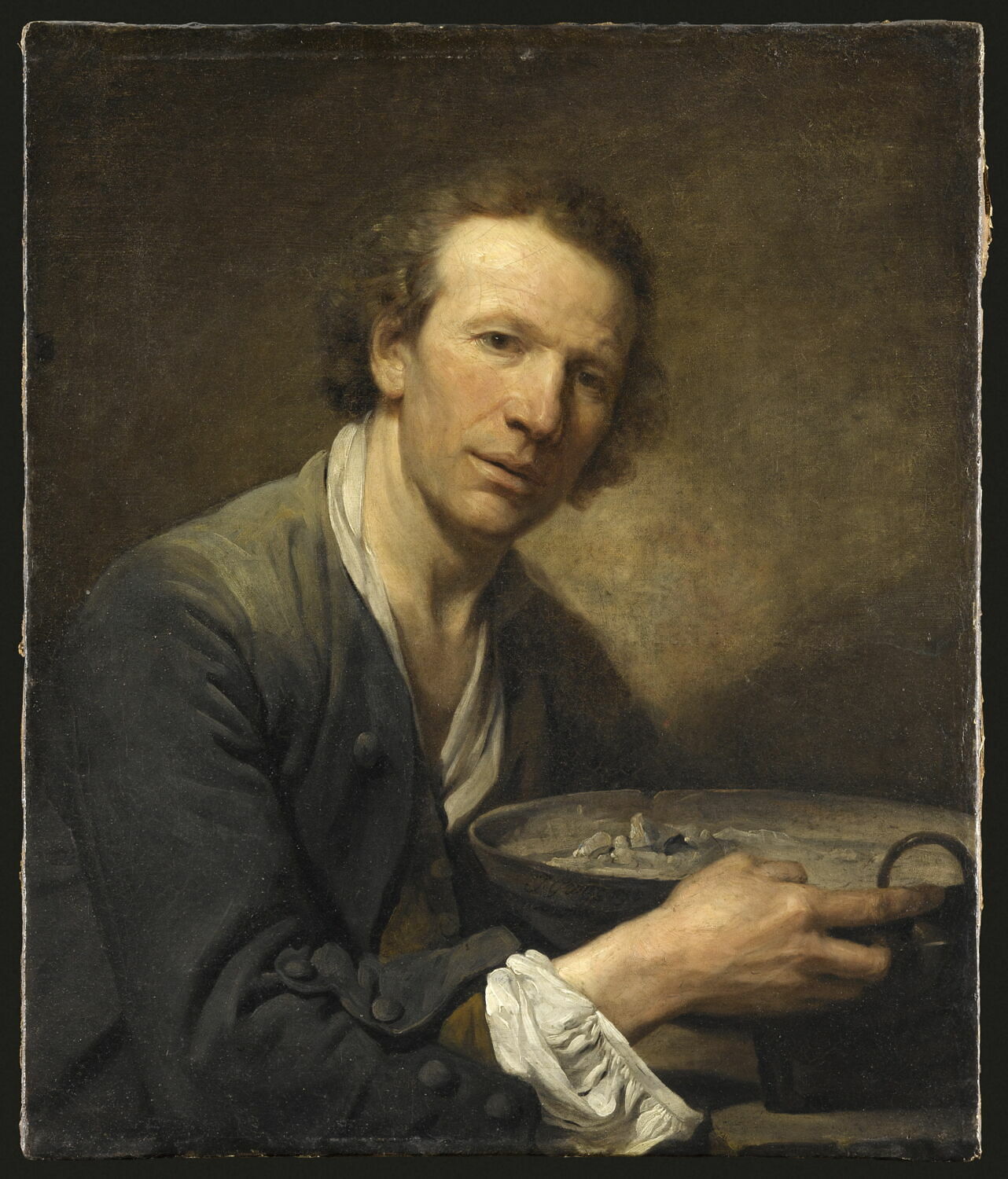
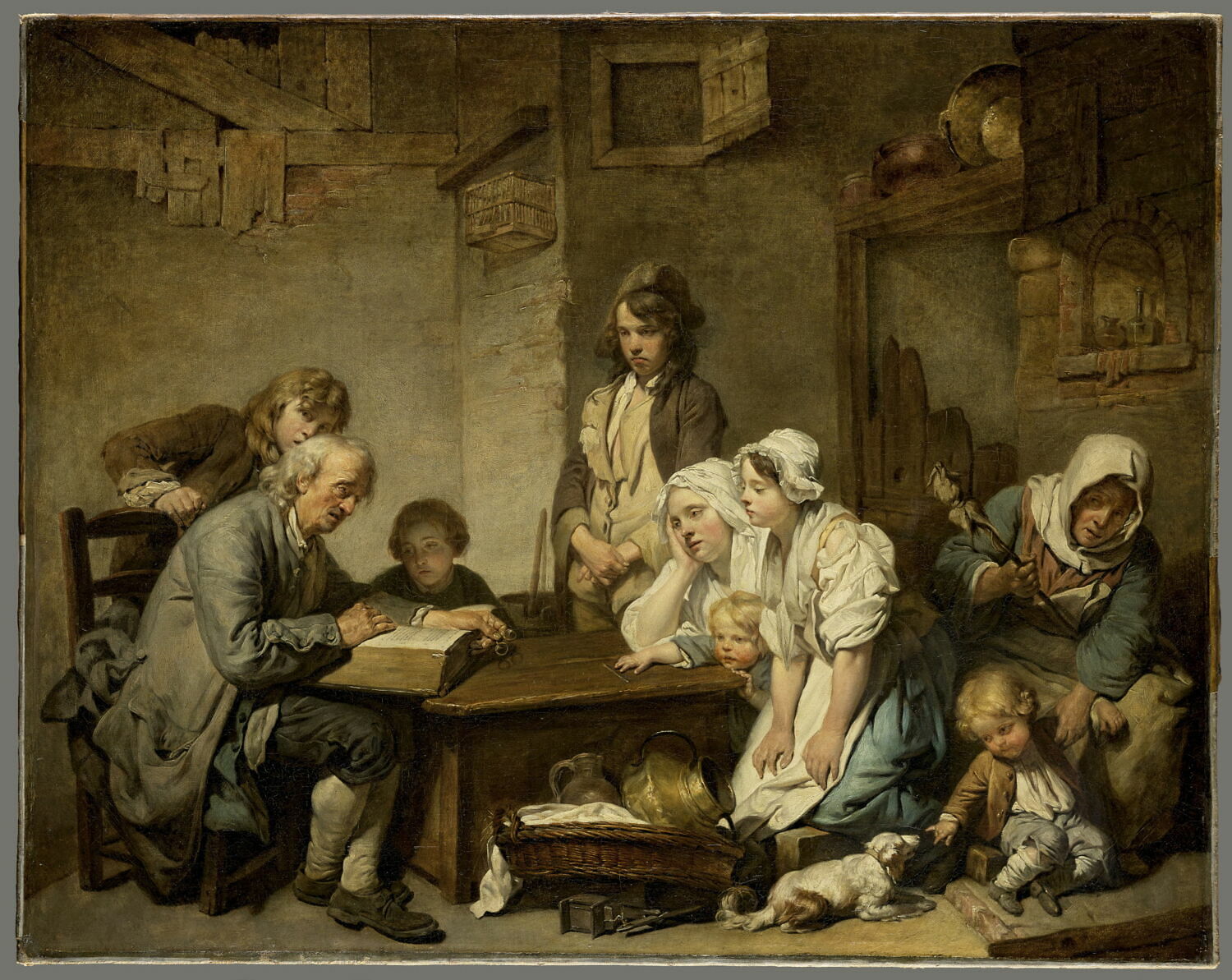
Jean Baptiste GreuzeFrance, 1725–1805
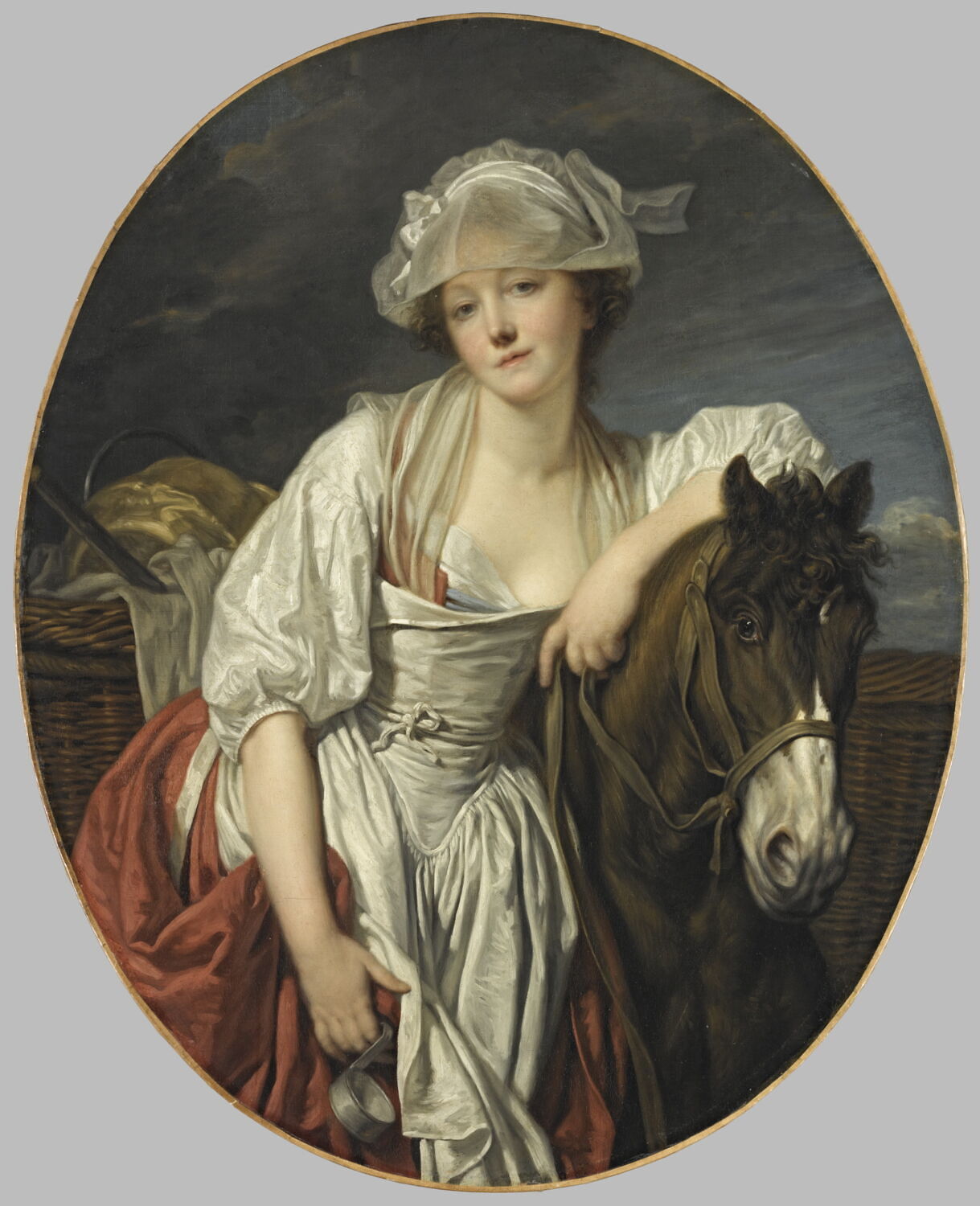
The Laundress
Peut-on la voir ?
Oui, exposée actuellement
Où est « The Laundress » aujourd’hui ? Musées d'Art de Harvard, Gallery 2220, floor 2, European and American Art, 17th–19th century, Cambridge. Oui, exposée actuellement. Vérifié 29 septembre 2026.

Cambridge, États-Unis
Salle2220, floor 2, European and American Art, 17th–19th century
Présentée au public.
- Vérifié
- Dans cet état depuis
- Source
- Le musée
À propos du tableau
This painting is the artist’s replica of one shown at the Salon of 1761 that received nearly universal acclaim. At first glance, it seems as if the dutiful laundress has been interrupted, and simply looks up from her task to meet the viewer’s gaze. Closer inspection suggests that she may not be a domestic absorbed by her daily activities: she is fairly well attired, and her hands and forearms look as if they have never washed laundry. The artist Gabriel de Saint-Aubin (1724–1780) identified the sitter, who appears in other works by Greuze, as a professional model. The fixed and unusual directness of her gaze, as well as the seductiveness of her smile — undoubtedly a reference to the contemporary belief that laundresses were promiscuous, unclean, and dishonest — led the renowned eighteenth-century critic Denis Diderot to write, “She’s a rascal I wouldn’t trust a bit.”
Musées d'Art de Harvard
Notice
- Numéro d’inventaire
- 1957.181
Au catalogue
Sources
- Musées d'Art de Harvard
- Image : Musées d'Art de Harvard — © President and Fellows of Harvard College
Dans la vie de Jean Baptiste Greuze
La vie entière3 February 1759
Marries Anne-Gabrielle Babuti
Greuze marries Anne-Gabrielle Babuti, daughter of François Babuti, a bookseller on the Quai des Augustins; he will paint his father-in-law’s portrait in 1761.
16 avril 1762
Daughter born: Anna-Geneviève Greuze
1763
The Paralytic and the triumph of the Salon of 1763
Greuze exhibits at the Salons of 1759, 1761 and 1763 with growing success; the high point is The Paralytic (1763), which immediately wins unheard-of fame. The painting is bought by Empress Catherine II on the recommendation of Diderot, one of its most passionate admirers.