ART WIKI33 040 en salle
CarteCollectionArtistesMuséesExpositionsJournal
Connexion

ART WIKI

Où est accroché le chef-d’œuvre, et quand on vous laisse entrer.

Collections : Art Institute of Chicago, Cleveland Museum of Art, Galerie Tretiakov, Hirshhorn Museum and Sculpture Garden, J. Paul Getty Museum, Metropolitan Museum of Art, Minneapolis Institute of Art, Musée de l'Ermitage, Musée des Beaux-Arts Pouchkine, Musée du Louvre, musée national d'art asiatique, Musée russe, Musées d'Art de Harvard, Museum of Modern Art, National Gallery of Art, National Portrait Gallery, Rijksmuseum Amsterdam, Smithsonian American Art Museum, Statens Museum for Kunst, Victoria and Albert Museum, Villa Getty, Whitney Museum of American Art, Catalogue d’État du fonds muséal de Russie (274 musées), Europeana (19 musées), Wikidata (6 musées), Paris Musées (12 musées) et Joconde, la base des musées du ministère de la Culture (495 musées). Les images appartiennent à leurs ayants droit.

Rubriques

  • Carte
  • Recherche
  • Collection
  • Chefs-d’œuvre
  • Exposées en ce moment
  • Artistes

Et aussi

  • Musées et galeries
  • Expositions
  • Journal
  • D’où viennent les données
  • Confidentialité et cookies
AccueilCarteCatalogue
  1. Collection/
  2. Victoria and Albert Museum/
  3. The Entombment
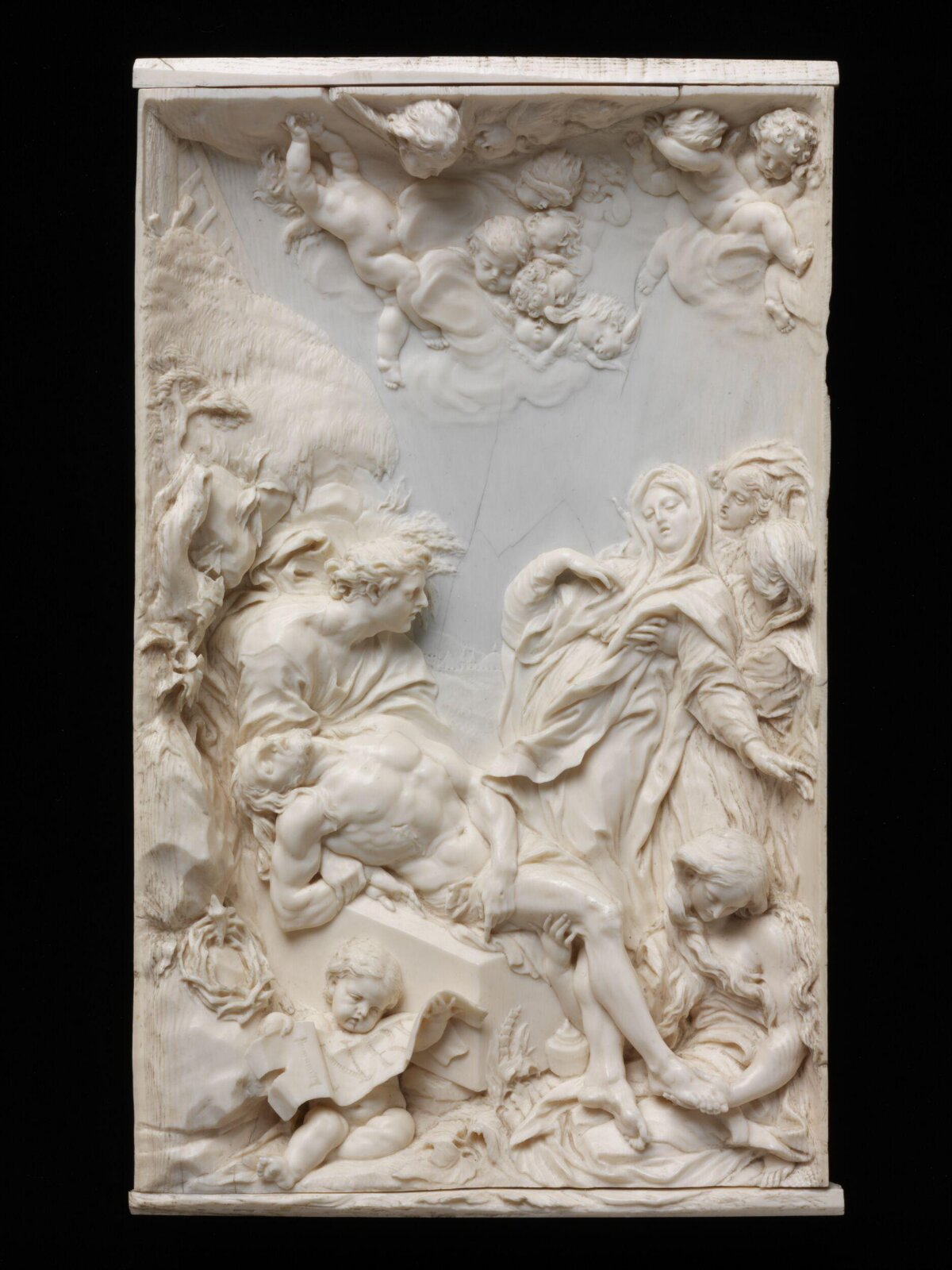
The Entombment, Balthasar Permoser, ca. 1677-1690

The Entombment

ca. 1677-1690 · Relief · 24.2 × 14.5 cm

À propos de la sculpture

Throughout the ages artists and craftsmen have made virtuoso carvings as a display of their skill and ingenuity. Although ivory, wood and stone are relatively easy to carve, other materials such as gemstones are much more demanding. Most of these carvings were made for wealthy patrons and collectors, who delighted in the rarity of the material and quality of the carving. Balthasar Permoser(1651-1732) was famous for his monumental sculpture, but he also worked on a more intimate scale. He was among the foremost sculptors of the late Baroque period in Germany. This ivory exemplifies his sensitive carving, in particular the swooning Virgin falling away from the figure of the dead Christ. The concave top of the relief reflects the shape of the ivory tusk. In terms of subject matter, he executed both profoundly religious works, and elegant pieces of a purely secular nature.

Lire la suite

He trained initially in Salzburg and in 1671 went to Vienna, where he is likely to have studied ivory carving. He visited Rome in 1674-5, and in about 1677 entered the service of the Medici in Florence in the sculpture workshops run by Giovanni Battista Foggini (1652-1725). Some of his ivory figure groups were later reproduced in porcelain by the Doccia, Fürstenberg and Meissen manufactories. In 1690 he moved to Dresden to work at the court of the Elector of Saxony, and remained there for the rest of his life, apart from a spell in Berlin, where he collaborated with Andreas Schlüter (c. 1659-1714) on the Berliner Schloss.

Autres œuvres : Balthasar Permoser

Toutes les œuvres

Dans la même salle · Sculpture, Room 111, The Gilbert Bayes Gallery, Victoria and Albert Museum

Page du musée

Sur le même thème · Mort

Toutes les œuvres sur ce thème
Victoria and Albert Museum

Notice

ca. 1677-1690
16511732
Numéro d’inventaire
A.30-1949

Sources

  • Victoria and Albert Museum
  • Image : Victoria and Albert Museum — © Victoria and Albert Museum, London
Balthasar Permoser, portraitBalthasar PermoserAllemagne, 1651–1732

Peut-on la contempler ?

Oui, elle reçoit

Victoria and Albert Museum

Londres, Royaume-Uni

SalleSculpture, Room 111, The Gilbert Bayes Gallery

Présentée au public. Qui s’en porte garant est indiqué ci-dessous.

Vérifié
il y a 13 jours
Dans cet état depuis
25 sept. 2026
Source
Le musée
Sur la cartePage du musée
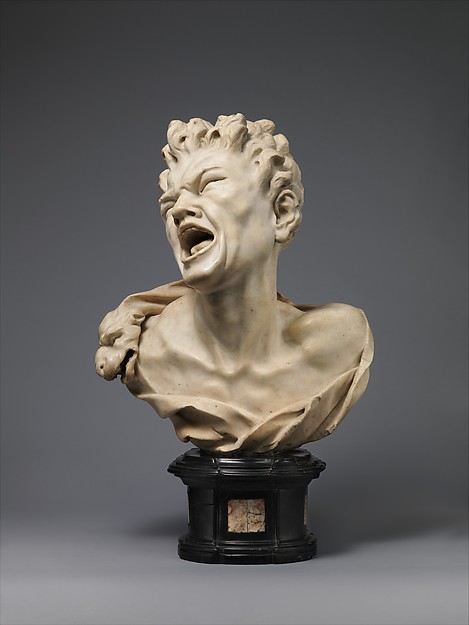
Marsyas, Balthasar Permoser, ca. 1680–85

Marsyas

ca. 1680–85 · Metropolitan Museum of Art

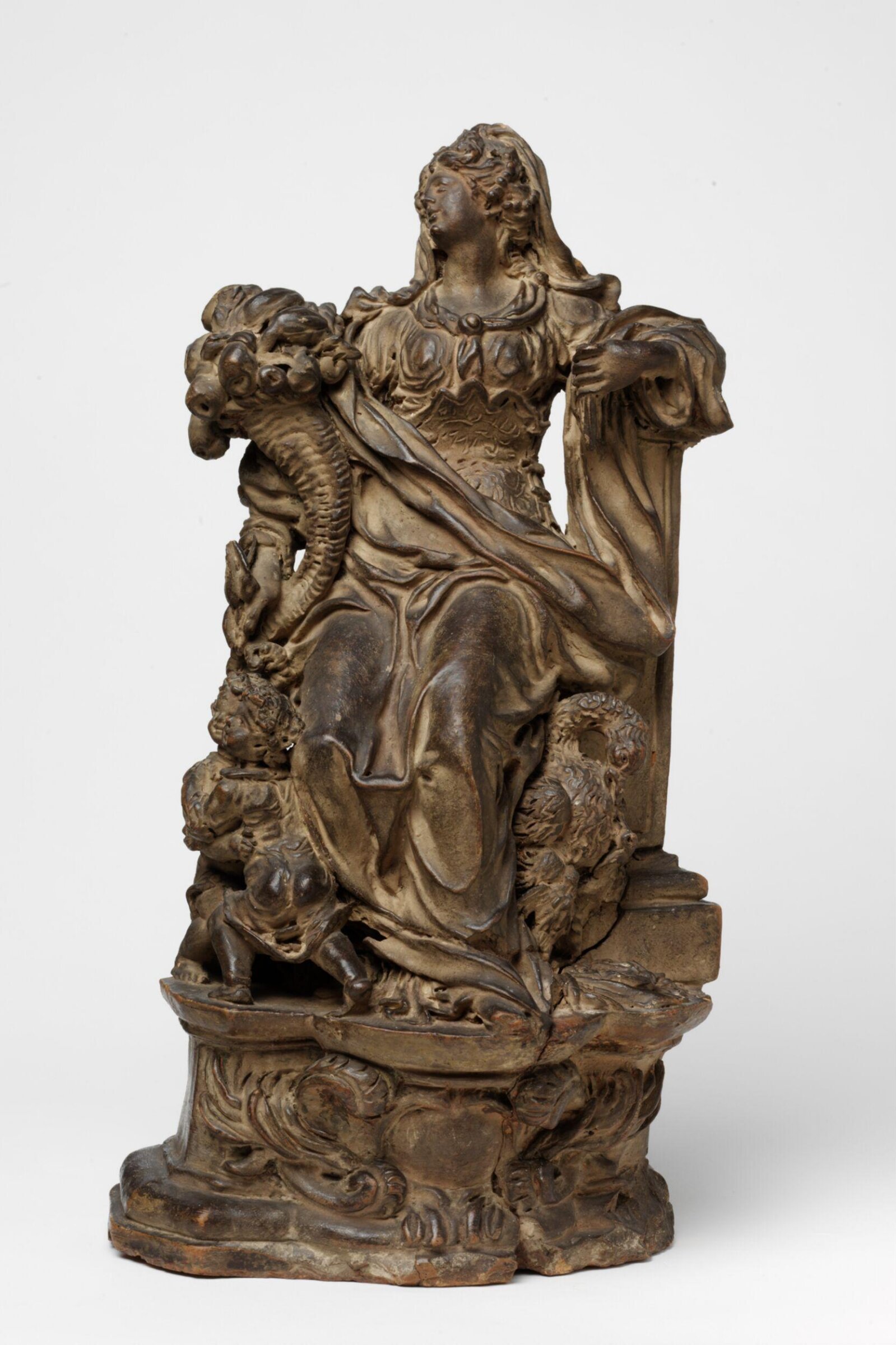
Charity or Abundance, Balthasar Permoser, 1710-1720

Charity or Abundance

1710-1720 · Victoria and Albert Museum

Venus Anadyomene, Balthasar Permoser

Venus Anadyomene

Skulpturensammlung

Chronos, Balthasar Permoser

Chronos

Skulpturensammlung

Christus an der Geißelsäule, Balthasar Permoser

Christus an der Geißelsäule

Skulpturensammlung

Grinning Satyr, Balthasar Permoser, c. 1700

Grinning Satyr

c. 1700 · Non exposée · National Gallery of Art

Apoll (von Apoll und Minerva), Balthasar Permoser, 1715

Apoll (von Apoll und Minerva)

1715 · Skulpturensammlung

Minerva (von Apoll und Minerva), Balthasar Permoser, 1716

Minerva (von Apoll und Minerva)

1716 · Skulpturensammlung

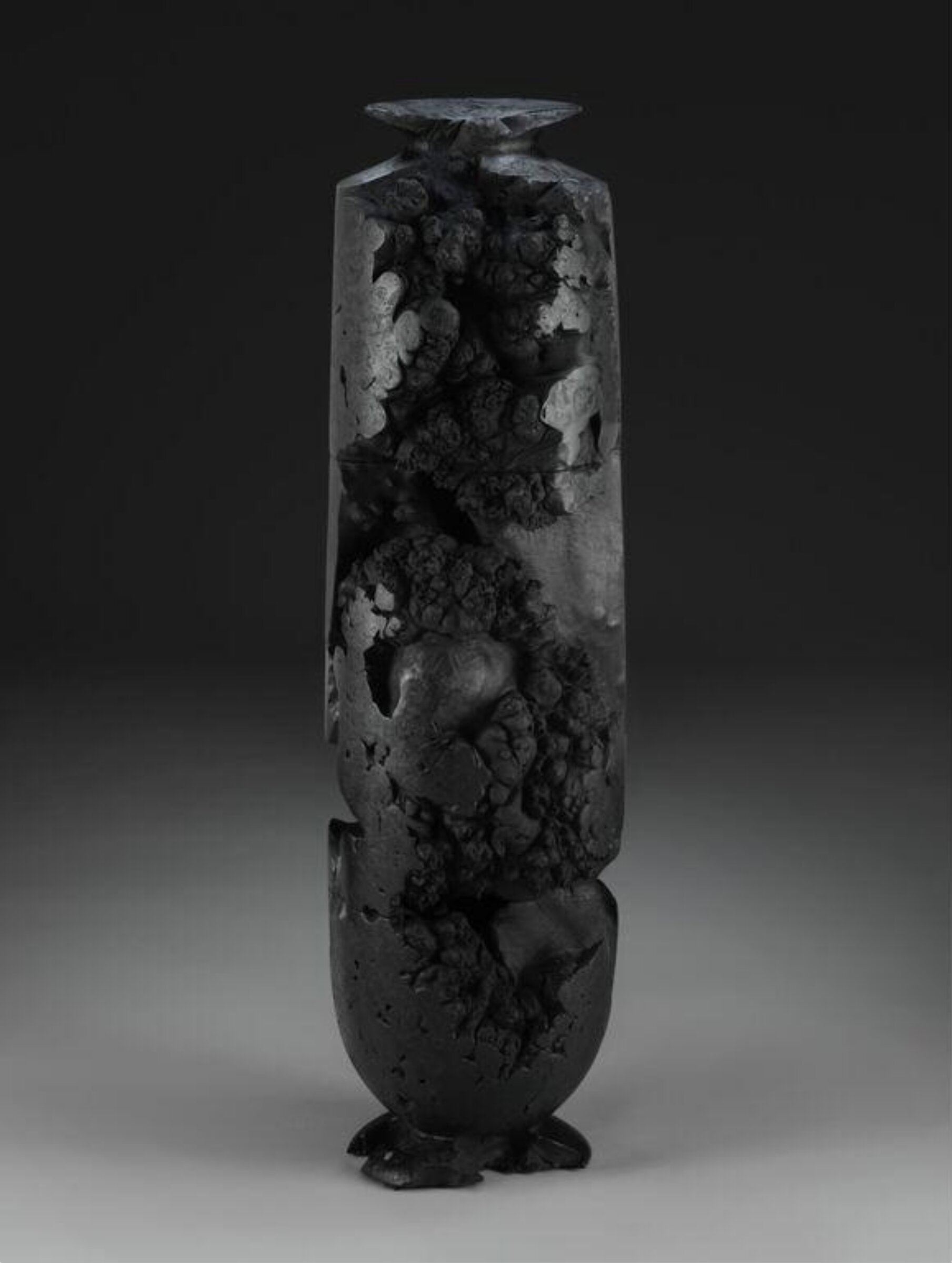
Echoes of Amphora: Column Vessel I/20, Eleanor Lakelin, 2020

Eleanor Lakelin

Echoes of Amphora: Column Vessel I/20, 2020

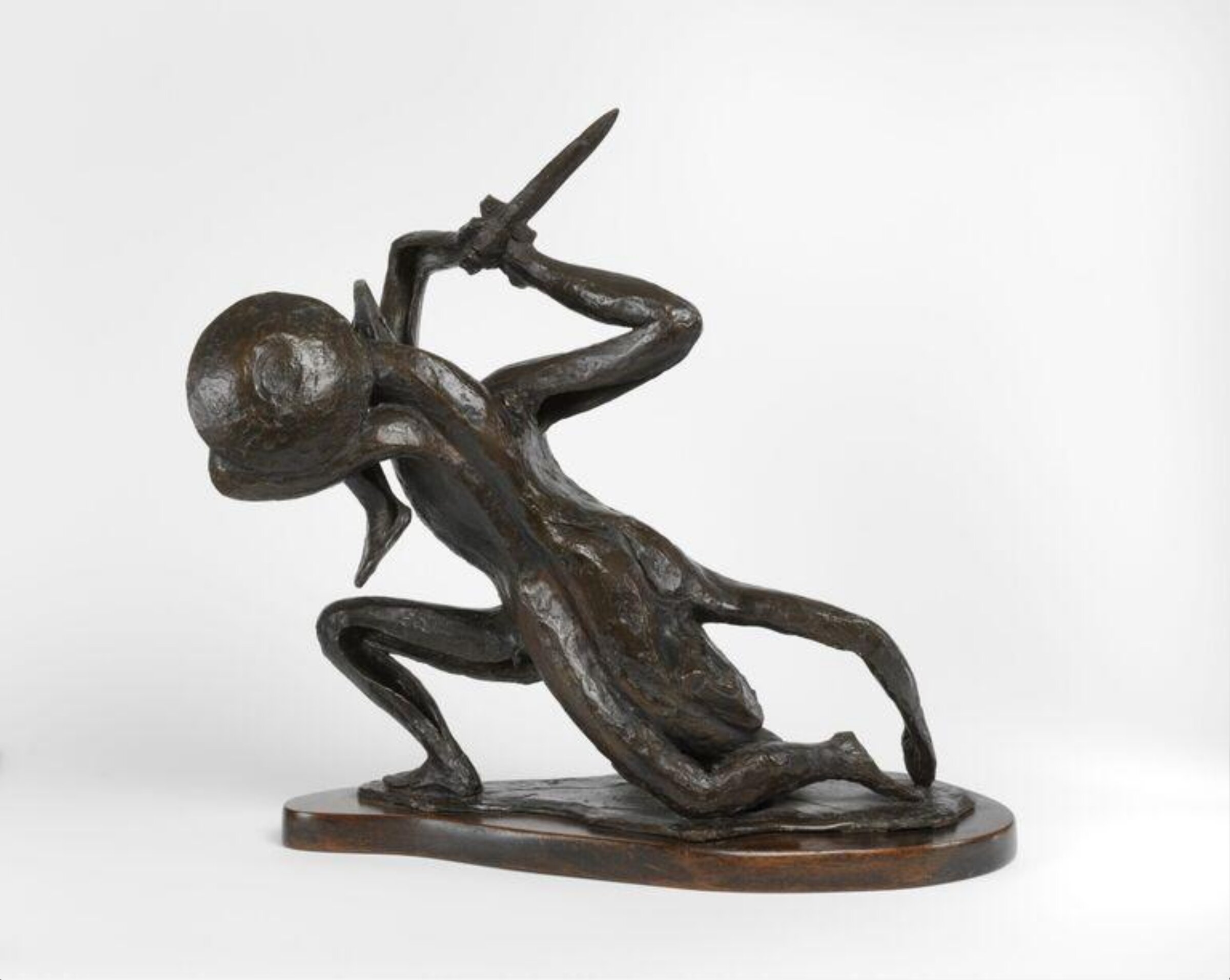
Gladiators: Hector and Ajax (Combat), Leon Underwood, 1963

Leon Underwood

Gladiators: Hector and Ajax (Combat), 1963

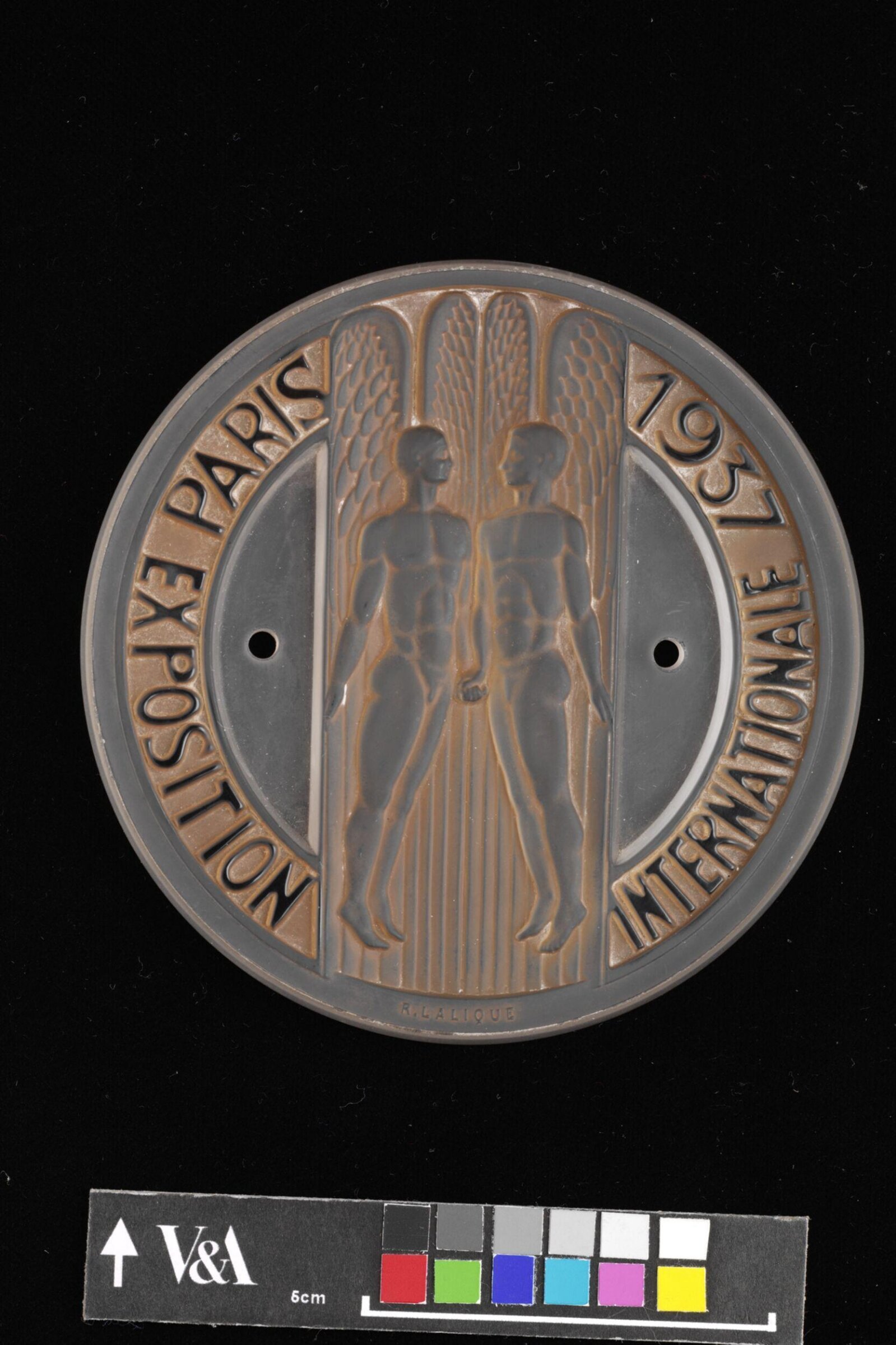
Plaque, René Jules Lalique, 1937

René Lalique

Plaque, 1937

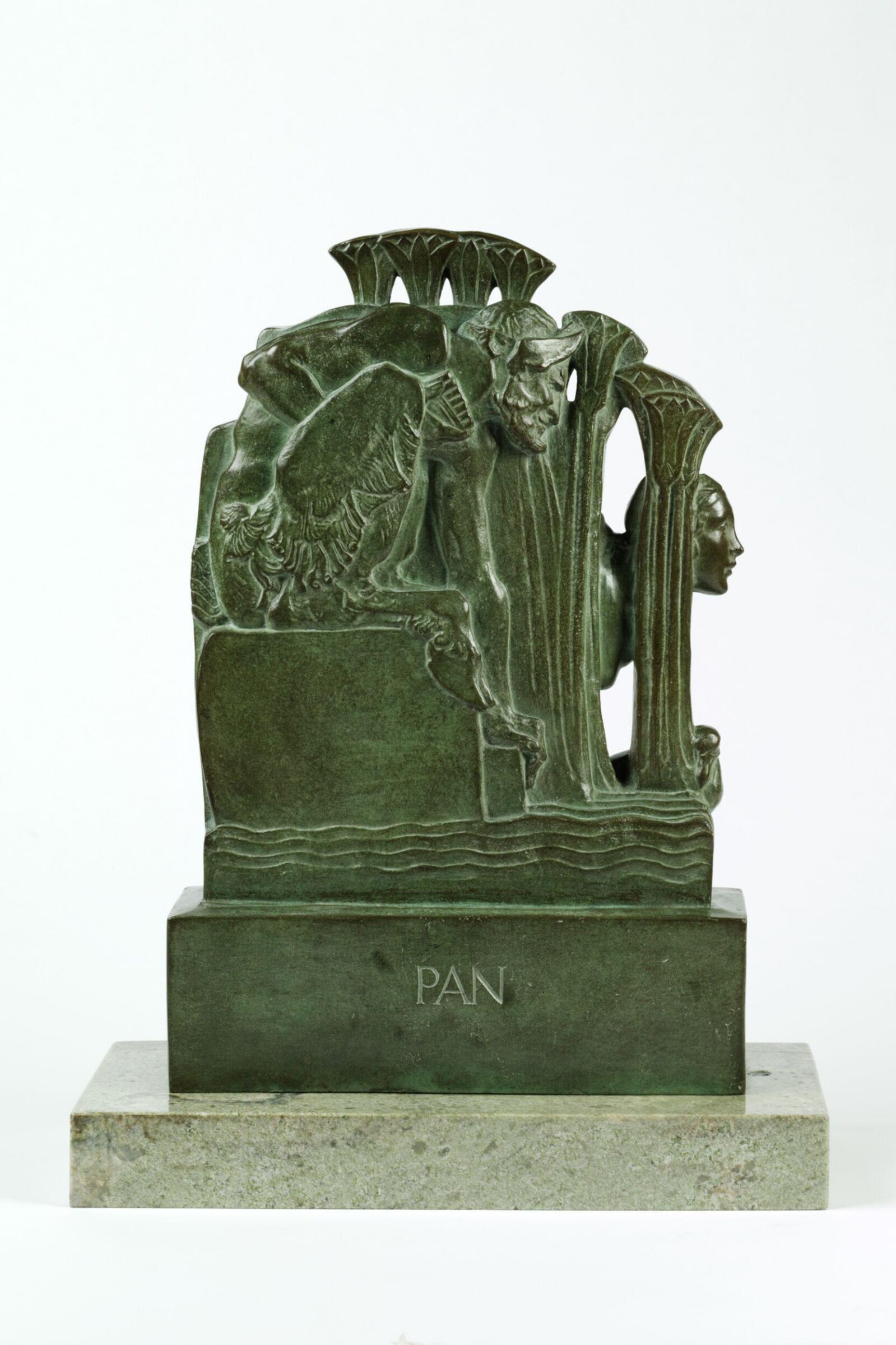
The Lure of the Pan Pipes, Gilbert Bayes, 1932

Gilbert Bayes

The Lure of the Pan Pipes, 1932

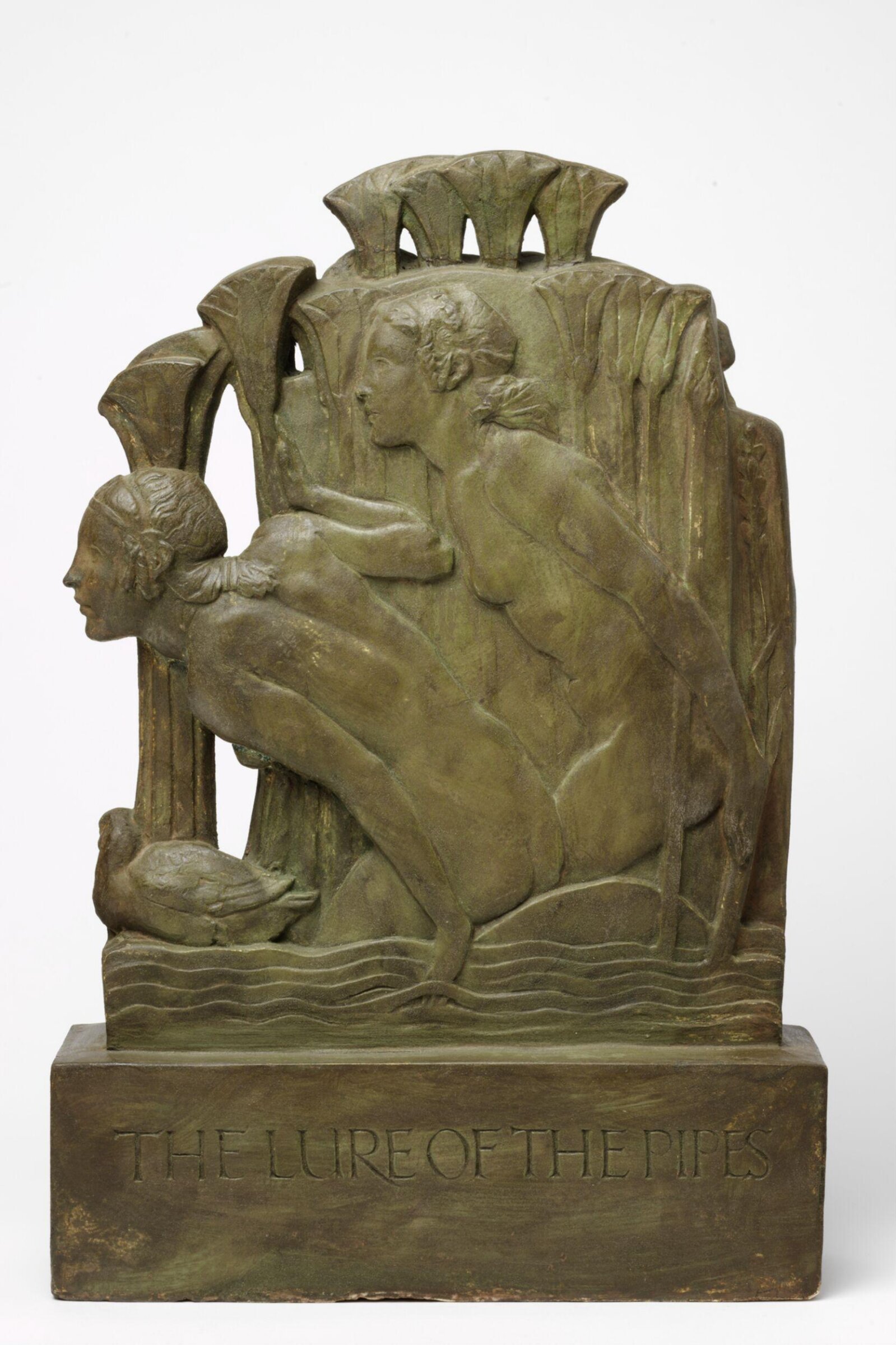
The Lure of the Pan Pipes, Gilbert Bayes, 1932

Gilbert Bayes

The Lure of the Pan Pipes, 1932

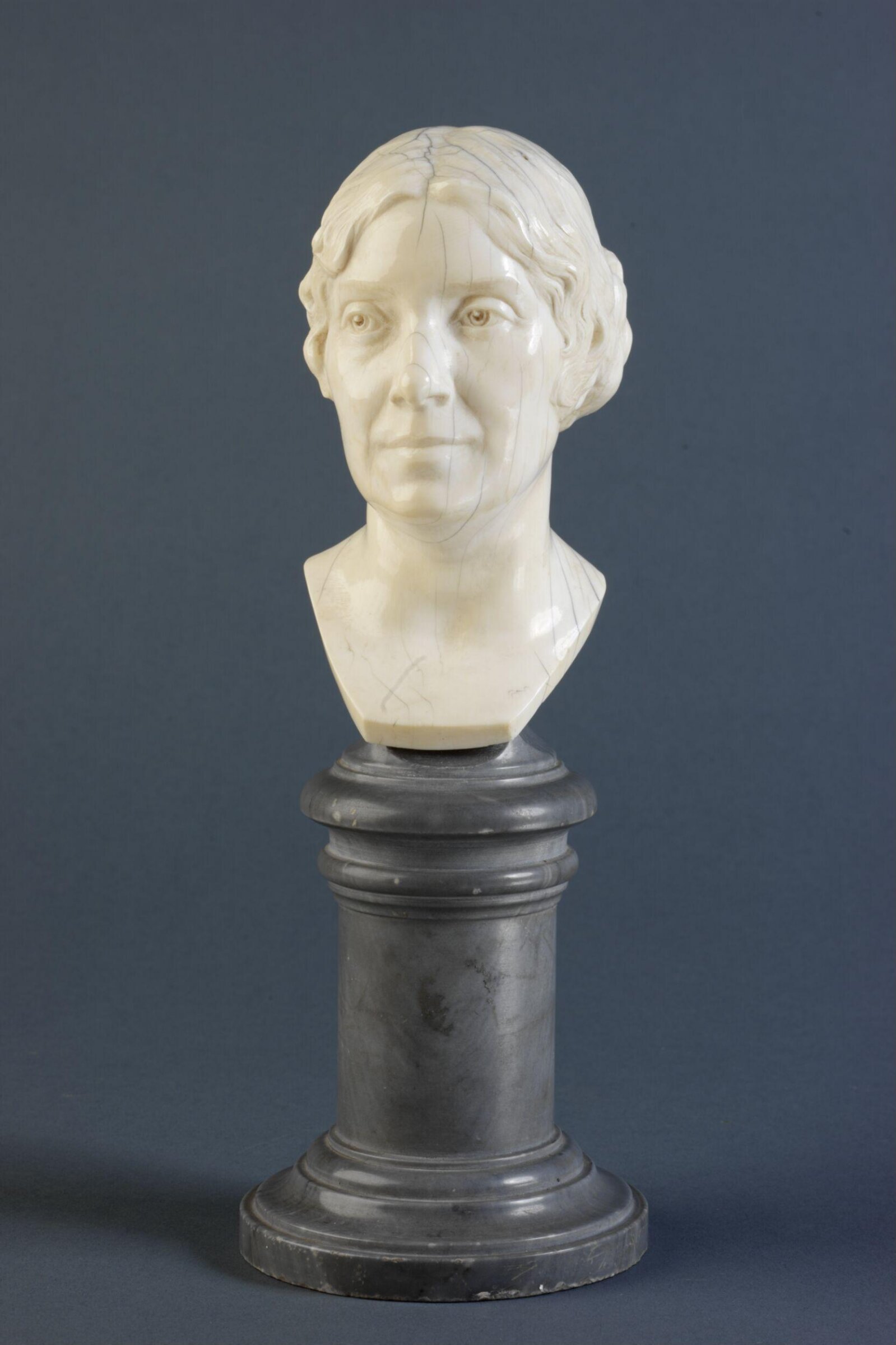
Emmeline Pankhurst, Arthur George Walker, ca. 1929

Arthur George Walker

Emmeline Pankhurst, ca. 1929

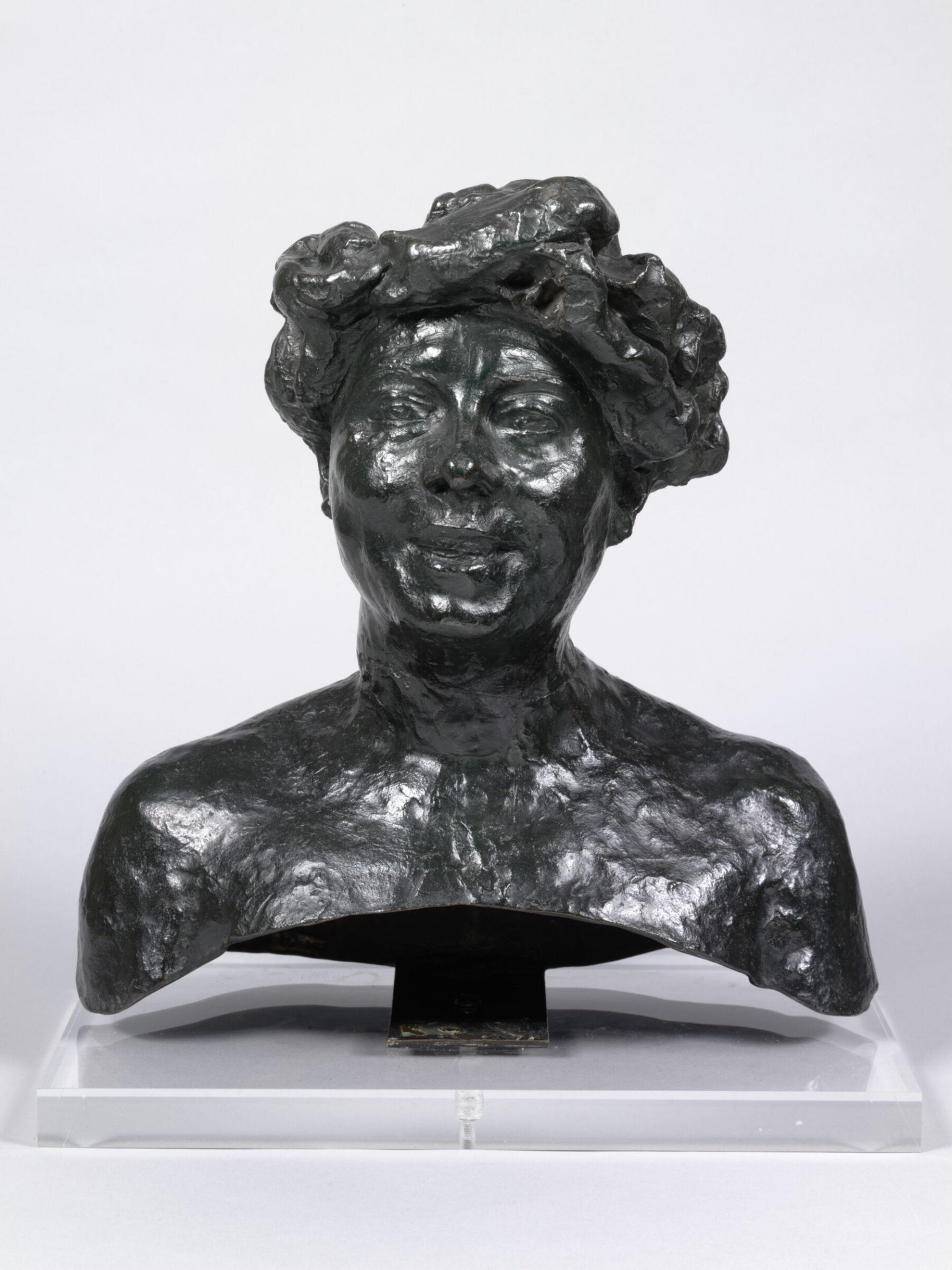
The Duchesse de Choiseul, Auguste Rodin, 1908

Auguste Rodin

The Duchesse de Choiseul, 1908

St Elizabeth, George James Frampton, 1902

George James Frampton

St Elizabeth, 1902

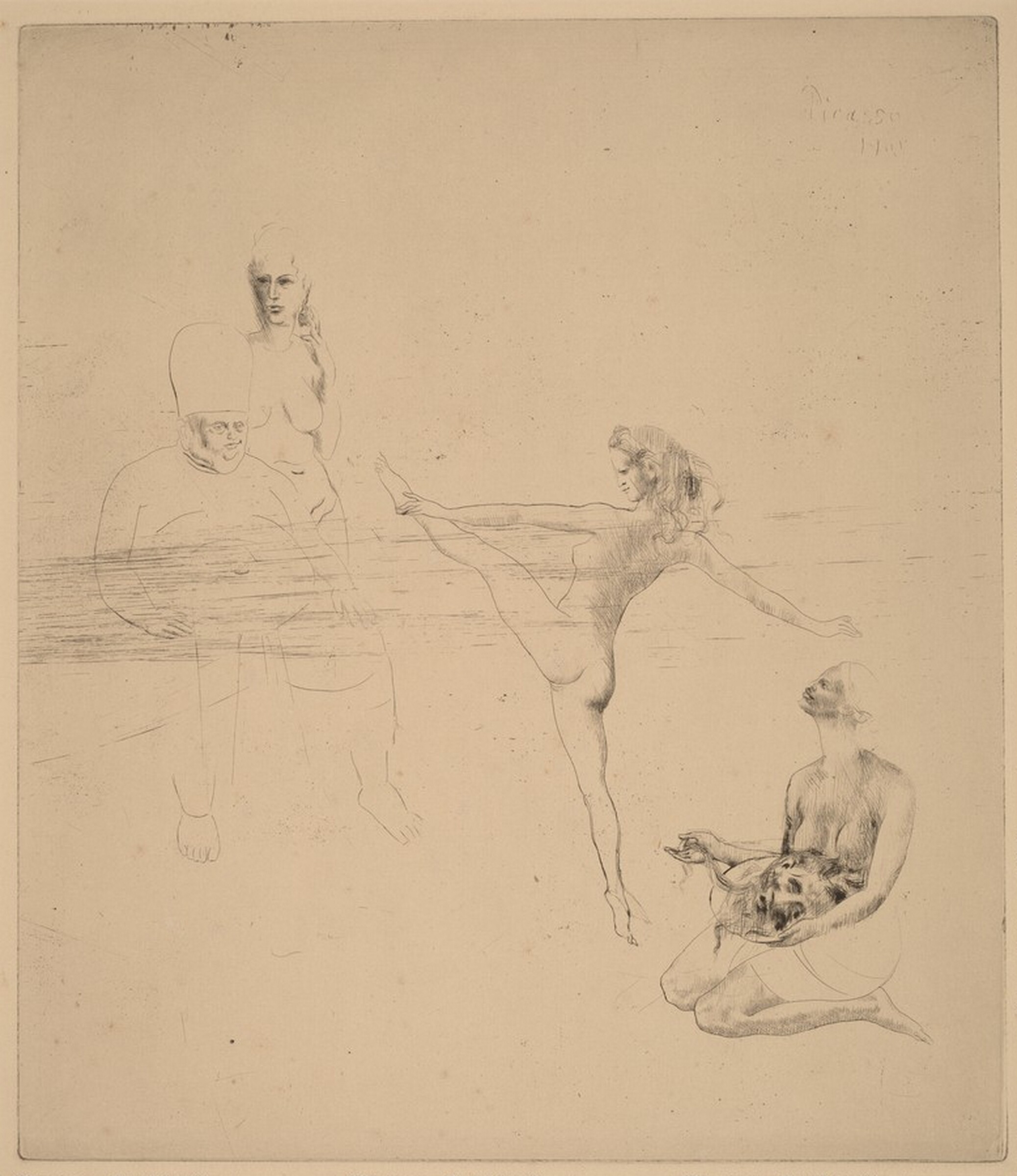
Salomé, Pablo Picasso, 1905, published 1913

Pablo Picasso

Salomé, 1905, published 1913

Non exposée · National Gallery of Art

Dying Horse (Cheval mourant), Pablo Picasso, 1931

Pablo Picasso

Dying Horse (Cheval mourant), 1931

Non exposée · National Gallery of Art

The Death of Harlequin, Pablo Picasso, 1905/1906

Pablo Picasso

The Death of Harlequin, 1905/1906

Non exposée · National Gallery of Art

Dream and Lie of Franco, Pablo Picasso, 1937

Pablo Picasso

Dream and Lie of Franco, 1937

Non exposée · National Gallery of Art

Dog, Andy Warhol, n.d.

Andy Warhol

Dog, n.d.

Non exposée · National Gallery of Art

Dog, Andy Warhol, n.d.

Andy Warhol

Dog, n.d.

Non exposée · National Gallery of Art

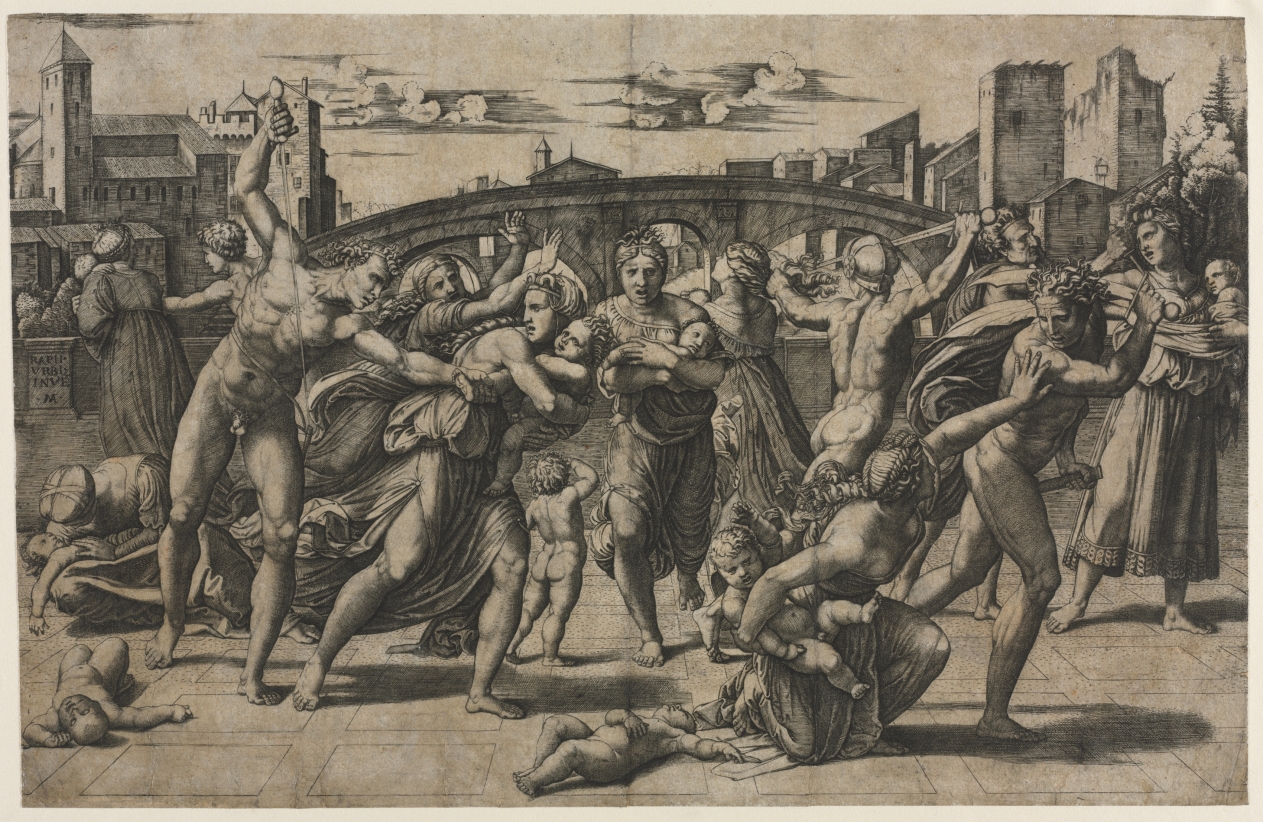
Massacre of the Innocents (With the Fir Tree), Marcantonio Raimondi, c. 1511–12

Raphael

Massacre of the Innocents (With the Fir Tree), c. 1511–12

Non exposée · Cleveland Museum of Art

David Slaying Goliath, Ugo da Carpi after Raphael, c. 1520

Raphael

David Slaying Goliath, c. 1520

Non exposée · National Gallery of Art

Ce qu’elle montre

MortFiguresCherubsLandscapePuttoScrollCrown of thornsCrossRockJesus ChristMary (Virgin Mary)St John

Au catalogue

SculptureIvoireBaroqueXVIIe siècleAllemagne