 Peter OliverAngleterre, 1594–1648
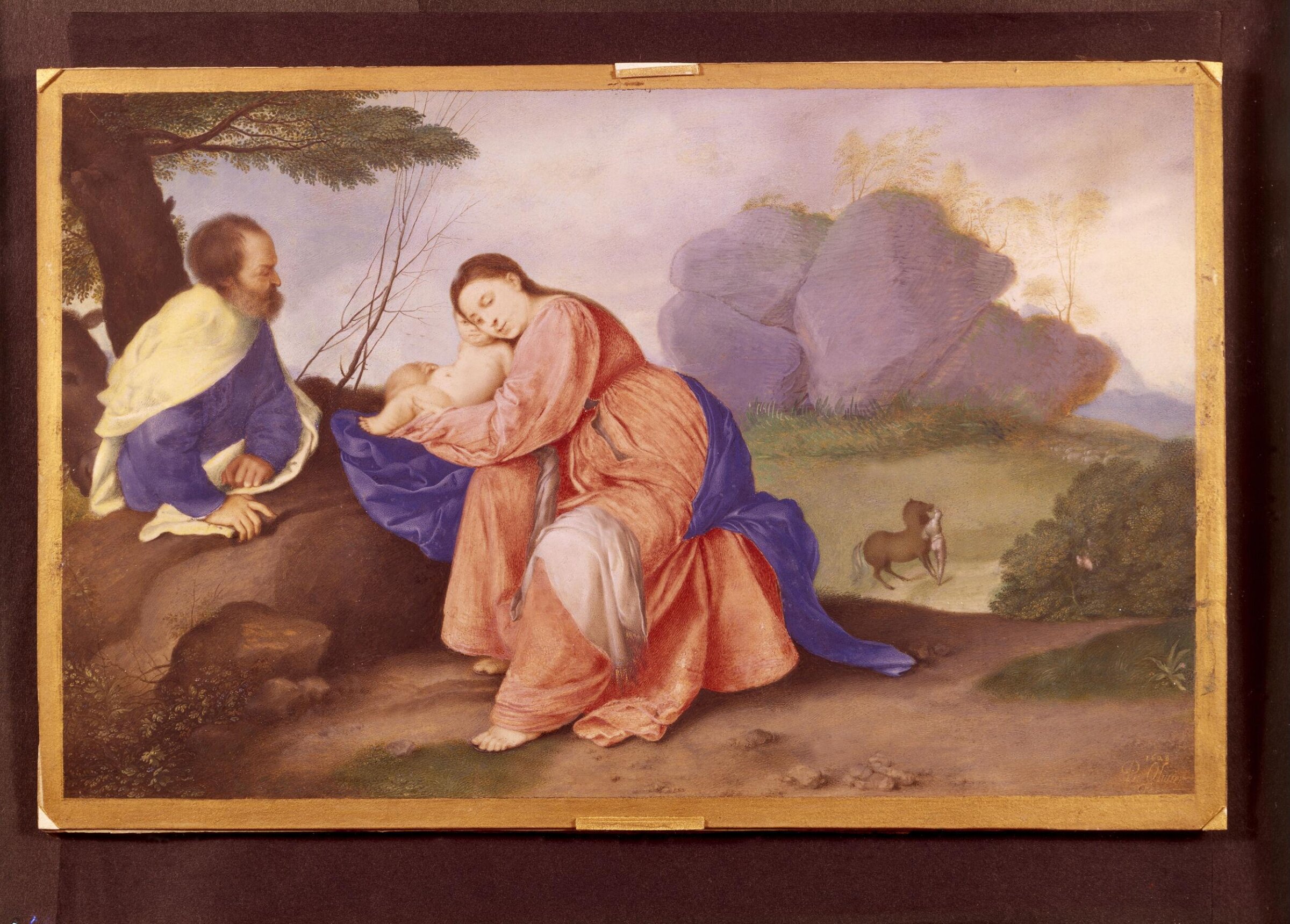
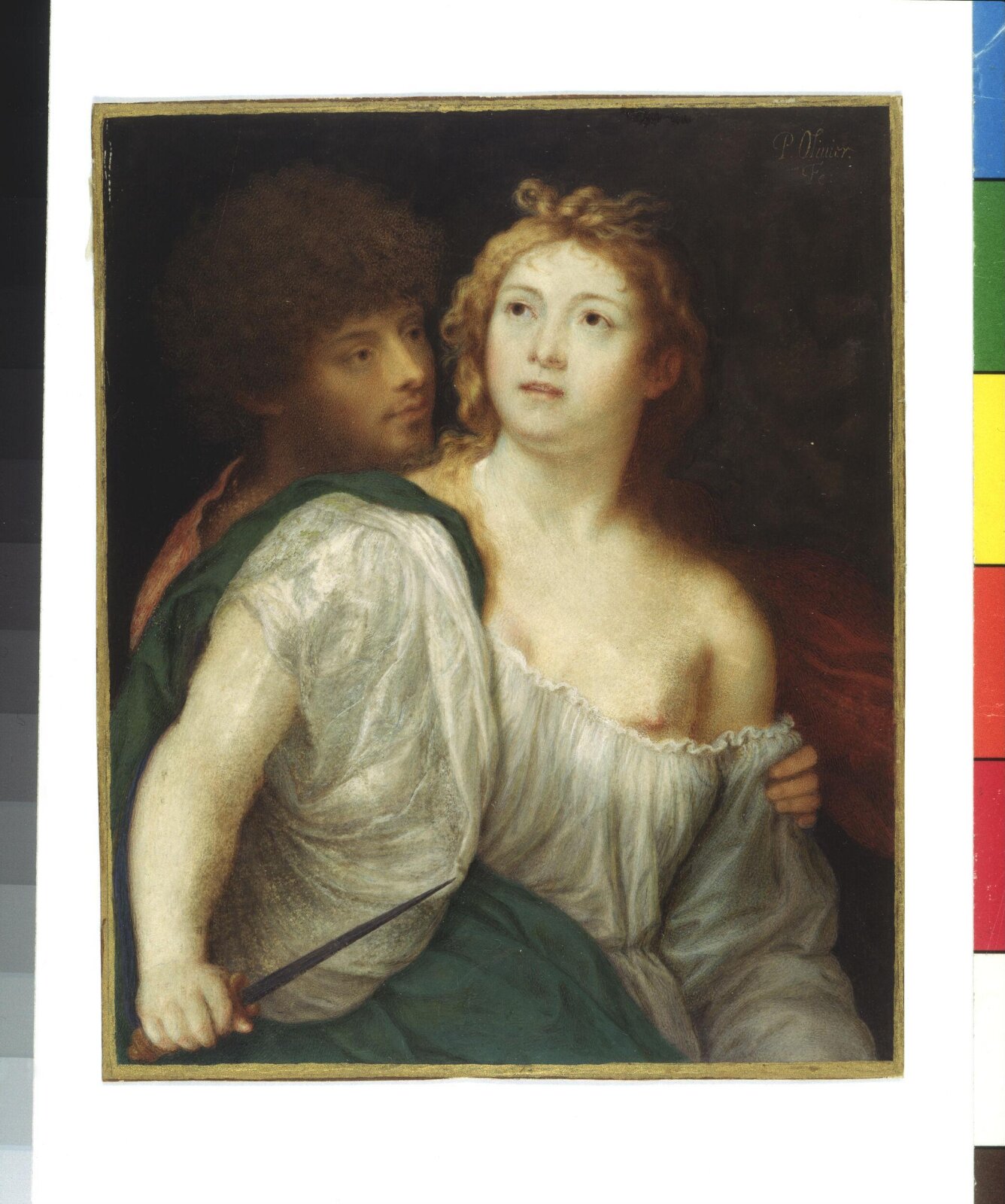
Tarquin and Lucretia
Peut-on la voir ?
Oui, exposée actuellement
Où est « Tarquin and Lucretia » aujourd’hui ? Victoria and Albert Museum, British Galleries, Room 56, The Djanogly Gallery, Londres. Oui, exposée actuellement. Vérifié 25 septembre 2026.

Fermé· ouvre demain à 10:00
Présentée au public.
- Vérifié
- Dans cet état depuis
- Source
- Le musée
À propos du tableau
Object Type
Miniature painting in England was predominantly a portrait art. But from the late 1620s Peter Oliver (possibly born in 1594, died 1647) also painted subject pictures in miniature. These are called 'Histories in limning' (limning was the traditional word for miniature) in Edward Norgate's treatise on miniature painting, entitled Miniatura; or, The Art of Limning. Norgate (born in the 1580s, died 1650) was a contemporary of Oliver.
People
Lire plus
As Norgate explained in his treatise, such subject miniatures were unknown in England until 'of late years it pleased a most excellent King to command...some of his own pieces, of Titian...to be translated into English limning, which indeed were admirably performed by his Servant, Mr Peter Oliver'. Charles I (ruled 1625-1649) was a great connoisseur and collector. He had a magnificent collection of oil paintings. His command to have them copied in miniature reflects the value he placed on both his collection and miniature painting, a highly prized and exquisite watercolour art.
This miniature is a copy of a picture that was in the collection of Charles I and is now in the Kunsthistorisches Museum, Vienna. Charles I employed the Dutch wax-modeller Abraham van der Doort (born around 1575-1580, died 1640) to look after his collection of paintings. Van der Doort described the painting as by Titian, the Venetian painter (possibly born around 1485, died 1576). It has recently been suggested that the painting may be by Palma Vecchio (born around 1479, died 1528). Interestingly, the original oil has been repainted at some point so that Lucretia's chemise covers her breast.
Subject Depicted
The subject is taken from ancient Roman history. Lucretia informed her family that she had been raped by Tarquin, son of the Roman tyrant. She then virtuously took her own life. The incident led to a rebellion against Tarquin's family.
Victoria and Albert Museum
Notice
- Numéro d’inventaire
- 1787-1869
Ce qu’elle montre
Au catalogue
Sources
- Victoria and Albert Museum
- Image : Victoria and Albert Museum — © Victoria and Albert Museum, London