ART WIKI33 040 en salle
CarteCollectionArtistesMuséesExpositionsJournal
Connexion

ART WIKI

Où est accroché le chef-d’œuvre, et quand on vous laisse entrer.

Collections : Art Institute of Chicago, Cleveland Museum of Art, Galerie Tretiakov, Hirshhorn Museum and Sculpture Garden, J. Paul Getty Museum, Metropolitan Museum of Art, Minneapolis Institute of Art, Musée de l'Ermitage, Musée des Beaux-Arts Pouchkine, Musée du Louvre, musée national d'art asiatique, Musée russe, Musées d'Art de Harvard, Museum of Modern Art, National Gallery of Art, National Portrait Gallery, Rijksmuseum Amsterdam, Smithsonian American Art Museum, Statens Museum for Kunst, Victoria and Albert Museum, Villa Getty, Whitney Museum of American Art, Catalogue d’État du fonds muséal de Russie (274 musées), Europeana (19 musées), Wikidata (6 musées), Paris Musées (12 musées) et Joconde, la base des musées du ministère de la Culture (495 musées). Les images appartiennent à leurs ayants droit.

Rubriques

  • Carte
  • Recherche
  • Collection
  • Chefs-d’œuvre
  • Exposées en ce moment
  • Artistes

Et aussi

  • Musées et galeries
  • Expositions
  • Journal
  • D’où viennent les données
  • Confidentialité et cookies
AccueilCarteCatalogue
  1. Collection/
  2. Museum of Modern Art/
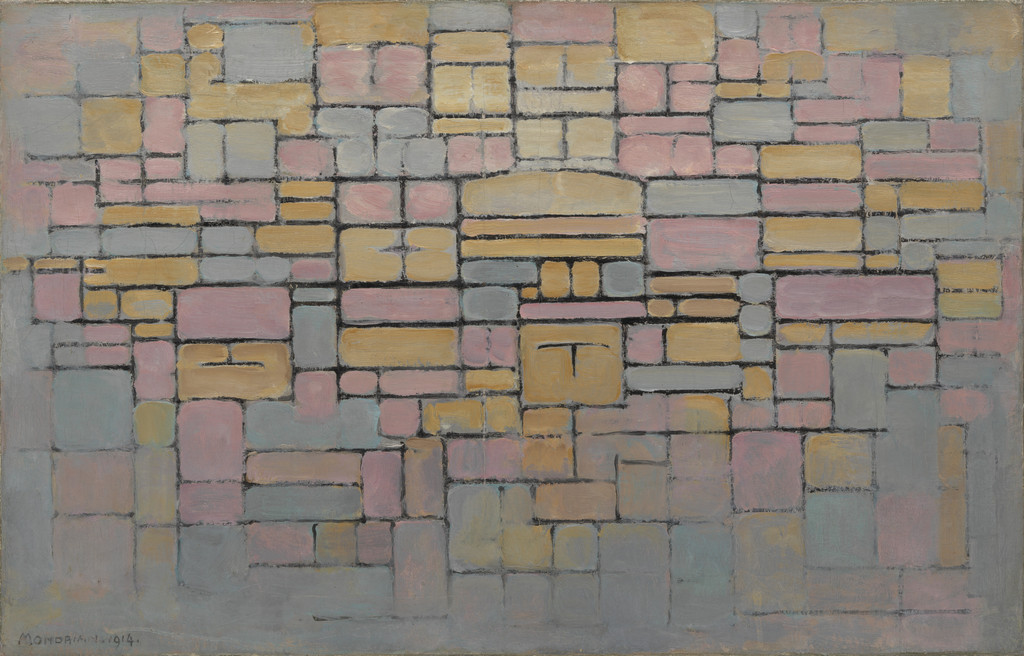
  3. Tableau no. 2 / Composition no. V
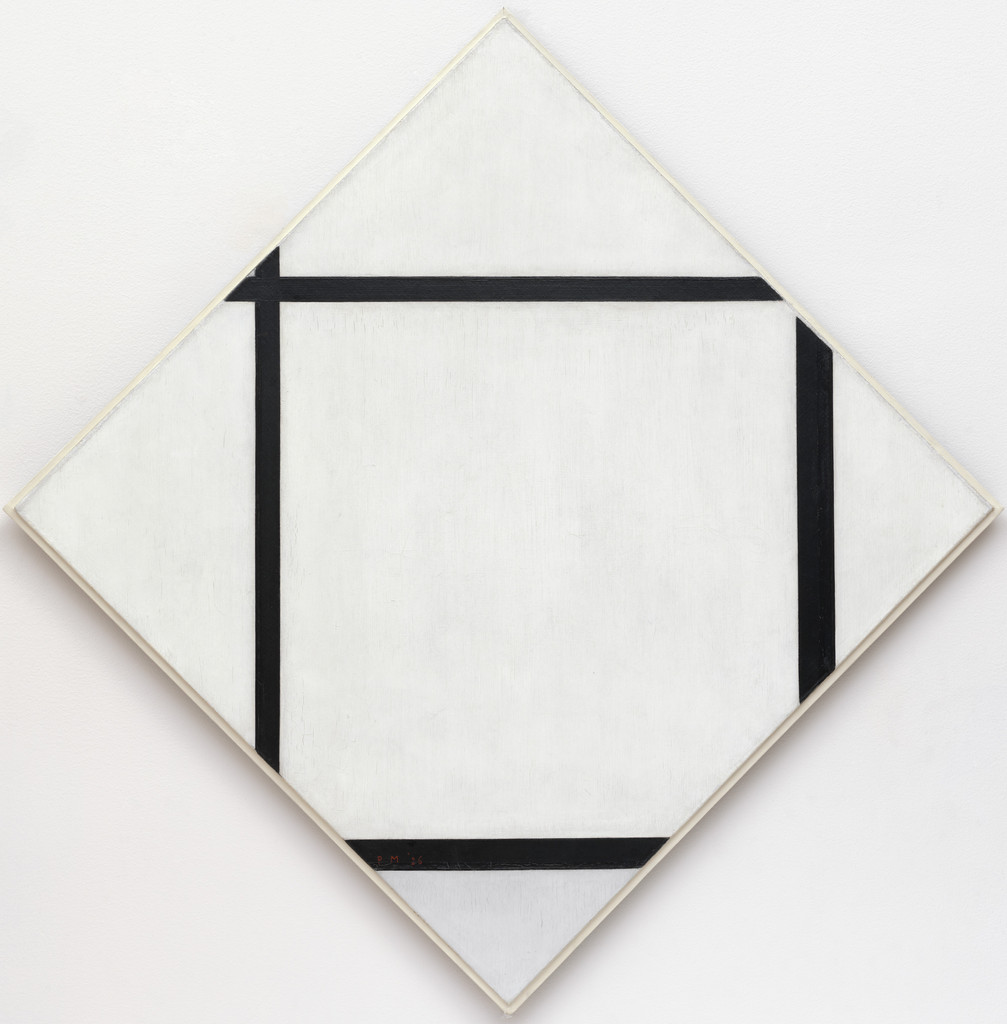
Tableau no. 2 / Composition no. V, Piet Mondrian, 1914
Piet Mondrian, portraitPiet MondrianPays-Bas, 1872–1944

Tableau no. 2 / Composition no. V

1914 · Painting

Peut-on la contempler ?

Oui, elle reçoit

Museum of Modern Art

New York, États-Unis

SalleMoMA, 5e étage, 503

Présentée au public. Qui s’en porte garant est indiqué ci-dessous.

Vérifié
il y a 16 jours
Source
Le musée
Sur la cartePage du musée

Notice

1914 · à 42 ans
18721944
Numéro d’inventaire
633.1967

Au catalogue

PeinturesHuilePeinture néerlandaiseModernismeXXe siècle

Sources

  • Museum of Modern Art
  • Image : Museum of Modern Art — © the artist or rights holder

Pendant ce temps, chez Piet Mondrian

La vie entière
  1. 1912–1914

    Move to Paris

    In 1912 Mondrian moved to Paris, where the Cubism of Picasso and Braque showed in his work almost at once: “The Sea” (1912) and his studies of trees from that year still keep a measure of representation but are increasingly dominated by geometric shapes and interlocking planes.

  2. 1912–1917

    The Cubist period

    Mondrian was eager to absorb the influence of Cubism but saw it as a port of call on his artistic journey rather than a destination; his Cubist period lasted from 1912 to 1917.

  3. 1913

    The final break with representation

    In 1913 Mondrian began to fuse his art and his theosophical studies into a theory that signalled his final break from representational painting.

  4. 1914

    The war catches Mondrian in the Netherlands

    While Mondrian was visiting the Netherlands in 1914, the First World War began, forcing him to stay there for the duration of the conflict; in isolation he began to create his own visual language, with works such as “Composition 10 in Black and White” (1915).

  5. 1914–1918

    The artists' colony at Laren

    During the war Mondrian stayed at the Laren artists' colony, where he met Bart van der Leck and Theo van Doesburg, both of whom were pursuing their own journeys toward abstraction.

  6. 1915–1918

    Founding De Stijl with Van Doesburg

    With Theo van Doesburg Mondrian founded De Stijl, the journal of the De Stijl group, in which he first published essays defining his theory, which he called Neoplasticism.

Autres œuvres : Piet Mondrian

Toutes les œuvres
Oostzijdse Mill along the River Gein by Moonlight, Piet Mondriaan, c. 1903

Oostzijdse Mill along the River Gein by Moonlight

c. 1903 · Rijksmuseum Amsterdam

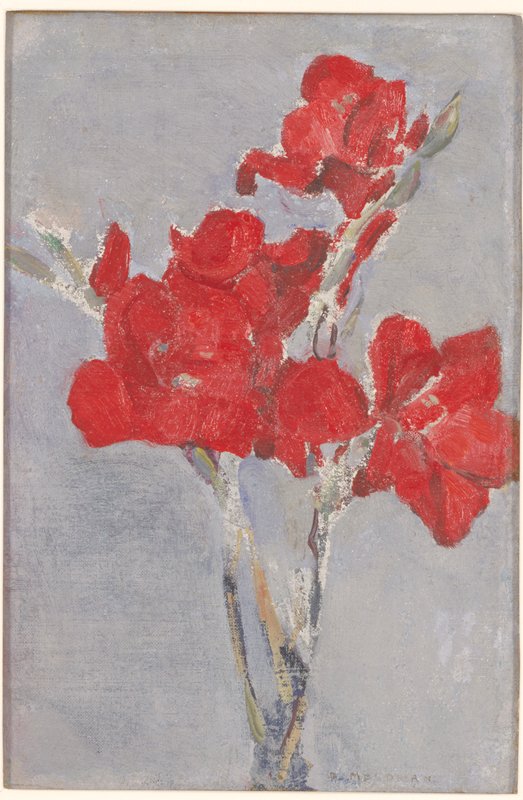
Red Gladioli, Piet Mondrian, c. 1906

Red Gladioli

c. 1906 · Minneapolis Institute of Art

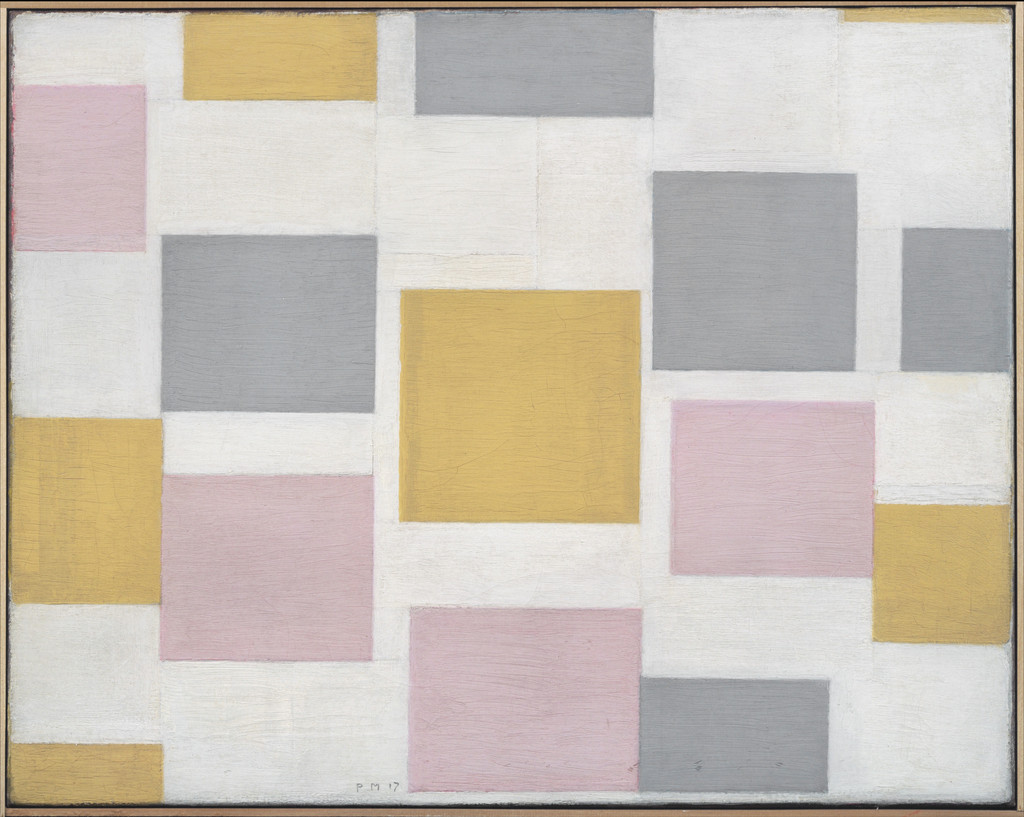
Composition with Color Planes 5, Piet Mondrian, 1917

Composition with Color Planes 5

1917 · Museum of Modern Art

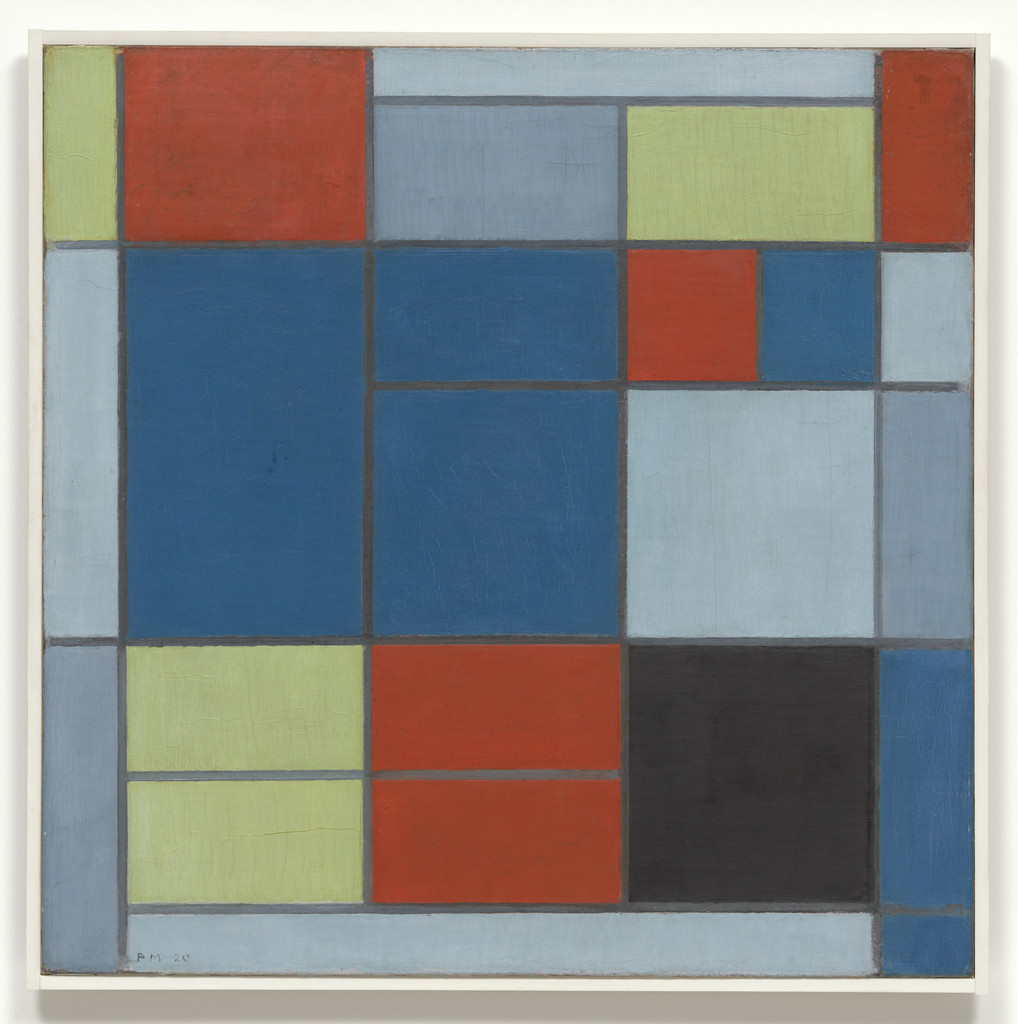
Composition C, Piet Mondrian, 1920

Composition C

1920 · Museum of Modern Art

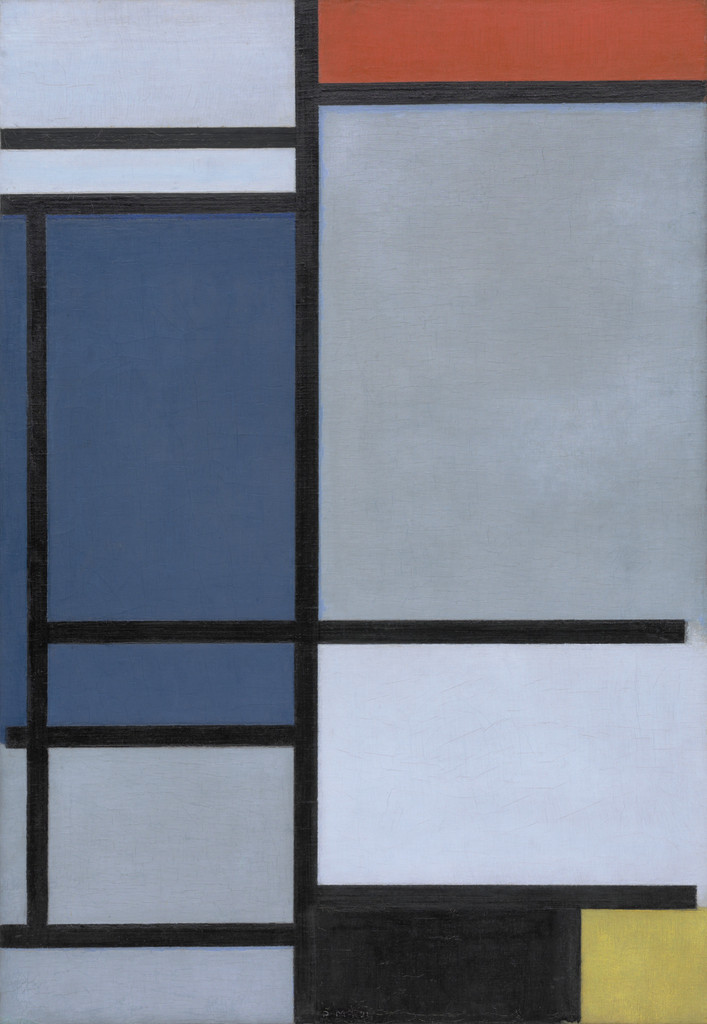
Composition with Red, Blue, Black, Yellow, and Gray, Piet Mondrian, 1921

Composition with Red, Blue, Black, Yellow, and Gray

1921 · Museum of Modern Art

Tableau No. IV; Lozenge Composition with Red, Gray, Blue, Yellow, and Black, Piet Mondrian, c. 1924/1925

Tableau No. IV; Lozenge Composition with Red, Gray, Blue, Yellow, and Black

c. 1924/1925 · National Gallery of Art

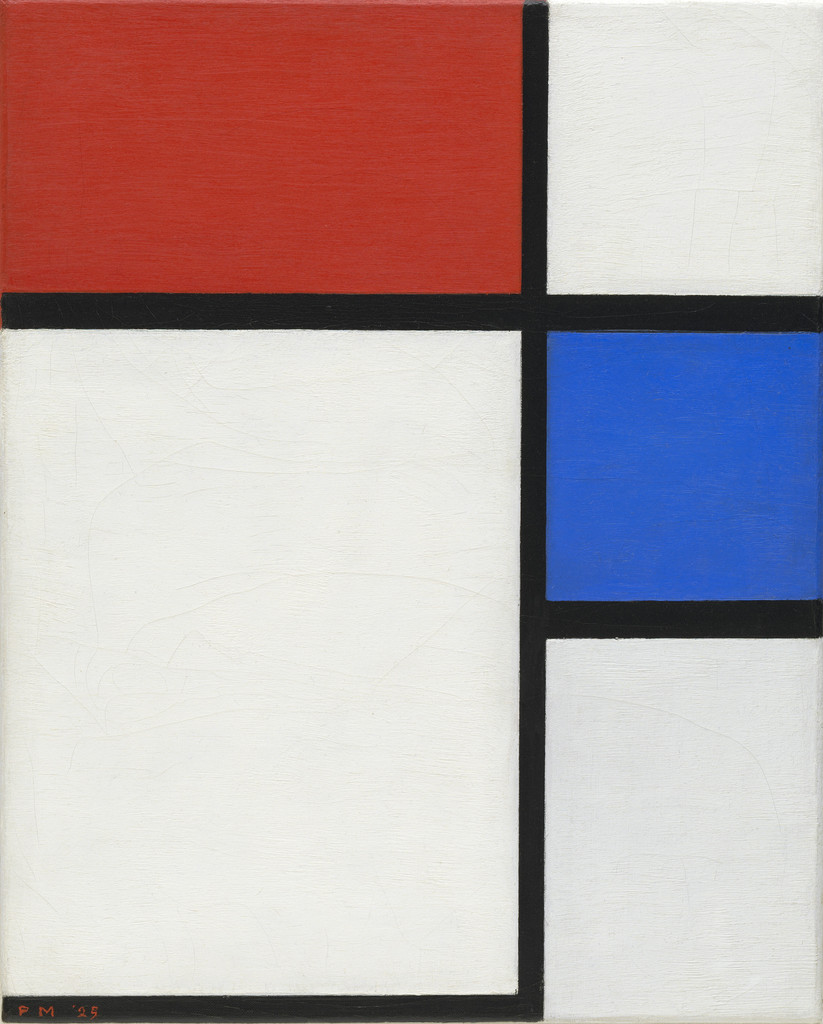
Composition No. II, with Red and Blue, Piet Mondrian, 1929 (original date partly obliterated; mistakenly repainted 1925 by Mondrian)

Composition No. II, with Red and Blue

1929 (original date partly obliterated; mistakenly repainted 1925 by Mondrian) · Museum of Modern Art

Tableau I: Lozenge with Four Lines and Gray, Piet Mondrian, 1926

Tableau I: Lozenge with Four Lines and Gray

1926 · Museum of Modern Art

Dans la même salle · MoMA, Floor 5, 503, Museum of Modern Art

Page du musée
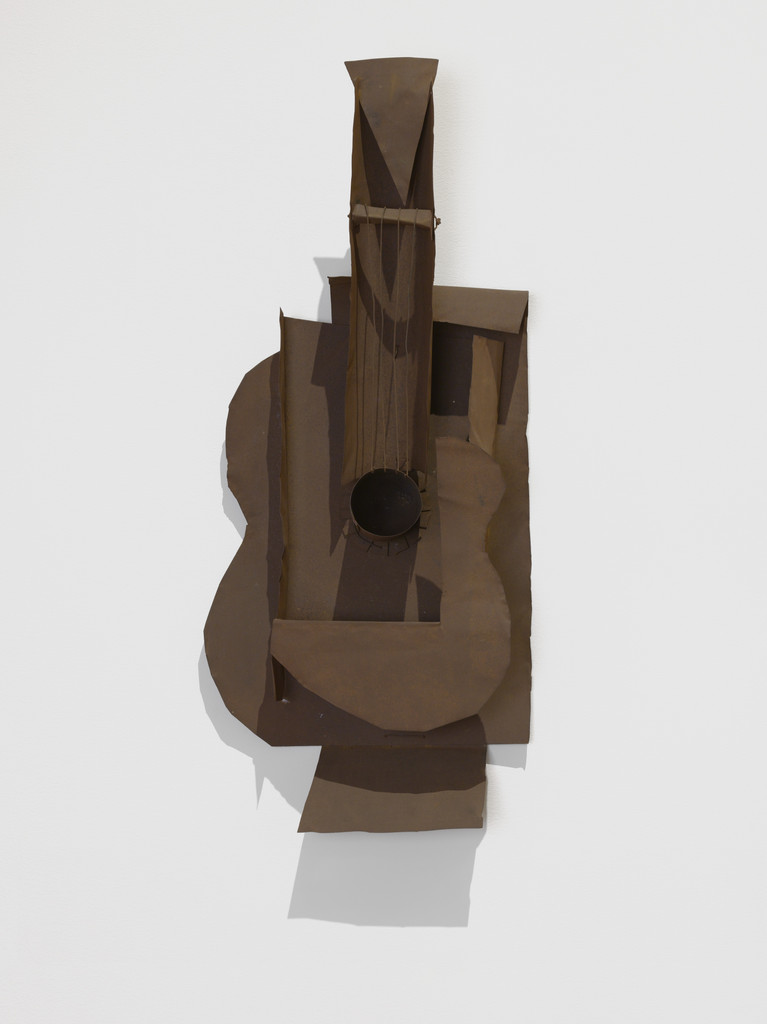
Guitar, Pablo Picasso, Paris, January–February 1914

Pablo Picasso

Guitar, Paris, January–February 1914

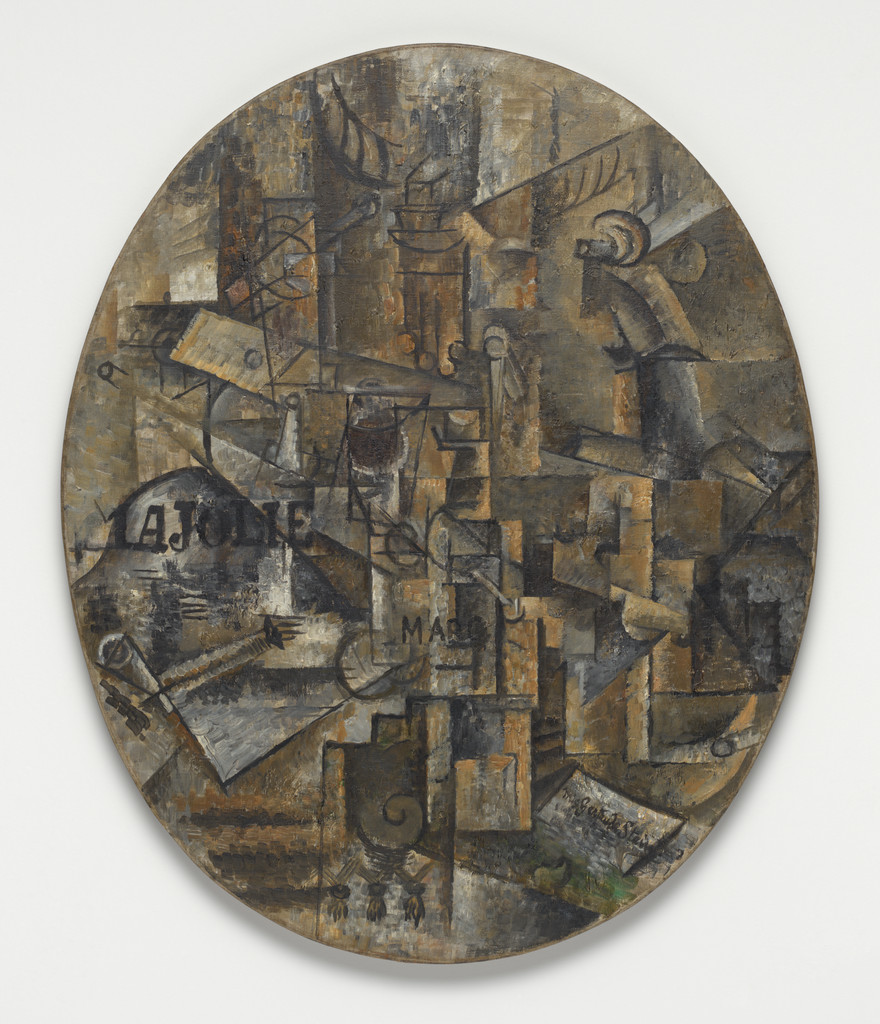
The Architect's Table, Pablo Picasso, Paris, early 1912

Pablo Picasso

The Architect's Table, Paris, early 1912

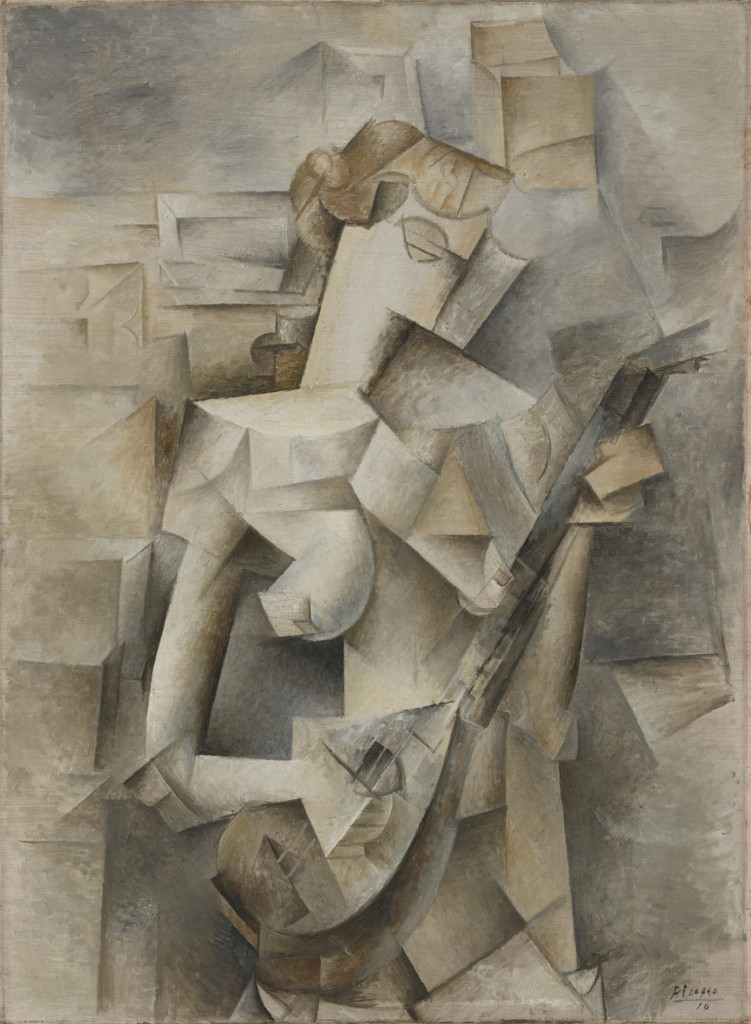
Girl with a Mandolin (Fanny Tellier), Pablo Picasso, Paris, late spring 1910

Pablo Picasso

Girl with a Mandolin (Fanny Tellier), Paris, late spring 1910

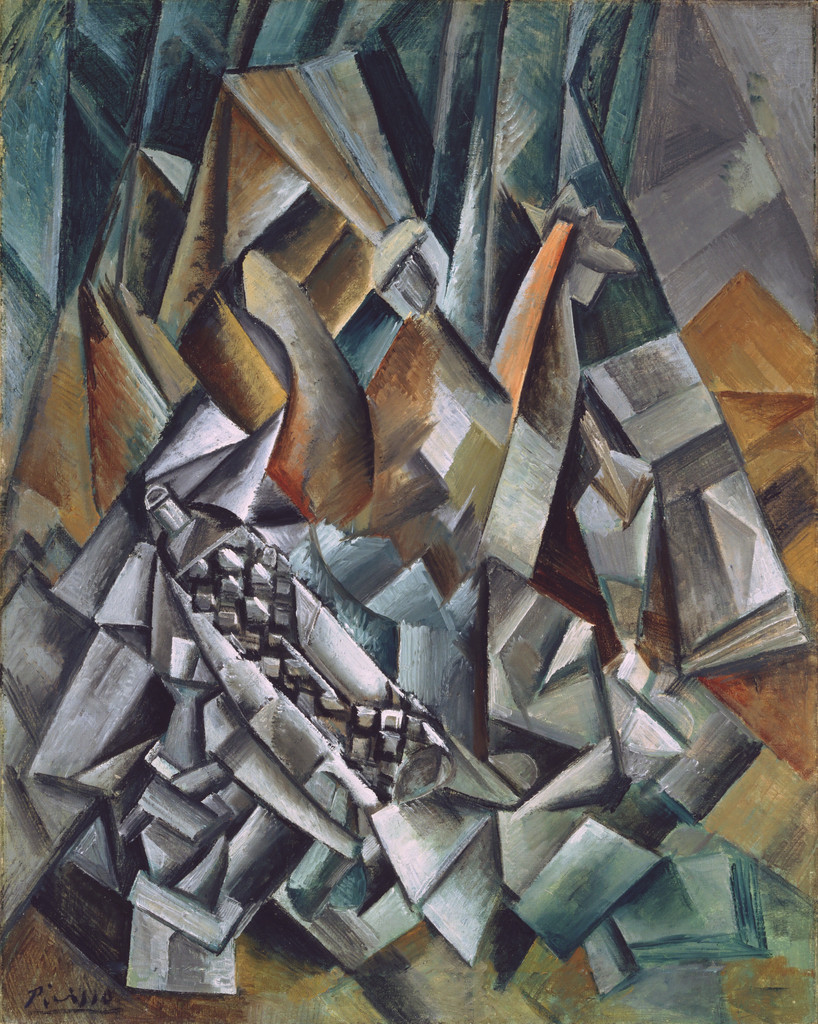
Still Life with Liqueur Bottle, Pablo Picasso, Horta de San Joan, August 1909

Pablo Picasso

Still Life with Liqueur Bottle, 1909

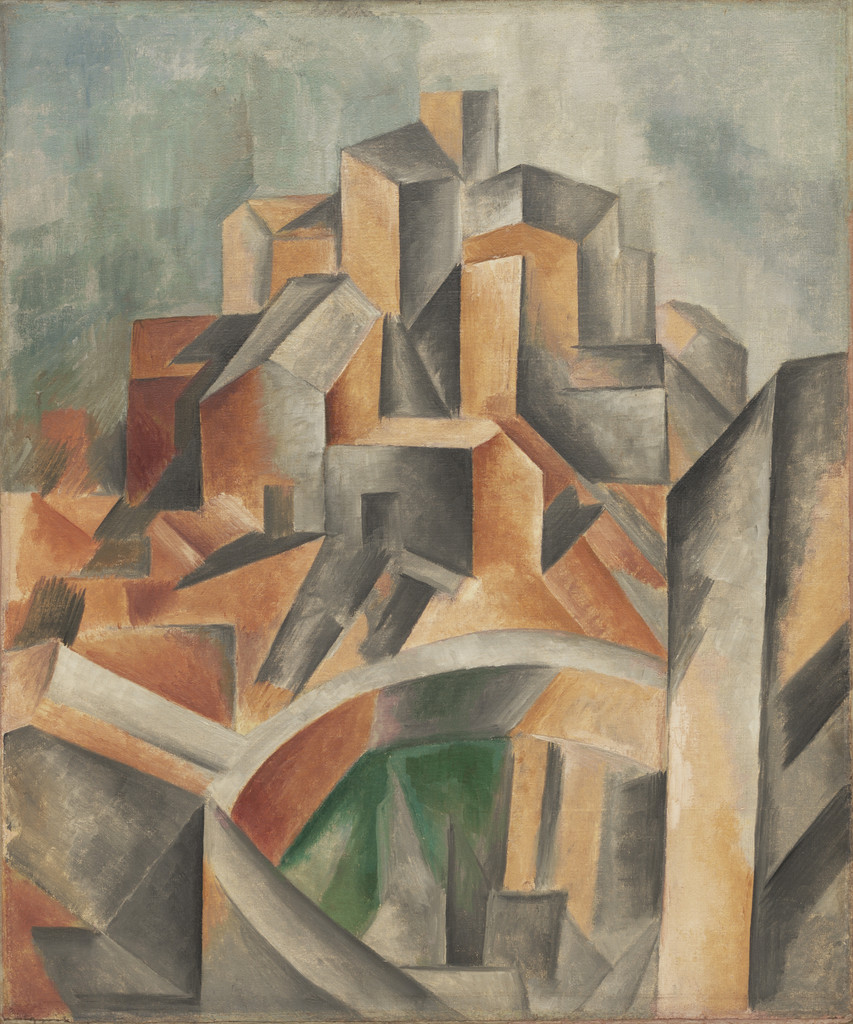
The Reservoir, Horta de Ebro, Pablo Picasso, Horta de Sant Joan, summer 1909

Pablo Picasso

The Reservoir, Horta de Ebro, Horta de Sant Joan, summer 1909

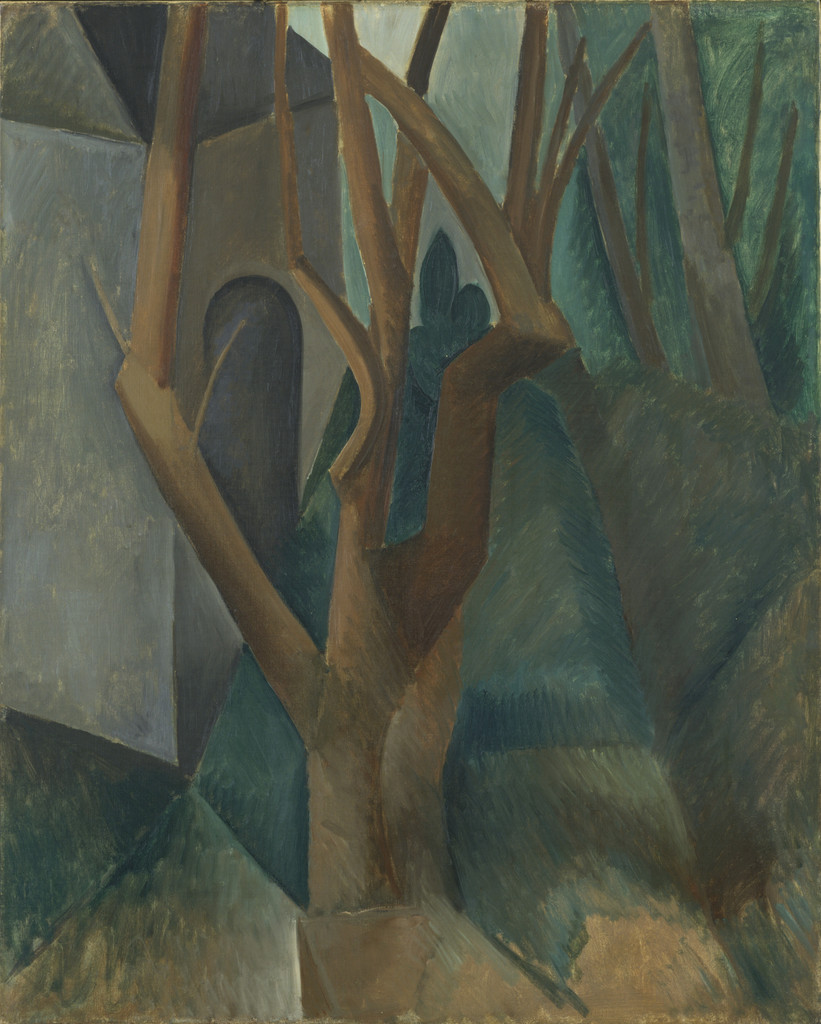
Landscape, Pablo Picasso, La Rue des Bois or Paris, August or September 1908

Pablo Picasso

Landscape, La Rue des Bois or Paris, August or September 1908

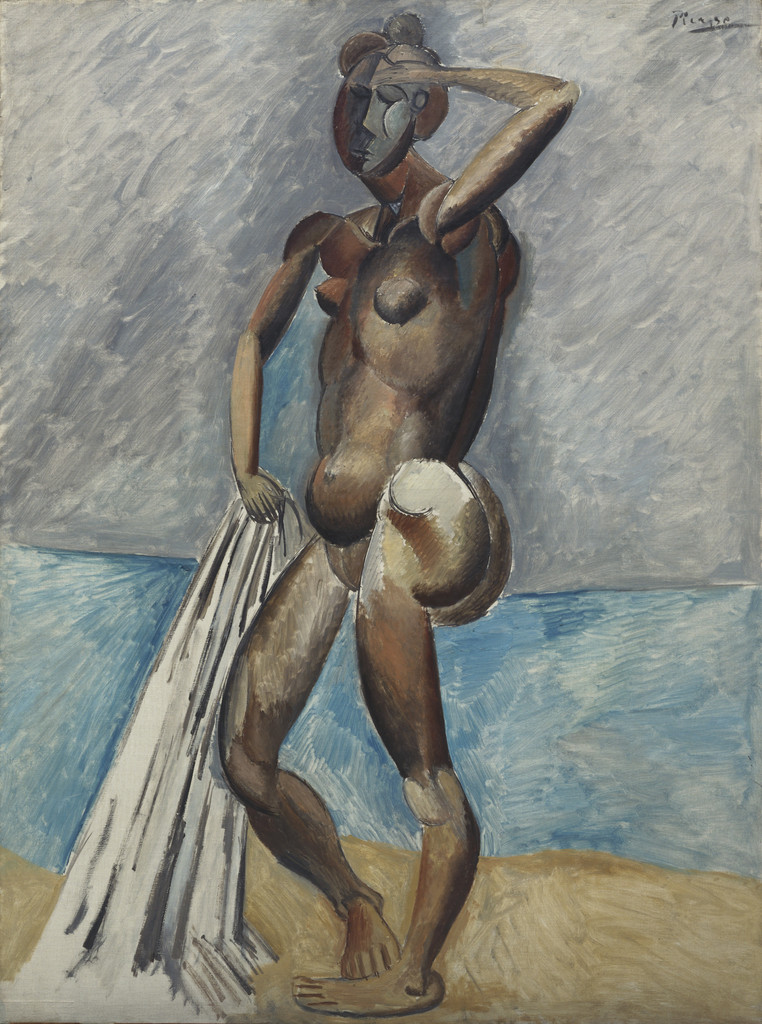
Bather, Pablo Picasso, winter 1908-09

Pablo Picasso

Bather, winter 1908-09

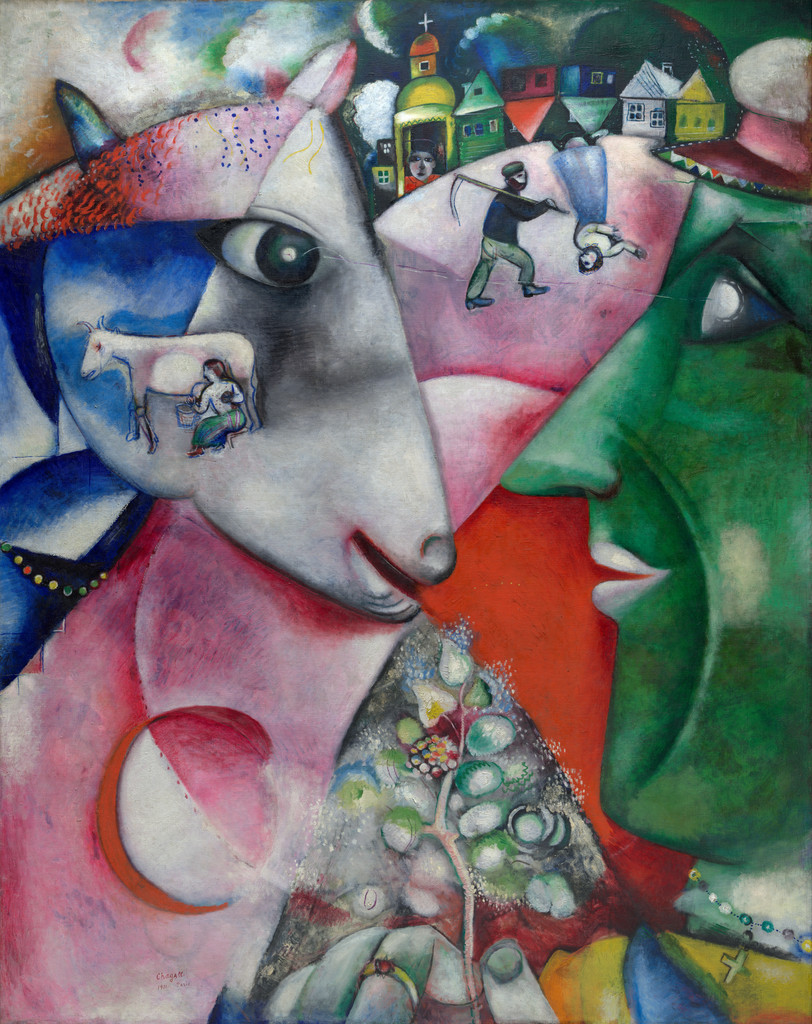
I and the Village, Marc Chagall, 1911

Marc Chagall

Moi et le village, 1911