ART WIKI32 979 en salle
CarteCollectionArtistesMuséesExpositionsJournal
Connexion

ART WIKI

Où est accroché le chef-d’œuvre, et quand on vous laisse entrer.

Collections : Art Institute of Chicago, Cleveland Museum of Art, Galerie Tretiakov, Hirshhorn Museum and Sculpture Garden, J. Paul Getty Museum, Metropolitan Museum of Art, Minneapolis Institute of Art, Musée de l'Ermitage, Musée des Beaux-Arts Pouchkine, Musée du Louvre, musée national d'art asiatique, Musée russe, Musées d'Art de Harvard, Museum of Modern Art, National Gallery of Art, National Portrait Gallery, Rijksmuseum Amsterdam, Smithsonian American Art Museum, Statens Museum for Kunst, Victoria and Albert Museum, Villa Getty, Whitney Museum of American Art, Catalogue d’État du fonds muséal de Russie (274 musées), Europeana (19 musées), Wikidata (6 musées), Paris Musées (12 musées) et Joconde, la base des musées du ministère de la Culture (495 musées). Les images appartiennent à leurs ayants droit.

Rubriques

  • Carte
  • Recherche
  • Collection
  • Chefs-d’œuvre
  • Exposées en ce moment
  • Artistes

Et aussi

  • Musées et galeries
  • Expositions
  • Journal
  • D’où viennent les données
  • Confidentialité et cookies
AccueilCarteCatalogue
  1. Collection/
  2. Musée national d'Art de Roumanie/
  3. Supliciu
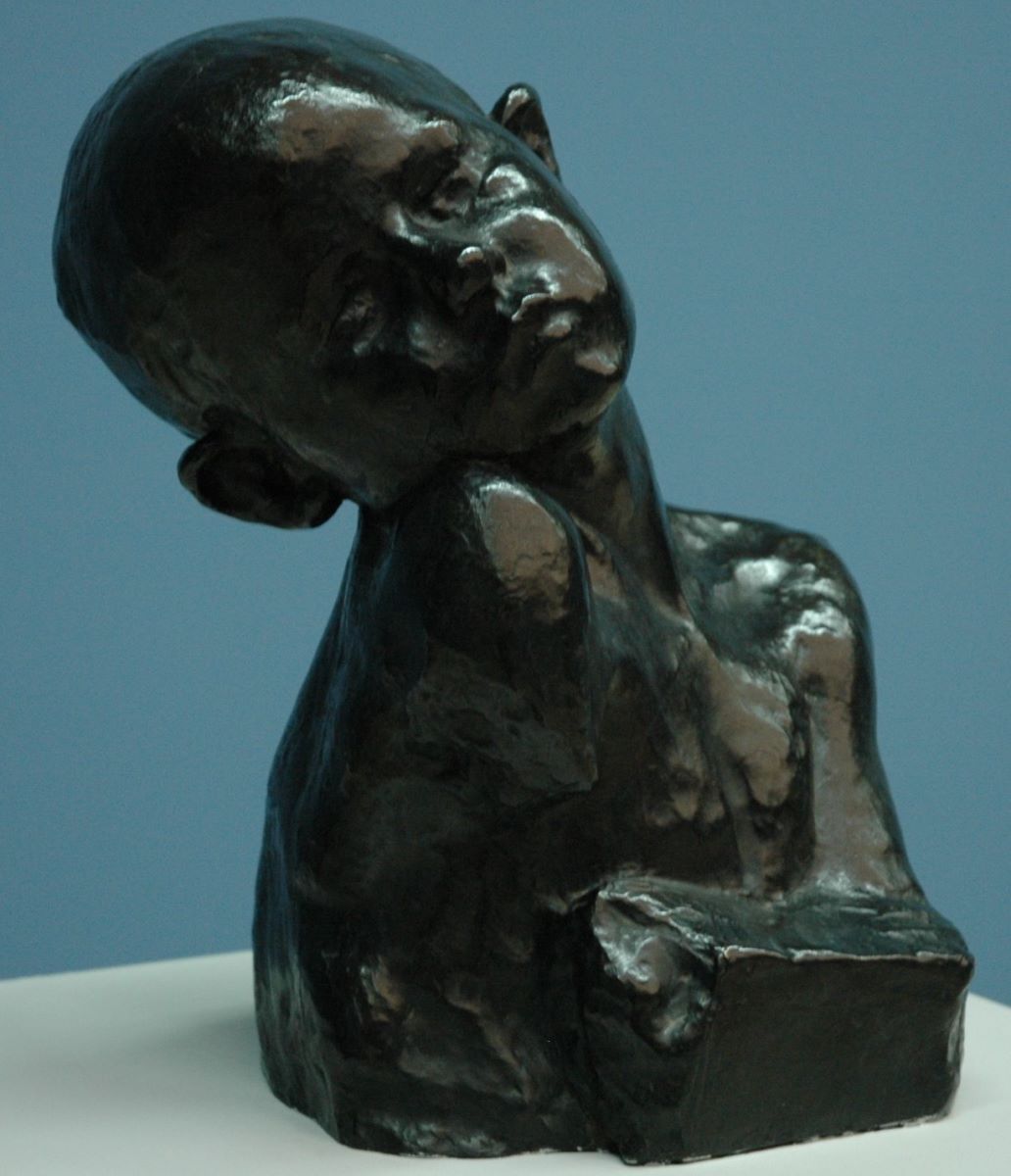
Supliciu, Constantin Brâncuși, 1906
Constantin Brancusi, portraitConstantin BrancusiRoumanie, 1876–1957

Supliciu

1906 · Sculpture

Peut-on la contempler ?

Inconnu

Musée national d'Art de Roumanie

Bucarest, Roumanie

Le propriétaire est connu ; on ignore si l’œuvre est exposée aujourd’hui.

Dans cet état depuis
27 sept. 2026
Source
Le musée
Sur la cartePage du musée

À propos de la sculpture

Selon le musée — en roumain

Supliciu apare în mai multe variante între 1906-1907, fiecare avand o forma ușor modificată și fiind creată din materiale diferite. Este o aprofundare a temei "copilului", sculptorul încercând să redea starea sufletească a modelului. Pentru a accentua suferința modelului, artistul a suprimat partea de jos a bustului și antebrațul stâng. Semnat stânga jos C. Brâncuși.

Musée national d'Art de Roumanie

Notice

1906 · à 30 ans
18761957

Au catalogue

SculptureModernismeXXe siècle

Sources

  • Musée national d'Art de Roumanie
  • Image : Musée national d'Art de Roumanie — CC BY-SA 4.0

Pendant ce temps, chez Constantin Brancusi

La vie entière
  1. 1903 – 14 July 1904

    On foot from Bucharest to Paris

    Later in 1903 Brâncuși leaves Bucharest for Western Europe, walking much of the way and working along the road to support himself; passing through Vienna, Munich and Basel, where he stays for a time, he arrives in Paris on 14 July 1904. Other accounts put his departure in 1902 and name poverty, indifference to his work and the coarse manners of his compatriots as the reasons.

  2. 1904

    The first months in Paris: a dishwasher

    During his first months in Paris Brâncuși works as a dishwasher at the Brasserie Chartier; when money is scarce, he assists at services in the Romanian Orthodox church on rue Jean-de-Beauvais.

  3. June 1905

    The École des Beaux-Arts: Mercié’s class and a scholarship

    In June 1905 Brâncuși passes the entrance examination for the École des Beaux-Arts in Paris and enters the sculpture class of Antonin Mercié. From 1905 to 1908 he receives an annual scholarship from the Romanian Ministry of Education.

  4. 1906

    His first Paris salons

    In 1906 Brâncuși exhibits for the first time at the salon of the Société Nationale des Beaux-Arts and at the Salon d’Automne; his works include the plaster sculptures “L’Enfant” and “L’Orgueil”. At the following salon of the Société Nationale he shows “Le Supplice”, a portrait of Nicolae Dărăscu and two heads of children.

  5. 1907

    The turn to direct carving in stone

    In 1907 Brâncuși moves away from modelling in clay, the method used to prepare sculpture for casting, and begins carving stone directly, adding wood soon afterward; he continues to make plaster and bronze versions as well. The methods he learned in Romania remain present in his handling of tools and his sustained contact with the material.

  6. March 1907

    A brief stint with Rodin, and the break

    In March 1907 Brâncuși begins working as an assistant to Auguste Rodin but stays in his studio for only a few weeks (other accounts say two months): he prefers to find his own path and sums up the decision with the words “Nothing grows in the shade of large trees.”

Autres œuvres : Constantin Brancusi

Toutes les œuvres
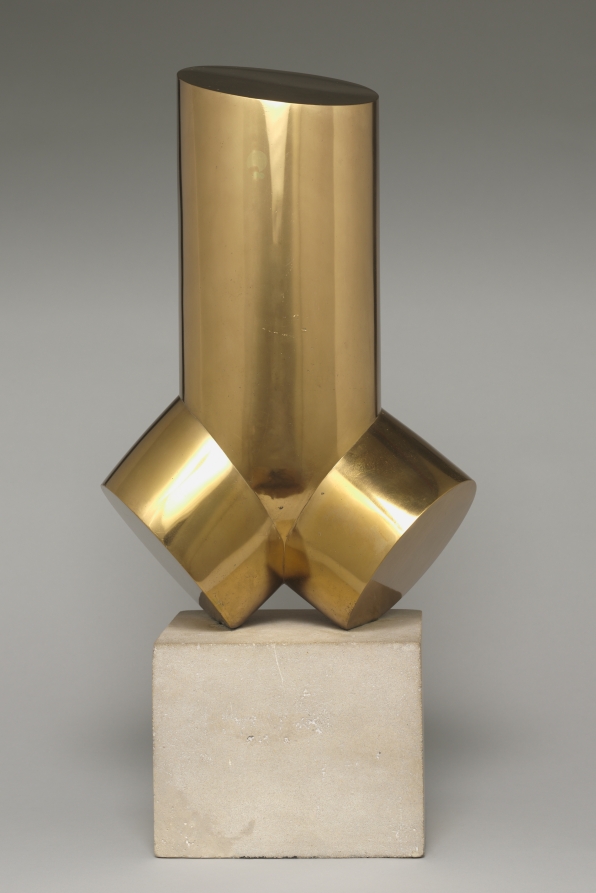
Maiastra, Constantin Brâncuși, c. 1911

Maiastra

c. 1911 · National Gallery of Art

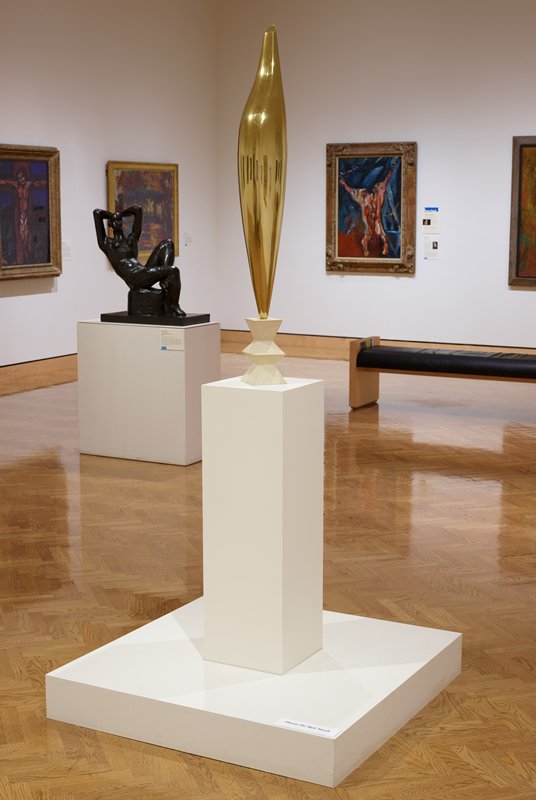
Bird in Space, Constantin Brâncuși, 1925

Bird in Space

1925 · National Gallery of Art

Bird in Space, Constantin Brâncuși, 1927

Bird in Space

1927 · National Gallery of Art

Agnes E. Meyer, Constantin Brâncuși, 1929

Agnes E. Meyer

1929 · National Gallery of Art

Male Torso, Constantin Brancusi, 1917

Male Torso

1917 · Cleveland Museum of Art

Golden Bird, Constantin Brancusi, 1919/20 (base c. 1922)

Golden Bird

1919/20 (base c. 1922) · Art Institute of Chicago

Golden Bird, Constantin Brancusi, c. 1919

Golden Bird

c. 1919 · Minneapolis Institute of Art

Wisdom, Constantin Brancusi, c. 1908

Wisdom

c. 1908 · Art Institute of Chicago

De la collection : Musée national d'Art de Roumanie

Page du musée
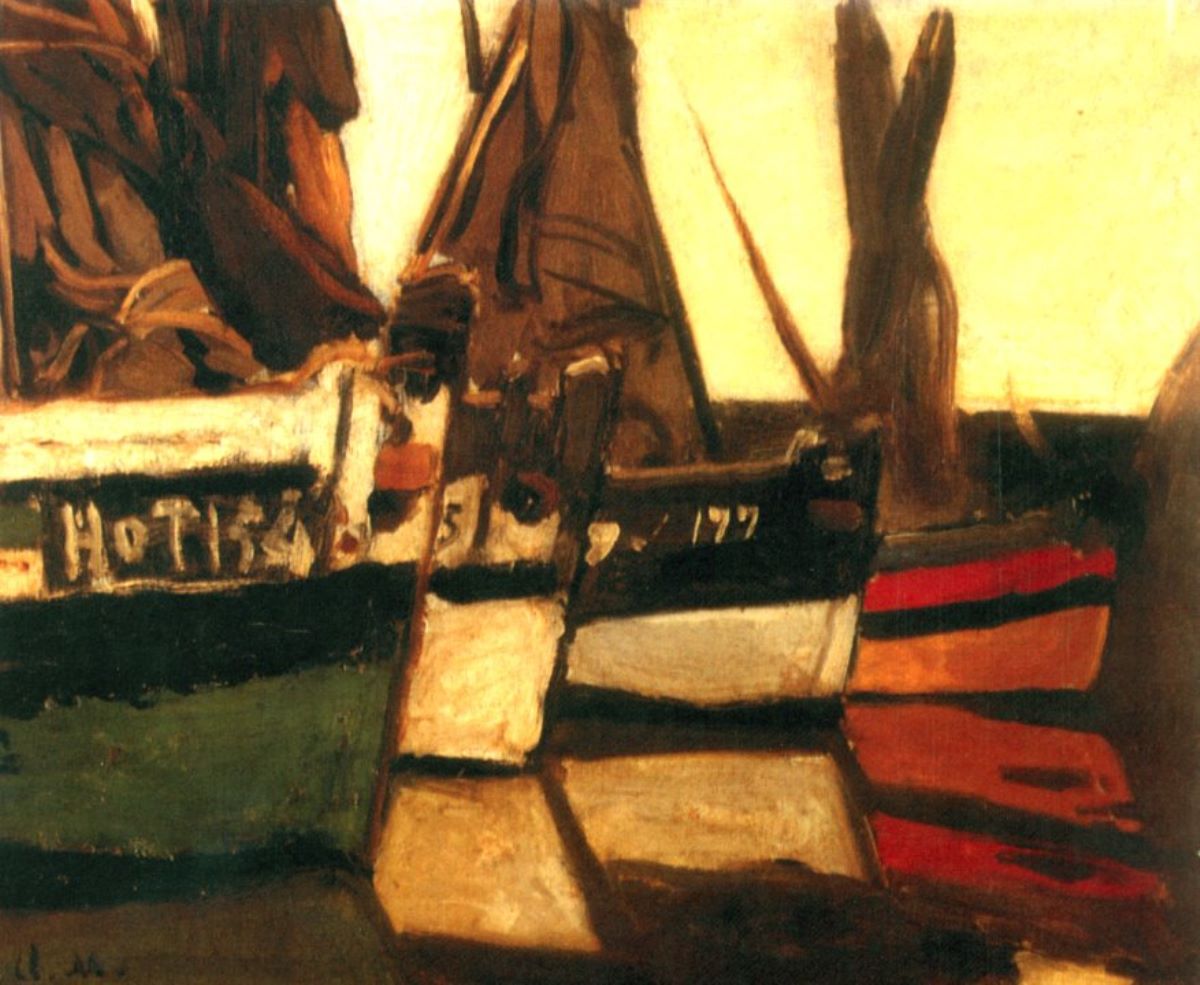
Bateaux de peche, Honfleur/Bărci de pescari la Honfleur, Claude Monet, 1866–1867

Claude Monet

Bateaux de peche, Honfleur/Bărci de pescari la Honfleur, 1866–1867

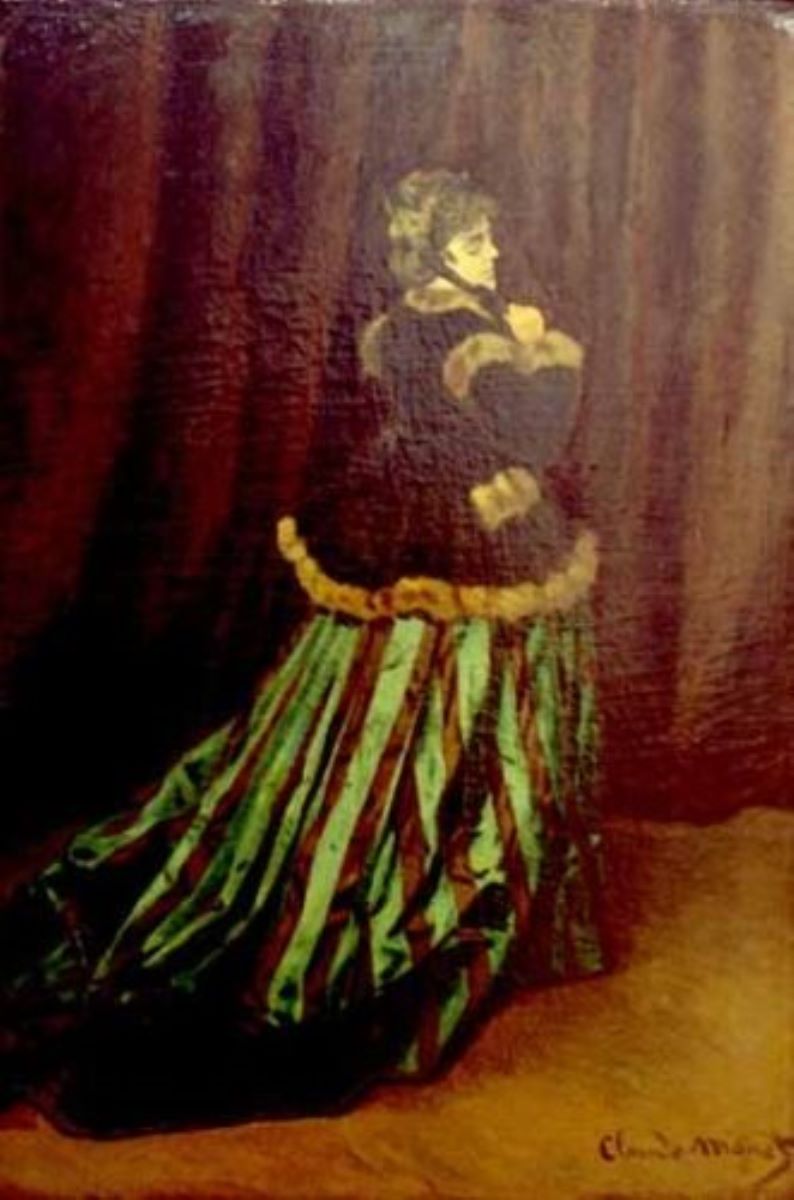
Camille, Claude Monet

Claude Monet

Camille

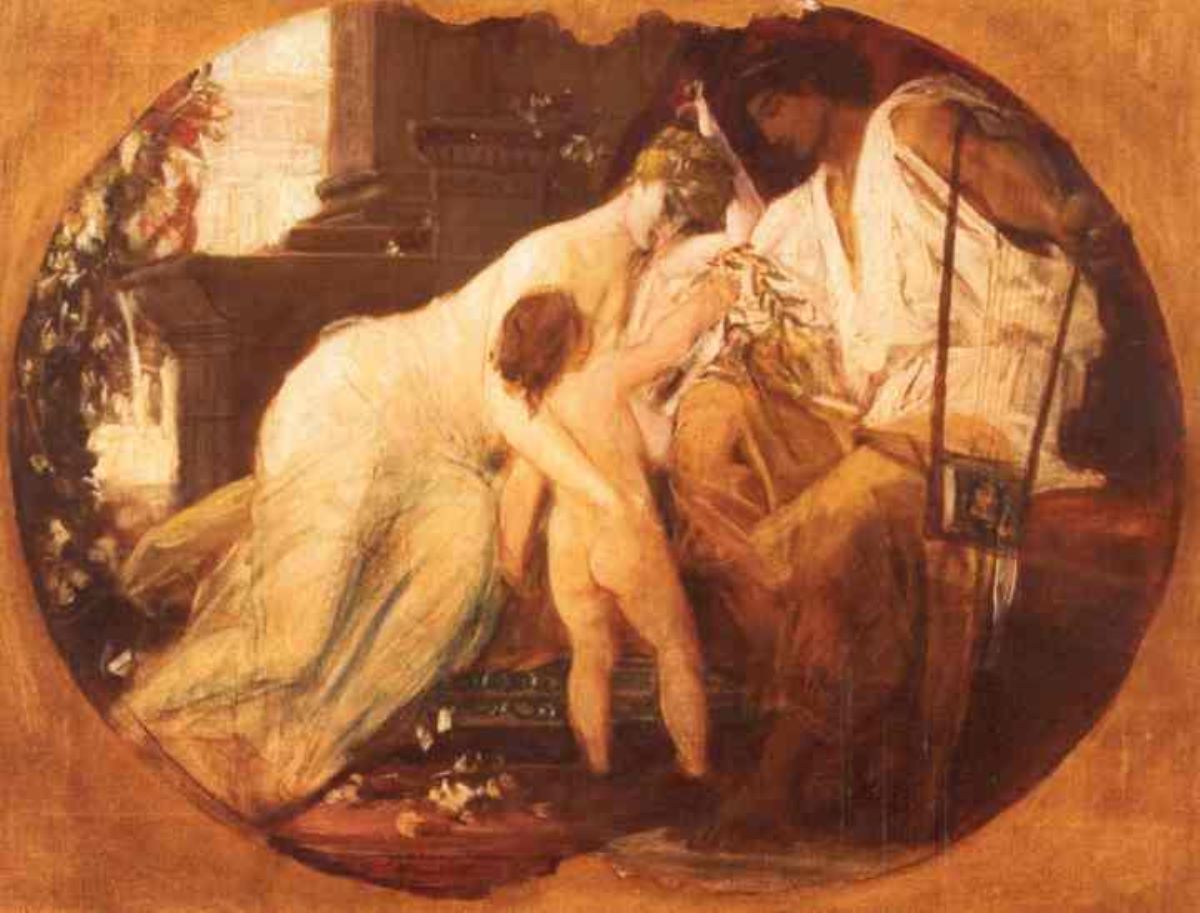
Scenă mitologică, Gustav Klimt, 1884–1885

Gustav Klimt

Scenă mitologică, 1884–1885

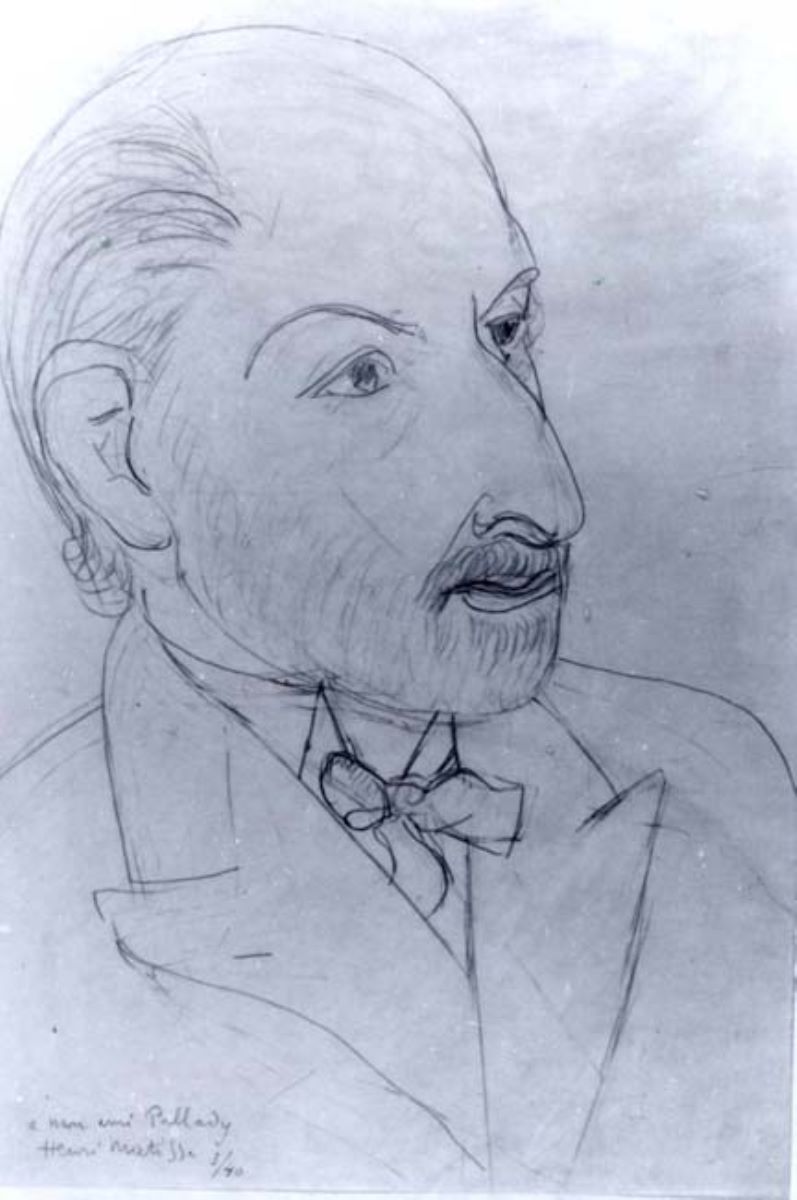
Pictorul Pallady, Henri Matisse, 1940

Henri Matisse

Pictorul Pallady, 1940

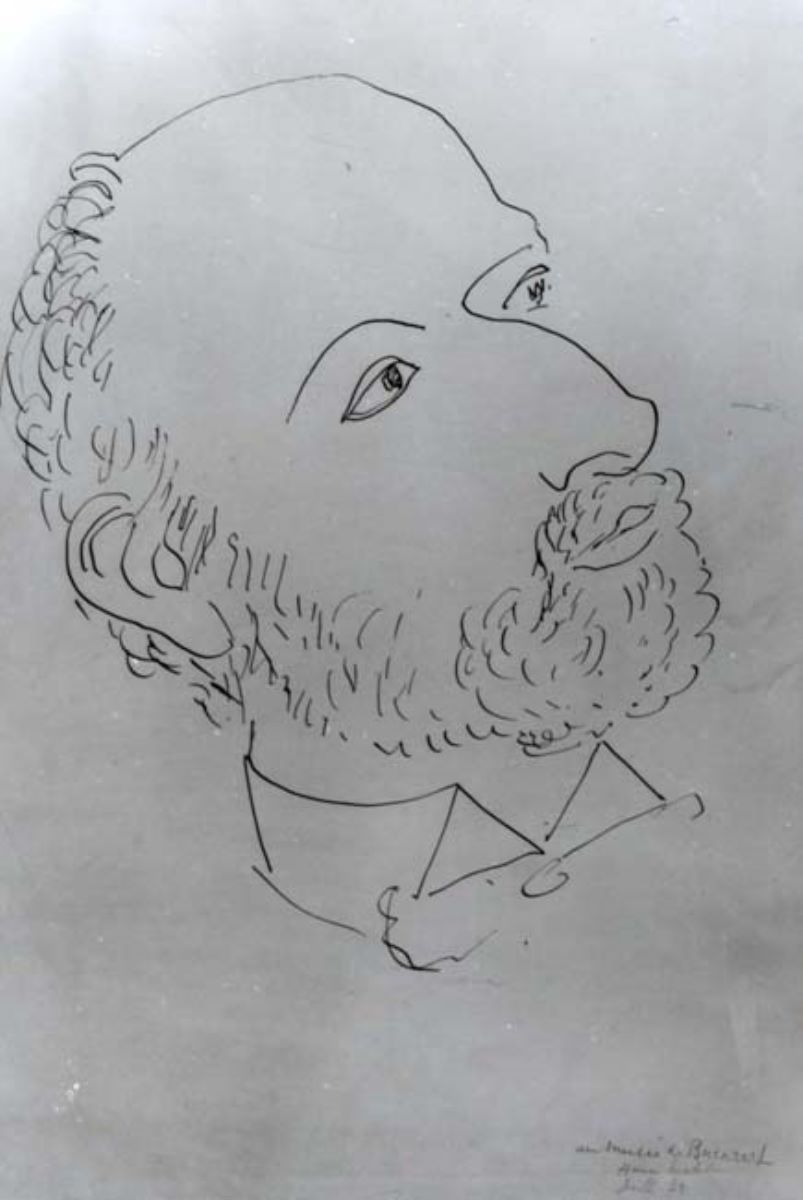
Portret de bărbat, Henri Matisse, 1939

Henri Matisse

Portret de bărbat, 1939

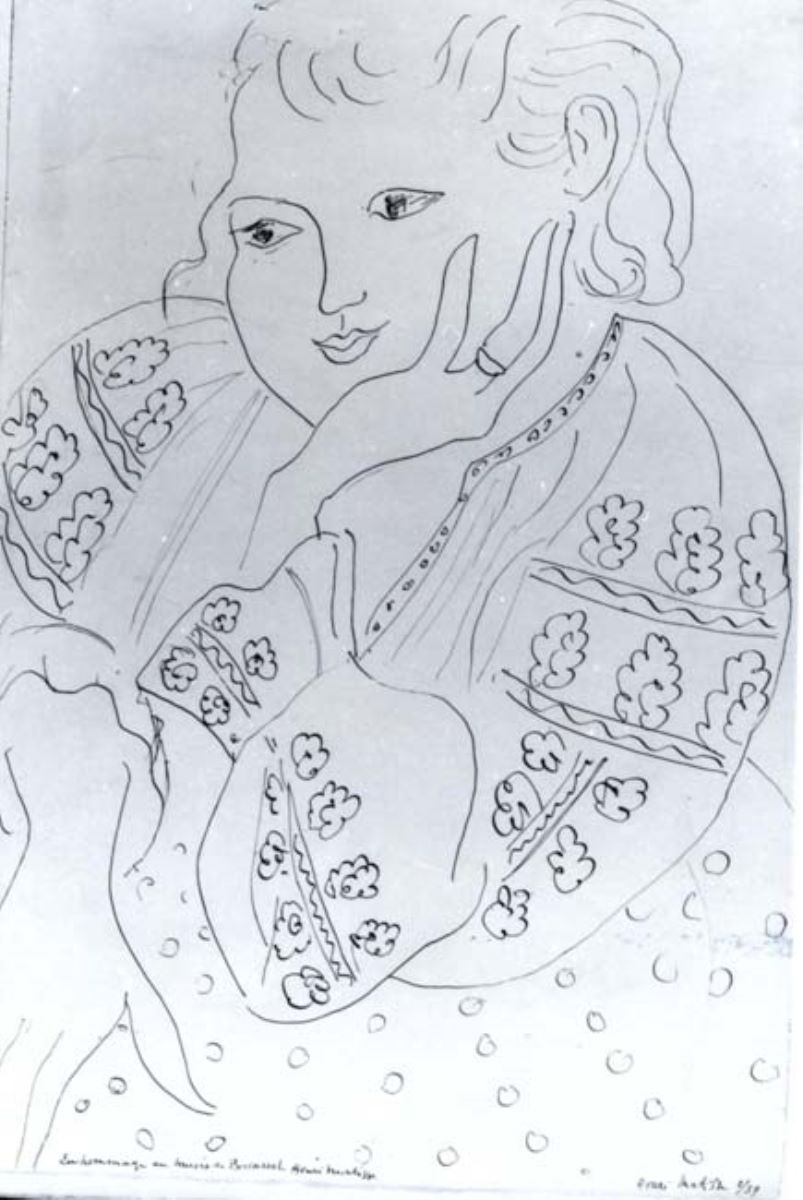
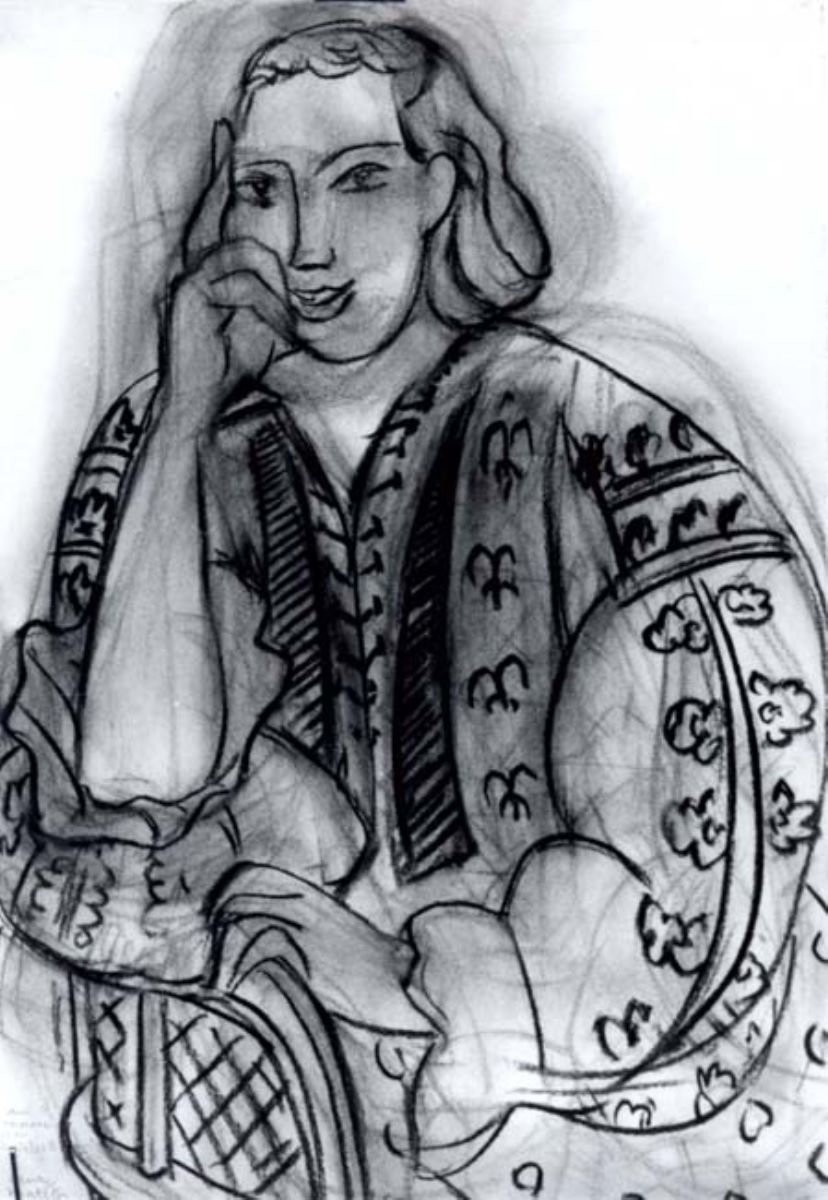
La blouse roumanie, Henri Matisse, 1939

Henri Matisse

La blouse roumanie, 1939

La blouse roumaine, Henri Matisse, 1939

Henri Matisse

La blouse roumaine, 1939

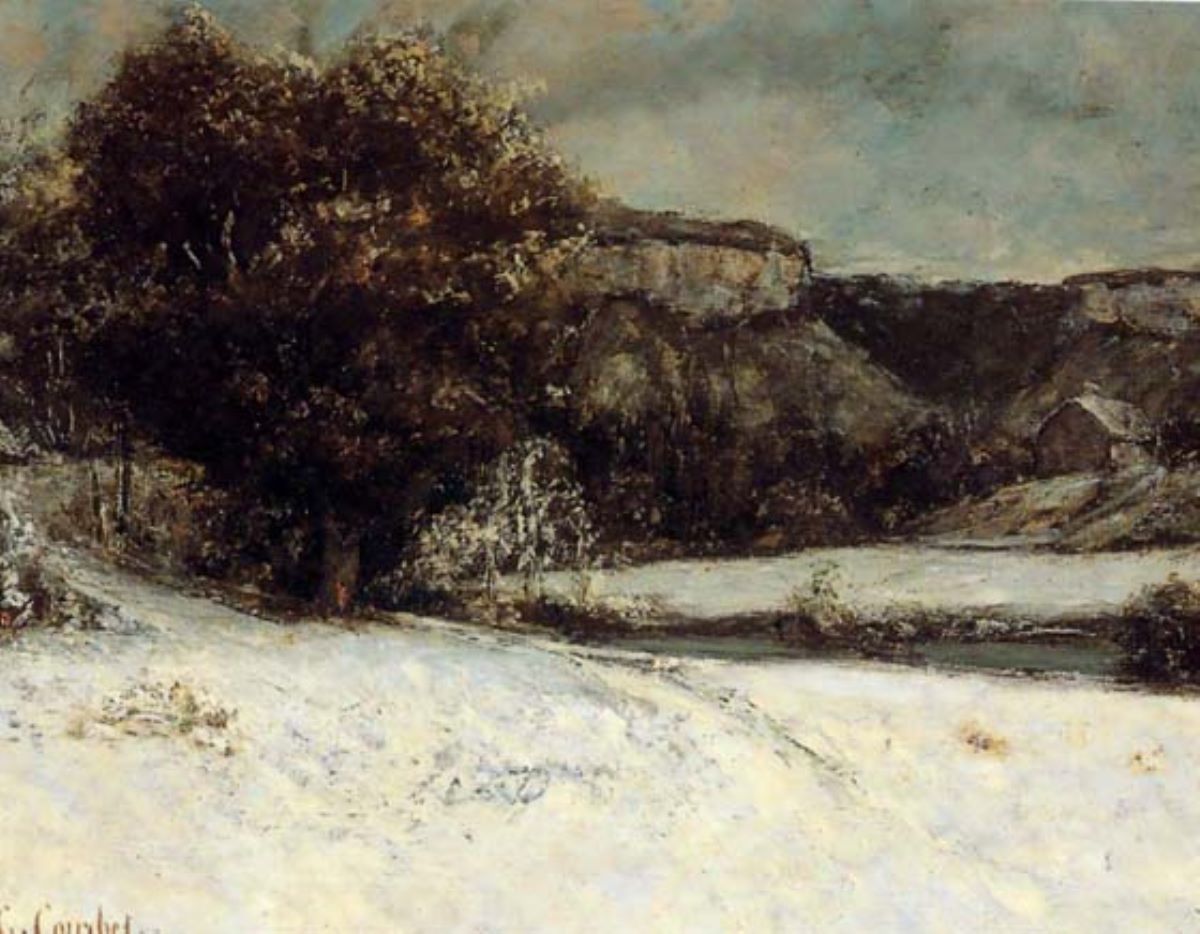
Peisaj de iarnă, Gustave Courbet, 1870–1873

Gustave Courbet

Peisaj de iarnă, 1870–1873