 Peter Paul RubensFlandre, 1577–1640
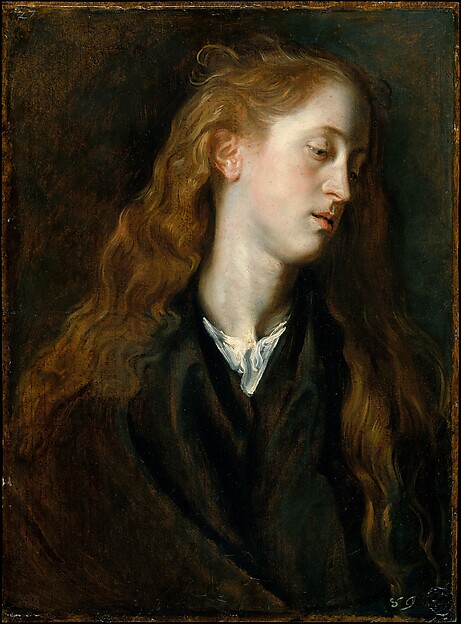
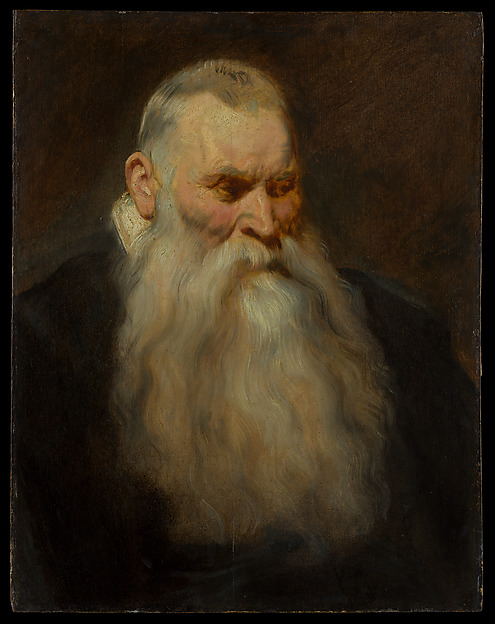
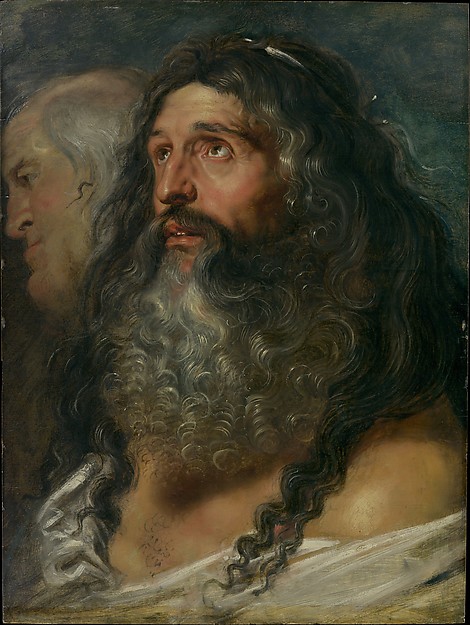
Study of Two Heads
Peut-on la voir ?
Oui, exposée actuellement
Où est « Study of Two Heads » aujourd’hui ? Metropolitan Museum of Art, Salle 639, New York. Oui, exposée actuellement. Vérifié 29 septembre 2026.

New York, États-Unis
Ouvert· jusqu’à 21:00
Présentée au public.
- Vérifié
- Dans cet état depuis
- Source
- Le musée
Notice
- Numéro d’inventaire
- 67.187.99
Ce qu’elle montre
Au catalogue
Sources
- Metropolitan Museum of Art
- Image : Metropolitan Museum of Art — Open Access (CC0)
Dans la vie de Peter Paul Rubens
La vie entièrejuillet 1600 – 5 mai 1608 · Lieu de travail
Mantua
1606–1608
Commission for the High Altar of the Chiesa Nuova
With the assistance of Cardinal Jacopo Serra, Rubens received his most important commission to date — the high altar of the fashionable new Roman church of Santa Maria in Vallicella (Chiesa Nuova); the first version had to be replaced by a second on three slate panels.
28 October 1608
Departure from Italy Forever
Having finished the commission for the Oratorians, Rubens left Rome without permission on 28 October 1608, hurrying to his ailing mother; despite promises to return to Mantua, he never went back to Italy.
3 octobre 1609
Married: Isabella Brant
8 October 1609
Marriage to Isabella Brant
The 32-year-old Rubens married the 18-year-old Isabella Brant, niece of his brother's wife and daughter of the humanist and city secretary Jan Brant; the marriage produced three children.
9 January 1610
Court Painter to the Archducal Couple
After being presented at court in August 1609, Rubens received his patent as court painter to Archduke Albert and the Infanta Isabella; at the same time he secured the right to remain working in Antwerp rather than Brussels, and to be paid a fee for each painting.