ART WIKI32 963 en salle
CarteCollectionArtistesMuséesExpositionsJournal
Connexion

ART WIKI

Où est accroché le chef-d’œuvre, et quand on vous laisse entrer.

Collections : Art Institute of Chicago, Cleveland Museum of Art, Galerie Tretiakov, Hirshhorn Museum and Sculpture Garden, J. Paul Getty Museum, Metropolitan Museum of Art, Minneapolis Institute of Art, Musée de l'Ermitage, Musée des Beaux-Arts Pouchkine, Musée du Louvre, musée national d'art asiatique, Musée russe, Musées d'Art de Harvard, Museum of Modern Art, National Gallery of Art, National Portrait Gallery, Rijksmuseum Amsterdam, Smithsonian American Art Museum, Statens Museum for Kunst, Victoria and Albert Museum, Villa Getty, Whitney Museum of American Art, Catalogue d’État du fonds muséal de Russie (274 musées), Europeana (19 musées), Wikidata (6 musées), Paris Musées (12 musées) et Joconde, la base des musées du ministère de la Culture (495 musées). Les images appartiennent à leurs ayants droit.

Rubriques

  • Carte
  • Recherche
  • Collection
  • Chefs-d’œuvre
  • Exposées en ce moment
  • Artistes

Et aussi

  • Musées et galeries
  • Expositions
  • Journal
  • D’où viennent les données
  • Confidentialité et cookies
AccueilCarteCatalogue
  1. Collection/
  2. Cleveland Museum of Art/
  3. Statue of Gudea
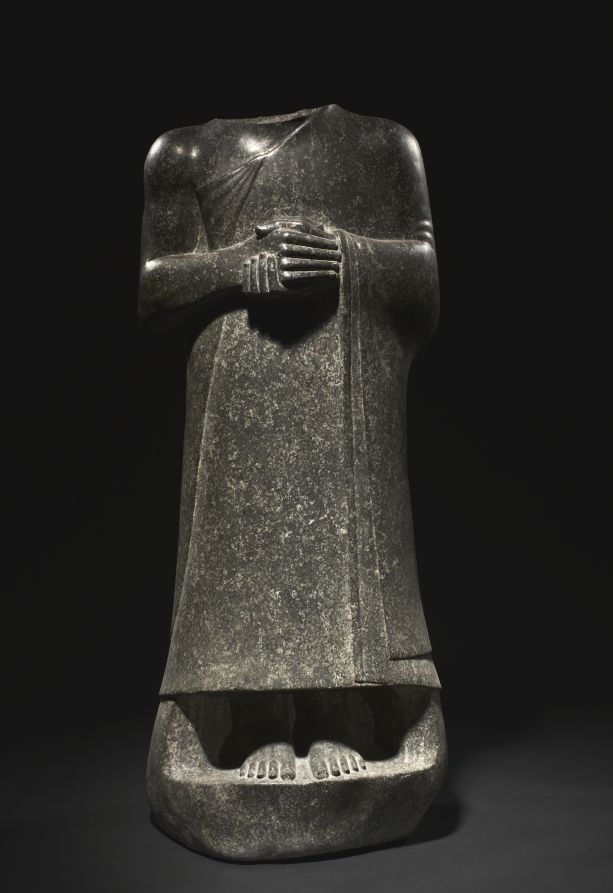
Statue of Gudea, c. 2144–2124 BCE

Statue of Gudea

c. 2144–2124 BCE · Sculpture

Peut-on la contempler ?

Oui, elle reçoit

Cleveland Museum of Art

Cleveland, États-Unis

Salle100 1916 Lobby

Présentée au public. Qui s’en porte garant est indiqué ci-dessous.

Vérifié
il y a 3 jours
Dans cet état depuis
19 août 2026
Source
Le musée
Sur la cartePage du musée

À propos de la sculpture

This headless figure’s clasped hands create a distinctive gesture that recurs frequently on more than 30 recorded statues of the Mesopotamian ruler Gudea. Between c. 2144–2124 BCE, Gudea ruled as ensi (governor) of the city-state of Lagash, located in modern-day Iraq. Scholars have identified more than 2,400 inscriptions that describe his reign, which included patronage of the arts and an extensive building program. Statues like this one would have been placed in temples as stand-ins for Gudea himself, demonstrating his devotion and piety.

Cleveland Museum of Art

Notice

Numéro d’inventaire
1963.154

Dans la même salle · 100 1916 Lobby, Cleveland Museum of Art

Page du musée

Au catalogue

SculptureMesopotamia, Neo-Sumerian, Iraq, Girsu

Sources

  • Cleveland Museum of Art
  • Image : Cleveland Museum of Art — Museum open access
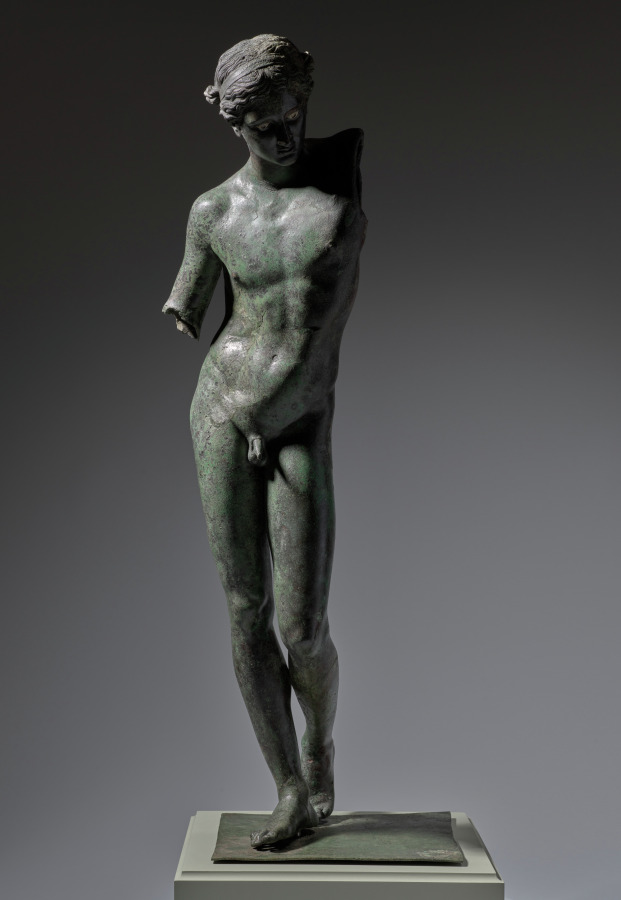
The Cleveland Apollo: Apollo Sauroktonos (Lizard-Slayer) or Apollo the Python-Slayer, Praxiteles, c. 350–200 BCE

Praxiteles

The Cleveland Apollo: Apollo Sauroktonos (Lizard-Slayer) or Apollo the Python-Slayer, c. 350–200 BCE

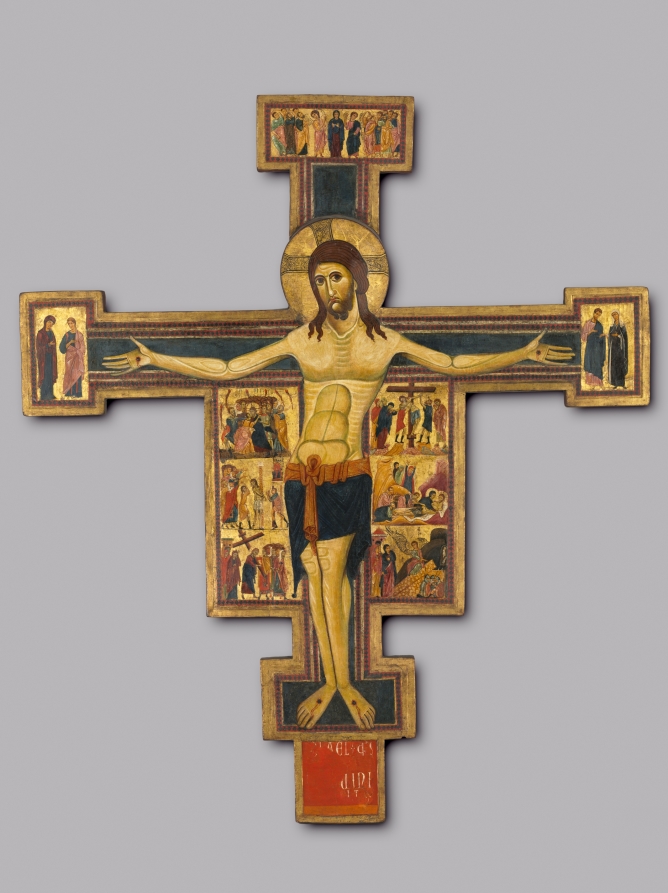
Crucifix with Scenes of the Passion, c. 1230–40

Crucifix with Scenes of the Passion, c. 1230–40

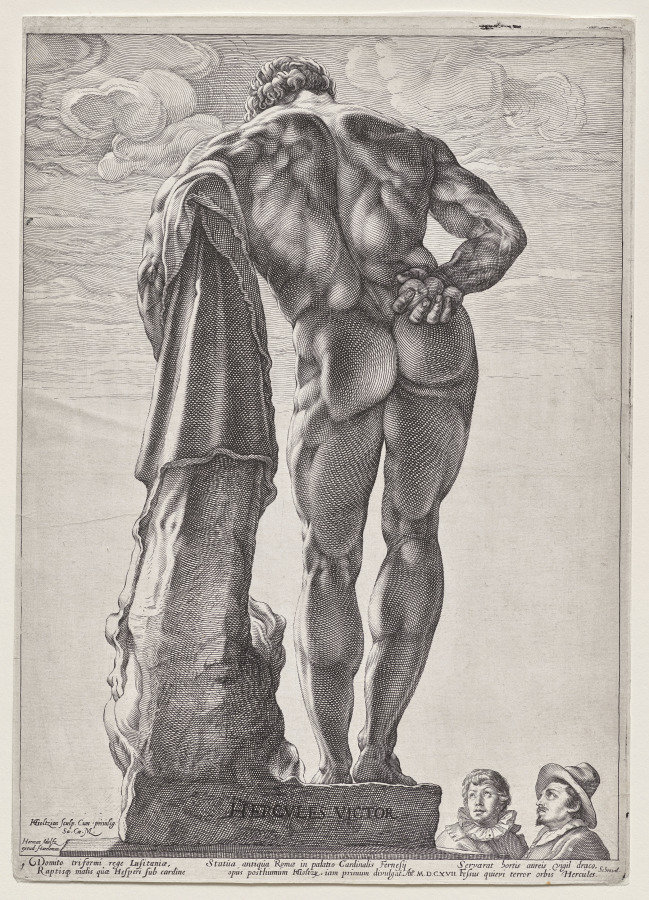
The Farnesian Hercules, Hendrick Goltzius, 1592

Hendrick Goltzius

The Farnesian Hercules, 1592

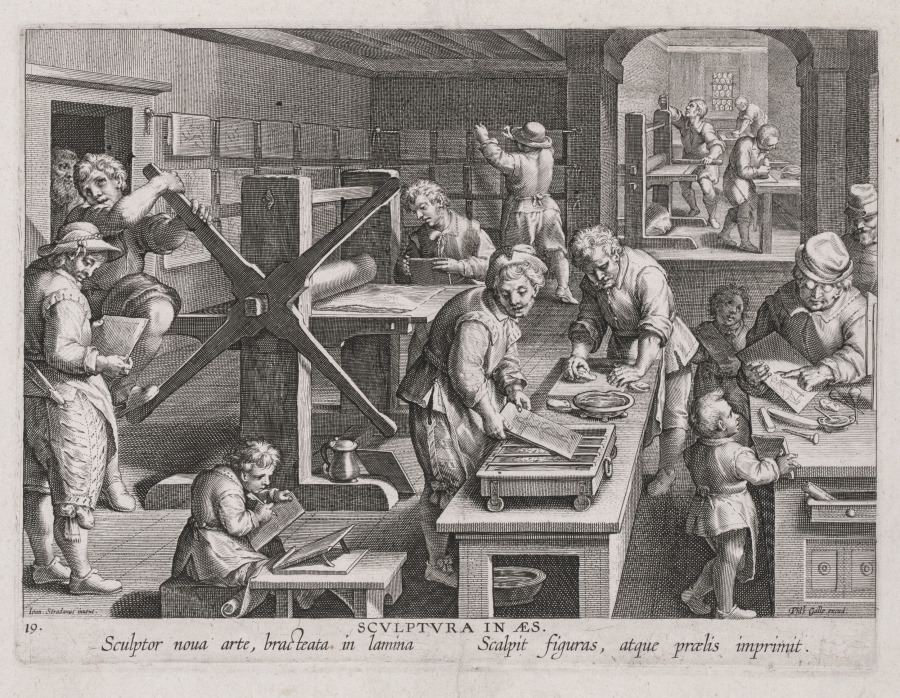
Sculptura in Aes, The Workshop of an Engraver, Jan van der Straet, called Johannes Stradanus, c. 1591

Jan van der Straet, called Johannes Stradanus

Sculptura in Aes, The Workshop of an Engraver, c. 1591

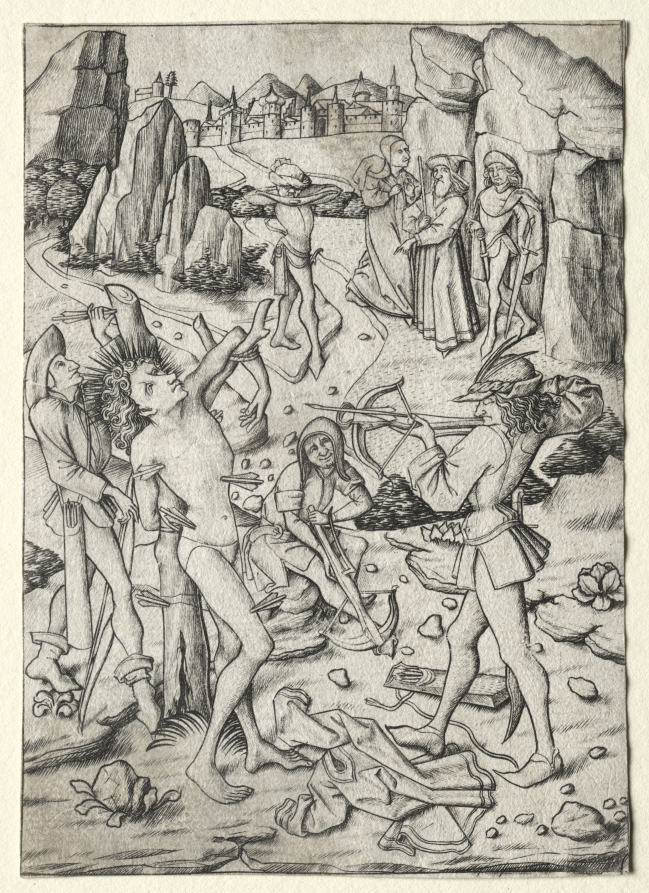
The Martyrdom of St. Sebastian, Master ES, 1450–67

Master ES

The Martyrdom of St. Sebastian, 1450–67

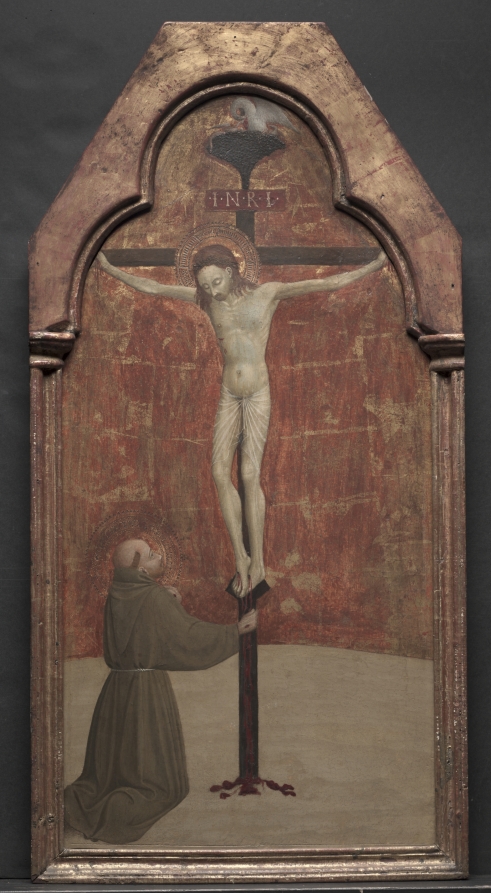
St. Francis Kneeling before Christ on the Cross, Sassetta, 1437–1444

Sassetta

St. Francis Kneeling before Christ on the Cross, 1437–1444

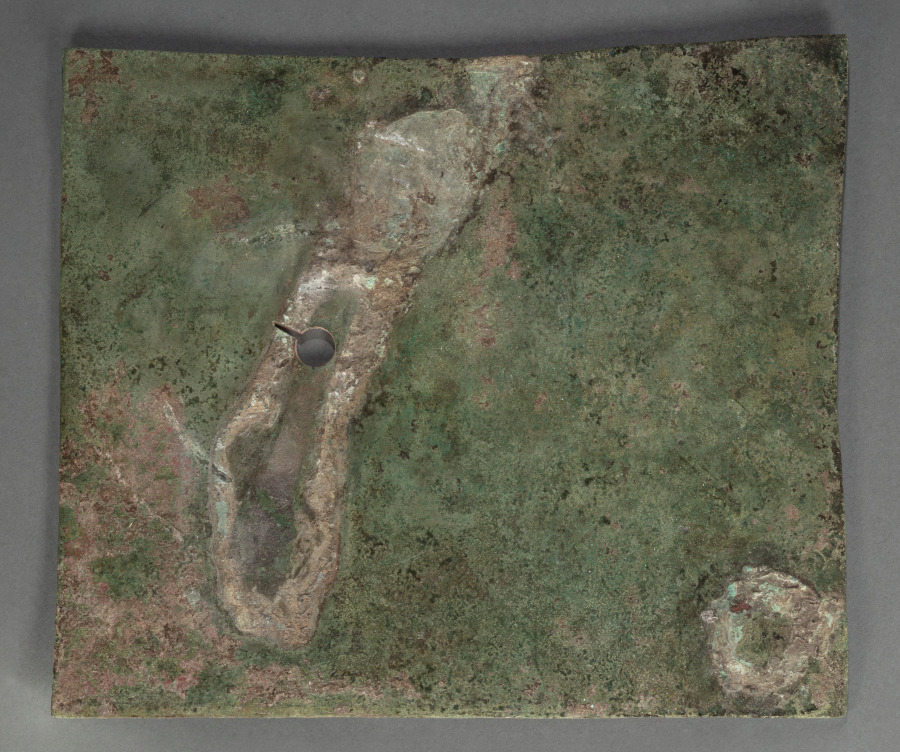
Baseplate for the Cleveland Apollo: Apollo Sauroktonos (Lizard-Slayer) or Apollo the Python-Slayer, Praxiteles, c. 350–200 BCE, or possibly later

Praxiteles

Baseplate for the Cleveland Apollo: Apollo Sauroktonos (Lizard-Slayer) or Apollo the Python-Slayer, c. 350–200 BCE, or possibly later