ART WIKI32 963 en salle
CarteCollectionArtistesMuséesExpositionsJournal
Connexion

ART WIKI

Où est accroché le chef-d’œuvre, et quand on vous laisse entrer.

Collections : Art Institute of Chicago, Cleveland Museum of Art, Galerie Tretiakov, Hirshhorn Museum and Sculpture Garden, J. Paul Getty Museum, Metropolitan Museum of Art, Minneapolis Institute of Art, Musée de l'Ermitage, Musée des Beaux-Arts Pouchkine, Musée du Louvre, musée national d'art asiatique, Musée russe, Musées d'Art de Harvard, Museum of Modern Art, National Gallery of Art, National Portrait Gallery, Rijksmuseum Amsterdam, Smithsonian American Art Museum, Statens Museum for Kunst, Victoria and Albert Museum, Villa Getty, Whitney Museum of American Art, Catalogue d’État du fonds muséal de Russie (274 musées), Europeana (19 musées), Wikidata (6 musées), Paris Musées (12 musées) et Joconde, la base des musées du ministère de la Culture (495 musées). Les images appartiennent à leurs ayants droit.

Rubriques

  • Carte
  • Recherche
  • Collection
  • Chefs-d’œuvre
  • Exposées en ce moment
  • Artistes

Et aussi

  • Musées et galeries
  • Expositions
  • Journal
  • D’où viennent les données
  • Confidentialité et cookies
AccueilCarteCatalogue
  1. Collection/
  2. Albertina/
  3. Stanislaw Przybyszewsky
Stanislaw Przybyszewsky, Edvard Munch, 1895
Edvard Munch, portraitEdvard MunchNorvège, 1863–1944

Stanislaw Przybyszewsky

1895 · Print

Peut-on la contempler ?

Inconnu

Albertina

Vienne, Autriche

Le propriétaire est connu ; on ignore si l’œuvre est exposée aujourd’hui.

Dans cet état depuis
27 sept. 2026
Source
Le musée
Sur la cartePage du musée

Notice

1895 · à 32 ans
18631944

Au catalogue

EstampesImpressionnismeXIXe siècle

Sources

  • Albertina
  • Image : Albertina — Public Domain Mark 1.0

Pendant ce temps, chez Edvard Munch

La vie entière
  1. December 1893

    The "Love" Exhibition: Beginning of "The Frieze of Life"

    At an exhibition on Unter den Linden he showed, among other works, six paintings under the title "Studies for a Series: Love" — the beginning of the cycle later named "The Frieze of Life — a Poem about Life, Love and Death."

  2. 1894

    Turn to Copper Engraving

    He began engraving on copper on his own, without formal training, working in etching, drypoint, and aquatint, and created many masterpieces in the medium.

  3. 1896

    Meetings with Gauguin and the Symbolists in Paris

    During an important stay in Paris he met Gauguin, Émile Bernard, Maurice Denis, and Symbolist poets, notably Mallarmé. At this time he turned to etching, woodcut, and lithography.

  4. May 1896

    Exhibition at the Maison de l'Art Nouveau

    Siegfried Bing showed 60 of Munch's works, including "The Kiss," "The Scream," "Madonna," and "The Sick Child." The exhibition introduced the French public to the artist's work.

Autres œuvres : Edvard Munch

Toutes les œuvres
Starry Night, Edvard Munch, 1893

Nuit étoilée

1893 · J. Paul Getty Museum

The Girl by the Window, Edvard Munch, 1893

The Girl by the Window

1893 · Art Institute of Chicago

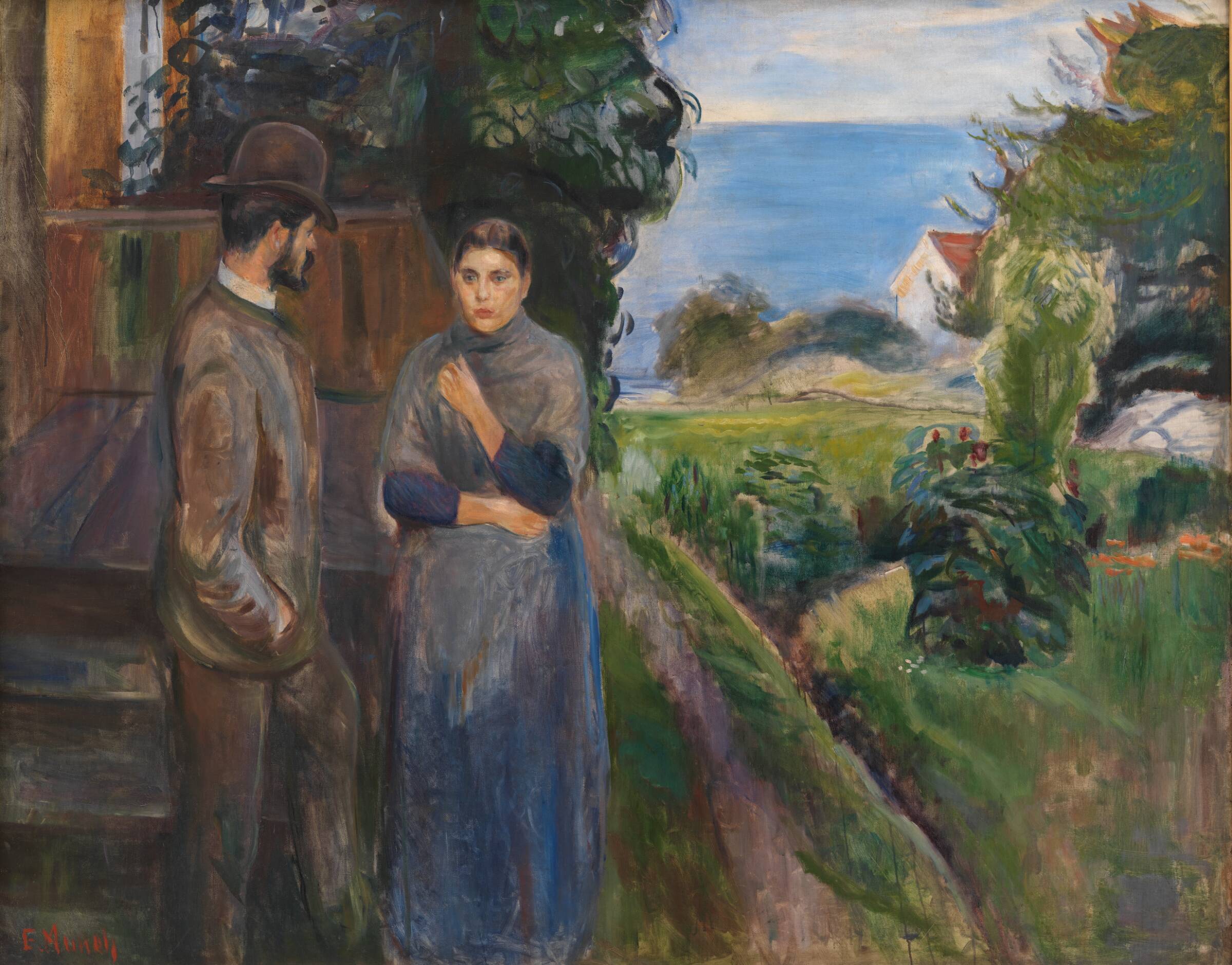
Aftenpassiar, Edvard Munch, 1889

Aftenpassiar

1889 · Statens Museum for Kunst

Madonna, Edvard Munch, 1895-1902

Madonna

1895-1902 · Musées d'Art de Harvard

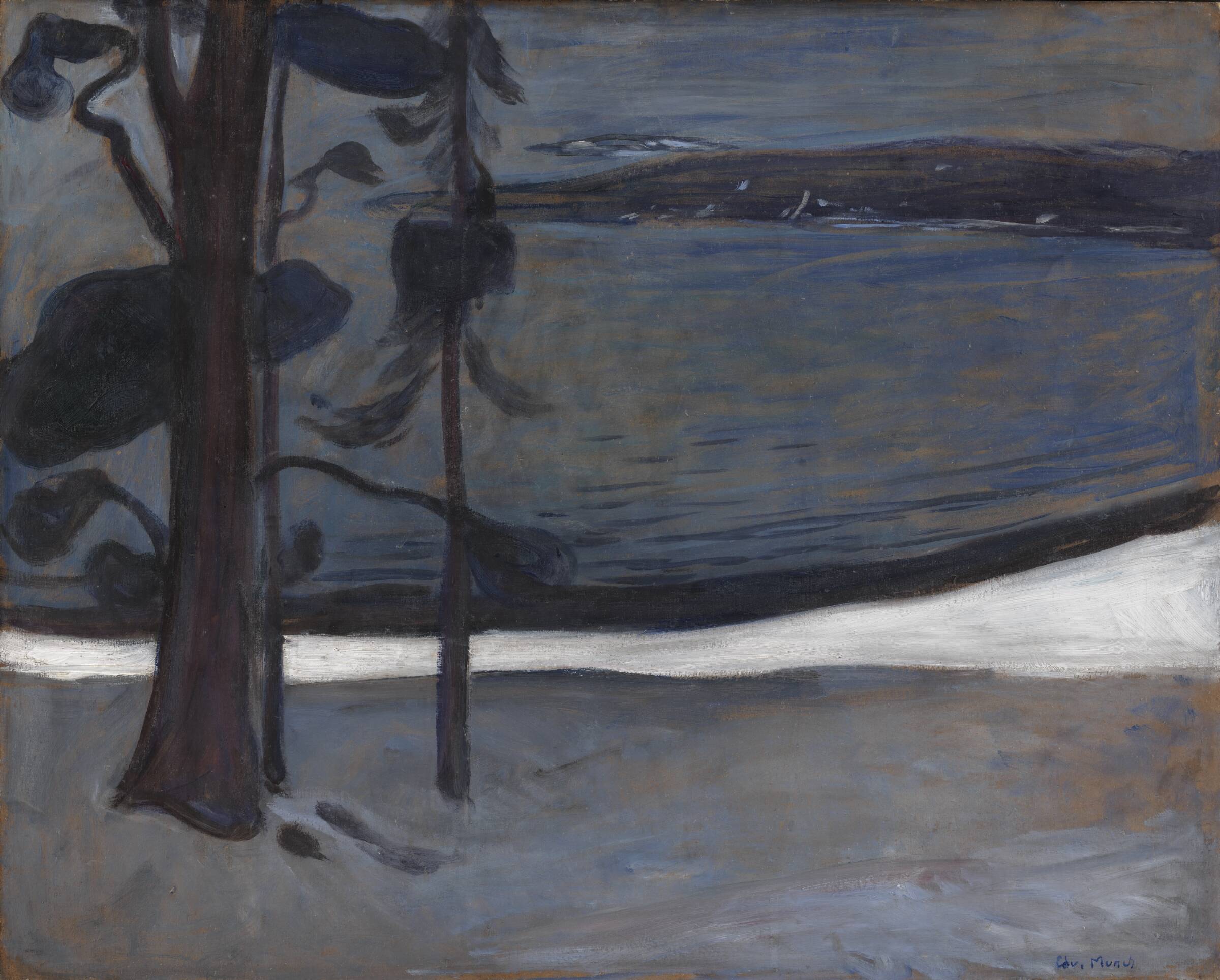
Vinter ved Nordstrand, Edvard Munch, 1900-1901

Vinter ved Nordstrand

1900-1901 · Statens Museum for Kunst

Train Smoke, Edvard Munch, 1910

Train Smoke

1910 · Musées d'Art de Harvard

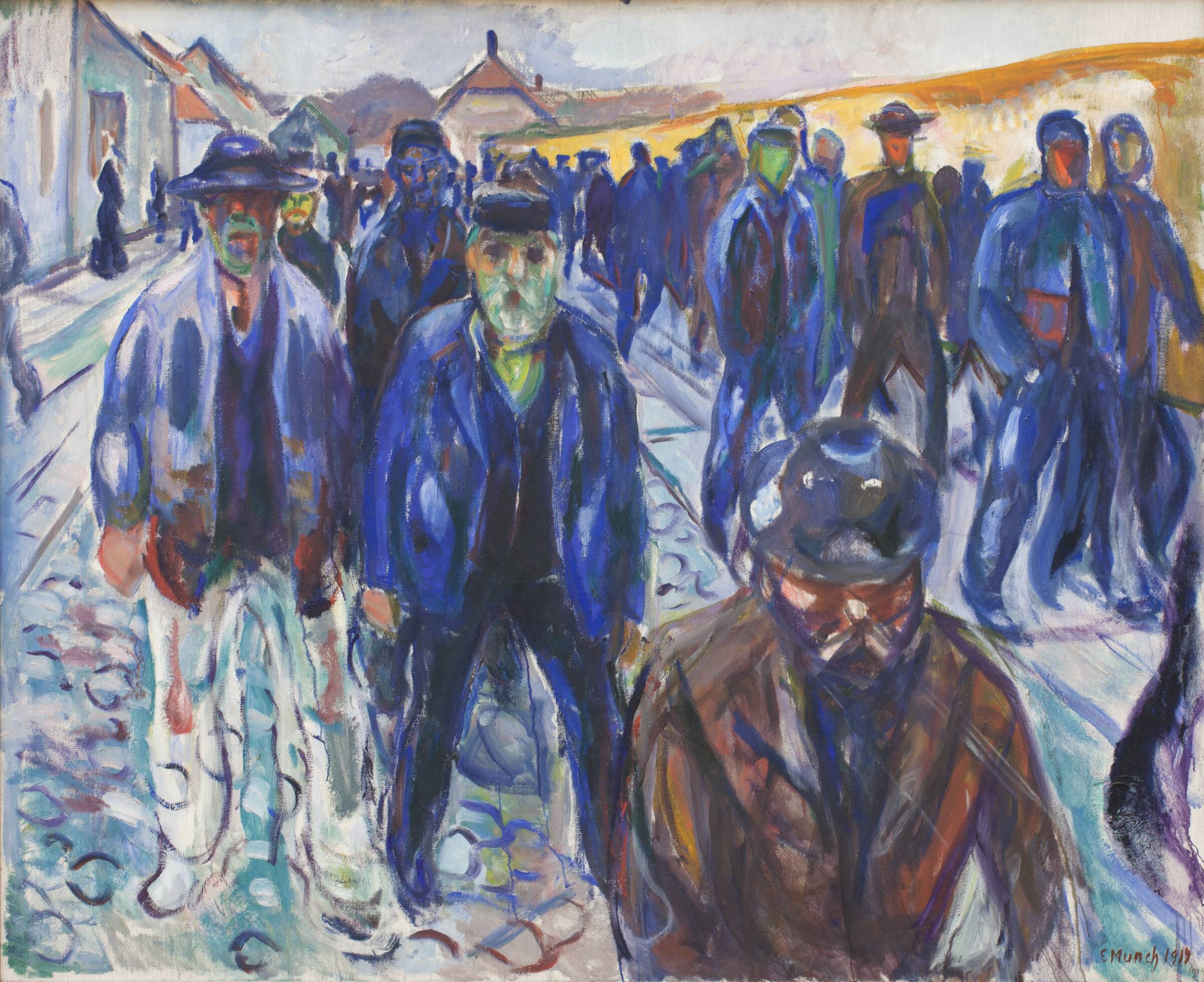
Hjemvendende arbejdere, Edvard Munch, 1914

Hjemvendende arbejdere

1914 · Statens Museum for Kunst

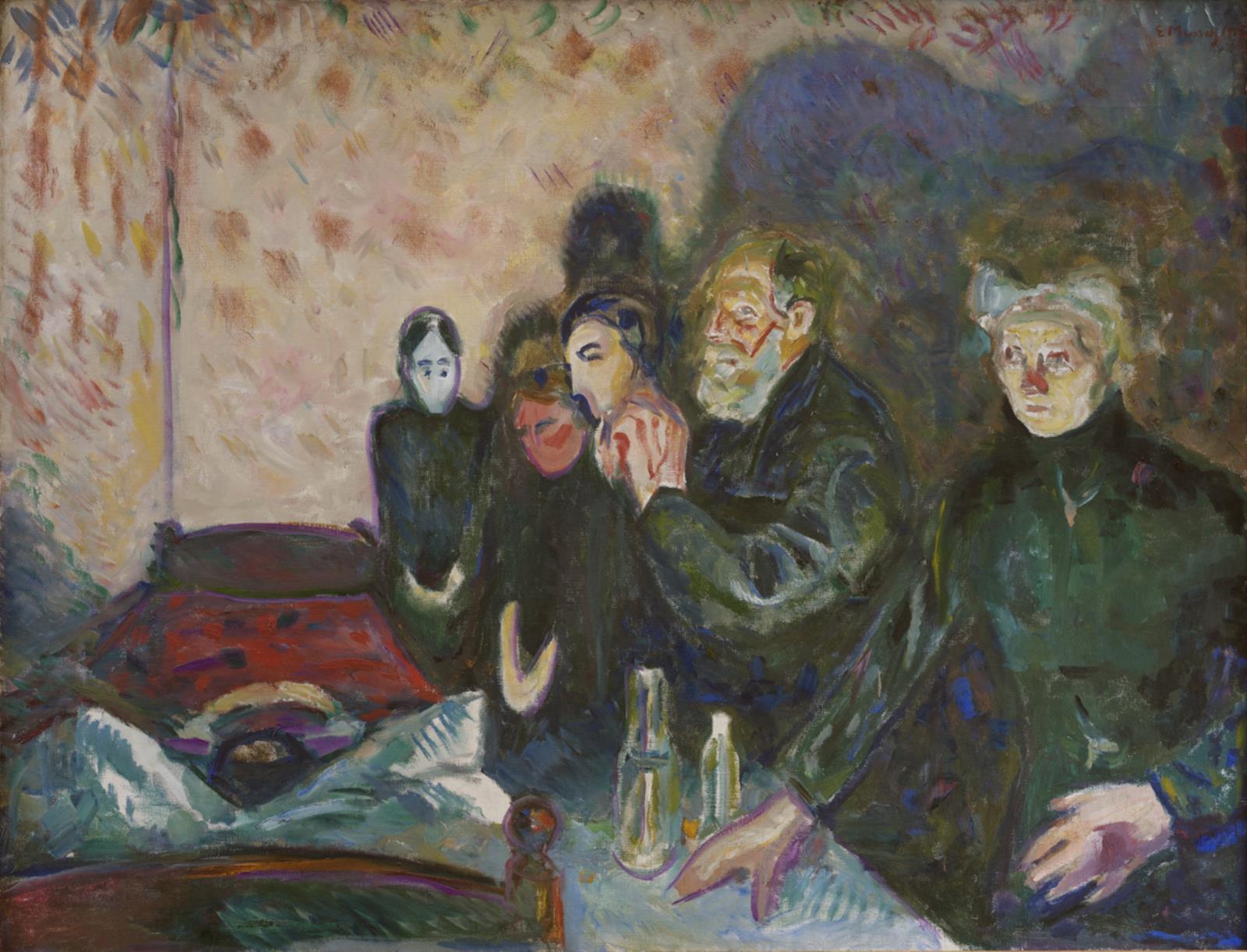
Dødskamp, Edvard Munch, 1915

Dødskamp

1915 · Statens Museum for Kunst