ART WIKI32 963 en salle
CarteCollectionArtistesMuséesExpositionsJournal
Connexion

ART WIKI

Où est accroché le chef-d’œuvre, et quand on vous laisse entrer.

Collections : Art Institute of Chicago, Cleveland Museum of Art, Galerie Tretiakov, Hirshhorn Museum and Sculpture Garden, J. Paul Getty Museum, Metropolitan Museum of Art, Minneapolis Institute of Art, Musée de l'Ermitage, Musée des Beaux-Arts Pouchkine, Musée du Louvre, musée national d'art asiatique, Musée russe, Musées d'Art de Harvard, Museum of Modern Art, National Gallery of Art, National Portrait Gallery, Rijksmuseum Amsterdam, Smithsonian American Art Museum, Statens Museum for Kunst, Victoria and Albert Museum, Villa Getty, Whitney Museum of American Art, Catalogue d’État du fonds muséal de Russie (274 musées), Europeana (19 musées), Wikidata (6 musées), Paris Musées (12 musées) et Joconde, la base des musées du ministère de la Culture (495 musées). Les images appartiennent à leurs ayants droit.

Rubriques

  • Carte
  • Recherche
  • Collection
  • Chefs-d’œuvre
  • Exposées en ce moment
  • Artistes

Et aussi

  • Musées et galeries
  • Expositions
  • Journal
  • D’où viennent les données
  • Confidentialité et cookies
AccueilCarteCatalogue
  1. Collection/
  2. Victoria and Albert Museum/
  3. St. Martin and the Beggar
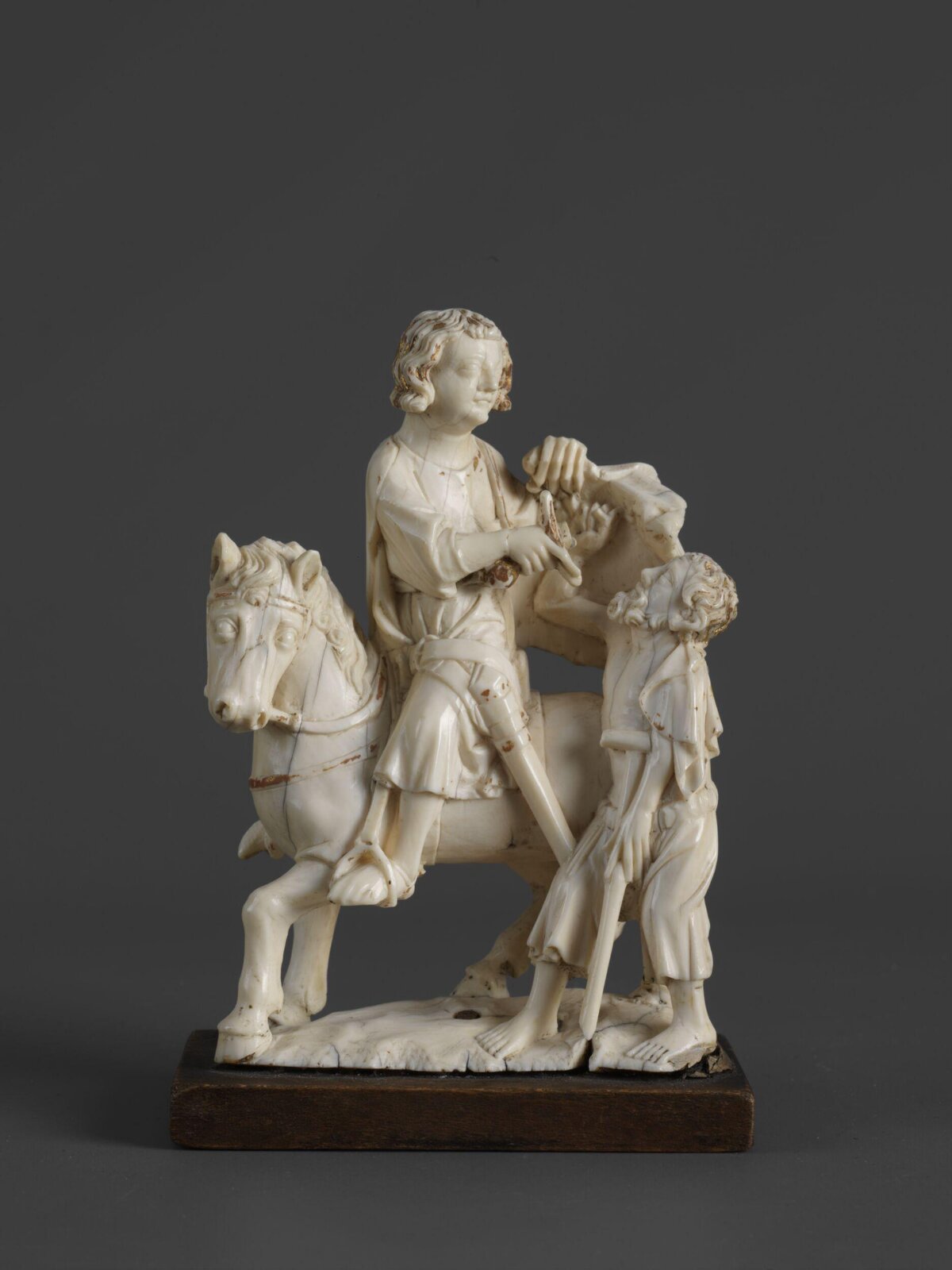
St. Martin and the Beggar, ca. 1320

St. Martin and the Beggar

ca. 1320 · Statuette

À propos de la sculpture

Ivory was used all over Europe for religious works of art. It was often combined with precious metals and usually took the form of relief panels, for book covers, portable altars and caskets. An almost unbroken tradition of ivory carving extends from the Roman and Byzantine empires until the end of the 14th century. From about 1250, Paris became the centre of production for figures and reliefs intended for private devotion.

Lire la suite

This statuette representing Saint Martin and the Beggar was made in Germany (Cologne or Mainz), in about 1320. The episode represented here is narrated in the 13th-century Golden Legend of Jacobus de Voragine. The scene was translated into visual form by the eleventh century, becoming one of the most common individual images of the Middle Ages. Groups of Saint Martin and the beggar were especially popular in sculpture on a larger scale, and numerous examples survive from the 13th to the 15th centuries. Despite the scene's ubiquity in wood and stone, no other ivory figures of St. Martin and the beggar appear to survive. The style of the ivory points towards a Lower or Middle Rhenish origin. Apart from that, St Martin was the patron saint of Mainz Cathedral, at the heart of the biggest and most powerful archbishopric in the Holy Roman Empire, and it is to be expected that devotional sculptures of the saint would have enjoyed an especially strong local popularity. He was also venerated in Cologne.

Victoria and Albert Museum

Notice

Numéro d’inventaire
A.28-1939

Dans la même salle · Sculpture, Room 111, The Gilbert Bayes Gallery, Victoria and Albert Museum

Page du musée

Sur le même thème · Charity

Toutes les œuvres sur ce thème

Peut-on la contempler ?

Oui, elle reçoit

Victoria and Albert Museum

Londres, Royaume-Uni

SalleSculpture, Room 111, The Gilbert Bayes Gallery

Présentée au public. Qui s’en porte garant est indiqué ci-dessous.

Vérifié
il y a 12 jours
Dans cet état depuis
25 sept. 2026
Source
Le musée
Sur la cartePage du musée

Ce qu’elle montre

CharityChevalBeggarMartin (Saint)

Au catalogue

SculptureIvoireMoyen ÂgeAvant 1400Cologne

Sources

  • Victoria and Albert Museum
  • Image : Victoria and Albert Museum — © Victoria and Albert Museum, London
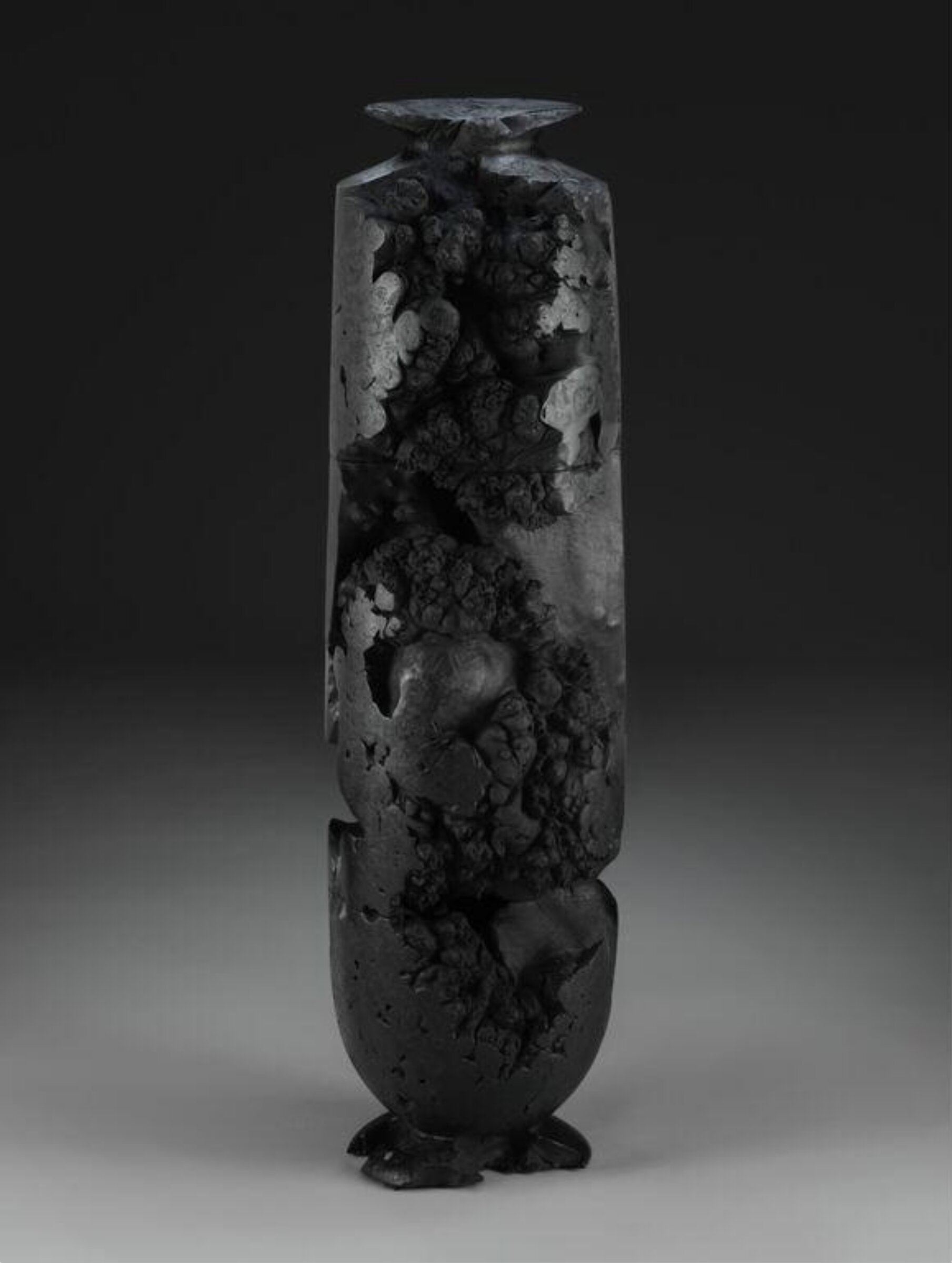
Echoes of Amphora: Column Vessel I/20, Eleanor Lakelin, 2020

Eleanor Lakelin

Echoes of Amphora: Column Vessel I/20, 2020

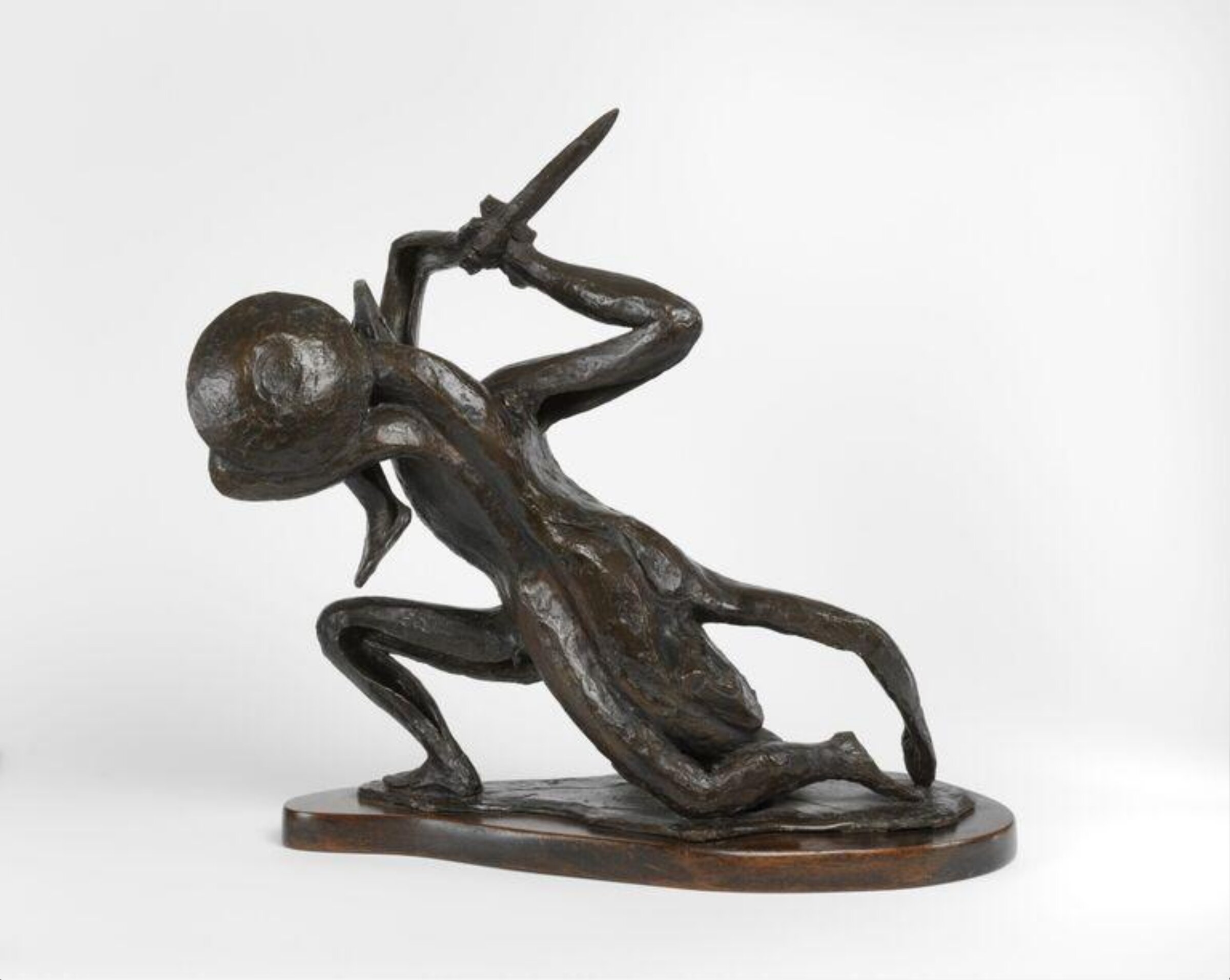
Gladiators: Hector and Ajax (Combat), Leon Underwood, 1963

Leon Underwood

Gladiators: Hector and Ajax (Combat), 1963

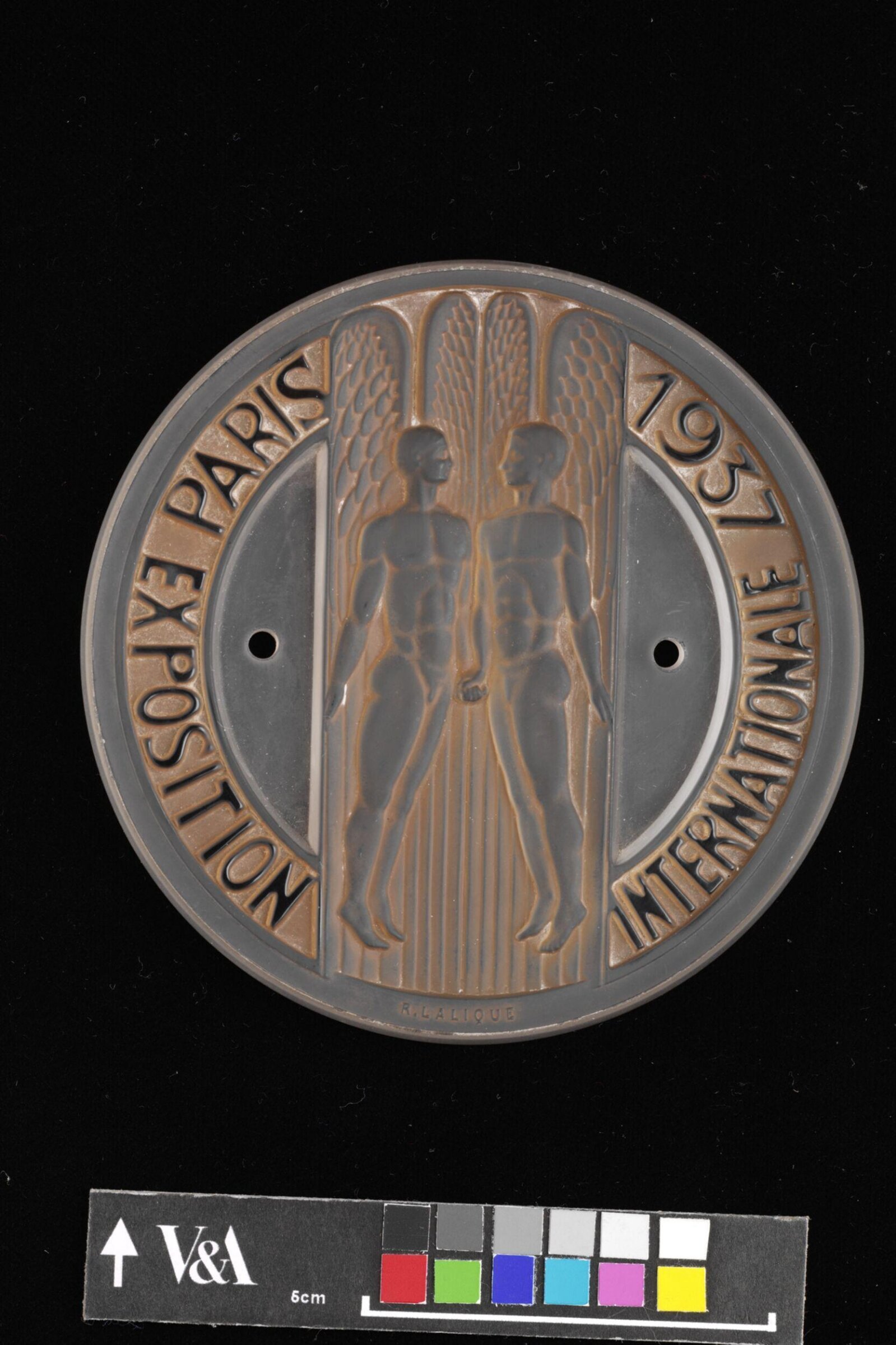
Plaque, René Jules Lalique, 1937

René Lalique

Plaque, 1937

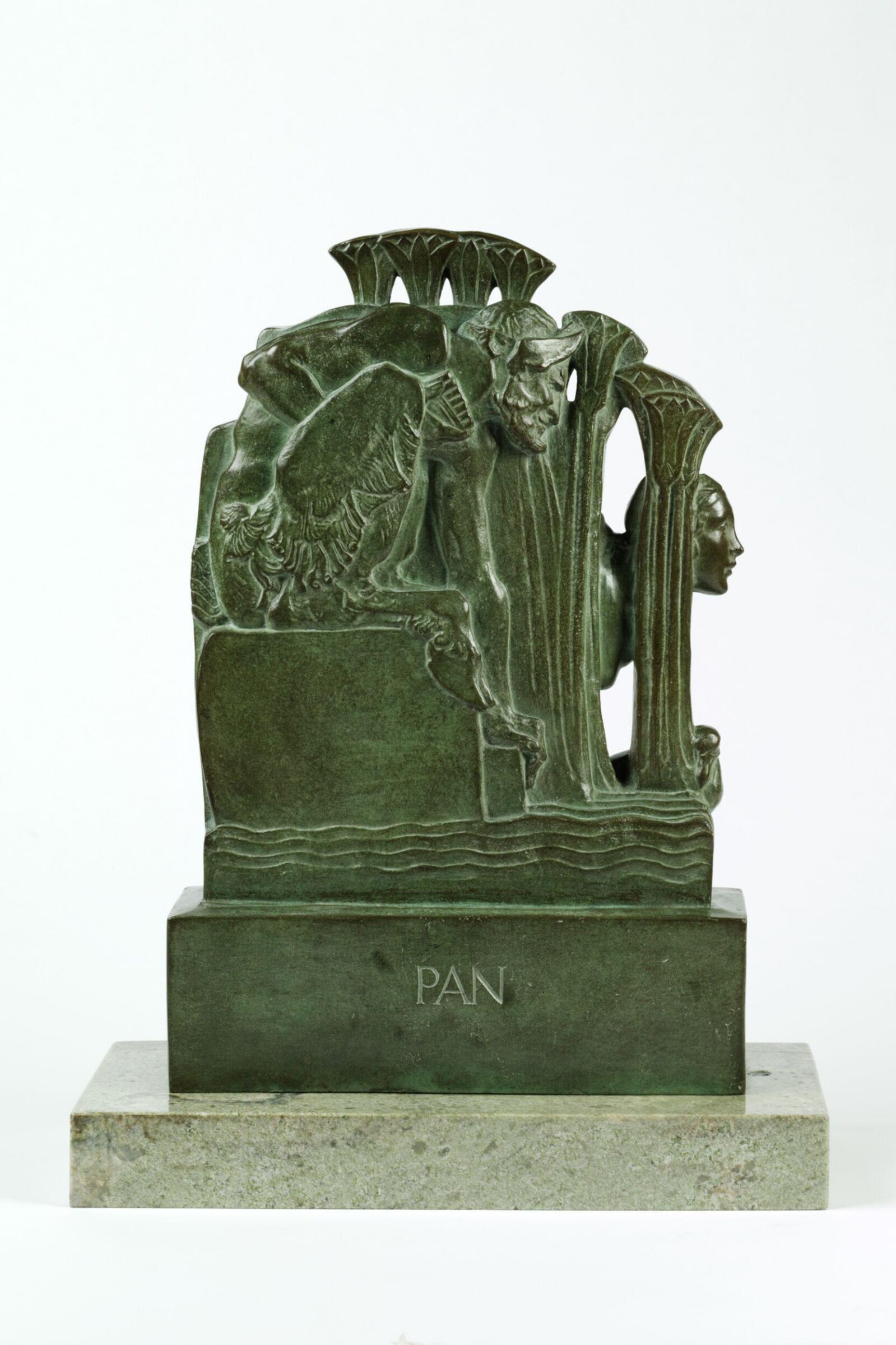
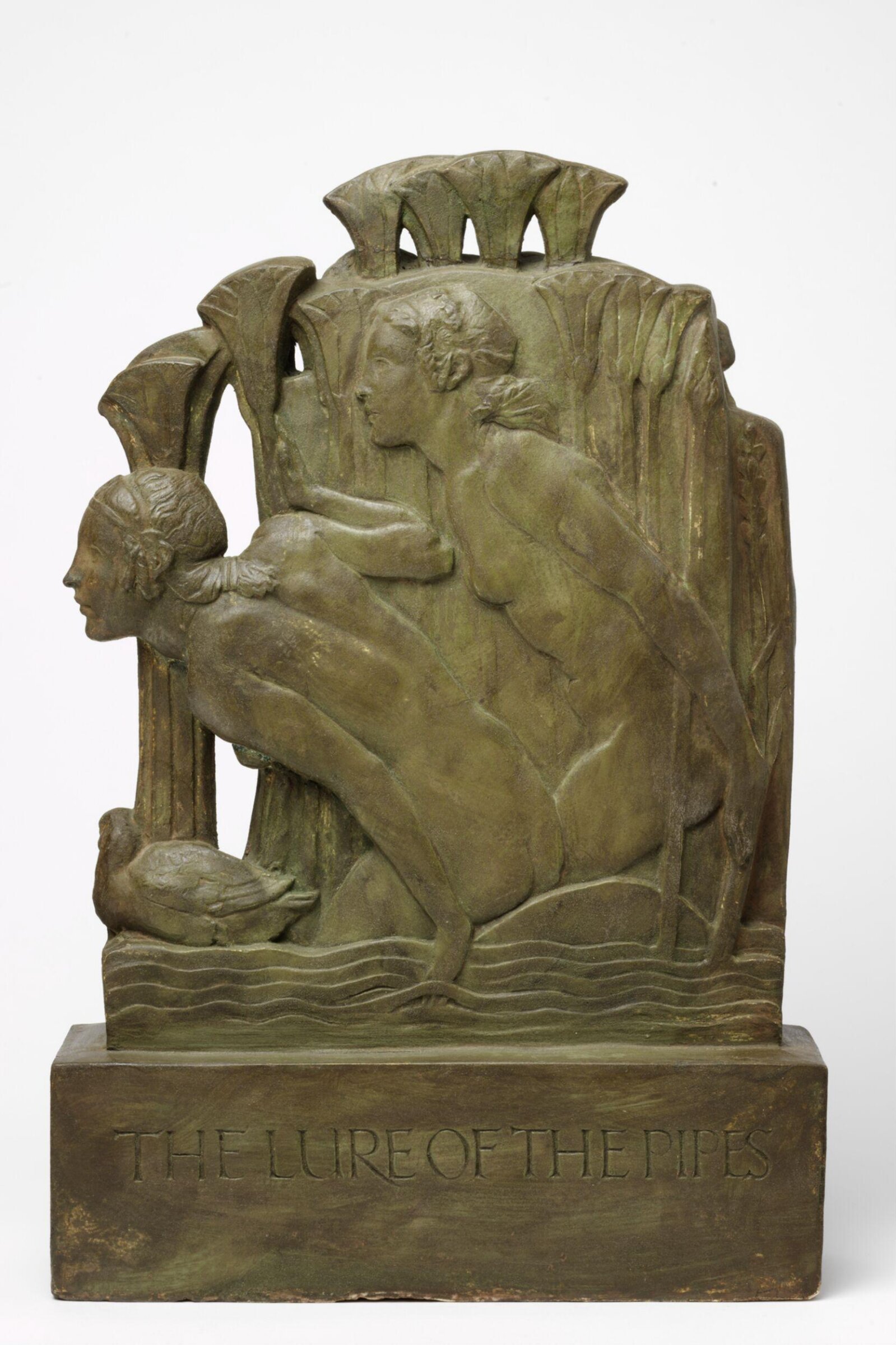
The Lure of the Pan Pipes, Gilbert Bayes, 1932

Gilbert Bayes

The Lure of the Pan Pipes, 1932

The Lure of the Pan Pipes, Gilbert Bayes, 1932

Gilbert Bayes

The Lure of the Pan Pipes, 1932

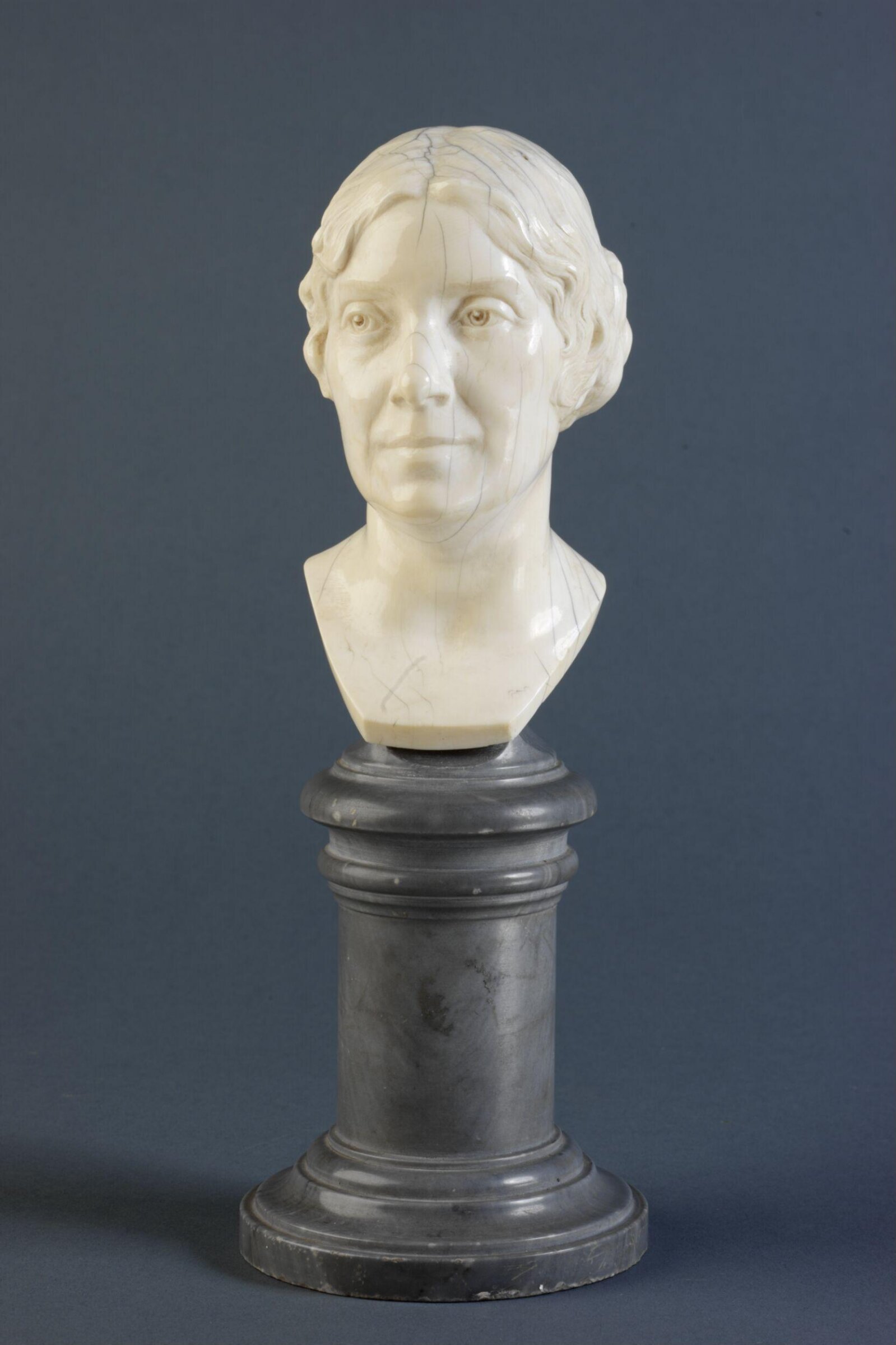
Emmeline Pankhurst, Arthur George Walker, ca. 1929

Arthur George Walker

Emmeline Pankhurst, ca. 1929

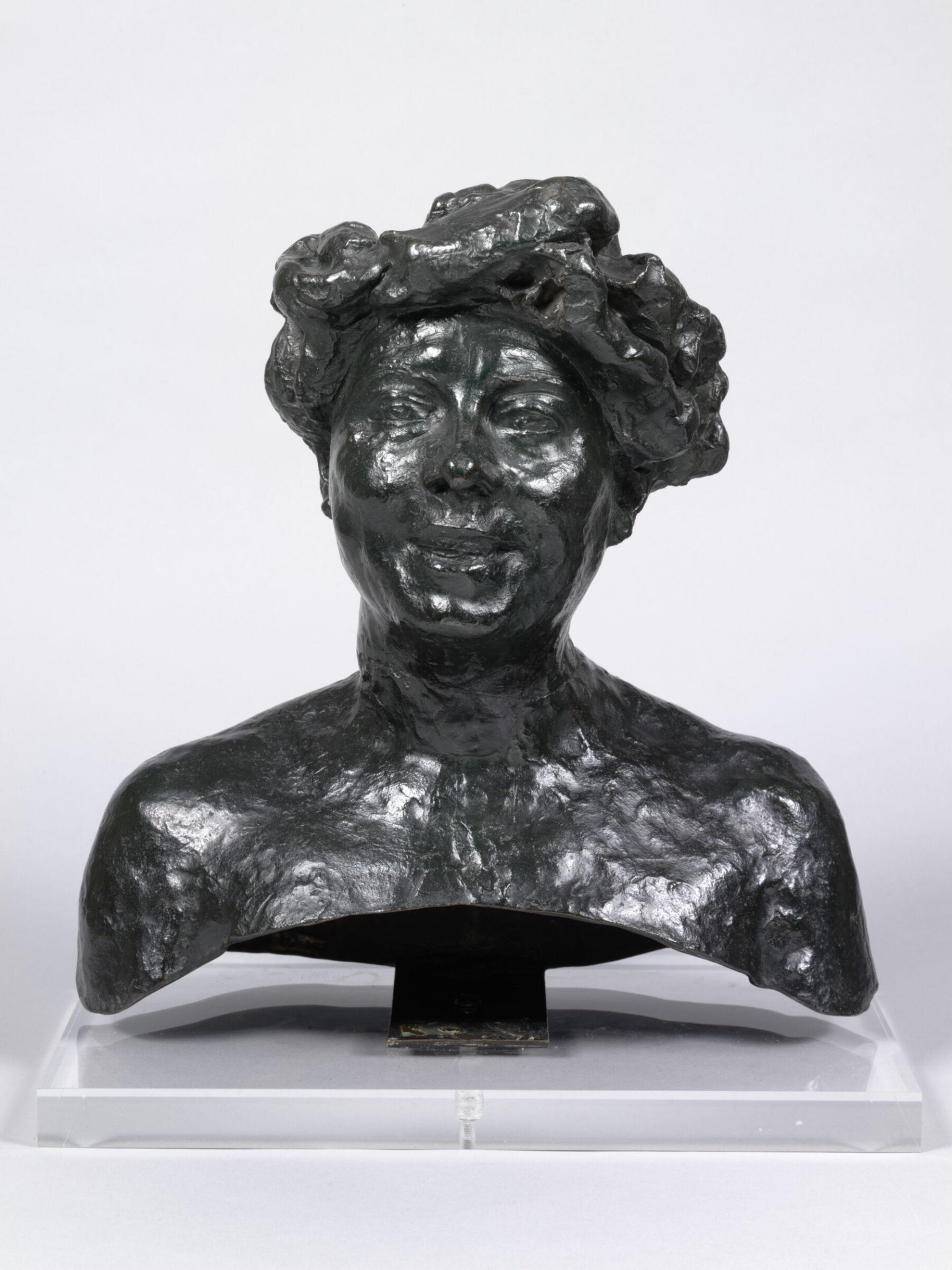
The Duchesse de Choiseul, Auguste Rodin, 1908

Auguste Rodin

The Duchesse de Choiseul, 1908

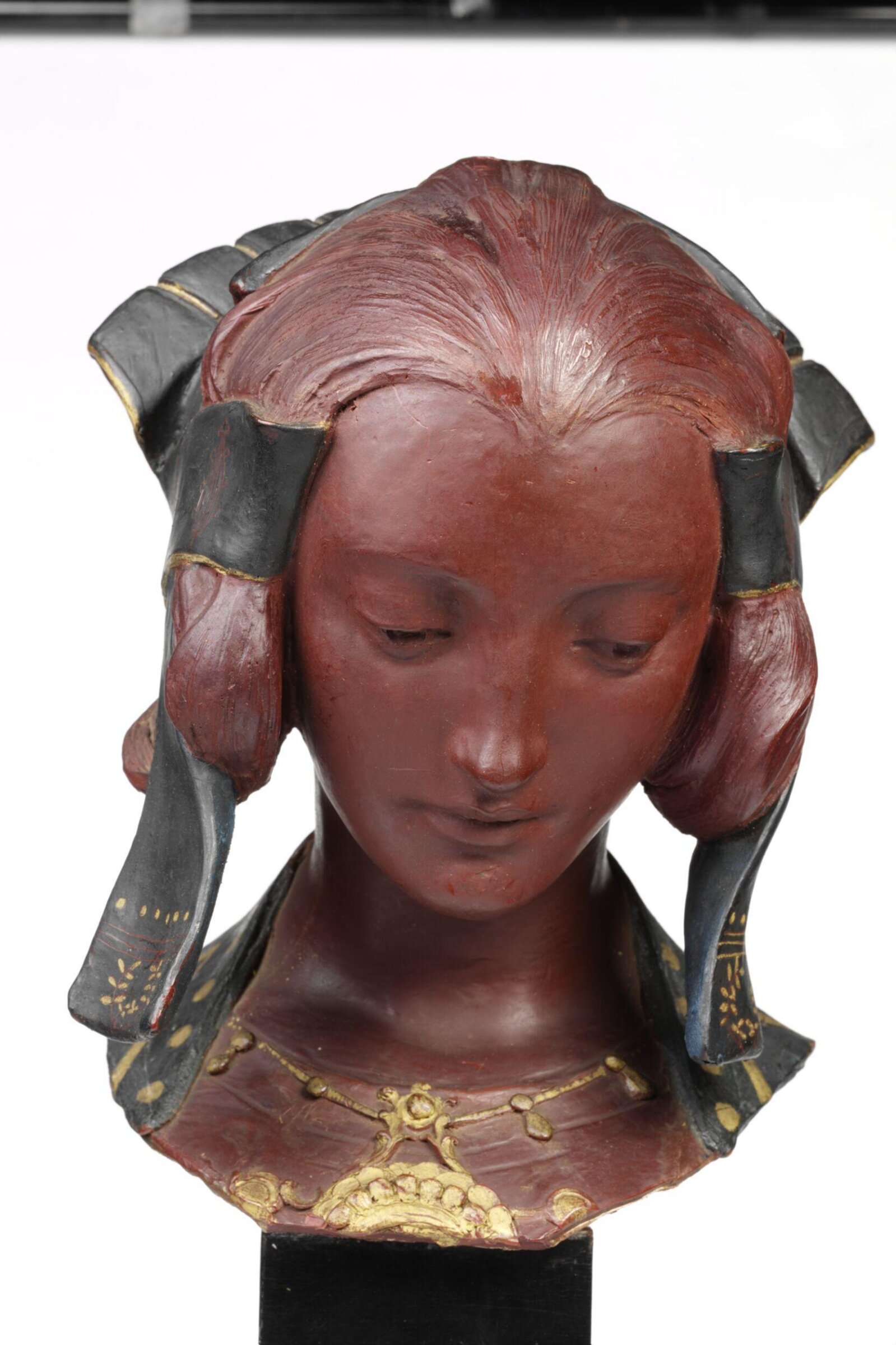
St Elizabeth, George James Frampton, 1902

George James Frampton

St Elizabeth, 1902

Faith and Charity, Gabriel Huquier after François Boucher

Francois Boucher

Faith and Charity

Non exposée · National Gallery of Art

Faith and Charity, François Boucher after Giovanni Battista Gaulli, 1728/1731

Francois Boucher

Faith and Charity, 1728/1731

Non exposée · National Gallery of Art

Charity, Benjamin West

Benjamin West

Charity

Non exposée · National Gallery of Art

Charity, Andrea del Sarto, before 1530

Andrea del Sarto

Charity, before 1530

Non exposée · National Gallery of Art

Charity, Mino da Fiesole, 1475/1480

Mino da Fiesole

Charity, 1475/1480

National Gallery of Art

Charity, Giovanni di Balduccio, c. 1330

Giovanni di Balduccio

Charity, c. 1330

Non exposée · National Gallery of Art

Charity, Peter Flötner, 1540/1545

Peter Flötner

Charity, 1540/1545

Non exposée · National Gallery of Art

Charity, Venetian 16th Century, c. 1530

Venetian 16th Century

Charity, c. 1530

Non exposée · National Gallery of Art