ART WIKI32 963 en salle
CarteCollectionArtistesMuséesExpositionsJournal
Connexion

ART WIKI

Où est accroché le chef-d’œuvre, et quand on vous laisse entrer.

Collections : Art Institute of Chicago, Cleveland Museum of Art, Galerie Tretiakov, Hirshhorn Museum and Sculpture Garden, J. Paul Getty Museum, Metropolitan Museum of Art, Minneapolis Institute of Art, Musée de l'Ermitage, Musée des Beaux-Arts Pouchkine, Musée du Louvre, musée national d'art asiatique, Musée russe, Musées d'Art de Harvard, Museum of Modern Art, National Gallery of Art, National Portrait Gallery, Rijksmuseum Amsterdam, Smithsonian American Art Museum, Statens Museum for Kunst, Victoria and Albert Museum, Villa Getty, Whitney Museum of American Art, Catalogue d’État du fonds muséal de Russie (274 musées), Europeana (19 musées), Wikidata (6 musées), Paris Musées (12 musées) et Joconde, la base des musées du ministère de la Culture (495 musées). Les images appartiennent à leurs ayants droit.

Rubriques

  • Carte
  • Recherche
  • Collection
  • Chefs-d’œuvre
  • Exposées en ce moment
  • Artistes

Et aussi

  • Musées et galeries
  • Expositions
  • Journal
  • D’où viennent les données
  • Confidentialité et cookies
AccueilCarteCatalogue
  1. Collection/
  2. Cleveland Museum of Art/
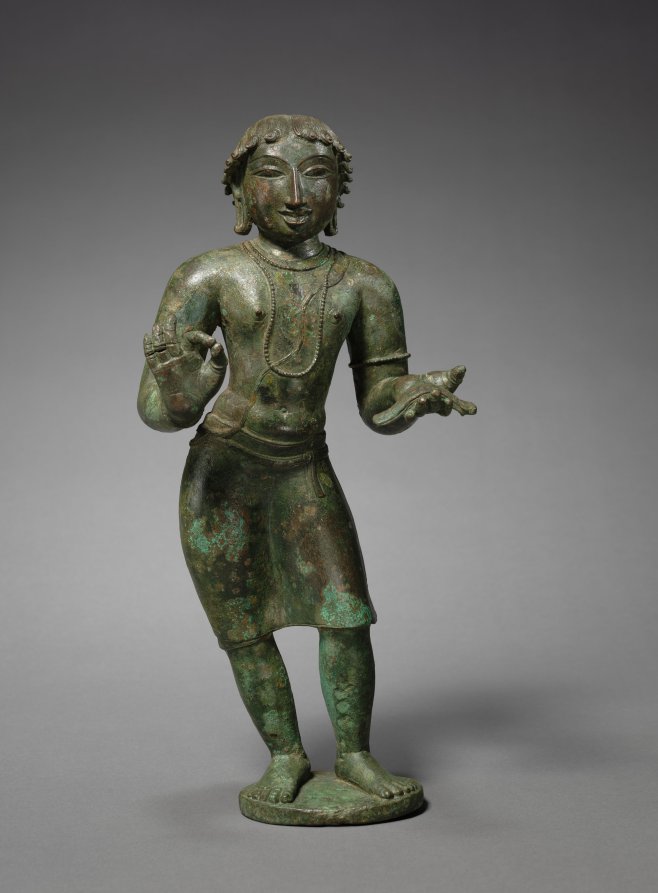
  3. Shiva Saint: Manikkavachakar
Shiva Saint: Manikkavachakar, 1100s–1200s

Shiva Saint: Manikkavachakar

1100s–1200s · Sculpture

Peut-on la contempler ?

Oui, elle reçoit

Cleveland Museum of Art

Cleveland, États-Unis

Salle244 Indian and Southeast Asian

Présentée au public. Qui s’en porte garant est indiqué ci-dessous.

Vérifié
il y a 3 jours
Dans cet état depuis
19 août 2026
Source
Le musée
Sur la cartePage du musée

À propos de la sculpture

During the 7th through 9th centuries in south India there was a devotional movement of saints who experienced personal mystical encounters with their god. They then composed poems and songs in their native language of Tamil that described the ecstasy and experiences of the interaction. Manikkavachakar was one of these saints; he lived during the 9th century and composed some of the most popular Tamil devotional hymns about his visions of Shiva. In his left hand he holds the pages of texts that refer to his poetry and songs.

Cleveland Museum of Art

Notice

Numéro d’inventaire
1967.148

Dans la même salle · 244 Indian and Southeast Asian, Cleveland Museum of Art

Page du musée

Au catalogue

SculptureBronzeSouth India, Tamil Nadu, 12th-13th century

Sources

  • Cleveland Museum of Art
  • Image : Cleveland Museum of Art — Museum open access
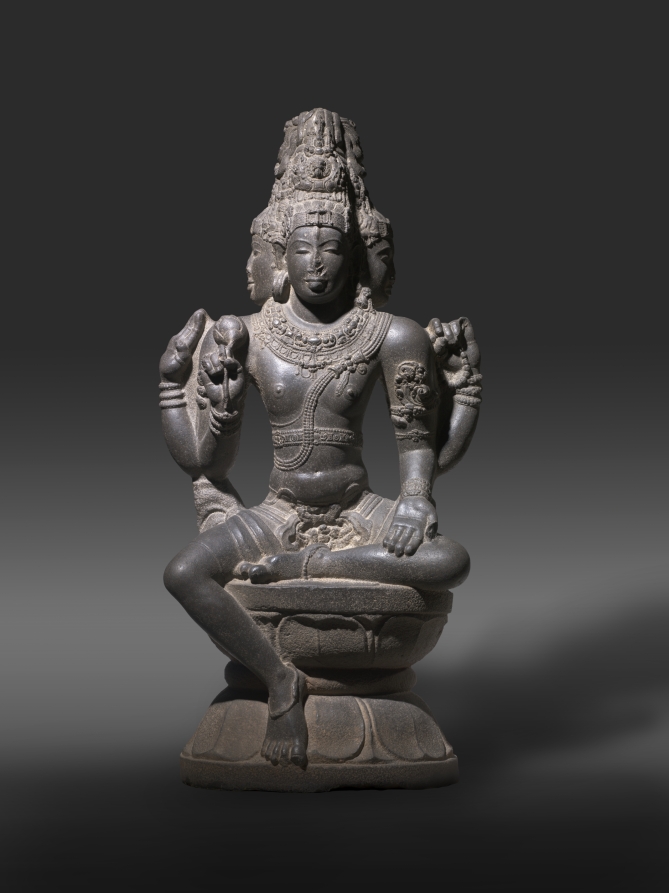
Brahma-Shiva, 900s

Brahma-Shiva, 900s

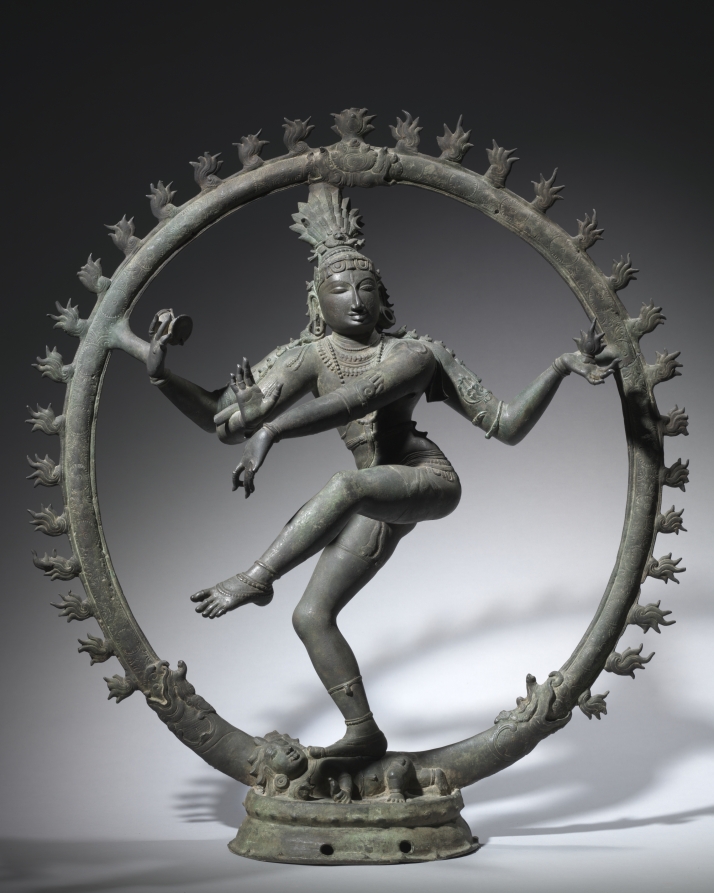
Nataraja, Shiva as the Lord of Dance, 1000s

Nataraja, Shiva as the Lord of Dance, 1000s

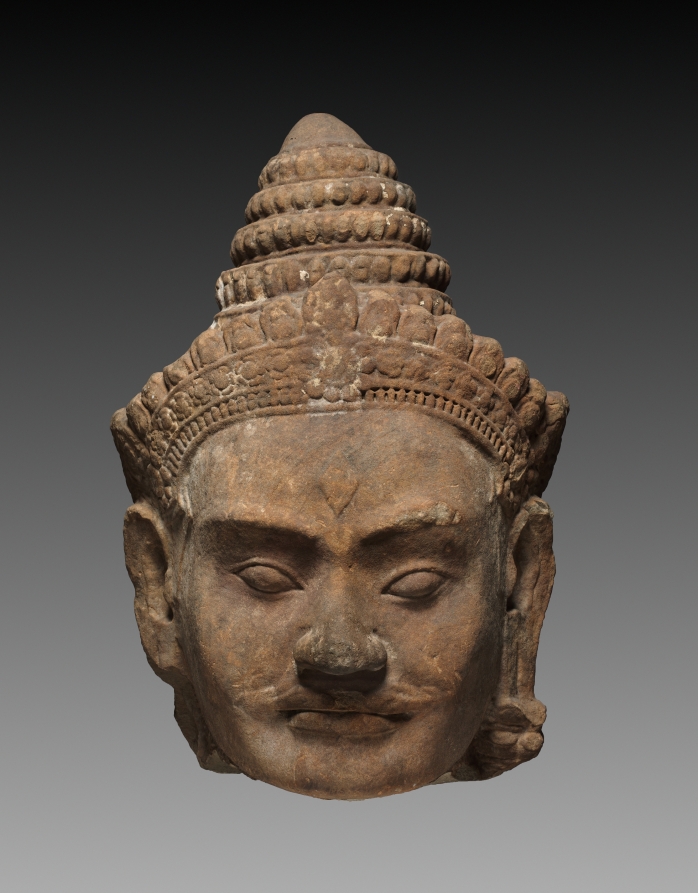
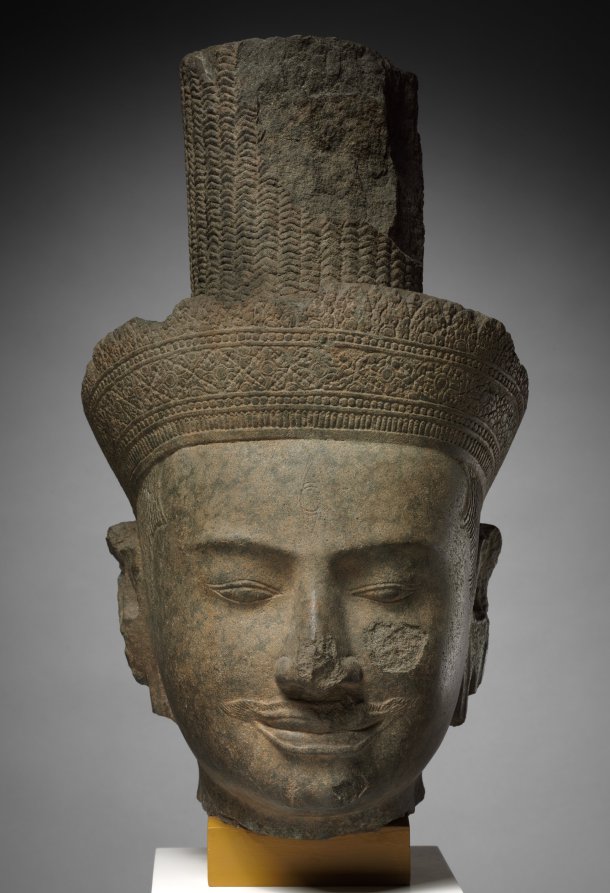
Colossal Head of a Deva, c. 1200

Colossal Head of a Deva, c. 1200

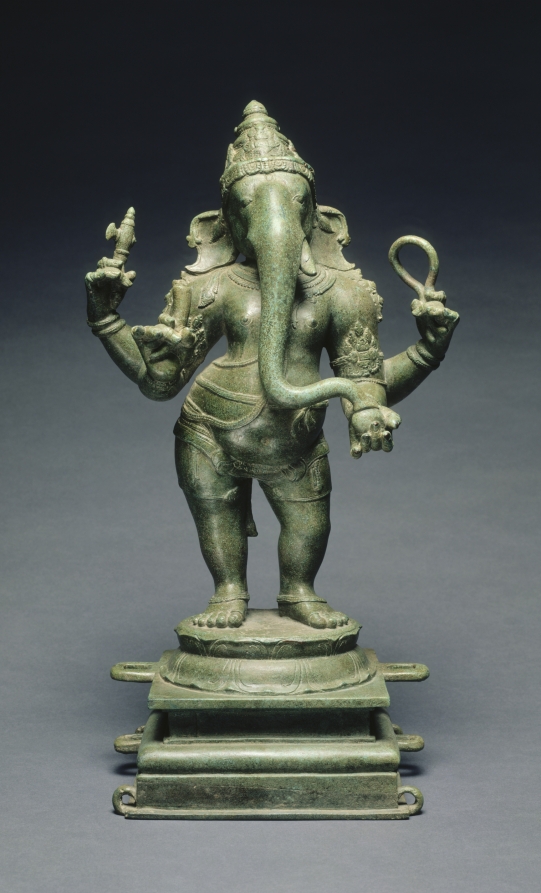
Ganesha, c. 1070

Ganesha, c. 1070

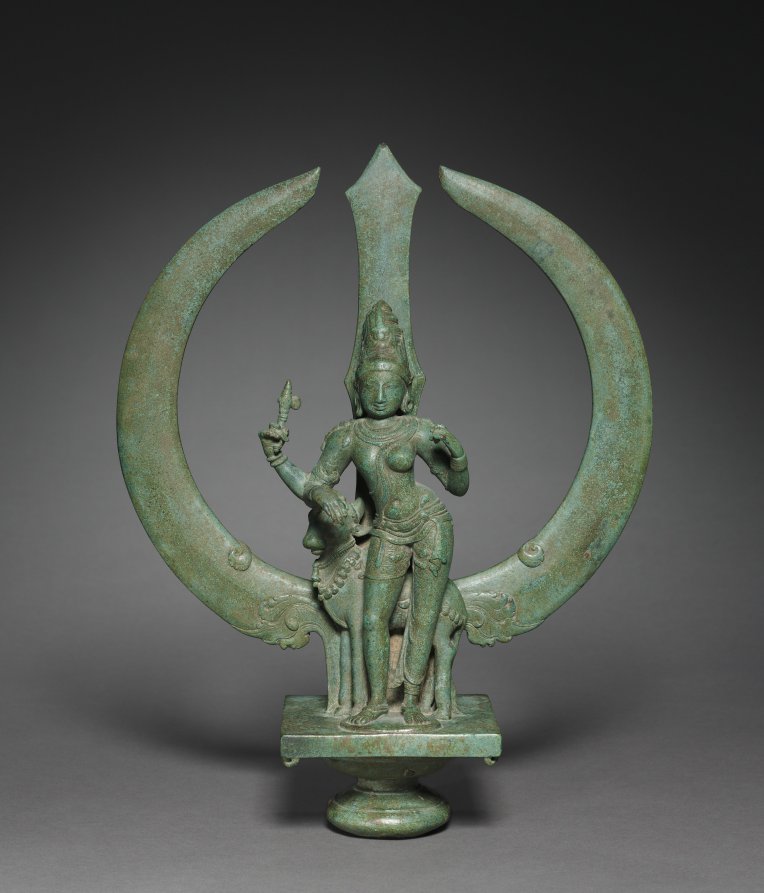
Trident with Shiva as Half-Woman (Ardhanarishvara), c. 1050

Trident with Shiva as Half-Woman (Ardhanarishvara), c. 1050

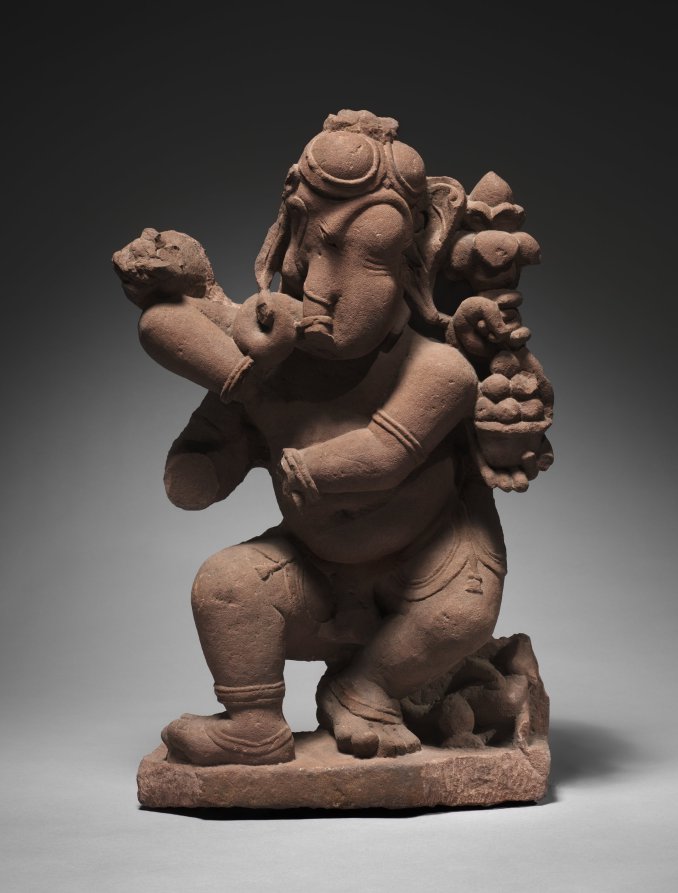
Dancing Ganesha, c. 1000

Dancing Ganesha, c. 1000

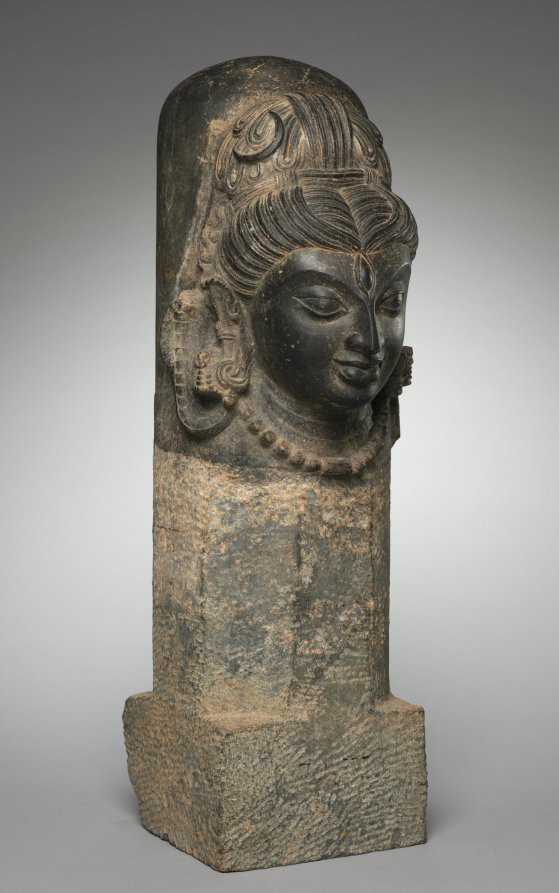
One-Faced Linga (Ekamukhalinga), 600s–700s

One-Faced Linga (Ekamukhalinga), 600s–700s

Head of Shiva, 1100s

Head of Shiva, 1100s