ART WIKI32 963 en salle
CarteCollectionArtistesMuséesExpositionsJournal
Connexion

ART WIKI

Où est accroché le chef-d’œuvre, et quand on vous laisse entrer.

Collections : Art Institute of Chicago, Cleveland Museum of Art, Galerie Tretiakov, Hirshhorn Museum and Sculpture Garden, J. Paul Getty Museum, Metropolitan Museum of Art, Minneapolis Institute of Art, Musée de l'Ermitage, Musée des Beaux-Arts Pouchkine, Musée du Louvre, musée national d'art asiatique, Musée russe, Musées d'Art de Harvard, Museum of Modern Art, National Gallery of Art, National Portrait Gallery, Rijksmuseum Amsterdam, Smithsonian American Art Museum, Statens Museum for Kunst, Victoria and Albert Museum, Villa Getty, Whitney Museum of American Art, Catalogue d’État du fonds muséal de Russie (274 musées), Europeana (19 musées), Wikidata (6 musées), Paris Musées (12 musées) et Joconde, la base des musées du ministère de la Culture (495 musées). Les images appartiennent à leurs ayants droit.

Rubriques

  • Carte
  • Recherche
  • Collection
  • Chefs-d’œuvre
  • Exposées en ce moment
  • Artistes

Et aussi

  • Musées et galeries
  • Expositions
  • Journal
  • D’où viennent les données
  • Confidentialité et cookies
AccueilCarteCatalogue
  1. Collection/
  2. Cleveland Museum of Art/
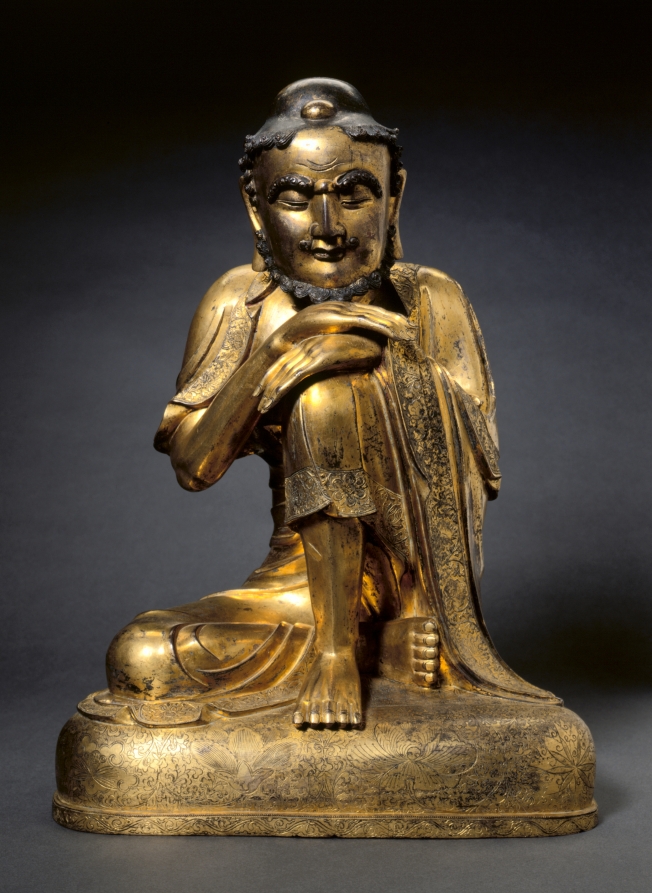
  3. Shakyamuni as an Ascetic
Shakyamuni as an Ascetic, early 1300s

Shakyamuni as an Ascetic

early 1300s · Sculpture

Peut-on la contempler ?

Oui, elle reçoit

Cleveland Museum of Art

Cleveland, États-Unis

Salle241C Chinese Buddhist Sculptures

Présentée au public. Qui s’en porte garant est indiqué ci-dessous.

Vérifié
il y a 3 jours
Dans cet état depuis
19 août 2026
Source
Le musée
Sur la cartePage du musée

À propos de la sculpture

This statue is of monumental scale and exceptionally fine workmanship. A work of this size and quality was likely to have been made in the official workshops under imperial auspices. The image of the ascetic Shakyamuni (the historical Buddha) is both powerful and immediate. Shakyamuni is portrayed in a state of contemplative meditation with closed eyes and an inward smile. He leans forward, head and hands resting on an upraised knee. The representation speaks eloquently of his withdrawal from the world to attain self-realization. It recalls another famous iconic image in the Cleveland collection depicting Shakyamuni descending from the mountains after enlightenment, CMA 1970.2.

Cleveland Museum of Art

Notice

Numéro d’inventaire
1966.116

Dans la même salle · 241C Chinese Buddhist Sculptures, Cleveland Museum of Art

Page du musée

Au catalogue

SculptureBronzeChina, Yuan dynasty (1271–1368)

Sources

  • Cleveland Museum of Art
  • Image : Cleveland Museum of Art — Museum open access
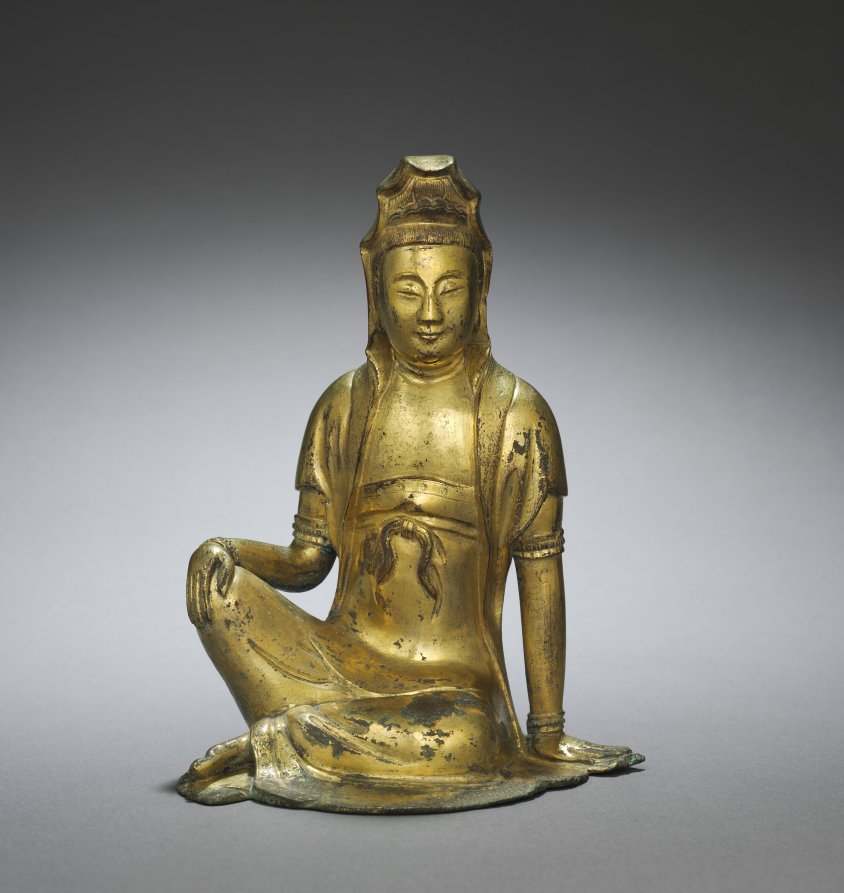
Water and Moon (Potala) Guanyin, 900–1100

Water and Moon (Potala) Guanyin, 900–1100

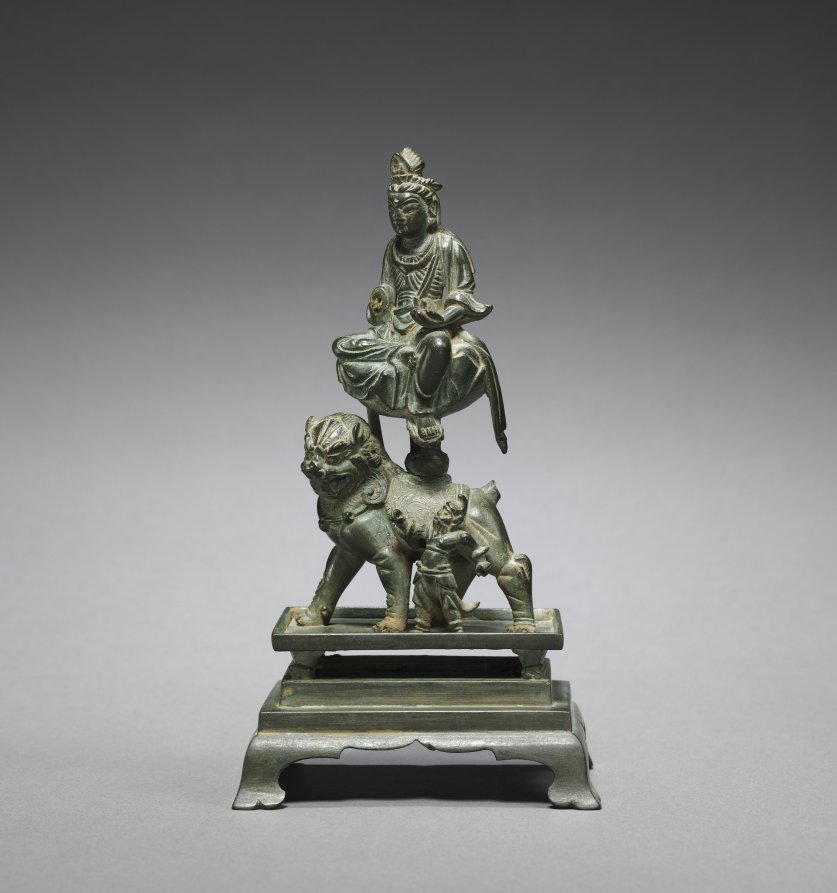
Manjusri Riding on a Lion, 900s

Manjusri Riding on a Lion, 900s

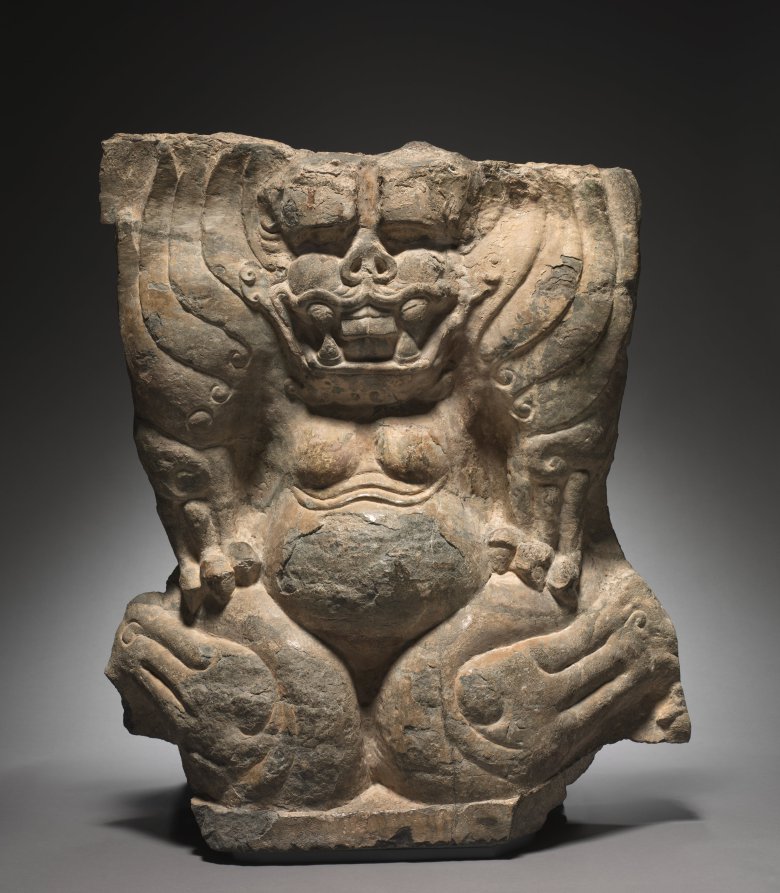
Kneeling Winged Monster, 550–77

Kneeling Winged Monster, 550–77

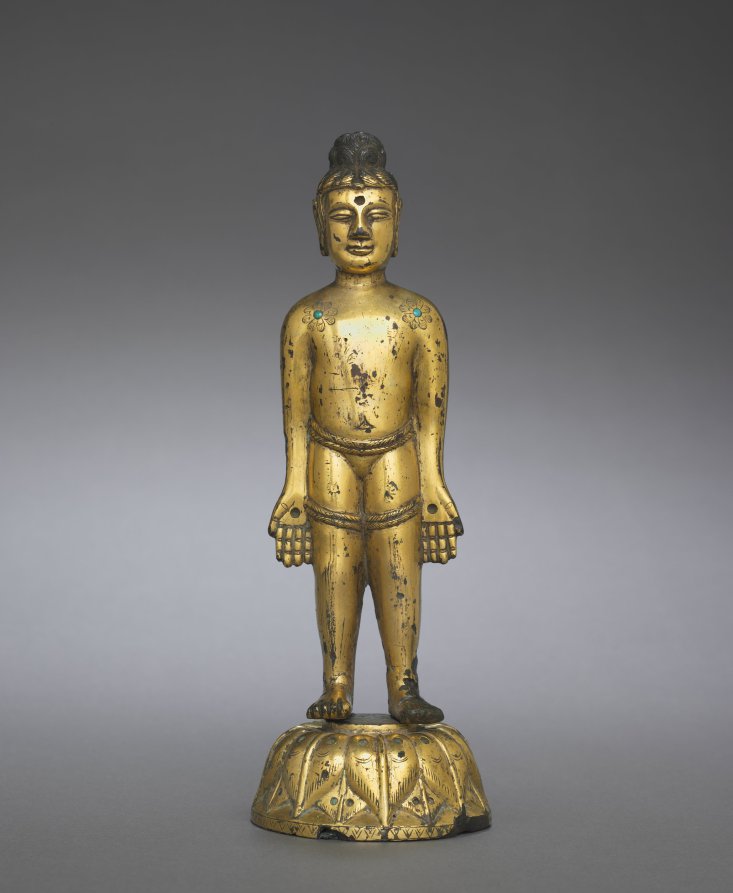
The New-born Buddha, 400s CE

The New-born Buddha, 400s CE

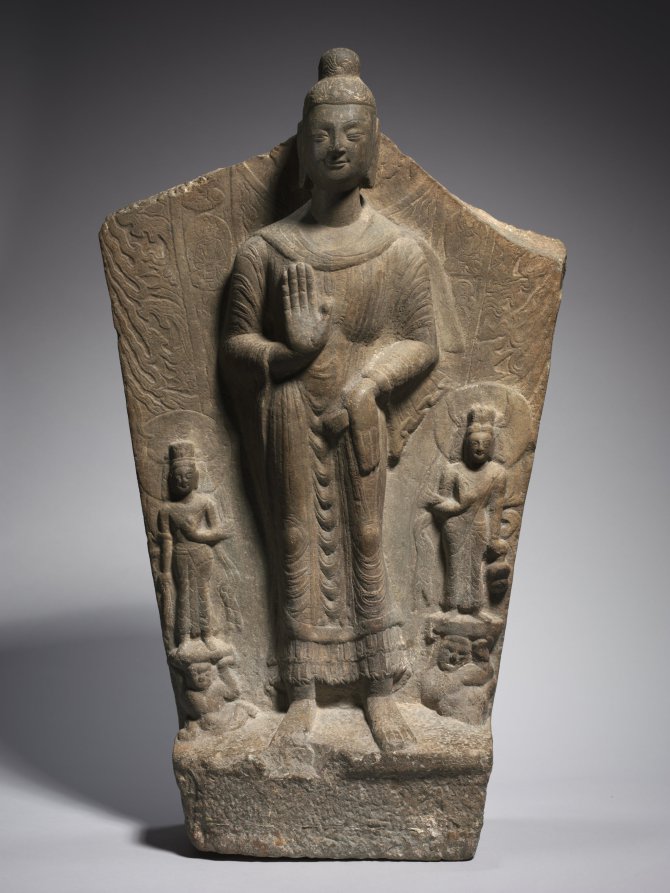
Stele with Maitreya and Attendants, 500

Stele with Maitreya and Attendants, 500

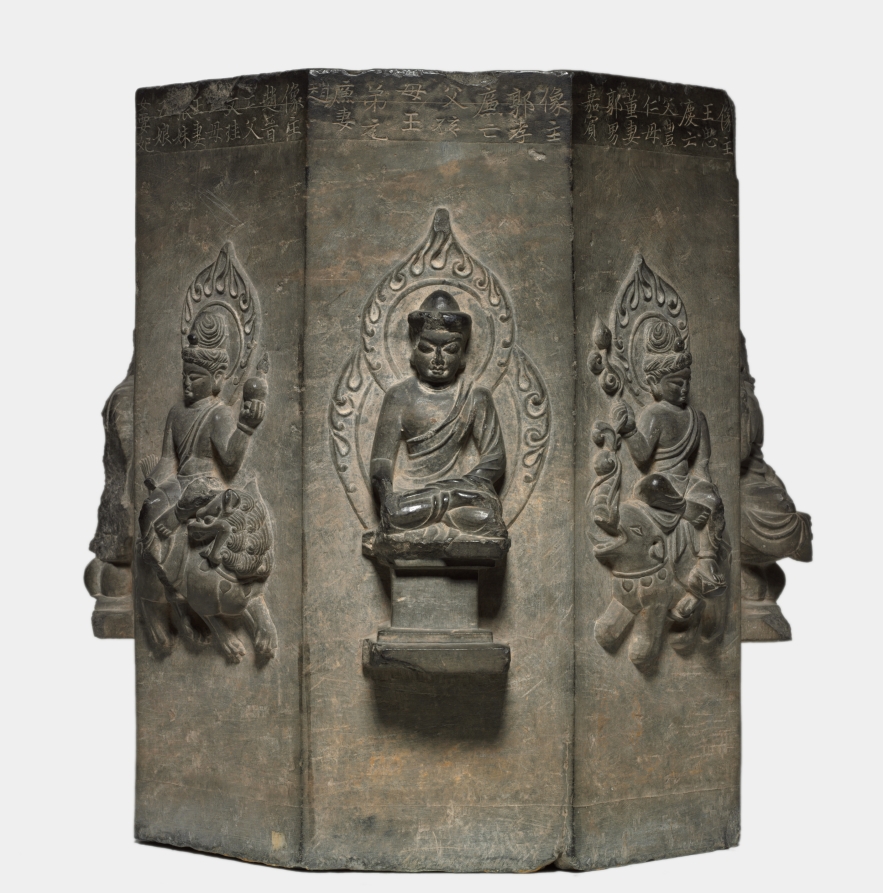
Section of a Dharani Pillar, 618–907

Section of a Dharani Pillar, 618–907

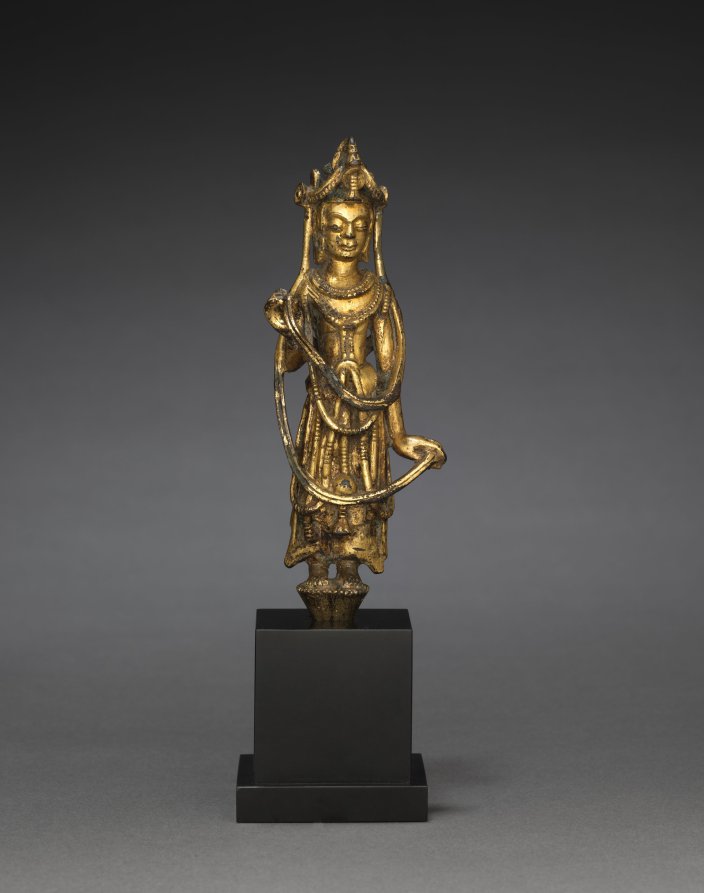
Standing Bodhisattva, late 500s

Standing Bodhisattva, late 500s

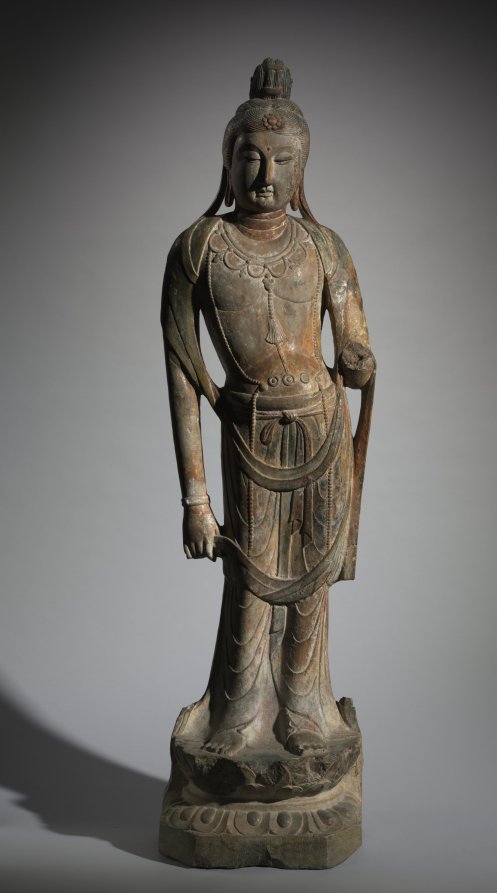
Standing Guanyin, 700s?

Standing Guanyin, 700s?